Buying a sofa feels like it should be simple, until you’re standing in a showroom running your hand over six nearly identical gray fabrics and starting to sweat a little. It’s one of the few furniture purchases most people only make once every decade, so getting it wrong isn’t just annoying, it’s a piece you’ll be arranging your whole evening around for years. After sitting through more showroom visits and fabric swatch deliveries than I can count, both for my own place and for friends who dragged me along “just to look,” I’ve noticed the same handful of decisions separate the sofas people love from the ones they quietly resent by year two.
This guide walks through those decisions in the order that actually matters, starting with how you live day to day, moving into size and the bones of the piece, then getting into fabric, color, and style. None of it is complicated once you know what to look for, and a lot of it has nothing to do with taste and everything to do with how a sofa is actually built underneath the fabric. By the end, you should be able to walk into any store, or scroll through any website, and know within a minute or two whether a sofa is worth a second look or a pass.
Start With How You Actually Live, Not How You Wish You Lived
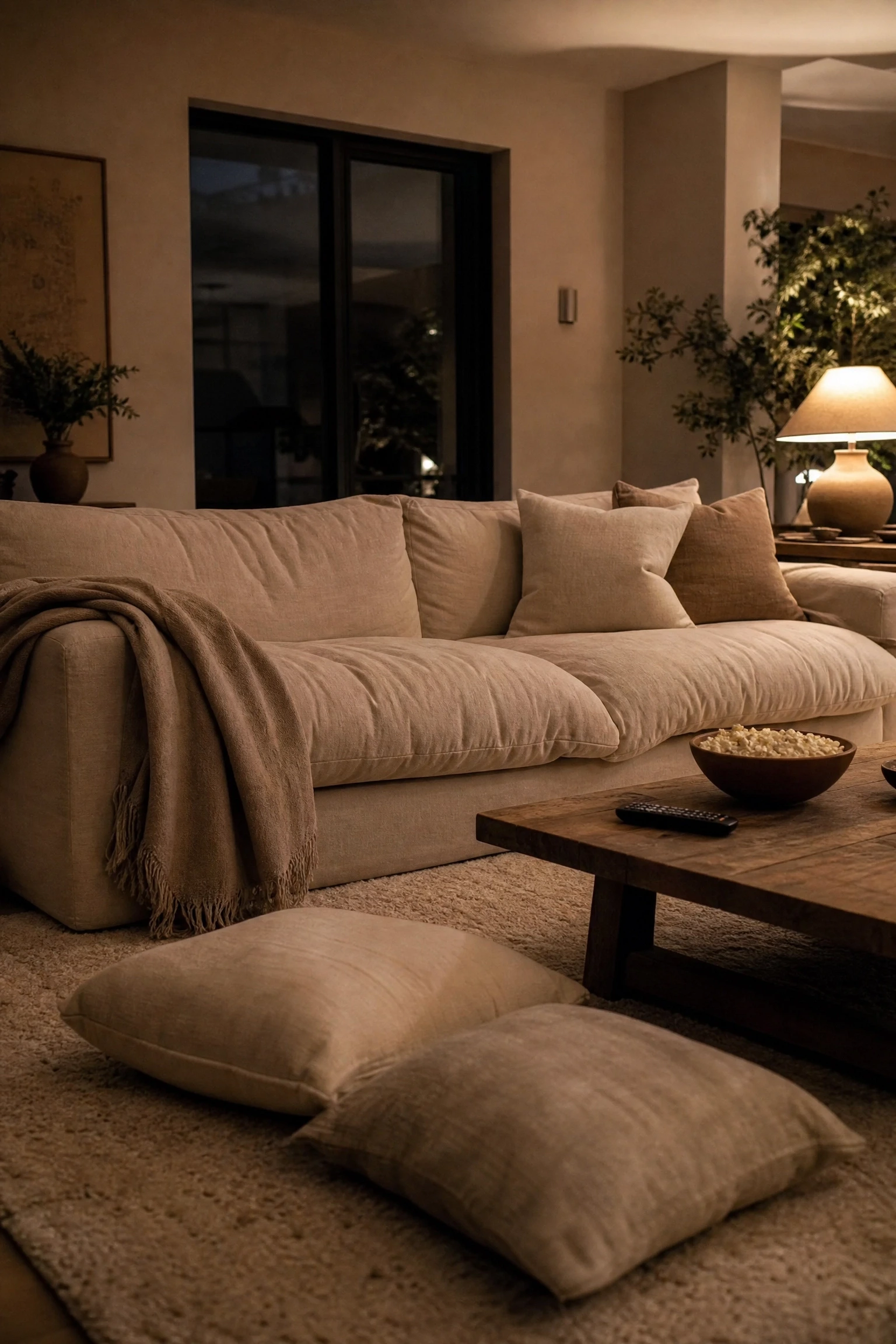
The single biggest mistake I see people make has nothing to do with color or fabric, it’s shopping for the life they imagine instead of the one they actually have. If you picture yourself sitting upright reading in the evening but you and your partner actually end up horizontal watching three episodes of something with a bowl of popcorn balanced on your chest, buy the sofa built for sprawling, not the tailored one with a firm bolster back. A deep seat, somewhere around 23 to 25 inches, with a lower back height works well for households that treat the sofa as a second bed on weeknights, while a shallower seat around 20 to 22 inches with a higher back suits people who mostly sit upright for conversation or meals. Think through the small stuff too, like whether you eat dinner in front of the television, because that changes whether you need a stain resistant fabric and a nearby surface for plates versus a more delicate textile that only has to survive the occasional glass of wine. Designer advice: before you shop, spend a week paying attention to how you actually sit on your current sofa or a friend’s, not how you think you should sit, and let that observation guide the seat depth and firmness you test in store.
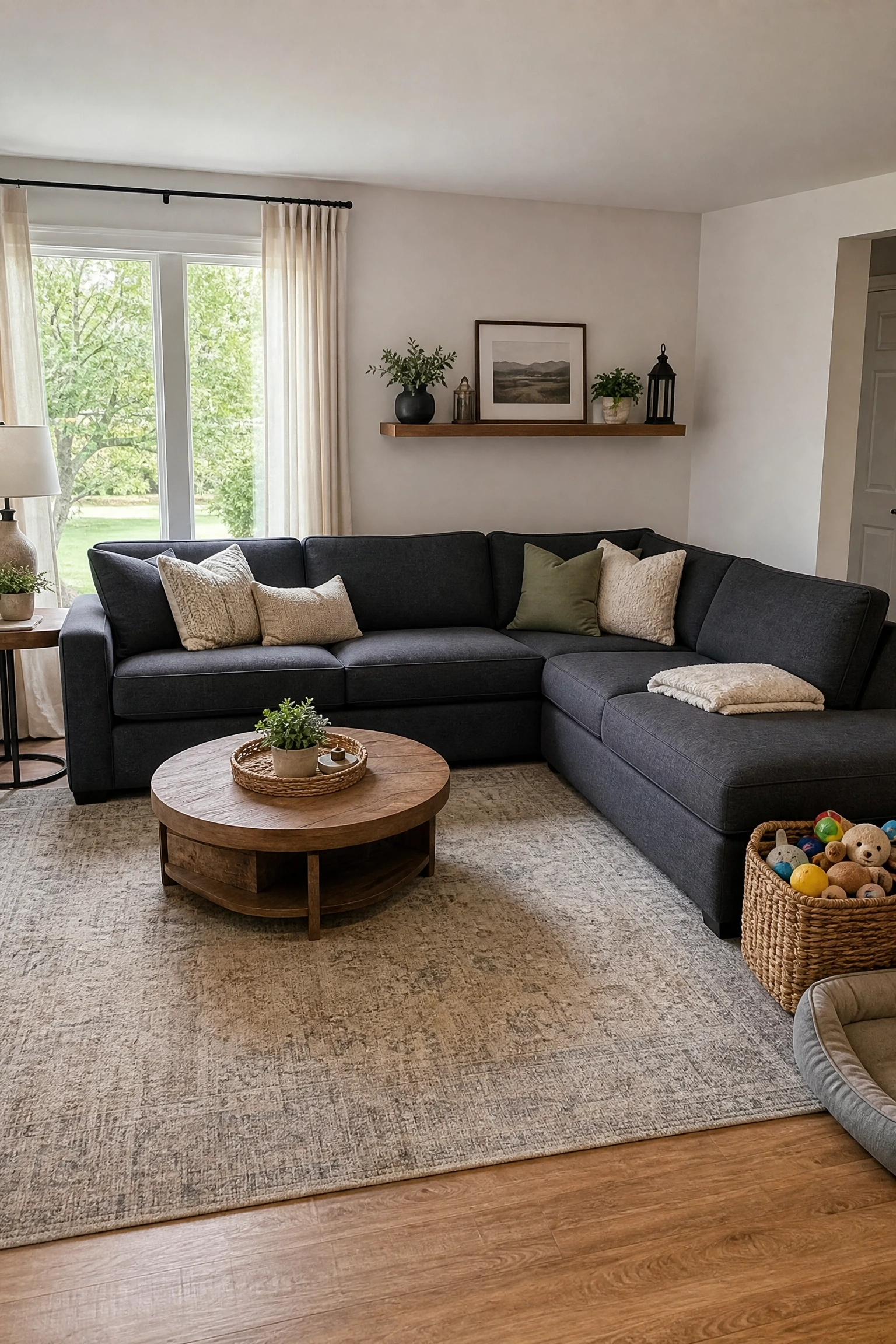
A sofa doesn’t just have to fit you, it has to survive whoever else walks through that room, and that’s where a lot of otherwise great choices go wrong. A household with young kids or a dog that isn’t shy about jumping up needs a performance fabric or a tightly woven synthetic blend that can handle spills and claws, not a loose linen weave that will pill and snag within a season. If you host often, seating capacity matters more than most people expect, and a sofa that looks generous for two can feel cramped the moment a third or fourth person tries to squeeze in, so count heads honestly rather than assuming people will pull up a chair. Light colored fabrics in a busy household aren’t off the table, but they do require a genuine commitment to slipcovers or a treated performance weave, otherwise you’re signing up for a losing battle with crayons and muddy paws. This is also where loveseats and apartment size sofas earn their keep, since a solo apartment dweller with no regular guests rarely needs the seating capacity of a family home, and buying smaller both saves money and keeps a compact room from feeling stuffed. Quick tip: if pets or kids are a daily reality, ask for a fabric sample and test it at home with an actual marker or a damp cloth before you commit, because showroom lighting hides more stains than you’d think.
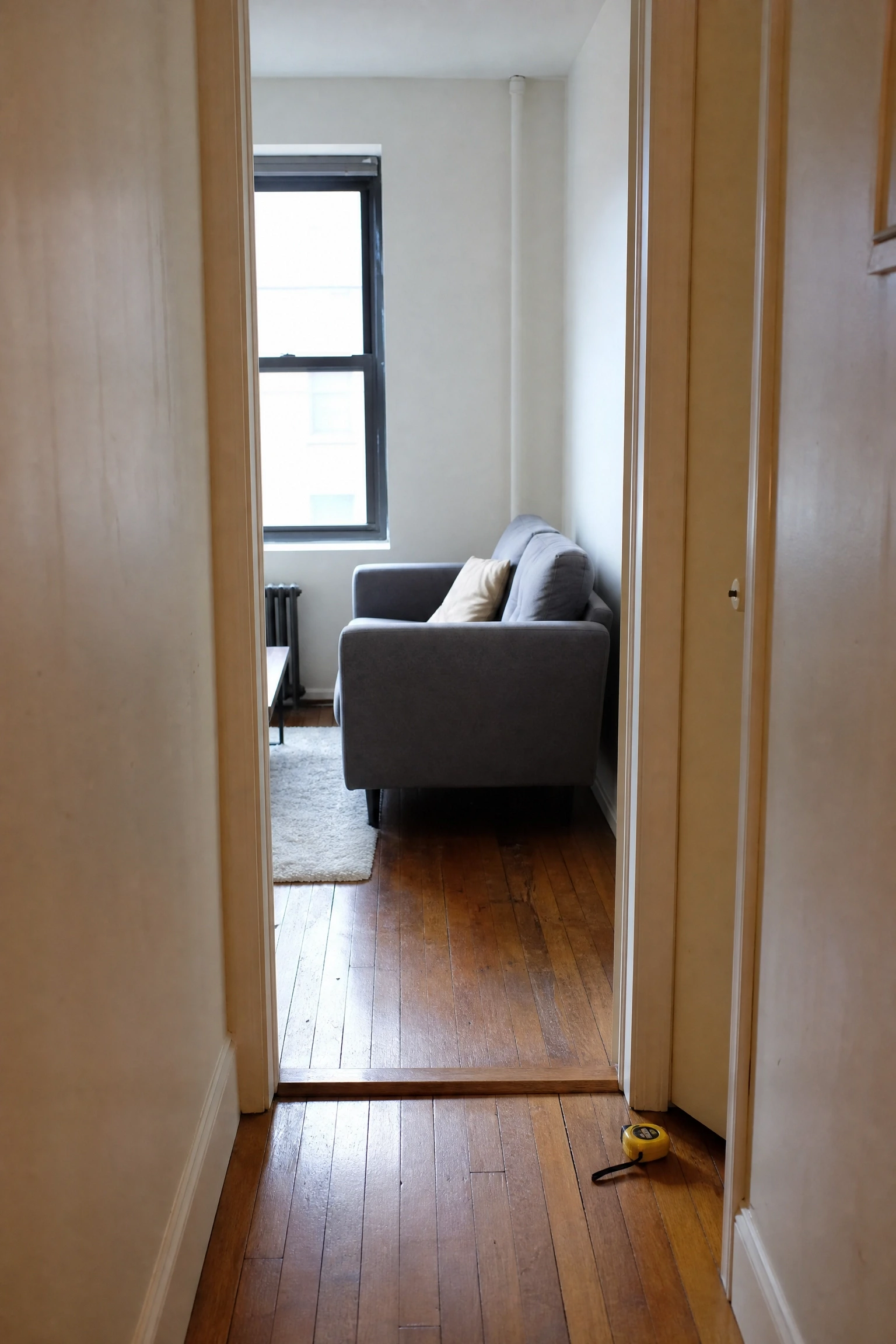
Size is where sofas quietly go wrong more often than style ever does, because a piece that looks perfectly proportioned in a 3,000 square foot showroom can swallow a smaller living room whole. Before you fall for anything, measure your seating wall and aim for the sofa to take up no more than about two thirds of that wall, which leaves breathing room for a side table or a reading lamp and keeps the space from feeling boxed in. Standard three seat sofas typically run 78 to 90 inches wide, while loveseats sit closer to 58 to 72 inches, so knowing your wall length in advance narrows the field before you even start browsing finishes. The measurement people forget, and the one that causes the most headaches on delivery day, is the path the sofa has to travel to get into the room, so measure your front door, any hallway turns, and stairwells, and compare that against the sofa’s boxed dimensions rather than its finished size. In practice, the magic number to look for is a sofa where either the depth or the width is smaller than your narrowest doorway, giving movers enough wiggle room to angle it through without disassembling the frame. Designer advice: use painter’s tape on the floor to outline the exact footprint of a sofa you’re considering, then live with that outline for a day or two before you buy, since a taped rectangle tells you more about scale than a photo ever will.
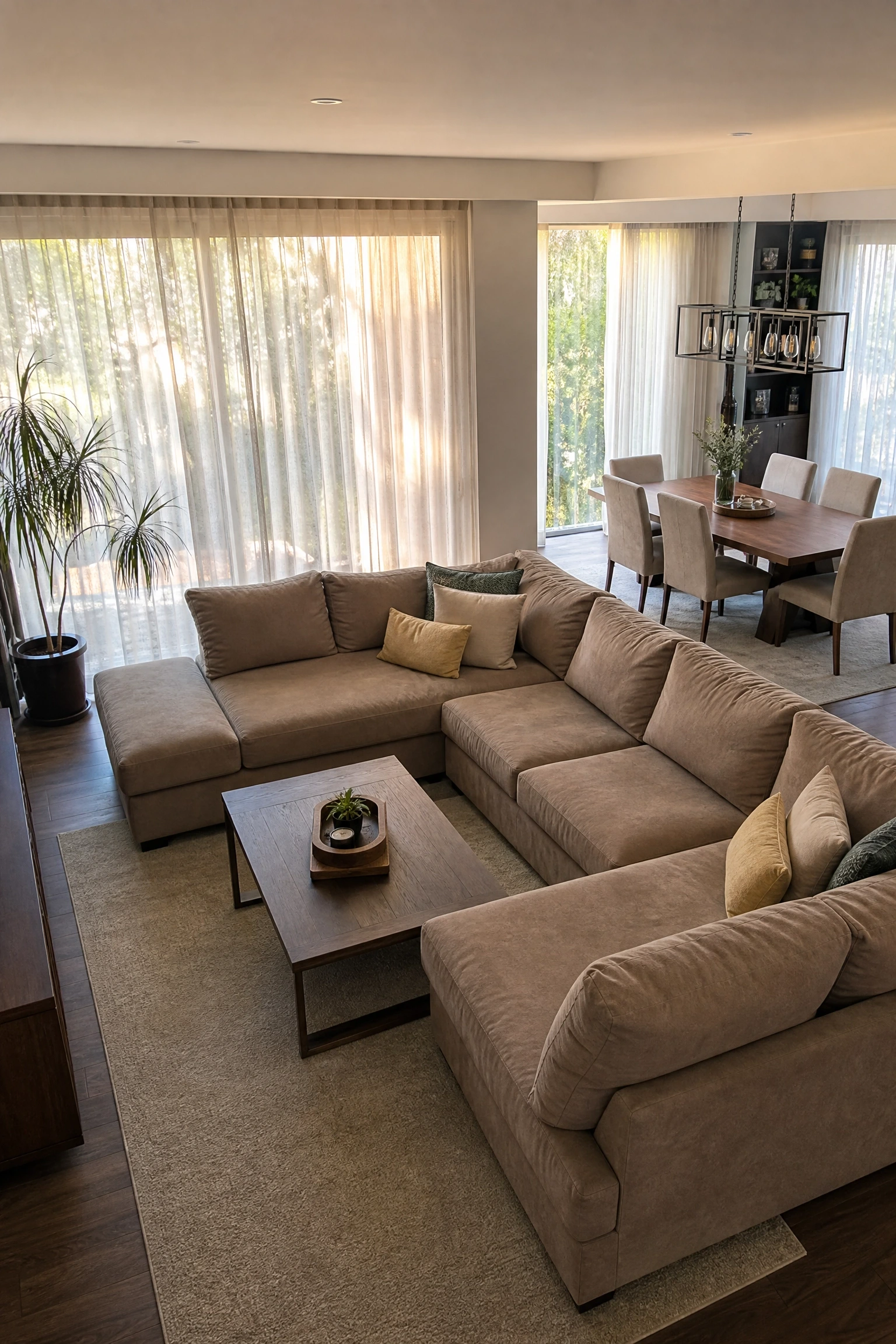
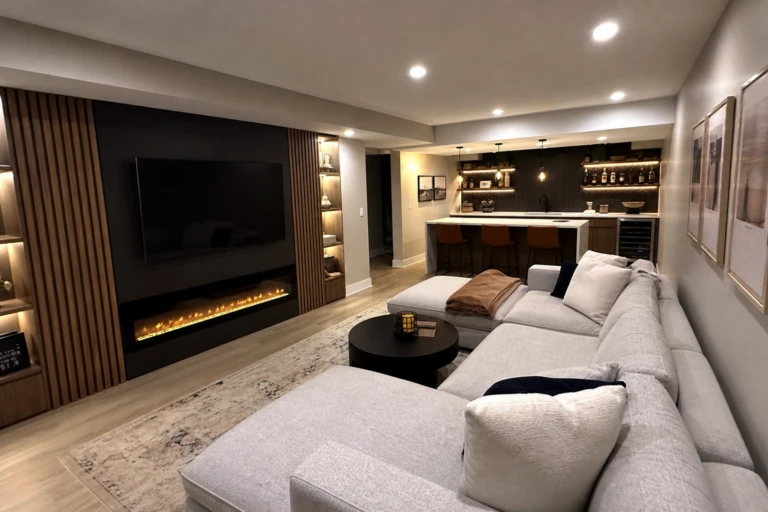
This is one of those decisions where either choice can be right, it just depends entirely on your room’s shape and how you use it. A sectional works beautifully in an open floor plan because the L-shape or U-shape can act as a soft divider, giving the living room a defined edge without needing an actual wall between it and the kitchen or dining area, but it typically needs a room at least 12 by 14 feet to avoid overwhelming the space. A standard sofa paired with an accent chair or two gives you nearly the same seating capacity in a smaller footprint, and it has the added benefit of flexibility, since individual pieces can be rearranged or moved to another room entirely if your needs change. If your household is big on movie nights with a shared sightline to one television, a U-shaped sectional solves that problem in a way a straight sofa can’t, whereas an L-shaped sectional tucked into a corner works better for general entertaining where conversation matters more than a single focal point. Modular sectionals, which let you reconfigure or add pieces over time, cost more upfront but genuinely pay off if you expect to move or redecorate within the next few years, since you’re not locked into one fixed shape. Quick tip: if you’re torn, picture the room with people actually in it during a normal week, not a party, since most sectionals get bought for entertaining but end up used by one or two people most nights.
Seat Depth and Back Height Decide How It Actually Feels
Two sofas can have nearly identical dimensions on paper and feel completely different once you sit down, and that difference almost always comes down to seat depth and back height rather than overall size. A deep seat invites you to curl up sideways or pull your legs up, which is wonderful for lounging but can leave shorter people’s feet dangling if they try to sit upright with their back against the cushion. Back height affects how enclosed or open the sofa feels in the room, with a lower back reading as more casual and modern, letting sightlines flow across an open room, while a taller back creates a more formal, cocooned feeling that works well in a dedicated sitting room. Arm style matters here too, since a track arm keeps the overall footprint tighter and reads more contemporary, while a rolled or English arm adds a few inches of visual softness but eats into usable seat width. None of this shows up clearly in a photo, which is exactly why sitting on a sofa for a full thirty seconds, not just perching on the edge, remains the only real way to know if the proportions work for your body. Designer advice: if you and a partner have noticeably different heights or sitting preferences, look for a sofa with a moderate seat depth around 22 inches, since it tends to work reasonably well for both a lounger and someone who prefers to sit upright.
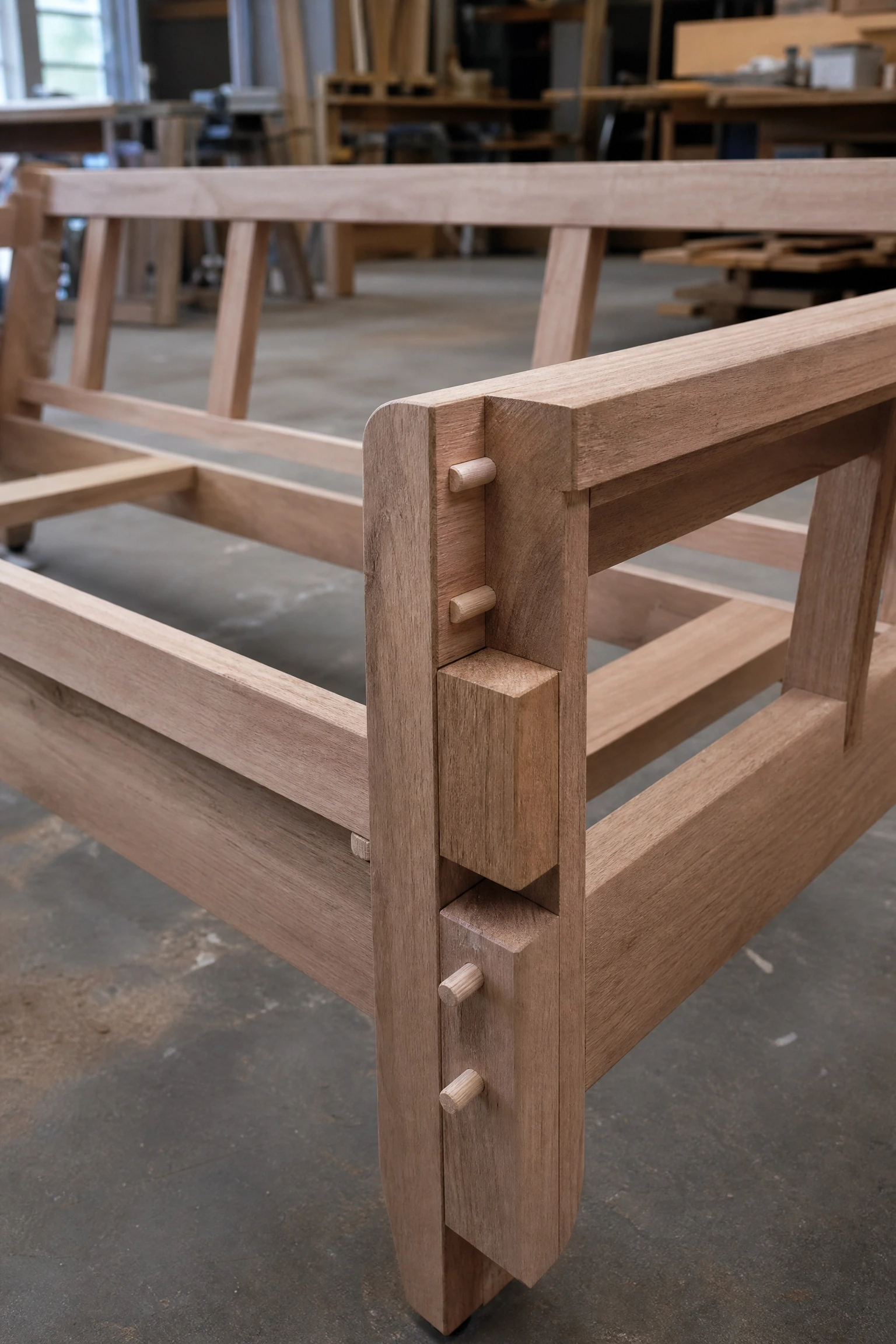
It’s easy to fall for a sofa’s silhouette and fabric and never once ask what the frame underneath is made of, but that single detail probably determines more about how long the piece lasts than anything else on this list. Kiln-dried hardwood, things like oak, maple, or birch, is the durable standard in the furniture industry because the drying process removes moisture that would otherwise cause warping, and a well-built hardwood frame can genuinely last decades with normal use. Particleboard and softwood frames show up at lower price points and aren’t automatically a dealbreaker for a piece you plan to replace in a few years, but they’re more prone to warping, creaking, and structural failure under regular sitting and rising, especially in a busy household. The way the frame is joined matters almost as much as the wood itself, so look for corner blocks, double dowels, and screws at the joints, since staples and glue alone are a sign of corner-cutting that will show up as wobble within a year or two. Most retailers won’t volunteer this information, so it’s worth simply asking what the frame is made of and how the joints are constructed, since a salesperson who can’t answer confidently is often a hint that the answer isn’t a great one. Quick tip: gently push down on one arm of a floor model and see if the whole frame shifts or creaks, a solid hardwood frame with good joinery should feel stable and quiet under that kind of pressure.
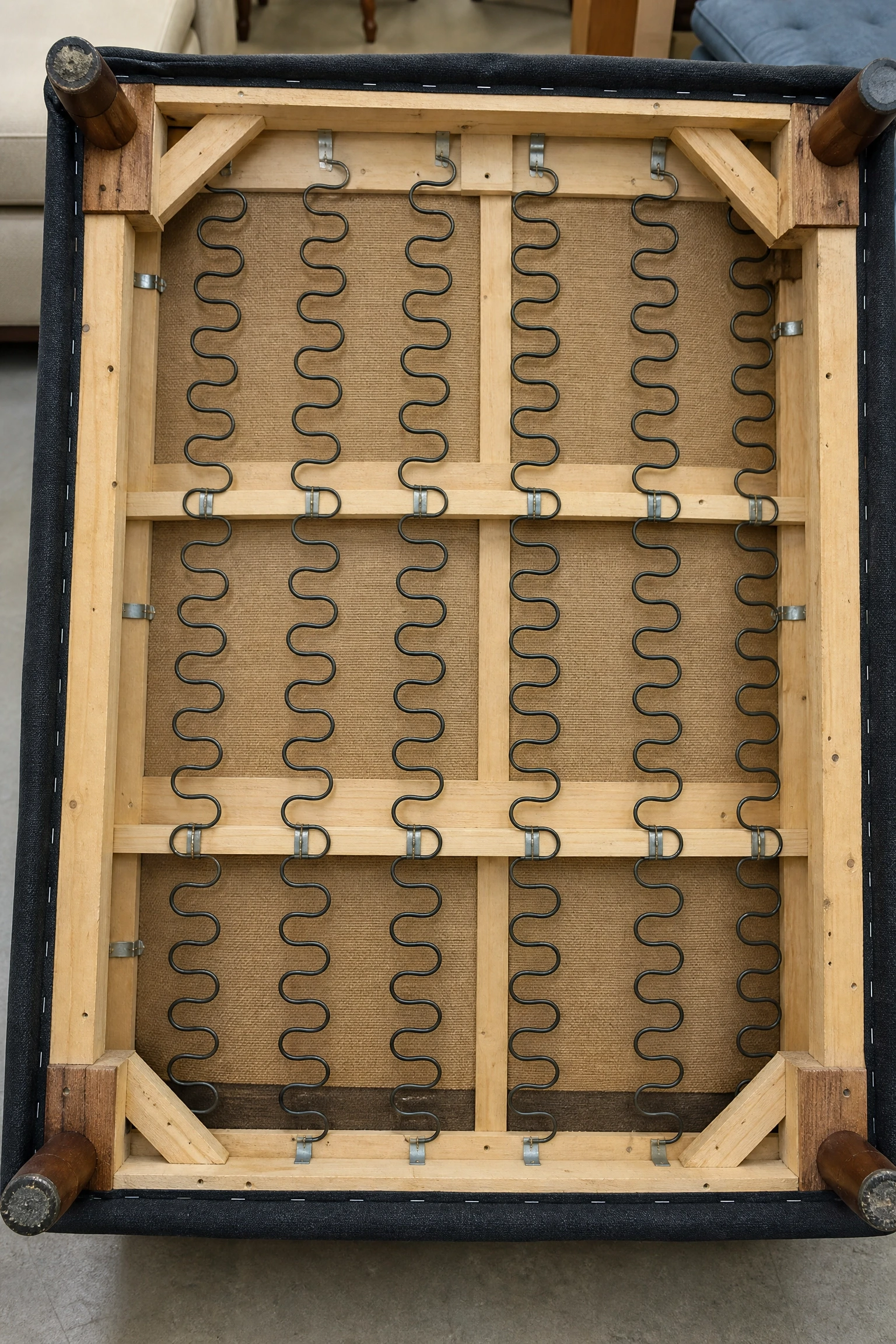
Underneath the cushions sits a support system that most shoppers never think to ask about, even though it directly affects how the sofa feels five years from now, not just on day one. Eight-way hand-tied springs are the traditional gold standard, offering excellent support and a slow, even settle over time, but they’re labor intensive to build and show up mostly on higher-end or custom pieces. Sinuous spring suspension, sometimes called S-springs, is far more common in mid-range furniture and is genuinely a solid, dependable choice for most households, offering good bounce and support without the premium price tag of hand-tied construction. Webbing-only suspension, usually elastic or jute strips stretched across the frame, sits at the bottom of the durability scale and tends to sag noticeably faster, which is worth knowing if you’re comparing two similarly priced sofas and trying to understand why one costs less. None of these terms usually show up on a product tag, so this is another case where asking directly, or checking the manufacturer’s spec sheet online, saves you from a piece that looks fine in the store but sags within eighteen months of daily use. Designer advice: sit in the same spot for a solid minute rather than just perching, since spring quality reveals itself in how the seat continues to support you over time, not in that first split second of contact.
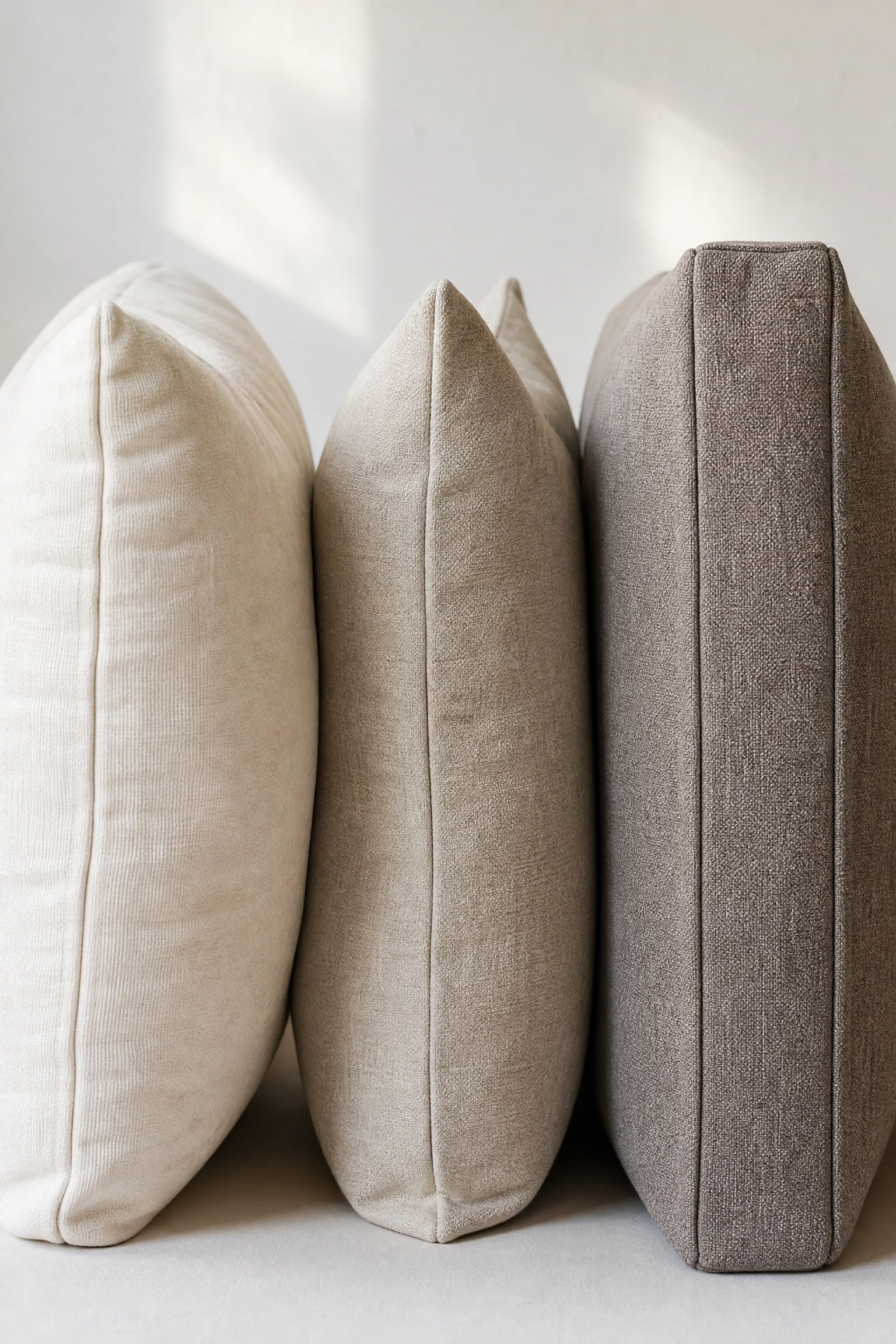
Cushion fill is where personal comfort preference and practical maintenance collide, and there’s genuinely no single right answer here, only the right answer for how you actually use your sofa. High-density foam holds its shape well over years of use and requires almost no upkeep, which makes it the practical choice for busy households, though it can feel firmer than some people expect, especially compared to a plush hotel-style cushion. Down-wrapped foam, where a foam core gets a layer of down or feather around it, gives you that sink-in softness people associate with luxury seating, but it needs regular fluffing to keep its shape and will look rumpled within a day if nobody bothers. Spring-down or hybrid cushions try to split the difference, wrapping individual pocket springs in a foam and down blend, and in my experience they’re the best compromise for households that want a soft first impression without the daily maintenance of pure down. Whatever you land on, a well-made sofa with quality cushion fill should last somewhere between seven and fifteen years depending on materials and use, so it’s worth treating cushion choice as a long-term decision rather than an afterthought made in the last five minutes of a store visit. Quick tip: test each fill type by sitting for a full thirty seconds and noticing whether the cushion returns to shape as you shift, a cushion that stays compressed and flat is a preview of how it will look after a year of real use.
Fabric, Leather, and Color Choices That Actually Hold Up
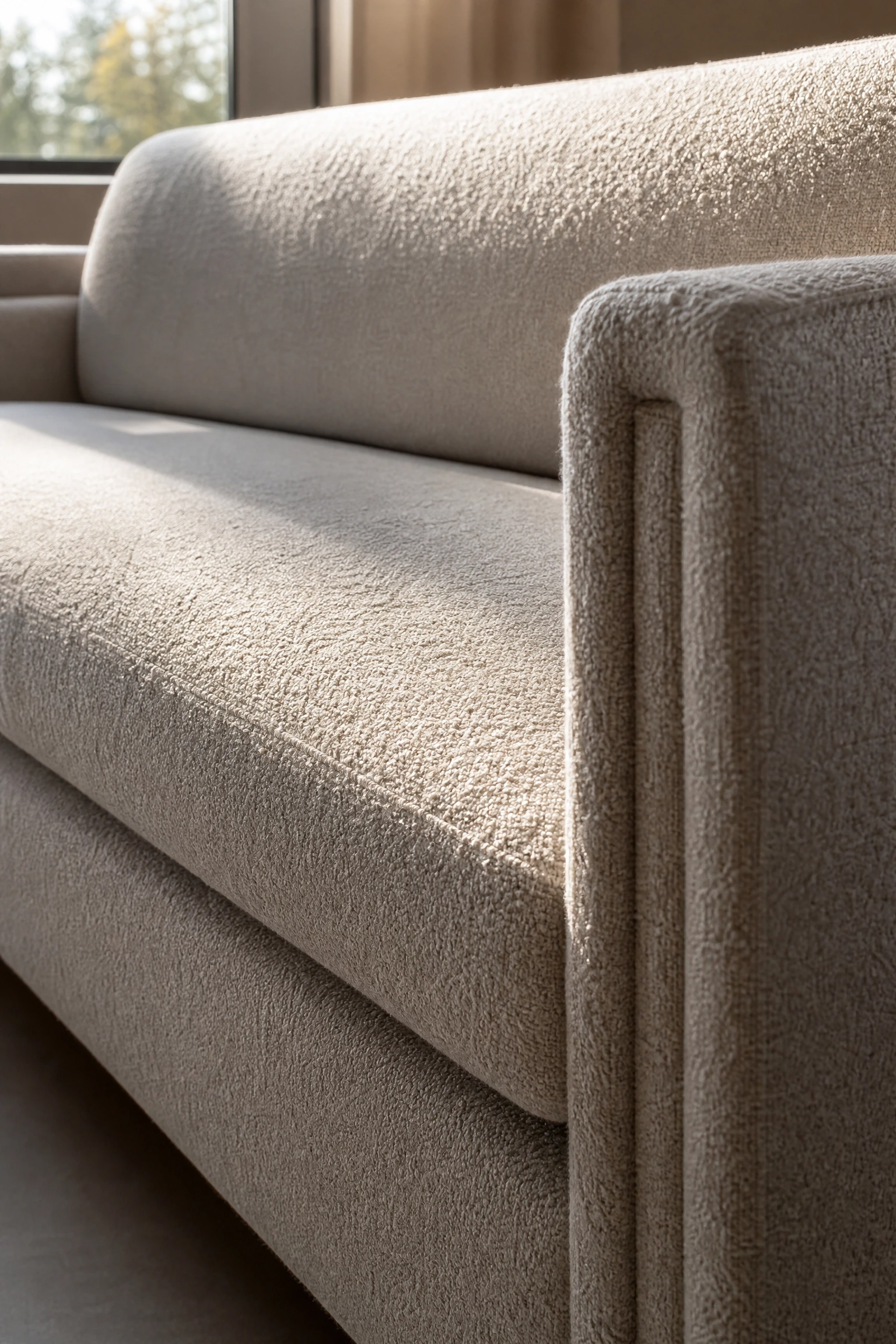
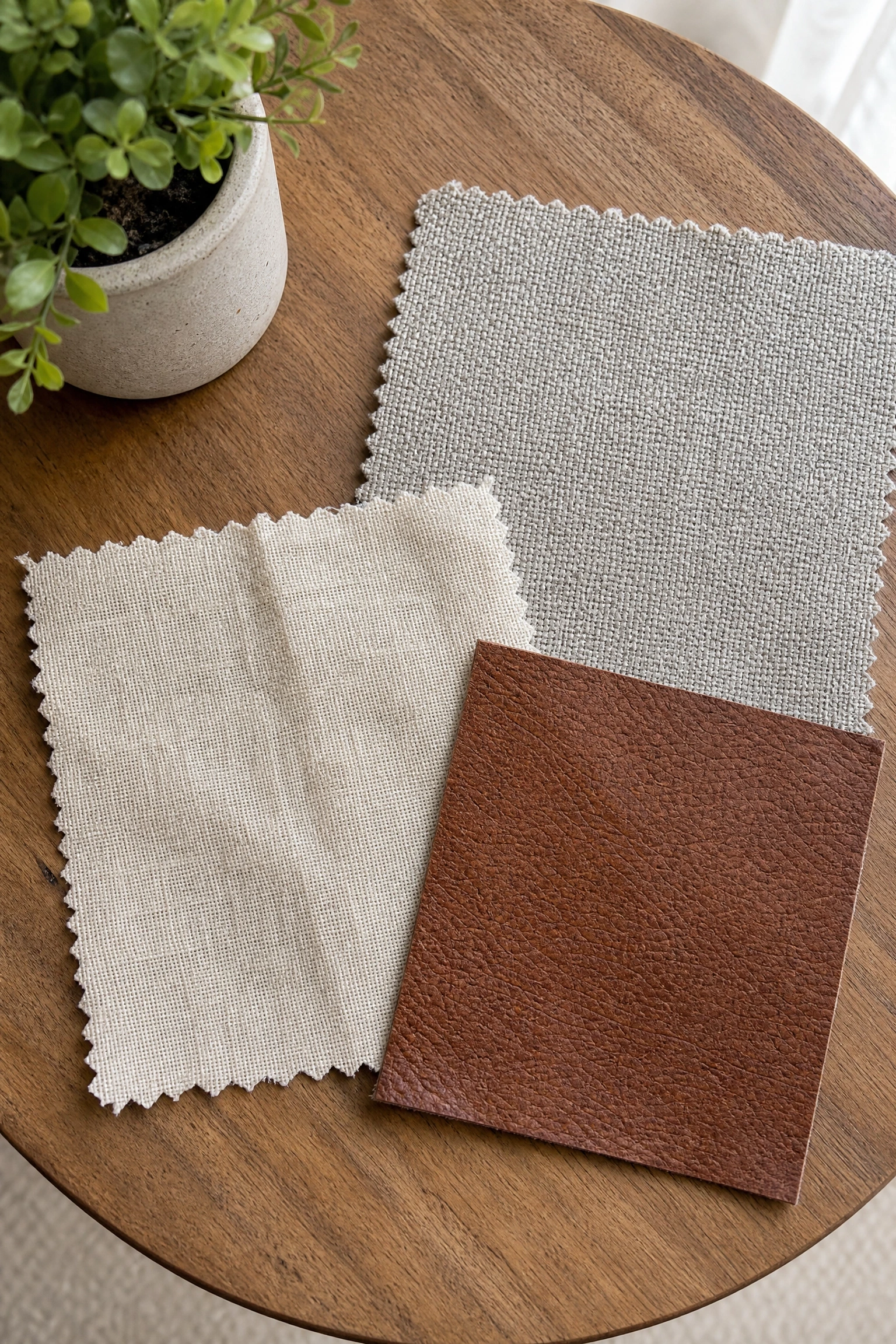
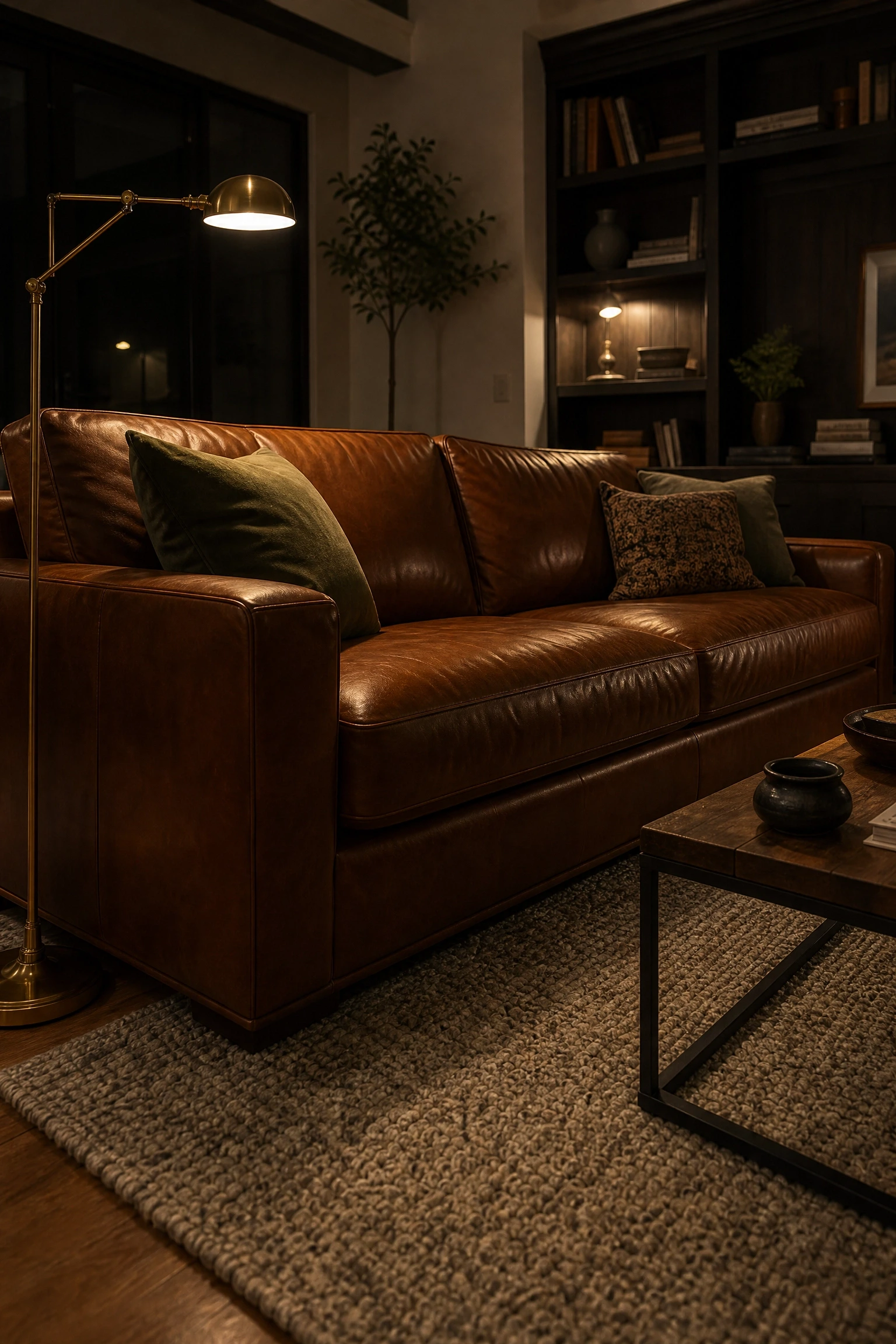
The material covering your sofa affects comfort, cleaning, and how the piece ages more than almost any other decision, and it deserves more thought than simply picking whatever color catches your eye first. Performance fabrics, often engineered polyester or olefin blends with stain-resistant treatments, have come a long way in recent years and now come in textures and weaves that don’t scream “practical” the way older versions did, making them a smart pick for households with kids, pets, or anyone who eats on the couch. Natural fibers like linen and cotton blends bring a softer, more relaxed texture that reads beautifully in casual or coastal-leaning rooms, but they’re genuinely higher maintenance, prone to wrinkling and less forgiving of spills, so they suit a household that’s realistic about that tradeoff. Leather sits in its own category entirely, offering a clean, easy-to-wipe surface that actually improves in character as it ages and develops a soft patina, though it can feel cold in winter and warm or slightly sticky in humid climates without good ventilation, and genuine leather sits at a higher price point than most fabric options. Whatever you choose, request an actual fabric or leather swatch and take it home, since store lighting flattens texture and color in a way that can mislead you about how a material will actually read against your walls and flooring. Designer advice: if you’re torn between two materials, think about which one will still look intentional after a rough week, rather than which one looks best in the showroom under perfect lighting.
Color Strategy: Neutral Anchor or Bold Statement Piece
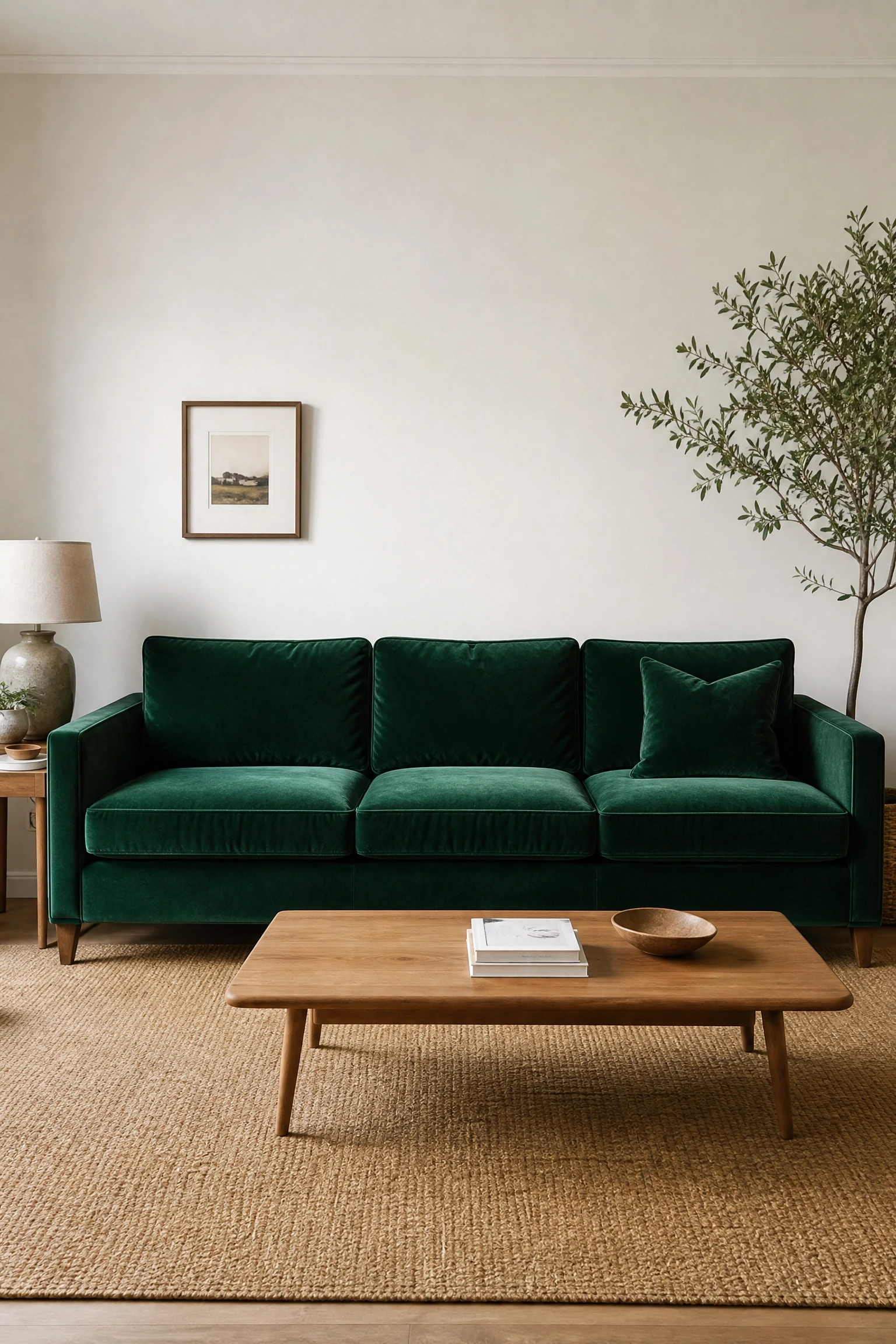
Sofa color is one of the more permanent decisions in a room because, unlike a rug or a set of pillows, you’re not swapping it out on a whim, so it’s worth thinking through with a bit more care than a paint chip. A neutral sofa in warm gray, greige, or a soft oatmeal acts as an anchor piece, giving you the freedom to change pillows, throws, and art over the years without the whole room needing a redo, and this is genuinely the safer, more budget-friendly long-term strategy for most households. A bold statement sofa, think deep emerald velvet or a rust colored bouclé, absolutely can work and tends to photograph beautifully, but it works best when the rest of the room, walls, rugs, and large furniture, stays calm and neutral so the color has room to breathe rather than competing with five other loud choices. One thing that works well in practice is echoing the sofa’s color in one or two smaller details elsewhere in the room, like a throw pillow or a piece of art, which ties the space together without making it feel like everything was bought as a matching set. It’s also worth being honest that trend colors move faster than sofa lifespans do, so a color that feels exciting today should still feel reasonable to you in eight or ten years, which is exactly why so many professional designers lean neutral on large, expensive pieces and save bold color for things that are cheaper and easier to replace. Quick tip: hold your fabric swatch up against your existing rug and largest piece of art at different times of day, since color temperature shifts dramatically between morning light and evening lamp light.
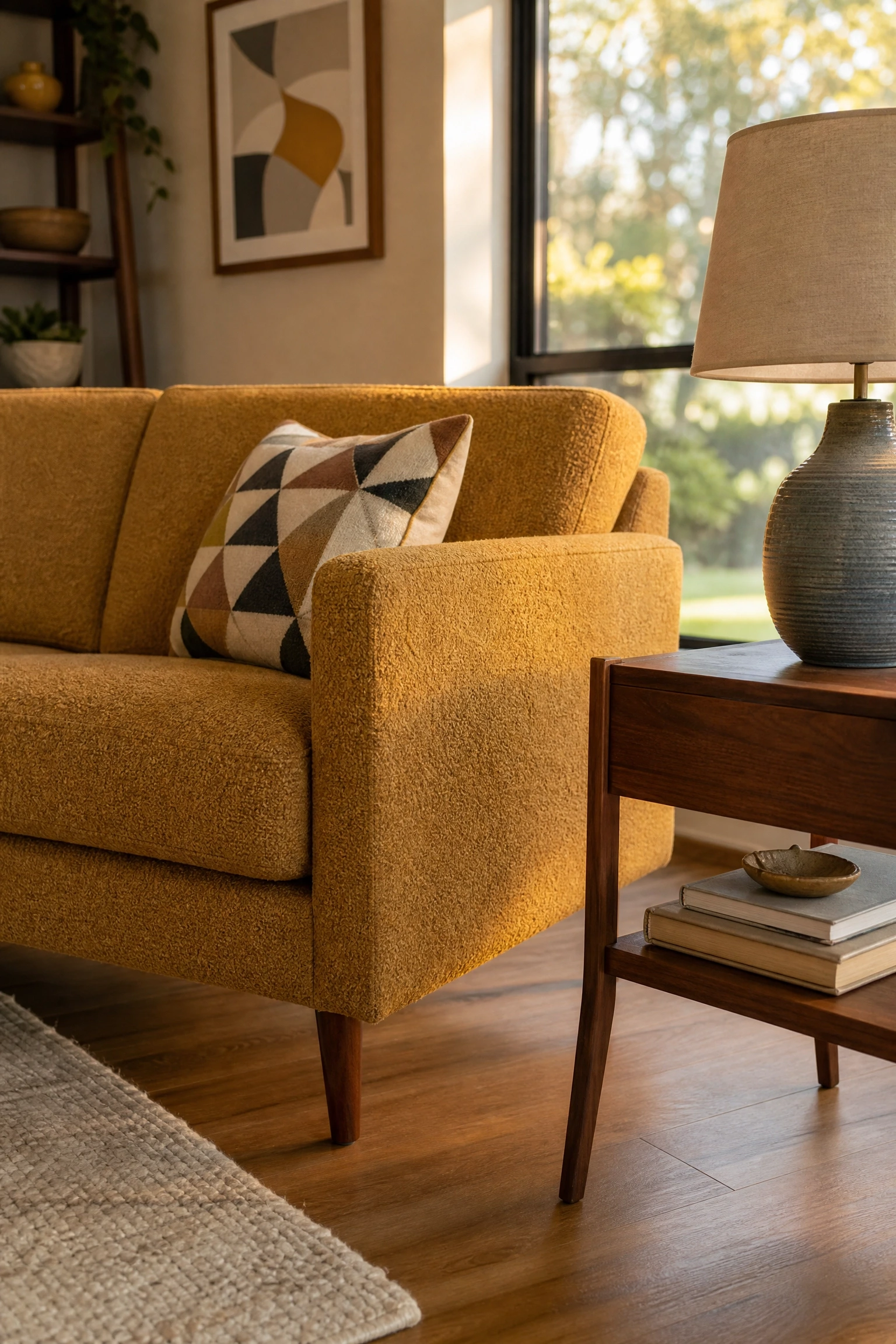
The shape of a sofa communicates its design era almost as loudly as its color does, so getting the silhouette right does a lot of quiet work in tying a room together. A mid-century modern sofa typically has tapered wooden legs, clean low-profile lines, and a track arm, and it pairs naturally with warm walnut tones and simple geometric textiles, working especially well in rooms that already lean toward a retro or Scandinavian palette. A Japandi-inspired piece blends Japanese minimalism with Scandinavian warmth, usually showing up as a low, boxy silhouette in a natural linen or bouclé with visible wood legs, and it suits people who want a calm, uncluttered room where the sofa doesn’t shout for attention. Traditional roll-arm sofas, with their curved arms and skirted or turned wooden legs, still have a real place in more classic or transitional homes, and they tend to read as more formal and enduring, which is part of why they show up so often in homes that aren’t chasing every passing trend. A more contemporary track-arm sofa with a low back and clean lines works as something of a chameleon, flexible enough to sit comfortably in a modern loft or soften into a more traditional room when paired with warmer textiles and vintage accessories. Designer advice: if your existing furniture is a mix of styles, choose a sofa silhouette that leans slightly simpler and more neutral in shape than your boldest piece, since a busy room needs at least one visually quiet anchor to hold it together.
Sofa prices span an enormous range, and understanding what that money is actually buying helps you avoid both overpaying for marketing and underpaying for something that won’t survive daily life. At the budget end, generally under a thousand dollars, you’re often looking at softwood or particleboard frames, webbing or basic spring suspension, and all-foam cushions, which can be a perfectly reasonable choice for a starter apartment, a guest room, or anyone who expects to move again within a few years and doesn’t want to commit long-term. The mid-range tier, roughly one to three thousand dollars, is where most households land, and this is typically where you start seeing kiln-dried hardwood frames, sinuous spring suspension, and better cushion fill combinations, offering a real jump in longevity for a moderate jump in price. Investment-level sofas above three thousand dollars usually bring eight-way hand-tied springs, premium leather or heavyweight performance fabric, and often a warranty that reflects the manufacturer’s confidence in the construction, and while that price tag isn’t realistic or necessary for everyone, it does make sense for a piece you plan to keep for fifteen or twenty years. It’s worth being honest that a higher price doesn’t automatically mean better value if it doesn’t match how you’ll actually use the piece, so a family expecting heavy daily wear from kids and pets may get more real-world value from a well-made mid-range performance fabric sofa than from an investment leather piece that needs babying. Quick tip: ask any retailer directly what warranty covers the frame versus the fabric versus the cushions, since a longer frame warranty is usually the clearest signal of how much the manufacturer trusts their own construction.
Wrapping It Up
Choosing a sofa really does come down to working through these decisions in order, starting with how you actually live, then getting the size and construction right, and only after that settling on fabric, color, and style. Skip that order and you end up with the classic scenario of a gorgeous sofa that’s the wrong depth for how you sit, or a durable one in a color that fights with everything else in the room. None of the individual pieces of advice here are complicated, but taken together they add up to a purchase that actually holds up to real life instead of just looking good for the first few months. If you remember nothing else, measure before you fall in love with anything, ask about the frame and suspension even if it feels like an odd question in a showroom, and sit for a full thirty seconds instead of a quick perch before you decide. A sofa is one of the most-used pieces of furniture most people ever own, so it deserves a slightly more careful process than grabbing the first one that photographs well online, and that little bit of extra effort upfront is what separates a sofa you’re still happy with in year eight from one you’re already tired of by year two.
Frequently Asked Questions
How much should I actually spend on a sofa?
It depends more on how long you plan to keep it than on any fixed rule. A piece you expect to use for two or three years in a starter apartment can reasonably sit in the budget tier, while a sofa meant to anchor a living room for a decade or more is usually worth stretching into the mid-range or investment tier, since the frame and suspension quality at that level genuinely extends the piece’s life.
Is a sectional always better than a regular sofa?
Not necessarily. Sectionals shine in larger, open-plan rooms where they can define a space, but they need real square footage to avoid feeling oversized, and they’re harder to rearrange or move to a new home. A standard sofa with an accent chair or two often gives a smaller room nearly the same seating without the bulk.
How do I know if a fabric will hold up with kids or pets?
Ask specifically about performance fabrics, which are engineered to resist stains and are usually easier to clean than natural fibers like linen. Request a swatch and test it at home with a damp cloth or a washable marker before you commit, since showroom lighting and controlled conditions can hide how a fabric really performs.
What’s the most important measurement before I buy?
Most people remember to measure the wall the sofa will sit against, but the measurement that causes the most delivery-day headaches is the path into the room, including doorways, hallway turns, and stairwells. Compare that against the sofa’s boxed dimensions, not just its finished size.
Should I prioritize comfort or durability?
They’re less opposed than they seem. A well-constructed frame with quality suspension and the right cushion fill for your habits, whether that’s high-density foam or a spring-down hybrid, tends to deliver both comfort and durability at once, since a sofa that sags or loses shape quickly stops being comfortable anyway.
How long should a good sofa actually last?
A well-made sofa with a hardwood frame, solid suspension, and quality cushion fill typically lasts somewhere between seven and fifteen years depending on materials and how heavily it’s used. Frame construction and suspension type tend to matter more for longevity than fabric choice alone