The Ultimate Guide to Farmhouse Dining Room Table Ideas: 15 Inspiring Designs for Your Home

The Ultimate Guide to Farmhouse Dining Room Table Ideas: 15 Inspiring Designs for Your Home

Introduction

The dining room is the heart of the home, a place where families gather, stories are shared, and memories are made. In recent years, the farmhouse style has captured the hearts of homeowners worldwide, offering a perfect blend of rustic charm, practicality, and modern elegance. At the center of this aesthetic is the farmhouse dining table—a piece of furniture that is as much about function as it is about form. Whether you are hosting a large holiday feast or enjoying a quiet Tuesday night dinner, the right table sets the tone for your entire dining experience.

Farmhouse style is rooted in the traditions of rural life, where furniture was built to last and materials were sourced from the land. Today, this style has evolved into several sub-genres, including modern farmhouse, industrial farmhouse, and coastal farmhouse. Despite these variations, the core principles remain the same: a focus on natural materials, a sense of history, and an inviting, unpretentious atmosphere. In this comprehensive guide, we will explore 15 unique farmhouse dining room table ideas that can transform your space into a warm and welcoming haven.

Classic Solid Wood Table

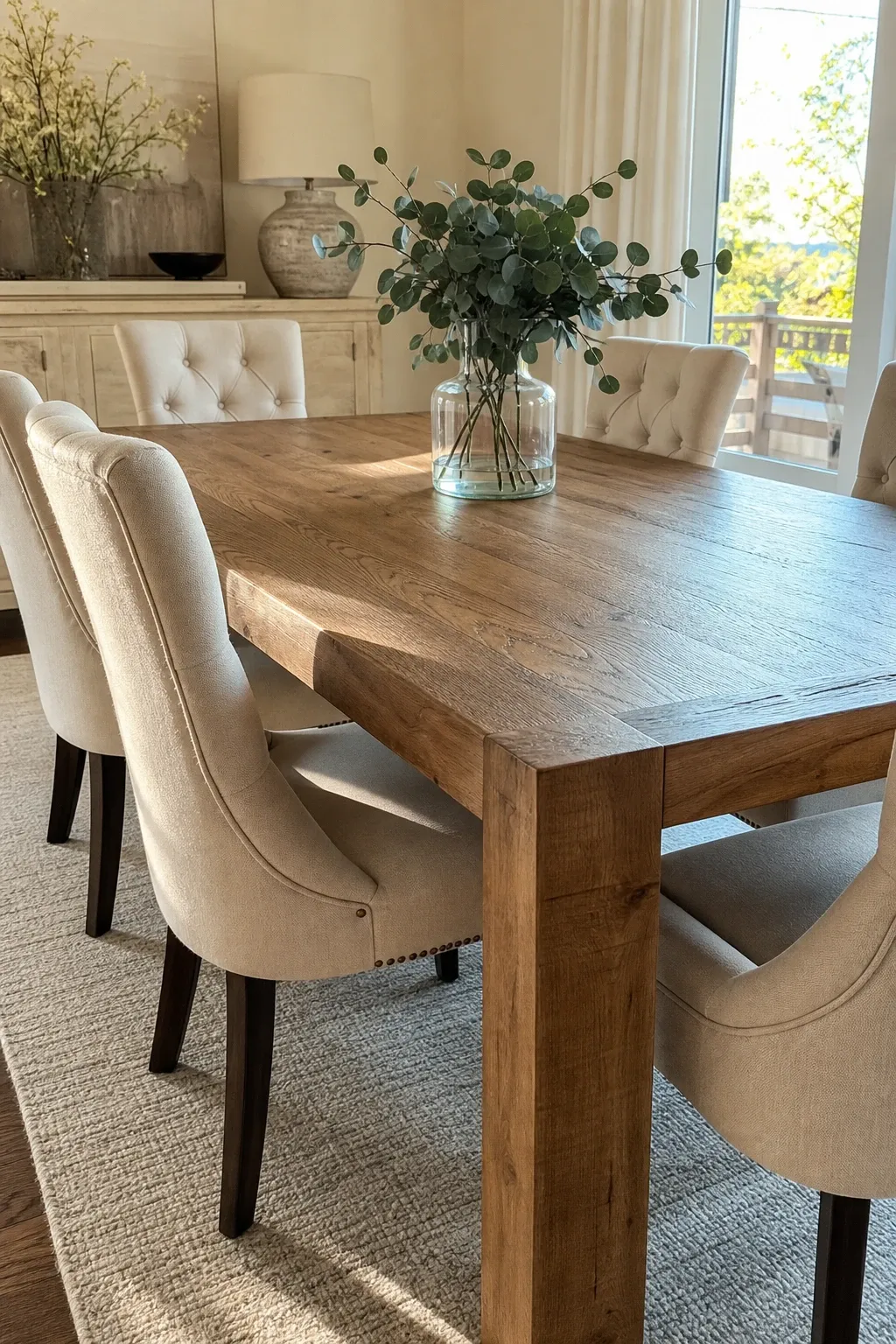
A sturdy solid wood table is the quintessential farmhouse piece. It represents the durability and timelessness of the style. Pair it with tufted chairs for a touch of luxury.

When selecting a table like this, consider the scale of your room. A farmhouse table is often a substantial piece, so you want to ensure there is enough space for people to move comfortably around it. The beauty of the farmhouse style is its versatility. You can dress it up with fine china and crystal for a formal dinner, or keep it simple with stoneware and linen for everyday meals. The key is to maintain a balance between the ruggedness of the wood and the softness of your accessories.

Furthermore, the choice of chairs can completely change the vibe. Spindle chairs offer a traditional look, while upholstered chairs add comfort and a bit of formality. Don’t be afraid to mix and match; a bench on one side and chairs on the other is a classic farmhouse move that adds visual interest and practical seating options.

The history of the farmhouse table is deeply intertwined with the development of rural communities. In the past, these tables were the center of the home, used not just for eating, but for preparing food, doing homework, and gathering for community meetings. This legacy of multi-functionality is what makes them so appealing today. They are built to be used, not just looked at. The natural imperfections in the wood—the knots, the grain variations, and even the occasional dent—are celebrated as part of the table’s unique story. This ‘perfectly imperfect’ quality is at the heart of the farmhouse philosophy.

The history of the farmhouse table is deeply intertwined with the development of rural communities. In the past, these tables were the center of the home, used not just for eating, but for preparing food, doing homework, and gathering for community meetings. This legacy of multi-functionality is what makes them so appealing today. They are built to be used, not just looked at. The natural imperfections in the wood—the knots, the grain variations, and even the occasional dent—are celebrated as part of the table’s unique story. This ‘perfectly imperfect’ quality is at the heart of the farmhouse philosophy.

The history of the farmhouse table is deeply intertwined with the development of rural communities. In the past, these tables were the center of the home, used not just for eating, but for preparing food, doing homework, and gathering for community meetings. This legacy of multi-functionality is what makes them so appealing today. They are built to be used, not just looked at. The natural imperfections in the wood—the knots, the grain variations, and even the occasional dent—are celebrated as part of the table’s unique story. This ‘perfectly imperfect’ quality is at the heart of the farmhouse philosophy.

Bench Seating for Casual Comfort

Benches offer a relaxed alternative to traditional chairs, making them perfect for families with children or those who love a communal dining feel.

When selecting a table like this, consider the scale of your room. A farmhouse table is often a substantial piece, so you want to ensure there is enough space for people to move comfortably around it. The beauty of the farmhouse style is its versatility. You can dress it up with fine china and crystal for a formal dinner, or keep it simple with stoneware and linen for everyday meals. The key is to maintain a balance between the ruggedness of the wood and the softness of your accessories.

Furthermore, the choice of chairs can completely change the vibe. Spindle chairs offer a traditional look, while upholstered chairs add comfort and a bit of formality. Don’t be afraid to mix and match; a bench on one side and chairs on the other is a classic farmhouse move that adds visual interest and practical seating options.

The history of the farmhouse table is deeply intertwined with the development of rural communities. In the past, these tables were the center of the home, used not just for eating, but for preparing food, doing homework, and gathering for community meetings. This legacy of multi-functionality is what makes them so appealing today. They are built to be used, not just looked at. The natural imperfections in the wood—the knots, the grain variations, and even the occasional dent—are celebrated as part of the table’s unique story. This ‘perfectly imperfect’ quality is at the heart of the farmhouse philosophy.

The history of the farmhouse table is deeply intertwined with the development of rural communities. In the past, these tables were the center of the home, used not just for eating, but for preparing food, doing homework, and gathering for community meetings. This legacy of multi-functionality is what makes them so appealing today. They are built to be used, not just looked at. The natural imperfections in the wood—the knots, the grain variations, and even the occasional dent—are celebrated as part of the table’s unique story. This ‘perfectly imperfect’ quality is at the heart of the farmhouse philosophy.

The history of the farmhouse table is deeply intertwined with the development of rural communities. In the past, these tables were the center of the home, used not just for eating, but for preparing food, doing homework, and gathering for community meetings. This legacy of multi-functionality is what makes them so appealing today. They are built to be used, not just looked at. The natural imperfections in the wood—the knots, the grain variations, and even the occasional dent—are celebrated as part of the table’s unique story. This ‘perfectly imperfect’ quality is at the heart of the farmhouse philosophy.

Industrial Farmhouse with Metal Chairs

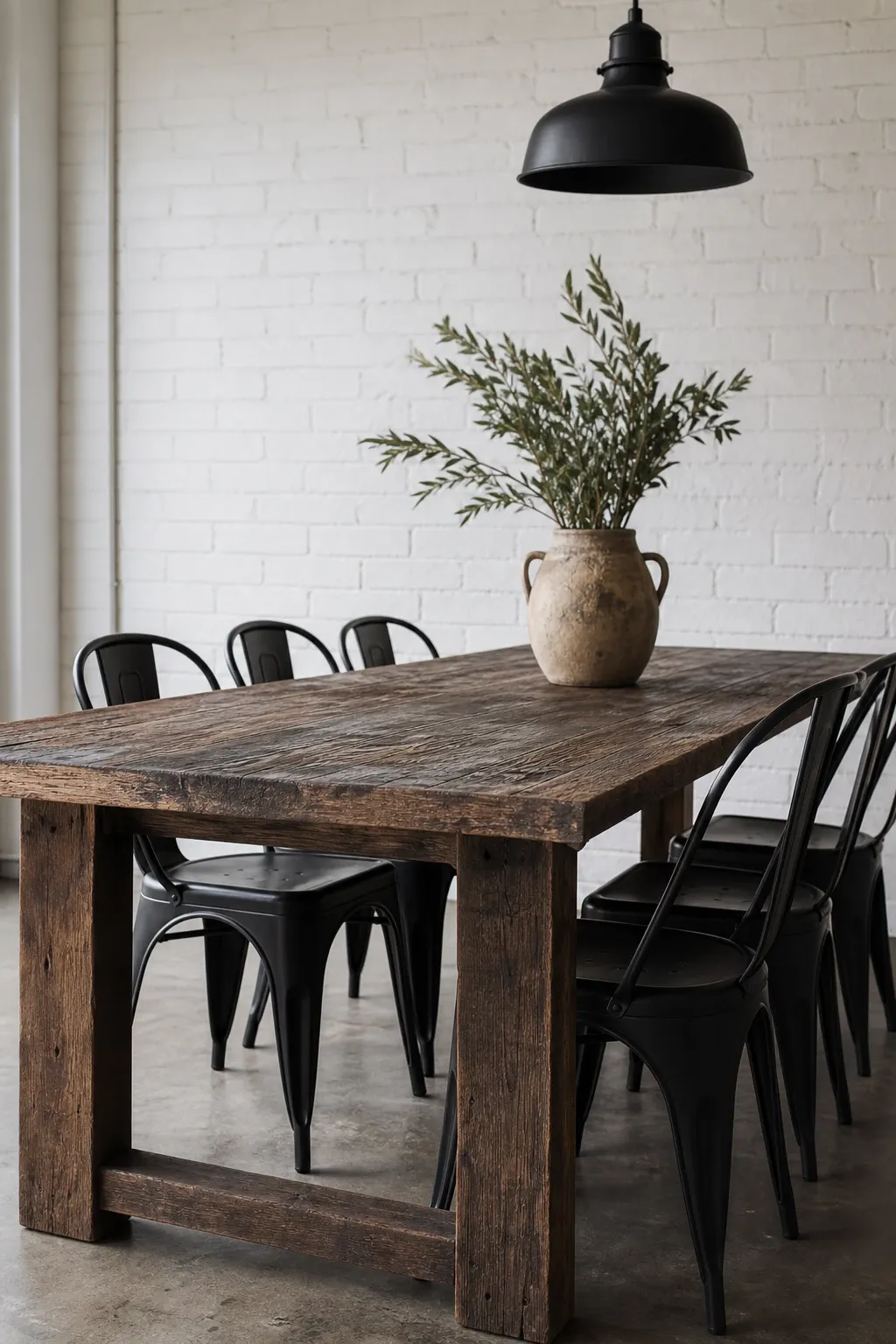
Mixing wood with metal elements like Tolix chairs creates a rugged, industrial look that is both modern and grounded.

When selecting a table like this, consider the scale of your room. A farmhouse table is often a substantial piece, so you want to ensure there is enough space for people to move comfortably around it. The beauty of the farmhouse style is its versatility. You can dress it up with fine china and crystal for a formal dinner, or keep it simple with stoneware and linen for everyday meals. The key is to maintain a balance between the ruggedness of the wood and the softness of your accessories.

Furthermore, the choice of chairs can completely change the vibe. Spindle chairs offer a traditional look, while upholstered chairs add comfort and a bit of formality. Don’t be afraid to mix and match; a bench on one side and chairs on the other is a classic farmhouse move that adds visual interest and practical seating options.

The history of the farmhouse table is deeply intertwined with the development of rural communities. In the past, these tables were the center of the home, used not just for eating, but for preparing food, doing homework, and gathering for community meetings. This legacy of multi-functionality is what makes them so appealing today. They are built to be used, not just looked at. The natural imperfections in the wood—the knots, the grain variations, and even the occasional dent—are celebrated as part of the table’s unique story. This ‘perfectly imperfect’ quality is at the heart of the farmhouse philosophy.

The history of the farmhouse table is deeply intertwined with the development of rural communities. In the past, these tables were the center of the home, used not just for eating, but for preparing food, doing homework, and gathering for community meetings. This legacy of multi-functionality is what makes them so appealing today. They are built to be used, not just looked at. The natural imperfections in the wood—the knots, the grain variations, and even the occasional dent—are celebrated as part of the table’s unique story. This ‘perfectly imperfect’ quality is at the heart of the farmhouse philosophy.

The history of the farmhouse table is deeply intertwined with the development of rural communities. In the past, these tables were the center of the home, used not just for eating, but for preparing food, doing homework, and gathering for community meetings. This legacy of multi-functionality is what makes them so appealing today. They are built to be used, not just looked at. The natural imperfections in the wood—the knots, the grain variations, and even the occasional dent—are celebrated as part of the table’s unique story. This ‘perfectly imperfect’ quality is at the heart of the farmhouse philosophy.

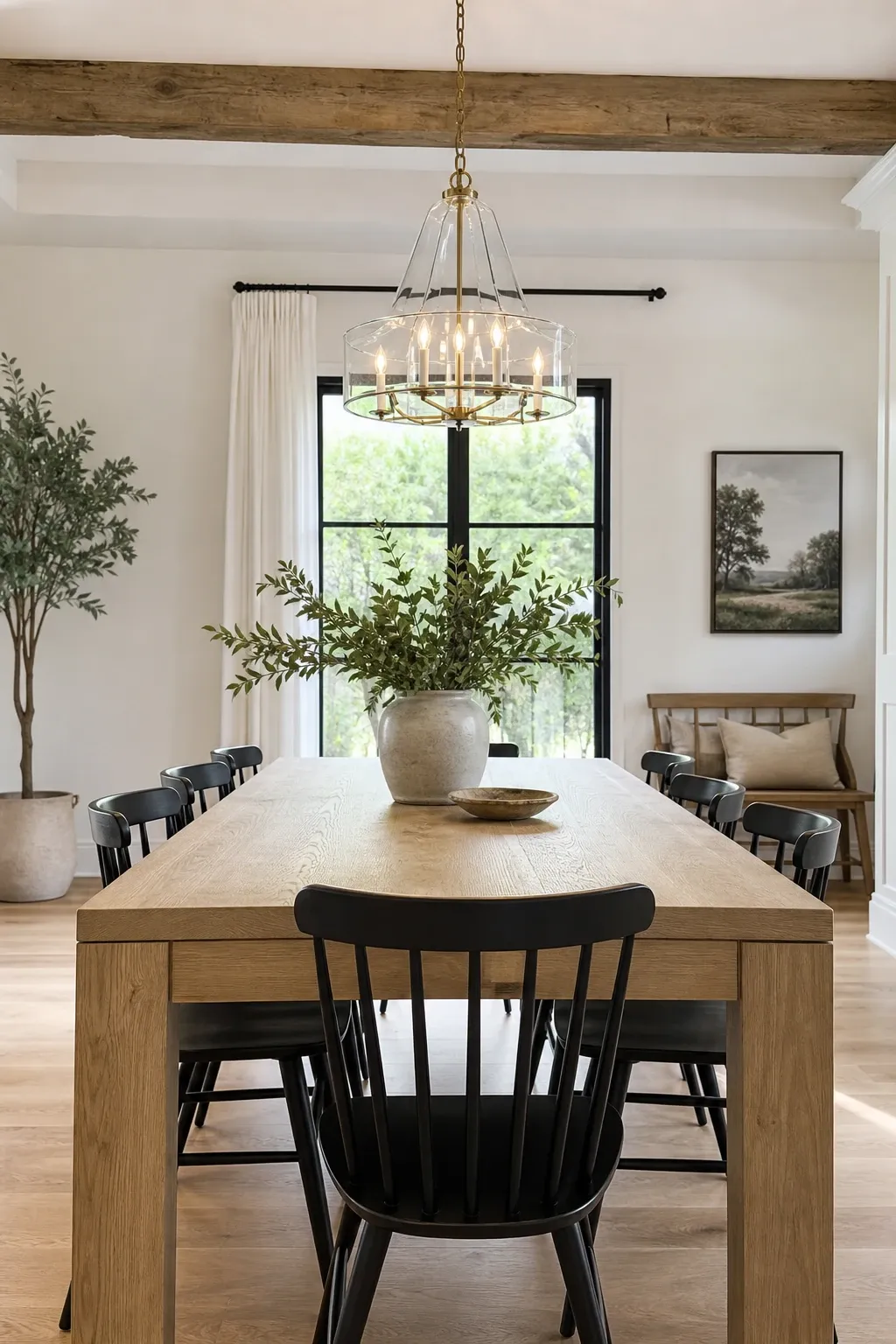
Minimalist Elegance with Candle Chandeliers

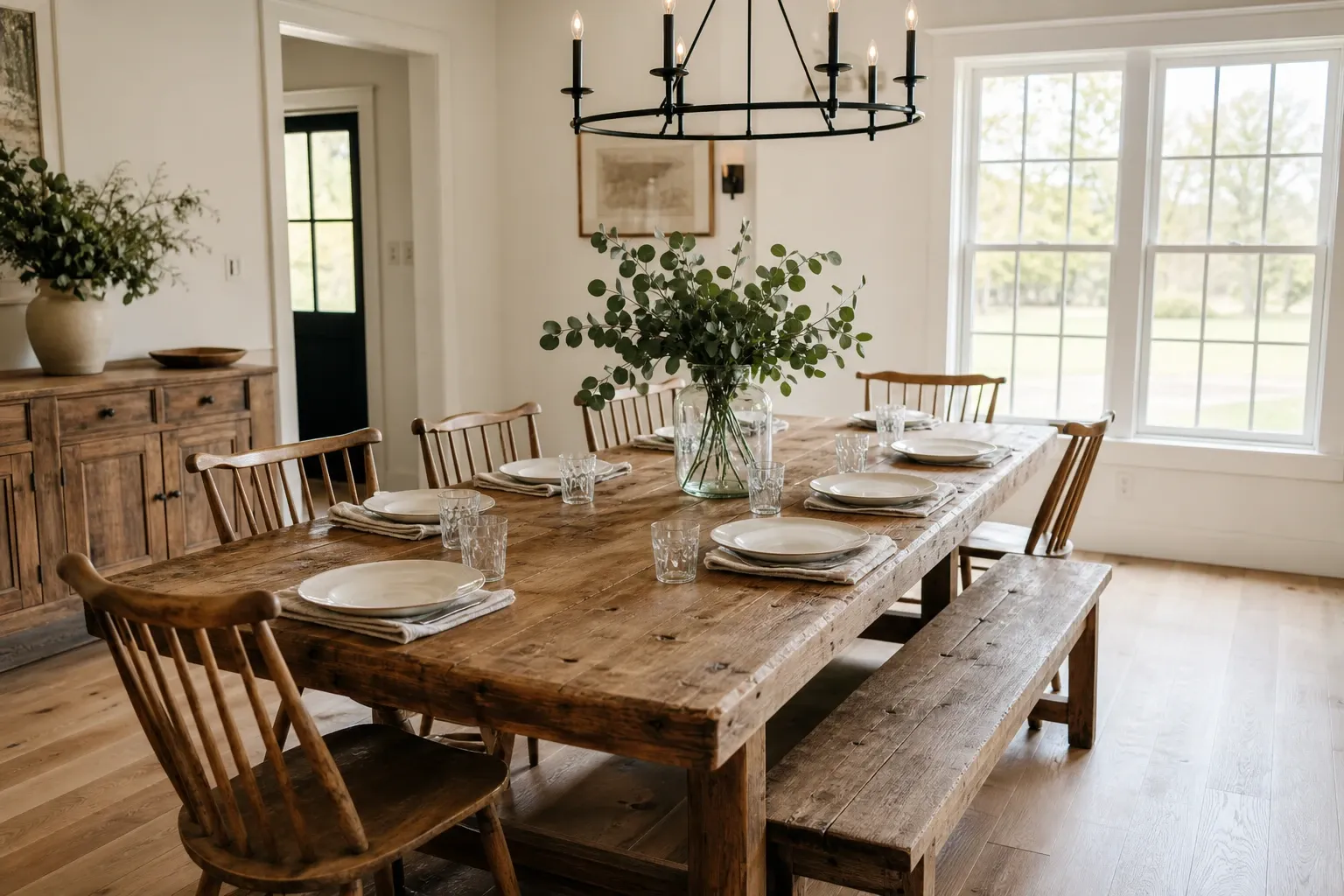
A simple wooden table paired with a delicate candle-style chandelier emphasizes clean lines and a bright, airy atmosphere.

When selecting a table like this, consider the scale of your room. A farmhouse table is often a substantial piece, so you want to ensure there is enough space for people to move comfortably around it. The beauty of the farmhouse style is its versatility. You can dress it up with fine china and crystal for a formal dinner, or keep it simple with stoneware and linen for everyday meals. The key is to maintain a balance between the ruggedness of the wood and the softness of your accessories.

Furthermore, the choice of chairs can completely change the vibe. Spindle chairs offer a traditional look, while upholstered chairs add comfort and a bit of formality. Don’t be afraid to mix and match; a bench on one side and chairs on the other is a classic farmhouse move that adds visual interest and practical seating options.

The history of the farmhouse table is deeply intertwined with the development of rural communities. In the past, these tables were the center of the home, used not just for eating, but for preparing food, doing homework, and gathering for community meetings. This legacy of multi-functionality is what makes them so appealing today. They are built to be used, not just looked at. The natural imperfections in the wood—the knots, the grain variations, and even the occasional dent—are celebrated as part of the table’s unique story. This ‘perfectly imperfect’ quality is at the heart of the farmhouse philosophy.

The history of the farmhouse table is deeply intertwined with the development of rural communities. In the past, these tables were the center of the home, used not just for eating, but for preparing food, doing homework, and gathering for community meetings. This legacy of multi-functionality is what makes them so appealing today. They are built to be used, not just looked at. The natural imperfections in the wood—the knots, the grain variations, and even the occasional dent—are celebrated as part of the table’s unique story. This ‘perfectly imperfect’ quality is at the heart of the farmhouse philosophy.

The history of the farmhouse table is deeply intertwined with the development of rural communities. In the past, these tables were the center of the home, used not just for eating, but for preparing food, doing homework, and gathering for community meetings. This legacy of multi-functionality is what makes them so appealing today. They are built to be used, not just looked at. The natural imperfections in the wood—the knots, the grain variations, and even the occasional dent—are celebrated as part of the table’s unique story. This ‘perfectly imperfect’ quality is at the heart of the farmhouse philosophy.

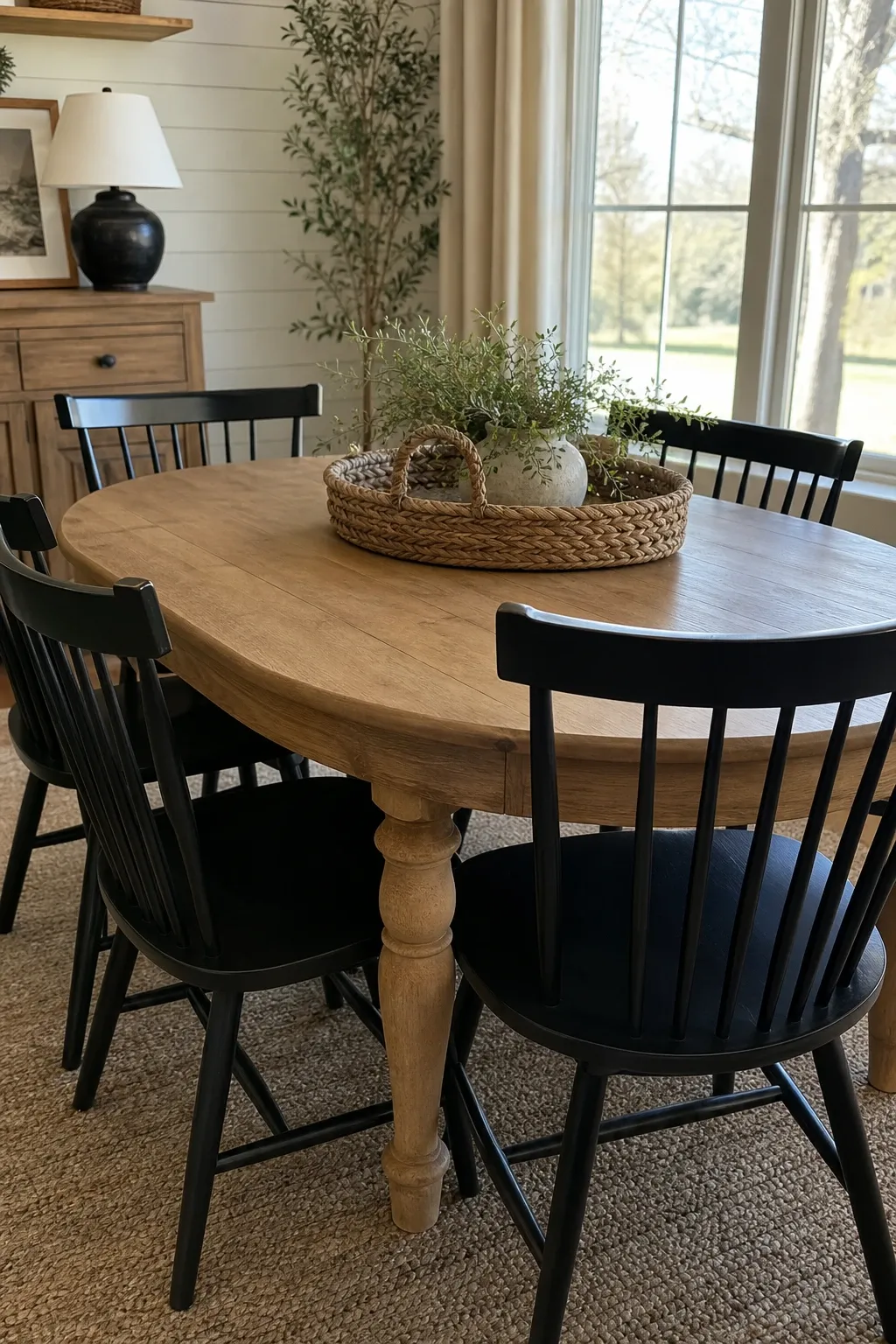
Modern Farmhouse Contrast

Black chairs against a natural wood table provide a striking visual contrast that feels fresh and contemporary.

When selecting a table like this, consider the scale of your room. A farmhouse table is often a substantial piece, so you want to ensure there is enough space for people to move comfortably around it. The beauty of the farmhouse style is its versatility. You can dress it up with fine china and crystal for a formal dinner, or keep it simple with stoneware and linen for everyday meals. The key is to maintain a balance between the ruggedness of the wood and the softness of your accessories.

Furthermore, the choice of chairs can completely change the vibe. Spindle chairs offer a traditional look, while upholstered chairs add comfort and a bit of formality. Don’t be afraid to mix and match; a bench on one side and chairs on the other is a classic farmhouse move that adds visual interest and practical seating options.

The history of the farmhouse table is deeply intertwined with the development of rural communities. In the past, these tables were the center of the home, used not just for eating, but for preparing food, doing homework, and gathering for community meetings. This legacy of multi-functionality is what makes them so appealing today. They are built to be used, not just looked at. The natural imperfections in the wood—the knots, the grain variations, and even the occasional dent—are celebrated as part of the table’s unique story. This ‘perfectly imperfect’ quality is at the heart of the farmhouse philosophy.

The history of the farmhouse table is deeply intertwined with the development of rural communities. In the past, these tables were the center of the home, used not just for eating, but for preparing food, doing homework, and gathering for community meetings. This legacy of multi-functionality is what makes them so appealing today. They are built to be used, not just looked at. The natural imperfections in the wood—the knots, the grain variations, and even the occasional dent—are celebrated as part of the table’s unique story. This ‘perfectly imperfect’ quality is at the heart of the farmhouse philosophy.

The history of the farmhouse table is deeply intertwined with the development of rural communities. In the past, these tables were the center of the home, used not just for eating, but for preparing food, doing homework, and gathering for community meetings. This legacy of multi-functionality is what makes them so appealing today. They are built to be used, not just looked at. The natural imperfections in the wood—the knots, the grain variations, and even the occasional dent—are celebrated as part of the table’s unique story. This ‘perfectly imperfect’ quality is at the heart of the farmhouse philosophy.

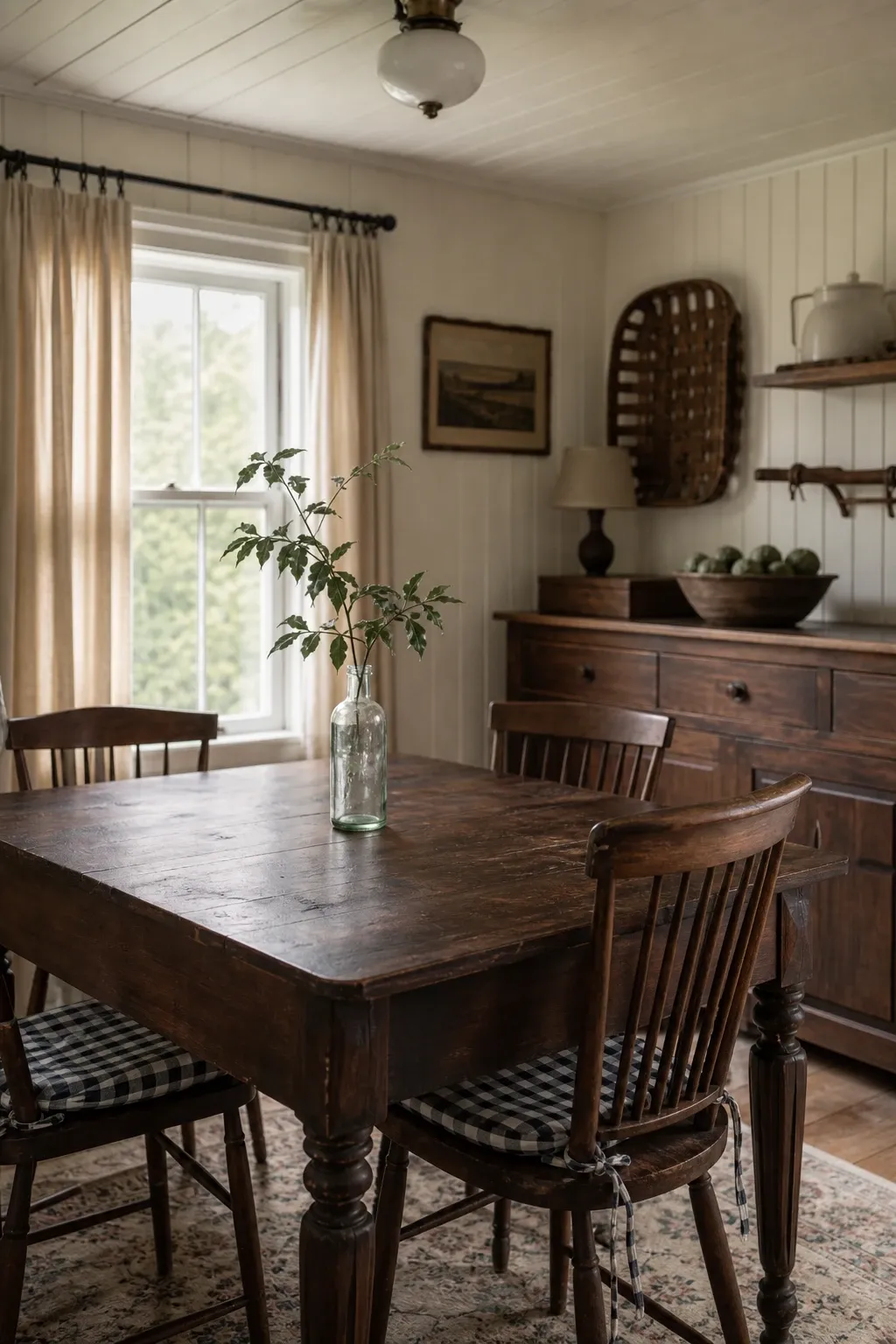
Vintage Charm with Gingham Cushions

Adding checkered patterns through cushions or runners brings a nostalgic, country-cottage feel to your dining room.

When selecting a table like this, consider the scale of your room. A farmhouse table is often a substantial piece, so you want to ensure there is enough space for people to move comfortably around it. The beauty of the farmhouse style is its versatility. You can dress it up with fine china and crystal for a formal dinner, or keep it simple with stoneware and linen for everyday meals. The key is to maintain a balance between the ruggedness of the wood and the softness of your accessories.

Furthermore, the choice of chairs can completely change the vibe. Spindle chairs offer a traditional look, while upholstered chairs add comfort and a bit of formality. Don’t be afraid to mix and match; a bench on one side and chairs on the other is a classic farmhouse move that adds visual interest and practical seating options.

The history of the farmhouse table is deeply intertwined with the development of rural communities. In the past, these tables were the center of the home, used not just for eating, but for preparing food, doing homework, and gathering for community meetings. This legacy of multi-functionality is what makes them so appealing today. They are built to be used, not just looked at. The natural imperfections in the wood—the knots, the grain variations, and even the occasional dent—are celebrated as part of the table’s unique story. This ‘perfectly imperfect’ quality is at the heart of the farmhouse philosophy.

The history of the farmhouse table is deeply intertwined with the development of rural communities. In the past, these tables were the center of the home, used not just for eating, but for preparing food, doing homework, and gathering for community meetings. This legacy of multi-functionality is what makes them so appealing today. They are built to be used, not just looked at. The natural imperfections in the wood—the knots, the grain variations, and even the occasional dent—are celebrated as part of the table’s unique story. This ‘perfectly imperfect’ quality is at the heart of the farmhouse philosophy.

The history of the farmhouse table is deeply intertwined with the development of rural communities. In the past, these tables were the center of the home, used not just for eating, but for preparing food, doing homework, and gathering for community meetings. This legacy of multi-functionality is what makes them so appealing today. They are built to be used, not just looked at. The natural imperfections in the wood—the knots, the grain variations, and even the occasional dent—are celebrated as part of the table’s unique story. This ‘perfectly imperfect’ quality is at the heart of the farmhouse philosophy.

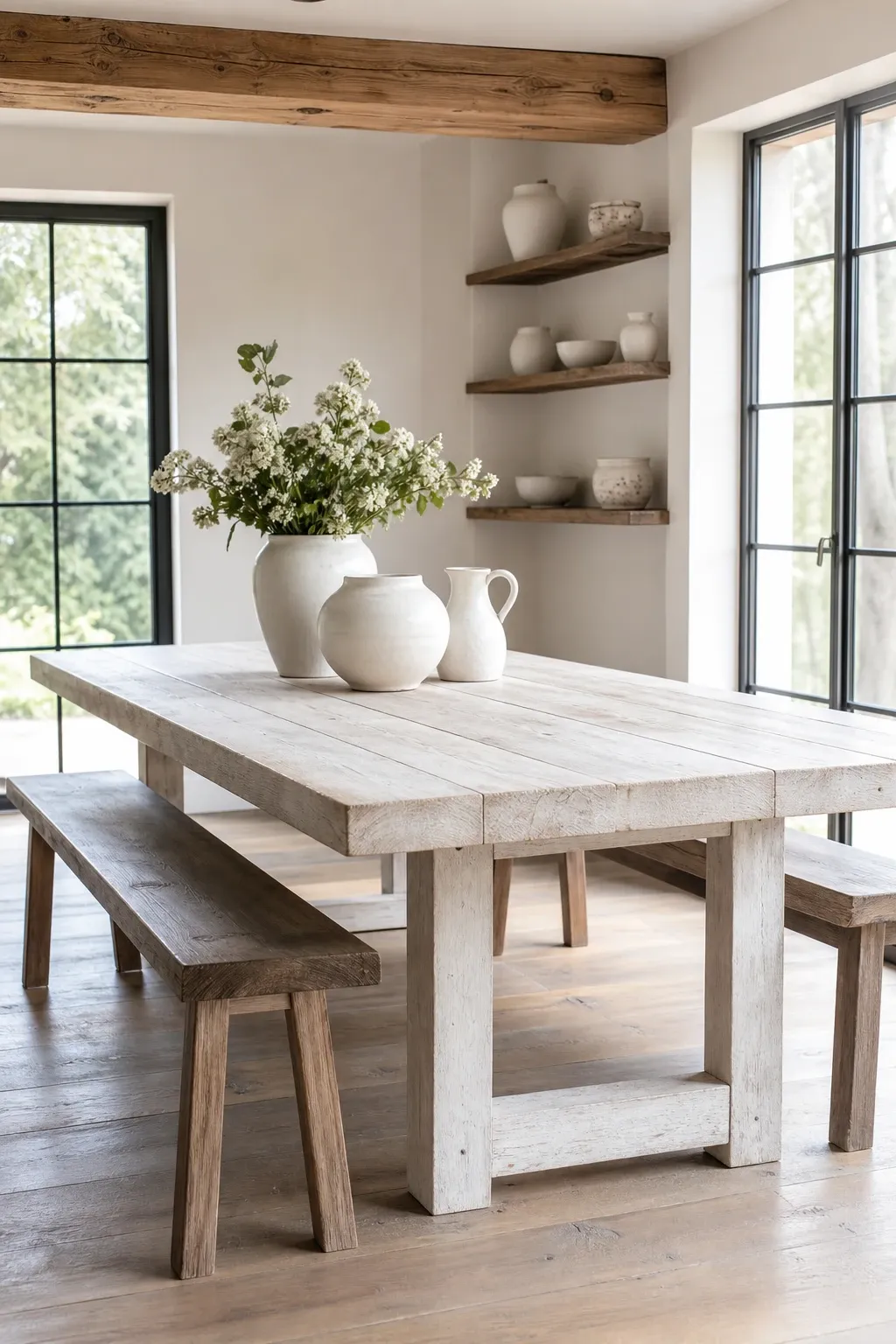
Light and Airy Whitewashed Table

Whitewashed finishes are perfect for smaller or darker rooms, as they reflect light and create a sense of openness.

When selecting a table like this, consider the scale of your room. A farmhouse table is often a substantial piece, so you want to ensure there is enough space for people to move comfortably around it. The beauty of the farmhouse style is its versatility. You can dress it up with fine china and crystal for a formal dinner, or keep it simple with stoneware and linen for everyday meals. The key is to maintain a balance between the ruggedness of the wood and the softness of your accessories.

Furthermore, the choice of chairs can completely change the vibe. Spindle chairs offer a traditional look, while upholstered chairs add comfort and a bit of formality. Don’t be afraid to mix and match; a bench on one side and chairs on the other is a classic farmhouse move that adds visual interest and practical seating options.

The history of the farmhouse table is deeply intertwined with the development of rural communities. In the past, these tables were the center of the home, used not just for eating, but for preparing food, doing homework, and gathering for community meetings. This legacy of multi-functionality is what makes them so appealing today. They are built to be used, not just looked at. The natural imperfections in the wood—the knots, the grain variations, and even the occasional dent—are celebrated as part of the table’s unique story. This ‘perfectly imperfect’ quality is at the heart of the farmhouse philosophy.

The history of the farmhouse table is deeply intertwined with the development of rural communities. In the past, these tables were the center of the home, used not just for eating, but for preparing food, doing homework, and gathering for community meetings. This legacy of multi-functionality is what makes them so appealing today. They are built to be used, not just looked at. The natural imperfections in the wood—the knots, the grain variations, and even the occasional dent—are celebrated as part of the table’s unique story. This ‘perfectly imperfect’ quality is at the heart of the farmhouse philosophy.

The history of the farmhouse table is deeply intertwined with the development of rural communities. In the past, these tables were the center of the home, used not just for eating, but for preparing food, doing homework, and gathering for community meetings. This legacy of multi-functionality is what makes them so appealing today. They are built to be used, not just looked at. The natural imperfections in the wood—the knots, the grain variations, and even the occasional dent—are celebrated as part of the table’s unique story. This ‘perfectly imperfect’ quality is at the heart of the farmhouse philosophy.

Elegant Oval Farmhouse Table

An oval table softens the room’s layout and is excellent for facilitating conversation among guests.

When selecting a table like this, consider the scale of your room. A farmhouse table is often a substantial piece, so you want to ensure there is enough space for people to move comfortably around it. The beauty of the farmhouse style is its versatility. You can dress it up with fine china and crystal for a formal dinner, or keep it simple with stoneware and linen for everyday meals. The key is to maintain a balance between the ruggedness of the wood and the softness of your accessories.

Furthermore, the choice of chairs can completely change the vibe. Spindle chairs offer a traditional look, while upholstered chairs add comfort and a bit of formality. Don’t be afraid to mix and match; a bench on one side and chairs on the other is a classic farmhouse move that adds visual interest and practical seating options.

The history of the farmhouse table is deeply intertwined with the development of rural communities. In the past, these tables were the center of the home, used not just for eating, but for preparing food, doing homework, and gathering for community meetings. This legacy of multi-functionality is what makes them so appealing today. They are built to be used, not just looked at. The natural imperfections in the wood—the knots, the grain variations, and even the occasional dent—are celebrated as part of the table’s unique story. This ‘perfectly imperfect’ quality is at the heart of the farmhouse philosophy.

The history of the farmhouse table is deeply intertwined with the development of rural communities. In the past, these tables were the center of the home, used not just for eating, but for preparing food, doing homework, and gathering for community meetings. This legacy of multi-functionality is what makes them so appealing today. They are built to be used, not just looked at. The natural imperfections in the wood—the knots, the grain variations, and even the occasional dent—are celebrated as part of the table’s unique story. This ‘perfectly imperfect’ quality is at the heart of the farmhouse philosophy.

The history of the farmhouse table is deeply intertwined with the development of rural communities. In the past, these tables were the center of the home, used not just for eating, but for preparing food, doing homework, and gathering for community meetings. This legacy of multi-functionality is what makes them so appealing today. They are built to be used, not just looked at. The natural imperfections in the wood—the knots, the grain variations, and even the occasional dent—are celebrated as part of the table’s unique story. This ‘perfectly imperfect’ quality is at the heart of the farmhouse philosophy.

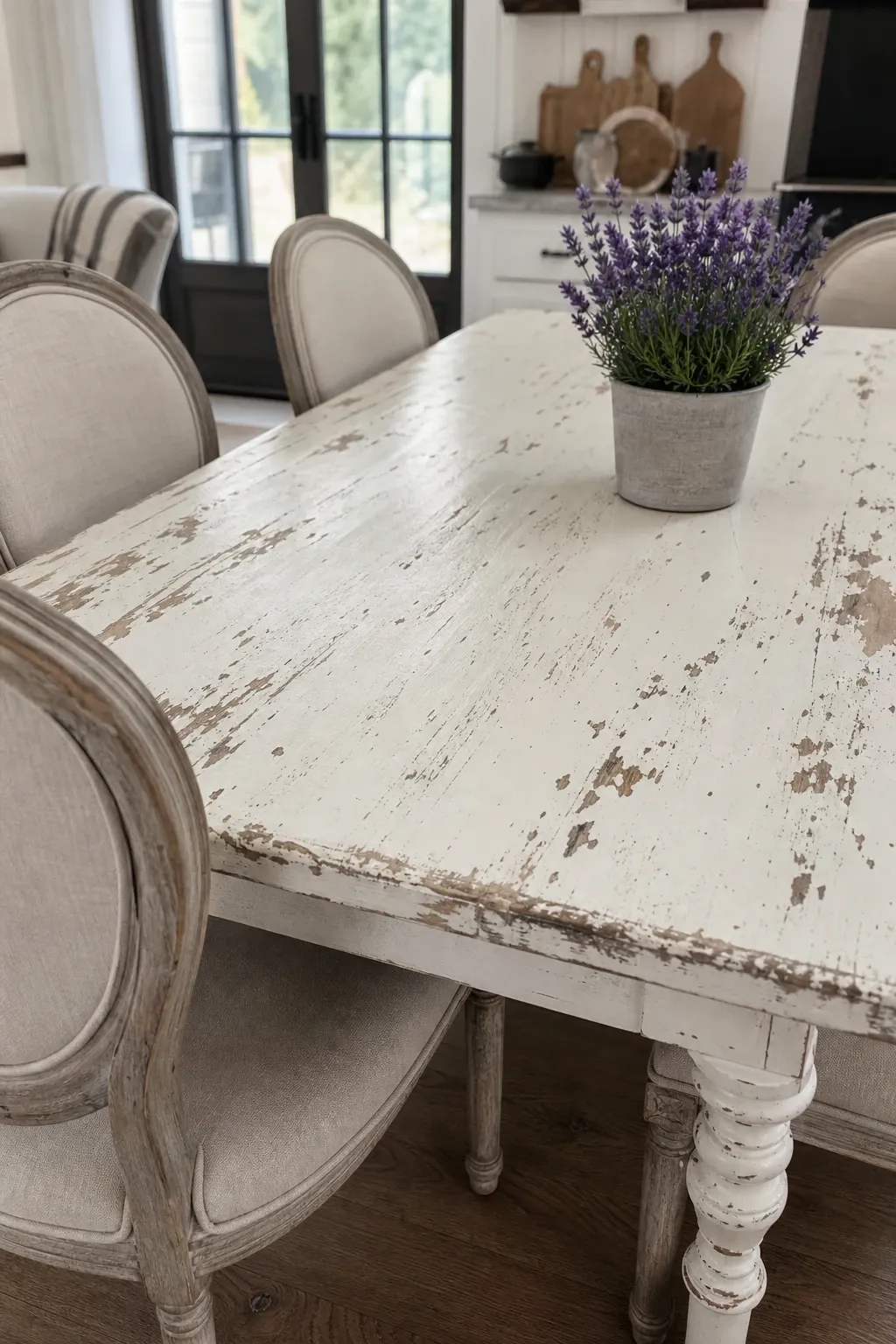
Distressed White for Rustic Character

A distressed finish tells a story of age and use, adding immediate character and a ‘lived-in’ feel to the space.

When selecting a table like this, consider the scale of your room. A farmhouse table is often a substantial piece, so you want to ensure there is enough space for people to move comfortably around it. The beauty of the farmhouse style is its versatility. You can dress it up with fine china and crystal for a formal dinner, or keep it simple with stoneware and linen for everyday meals. The key is to maintain a balance between the ruggedness of the wood and the softness of your accessories.

Furthermore, the choice of chairs can completely change the vibe. Spindle chairs offer a traditional look, while upholstered chairs add comfort and a bit of formality. Don’t be afraid to mix and match; a bench on one side and chairs on the other is a classic farmhouse move that adds visual interest and practical seating options.

The history of the farmhouse table is deeply intertwined with the development of rural communities. In the past, these tables were the center of the home, used not just for eating, but for preparing food, doing homework, and gathering for community meetings. This legacy of multi-functionality is what makes them so appealing today. They are built to be used, not just looked at. The natural imperfections in the wood—the knots, the grain variations, and even the occasional dent—are celebrated as part of the table’s unique story. This ‘perfectly imperfect’ quality is at the heart of the farmhouse philosophy.

The history of the farmhouse table is deeply intertwined with the development of rural communities. In the past, these tables were the center of the home, used not just for eating, but for preparing food, doing homework, and gathering for community meetings. This legacy of multi-functionality is what makes them so appealing today. They are built to be used, not just looked at. The natural imperfections in the wood—the knots, the grain variations, and even the occasional dent—are celebrated as part of the table’s unique story. This ‘perfectly imperfect’ quality is at the heart of the farmhouse philosophy.

The history of the farmhouse table is deeply intertwined with the development of rural communities. In the past, these tables were the center of the home, used not just for eating, but for preparing food, doing homework, and gathering for community meetings. This legacy of multi-functionality is what makes them so appealing today. They are built to be used, not just looked at. The natural imperfections in the wood—the knots, the grain variations, and even the occasional dent—are celebrated as part of the table’s unique story. This ‘perfectly imperfect’ quality is at the heart of the farmhouse philosophy.

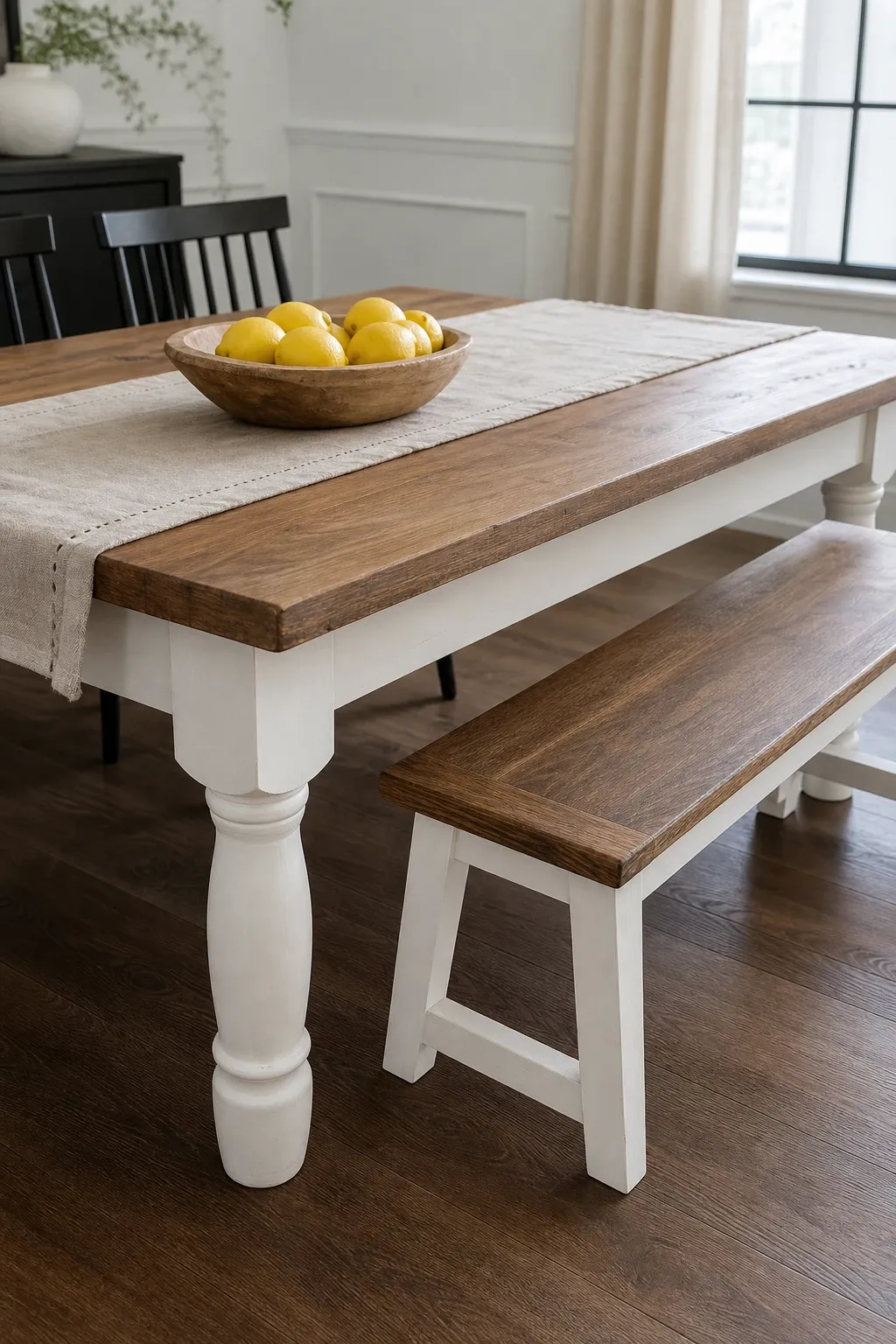
Two-Tone Design for Visual Depth

A table with a natural wood top and painted legs (often white or black) adds a layer of design sophistication.

When selecting a table like this, consider the scale of your room. A farmhouse table is often a substantial piece, so you want to ensure there is enough space for people to move comfortably around it. The beauty of the farmhouse style is its versatility. You can dress it up with fine china and crystal for a formal dinner, or keep it simple with stoneware and linen for everyday meals. The key is to maintain a balance between the ruggedness of the wood and the softness of your accessories.

Furthermore, the choice of chairs can completely change the vibe. Spindle chairs offer a traditional look, while upholstered chairs add comfort and a bit of formality. Don’t be afraid to mix and match; a bench on one side and chairs on the other is a classic farmhouse move that adds visual interest and practical seating options.

The history of the farmhouse table is deeply intertwined with the development of rural communities. In the past, these tables were the center of the home, used not just for eating, but for preparing food, doing homework, and gathering for community meetings. This legacy of multi-functionality is what makes them so appealing today. They are built to be used, not just looked at. The natural imperfections in the wood—the knots, the grain variations, and even the occasional dent—are celebrated as part of the table’s unique story. This ‘perfectly imperfect’ quality is at the heart of the farmhouse philosophy.

The history of the farmhouse table is deeply intertwined with the development of rural communities. In the past, these tables were the center of the home, used not just for eating, but for preparing food, doing homework, and gathering for community meetings. This legacy of multi-functionality is what makes them so appealing today. They are built to be used, not just looked at. The natural imperfections in the wood—the knots, the grain variations, and even the occasional dent—are celebrated as part of the table’s unique story. This ‘perfectly imperfect’ quality is at the heart of the farmhouse philosophy.

The history of the farmhouse table is deeply intertwined with the development of rural communities. In the past, these tables were the center of the home, used not just for eating, but for preparing food, doing homework, and gathering for community meetings. This legacy of multi-functionality is what makes them so appealing today. They are built to be used, not just looked at. The natural imperfections in the wood—the knots, the grain variations, and even the occasional dent—are celebrated as part of the table’s unique story. This ‘perfectly imperfect’ quality is at the heart of the farmhouse philosophy.

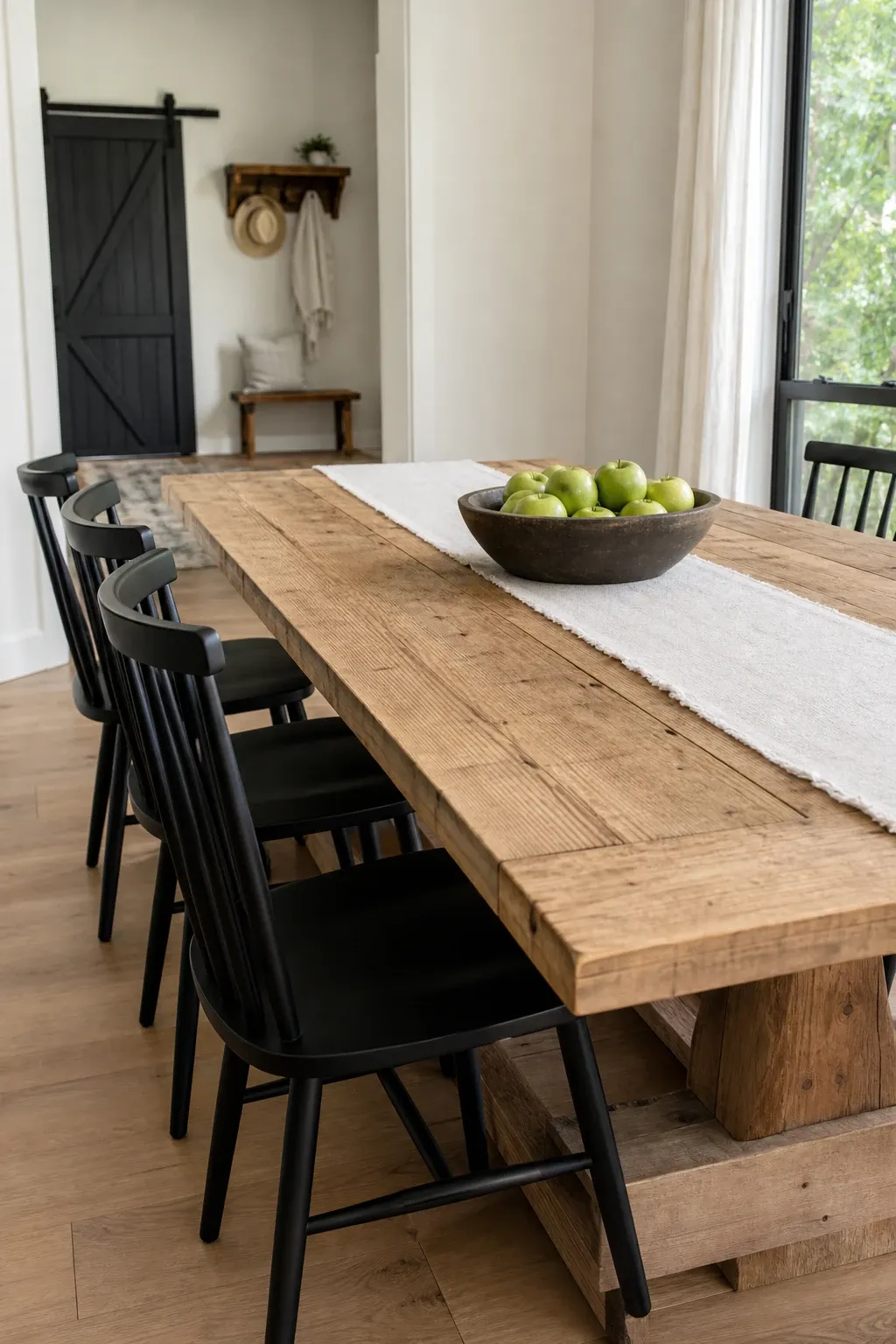
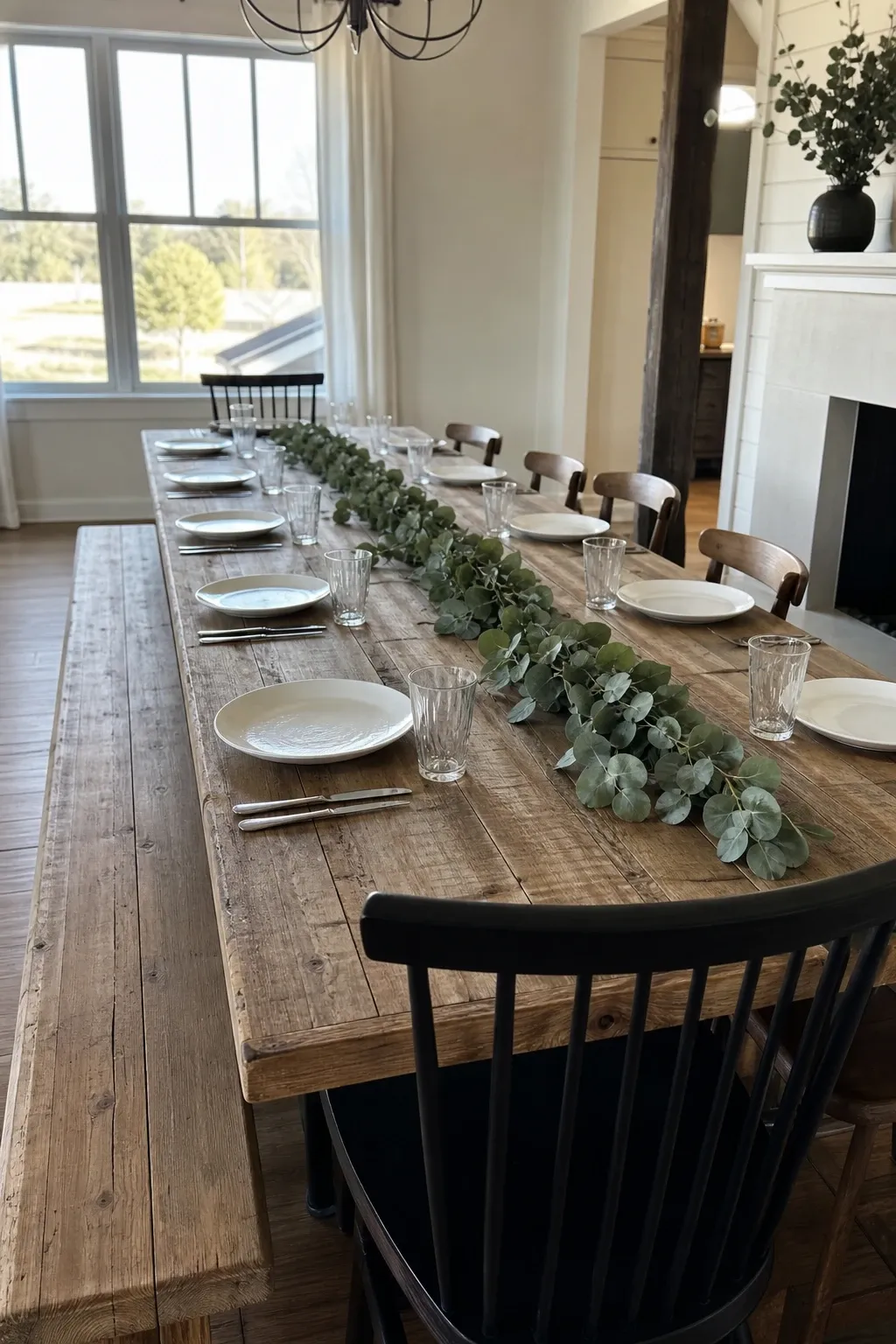
Long Table for Large Gatherings

For those who love to host, a long trestle-style table is a functional and impressive centerpiece.

When selecting a table like this, consider the scale of your room. A farmhouse table is often a substantial piece, so you want to ensure there is enough space for people to move comfortably around it. The beauty of the farmhouse style is its versatility. You can dress it up with fine china and crystal for a formal dinner, or keep it simple with stoneware and linen for everyday meals. The key is to maintain a balance between the ruggedness of the wood and the softness of your accessories.

Furthermore, the choice of chairs can completely change the vibe. Spindle chairs offer a traditional look, while upholstered chairs add comfort and a bit of formality. Don’t be afraid to mix and match; a bench on one side and chairs on the other is a classic farmhouse move that adds visual interest and practical seating options.

The history of the farmhouse table is deeply intertwined with the development of rural communities. In the past, these tables were the center of the home, used not just for eating, but for preparing food, doing homework, and gathering for community meetings. This legacy of multi-functionality is what makes them so appealing today. They are built to be used, not just looked at. The natural imperfections in the wood—the knots, the grain variations, and even the occasional dent—are celebrated as part of the table’s unique story. This ‘perfectly imperfect’ quality is at the heart of the farmhouse philosophy.

The history of the farmhouse table is deeply intertwined with the development of rural communities. In the past, these tables were the center of the home, used not just for eating, but for preparing food, doing homework, and gathering for community meetings. This legacy of multi-functionality is what makes them so appealing today. They are built to be used, not just looked at. The natural imperfections in the wood—the knots, the grain variations, and even the occasional dent—are celebrated as part of the table’s unique story. This ‘perfectly imperfect’ quality is at the heart of the farmhouse philosophy.

The history of the farmhouse table is deeply intertwined with the development of rural communities. In the past, these tables were the center of the home, used not just for eating, but for preparing food, doing homework, and gathering for community meetings. This legacy of multi-functionality is what makes them so appealing today. They are built to be used, not just looked at. The natural imperfections in the wood—the knots, the grain variations, and even the occasional dent—are celebrated as part of the table’s unique story. This ‘perfectly imperfect’ quality is at the heart of the farmhouse philosophy.

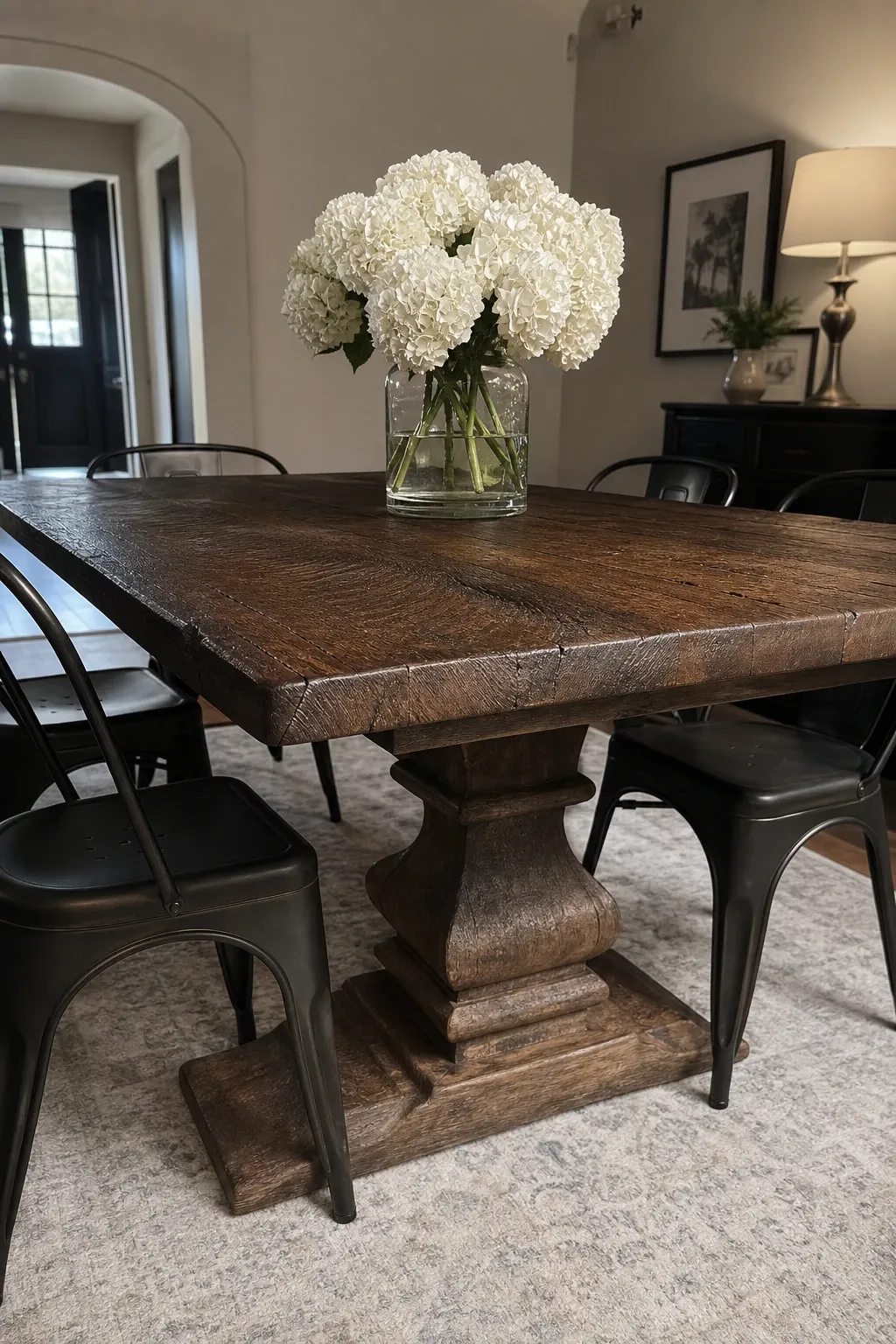
Dramatic Pedestal Table

A pedestal base allows for more legroom and adds a touch of formal elegance to the rustic farmhouse aesthetic.

When selecting a table like this, consider the scale of your room. A farmhouse table is often a substantial piece, so you want to ensure there is enough space for people to move comfortably around it. The beauty of the farmhouse style is its versatility. You can dress it up with fine china and crystal for a formal dinner, or keep it simple with stoneware and linen for everyday meals. The key is to maintain a balance between the ruggedness of the wood and the softness of your accessories.

Furthermore, the choice of chairs can completely change the vibe. Spindle chairs offer a traditional look, while upholstered chairs add comfort and a bit of formality. Don’t be afraid to mix and match; a bench on one side and chairs on the other is a classic farmhouse move that adds visual interest and practical seating options.

The history of the farmhouse table is deeply intertwined with the development of rural communities. In the past, these tables were the center of the home, used not just for eating, but for preparing food, doing homework, and gathering for community meetings. This legacy of multi-functionality is what makes them so appealing today. They are built to be used, not just looked at. The natural imperfections in the wood—the knots, the grain variations, and even the occasional dent—are celebrated as part of the table’s unique story. This ‘perfectly imperfect’ quality is at the heart of the farmhouse philosophy.

The history of the farmhouse table is deeply intertwined with the development of rural communities. In the past, these tables were the center of the home, used not just for eating, but for preparing food, doing homework, and gathering for community meetings. This legacy of multi-functionality is what makes them so appealing today. They are built to be used, not just looked at. The natural imperfections in the wood—the knots, the grain variations, and even the occasional dent—are celebrated as part of the table’s unique story. This ‘perfectly imperfect’ quality is at the heart of the farmhouse philosophy.

The history of the farmhouse table is deeply intertwined with the development of rural communities. In the past, these tables were the center of the home, used not just for eating, but for preparing food, doing homework, and gathering for community meetings. This legacy of multi-functionality is what makes them so appealing today. They are built to be used, not just looked at. The natural imperfections in the wood—the knots, the grain variations, and even the occasional dent—are celebrated as part of the table’s unique story. This ‘perfectly imperfect’ quality is at the heart of the farmhouse philosophy.

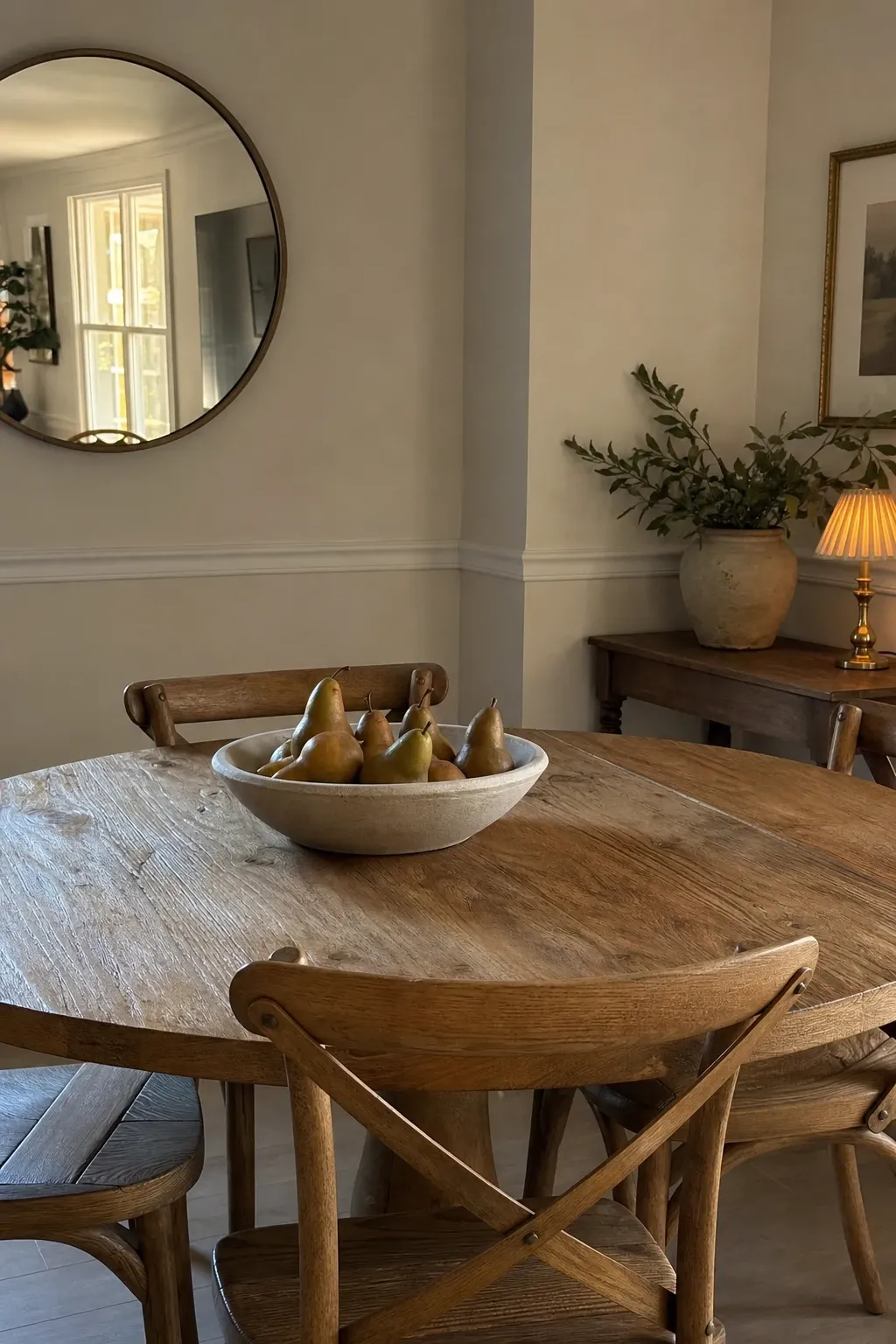
Intimate Round Table

Round tables are perfect for cozy nooks and smaller families, creating a sense of closeness and intimacy.

When selecting a table like this, consider the scale of your room. A farmhouse table is often a substantial piece, so you want to ensure there is enough space for people to move comfortably around it. The beauty of the farmhouse style is its versatility. You can dress it up with fine china and crystal for a formal dinner, or keep it simple with stoneware and linen for everyday meals. The key is to maintain a balance between the ruggedness of the wood and the softness of your accessories.

Furthermore, the choice of chairs can completely change the vibe. Spindle chairs offer a traditional look, while upholstered chairs add comfort and a bit of formality. Don’t be afraid to mix and match; a bench on one side and chairs on the other is a classic farmhouse move that adds visual interest and practical seating options.

The history of the farmhouse table is deeply intertwined with the development of rural communities. In the past, these tables were the center of the home, used not just for eating, but for preparing food, doing homework, and gathering for community meetings. This legacy of multi-functionality is what makes them so appealing today. They are built to be used, not just looked at. The natural imperfections in the wood—the knots, the grain variations, and even the occasional dent—are celebrated as part of the table’s unique story. This ‘perfectly imperfect’ quality is at the heart of the farmhouse philosophy.

The history of the farmhouse table is deeply intertwined with the development of rural communities. In the past, these tables were the center of the home, used not just for eating, but for preparing food, doing homework, and gathering for community meetings. This legacy of multi-functionality is what makes them so appealing today. They are built to be used, not just looked at. The natural imperfections in the wood—the knots, the grain variations, and even the occasional dent—are celebrated as part of the table’s unique story. This ‘perfectly imperfect’ quality is at the heart of the farmhouse philosophy.

The history of the farmhouse table is deeply intertwined with the development of rural communities. In the past, these tables were the center of the home, used not just for eating, but for preparing food, doing homework, and gathering for community meetings. This legacy of multi-functionality is what makes them so appealing today. They are built to be used, not just looked at. The natural imperfections in the wood—the knots, the grain variations, and even the occasional dent—are celebrated as part of the table’s unique story. This ‘perfectly imperfect’ quality is at the heart of the farmhouse philosophy.

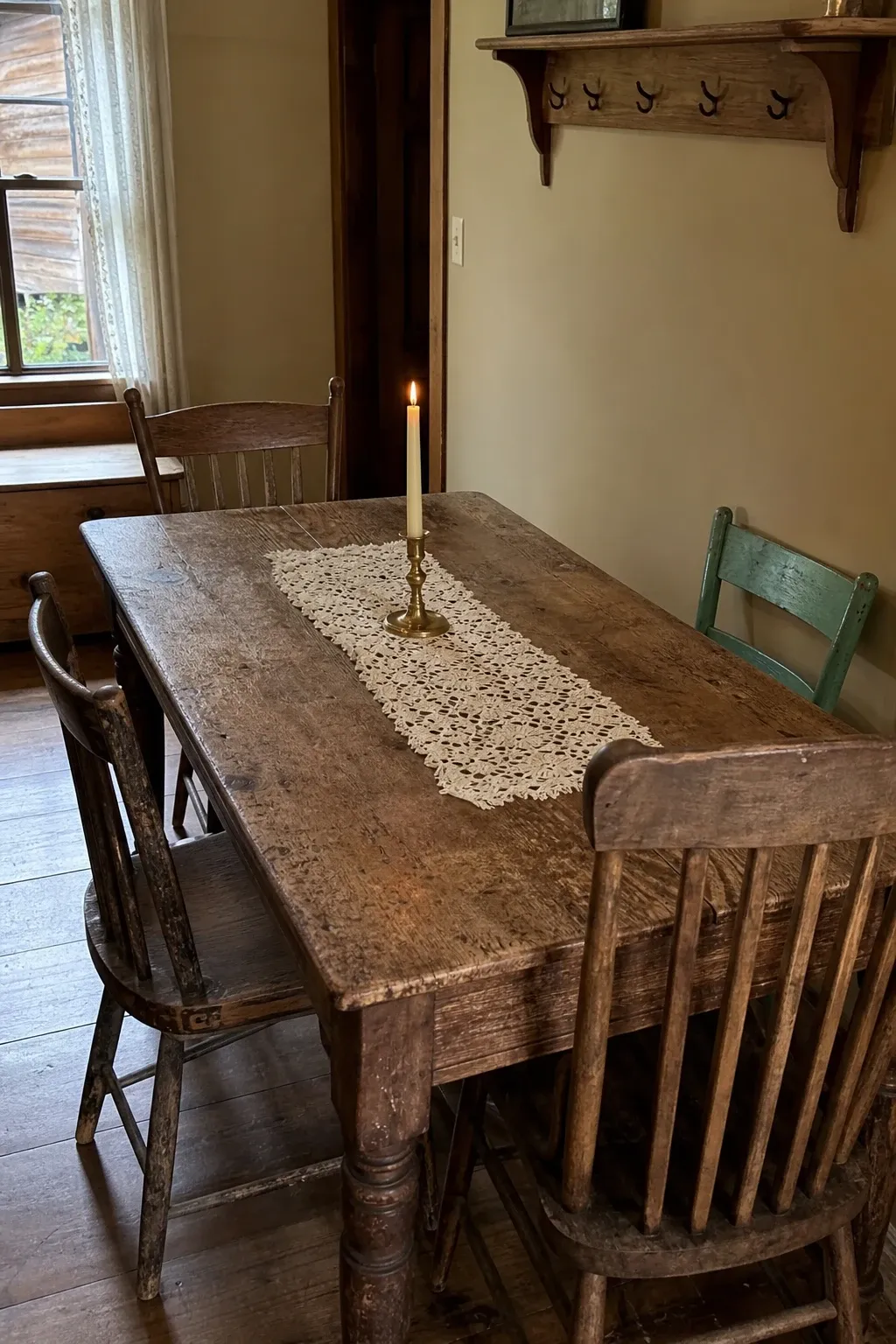
Vintage Weathered Charm

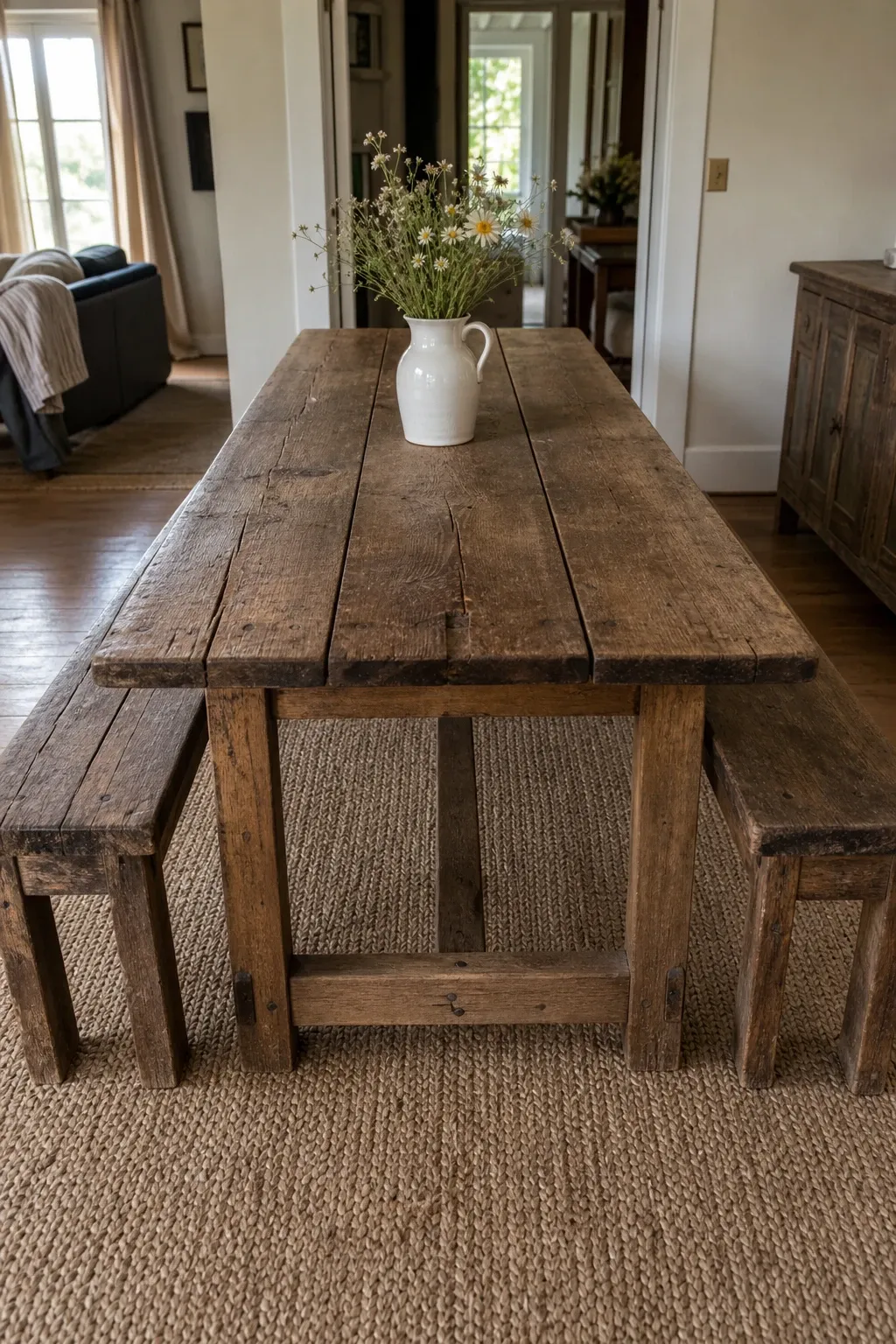
A truly vintage or reclaimed table brings history into the home, with every scratch and knot serving as a design feature.

When selecting a table like this, consider the scale of your room. A farmhouse table is often a substantial piece, so you want to ensure there is enough space for people to move comfortably around it. The beauty of the farmhouse style is its versatility. You can dress it up with fine china and crystal for a formal dinner, or keep it simple with stoneware and linen for everyday meals. The key is to maintain a balance between the ruggedness of the wood and the softness of your accessories.

Furthermore, the choice of chairs can completely change the vibe. Spindle chairs offer a traditional look, while upholstered chairs add comfort and a bit of formality. Don’t be afraid to mix and match; a bench on one side and chairs on the other is a classic farmhouse move that adds visual interest and practical seating options.

The history of the farmhouse table is deeply intertwined with the development of rural communities. In the past, these tables were the center of the home, used not just for eating, but for preparing food, doing homework, and gathering for community meetings. This legacy of multi-functionality is what makes them so appealing today. They are built to be used, not just looked at. The natural imperfections in the wood—the knots, the grain variations, and even the occasional dent—are celebrated as part of the table’s unique story. This ‘perfectly imperfect’ quality is at the heart of the farmhouse philosophy.

The history of the farmhouse table is deeply intertwined with the development of rural communities. In the past, these tables were the center of the home, used not just for eating, but for preparing food, doing homework, and gathering for community meetings. This legacy of multi-functionality is what makes them so appealing today. They are built to be used, not just looked at. The natural imperfections in the wood—the knots, the grain variations, and even the occasional dent—are celebrated as part of the table’s unique story. This ‘perfectly imperfect’ quality is at the heart of the farmhouse philosophy.

The history of the farmhouse table is deeply intertwined with the development of rural communities. In the past, these tables were the center of the home, used not just for eating, but for preparing food, doing homework, and gathering for community meetings. This legacy of multi-functionality is what makes them so appealing today. They are built to be used, not just looked at. The natural imperfections in the wood—the knots, the grain variations, and even the occasional dent—are celebrated as part of the table’s unique story. This ‘perfectly imperfect’ quality is at the heart of the farmhouse philosophy.

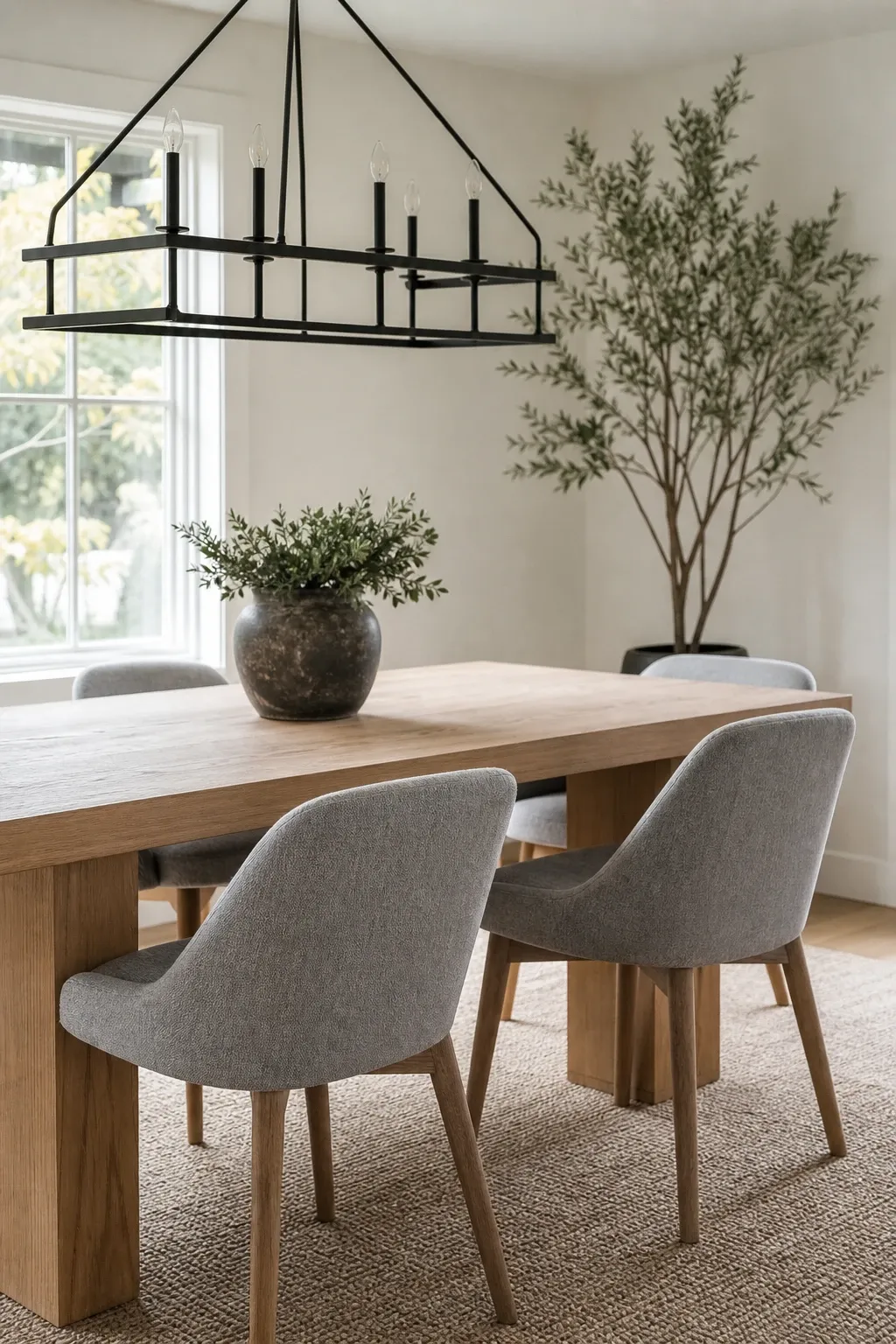
Sleek Modern Farmhouse Design

For a more polished look, choose a table with smooth finishes and pair it with contemporary upholstered seating.

When selecting a table like this, consider the scale of your room. A farmhouse table is often a substantial piece, so you want to ensure there is enough space for people to move comfortably around it. The beauty of the farmhouse style is its versatility. You can dress it up with fine china and crystal for a formal dinner, or keep it simple with stoneware and linen for everyday meals. The key is to maintain a balance between the ruggedness of the wood and the softness of your accessories.

Furthermore, the choice of chairs can completely change the vibe. Spindle chairs offer a traditional look, while upholstered chairs add comfort and a bit of formality. Don’t be afraid to mix and match; a bench on one side and chairs on the other is a classic farmhouse move that adds visual interest and practical seating options.

The history of the farmhouse table is deeply intertwined with the development of rural communities. In the past, these tables were the center of the home, used not just for eating, but for preparing food, doing homework, and gathering for community meetings. This legacy of multi-functionality is what makes them so appealing today. They are built to be used, not just looked at. The natural imperfections in the wood—the knots, the grain variations, and even the occasional dent—are celebrated as part of the table’s unique story. This ‘perfectly imperfect’ quality is at the heart of the farmhouse philosophy.

The history of the farmhouse table is deeply intertwined with the development of rural communities. In the past, these tables were the center of the home, used not just for eating, but for preparing food, doing homework, and gathering for community meetings. This legacy of multi-functionality is what makes them so appealing today. They are built to be used, not just looked at. The natural imperfections in the wood—the knots, the grain variations, and even the occasional dent—are celebrated as part of the table’s unique story. This ‘perfectly imperfect’ quality is at the heart of the farmhouse philosophy.

The history of the farmhouse table is deeply intertwined with the development of rural communities. In the past, these tables were the center of the home, used not just for eating, but for preparing food, doing homework, and gathering for community meetings. This legacy of multi-functionality is what makes them so appealing today. They are built to be used, not just looked at. The natural imperfections in the wood—the knots, the grain variations, and even the occasional dent—are celebrated as part of the table’s unique story. This ‘perfectly imperfect’ quality is at the heart of the farmhouse philosophy.

Conclusion

Choosing the right farmhouse dining table is an investment in your home’s comfort and style. By focusing on quality materials, thoughtful design, and a layout that suits your lifestyle, you can create a dining space that will be enjoyed for generations. Whether you prefer the rugged look of reclaimed wood or the clean lines of a modern farmhouse design, there is a table out there that perfectly fits your vision. Remember to accessorize with care, choosing pieces that complement the natural beauty of the wood without overwhelming it. Happy decorating!

How to Choose the Perfect Farmhouse Table

Selecting the right table involves more than just picking a style you like. You must consider the dimensions of your dining area. A good rule of thumb is to leave at least 36 inches of space between the edge of the table and the walls or other furniture. This allows for comfortable seating and movement. Additionally, think about the material. Solid hardwoods like oak, maple, and walnut are durable and can be refinished if they get damaged. Pine is a softer wood that dents more easily but offers a more rustic, affordable option.

Maintenance and Care

To keep your farmhouse table looking its best, regular maintenance is essential. Dust it frequently with a soft, dry cloth. For spills, wipe them up immediately to prevent staining. Avoid placing hot items directly on the wood; use trivets or coasters instead. Depending on the finish, you may need to oil or wax the table periodically to maintain its luster and protect the wood from drying out. With proper care, your farmhouse table will only get better with age, developing a beautiful patina that reflects the life lived around it.

Similar Posts

Leave a Reply

Your email address will not be published. Required fields are marked *