Elevate Your Living Space: 15 Inspiring Accent Wall Ideas

Elevate Your Living Space: 15 Inspiring Accent Wall Ideas

Introduction: The Transformative Power of an Accent Wall

In interior design, a living room accent wall serves as a powerful focal point, capable of dramatically altering the ambiance and aesthetic of a space. It is more than just a splash of color; it is a deliberate design choice that introduces depth, texture, and personality, transforming an ordinary room into an extraordinary one. The right accent wall can create an illusion of greater space, highlight architectural features, or simply inject a much-needed dose of character into your home. Psychologically, a well-executed accent wall can influence mood, drawing the eye to a specific area and creating a sense of intentionality and sophistication. Choosing the perfect wall involves considering the room’s natural light, existing furniture, and overall design scheme. This article explores 15 distinct living room accent wall ideas, offering detailed insights into their aesthetics, suitability, implementation, and styling to help you craft a truly unique and inviting living environment.

1. Wood Slat Walls: Modern Warmth and Texture

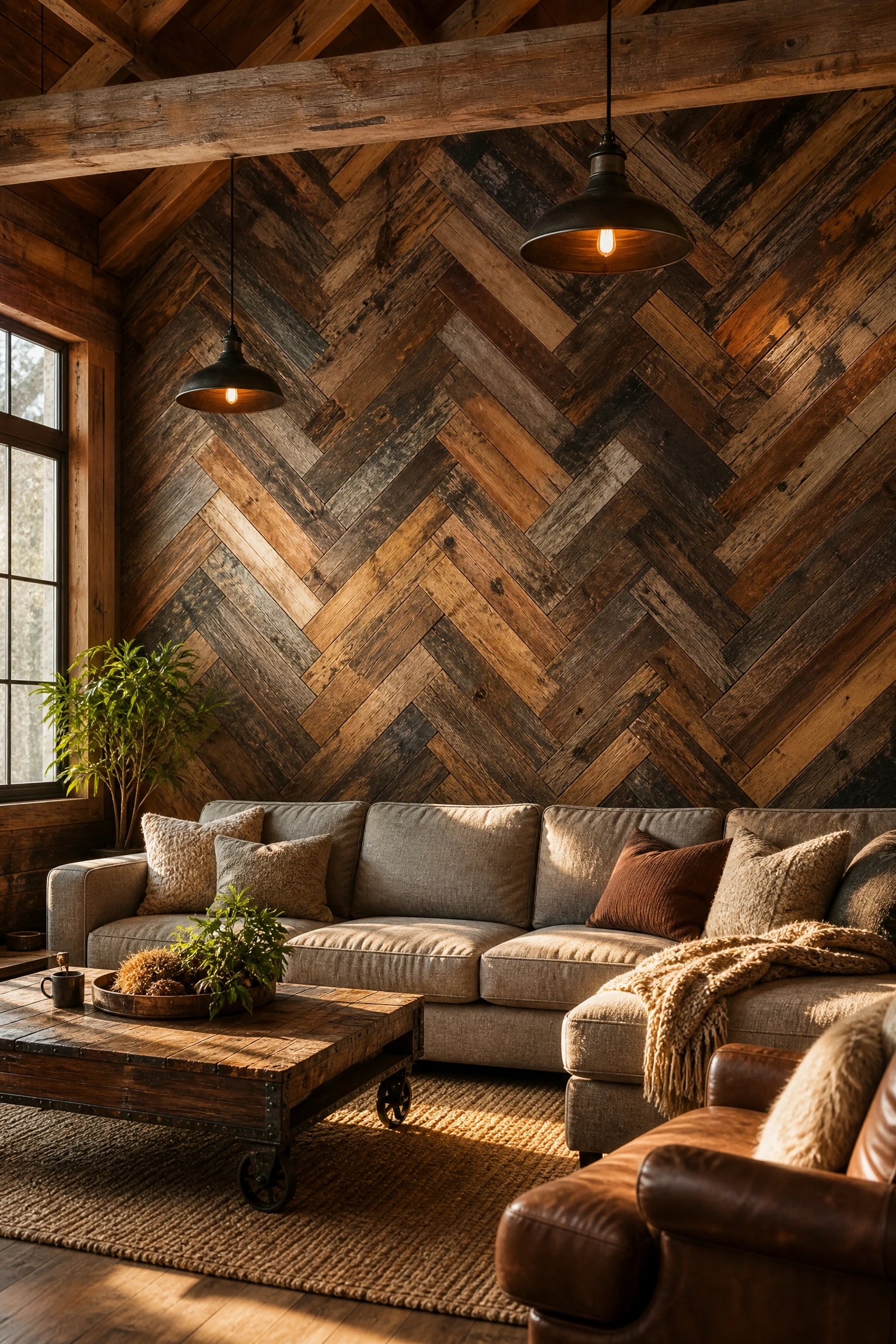
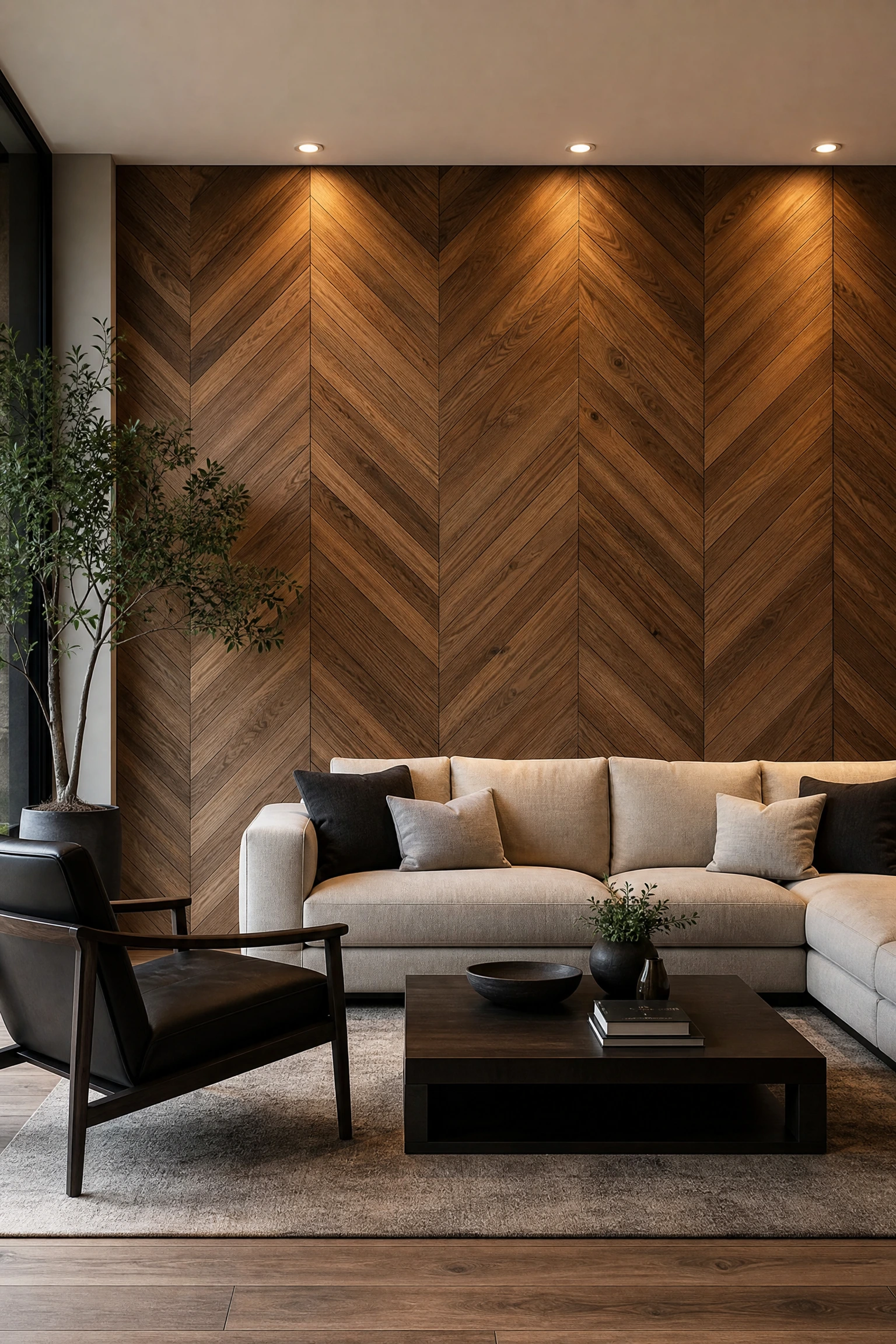
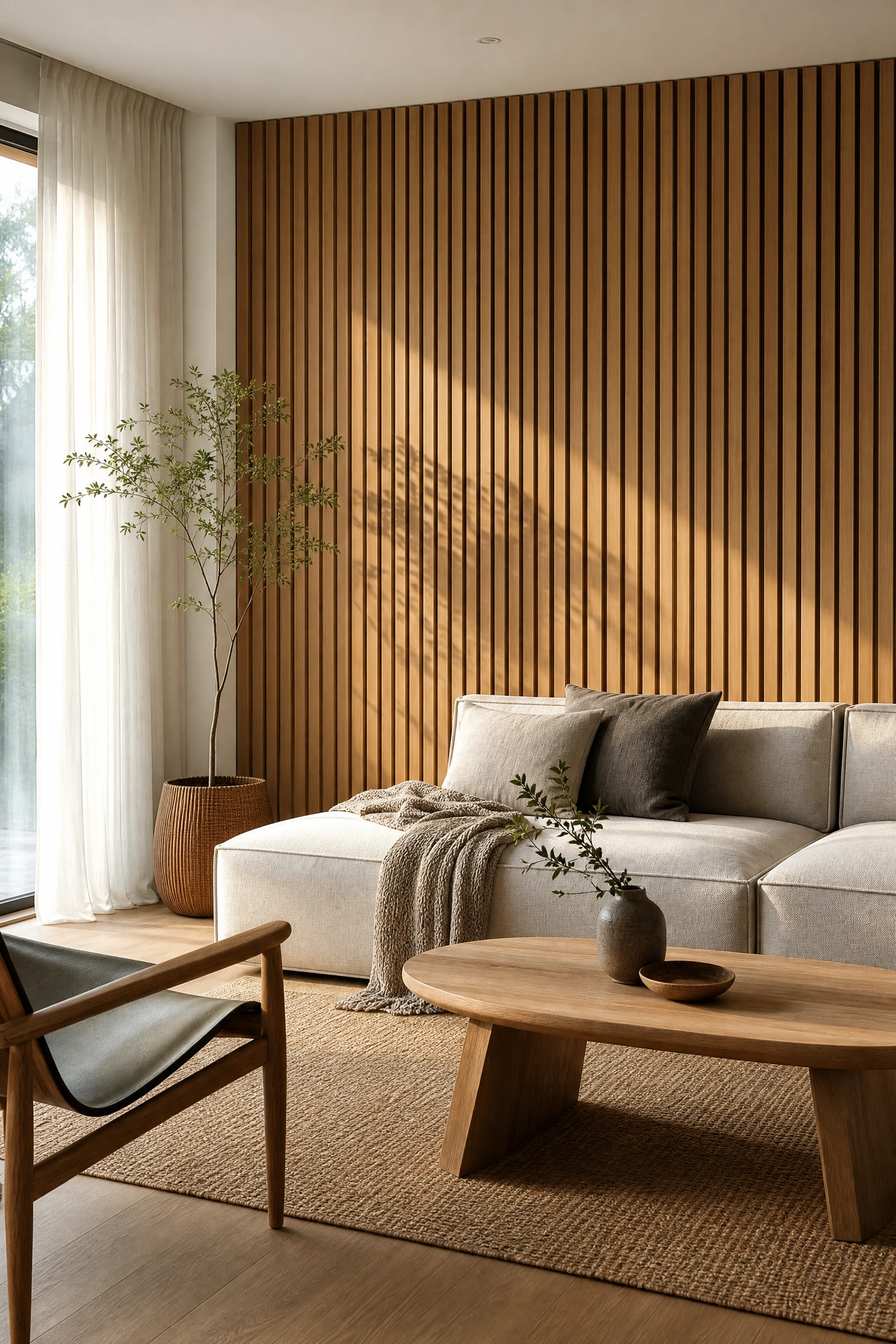
Wood slat walls have emerged as a prominent trend, offering a contemporary yet warm aesthetic. These walls feature vertical wooden panels or individual slats, creating a rhythmic pattern that adds significant texture and visual interest. The natural grain of the wood introduces an organic element, softening modern lines and providing a tactile experience. This style is particularly well-suited for minimalist, Scandinavian, or contemporary living rooms, where the emphasis is on clean lines and natural materials. For those inclined towards do-it-yourself projects, installing wood slat panels can be a rewarding endeavor, requiring precision in measurement and alignment. Materials typically include pre-made wood panels or individual wood strips, adhesive, and a nail gun. While professional installation ensures seamless results, a careful DIY approach can yield impressive outcomes. Styling a wood slat wall involves complementing its natural texture with soft furnishings, metallic accents, and strategic lighting to highlight its dimensional quality. Consider incorporating indirect LED lighting along the top or bottom to create a dramatic shadow effect.

2. Board and Batten: Classic Charm with Architectural Depth

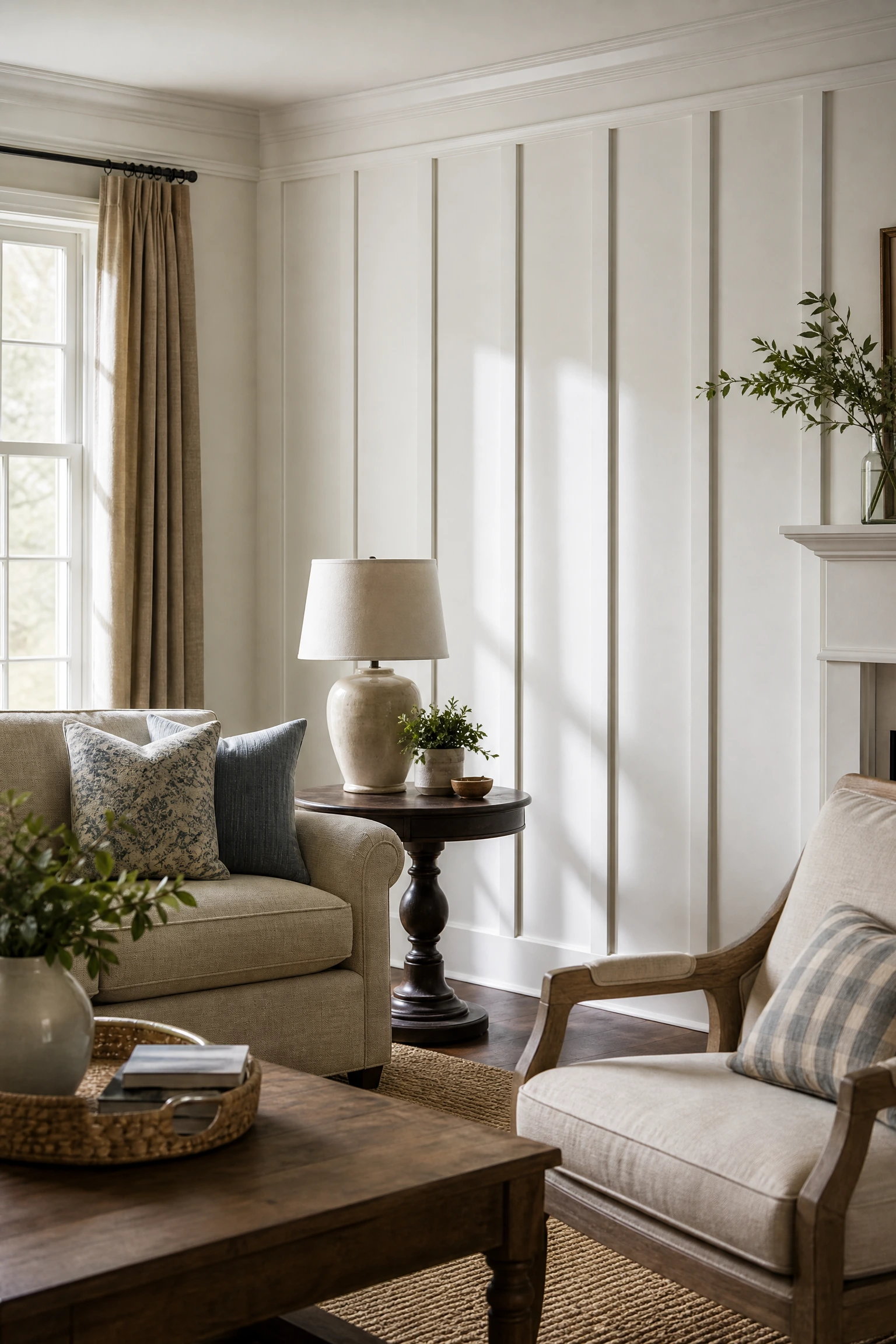
Board and batten walls offer a timeless appeal, adding architectural depth and a sense of classic elegance to any living room. This design involves applying thin strips of wood (battens) over a flat surface (boards), creating a raised, paneled effect. The patterns can range from simple vertical lines to more intricate grid designs, allowing for significant customization. Board and batten is an excellent choice for traditional, farmhouse, or transitional living rooms, providing a sophisticated backdrop that enhances the room’s character. While it can be a DIY project, especially for simpler vertical patterns, achieving perfectly mitered corners and seamless transitions requires patience and attention to detail. Materials typically include MDF or wood boards and battens, wood filler, paint, and a nail gun. The cost is generally moderate, making it an accessible option for many homeowners. Styling a board and batten wall often involves a monochromatic paint scheme to emphasize the texture, paired with classic furniture and decorative elements that echo its refined aesthetic. Artwork can be hung directly on the battens or within the created panels.

3. Bold Dark Paint: Dramatic Sophistication

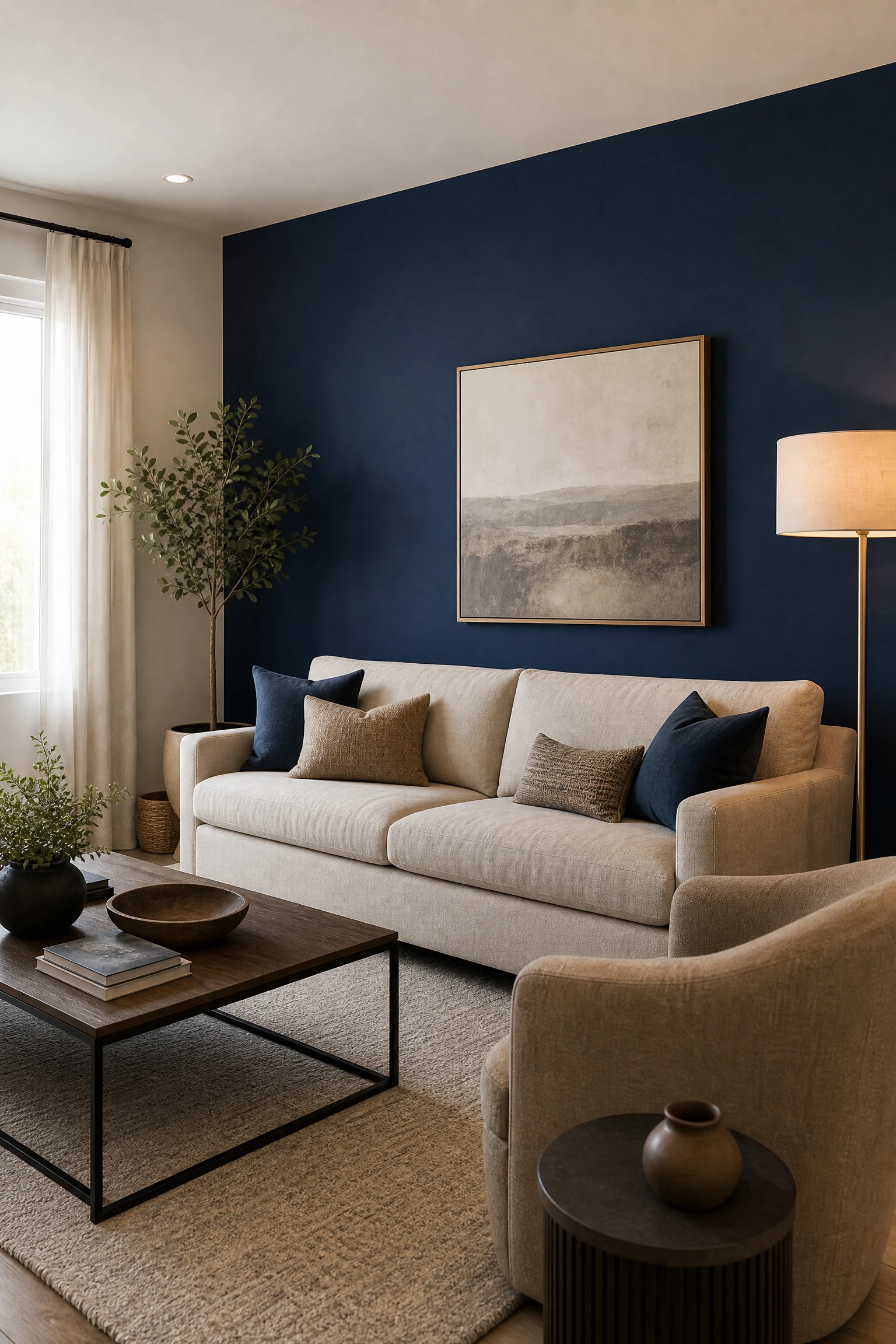
A bold dark paint color, such as charcoal gray, deep navy, or forest green, can instantly infuse a living room with dramatic sophistication. This approach creates a moody and intimate atmosphere, making the accent wall a powerful statement piece. Dark walls recede visually, making the room feel cozier and allowing lighter furniture and artwork to pop. This idea is ideal for modern, industrial, or eclectic living rooms where a strong visual impact is desired. It also serves as an excellent backdrop for a television or a prominent piece of art, minimizing distractions and enhancing focus. The beauty of a painted accent wall lies in its relative ease of implementation and affordability. A high-quality paint, painter’s tape, and rollers are the primary requirements for a DIY project. Professional painting ensures a flawless finish, especially for darker hues that can show imperfections more readily. Styling a dark accent wall involves contrasting it with lighter furniture, metallic accents, and vibrant artwork to prevent the space from feeling too heavy. Strategic lighting, such as sconces or picture lights, can further enhance its dramatic appeal.

4. Geometric Trim and Molding: Custom Patterns and Visual Intrigue

Geometric trim and molding allow for the creation of custom patterns that add visual intrigue and a bespoke feel to a living room. By applying thin wood strips in various configurations—triangles, diamonds, or abstract designs—you can transform a plain wall into a work of art. This technique adds dimension and architectural interest, making the wall a dynamic focal point. It is particularly effective in contemporary, transitional, or even traditional spaces seeking a modern twist. The complexity of the design dictates whether it is a suitable DIY project; simpler patterns are manageable, while intricate designs may benefit from professional expertise. Materials include pre-cut molding strips, wood adhesive, a miter saw for precise cuts, and paint. The cost varies depending on the intricacy and materials chosen. Styling a geometric trim wall often involves painting the entire wall, including the trim, in a single color to emphasize the textural pattern. Alternatively, contrasting colors can highlight the geometric shapes, creating a bolder statement. Keep surrounding decor minimal to let the wall design shine.

5. Exposed Brick: Industrial Charm and Timeless Texture

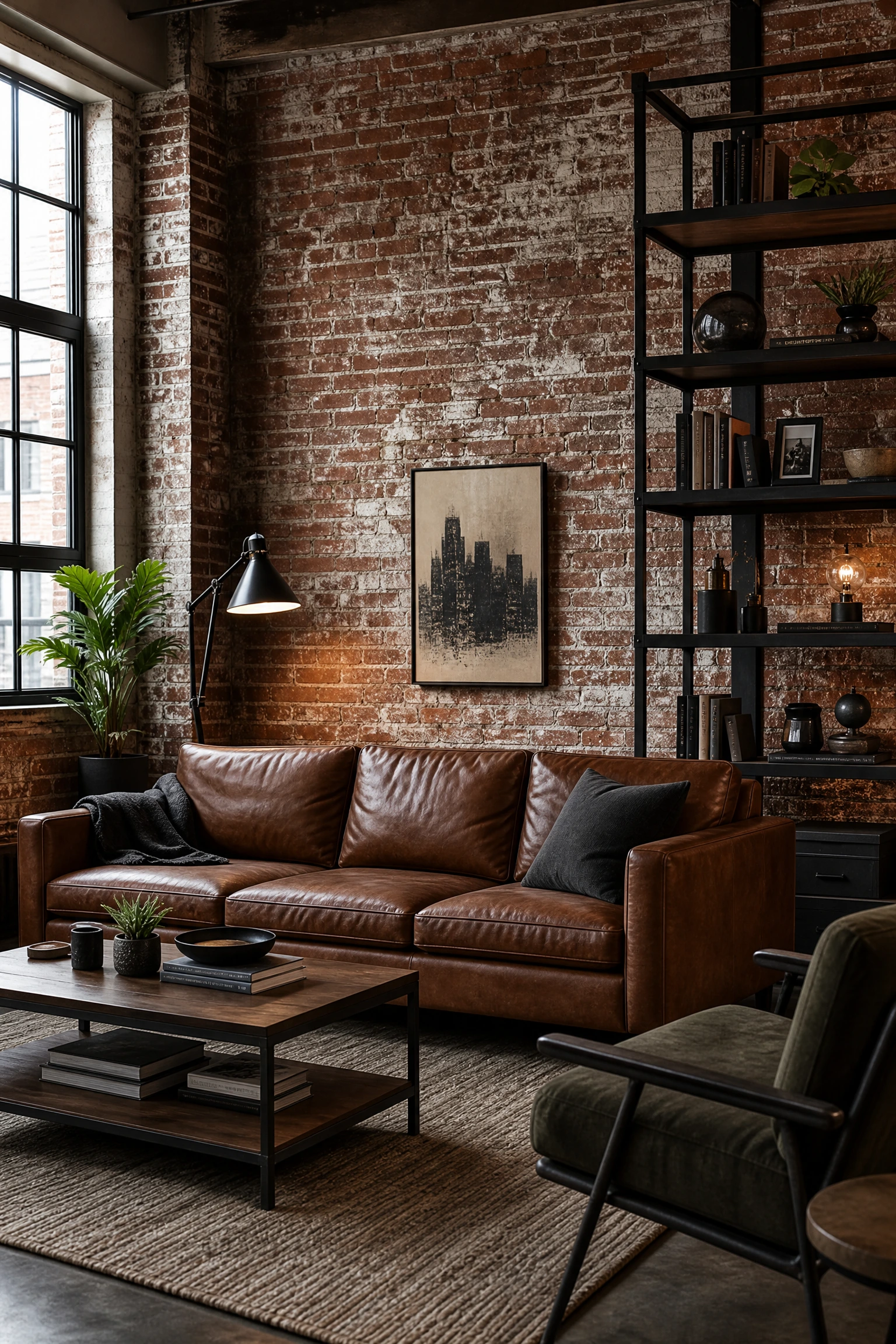
Exposed brick, whether genuine or faux, brings an undeniable industrial charm and timeless texture to a living room. The rugged, earthy quality of brick adds character, warmth, and a sense of history to a space. It is a versatile option that complements various design styles, including industrial, rustic, urban loft, and even modern farmhouse. If your home has existing brick walls, exposing them can be a significant undertaking, involving plaster removal and cleaning. For those without existing brick, faux brick panels or veneers offer a more accessible and less labor-intensive alternative. DIY installation of faux brick is feasible, requiring adhesive and careful alignment. The cost can range from moderate for faux options to higher for professional exposure and sealing of genuine brick. Styling an exposed brick wall involves embracing its raw beauty. Pair it with industrial-inspired furniture, metal accents, and warm lighting to enhance its character. Soft textiles and natural wood elements can balance the brick’s hardness, creating a cozy and inviting atmosphere.

6. Stone Veneer or Marble Slabs: Luxurious Elegance and Natural Movement

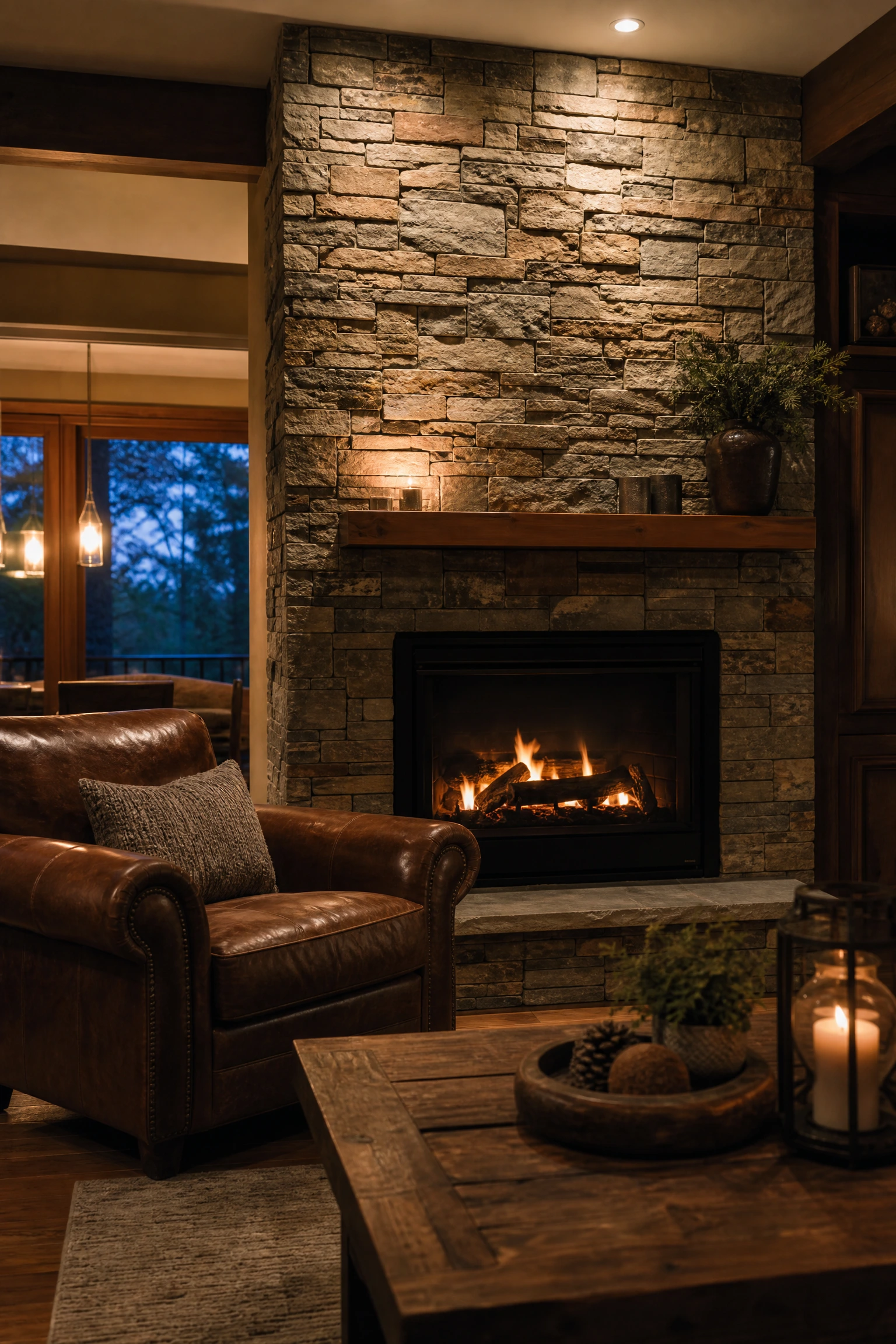
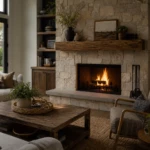
For an accent wall that exudes luxurious elegance and showcases natural movement, consider stone veneer or large format marble slabs. These materials introduce a high-end aesthetic, creating a sophisticated focal point that is both visually stunning and durable. Stone veneer, made from thin slices of natural stone, offers the look and feel of solid stone without the prohibitive weight and cost. Marble slabs, with their distinctive veining, provide unparalleled grandeur and a unique artistic statement. These options are ideal for modern, opulent, or transitional living rooms, particularly around fireplaces or as a backdrop for a prominent console table. Due to the weight and precision required, professional installation is highly recommended for both stone veneer and marble slabs. Materials include the chosen stone, specialized adhesives, and grout. The cost is generally higher than other options but reflects the premium quality and lasting impact. Styling a stone or marble accent wall involves complementing its inherent luxury with minimalist decor, metallic finishes, and sophisticated lighting that highlights its natural patterns and textures.

7. Shiplap: Coastal Breeze or Farmhouse Chic

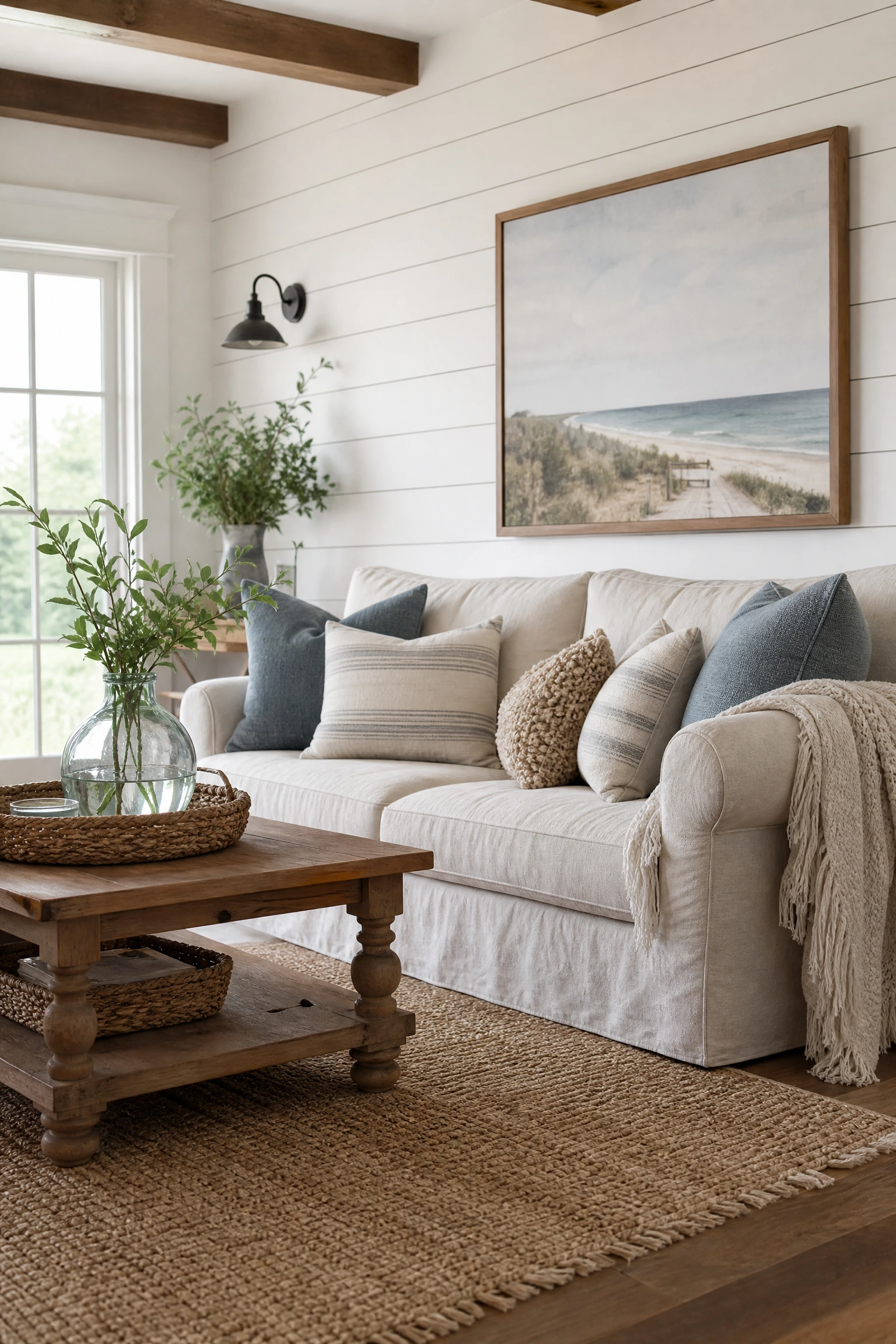
Shiplap, characterized by its horizontal or vertical wooden planks with a distinctive rabbet joint, offers a versatile aesthetic that can evoke either a coastal breeze or farmhouse chic, depending on its application and styling. Traditionally used in exterior siding, shiplap has found its way into interiors, providing clean lines and subtle texture. Horizontal shiplap can make a room feel wider, while vertical shiplap can make ceilings appear taller. This style is perfect for farmhouse, coastal, rustic, or even transitional living rooms. Installing shiplap is a popular DIY project, requiring a miter saw, nail gun, and careful leveling. Pre-primed shiplap boards are readily available, simplifying the painting process. The cost is relatively affordable, making it a budget-friendly option for adding character. Styling shiplap involves embracing its inherent charm. For a farmhouse look, pair it with distressed wood furniture, vintage finds, and warm, neutral colors. For a coastal vibe, opt for crisp white or light blue paint, natural fibers, and nautical-inspired decor. Keep the decor simple to let the shiplap’s texture stand out.

8. Gallery Wall: Personal Narrative and Curated Expression

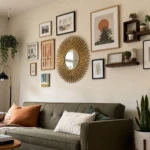
A gallery wall transforms an accent wall into a personal narrative, showcasing curated art, photographs, and memorabilia. This approach allows for immense personalization, reflecting your tastes, travels, and cherished memories. A well-designed gallery wall is a dynamic focal point that invites conversation and adds a layer of intimate charm to a living room. It is suitable for virtually any design style, from bohemian and eclectic to modern and traditional, as its character is defined by the chosen pieces. Creating a gallery wall is a highly satisfying DIY project, though it requires careful planning of layout and arrangement. Start by laying out your frames on the floor to experiment with different configurations before hanging them. Materials include various frames, artwork, photographs, and hanging hardware. The cost can vary widely depending on the art chosen. Styling a gallery wall involves mixing different frame sizes, styles, and media to create visual interest. Consider a cohesive color palette for frames or artwork to unify the display. Incorporate a mix of personal photos, abstract art, and perhaps a mirror to add depth and reflection.

9. Wallpaper: Bold Patterns and Artistic Murals

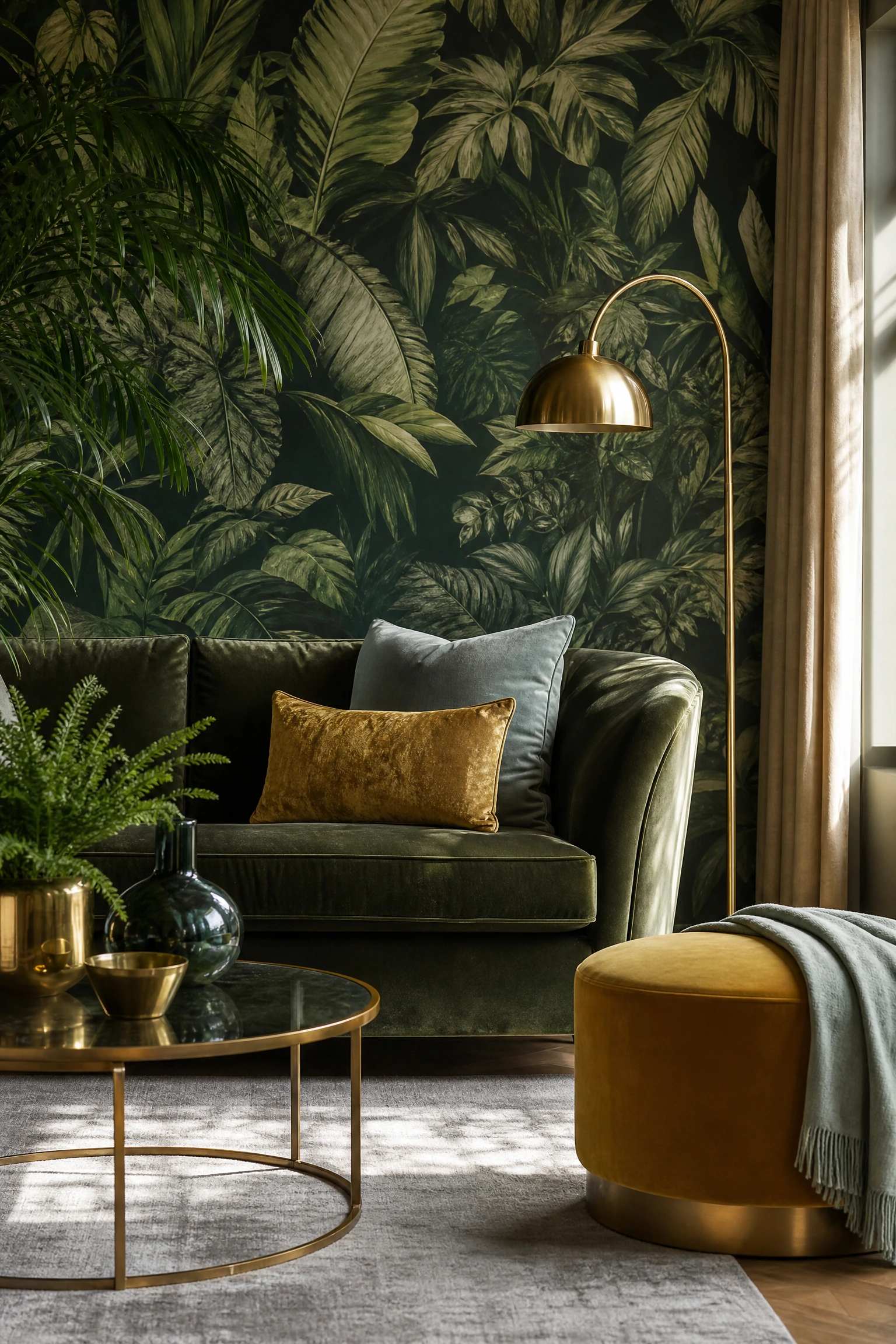
Wallpaper offers an unparalleled range of bold patterns, textures, and artistic murals, making it an excellent choice for a statement accent wall. From intricate botanicals and geometric designs to metallic finishes and panoramic landscapes, wallpaper can instantly transform the mood and style of a living room. It provides a level of detail and visual impact that paint alone cannot achieve. This option is ideal for eclectic, glamorous, art deco, or contemporary living rooms where a strong visual statement is desired. While some wallpapers are designed for DIY installation, especially peel-and-stick varieties, complex patterns or delicate materials often benefit from professional wallpaper hangers to ensure a seamless and bubble-free finish. Materials include the chosen wallpaper, adhesive (if not peel-and-stick), a smoothing tool, and a utility knife. The cost can range from affordable to premium, depending on the design and material. Styling a wallpaper accent wall involves selecting furniture and decor that complement its pattern without competing with it. For bold patterns, opt for solid-colored furniture and minimal accessories. For murals, allow the artwork to be the star, keeping surrounding elements understated.

10. Textured Plaster: Old-World Charm and Soft Movement

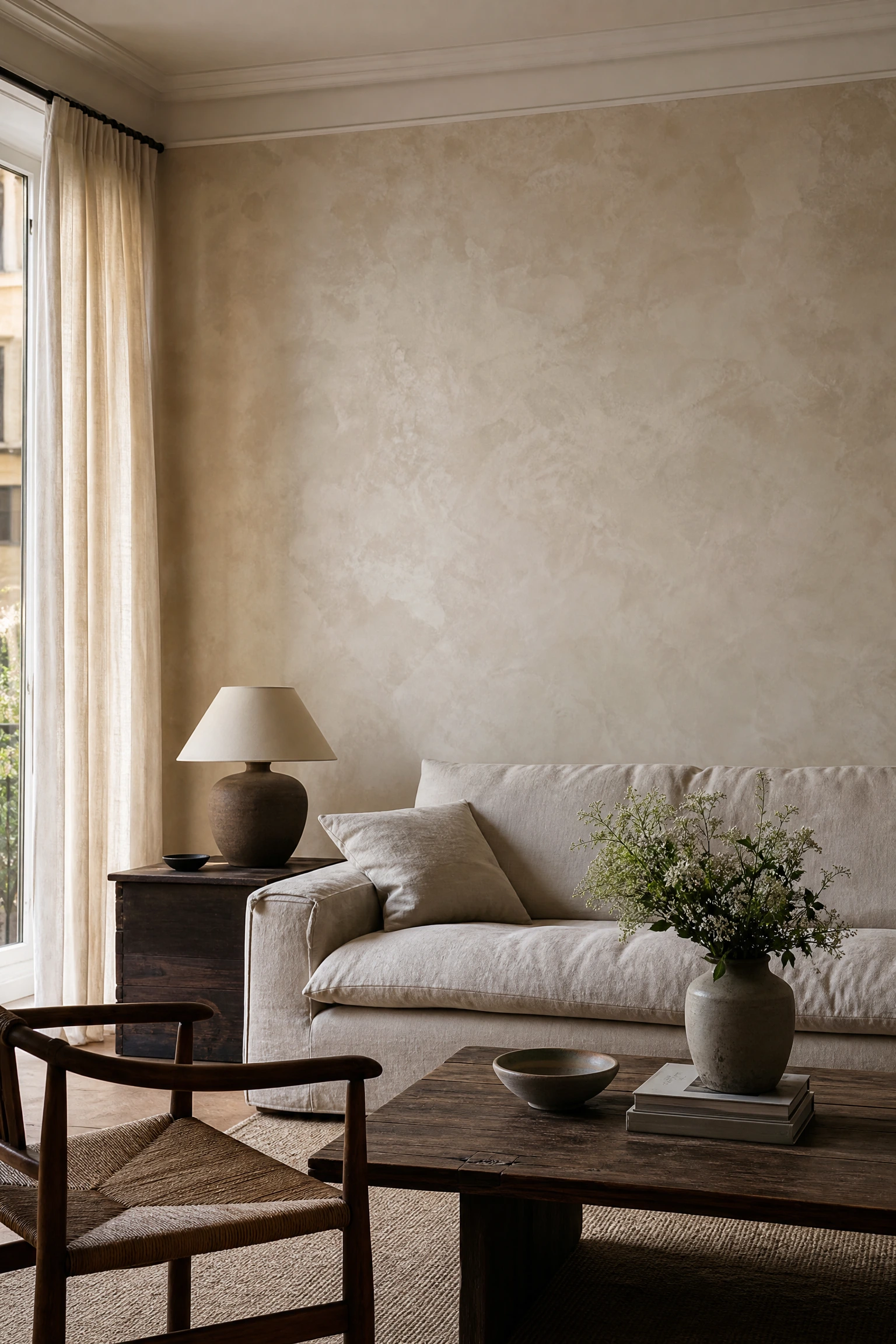
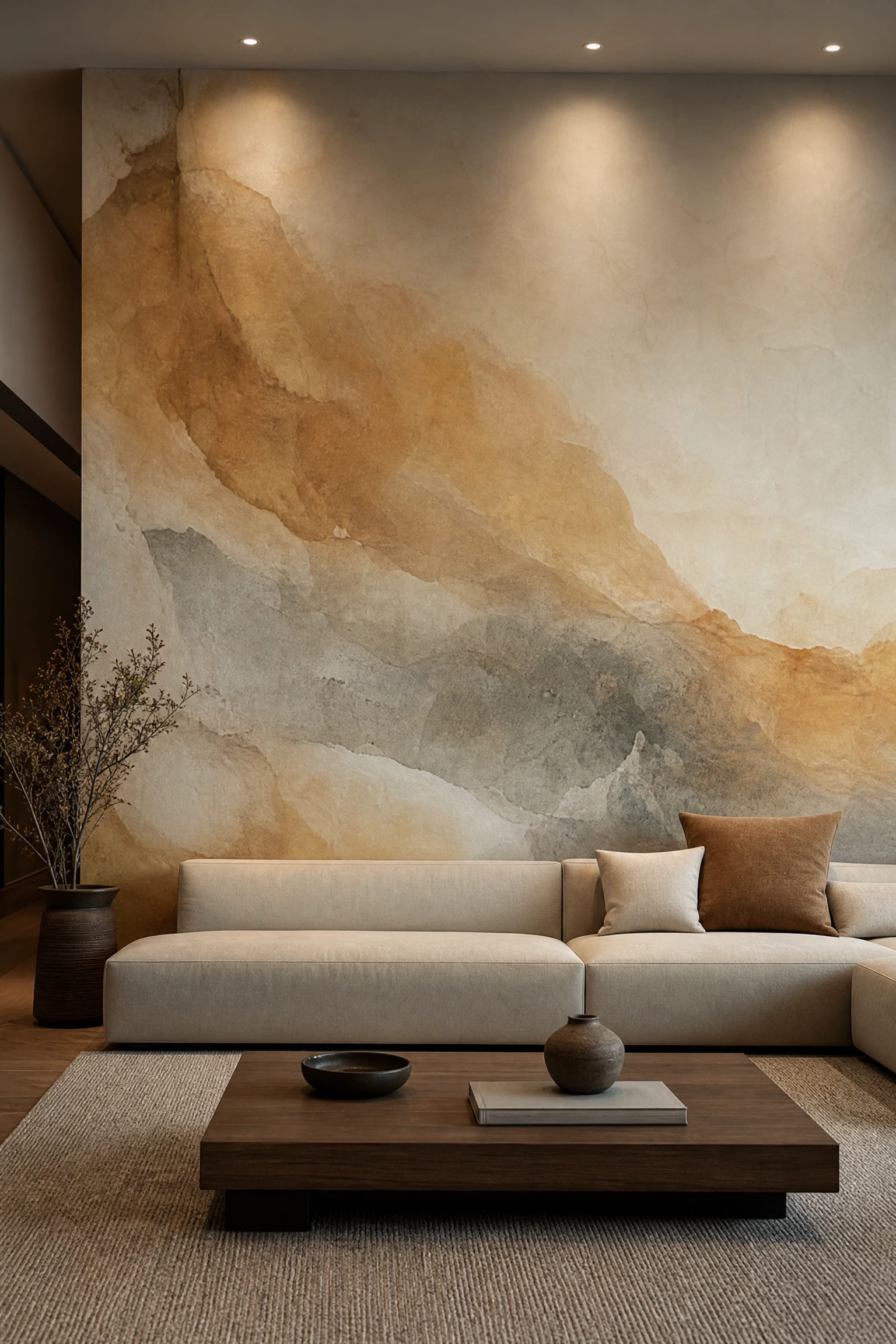
Textured plaster finishes, such as limewash or Venetian plaster, bring an old-world charm and soft, subtle movement to a living room accent wall. These techniques create a nuanced, matte finish with inherent variations in color and texture, mimicking the appearance of aged stone or suede. Limewash offers a soft, chalky look with natural color shifts, while Venetian plaster provides a smooth, polished surface with a marble-like depth. These finishes are perfect for Mediterranean, rustic, bohemian, or even minimalist living rooms seeking a touch of organic elegance. Applying textured plaster is a more advanced DIY project that requires specific techniques and practice to achieve the desired effect. Professional application is often recommended for optimal results. Materials include the chosen plaster product, specialized trowels, and protective coatings. The cost can be moderate to high, reflecting the specialized materials and labor. Styling a textured plaster wall involves embracing its natural, earthy quality. Pair it with natural wood furniture, linen textiles, and handcrafted decor. Soft, diffused lighting will enhance the subtle variations in the plaster, creating a serene and inviting atmosphere.

11. Built-in Bookshelves or Library Wall: Functional Sophistication

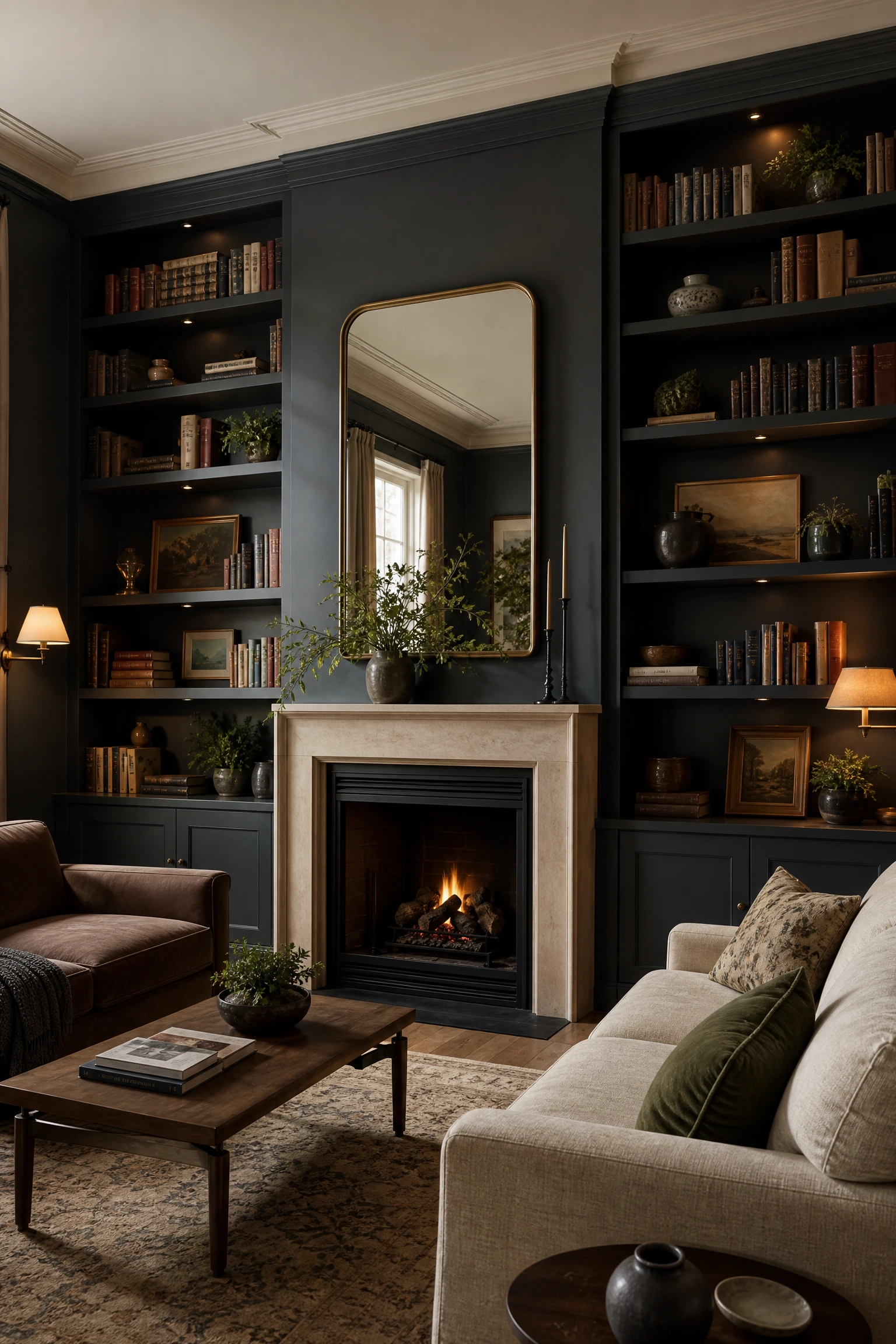
A built-in bookshelf or library wall serves as a functional and sophisticated accent, transforming a living room into a haven for literature and display. This idea not only adds significant storage but also creates a grand, intellectual focal point. The shelves can be customized to fit the wall perfectly, offering a seamless, integrated look. This option is ideal for traditional, classic, academic, or even modern living rooms that value organization and display. Building custom bookshelves is a significant DIY project requiring carpentry skills, precise measurements, and careful finishing. Alternatively, modular shelving units can be adapted to create a built-in appearance with less effort. Professional carpentry ensures a high-quality, custom fit. Materials include wood or MDF boards, shelving hardware, paint or stain, and trim. The cost can vary widely based on materials and whether it’s custom-built or assembled from modules. Styling a library wall involves a thoughtful arrangement of books, decorative objects, and perhaps some framed art. Vary the orientation of books (some stacked, some vertical) and intersperse with personal treasures to create visual interest. Integrated lighting within the shelves can highlight displayed items and add warmth.

12. Mirror Accent Wall: Expanding Space and Reflecting Light

A mirror accent wall is a clever design solution that expands space and reflects light, making a living room feel larger, brighter, and more glamorous. This can involve a single large mirror, a collection of smaller mirrors arranged as a gallery, or mirrored panels covering an entire wall. The reflective surface adds depth and sparkle, creating a dynamic visual effect. This idea is particularly effective in smaller living rooms or spaces that lack natural light, as it amplifies existing illumination. It is well-suited for glamorous, art deco, contemporary, or even minimalist interiors. Installing a large mirror or multiple mirrors can be a DIY project, but careful planning for weight distribution and secure hanging is crucial. For full mirrored walls, professional installation is highly recommended due to the precision and safety involved. Materials include mirrors of various sizes, strong adhesive, and appropriate hanging hardware. The cost can range from affordable for smaller mirrors to significant for custom-cut mirrored panels. Styling a mirror accent wall involves considering what will be reflected. Position it to capture appealing views or to reflect light from a window or chandelier. Keep the surrounding decor elegant and uncluttered to maximize the mirror’s effect.

13. Tile Accent: Unique Durability and Artistic Patterns

Tile accent walls introduce unique durability and artistic patterns to a living room, often serving as a striking feature around fireplaces or as a decorative panel. From intricate mosaic tiles to large format ceramic or porcelain, tiles offer a vast array of colors, textures, and designs. They are exceptionally durable and easy to clean, making them a practical yet stylish choice. This option is ideal for modern, Mediterranean, eclectic, or even industrial living rooms, especially where a robust and visually interesting surface is desired. Installing tiles is a moderately challenging DIY project that requires precision in cutting, leveling, and grouting. For complex patterns or large areas, professional tile setters ensure a flawless finish. Materials include the chosen tiles, tile adhesive, grout, spacers, and a tile cutter. The cost varies significantly based on the type and quality of tiles. Styling a tile accent wall involves complementing its pattern and color with the rest of the room’s decor. For bold patterns, keep surrounding elements simple. For textured or monochromatic tiles, introduce contrasting textures through textiles and furniture. Integrated lighting can highlight the tile’s texture and sheen.

14. Floating Shelves with Lighting: Practicality and Ambiance

Floating shelves with integrated lighting combine practicality with ambiance, creating a modern and functional accent wall. This design allows for the display of decorative objects, books, or personal collections, while the subtle lighting adds warmth and highlights the displayed items. The absence of visible brackets gives the shelves a sleek, minimalist appearance, making them appear to float effortlessly. This idea is perfect for contemporary, minimalist, industrial, or even eclectic living rooms that value both display and understated illumination. Installing floating shelves can be a DIY project, but ensuring they are securely anchored and level is crucial, especially if they will hold significant weight. Integrating lighting, such as LED strips, adds a layer of complexity that may benefit from professional electrical assistance. Materials include floating shelf kits, LED strip lights, and appropriate mounting hardware. The cost is moderate, depending on the quality of shelves and lighting. Styling floating shelves involves a thoughtful curation of items. Arrange objects in varying heights and textures, leaving some negative space to prevent clutter. The integrated lighting will draw attention to your chosen displays, creating a captivating focal point.

15. Mural or Hand-Painted Art: One-of-a-Kind Artistic Expression

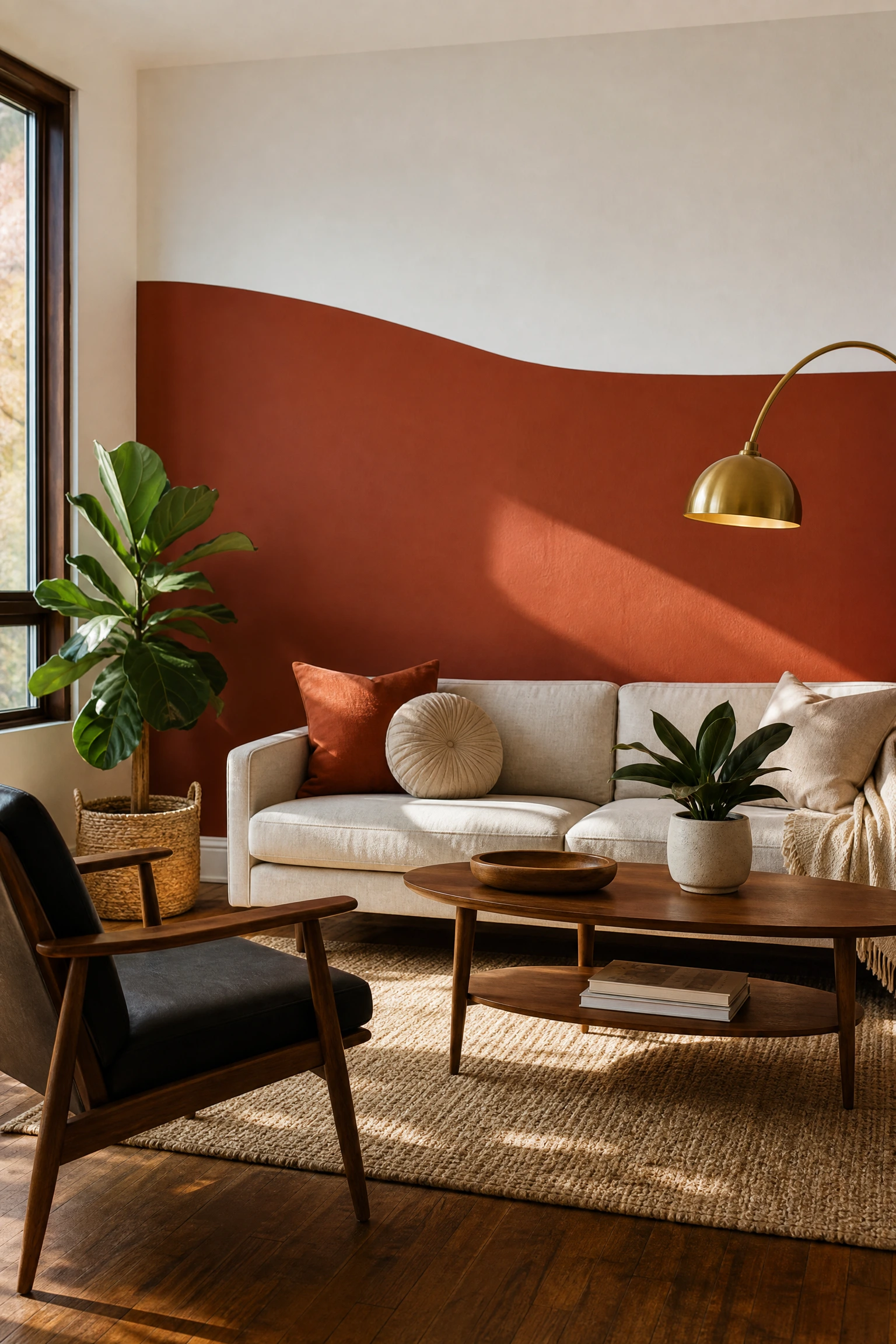
A mural or hand-painted art accent wall offers a truly one-of-a-kind artistic expression, transforming a living room into a personalized masterpiece. This approach allows for boundless creativity, from abstract designs and scenic landscapes to custom patterns and trompe l’oeil effects. A hand-painted mural is a powerful statement that reflects individual taste and can evoke specific moods or themes. It is ideal for bohemian, eclectic, artistic, or contemporary living rooms where a unique and impactful visual is desired. Creating a mural is typically a professional endeavor, requiring artistic skill and vision. While a simple geometric pattern might be a DIY possibility, complex designs are best left to experienced muralists. Materials include high-quality paints, brushes, and potentially stencils or projectors for intricate designs. The cost can be significant, reflecting the artist’s time and expertise. Styling a mural accent wall involves allowing the artwork to be the undisputed star of the room. Keep furniture and decor understated, choosing pieces that complement the mural’s color palette and theme without competing for attention. The mural itself provides all the necessary visual interest, creating a captivating and immersive environment.

Choosing the Right Color and Texture: A Deeper Dive

Selecting the appropriate color and texture for your accent wall is paramount, as these elements profoundly influence the room’s atmosphere and perceived dimensions. Color psychology plays a significant role; warm colors like reds and oranges can create an energetic and inviting feel, while cool colors such as blues and greens promote tranquility and spaciousness. Darker hues tend to make a wall recede, adding depth and coziness, whereas lighter shades can make a room feel more expansive and airy. Consider the existing color palette of your living room, ensuring the accent wall complements rather than clashes with your furniture, flooring, and other decor. The interaction of natural and artificial light with your chosen color is also crucial. A color might appear different under bright daylight compared to soft evening lamplight. Test paint samples on your wall and observe them throughout the day to make an informed decision.

Texture, whether inherent in materials like wood, brick, or stone, or created through techniques like plastering or paneling, adds another layer of sensory experience. Smooth, reflective surfaces can enhance a modern, sleek aesthetic, while rough, tactile textures introduce warmth and organic appeal. Textured walls can absorb or reflect light differently, creating subtle shadows and highlights that change with the time of day. For instance, a deeply textured wall might appear darker in certain areas, adding to its dramatic effect. When combining color and texture, aim for harmony. A bold color might be balanced by a subtle texture, or a rich texture might be enhanced by a neutral color. The goal is to create a cohesive visual story that resonates with your personal style and the overall design intent of your living space.

DIY Guide Overview: Tools, Preparation, and Common Pitfalls

Embarking on a DIY accent wall project can be a rewarding experience, offering the satisfaction of personal creation and significant cost savings. However, proper planning, the right tools, and an understanding of common pitfalls are essential for success. Before starting, gather all necessary tools: a tape measure, level, stud finder, painter’s tape, utility knife, and safety glasses are fundamental. Depending on your chosen accent wall type, you might also need a miter saw for precise cuts, a nail gun for secure fastening, or specialized trowels for plaster finishes. Preparation is key: clear the area, protect your furniture and flooring with drop cloths, and clean the wall thoroughly. For painted or wallpapered walls, patching holes and sanding uneven surfaces will ensure a smooth finish. Priming the wall is often a crucial step, especially when transitioning from a dark to a light color or working with new drywall.

Common mistakes to avoid include inadequate surface preparation, rushing the process, and neglecting precise measurements. Imperfections on the wall will be magnified by new paint or wallpaper. Rushing can lead to sloppy lines, uneven application, or misaligned panels. Always measure twice and cut once. For patterned wallpapers or geometric trim, creating a detailed layout plan on paper or even lightly sketching it on the wall beforehand can prevent costly errors. Another pitfall is underestimating the amount of material needed; always purchase a little extra to account for mistakes or future repairs. Finally, ensure proper ventilation when painting or using adhesives. By approaching your DIY project with patience, precision, and a commitment to preparation, you can achieve a professional-looking accent wall that enhances your living room for years to come.

Lighting the Accent Wall: Enhancing Visual Impact

Strategic lighting can dramatically enhance the visual impact of your accent wall, transforming it from a static feature into a dynamic display. Lighting can highlight texture, emphasize color, and create a captivating ambiance. There are several effective ways to illuminate an accent wall, each offering a distinct effect. Sconces, mounted on either side or directly above the accent wall, provide directional light that can draw attention to artwork or architectural details. Their design can also contribute to the overall aesthetic, from modern minimalist to classic ornate. LED strip lights, discreetly installed along the top, bottom, or sides of the wall, create a soft, ambient glow that washes the surface with light. This technique is particularly effective for textured walls, as it accentuates shadows and highlights, adding depth and drama. Recessed lighting in the ceiling, aimed at the accent wall, can provide a broader wash of light, making the entire feature stand out. For gallery walls, individual picture lights mounted above each piece of art ensure that every element is beautifully illuminated.

Beyond artificial lighting, consider how natural light interacts with your accent wall throughout the day. A wall that receives direct sunlight might benefit from a cooler color palette to prevent it from feeling too intense, while a wall in a darker corner might thrive with a brighter hue or reflective texture. The goal is to create a balanced lighting scheme that complements the accent wall’s design and contributes to the overall warmth and functionality of your living room. Experiment with different light temperatures (warm white, cool white) to see how they affect your chosen colors and textures. Dimmers are also an excellent addition, allowing you to adjust the intensity of the light to suit various moods and occasions, further enhancing the versatility of your accent wall.

Maintenance and Longevity: Preserving Your Design

Ensuring the longevity and pristine appearance of your living room accent wall requires understanding the specific maintenance needs of its materials. Different finishes and textures demand varying levels of care to preserve their beauty over time. Painted accent walls are generally the easiest to maintain; regular dusting with a soft cloth and occasional spot cleaning with a mild soap and water solution can keep them looking fresh. For darker paints, be mindful of scuffs and marks, which can be more noticeable. Wallpapered accent walls require gentle care; non-washable wallpapers should only be dusted, while washable varieties can be wiped with a damp cloth. Avoid harsh chemicals that can damage the paper or fade the pattern. For textured plaster walls, dusting is usually sufficient, and any minor chips or cracks may require specialized repair kits to blend seamlessly.

Wood slat, board and batten, and shiplap walls benefit from regular dusting and occasional wiping with a wood-friendly cleaner. Inspect for any loose nails or battens and address them promptly to prevent further damage. Exposed brick and stone veneer walls are quite durable but can accumulate dust and cobwebs in their crevices; a soft brush or vacuum cleaner attachment can be effective for cleaning. For genuine brick, sealing it can protect against moisture and staining. Mirror accent walls should be cleaned with a glass cleaner and a microfiber cloth to avoid streaks. Tile accent walls are highly durable and can be cleaned with standard tile cleaners, paying attention to grout lines. Regardless of the material, prompt attention to spills or damage will help preserve your accent wall’s aesthetic appeal and structural integrity, ensuring it remains a captivating feature in your living room for many years.

Conclusion: Crafting Your Unique Living Room Statement

An accent wall is a powerful design tool, offering an opportunity to infuse your living room with character, depth, and a reflection of your personal style. From the modern warmth of wood slats to the timeless elegance of stone, the dramatic flair of bold paint, or the artistic expression of a hand-painted mural, the possibilities are vast and inspiring. The key lies in thoughtful selection, meticulous planning, and a keen eye for how different elements—color, texture, light, and decor—interact to create a cohesive and inviting space. Whether you choose a DIY approach or opt for professional installation, the journey of creating an accent wall is an exciting one, culminating in a living room that not only looks stunning but also feels uniquely yours. By embracing these ideas and tailoring them to your home, you can craft a living environment that is both beautiful and deeply personal, a true statement of your design vision.

Similar Posts

Leave a Reply

Your email address will not be published. Required fields are marked *