A fireplace is supposed to be the heart of the living room, but plenty of them end up looking dated, bland, or just plain ignored. Ours was a basic brick box with a sad mantel shelf that held nothing but dust. Once I started treating it as the main design feature rather than just a heat source, the whole room changed. Here are the fireplace ideas that make a living room feel worth gathering in.
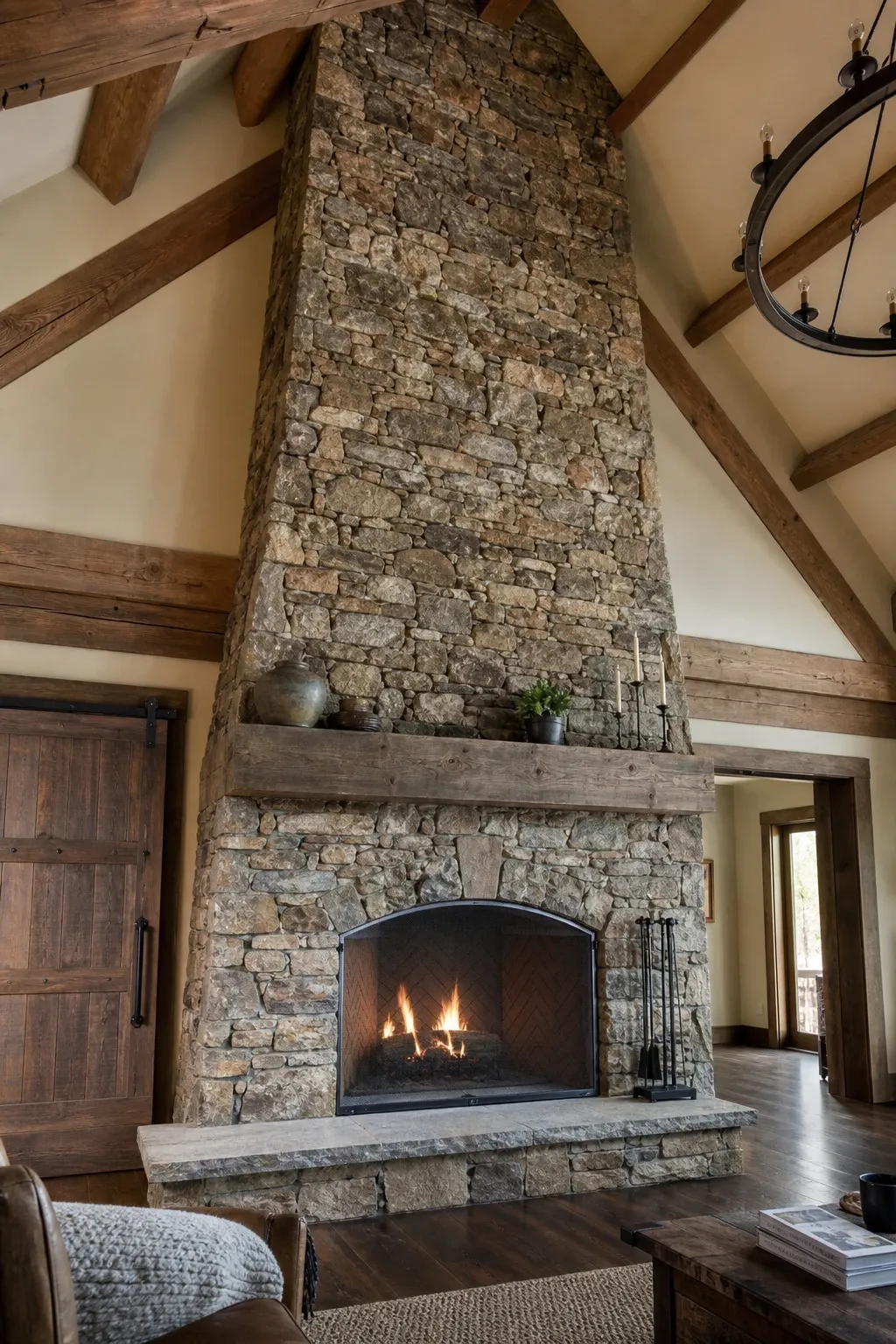
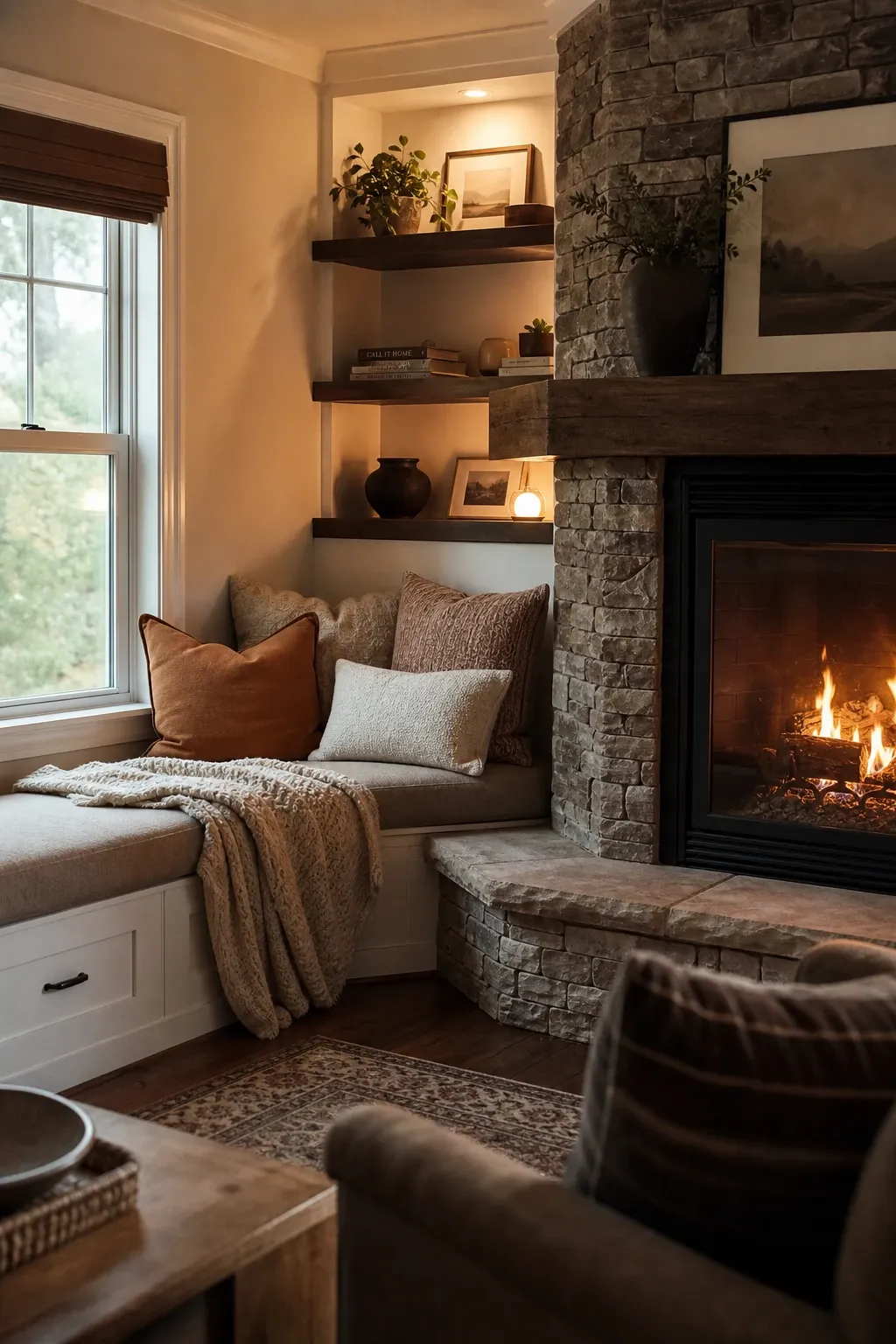
Taking the stone surround all the way up to the ceiling turns the fireplace wall into a massive statement. Stacked stone, ledgestone, or natural fieldstone all create a textured surface that dominates the room in the best way. The vertical scale makes the ceiling feel taller and gives the fireplace the importance it deserves. This is a significant investment but it completely changes the room.
Designer Tip: Choose a stone with variation in tone rather than a single flat color. The mix of darks and lights within the stone creates depth and visual movement that a uniform surface cannot match.
Wrapping the fireplace wall in shiplap from floor to ceiling gives it a clean, farmhouse-inspired look. Paint it white for a bright, classic feel or choose a soft gray or blue for something more subtle. Shiplap adds texture and horizontal lines that widen the wall visually. This is one of the most popular fireplace makeovers because it is relatively affordable and can be done in a weekend with basic tools.
Designer Tip: Use a non-combustible material like tile or metal around the firebox itself, then start the shiplap outside the heat zone. Wood shiplap too close to an active fire is a safety issue.
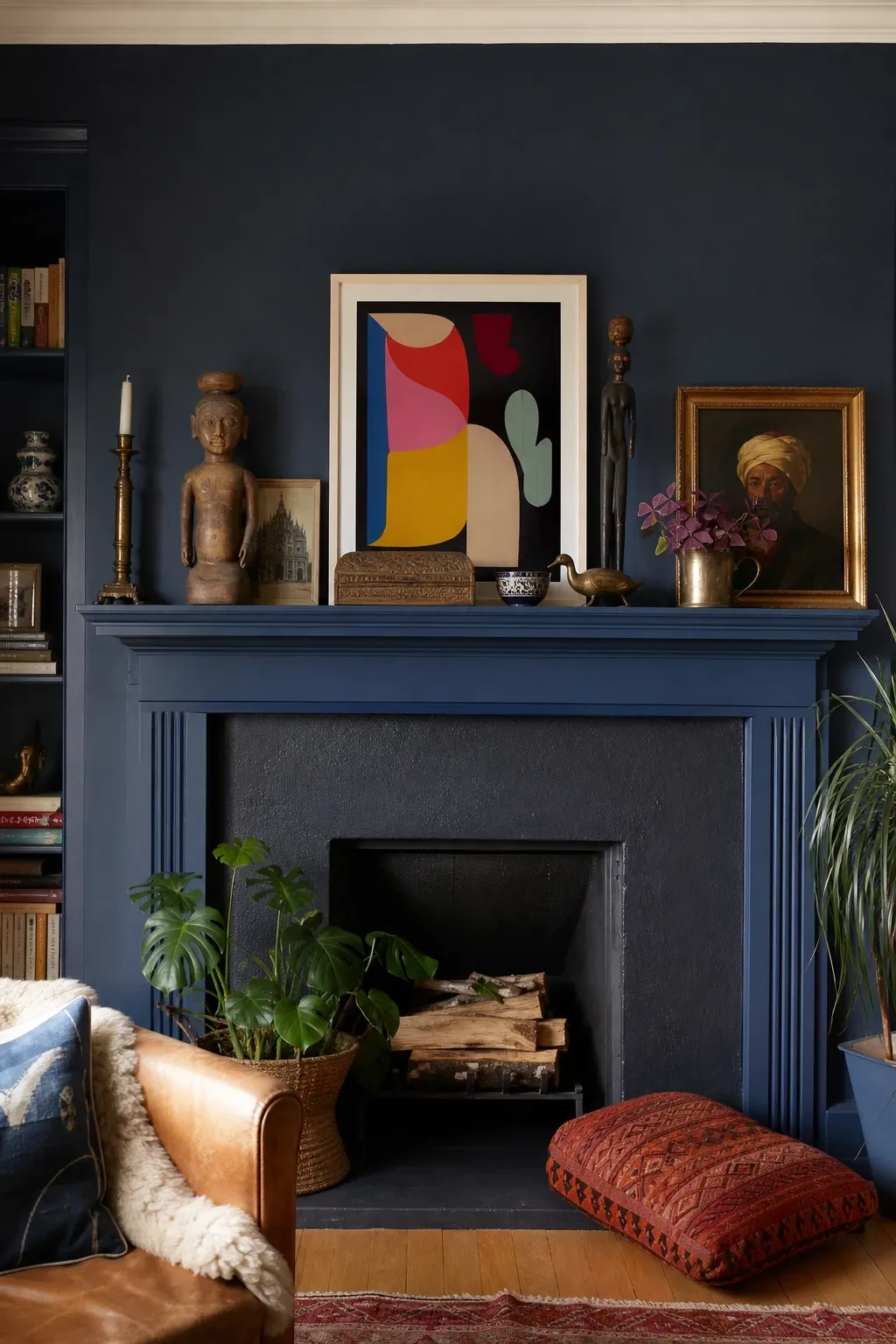
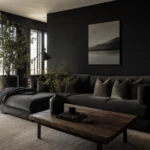
Painting a brick fireplace black is a bold move that makes the fire itself the visual focus. The dark surround frames the flames and creates a dramatic contrast against lighter walls. Matte black gives a modern, clean look while keeping the brick texture visible. This is one of the easiest fireplace transformations because all it takes is a coat of high-heat primer and black paint over existing brick.
Designer Tip: Clean the brick thoroughly and use a masonry primer before painting. Paint adheres poorly to dirty or chalky brick and will peel within a few months without proper prep.
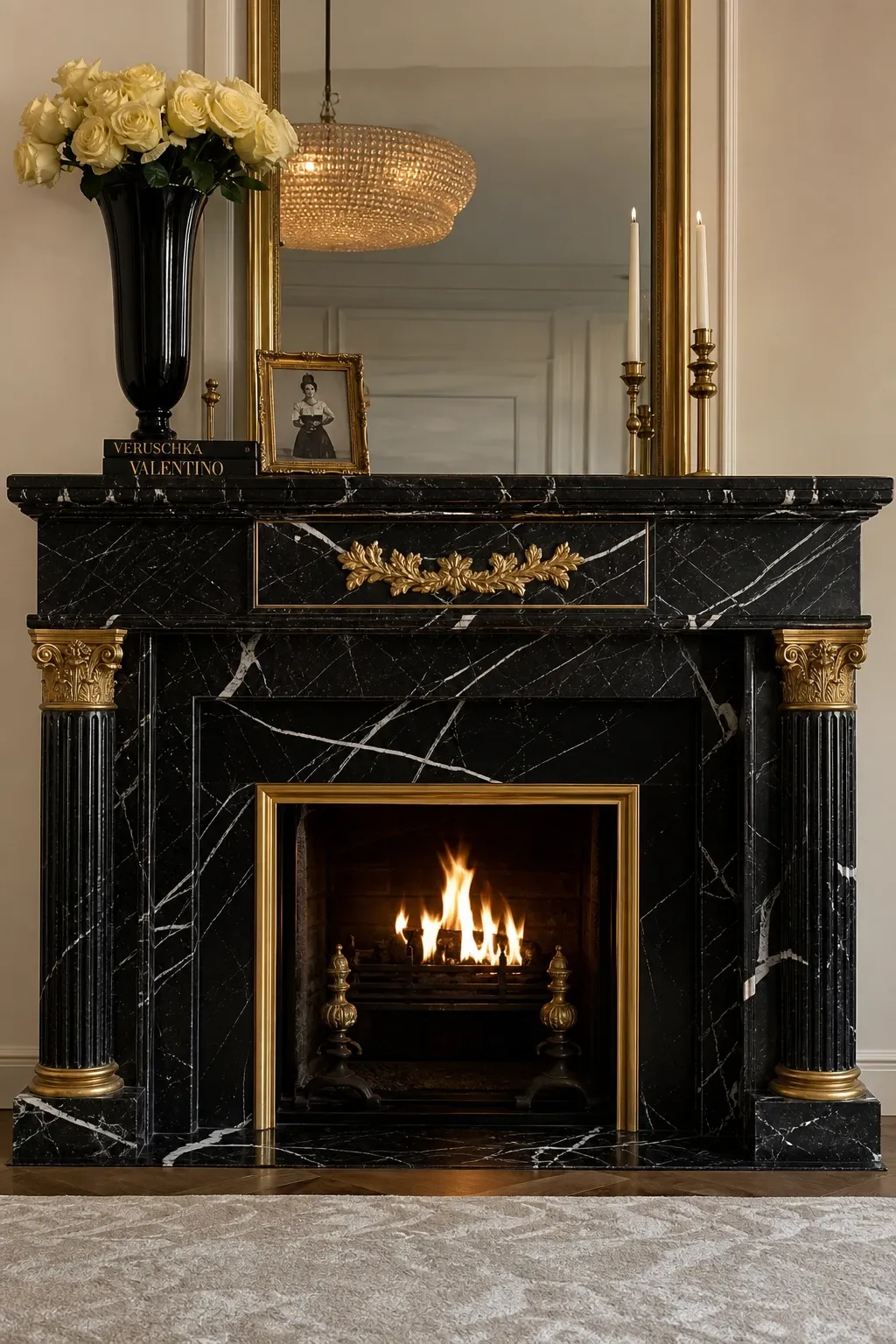
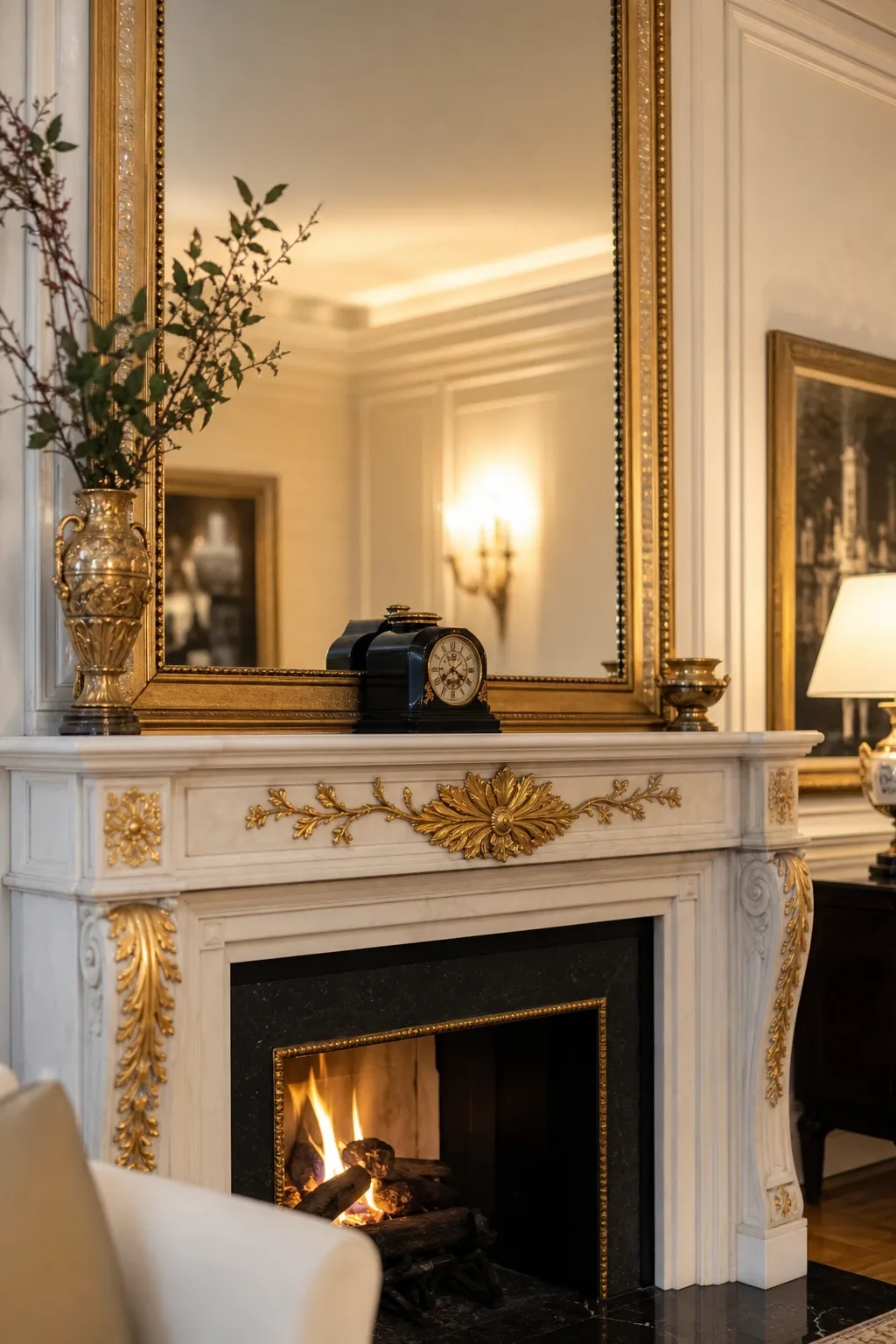
A marble or quartz slab surround gives the fireplace a sleek, luxurious look. The smooth surface contrasts beautifully with a chunky wood mantel or a clean floating shelf above. Calacatta marble with its bold gray veins is a popular choice, while white quartz offers a more uniform, modern appearance. Slab surrounds are easier to clean than stone and create an elegant, high-end focal point.
Designer Tip: If a full marble slab is out of budget, use large format marble-look porcelain tiles with minimal grout lines. From a few feet away, the effect is nearly identical at a fraction of the cost.
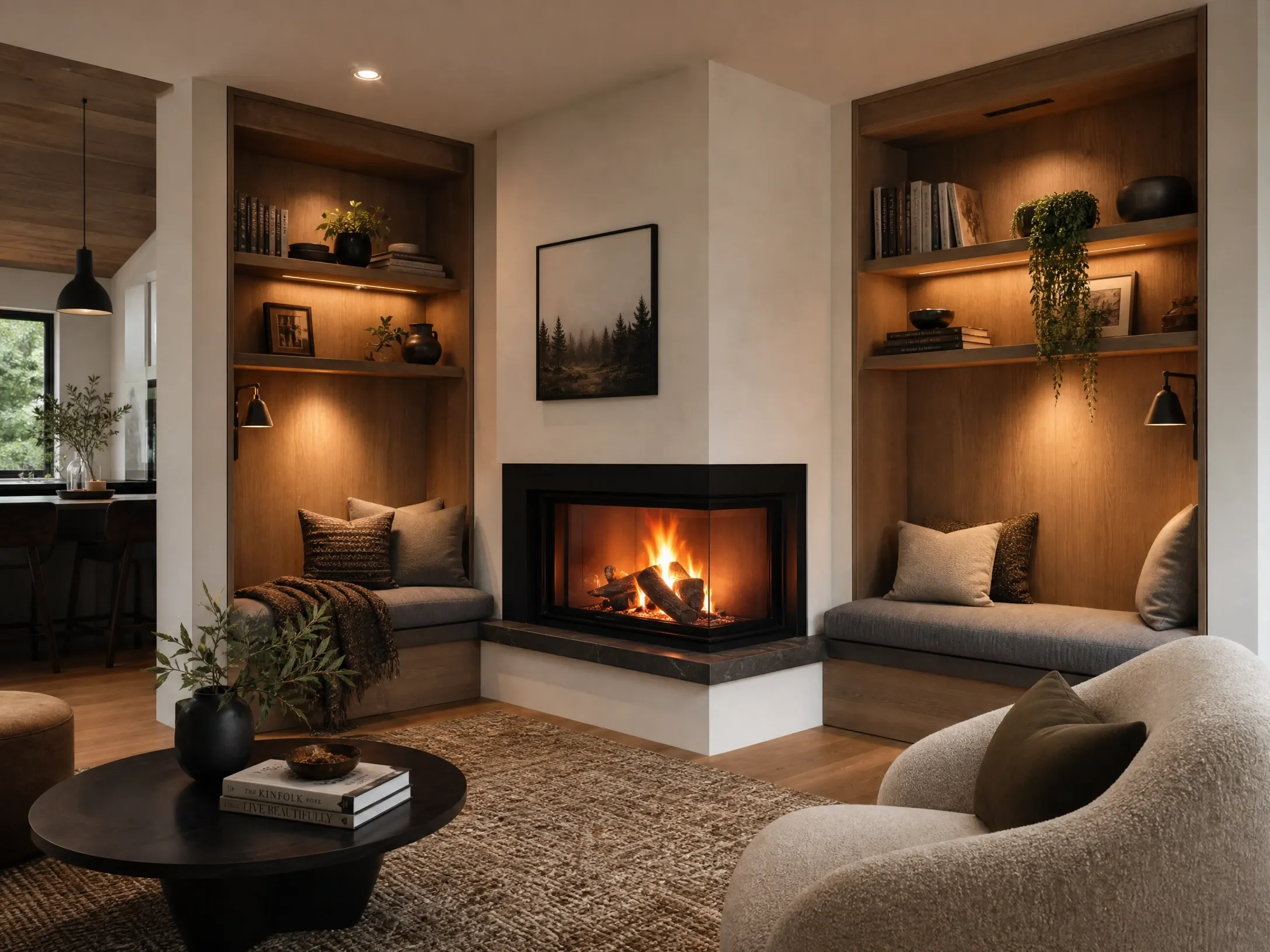
Built-in bookshelves or cabinets on each side of the fireplace create a balanced, symmetrical wall that looks custom and expensive. Fill the shelves with books, art, plants, and personal items. Closed cabinets on the lower portion hide media equipment, games, and clutter. This setup makes the fireplace the clear center of the wall and gives the entire room a structured, finished quality.
Designer Tip: Paint the interior back wall of the built-ins a darker color than the shelves and trim. This creates depth and makes whatever you display on the shelves stand out more.
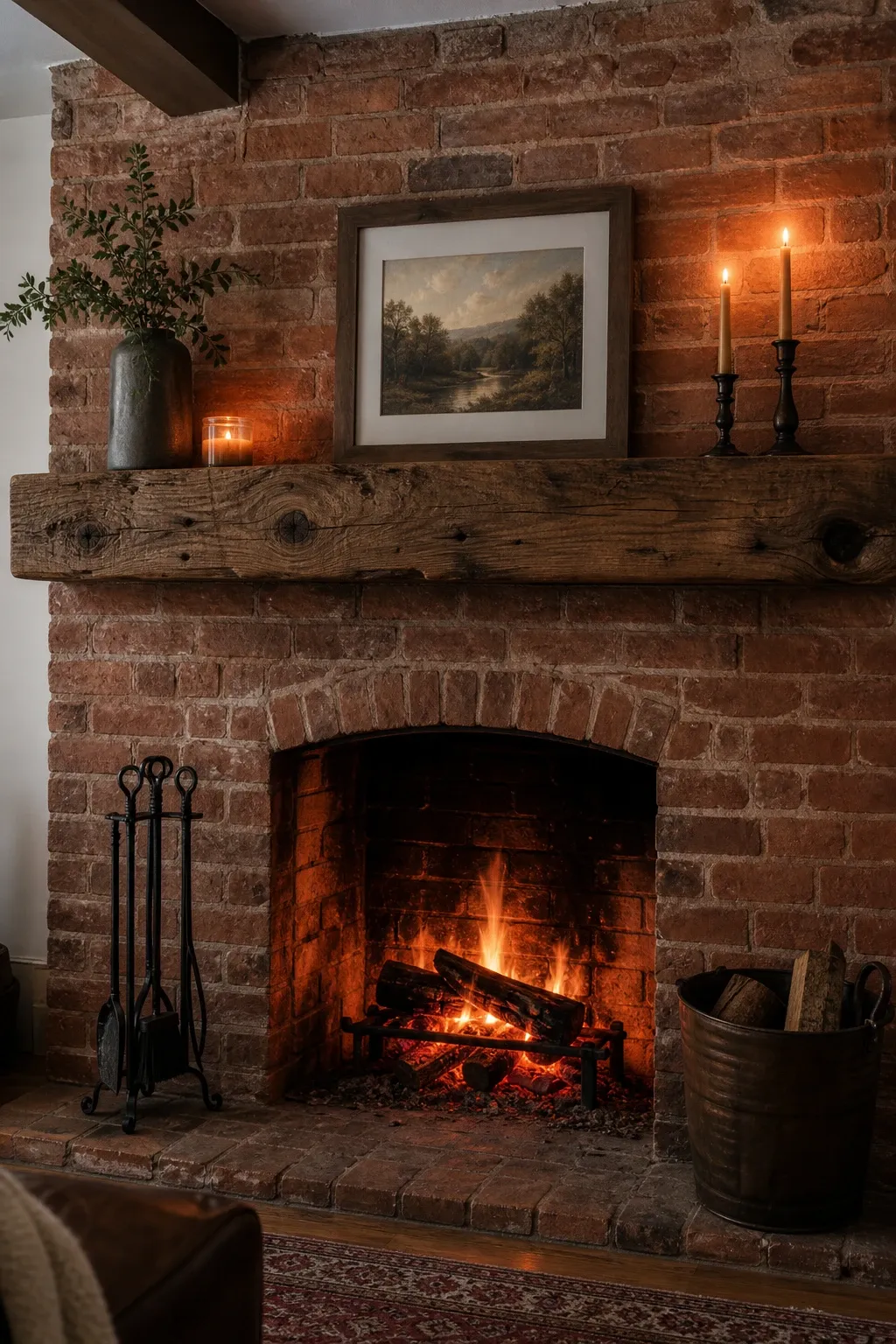
Replacing a traditional mantel with a floating wood beam gives the fireplace a cleaner, more modern look. A thick reclaimed wood beam or a simple stained plank mounted above the firebox provides display space for candles, art, and seasonal decor without the bulk of a full surround. This is a popular option in both modern farmhouse and contemporary rooms where you want warmth without fussiness.
Designer Tip: Install the floating mantel at about 54 to 60 inches from the floor. Any lower and it looks cramped above the firebox; any higher and it disconnects from the fireplace below.
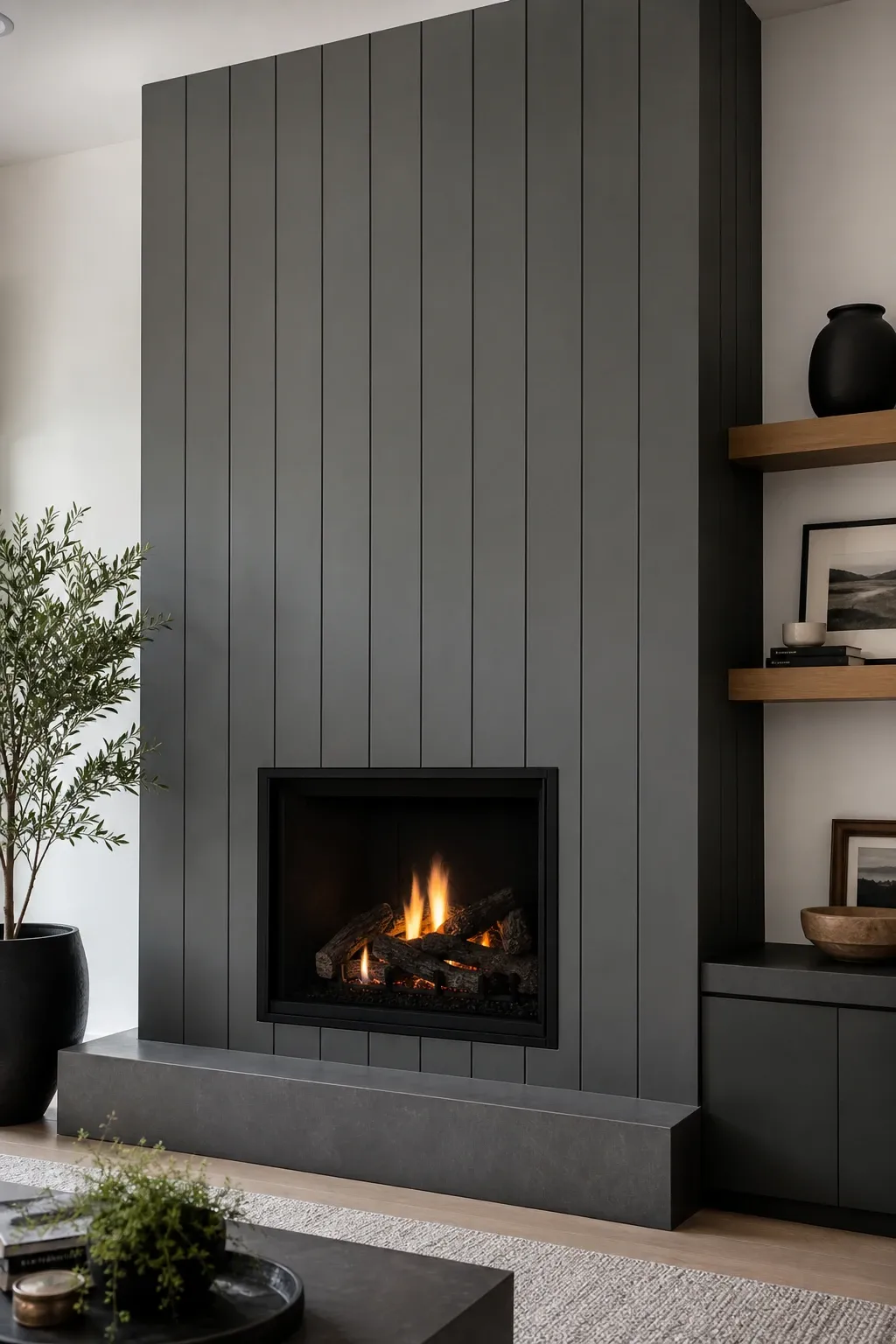
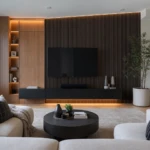
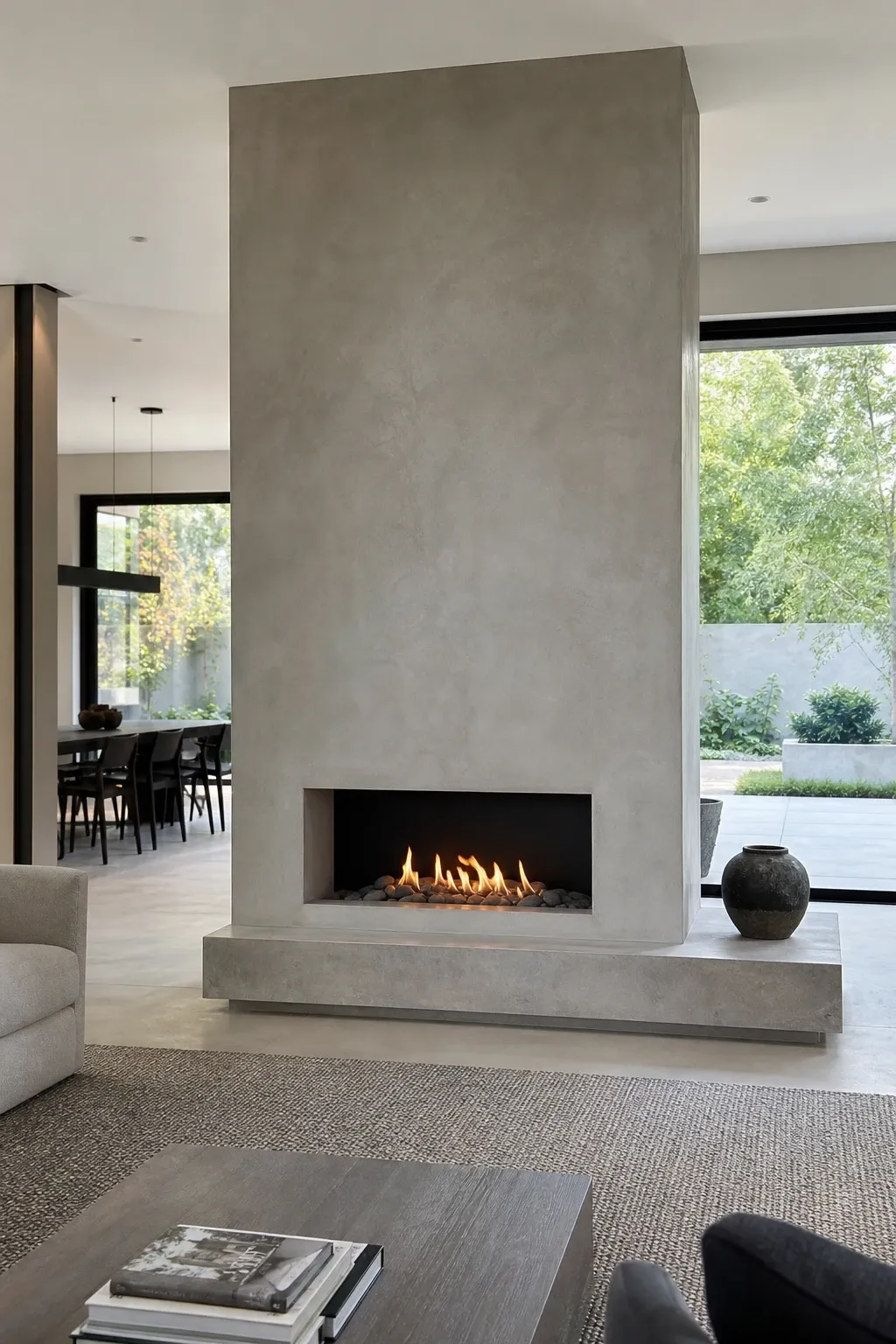
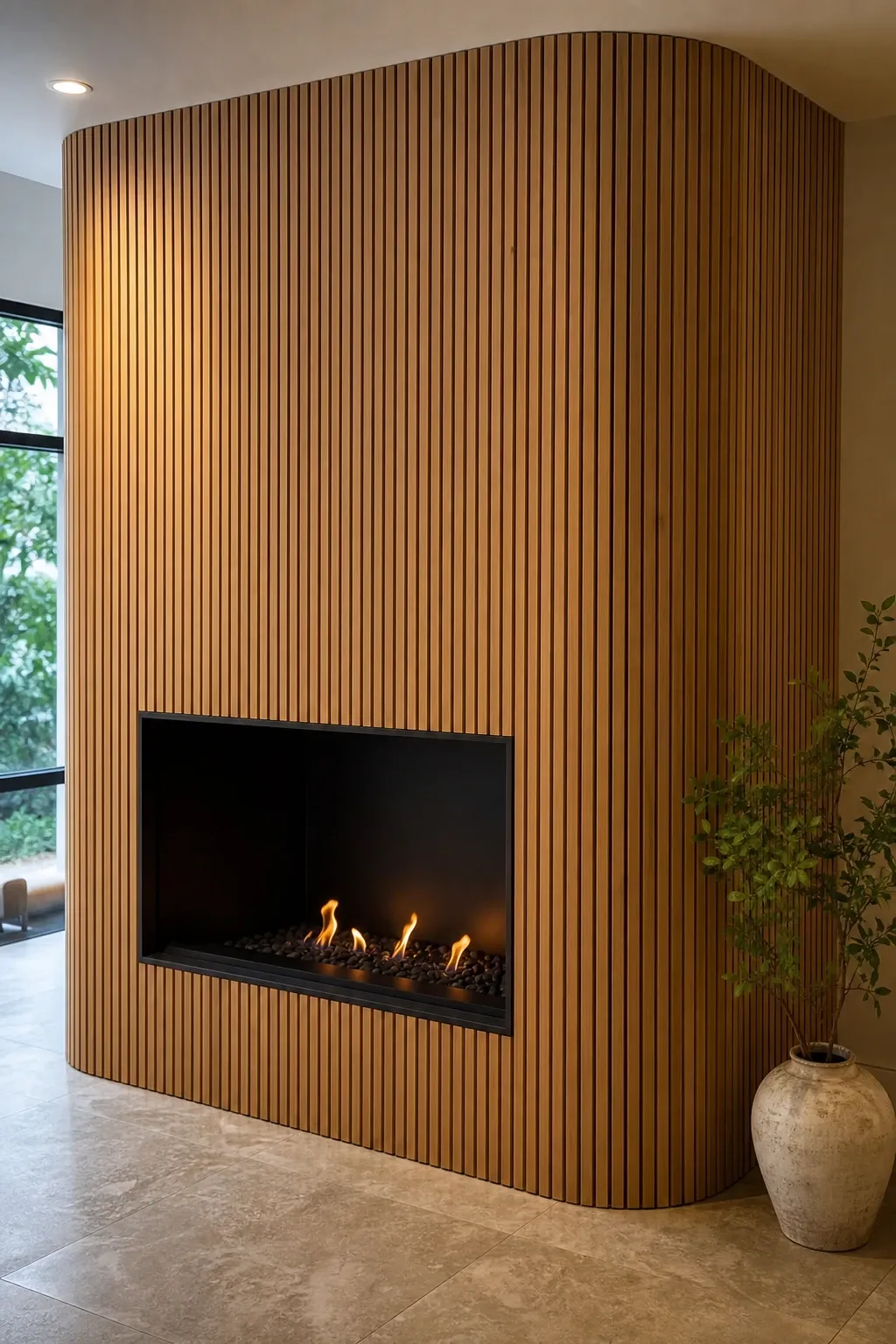
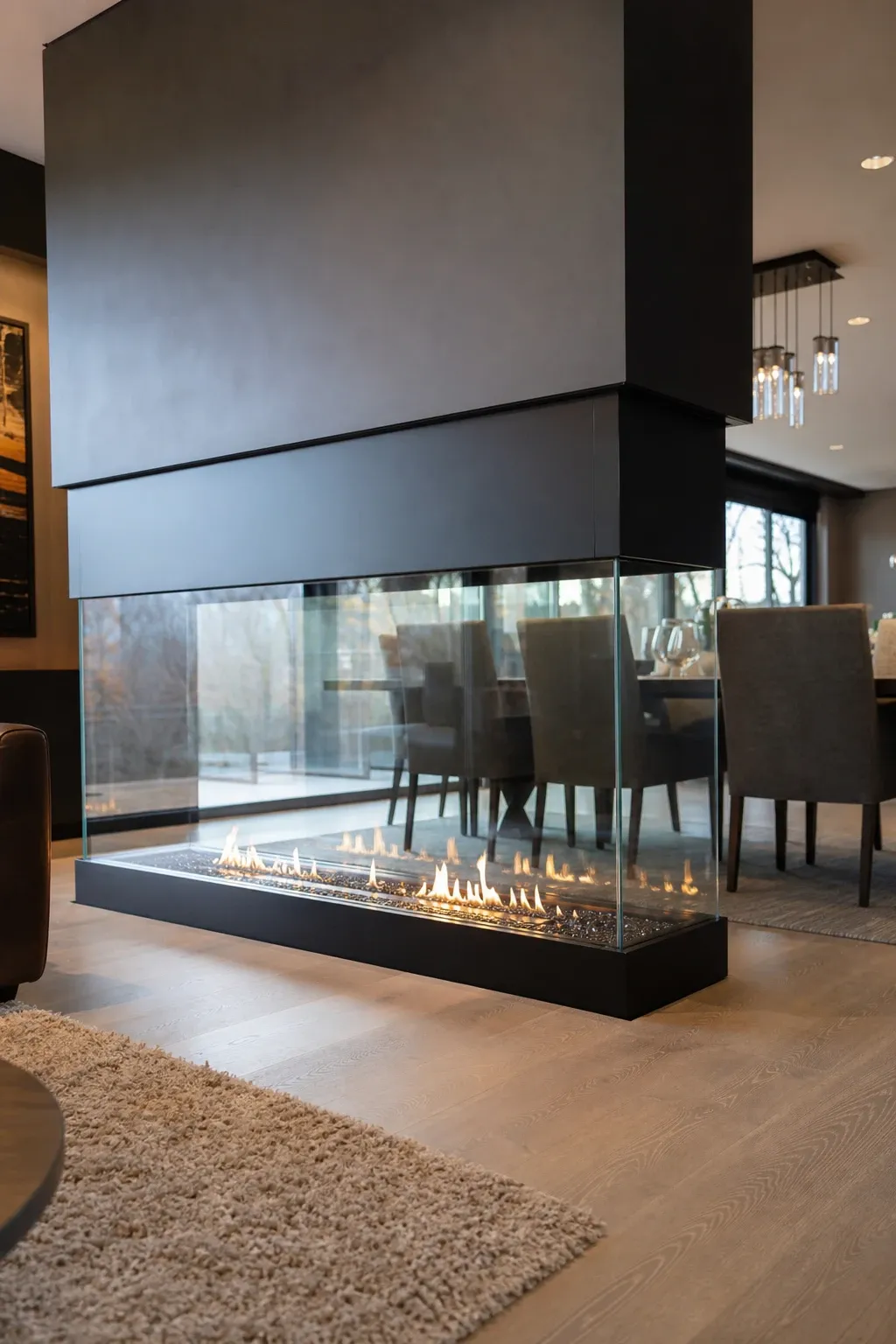
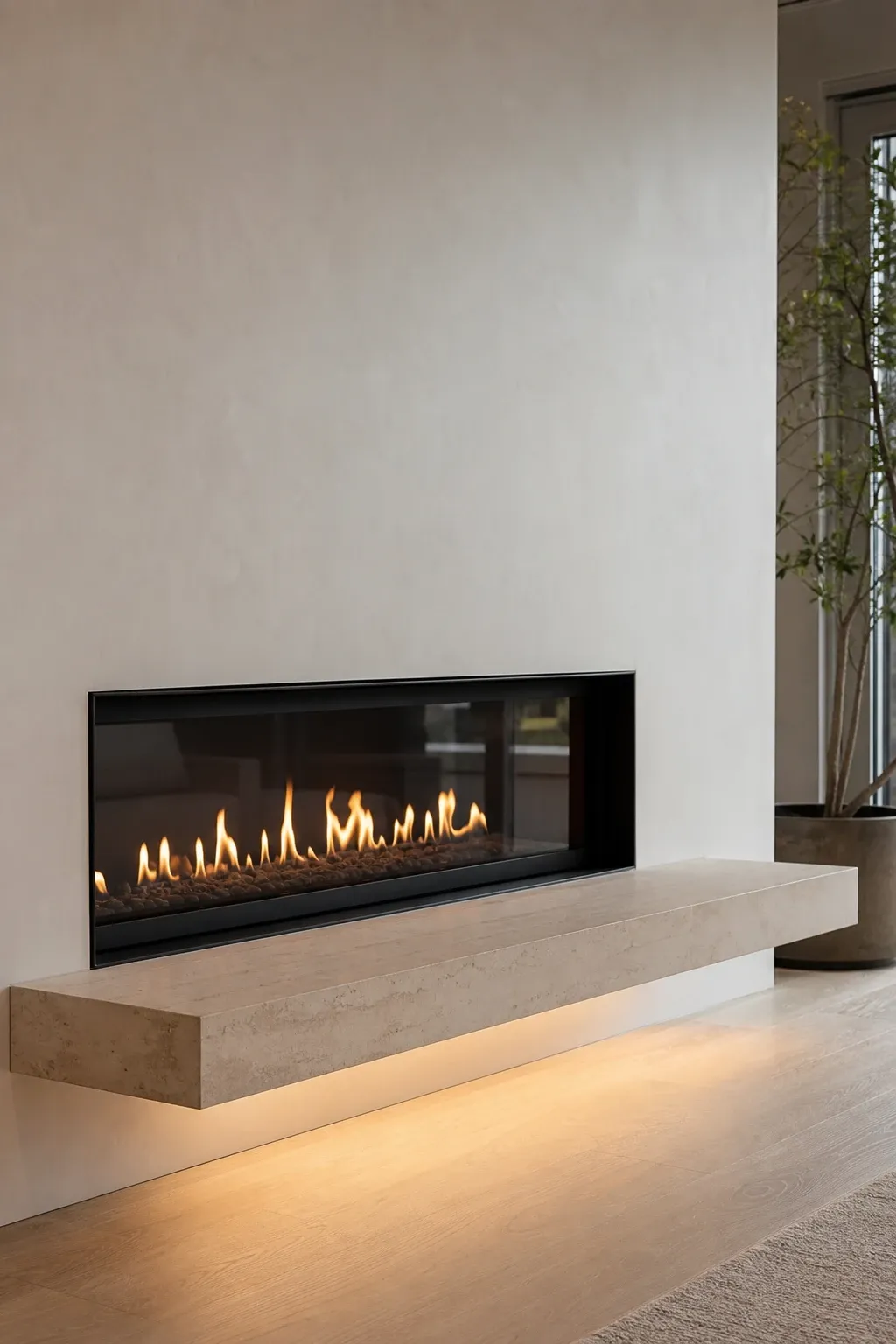
A long, rectangular gas fireplace insert creates a modern, horizontal flame line that feels completely different from a traditional square opening. These linear fireplaces can be built into a wall flush with the surface for a seamless look. The wide flame display is mesmerizing and serves as a dramatic focal point even when the fire is not lit. Most linear inserts come with glass media, river rocks, or log sets to customize the look.
Designer Tip: Frame a linear fireplace with a simple, clean surround in one material like concrete, plaster, or large-format tile. Busy surrounds compete with the wide flame view and reduce the modern impact.
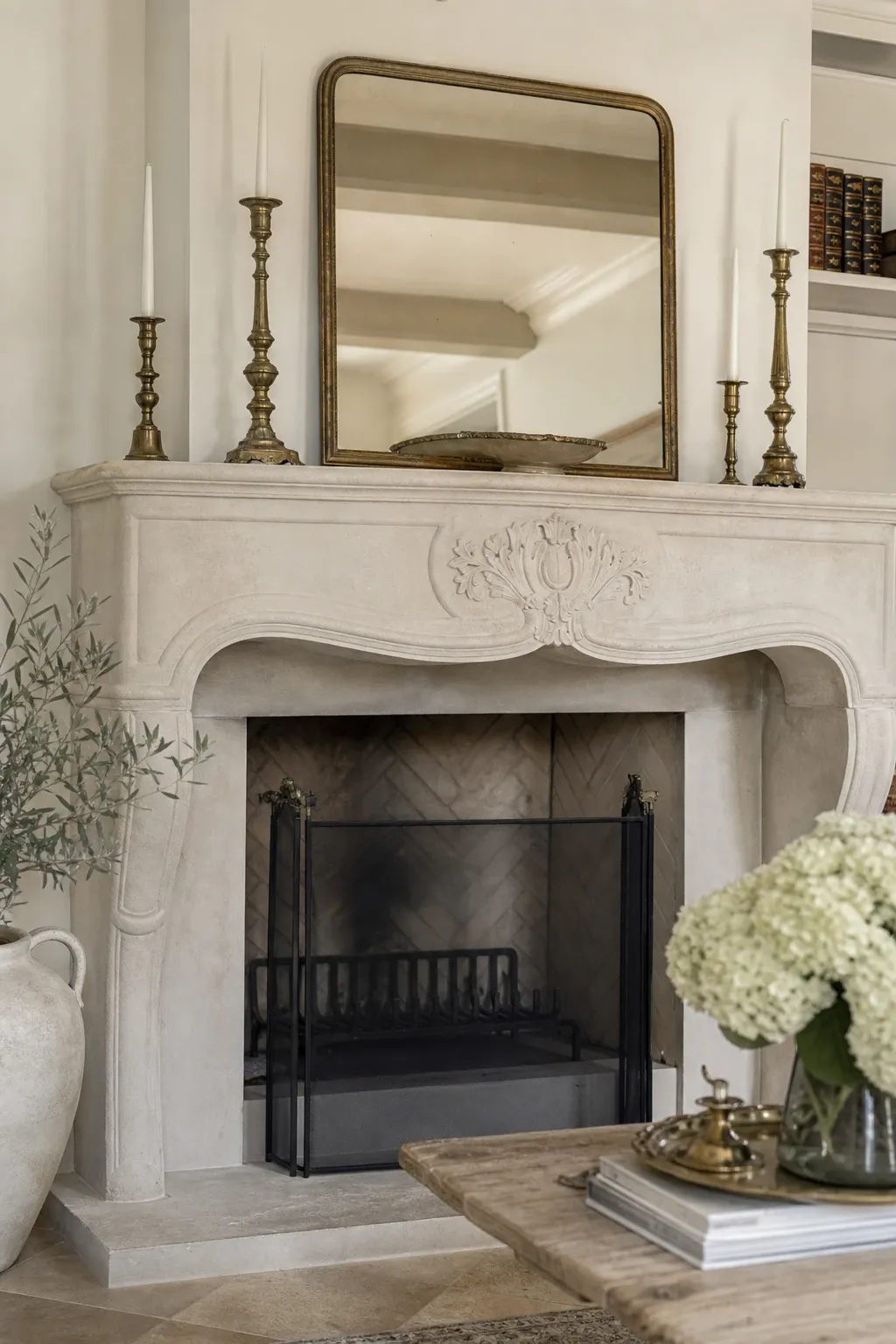
Whitewashing lets the brick texture show through while lightening the overall color. It is a middle ground between leaving brick raw and painting it solid. The result feels aged and European, with the mortar lines and brick pattern still visible beneath a translucent white wash. This technique is forgiving and easy to do yourself with diluted latex paint applied with a rag or brush.
Designer Tip: Start with a thinner wash, about 50/50 paint to water, and build up layers if you want more coverage. You can always add more but you cannot take it away once it dries.
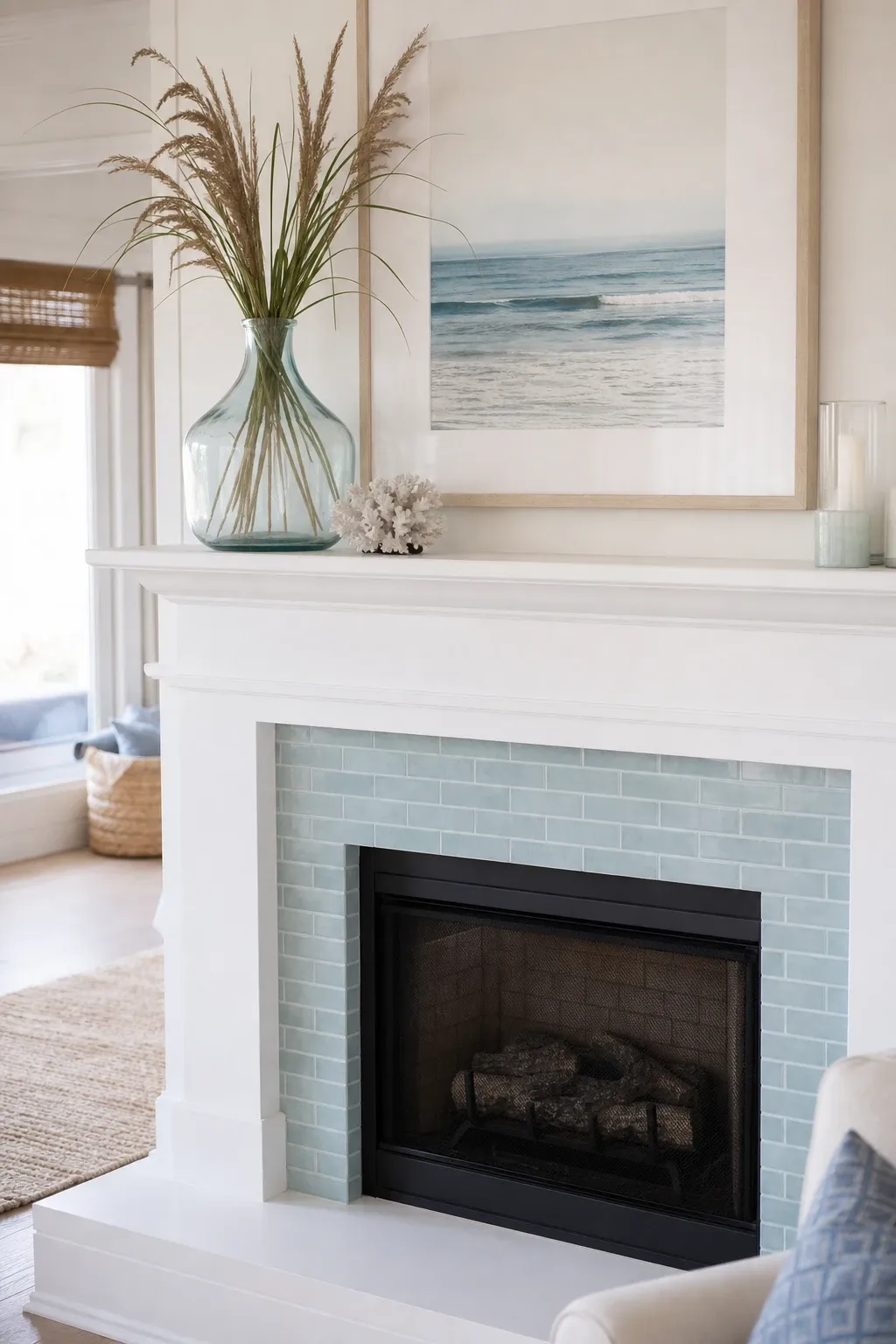
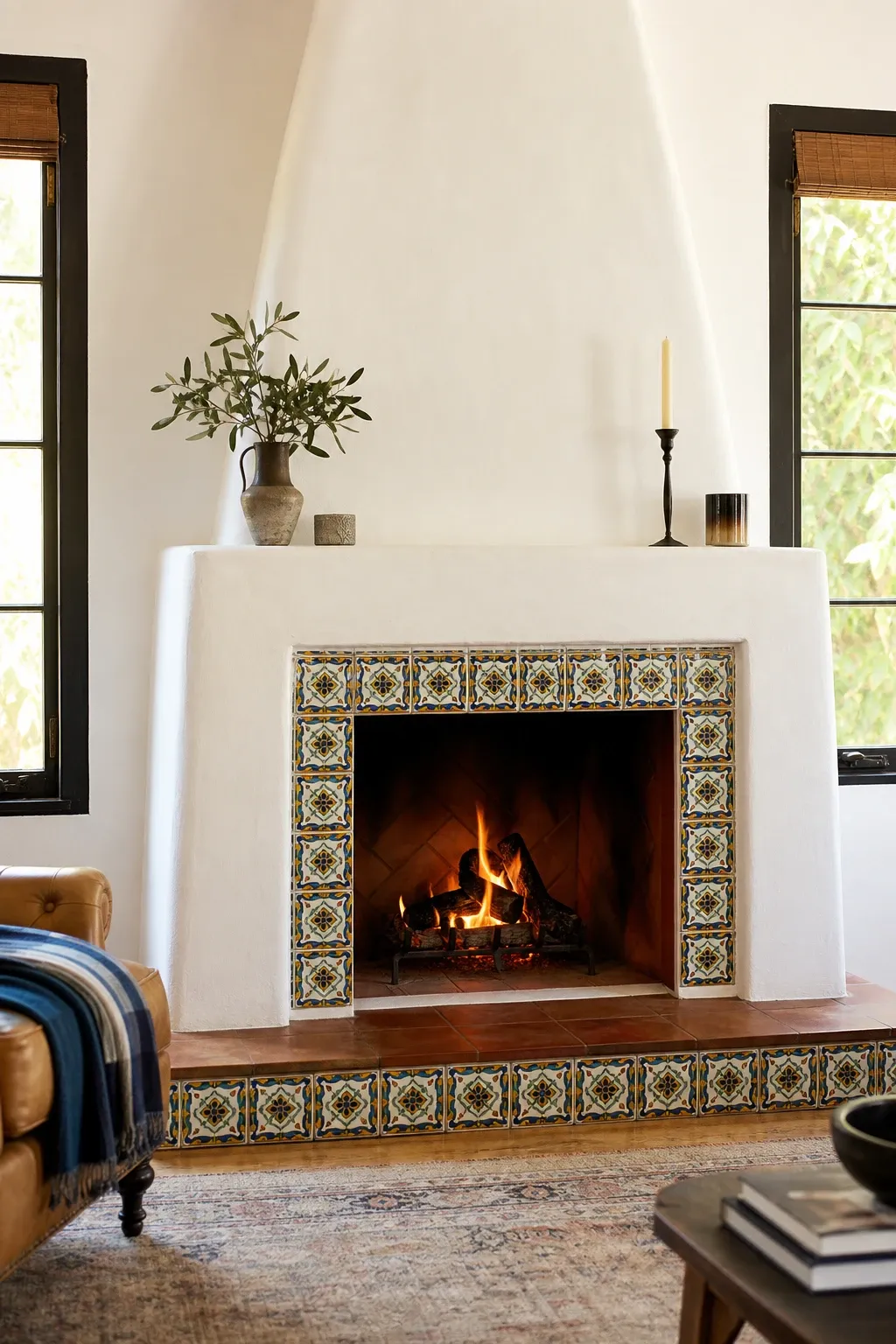
Decorative tile around the firebox adds color, pattern, and personality. Cement tiles, subway tiles, herringbone patterns, or hand-painted tiles all create a unique look. A patterned tile surround works well in eclectic, Mediterranean, and modern rooms. Keep the rest of the fireplace wall simple so the tile pattern gets the attention it deserves without competing with other elements.
Designer Tip: Extend the tile from the firebox floor to the mantel shelf for the most impact. A small strip of tile looks like an afterthought. A full panel reads as a design choice.
Mounting the TV above the fireplace is one of the most debated layout choices in interior design, but it works in rooms where wall space is limited. A recessed niche or a tilting mount reduces neck strain. A Samsung Frame TV or similar art-mode TV blends in with the decor when not in use. If you go this route, make sure the heat output from the fireplace does not reach the TV. A mantel shelf between the two acts as a heat deflector.
Designer Tip: Use a full-motion mount that lets you tilt and pull the TV forward. This puts the screen at a more comfortable viewing angle than a flat flush mount when you are seated on the sofa.
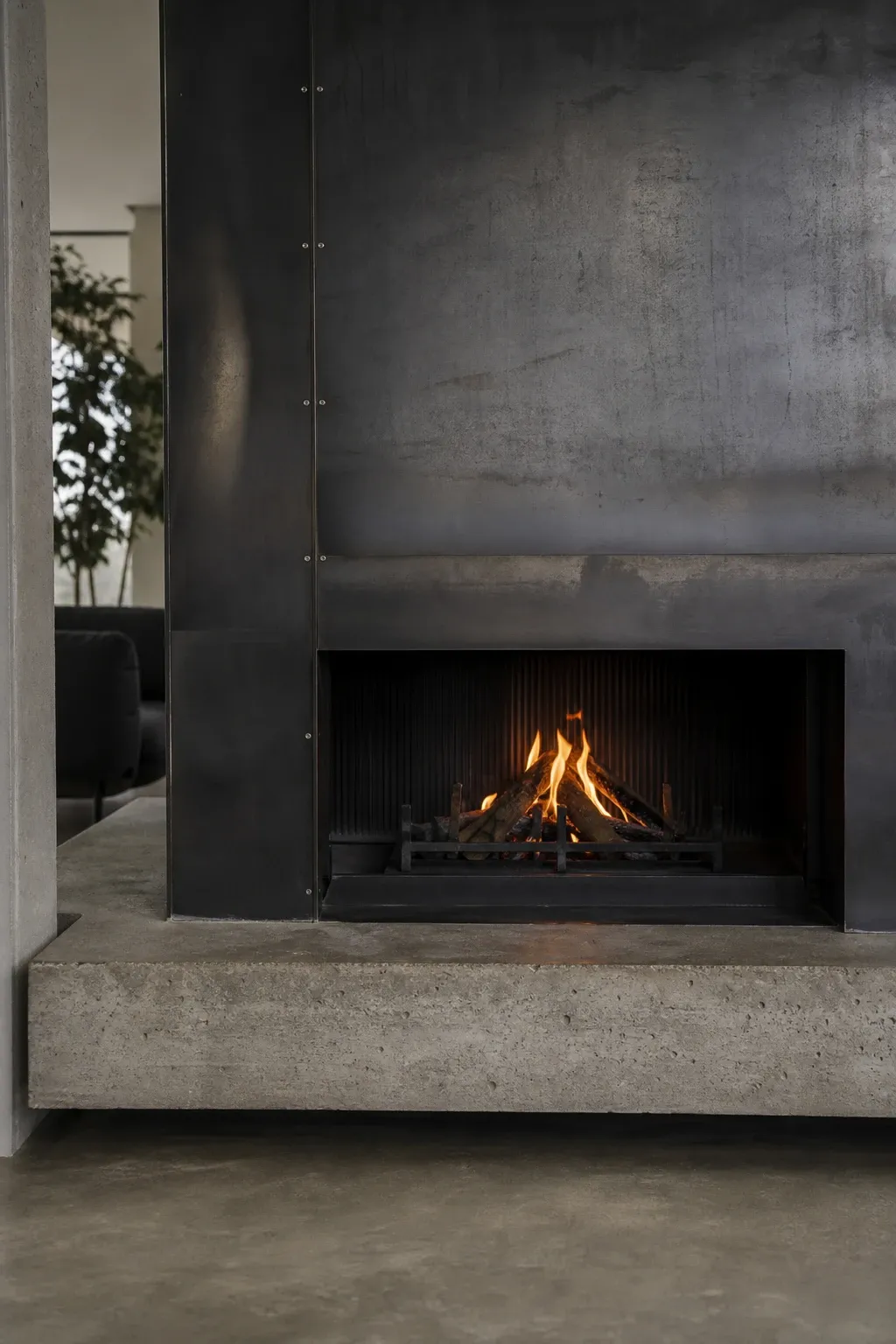
A smooth concrete or plaster surround gives the fireplace a minimal, sculptural quality. The seamless surface has no grout lines or joints, which creates a clean, modern look. Tinted plaster in warm gray, off-white, or even black adds color without pattern. This finish works well in contemporary, Scandinavian, and Japanese-inspired interiors where simplicity is the goal.
Designer Tip: Use a lime plaster or microcement rated for heat near the firebox. Standard drywall compound will crack near a heat source, but specialty plasters handle the temperature changes.
An electric fireplace insert is the easiest way to add a fireplace to a room that does not have one. No chimney, no gas line, and no venting required. Modern electric inserts have realistic flame effects and adjustable heat output. Build one into a wall, frame it with a surround, or set it into an existing non-functioning fireplace opening. The installation is simple and the running cost is low compared to gas or wood.
Designer Tip: Build out the wall to recess the insert for a built-in look. A surface-mounted electric fireplace stuck on the wall like a TV looks significantly less polished than one that sits flush within the wall.
An arched firebox opening adds an architectural detail that softens the typical rectangular shape. This design nods to Mediterranean, Spanish, and old-world styles and works beautifully in both traditional and transitional rooms. You can achieve the arch with plaster, stone, or a prefabricated arch insert. The curved line becomes a distinctive feature that sets the fireplace apart from the standard box shape.
Designer Tip: Keep the mantel and surround simple when using an arched opening. The arch itself is the design detail, and a busy surround on top of it creates visual competition.
A freestanding wood stove brings a cozy, cabin-like warmth to a living room. Modern wood stoves are efficient heat sources and come in sleek, contemporary designs as well as traditional cast iron styles. A stove sitting on a stone or tile hearth pad with a stovepipe running up to the ceiling creates a visual anchor in the room. The radiant heat warms the space more effectively than many open fireplaces.
Designer Tip: Leave required clearances between the stove and combustible walls. Check your local building codes because clearance requirements vary by stove model and wall material.
A corner fireplace makes use of an awkward angle that most furniture cannot fill. Whether built-in or a freestanding stove placed in the corner, this layout opens up the rest of the wall for furniture and art. Corner fireplaces work well in smaller rooms where a center-wall fireplace would eat up too much usable space. Angle the seating toward the corner to create an intimate conversation area around the fire.
Designer Tip: Build the corner fireplace surround out at a 45-degree angle from both walls to create a flat face rather than trying to follow the corner angle. A flat face gives you a proper mantel and a cleaner finished look.
A fireplace is the natural center of a living room and it deserves to look the part. For an existing fireplace update or a new build, focus on the surround material, the mantel style, and how the fireplace relates to the rest of the wall. Even small changes like painting the brick or swapping the mantel can make the whole room feel different.
Frequently Asked Questions
What is the cheapest way to update a fireplace?
Painting the brick or the surround is the most affordable option and can be done in a day. Whitewashing, adding a new floating mantel, or tiling just the area around the firebox are other budget-friendly updates that make a big visual difference without major construction.
Can I add a fireplace to a room that does not have one?
Yes. Electric fireplace inserts require no chimney or gas line and can be built into almost any wall. Ventless gas fireplaces are another option but check local codes since some areas restrict them. A freestanding electric unit is the simplest solution since it plugs into a standard outlet and requires no construction.
Is it better to paint or leave brick on a fireplace?
It depends on the brick. Beautiful, well-maintained brick with interesting color variation is worth leaving exposed. Dated, damaged, or ugly brick can be completely refreshed with paint or whitewash. Keep in mind that painting brick is essentially permanent since fully removing paint from brick is extremely difficult.
How do I arrange furniture around a fireplace?
The most common arrangement is the sofa facing the fireplace with chairs on each side forming a U or L shape. In an open-plan room, angle the sofa so you can see both the fireplace and the TV if they are on different walls. Pull furniture away from walls and toward the fireplace to create an intimate grouping that encourages conversation.