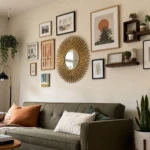
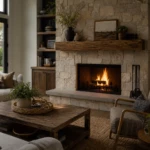
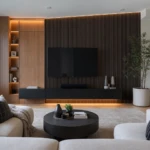
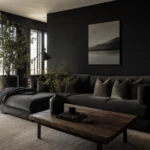
Floor lamps are the unsung heroes of living room design. I used to think of them as just functional, something to light a dark corner. Then I bought an arc lamp that curved over our reading chair and the whole room felt more intentional. A good floor lamp adds light where you need it and style where you want it. Here are the floor lamp styles that actually make a living room look and feel better.
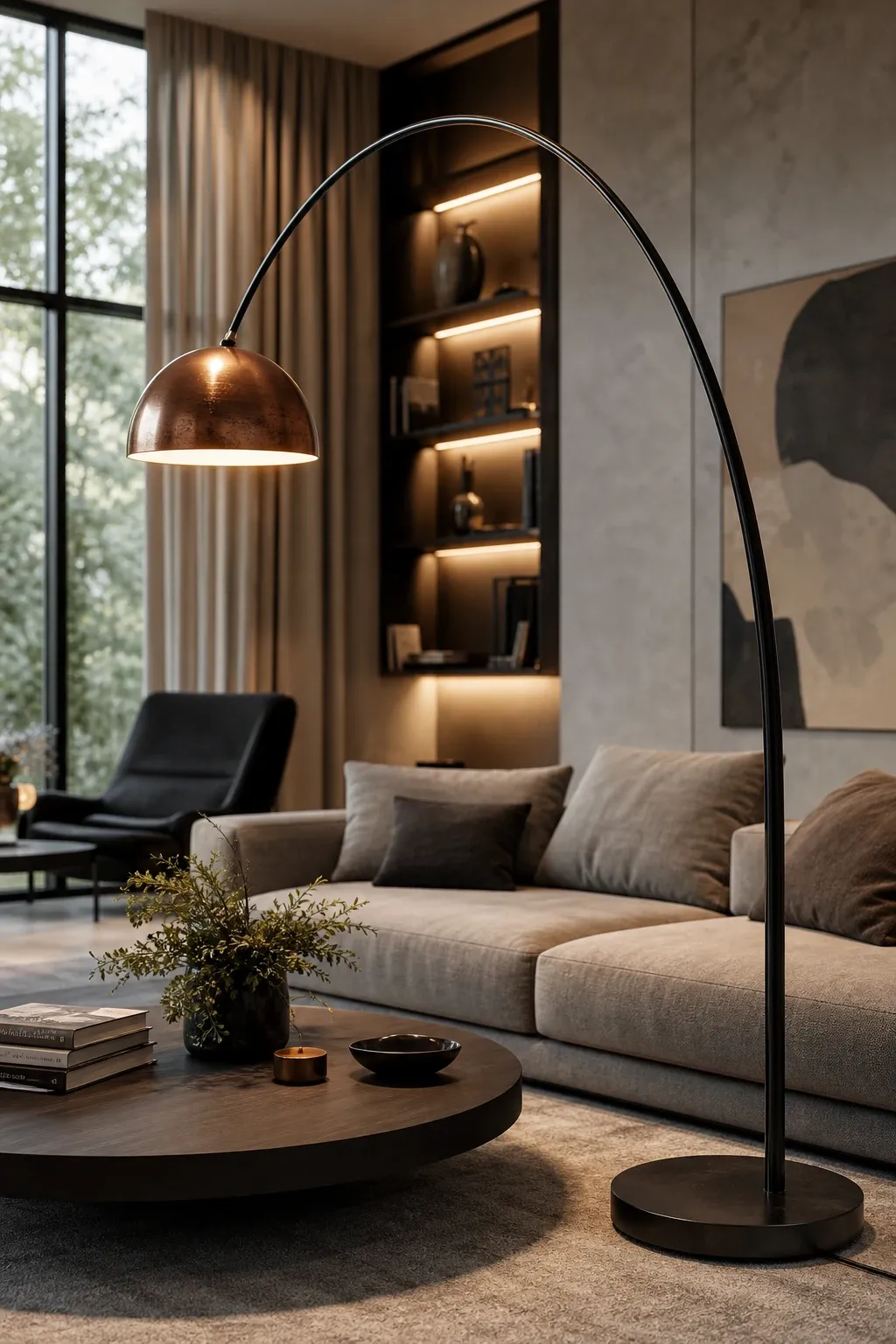
An arc lamp reaches out over a seating area like an overhead light without needing ceiling wiring. The curved arm creates a dramatic silhouette while the base stays tucked behind the sofa or chair. Brass arcs with marble bases suit modern and mid-century rooms, while matte black versions fit industrial and contemporary spaces. This is the floor lamp that gets the most compliments because it looks like sculpture and furniture in one.
Designer Tip: Make sure the base is heavy enough to counterbalance the extended arm. A lightweight arc lamp is a tipping hazard, especially in homes with kids or pets that bump into things.
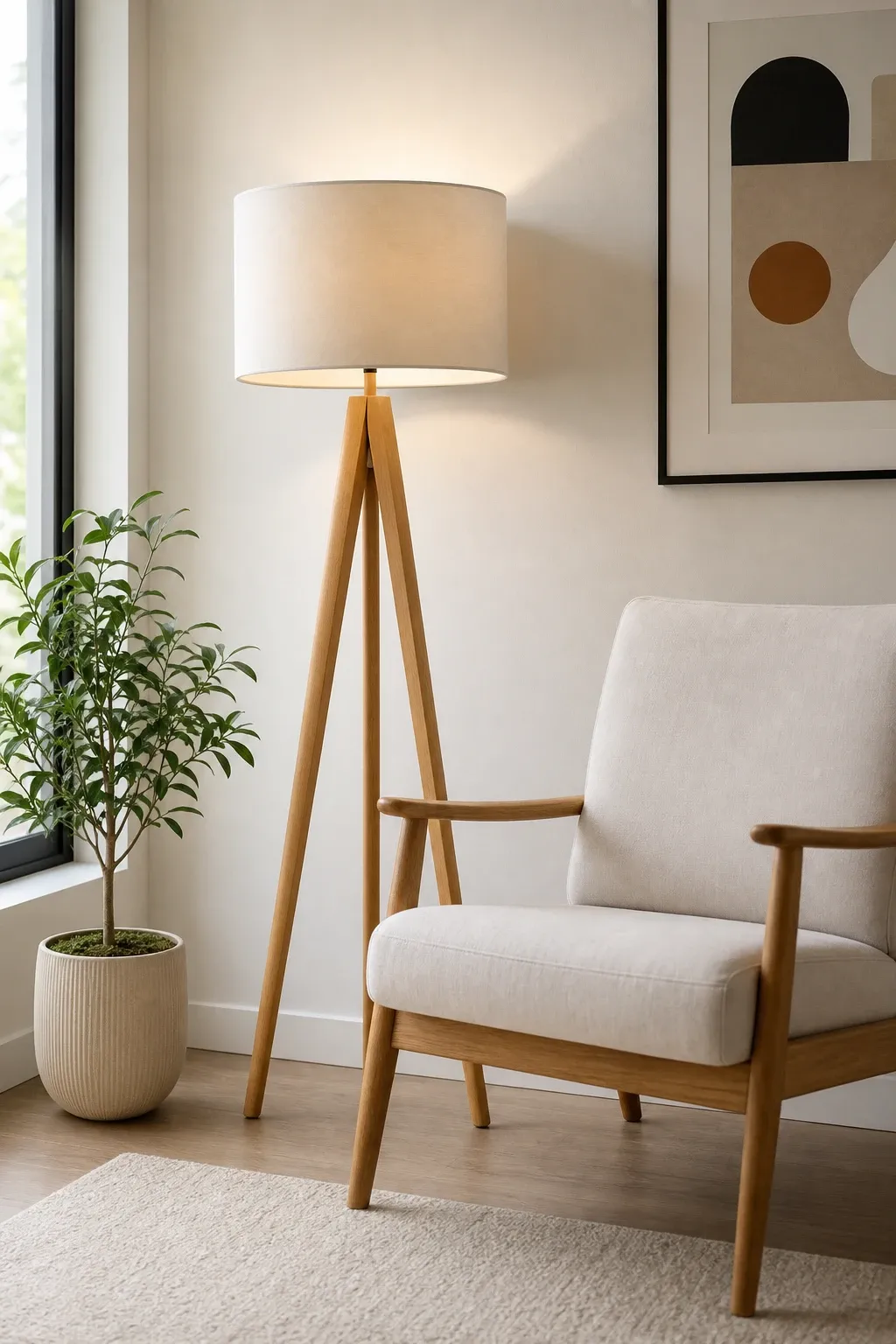
A tripod lamp adds mid-century modern character and a sculptural presence. The three-legged base is visually interesting on its own, and the drum or cone shade on top provides a warm, diffused glow. Wood legs with a fabric shade suit Scandinavian and boho rooms, while metal legs with a geometric shade work in industrial spaces. Tripod lamps take up more floor space than single-post lamps so plan accordingly.
Designer Tip: Position a tripod lamp in a corner or beside a chair where the splayed legs will not be in a walkway. People trip on tripod lamp legs more than any other floor lamp style.
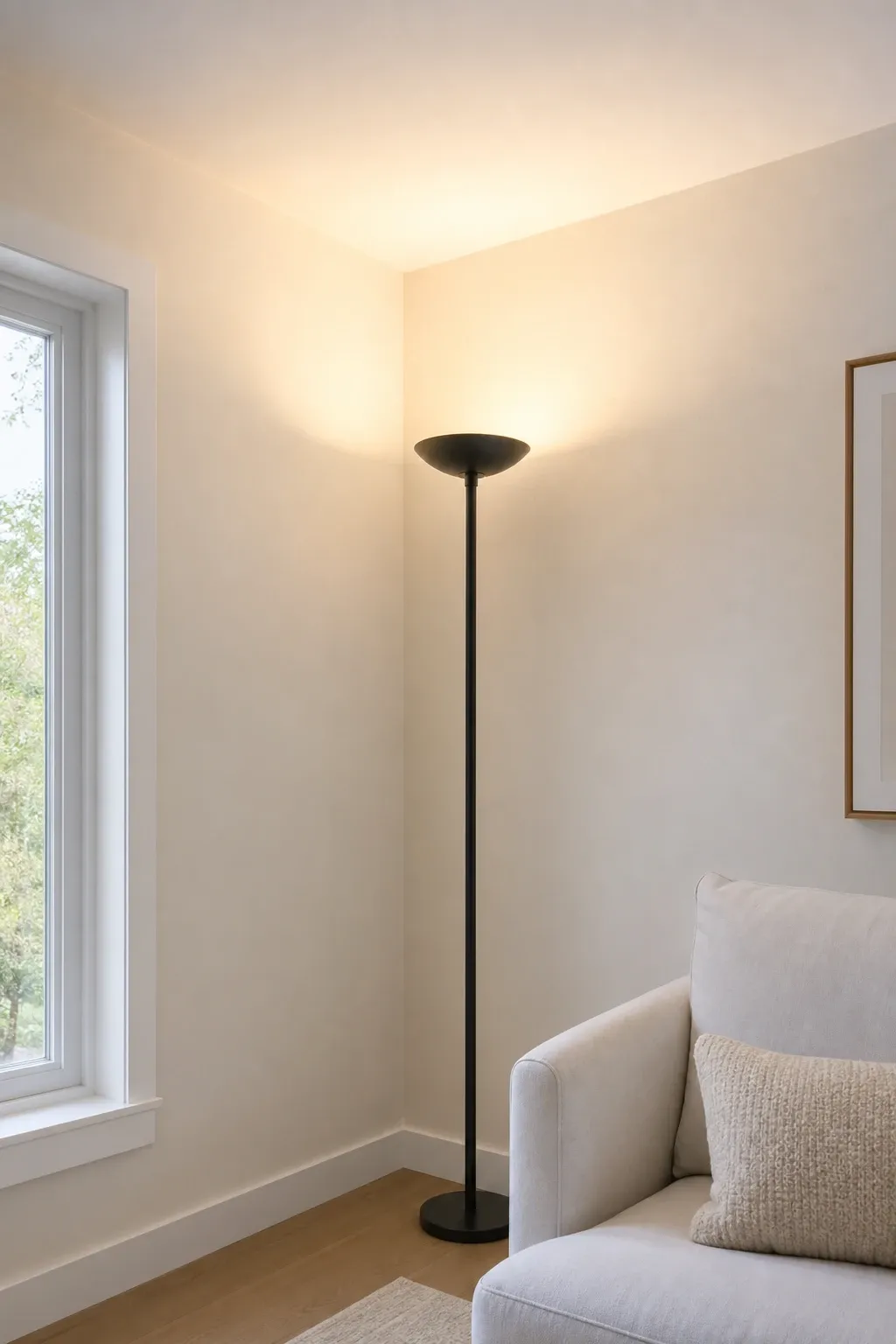
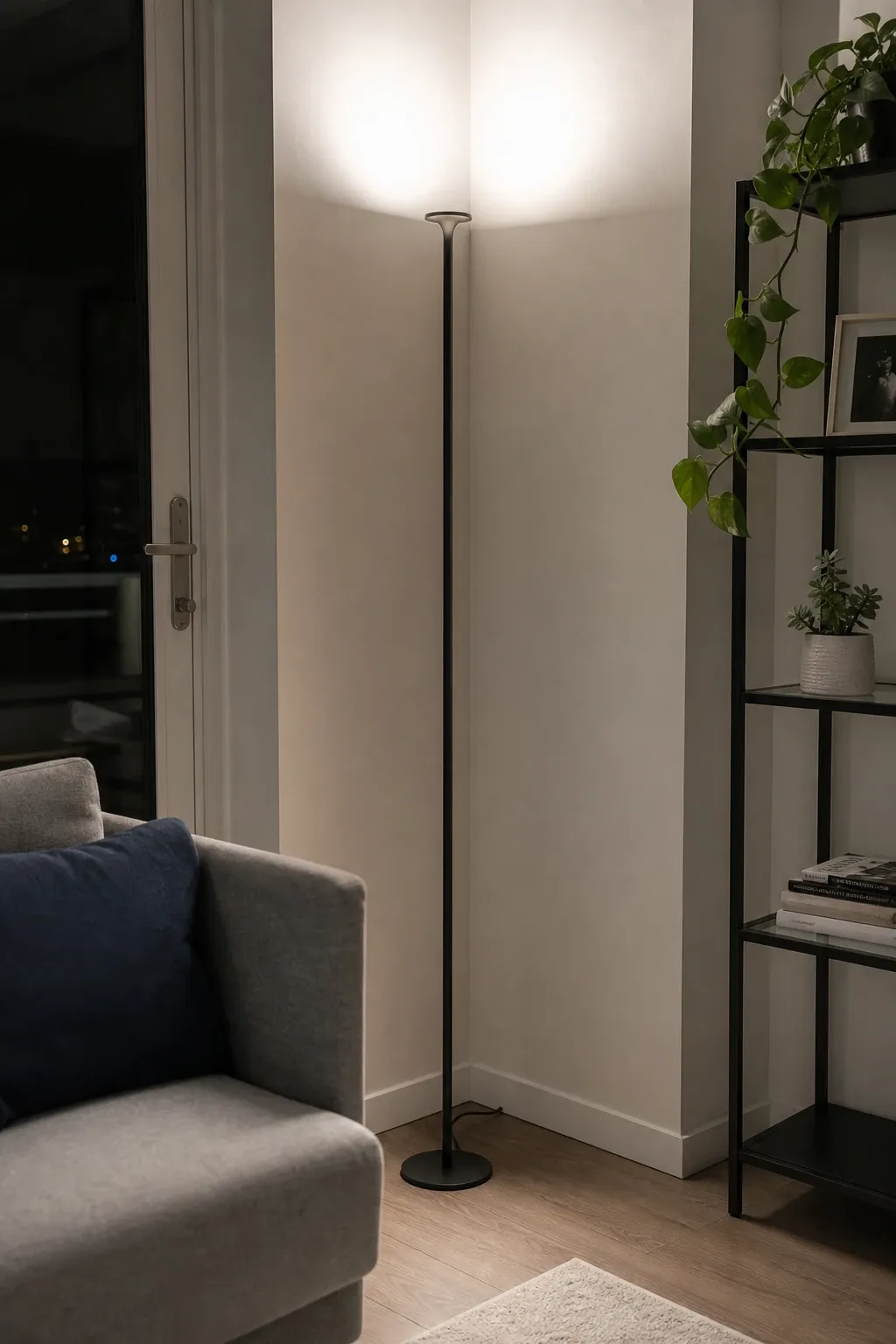
A torchiere directs all its light upward toward the ceiling, which bounces soft, even ambient light throughout the room. This is the best type of floor lamp for filling a room with gentle background light without any harsh downward glare. Modern torchieres with slim profiles and LED bulbs are energy efficient and take up almost no floor space. Place one in a dark corner and the whole room opens up.
Designer Tip: A torchiere works best under a light-colored ceiling that reflects light back down. Under a dark ceiling, most of the light gets absorbed and the room stays dim despite the lamp being on.
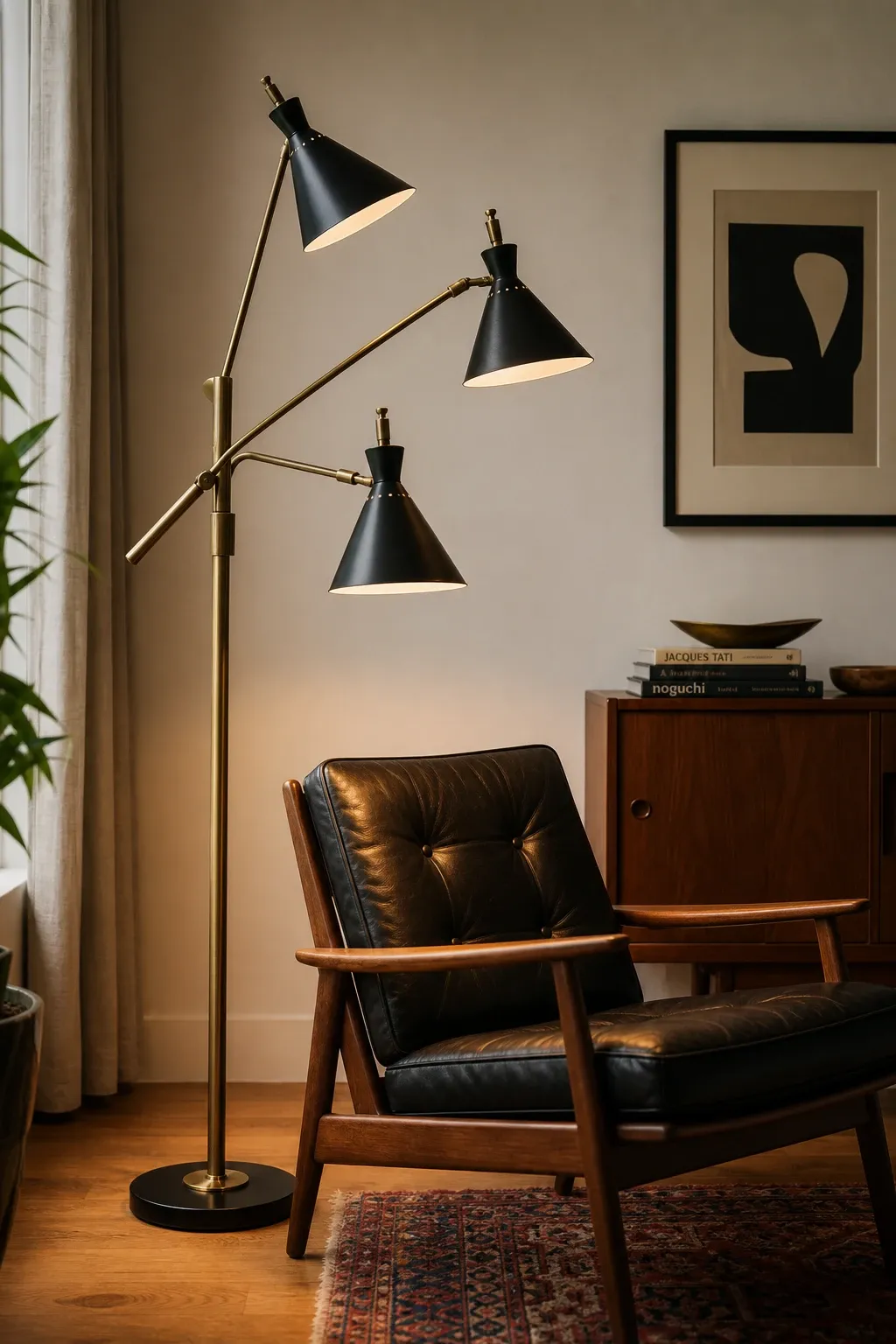
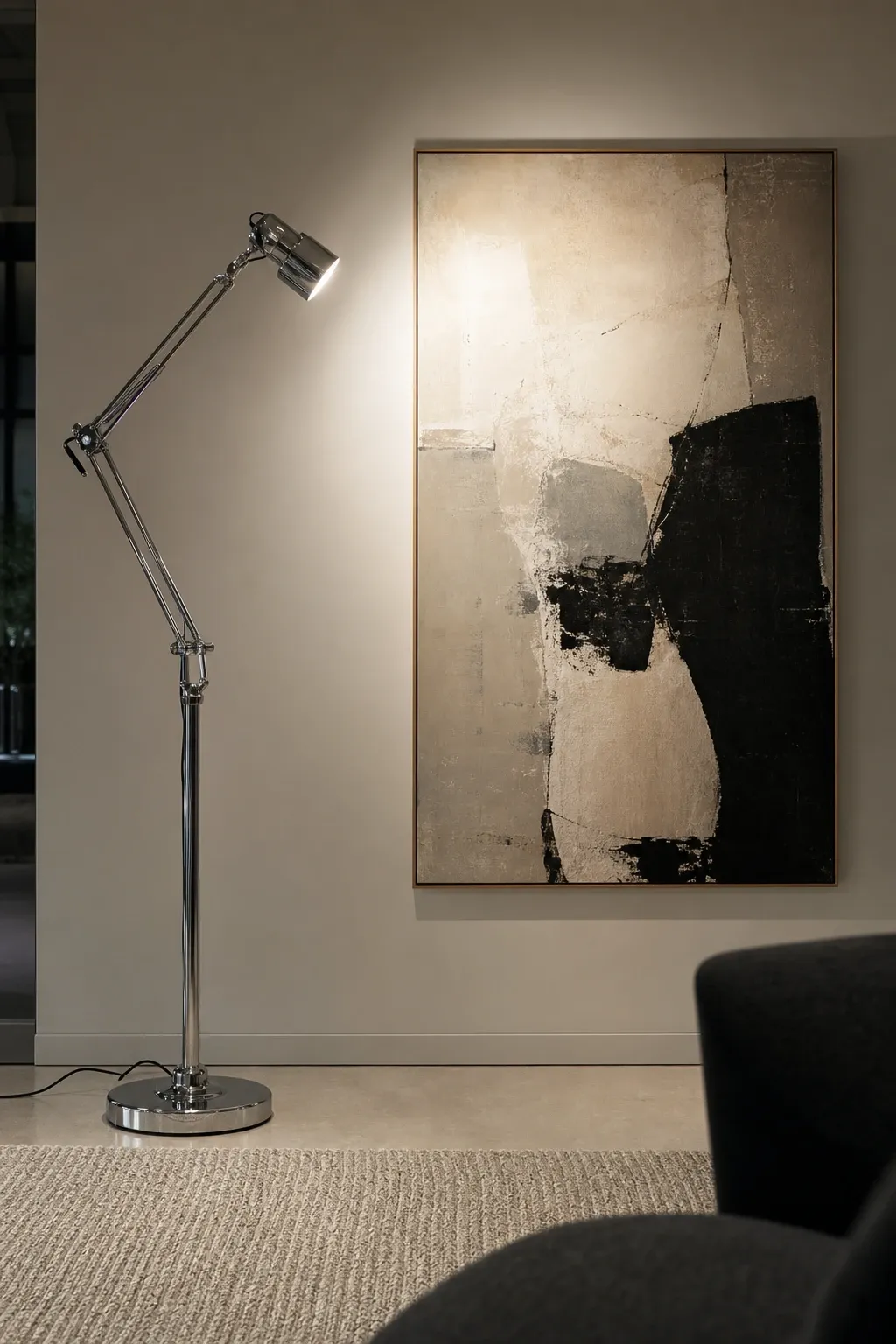
A swing-arm floor lamp lets you direct light exactly where you need it. The hinged arm moves in and out, and the shade tilts to focus light on a book, a workspace, or a side table. This is the most functional floor lamp style for people who read, craft, or work in the living room. Pharmacy-style swing-arm lamps in brass or black are classic designs that blend into most room styles.
Designer Tip: Place the swing-arm lamp behind and slightly to the side of your reading chair. When you extend the arm, light should fall over your shoulder onto what you are reading, not into your eyes.
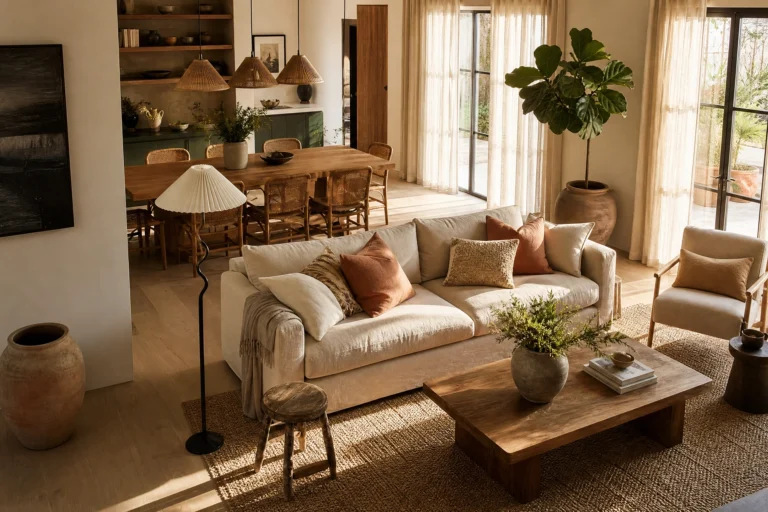
A paper lantern floor lamp produces a soft, diffused glow that is gentle on the eyes and creates a calm atmosphere. The Japanese-inspired Noguchi lamp is the most famous example, but there are many affordable versions available. The organic shapes and warm light make these lamps feel like glowing sculptures in the room. They work especially well in minimalist, Japandi, and boho living rooms.
Designer Tip: Always use LED bulbs in paper lantern lamps. LED bulbs run cool and eliminate the fire risk that traditional incandescent bulbs create inside a paper shade.
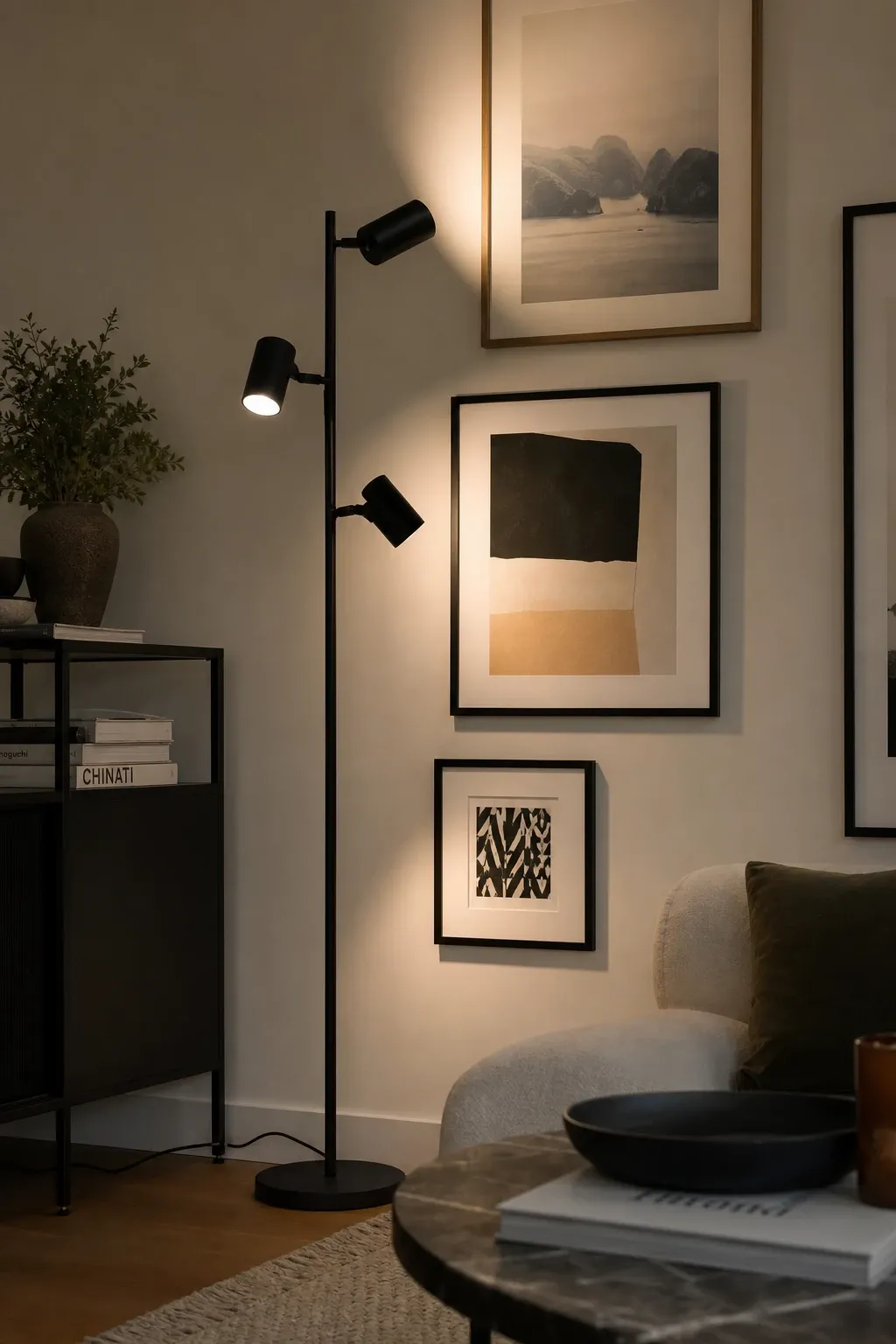
A thin, streamlined floor lamp with a simple pole and small shade takes up almost no visual space. These minimal designs disappear into the background when they are off and provide focused light when on. They are ideal for small living rooms or tight spaces where a bulkier lamp would feel crowded. Black, white, and brushed nickel finishes are the most versatile options.
Designer Tip: Run the cord along the wall or use a cord cover to keep the streamlined look intact. A minimalist lamp loses its clean aesthetic when a tangled cord sprawls across the floor.
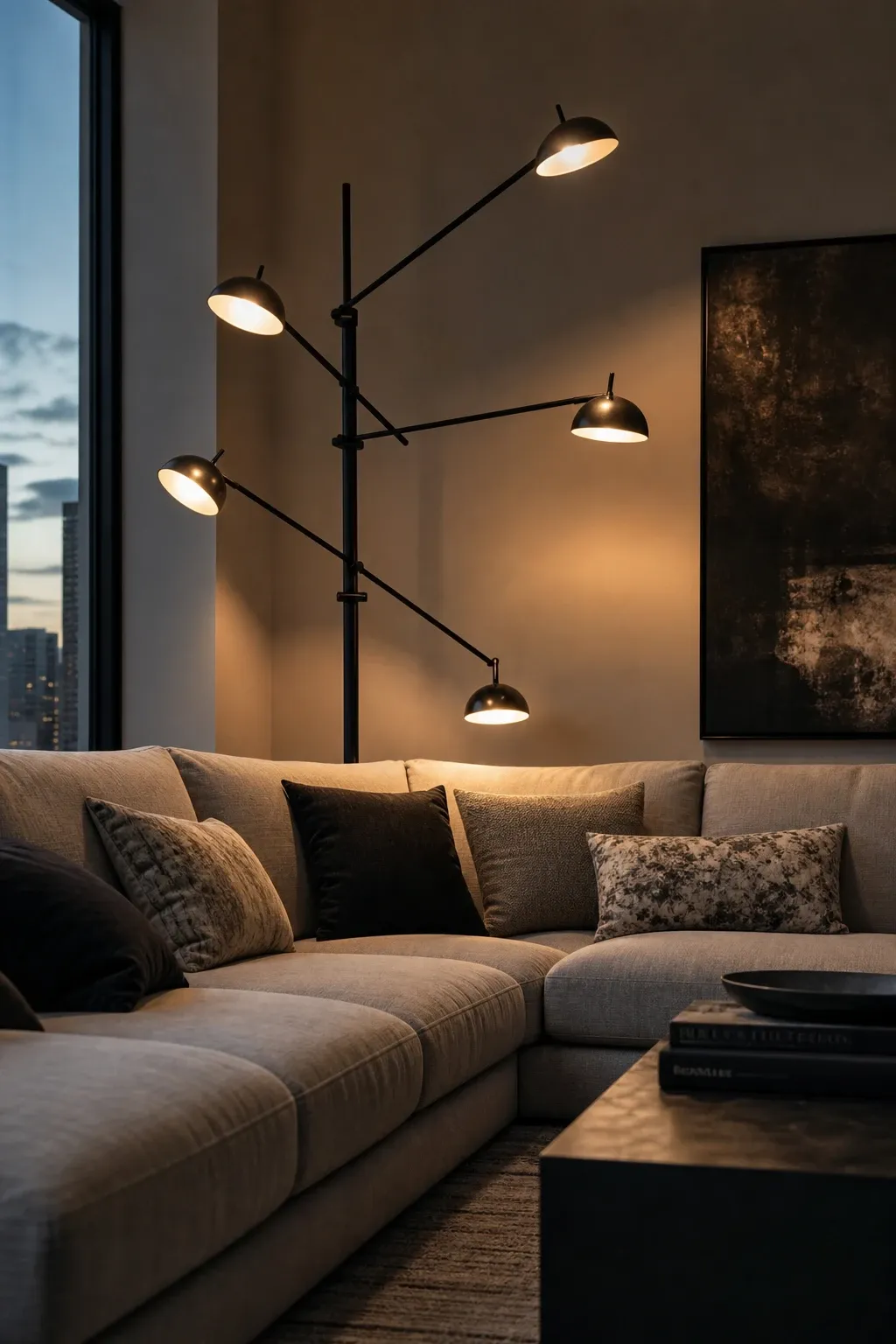
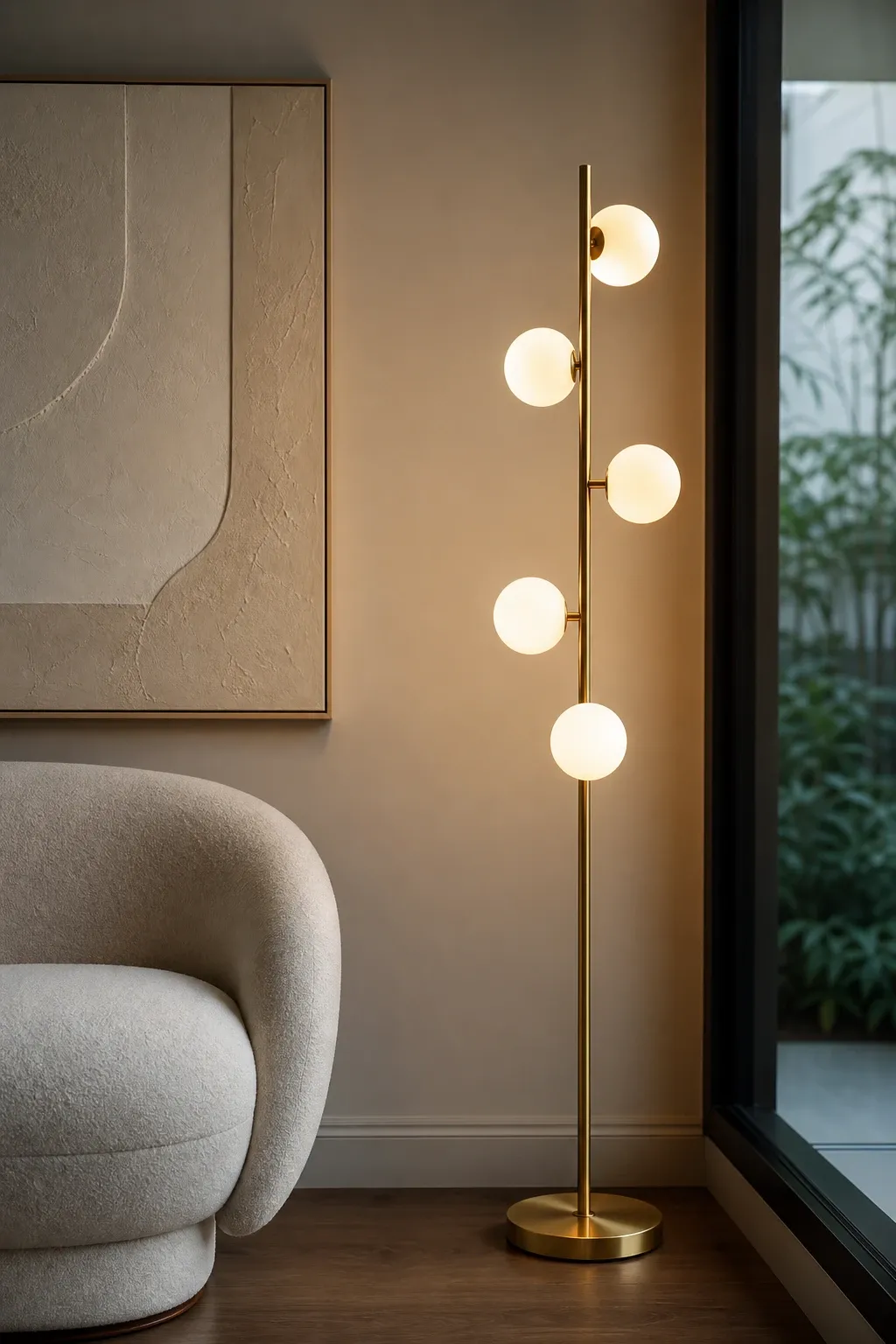
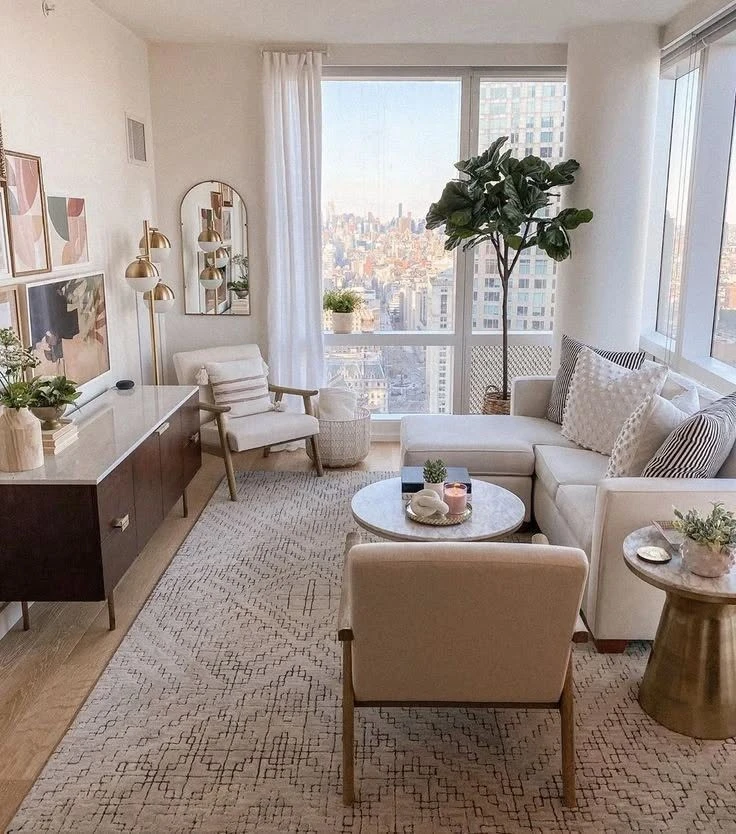
A tree lamp has multiple heads branching out from a single pole, each pointing in a different direction. This gives you the light output of several lamps from one base. Each head can usually be independently positioned, letting you aim light at different areas of the room. These lamps are practical for open-plan spaces where you need broad light coverage without placing multiple individual lamps around the room.
Designer Tip: Aim the individual heads in genuinely different directions rather than pointing them all the same way. Spread the light to maximize coverage and avoid creating one bright spot with dark surroundings.
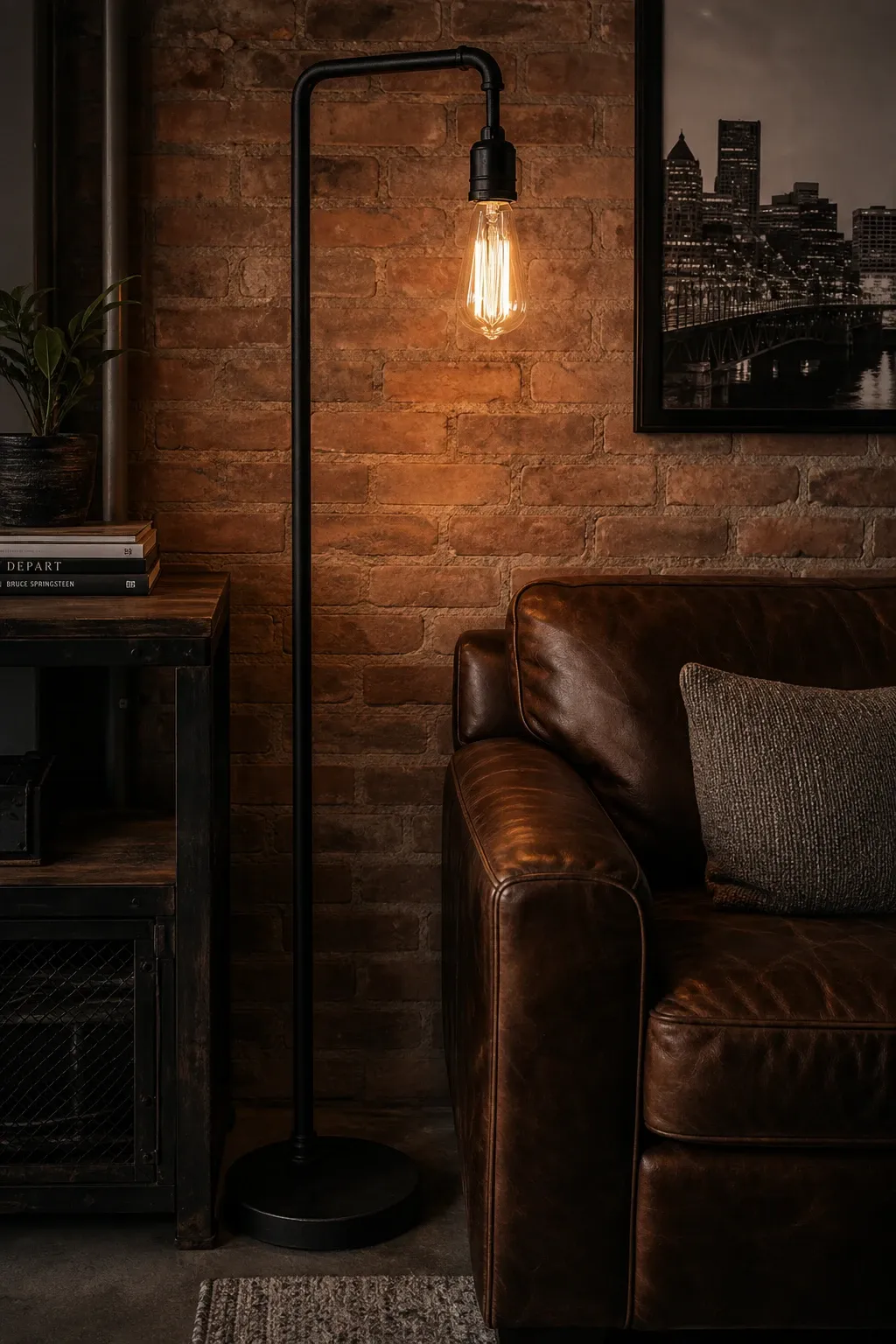
An industrial floor lamp in raw metal, iron, or pipe fittings adds a rugged, utilitarian character to the room. Exposed hardware, cage shades, and Edison bulbs are hallmarks of this style. Industrial lamps pair well with leather furniture, reclaimed wood, and concrete surfaces. The weight and solidity of metal lamps make them feel substantial and permanent, like they belong in the room rather than being a temporary addition.
Designer Tip: Balance an industrial lamp with softer elements nearby like a woven throw, a plush rug, or a plant. Too much hard metal in one area of the room can feel cold and uninviting.
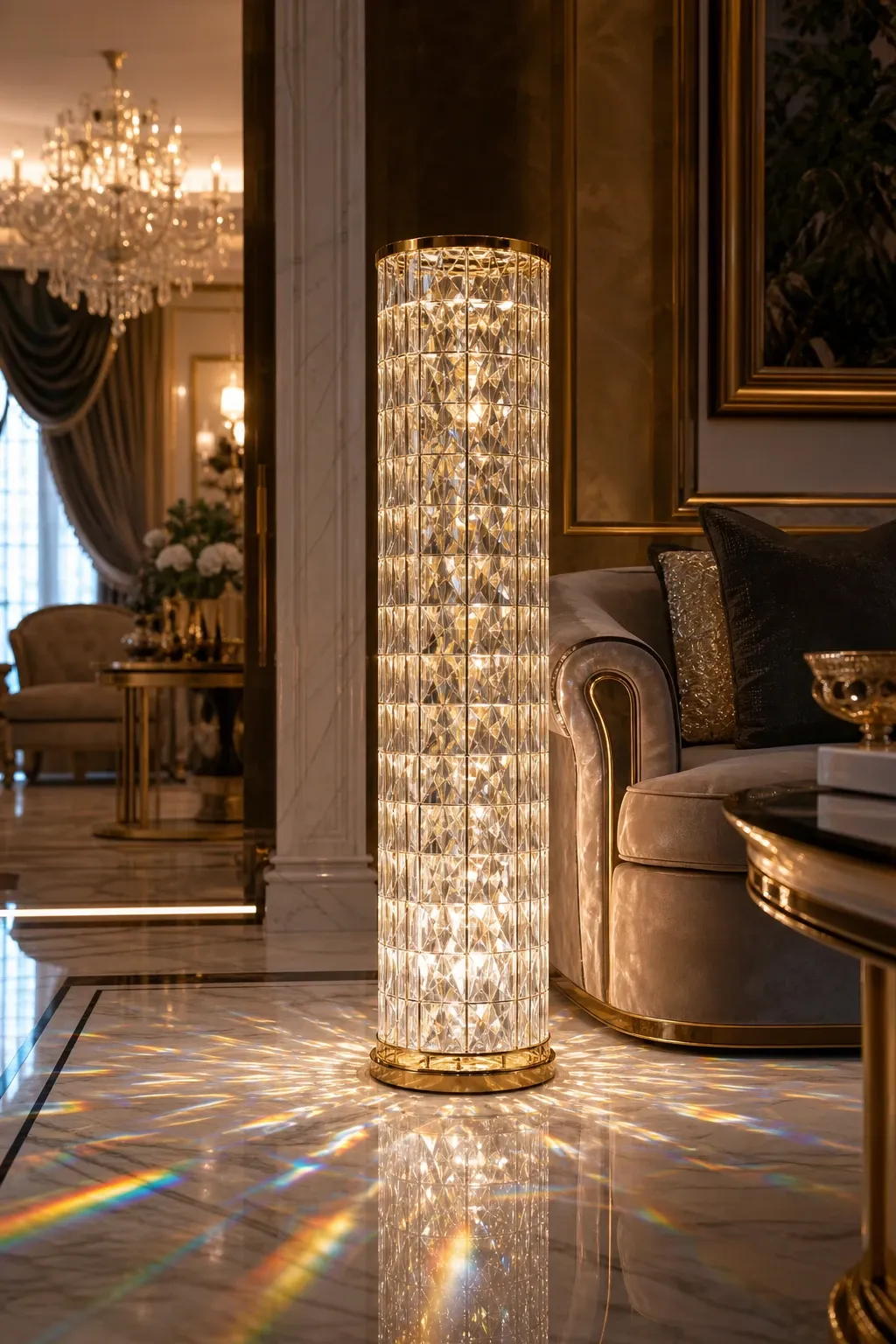
A column lamp has a solid, cylindrical body that houses the light source behind a translucent material like frosted glass, paper, or fabric. The entire column glows when lit, creating an ambient light source that also works as a sculptural object. These lamps look especially good in contemporary and minimalist rooms where the clean geometric shape adds to the design rather than cluttering it.
Designer Tip: Place a column lamp in a corner where the glow reflects off two walls at once. This doubles the ambient light effect and softens the corner visually.
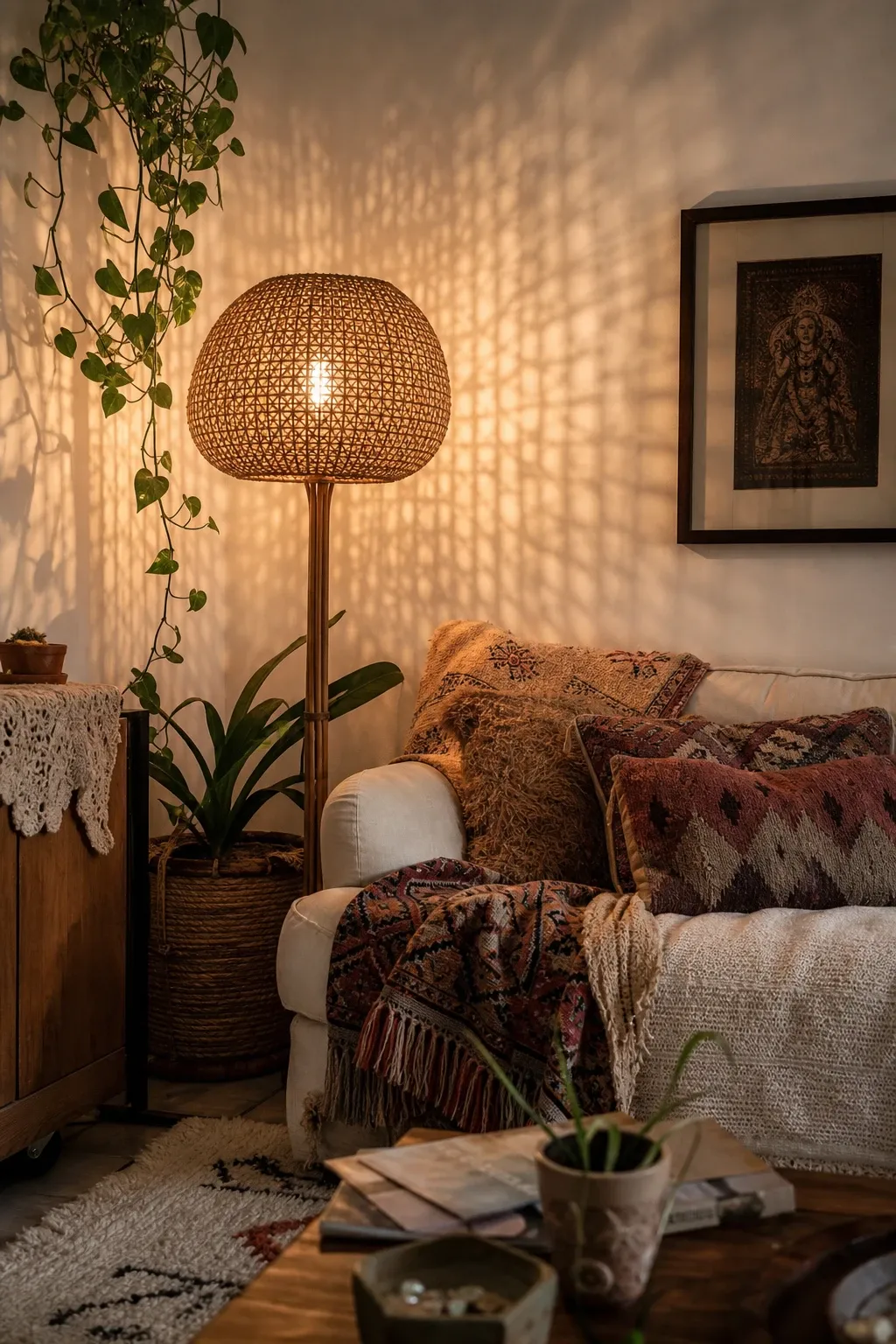
A floor lamp with a woven rattan or wicker shade adds organic texture and a warm, casual quality to the room. The woven material filters light through the gaps in the weave, casting interesting patterns on the walls and ceiling. These lamps suit coastal, boho, farmhouse, and Scandinavian style rooms. The natural material brings warmth to a room in a way that metal or glass lamps do not.
Designer Tip: Pair a rattan lamp with warm LED bulbs rated at 2700K. Cool white bulbs behind a natural woven shade create an odd color contrast that makes the shade look washed out.
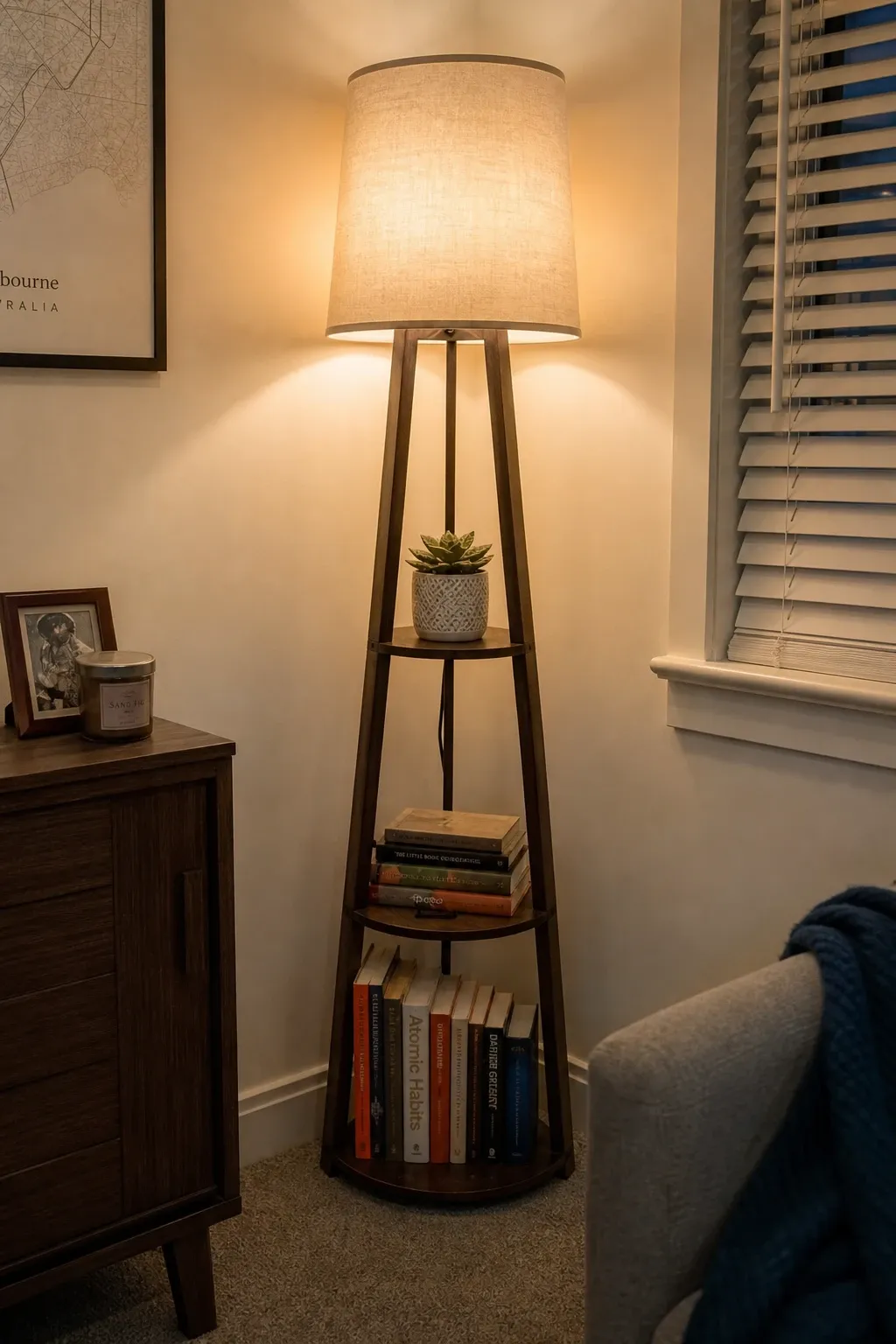
A floor lamp with an integrated shelf or tray combines lighting and surface space in one piece. The shelf sits partway up the pole and holds a book, a drink, or a small plant. This is perfect for living rooms without side tables or for creating a cozy reading corner without adding extra furniture. The combined function keeps the room uncluttered while giving you everything you need in one spot.
Designer Tip: Make sure the shelf is sturdy enough for what you plan to put on it. Some decorative shelf lamps are designed for a phone or a candle, not a heavy mug of coffee.
A smart floor lamp with built-in Wi-Fi or Bluetooth lets you control brightness, color temperature, and on/off schedules from your phone or voice assistant. Set it to dim automatically at a certain time, warm up as the evening progresses, or turn on before you get home. Smart lamps eliminate the need to reach for a switch and let you integrate the lamp into your whole-room lighting system.
Designer Tip: Choose a smart lamp with manual controls as a backup. If your Wi-Fi goes down or your phone dies, you still want to be able to turn the lamp on and off without troubleshooting your smart home setup.
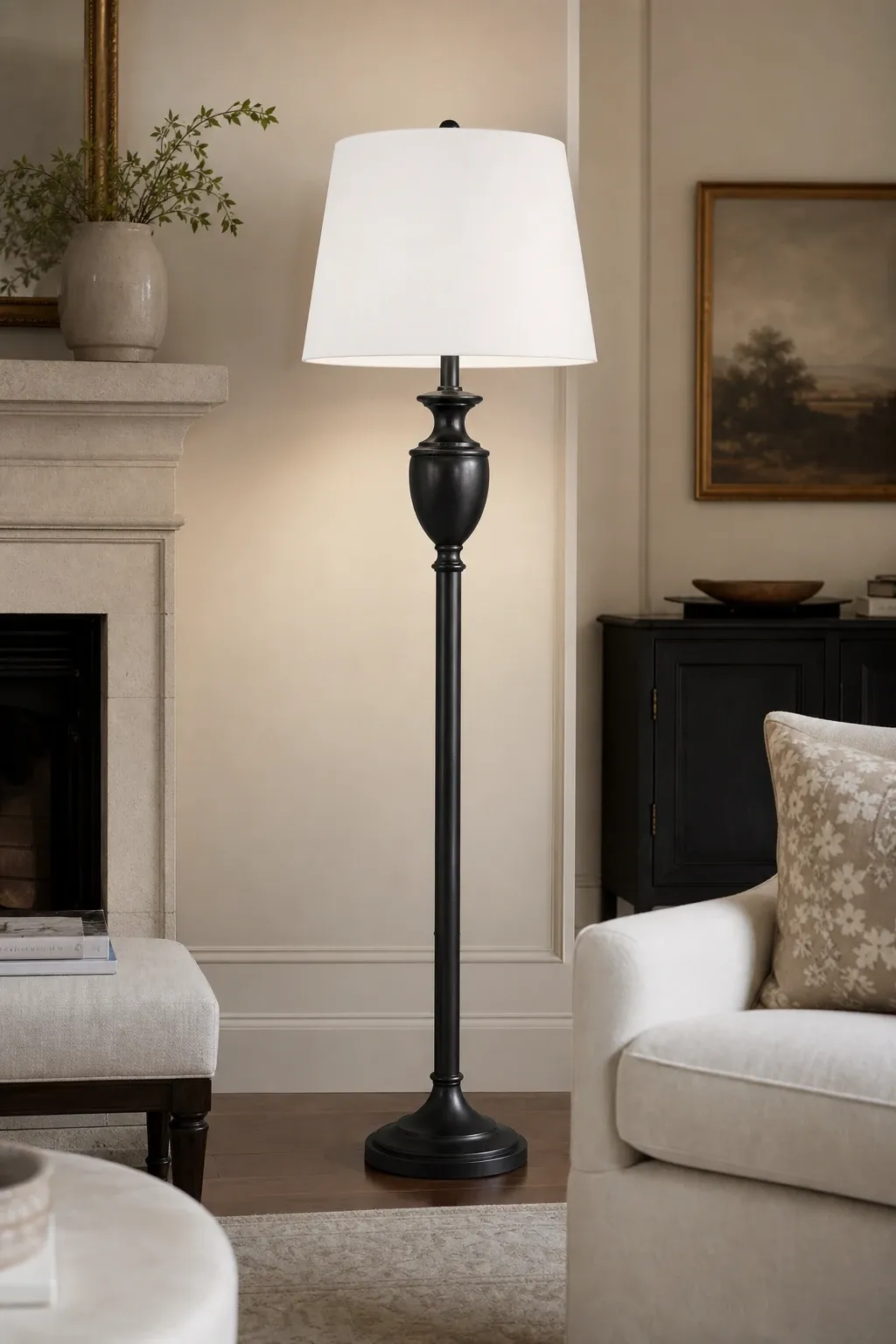
A floor lamp with an oversized drum shade or bell shade makes a statement through proportion. The large shade diffuses light broadly and acts as a visual anchor in the room. White or cream linen shades give a clean, classic look, while black or patterned shades add drama. These lamps work well beside a sofa or in a corner where they function almost like a piece of furniture.
Designer Tip: Make sure the shade is proportional to the base. An oversized shade on a thin pole can look top-heavy. A thicker base or a weighted bottom balances the visual proportions.
A pharmacy lamp has a small, focused shade on an adjustable arm that directs light precisely where you need it. Originally designed for medical examination rooms, these lamps have been adopted for reading nooks and workspaces because of their excellent task lighting. The slim profile and functional design suit modern, traditional, and transitional rooms. Brass and nickel are the most common finishes.
Designer Tip: A pharmacy lamp beside a reading chair with a warm LED bulb creates the best reading light in the room. The adjustable arm means you can fine-tune the light angle without moving the entire lamp.
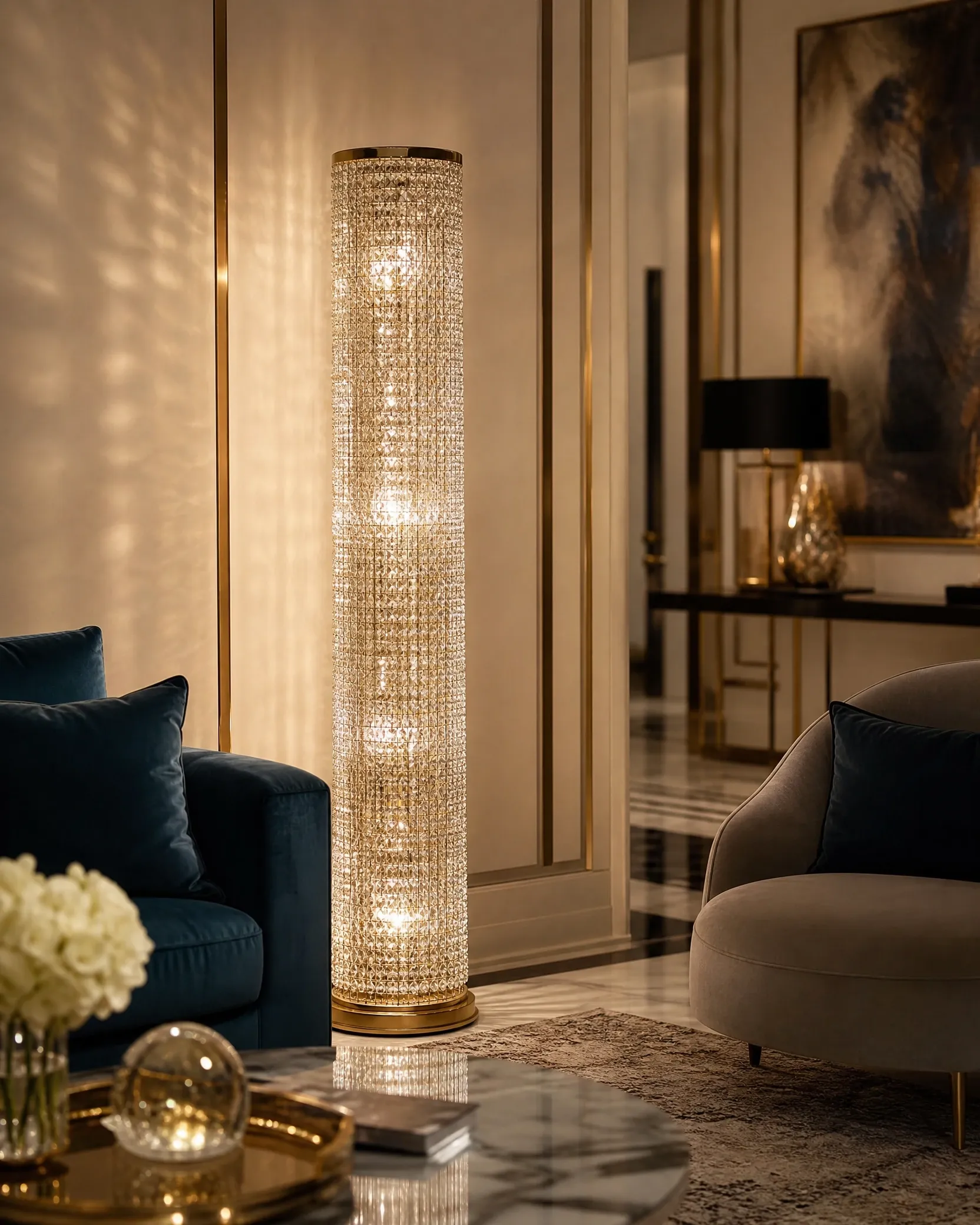
A crystal or glass floor lamp adds sparkle and a touch of glamour to the living room. Crystal base lamps reflect and refract light in a way that makes the whole area around them feel brighter. Glass column lamps with visible internal elements or colored glass bases serve as decorative objects even when the light is off. These lamps work in glam, transitional, and modern rooms where a little shine is welcome.
Designer Tip: Keep the shade neutral and let the crystal or glass base be the star. A patterned or colorful shade on a statement base creates visual competition and both elements lose impact.
A floor lamp is one of the most versatile pieces you can add to a living room. It provides light, fills empty space, and adds personality with one purchase. Consider what you need most, whether it is ambient glow, task light, or a design statement, and choose the style that serves that purpose. Most rooms benefit from at least one floor lamp, and many look best with two in different styles working together.
Frequently Asked Questions
How tall should a floor lamp be?
Most floor lamps are between 58 and 64 inches tall. The bottom of the shade should be at about eye level when you are seated so the light reaches you without glaring in your eyes. Arc lamps are typically taller at 72 to 84 inches to allow the arm to extend over furniture.
Where should I place a floor lamp in the living room?
Behind or beside a sofa, next to a reading chair, or in a dark corner are the three most common and effective spots. Place the lamp where it fills a gap in your lighting and does not block walkways. The cord should reach an outlet without crossing a traffic path.
Can a floor lamp be the only light in a living room?
In a small room, a bright torchiere or an arc lamp can serve as the primary light source. In most living rooms, a floor lamp works best as one layer in a broader lighting scheme that includes table lamps or sconces. Relying on a single floor lamp usually leaves dark spots in the room.
What wattage bulb should I use in a floor lamp?
For ambient light, a 40 to 60 watt equivalent LED bulb is usually enough. For task lighting like reading, 75 to 100 watt equivalent LED gives better coverage. Always check the lamp maximum wattage rating and use bulbs within that limit. LED bulbs provide the same brightness as incandescent at a fraction of the energy use and heat output.