Finished Basement Ideas That Are Actually Worth the Build
Our basement was a concrete box with a washer and a pile of holiday decorations for three years before we finally did something with it. Finishing a basement is one of the best investments you can make because it basically adds an entire floor of usable space to your home. The key is figuring out what your family actually needs down there. Here are the finished basement ideas that are actually worth the time and money.
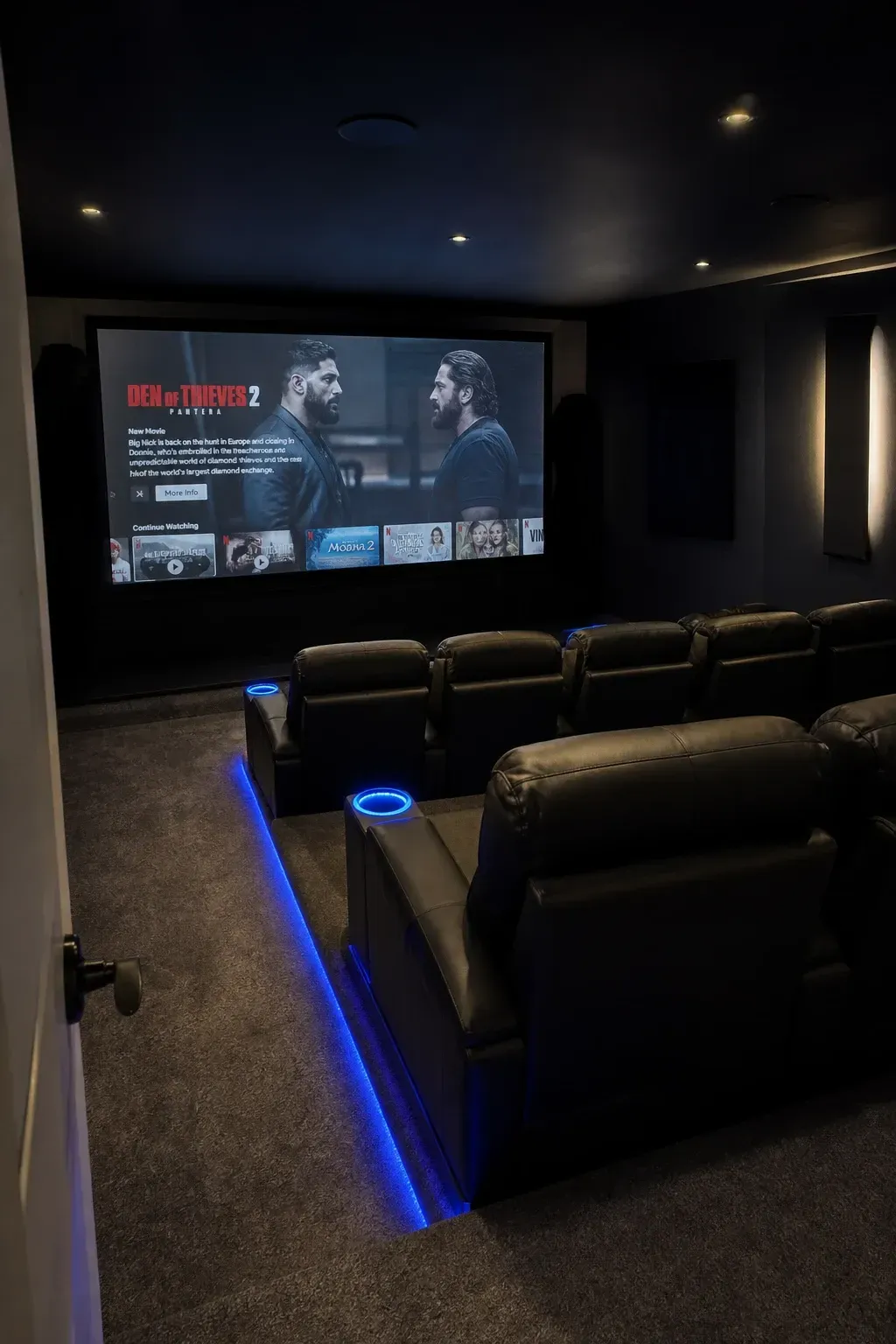
1. Home Theater Room
A basement is the ideal spot for a home theater because it is naturally dark and away from the noise of the main floor. A large screen or projector, comfortable reclining seats, and some basic acoustic treatment on the walls create a movie experience better than most commercial theaters. The low ceiling height that is typical in basements actually helps with sound quality because it keeps the audio contained and immersive.
Designer Tip: Paint the walls and ceiling dark if you are using a projector. Light-colored surfaces reflect ambient light and wash out the projected image, which defeats the purpose of a dedicated theater space.
2. Basement Bar or Wet Bar
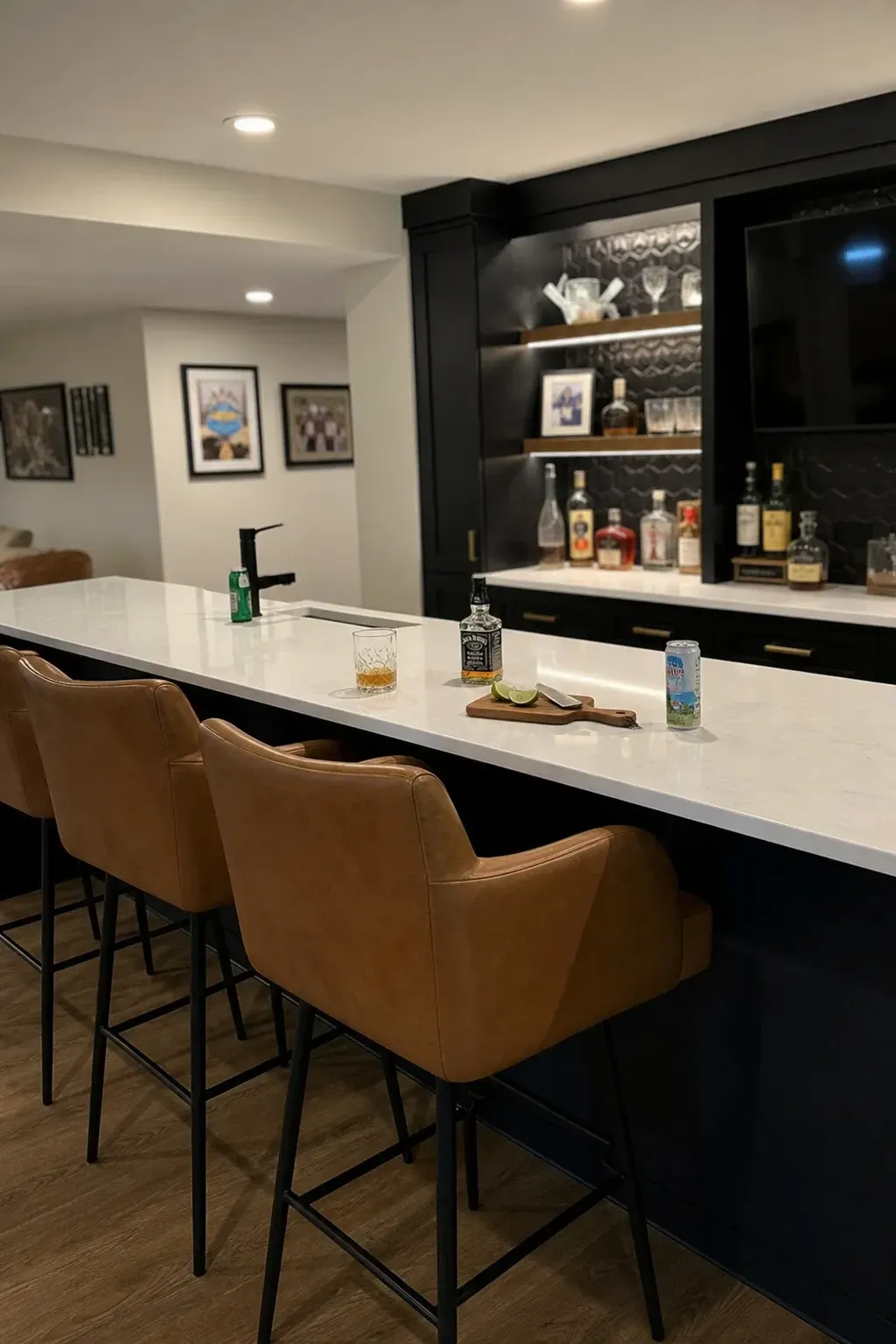
A built-in bar with a countertop, stools, and glass shelving turns the basement into an entertaining hub. A wet bar with a small sink, mini fridge, and ice maker takes it to the next level. Whether it is a full bar build-out or a simple corner with a bar cart and some floating shelves, having a dedicated drink spot in the basement makes the space feel like a real hangout rather than just a room below the house.
Designer Tip: Run plumbing for a wet bar before you finish the walls. Adding a sink after the basement is finished means tearing into completed work, which is expensive and messy.
3. Home Gym
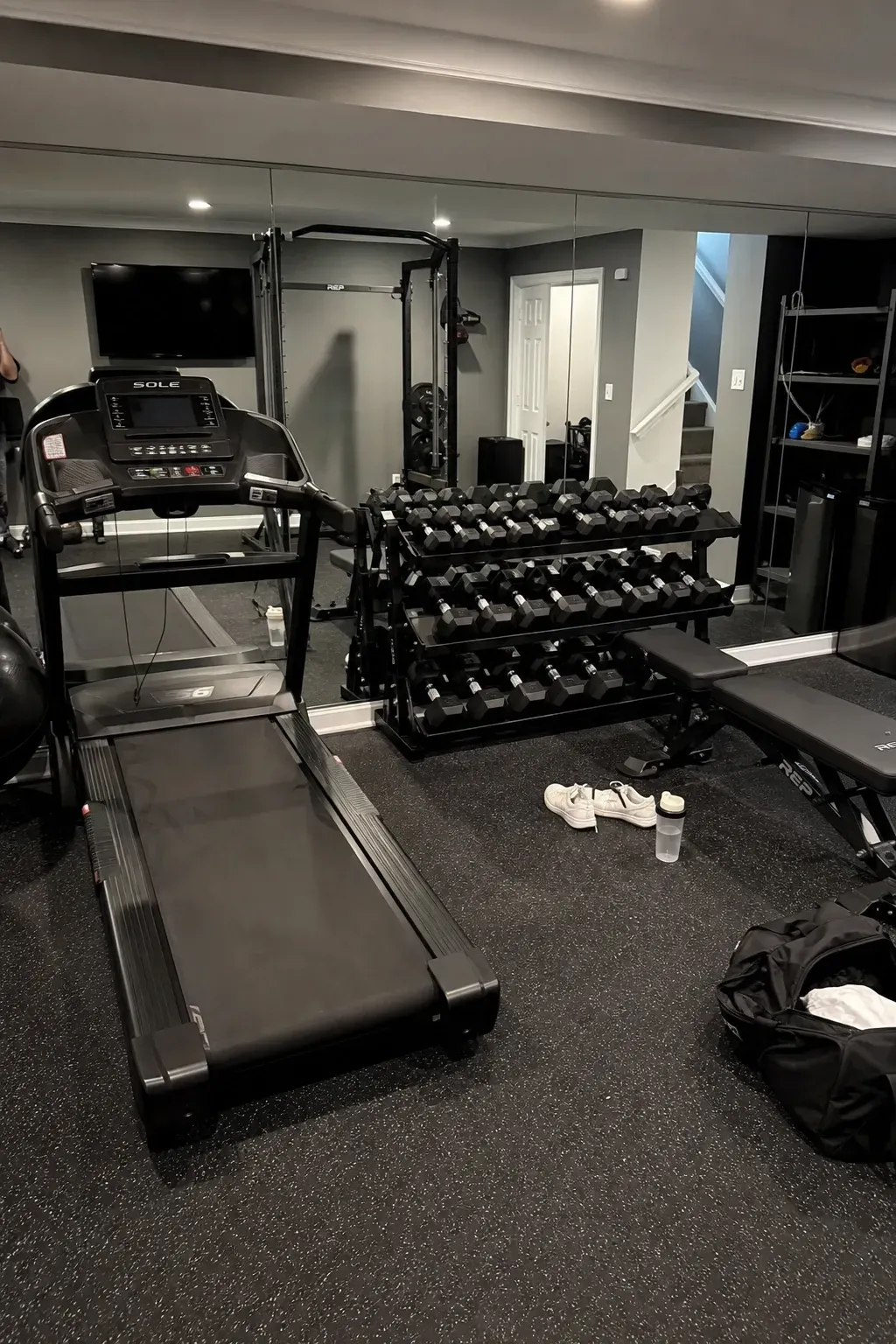
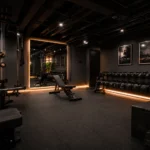
A basement gym puts your workout space steps away from your living area, which makes actually using it far more likely than a gym membership. Rubber flooring protects the concrete, absorbs impact, and reduces noise. The low ceiling is not a problem for most equipment except pull-up bars and overhead presses. Good ventilation is important since basements can feel stuffy during intense workouts.
Designer Tip: Add a large mirror on one wall and bright overhead lighting. A well-lit gym with mirrors feels motivating and spacious. A dim basement gym with no mirrors feels like punishment.
4. Kids Playroom
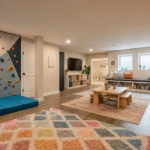
Moving the kids play area to the basement keeps the main floor cleaner and gives kids a space that is truly theirs. Durable flooring like luxury vinyl plank or interlocking foam tiles handles spills and rough play. Set up zones for different activities, like a reading corner, an art station, and an open area for active play. The noise from energetic play stays below the main living space, which is a real benefit during work-from-home hours.
Designer Tip: Use bright, cheerful paint colors and good lighting in a basement playroom. Kids need stimulation and a dim, beige basement will not feel inviting enough for them to actually want to play down there.
5. Guest Bedroom Suite
A finished basement bedroom with its own bathroom gives guests a private suite that feels like a real room rather than a sleeper sofa in the living room. Check local building codes for egress window requirements before starting, because a legal bedroom needs a window large enough to escape through in an emergency. Add proper insulation, a comfortable bed, nightstands, and good lighting and your guests will be more comfortable down here than in most hotels.
Designer Tip: Use warm lighting, thick area rugs, and layered bedding to offset the fact that basements can feel cool and less welcoming than above-grade rooms. The goal is to make guests forget they are below ground.
6. Home Office

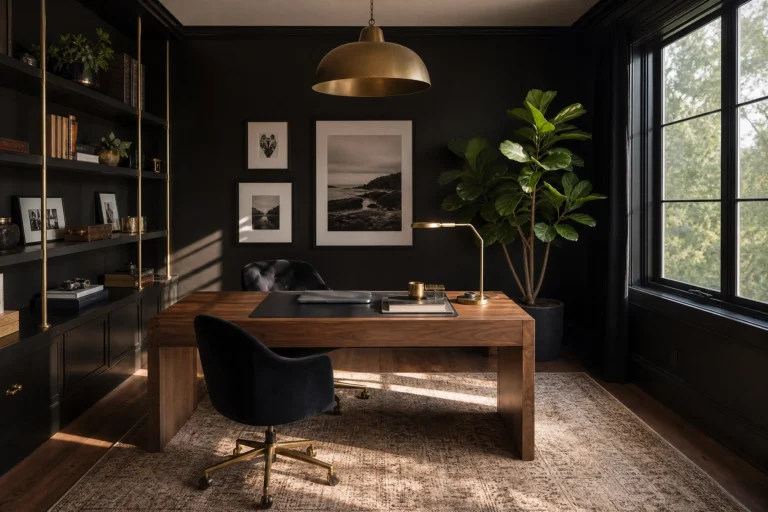
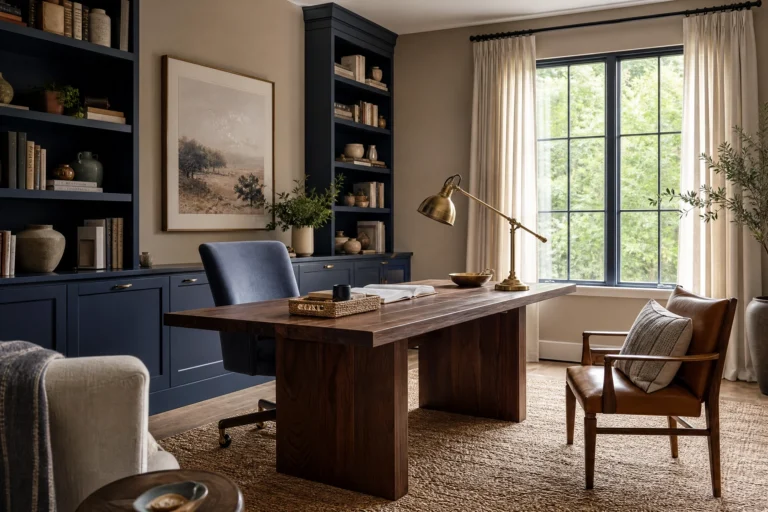
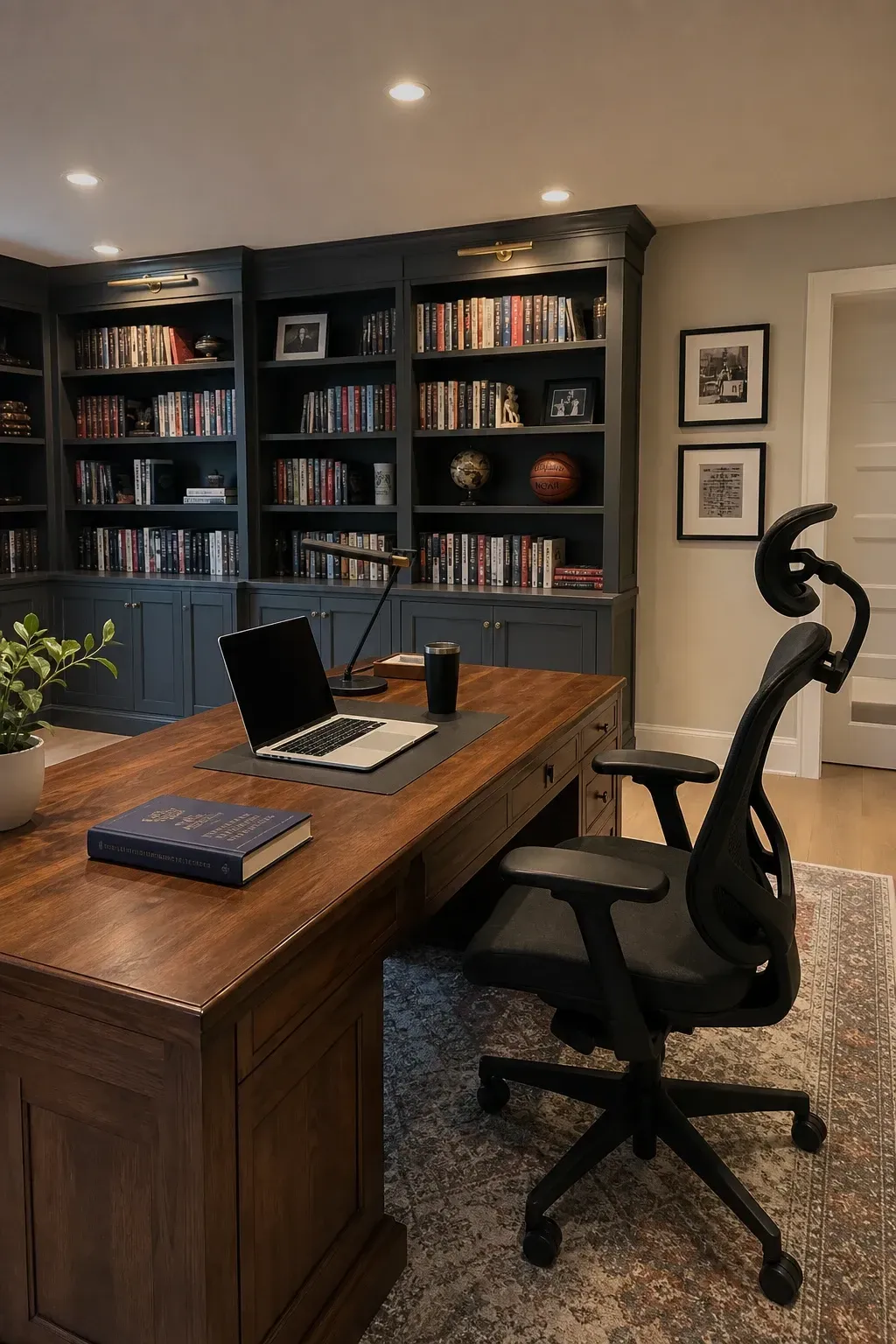
A basement home office provides separation from the rest of the house, which is critical for focus. The distance from the kitchen, living room, and kids play areas makes it easier to concentrate during work hours. Build in a desk, good task lighting, and enough electrical outlets for your equipment. If you take video calls, set up a section of the wall behind your desk with a clean, professional-looking background.
More Looks You'll Want to Steal:
Designer Tip: Invest in a quality dehumidifier for a basement office. Excess moisture causes musty smells and can damage electronics, books, and paper documents over time.
7. Game Room
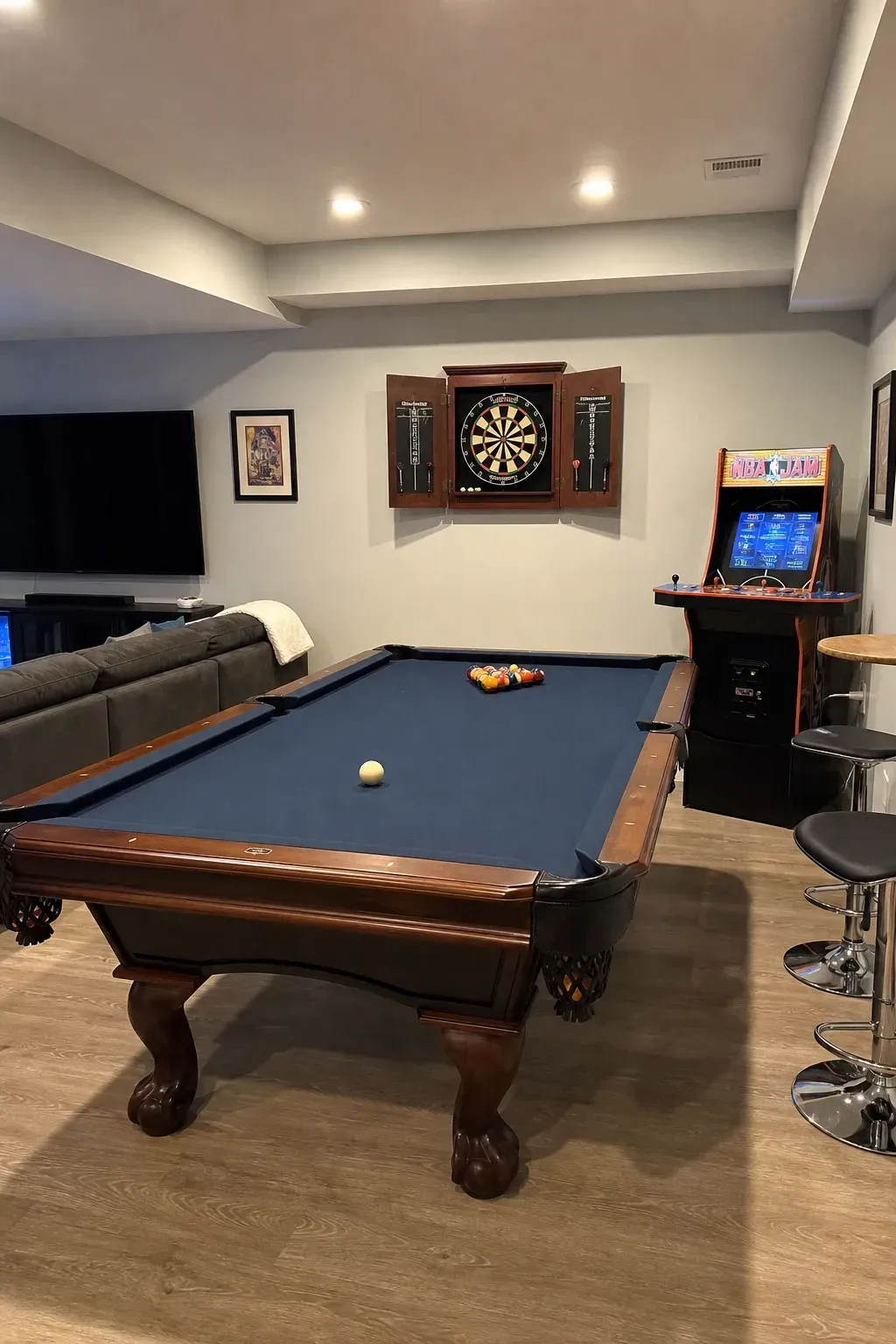
A game room with a pool table, foosball, ping pong, darts, or a dedicated gaming setup is a classic basement use that never gets old. The open floor space of a typical basement accommodates large game tables that would not fit in the rooms upstairs. Add a TV and some comfortable seating for video games and spectators. This is the room that makes people actually want to come to your house for gatherings.
Designer Tip: Measure carefully before buying a pool table. You need at least 5 feet of clearance around all sides of the table for cue stick room. A table that is too big for the space is useless.
8. Laundry Room Upgrade
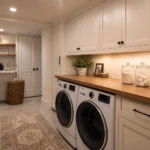
If your laundry is already in the basement, finishing the area around it makes laundry day much less dreary. Add countertops for folding, cabinets for supplies, good lighting, and a utility sink. A finished laundry room feels like part of the house rather than a chore you do in the dungeon. Consider adding a drying rack area or a small ironing station to make the space fully functional.
Designer Tip: Install a floor drain near the washer if one does not already exist. Basement flooding from a washer hose failure is common, and a drain prevents thousands of dollars in water damage.
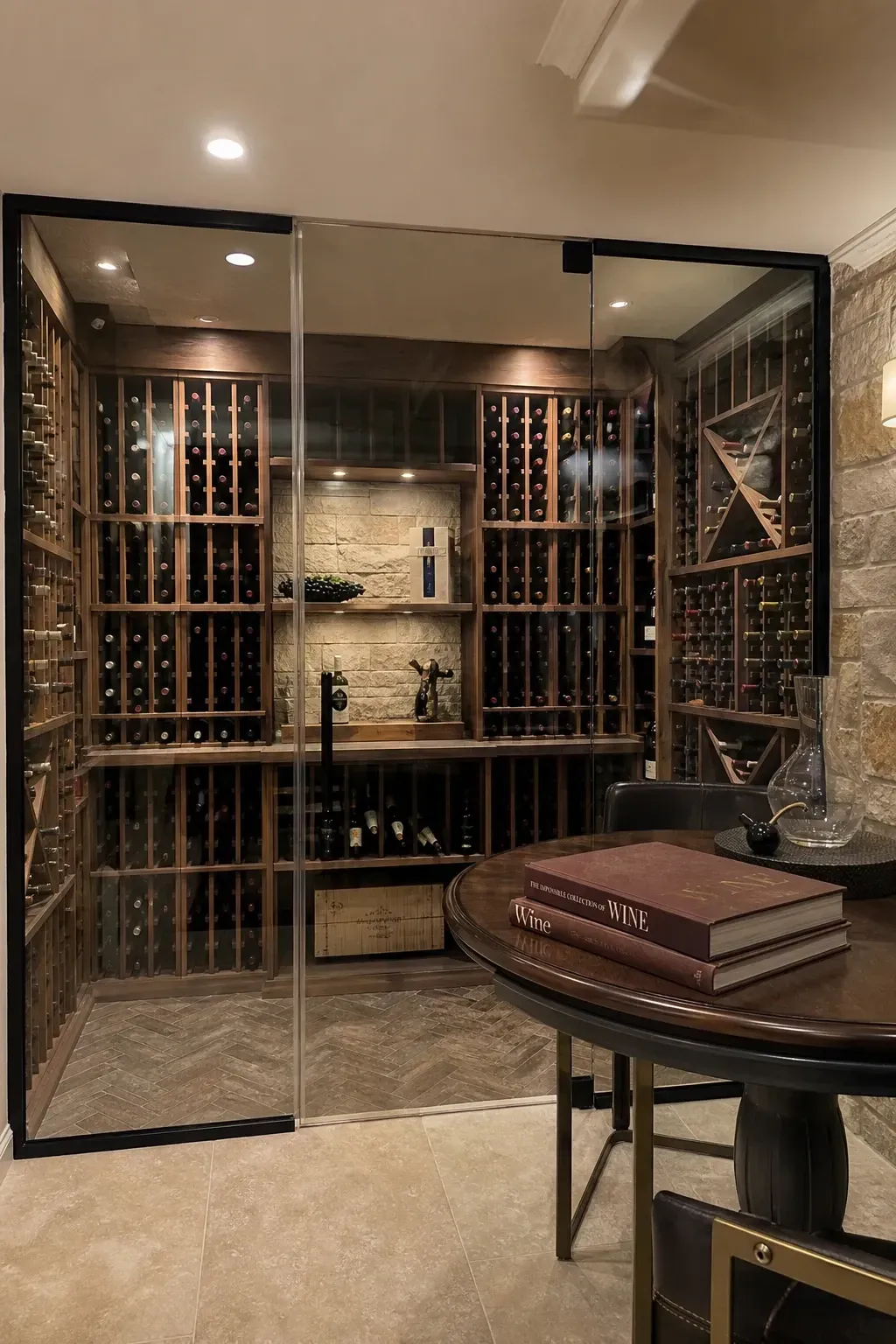
9. Wine Cellar or Tasting Room
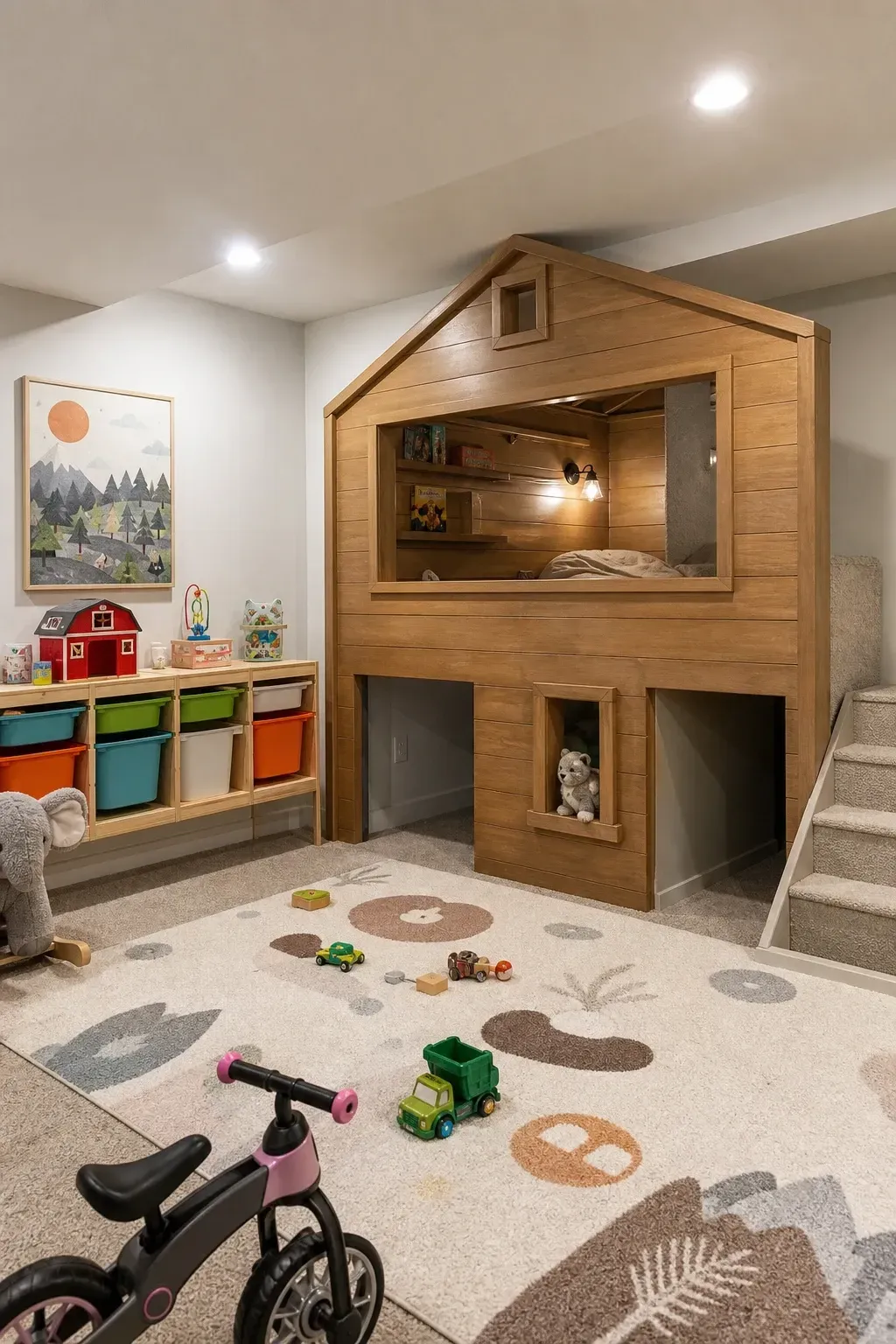
A basement wine cellar takes advantage of the naturally cool, stable temperatures below ground. Built-in wine racks, a tasting counter with stools, and dim ambient lighting create a room that feels special and intentional. You do not need a massive collection to justify this space. Even a modest setup with 50 to 100 bottles and a small seating area feels impressive and gives you a dedicated spot for entertaining.
Designer Tip: If you are serious about wine storage, add a cooling unit to keep the room at a consistent 55 degrees. Natural basement temps fluctuate with the seasons, and those swings can affect wine quality over time.
10. Craft or Hobby Room
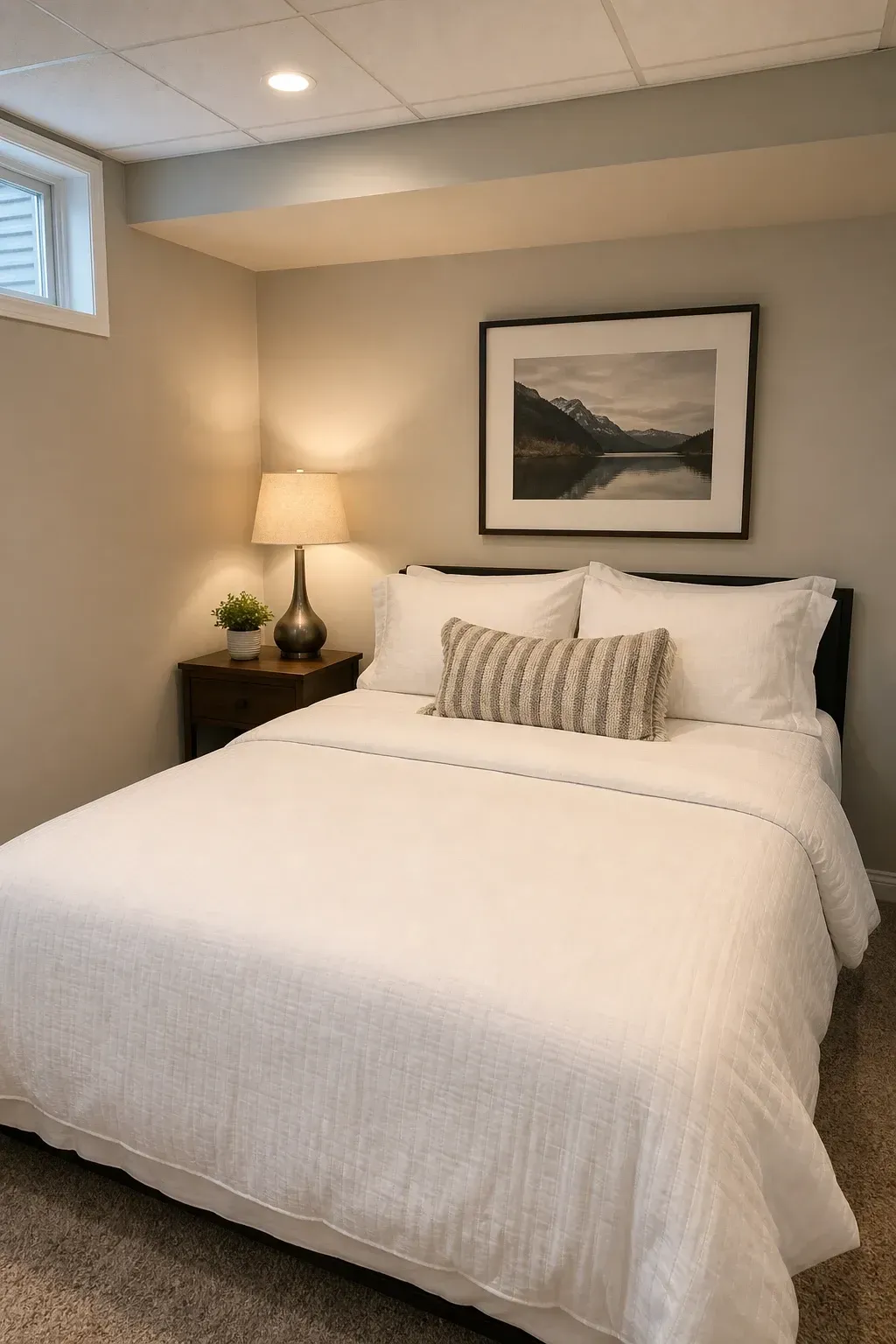
A dedicated craft room in the basement keeps supplies organized and projects out of the main living areas. A large work table, pegboard for tools, labeled storage bins, and task lighting make the space productive. This works for sewing, painting, woodworking, model building, or any hobby that needs space to spread out and leave works in progress undisturbed between sessions.
Designer Tip: Use open shelving and clear bins so you can see everything at a glance. Craft supplies that are hidden in closed cabinets tend to get forgotten and repurchased, which wastes money and space.
11. Music or Recording Studio
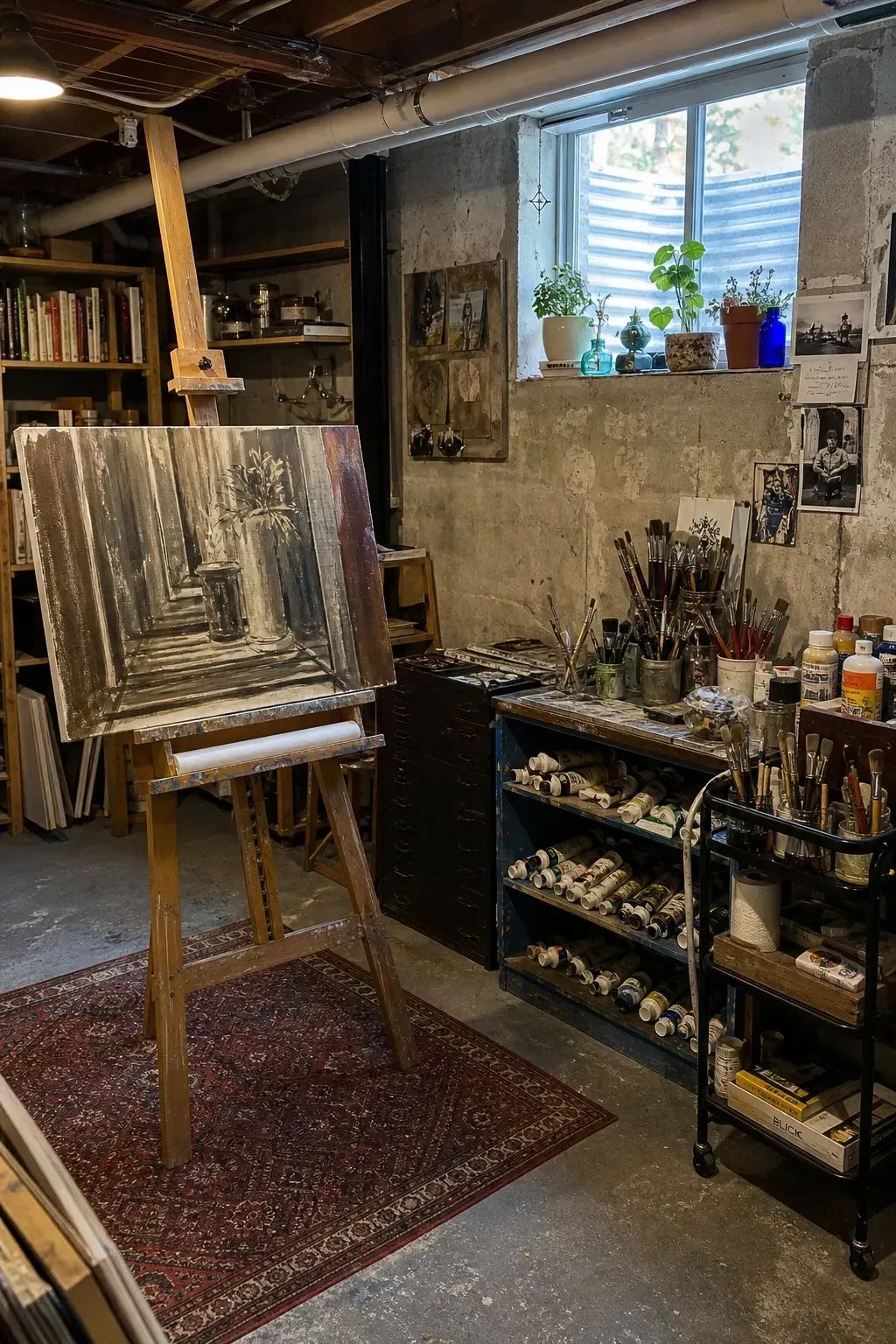
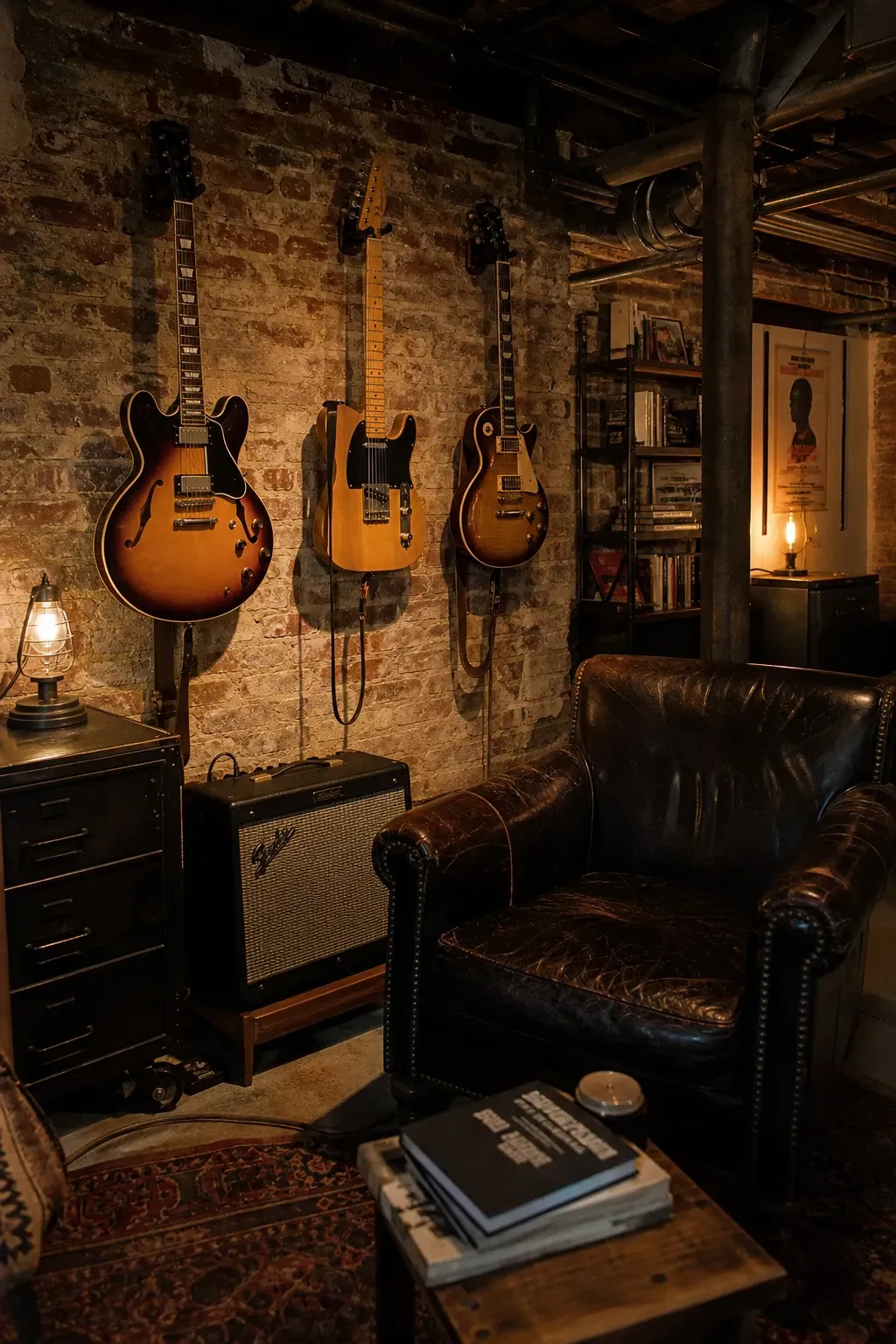
A basement is a natural fit for a music room because it is isolated from the rest of the house. Add soundproofing insulation in the walls and ceiling, and you can play drums at midnight without waking anyone. For recording, the low ambient noise of a basement is ideal. Set up your instruments, a basic recording interface, and some acoustic panels and you have a functional home studio.
Designer Tip: Soundproofing works best when you decouple the walls. Building a second wall inside the existing one with an air gap between them stops far more sound than just stuffing insulation into the existing wall cavities.
12. Sauna or Spa Room
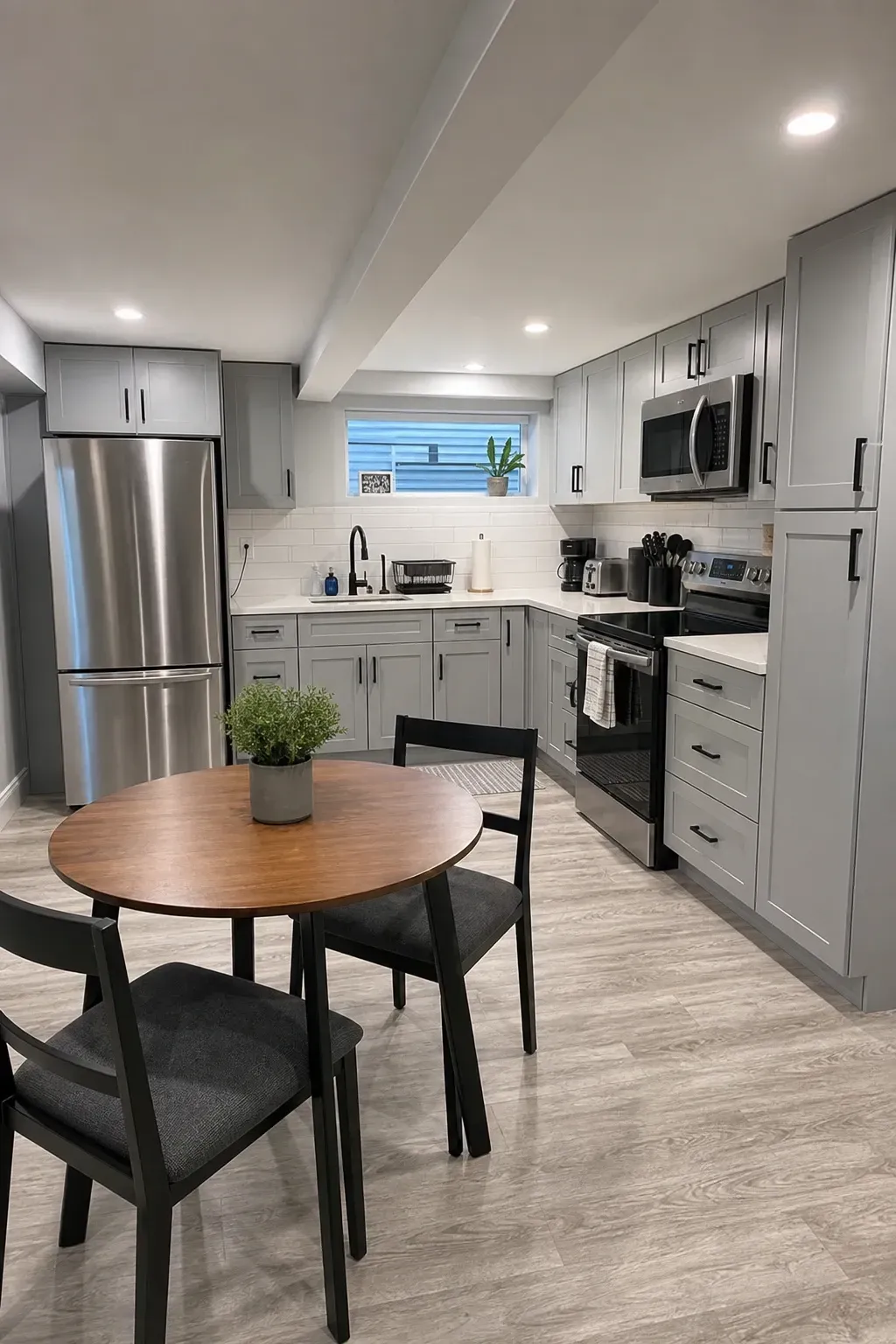
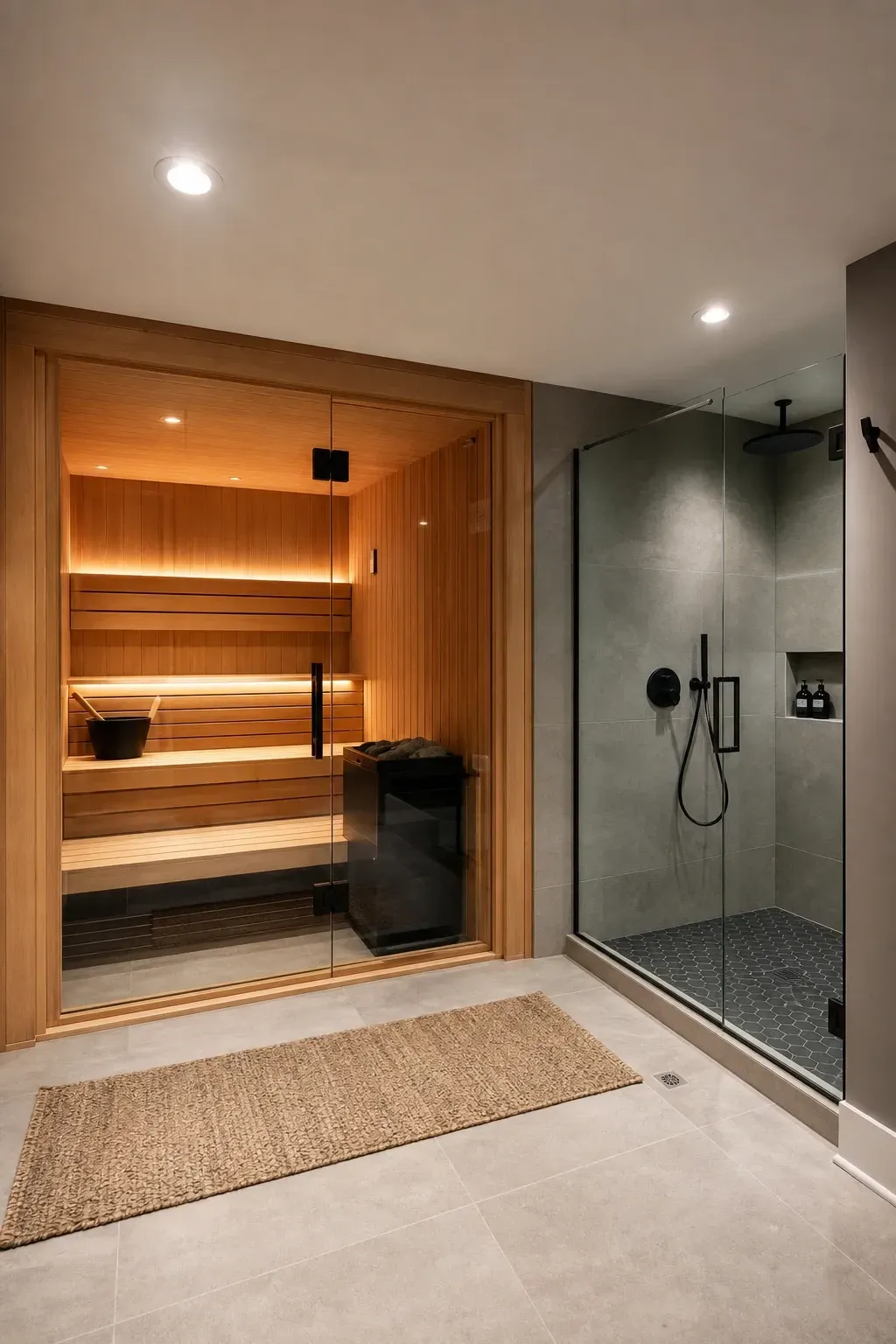
An infrared or traditional sauna fits easily in a basement corner and adds a luxury element to the home. Pair it with a small shower area and a bench or lounge chair for cooling down. The basement location means humidity and heat stay away from the main living spaces. A home sauna is cheaper to use over time than a gym or spa membership and is always available when you want it.
Designer Tip: Use moisture-resistant materials like tile and cedar in the sauna area and ensure excellent ventilation. Trapping moisture in a basement leads to mold, which is the fastest way to ruin a finished basement.
13. In-Law Suite or Rental Unit
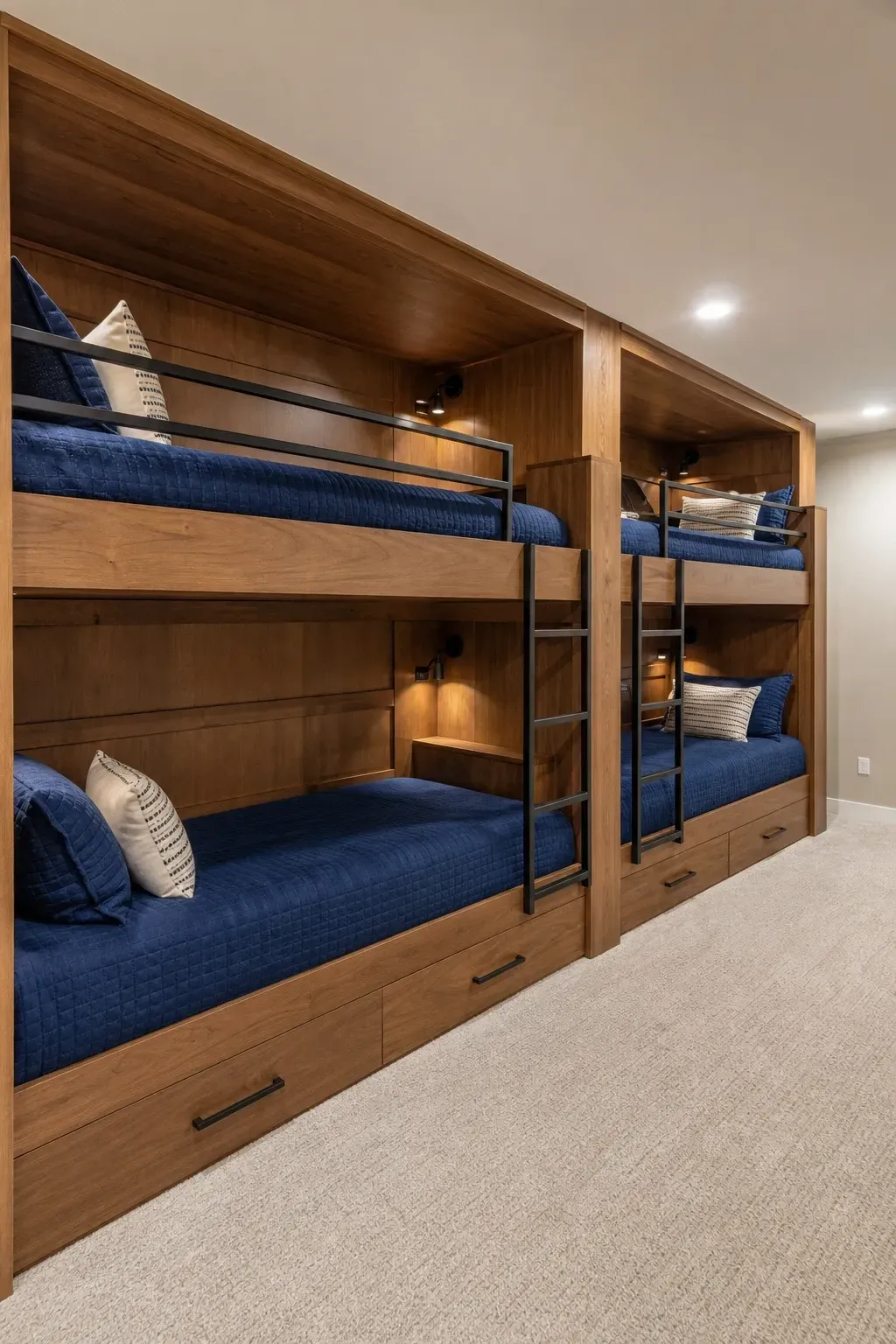
A basement apartment with a bedroom, bathroom, kitchenette, and separate entrance is one of the highest-return basement projects. It provides housing for aging parents, adult children, or generates rental income that can cover a significant portion of your mortgage. Check your local zoning laws and building codes carefully because accessory dwelling units have specific requirements for egress windows, ceiling height, and separate utility metering in many areas.
Designer Tip: Add a separate exterior entrance if possible. Privacy for both you and the occupant makes the arrangement far more sustainable long-term than sharing the main house entrance.
14. Reading Nook or Library
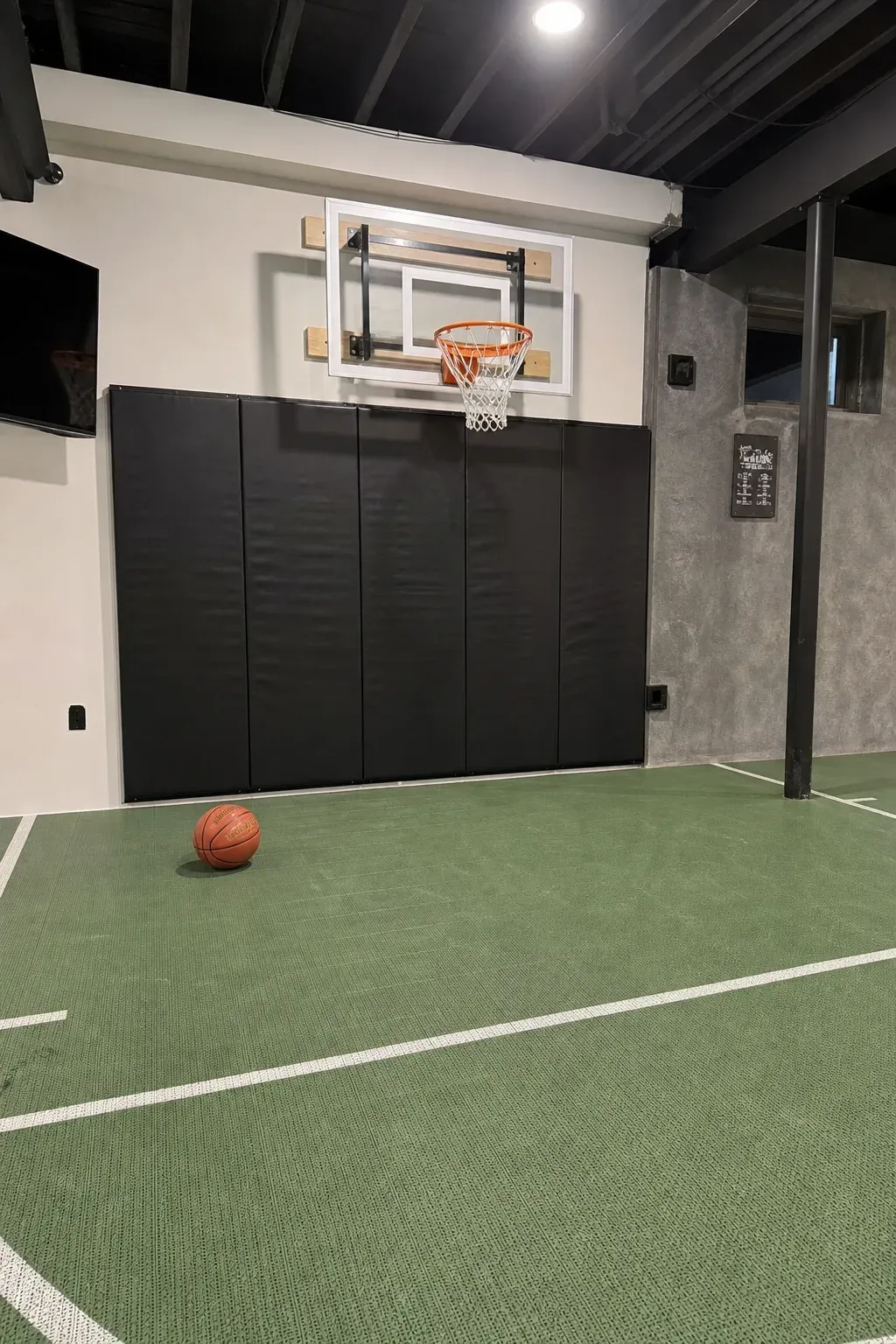
Floor-to-ceiling bookshelves, a comfortable reading chair, a side table, and a good lamp turn a basement corner into a quiet library retreat. The natural quiet of a basement makes it one of the best reading spots in the house. Add a small rug, some personal touches like framed art or family photos, and the space feels cozy rather than cold. This is one of the simplest and most affordable basement finishing ideas that gets used every day.
Designer Tip: Choose warm-toned LED bulbs for reading areas in basements. Cool white light feels harsh underground, while warm light in the 2700K to 3000K range creates a comfortable, inviting atmosphere.
A finished basement is one of those projects where the effort pays off every single day. Pick the ideas that match how your family actually lives, plan the layout carefully, and do not skip the moisture control. Your future self will appreciate having that extra space ready to use instead of sitting there collecting dust.
Frequently Asked Questions
How much does it cost to finish a basement?
The average cost ranges from $30 to $75 per square foot depending on the level of finish and your location. A basic finish with drywall, flooring, and lighting on a 1,000 square foot basement typically runs $30,000 to $50,000. Adding a bathroom, wet bar, or high-end finishes can push the total to $75,000 or more. Getting multiple contractor quotes and prioritizing moisture control first is the best way to manage costs.
Do I need a permit to finish my basement?
In most areas, yes. Any work involving electrical, plumbing, structural changes, or adding habitable space typically requires a building permit. Skipping permits can cause problems when you sell the home because unpermitted work may need to be disclosed or even removed. Contact your local building department before starting to find out exactly what is required.
How do I prevent moisture problems in a finished basement?
Start with addressing any water intrusion from outside by grading the soil away from the foundation and ensuring gutters direct water at least six feet from the house. Inside, apply a waterproof coating to the concrete walls before framing, use moisture-resistant materials like mold-resistant drywall and luxury vinyl plank flooring, and run a dehumidifier year-round. These steps prevent the most common basement moisture issues.
Does finishing a basement increase home value?
A finished basement typically returns 70 to 75 percent of the project cost at resale, making it one of the better home improvement investments. The value increase depends on the quality of the finish and how the space is used. A basement with a bathroom and bedroom adds more appraisal value than an open recreation room. The real benefit for many homeowners is the additional usable square footage during the years they live in the home.