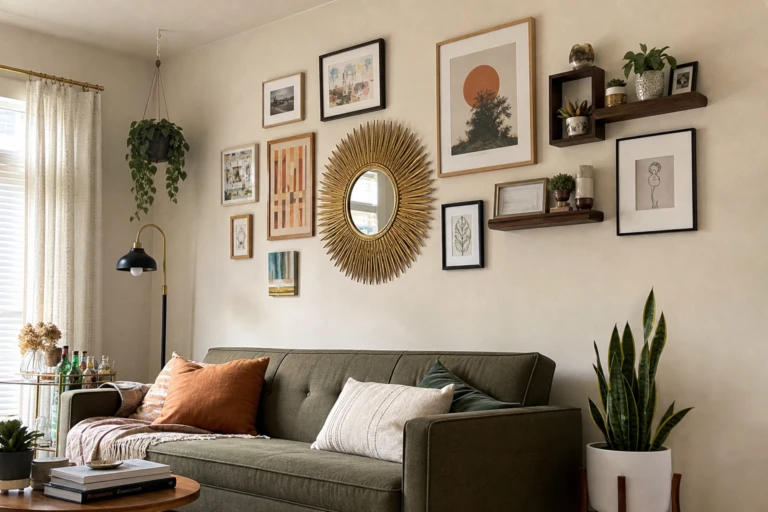
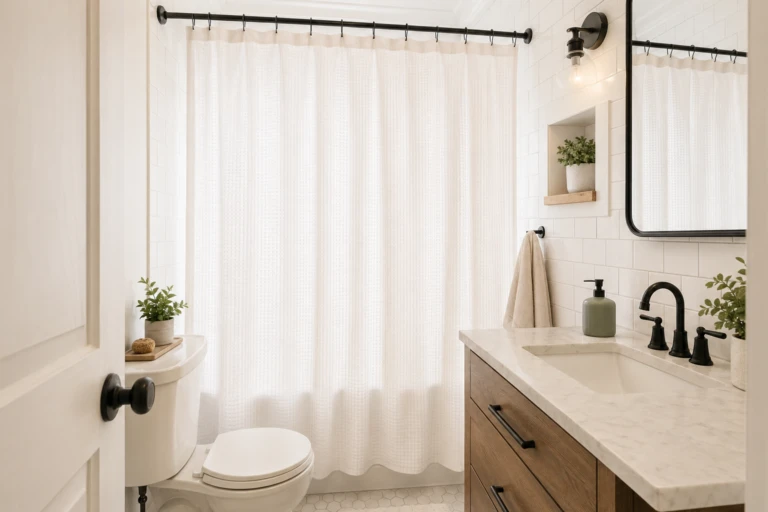
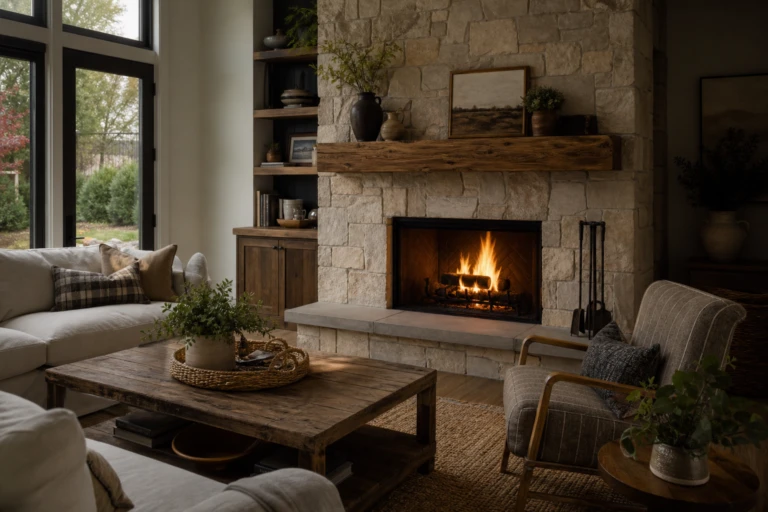
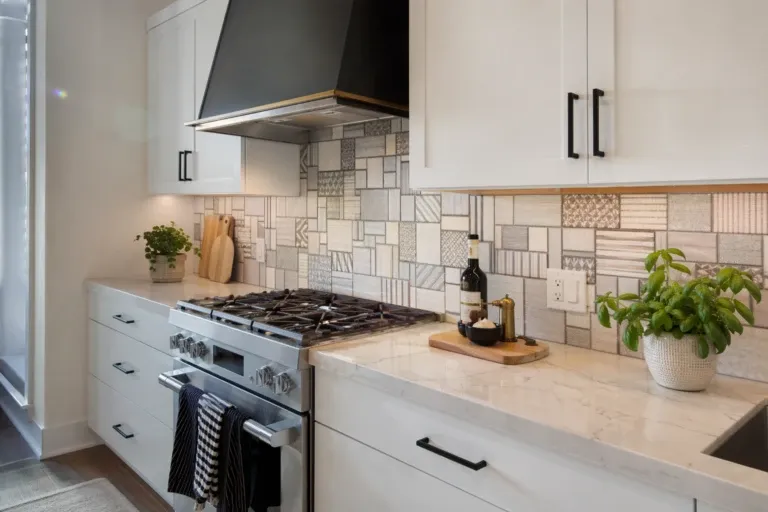
There is something about the shift into summer that makes you want to rethink the way your home feels. The light changes, the air gets warmer, and suddenly those heavy wool throws and dark accent pillows feel out of place. The good news is that refreshing your home for the season does not have to mean a full renovation or a huge budget. In practice, some of the most effective summer decor updates come from swapping out a few key textiles, pulling in some natural materials, and letting more light do the heavy lifting. The ideas in this article are rooted in real interior design principles, not just aesthetics on a mood board, and each one is something you can actually put into practice in your own home.
This article organizes summer decor ideas by theme so you can pick the areas that feel most relevant to your space. Start with the swap that takes the least effort – usually textiles and throw pillows – and see how far that alone gets you. Some ideas are budget-friendly swaps you can do in an afternoon; others are small investments worth making if you spend a lot of time at home in the warmer months. Either way, the goal is the same: a home that feels lighter, fresher, and genuinely enjoyable to be in all summer long.
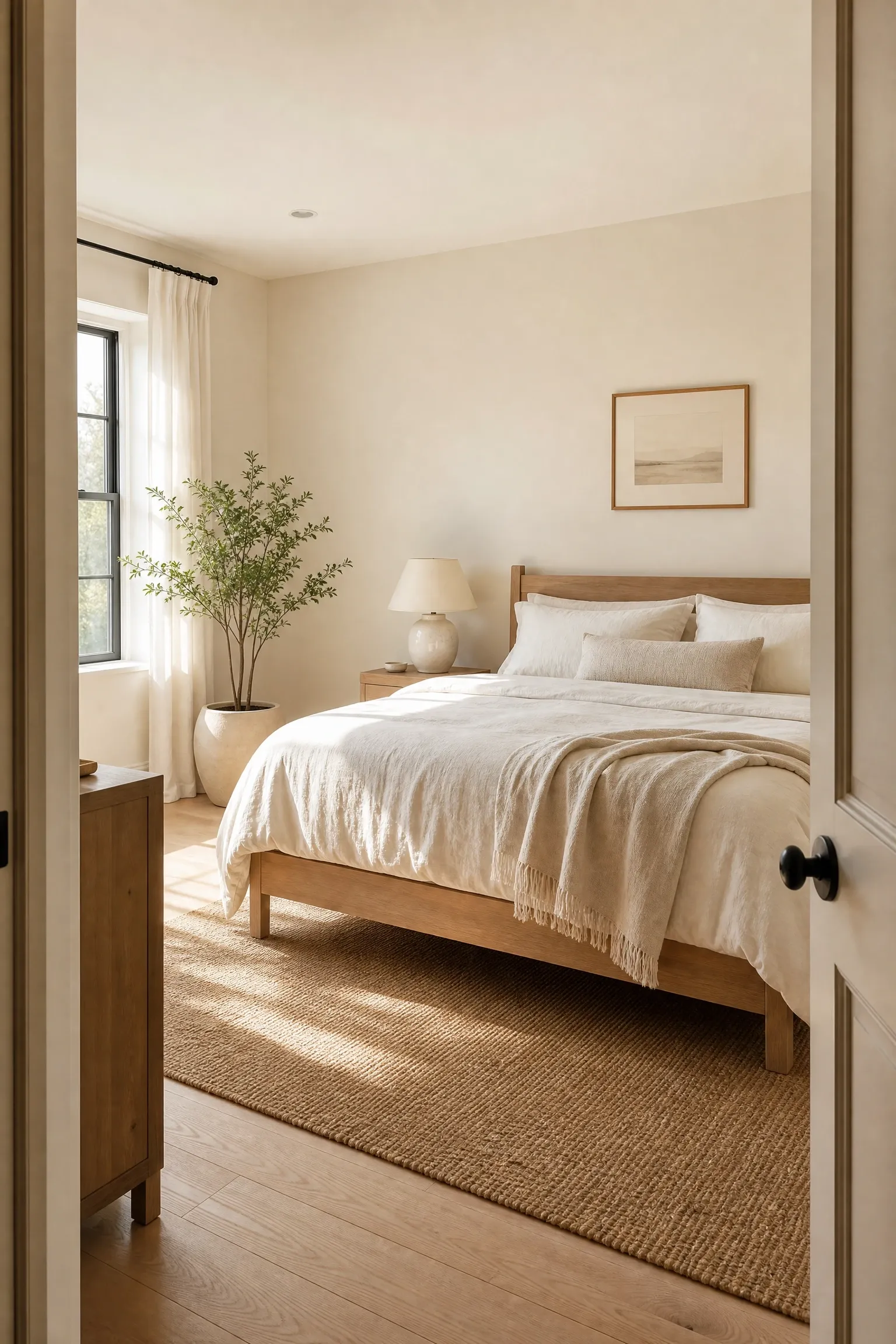
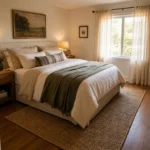
One of the first things professional stagers do when preparing a home for summer is strip back the colour and let a warm white base breathe. This is not the cold, blue-toned white you see in sterile spaces; it is a creamy off-white, something like Benjamin Moore’s White Dove or Sherwin-Williams Alabaster, that catches natural light and bounces it beautifully around the room. In practice, this works best when you pair the pale walls with natural wood furniture in a light honey or bleached oak finish, which adds warmth without heaviness. Layer in linen cushions in undyed or oat tones, add a jute or seagrass rug underfoot, and the room starts to feel genuinely airy rather than just light. The honest caveat here is that all-white interiors do show marks more quickly, so if you have young children or pets, focus this approach on lower-traffic rooms like a bedroom or dining area. For most people, though, this palette is one of the most reliable ways to make a room feel cooler and more open without touching the furniture layout at all.
Designer Tip: Use warm white (not cool white) to avoid a clinical feel. Test your paint in natural daylight before committing, since colour temperature shifts dramatically between morning and afternoon light.
2. Bring In a Single Bold Colour Through Accessories
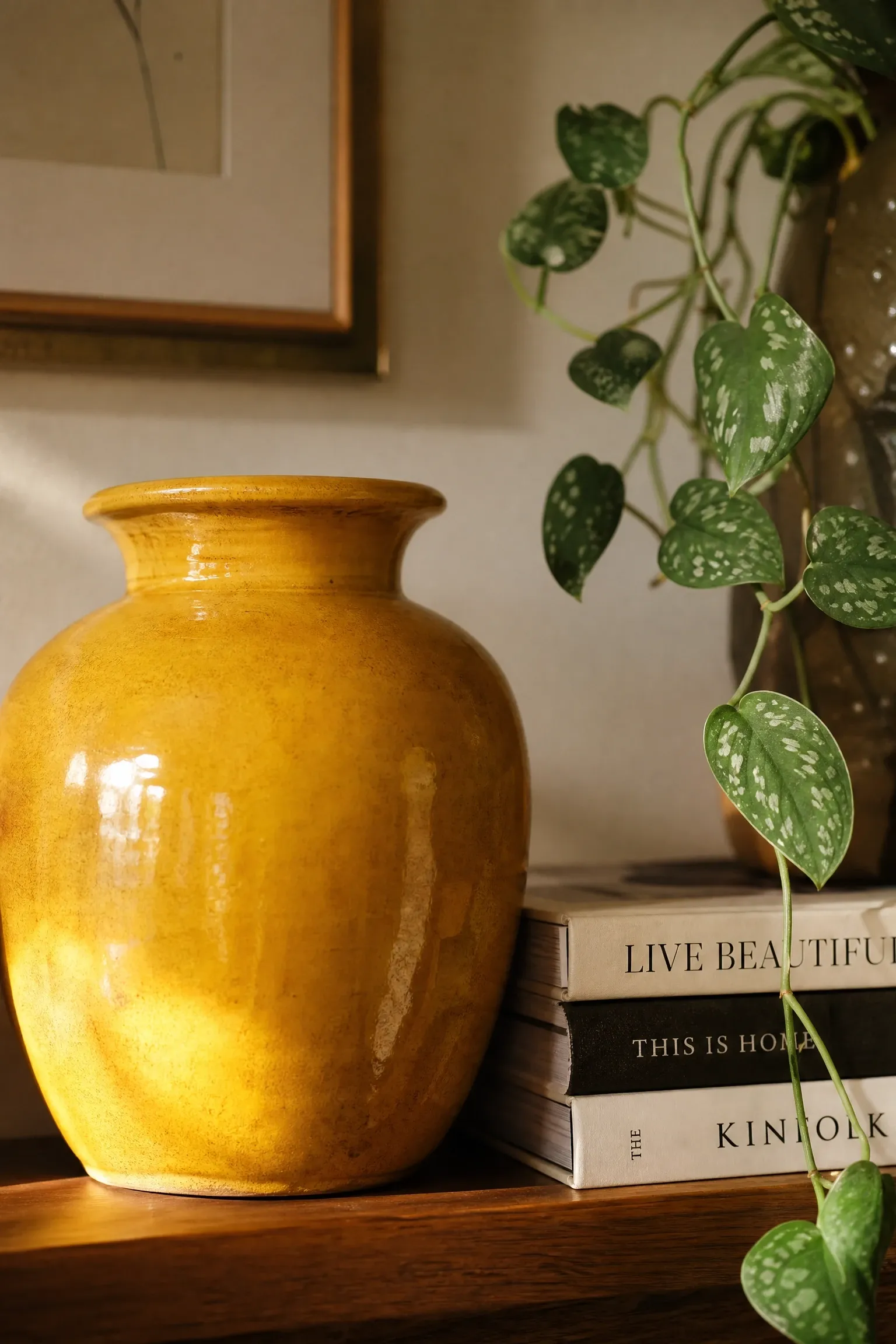
If you love colour but do not want to paint walls every season, the smarter approach is to commit to one vivid accent and repeat it across three or four items in a room. This summer, designers are leaning toward sun-baked terracotta, deep coral, and a warm saffron yellow, all of which photograph beautifully and feel rich without being overwhelming. The key, in practice, is that the accent needs to show up in multiple places to read as intentional rather than accidental. Try a saffron yellow ceramic vase on a shelf, a pair of matching cushions on the sofa, and a small framed print with the same warm tone. That repetition is what gives the room a designed quality rather than a collected-over-time feel. This approach is very budget-friendly since you are working with accessories rather than structural changes, and the pieces can be packed away when autumn arrives. The limitation worth noting is that very saturated colours can make a small room feel smaller, so if your space is tight, choose softer versions of the same tones.
Designer Tip: The rule of three works well here. Repeat your accent colour in at least three spots to make it feel like a deliberate choice rather than a leftover item.
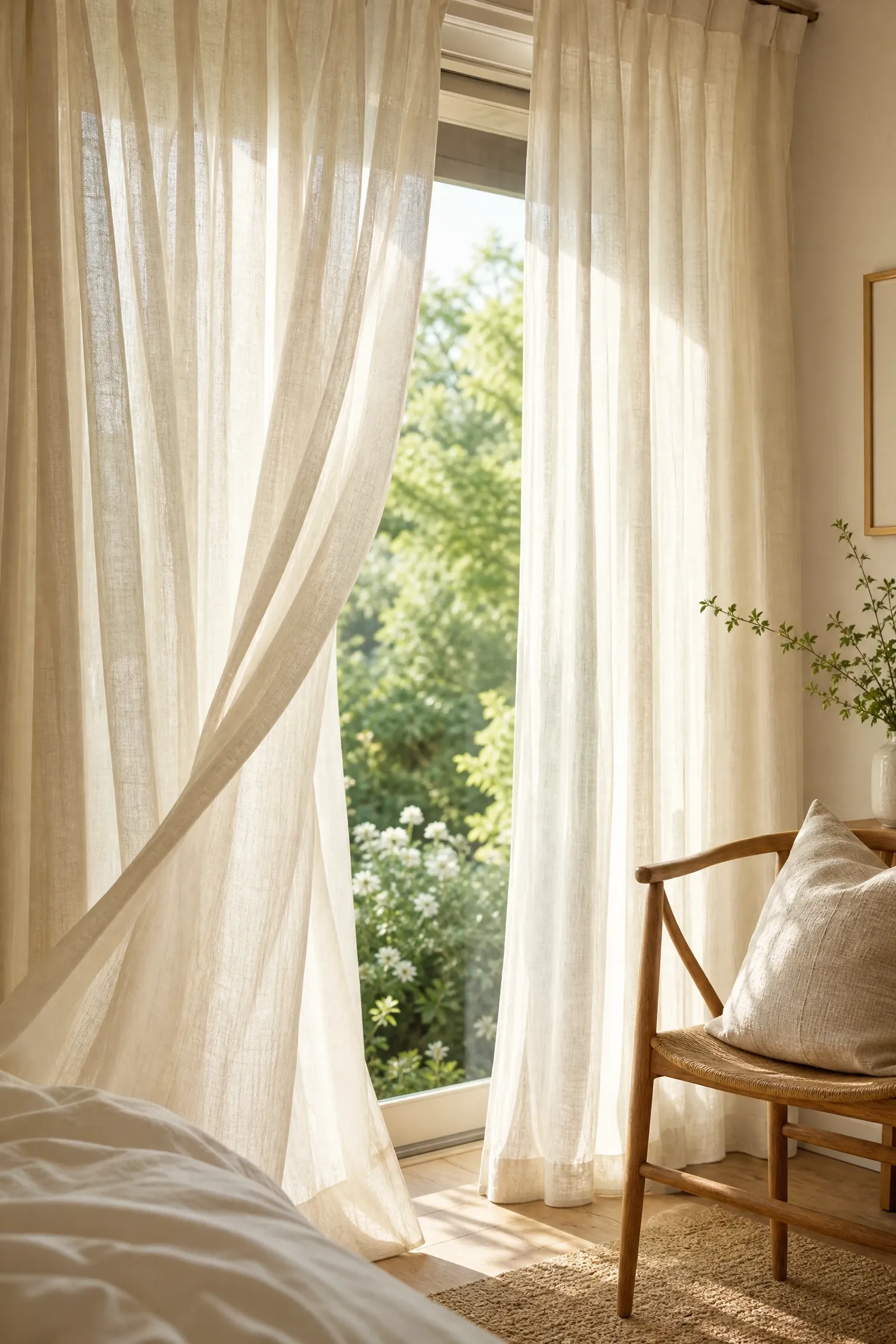
Heavy blackout curtains are essential in winter but in summer they block the very thing that makes the season feel special, which is soft natural light. Replacing them with sheer linen or cotton voile panels is one of the most effective low-cost updates you can make. The diffused light that filters through a good sheer panel is flattering for a room in a way that direct sun rarely is; it softens shadows, makes colours look more accurate, and gives the whole space a warm, golden quality in the late afternoon. Floor-to-ceiling sheers in ivory or soft sage work particularly well in living rooms and bedrooms, and hanging them from a ceiling-mounted rod rather than a window frame creates the illusion of taller ceilings. If you still need some light control, layer sheers over a simple roller blind in the same neutral tone. The practical note is that true linen sheers wrinkle easily, so if you want a more relaxed look, that is fine, but for a crisper finish, look for a linen-cotton blend, which holds its shape better.
Designer Tip: Hang curtain rods 4 to 6 inches above the window frame and extend them 8 to 10 inches on either side. This makes windows look significantly larger and lets in more light.
4. Try a Coastal Blue and Sandy Neutral Colour Story
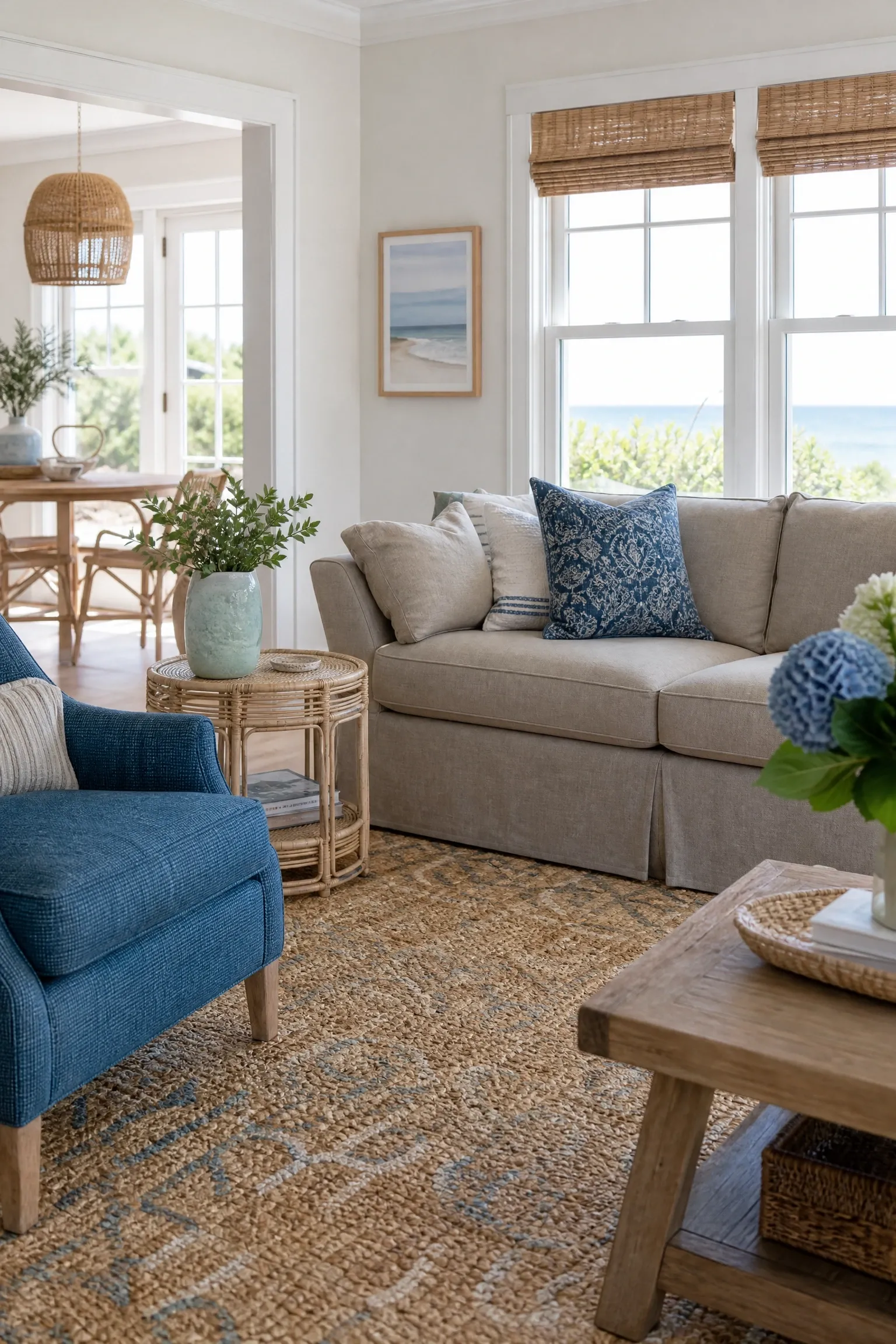
Coastal colour palettes get dismissed as overdone by some designers, but when they are handled with restraint they are genuinely hard to beat for summer. The version that works best right now is not the heavy navy-and-white nautical look but a softer combination of sea glass blue or muted teal, sandy linen neutrals, and driftwood-toned wood. In a living room, this might mean a sofa in a warm greige, a teal blue accent chair, and a rug in a natural woven fibre like seagrass or sisal with a subtle blue-and-cream pattern. On the walls, a pale warm grey or soft white lets the blue accents do the work without the room feeling colour-saturated. Ceramic accessories in matte sea glass tones, a few pieces of bleached rattan, and a cotton throw with a simple stripe pull the look together without tipping into full beach-house territory. This palette works in most room sizes and is particularly good in north-facing rooms that do not get much direct sun, since the blue tones read as fresh rather than cold against a warm neutral backdrop.
Designer Tip: Keep wood tones light and warm in a coastal palette. Dark or orange-toned wood breaks the airy quality of the scheme and makes the whole room feel heavier.
Natural Materials: Texture That Breathes
5. Swap Heavy Upholstery for Slipcovers in Linen or Cotton
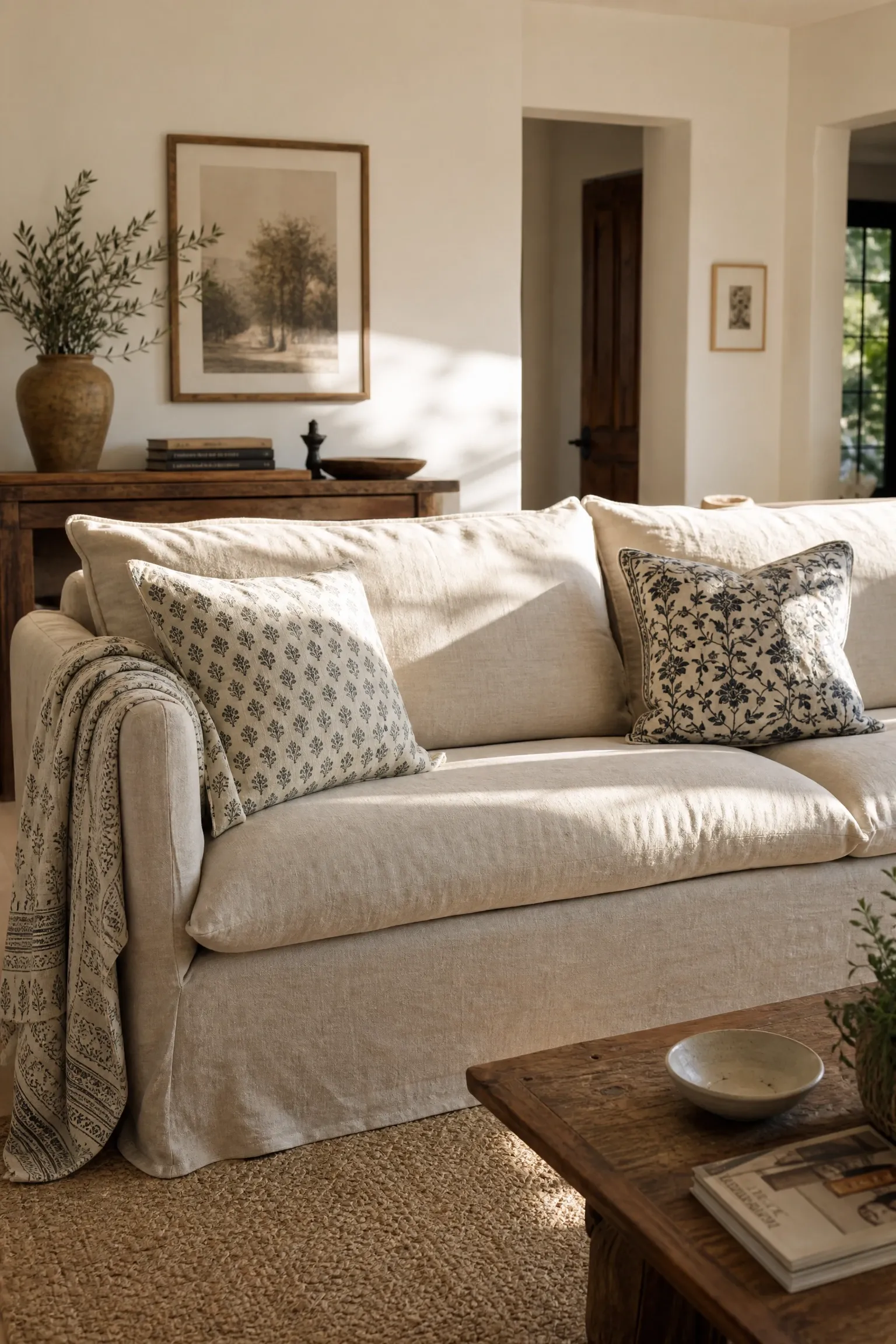
One of the most practical summer decor moves a homeowner can make is covering heavy upholstered pieces in a breathable slipcover. In summer, velvet and boucle sofas feel warm to sit on and visually heavy in the room, while a loose linen or washed cotton slipcover immediately shifts the whole mood. This is a well-established approach in European interior design, particularly in Mediterranean homes where slipcovers are used seasonally as a matter of course. The washed linen slipcovers from brands like Comfort Works or BEMZ are well-made and custom-fitted, which avoids the sloppy look that poorly fitted slipcovers can give. In terms of colour, off-white, natural linen, soft sage, and pale blush are all strong choices that read as intentionally summery rather than just neutral. The honest limitation is that slipcovers require more frequent washing than upholstery, particularly in households with children or pets, so factor that in before committing. That said, for the seasonal freshness they bring, most people find the extra laundry worthwhile.
Designer Tip: Pre-wash linen slipcovers before fitting them. Linen shrinks slightly in the first wash, and a pre-washed slipcover will fit more accurately and wrinkle more gracefully.
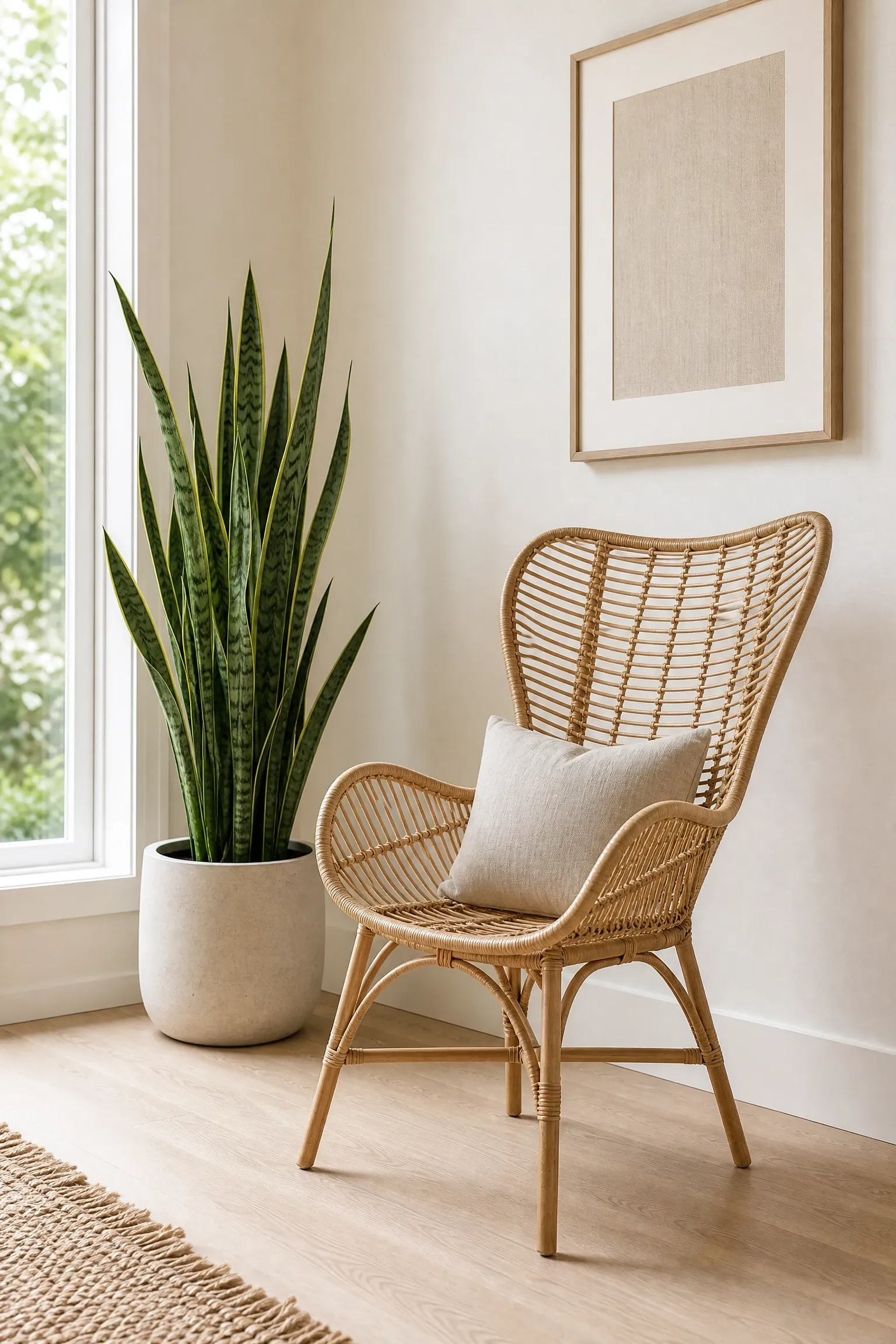
Rattan furniture has had a strong resurgence over the past several years and it shows no signs of slowing down, particularly for summer interiors. The material works because it is visually light even when it is structurally substantial; a rattan armchair takes up similar visual space to an upholstered chair but feels far less heavy in a room, which is exactly what you want in warmer months. A single statement rattan or wicker piece, whether that is an armchair, a pendant light shade, a side table, or even a bed headboard, is enough to shift a room’s seasonal character without a full redesign. The most current versions use natural, undyed rattan with thin, sculptural profiles rather than the thick, dark-toned wicker associated with 1970s interiors. Pair rattan with linen, cotton, or lightweight wool textiles to keep the look grounded, and avoid combining it with heavy patterns, which compete with the texture of the material itself. Budget-wise, rattan is widely available at accessible price points, and vintage or second-hand pieces are plentiful at estate sales and online marketplaces.
Designer Tip: A rattan pendant light shade is the easiest and most affordable entry point. It changes the quality of light in the room and immediately signals a relaxed, summer aesthetic.
7. Layer a Natural Fibre Rug Over Your Existing Floor
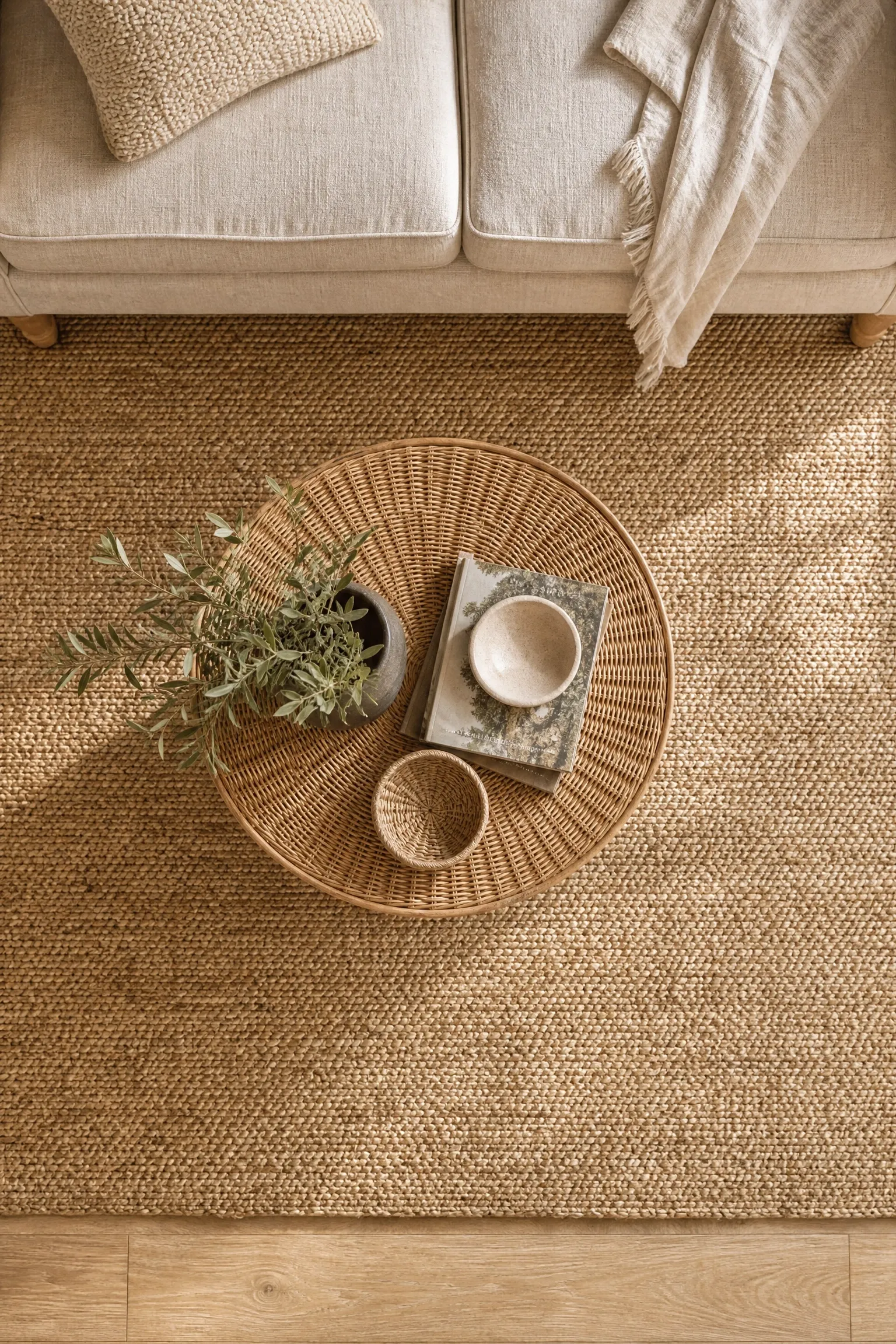
Rugs are one of the most underused seasonal decor tools. Rolling up a heavy wool or shag rug and replacing it with a flat-weave jute, sisal, or seagrass rug is one of the fastest ways to make a room feel summer-ready, and it makes practical sense too since flat-weave natural rugs are easier to keep clean during the months when people track more dirt indoors from outdoor activities. Seagrass in particular has a beautiful textural quality that reads as organic and warm without adding visual weight. The typical concern with natural fibre rugs is that they can feel rough underfoot, and that is a fair point; sisal is the roughest of the group, jute is mid-range, and seagrass is generally the softest. If comfort is a priority, look for a jute rug with a cotton backing or a jute-cotton blend, which adds a degree of softness. In terms of sizing, always go larger than you think you need; a rug that only fits under the coffee table makes a room feel disconnected, while one that extends under all the front legs of the seating creates a grounded, finished look.
Designer Tip: Store your heavier rugs rolled (never folded) in a cool, dry space over summer to avoid permanent creases and moisture damage.
8. Style Open Shelves with Woven Baskets and Ceramic Vessels
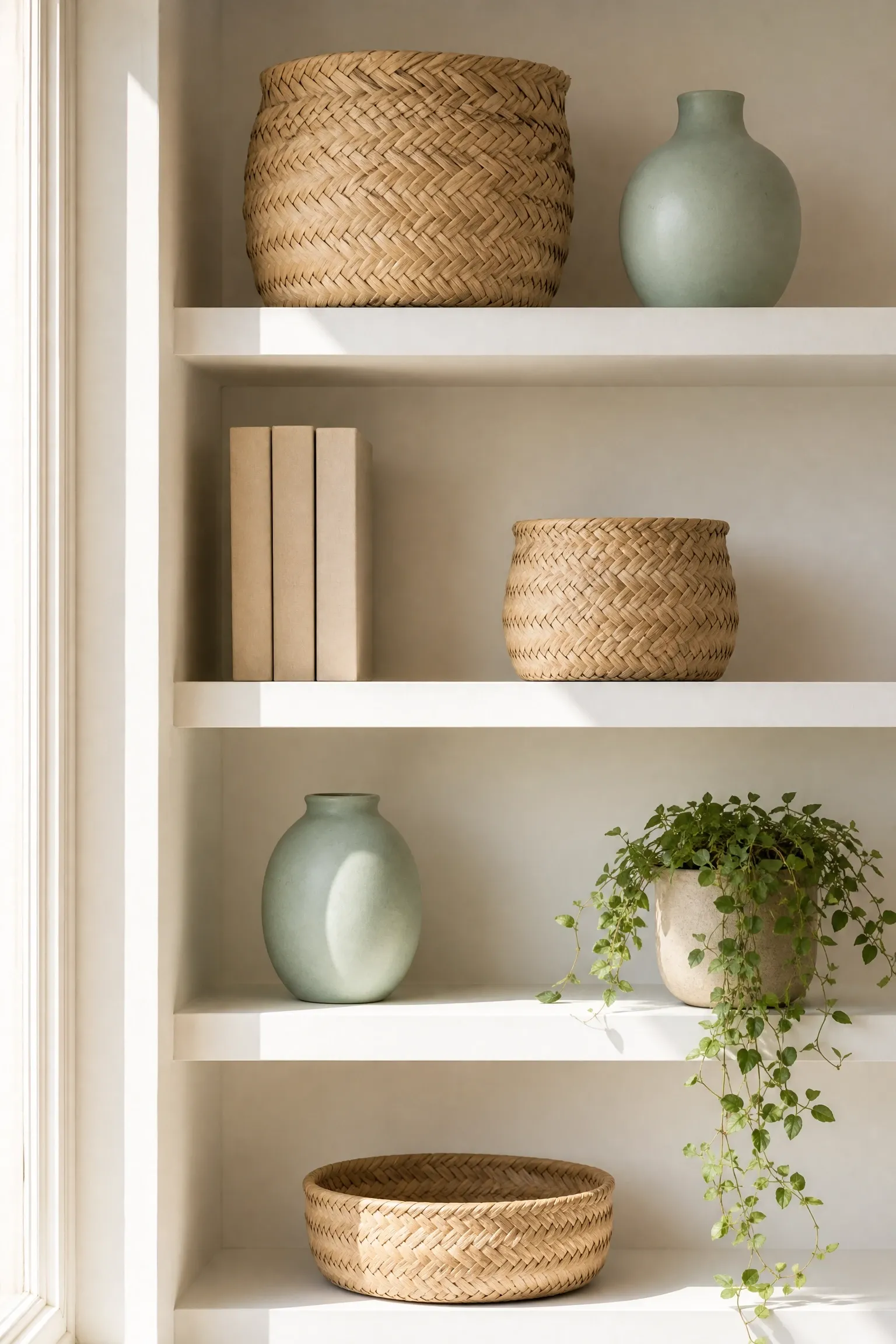
Open shelving is one of those things that looks effortless in design magazines but often feels chaotic in real homes. The summer version works best when you clear everything off and start again with a limited palette of natural materials: woven baskets in graduated sizes, matte ceramic vases in earth tones or sea glass colours, a few books with their spines turned inward for a cleaner look, and one or two living plants or dried botanical stems. The key to making this look intentional is odd numbers and variation in height. Three items at varying heights look considered; two items at the same height look like you ran out of ideas. Woven palm leaf or sea grass baskets are particularly good for summer because they add warmth and texture without colour, which means they work alongside almost any accent colour you are running through the room. Keep the overall density of the shelves lower than you might in winter; negative space on a summer shelf reads as deliberate and stylish, while a crowded shelf reads as cluttered regardless of how beautiful the individual pieces are.
Designer Tip: Edit your shelves down to 60 percent full in summer. The empty space is part of the design, not a gap waiting to be filled.
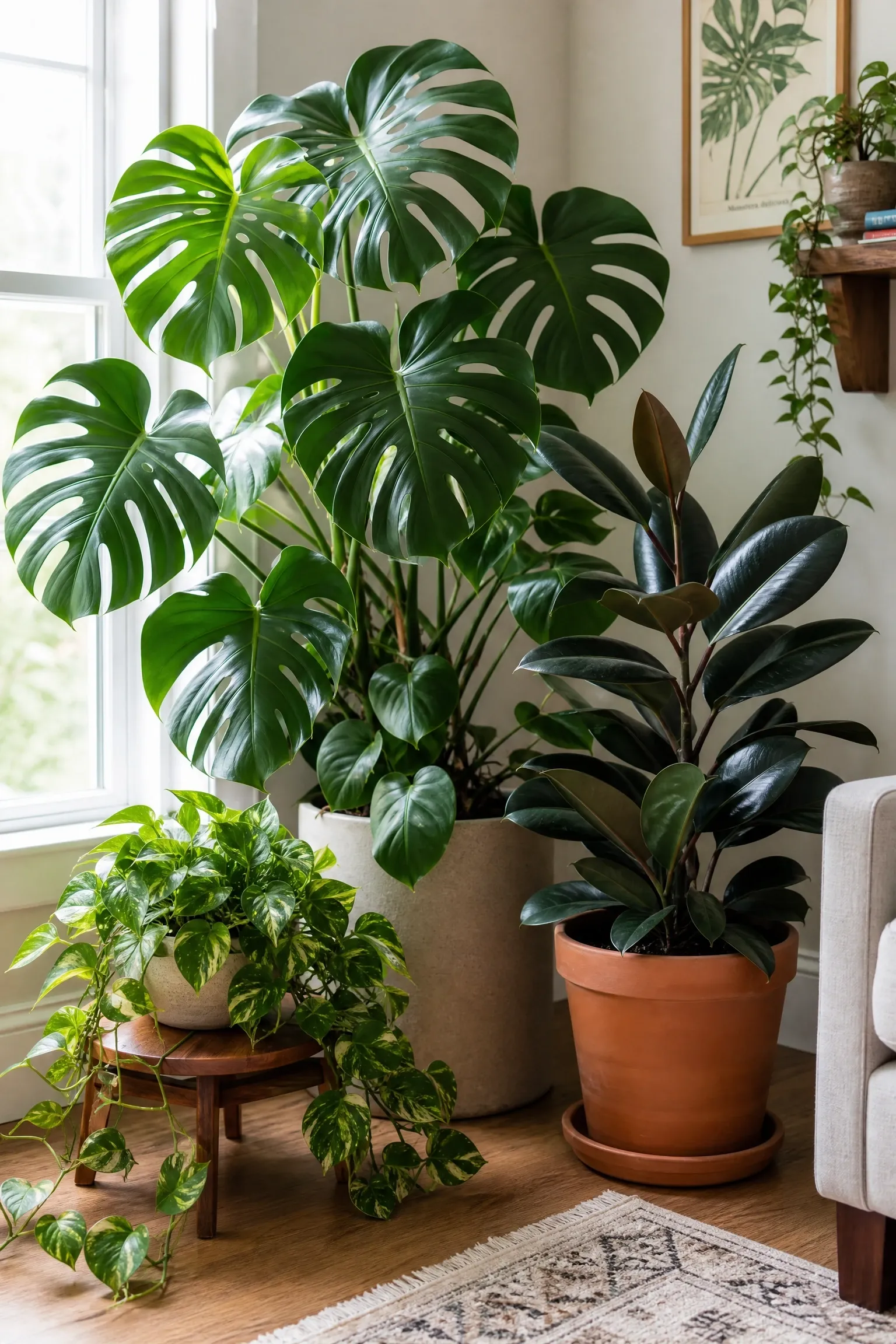
Biophilic design, which refers to the human instinct to be near natural elements, is one of the most well-researched areas of interior design, and it consistently shows that rooms with living plants feel more calming and restorative than those without. For summer, rather than dotting individual plants around a room, one approach that works really well is grouping several plants of varying sizes and leaf shapes in one corner to create a proper focal point. A tall Monstera deliciosa or a Bird of Paradise acts as the anchor, with mid-height plants like a rubber tree or a large snake plant filling in alongside it, and small trailing plants or succulents at the base or on a low side table nearby. This layered, jungle-corner approach is popular in Japandi and tropical-modern interiors and it gives a room a lush quality without overpowering it. The honest note here is that this only works if you are realistic about your light conditions; most large tropical plants need bright indirect light and will decline quickly in dark corners, so position the display near a north or east-facing window where they will genuinely thrive.
Designer Tip: Use plant stands at different heights to create visual layering. Varying the elevation of your plants makes the corner look styled rather than simply cluttered.
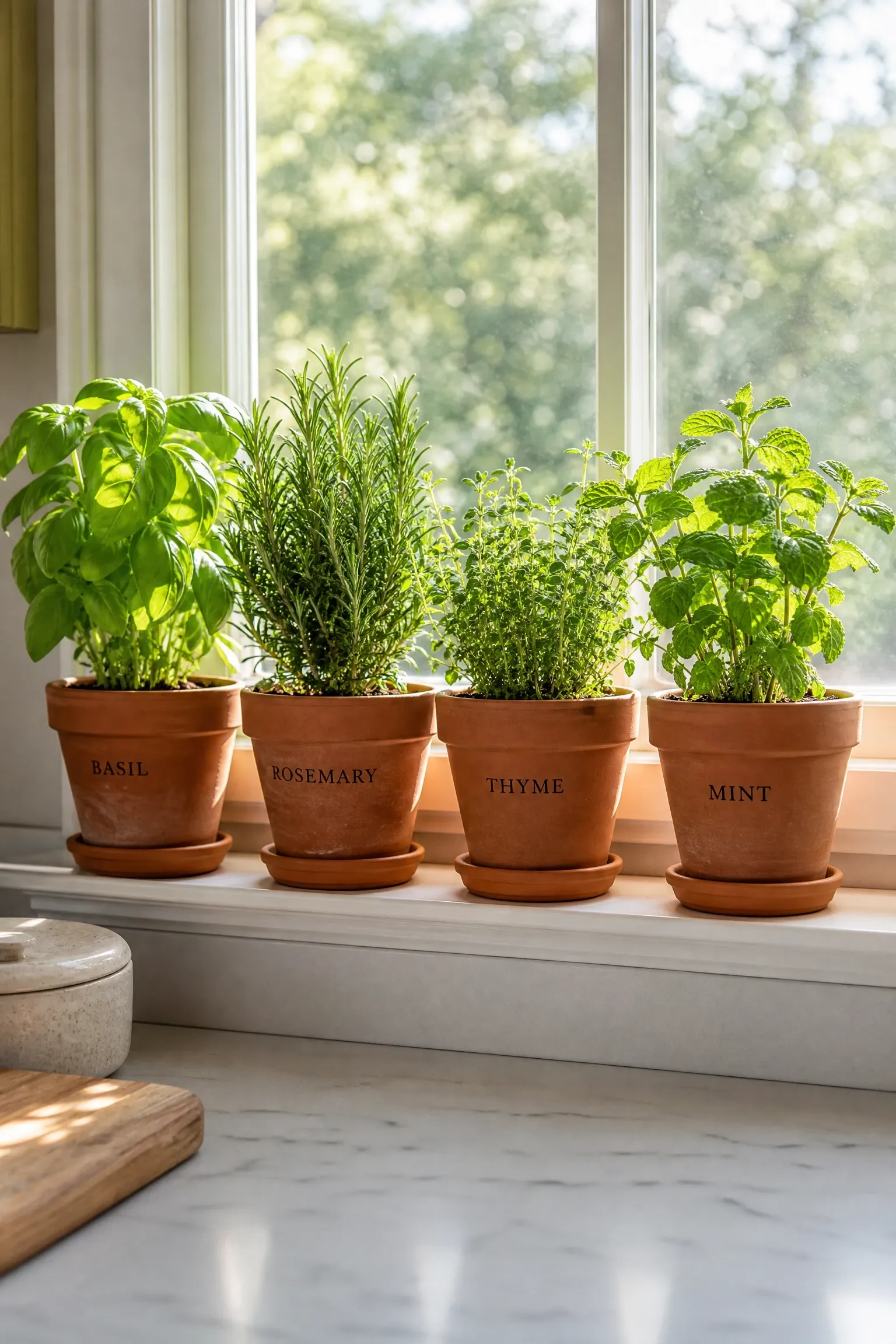
The kitchen windowsill herb garden is one of those ideas that sounds simple but delivers on multiple levels; it is functional, it smells wonderful in summer, and it adds a genuinely lived-in quality that no amount of decorative accessories can replicate. From a design perspective, a row of matching terracotta pots planted with basil, rosemary, thyme, and mint creates a consistent, considered look that ties the kitchen to the season. The terracotta material is particularly good for this because it has a warm, handmade quality that complements both modern and rustic kitchen styles, and the natural reddish tone works alongside almost any colour palette. If you want a more polished look, use identical pots in a matte white or sage green with simple hand-written labels. In terms of practicality, herbs on a south or east-facing windowsill will be the happiest; most culinary herbs need a minimum of four to six hours of direct sun per day to stay productive and healthy rather than leggy and pale.
Designer Tip: Plant herbs that you actually cook with rather than choosing them purely for aesthetics. You are far more likely to water and maintain a herb garden you genuinely use.
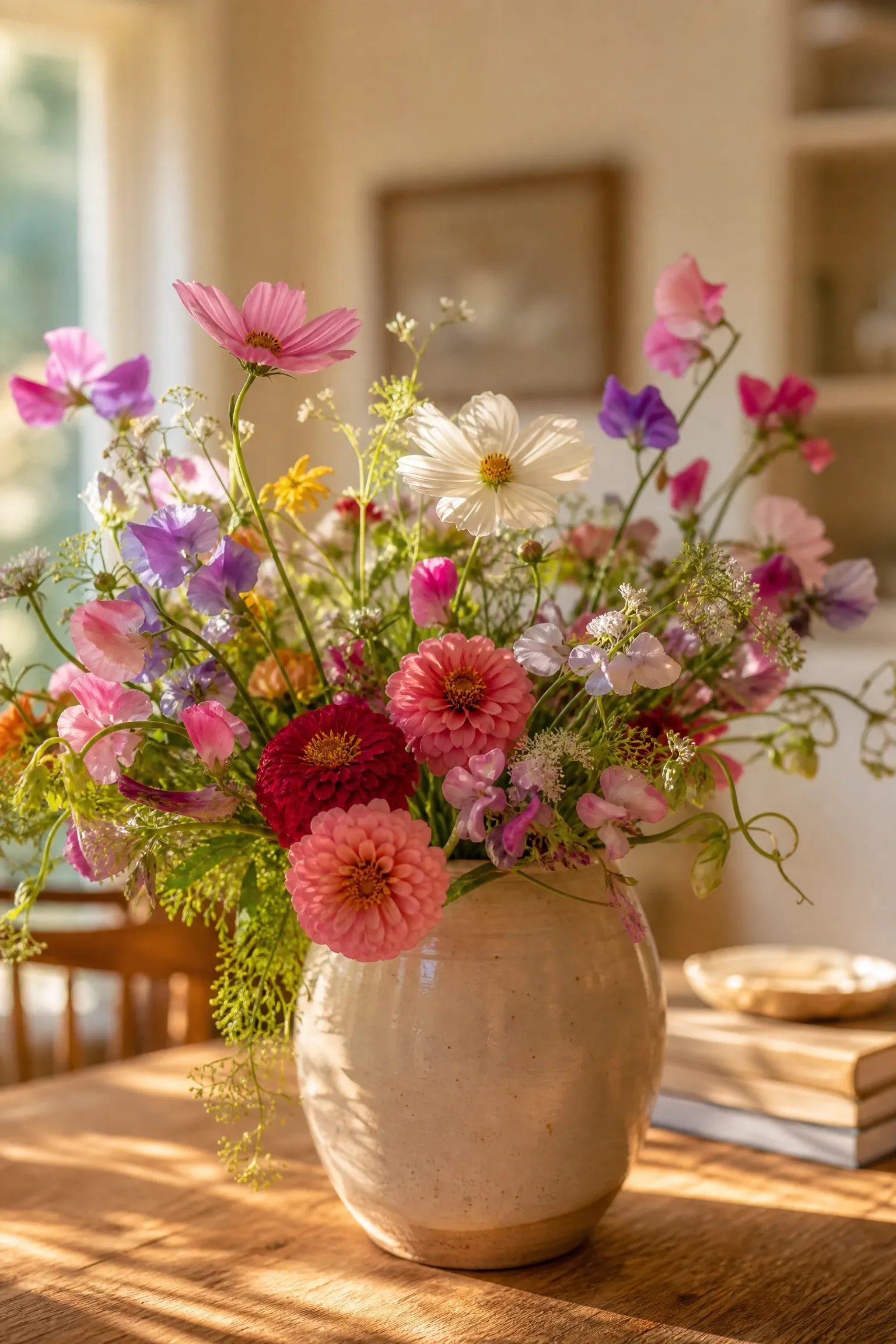
There is no faster way to make a room feel alive in summer than a fresh arrangement of cut flowers, and the key insight from interior photographers and stylists is that the vessel matters as much as the flowers themselves. In summer, loosely arranged garden flowers in a simple wide-mouthed ceramic vase or a clear glass bottle look far more natural and appealing than tightly structured florist arrangements in formal vases. Sunflowers, zinnias, cosmos, dahlias, and sweet peas are all in season during summer months and are either inexpensive to buy or easy to cut from a garden. From a design standpoint, keeping the arrangement loose and asymmetric is the trick; an overly symmetrical or structured bouquet reads as formal, while a loosely gathered arrangement with varying stem heights looks relaxed and intentional. Place fresh flowers in the spots that you photograph most often in your home because that is usually where the natural light is best, and that is also where the visual impact will be greatest.
Designer Tip: Change the water daily and trim the stems at an angle every two to three days. This simple maintenance doubles the lifespan of most cut flowers and keeps them looking fresh.
12. Use Dried Botanicals for Low-Maintenance Summer Texture
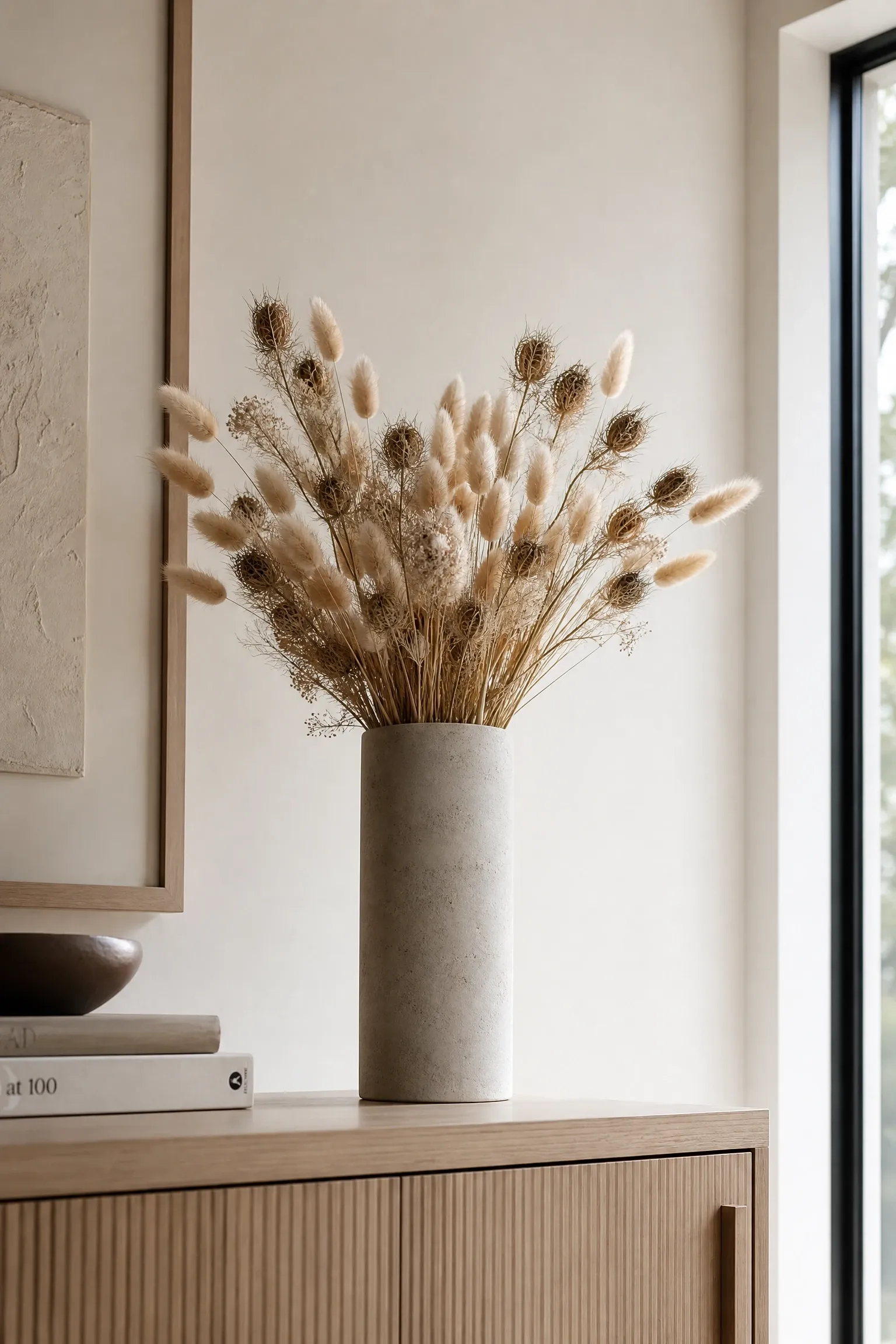
Dried botanicals have moved well beyond the dusty pampas grass phase and are now a genuinely sophisticated material in interior design. For summer, the best options include dried grasses like bunny tail grass or fountain grass, dried cotton stems, preserved eucalyptus, and dried seed heads from plants like nigella or allium. These materials add beautiful organic texture to a room without the maintenance commitment of fresh flowers and without the synthetic quality of faux florals. A tall, simple glass vase or a stone-look ceramic with a generous bundle of dried grasses creates a sculptural quality that works particularly well in minimal or Japandi-inspired spaces. The colour palette of dried botanicals, which runs from pale straw to warm honey to dusty sage, fits naturally into most summer colour schemes and requires no styling updates when the season changes. The honest note is that dried botanicals do accumulate dust and should be refreshed every season or gently cleaned with a cool hair dryer on a low setting to remove build-up.
Designer Tip: Avoid mixing too many dried botanical types in one vase. One or two varieties in a generous bunch looks intentional; five or six different types in one arrangement looks like a craft project.
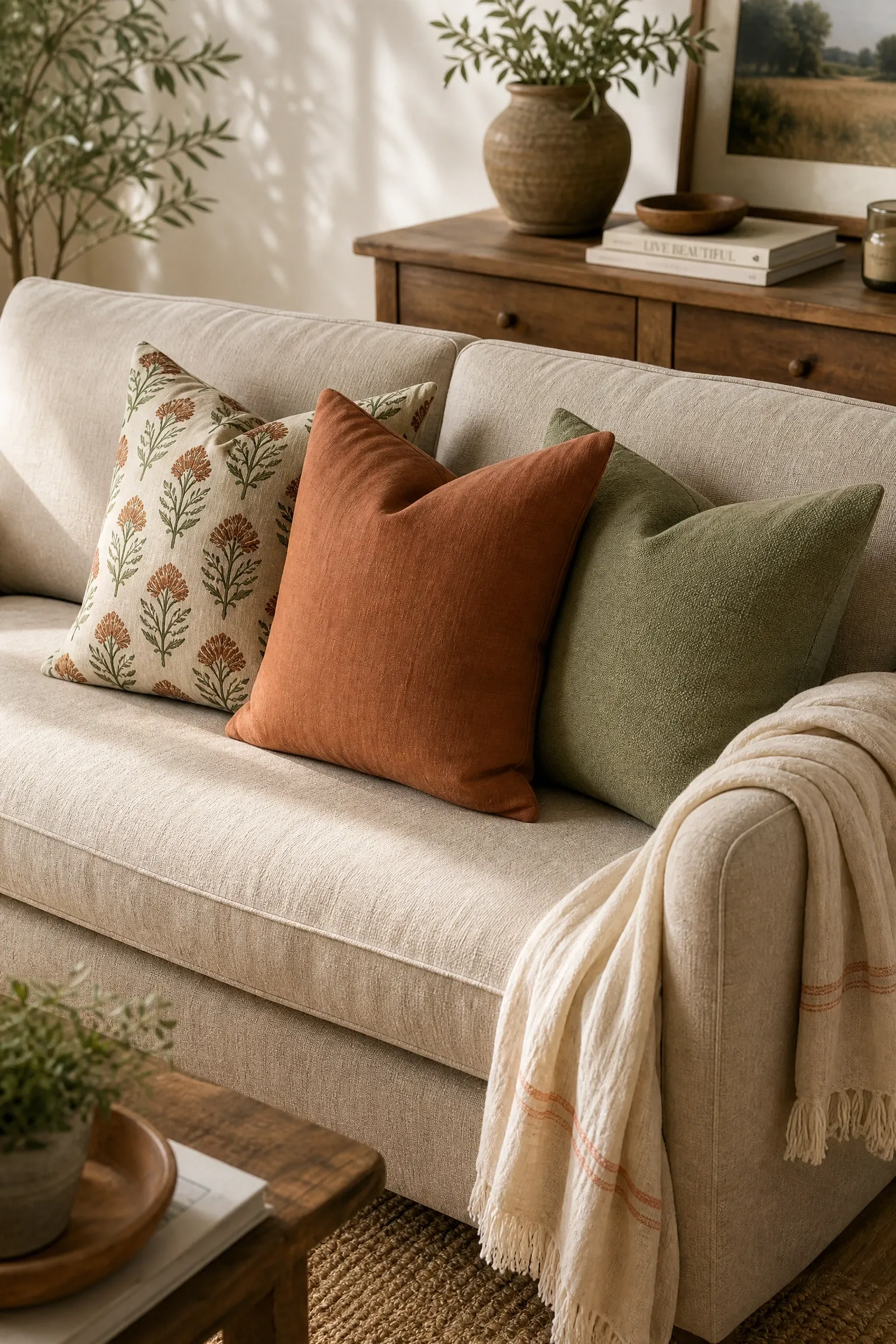
Throw pillow covers are one of the most cost-effective seasonal decor tools available, and yet a lot of people overlook them because buying whole new pillows feels wasteful. Most standard pillow inserts come in sizes that are widely interchangeable, so investing in a set of quality inserts once and then switching out cover sets between seasons is both economical and practical. For summer, the textures and patterns that work best are woven cotton covers with a subtle stripe in warm neutrals, block-printed linen covers in botanical motifs, or simple solid covers in a terracotta, sage green, or dusty coral tone. The pillow arrangement that photographers favour for summer is three to four pillows per sofa rather than the maximalist five or six cushion approach, which reads as more relaxed and less formal. Avoid very glossy or synthetic fabrics in summer since they feel warm to the touch and look out of place alongside the natural material trend that dominates this season.
Designer Tip: Invest in an inner insert that is one size larger than the cover. An 18-inch insert in a 16-inch cover gives pillows a fuller, more luxurious appearance than a perfectly matched size.
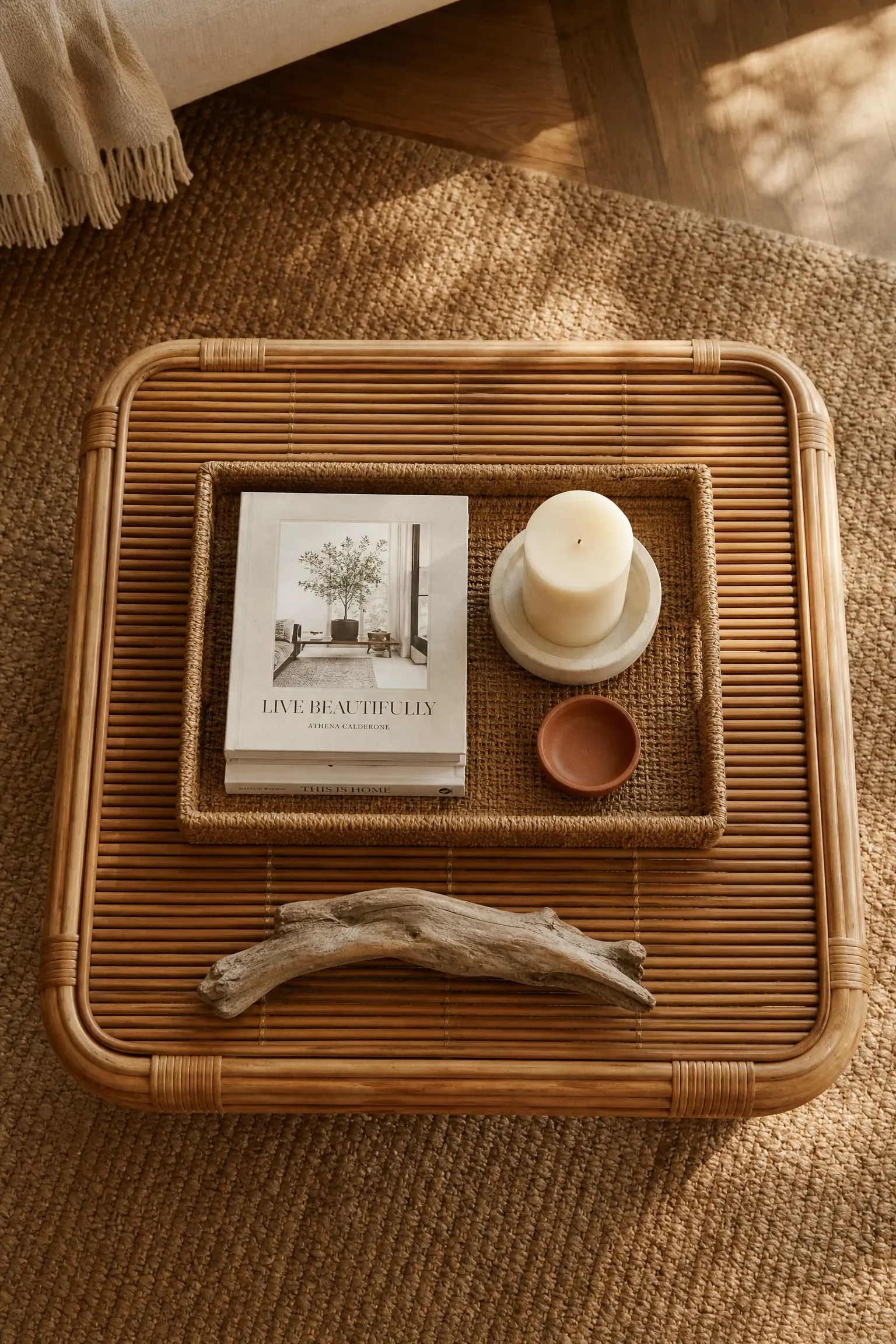
The coffee table is the most photographed surface in most living rooms and it is one of the easiest to style intentionally for the season. A summer coffee table display works best when it is built around a central tray, which corrals smaller items and prevents the surface from looking cluttered. Inside the tray, consider a small stack of two or three design or travel books with interesting covers, a single candle in a warm summer scent like fig, neroli, or sea salt, a small ceramic bowl for loose objects, and one sprig or small vase of something natural. Outside the tray, a larger sculptural object like a piece of driftwood, a smooth stone, or a generous candle in a wider vessel gives the display visual weight and balance. The principle at work here is contrast of scale: large objects anchor the display while small objects add detail, and the tray provides visual containment that makes the whole thing feel considered rather than accumulated. Keep the overall palette consistent with the colours you are running through the rest of the room.
Designer Tip: Remove the remote controls from the coffee table display. Store them in the tray or a small dish nearby. The visual difference when remotes are hidden is remarkable.
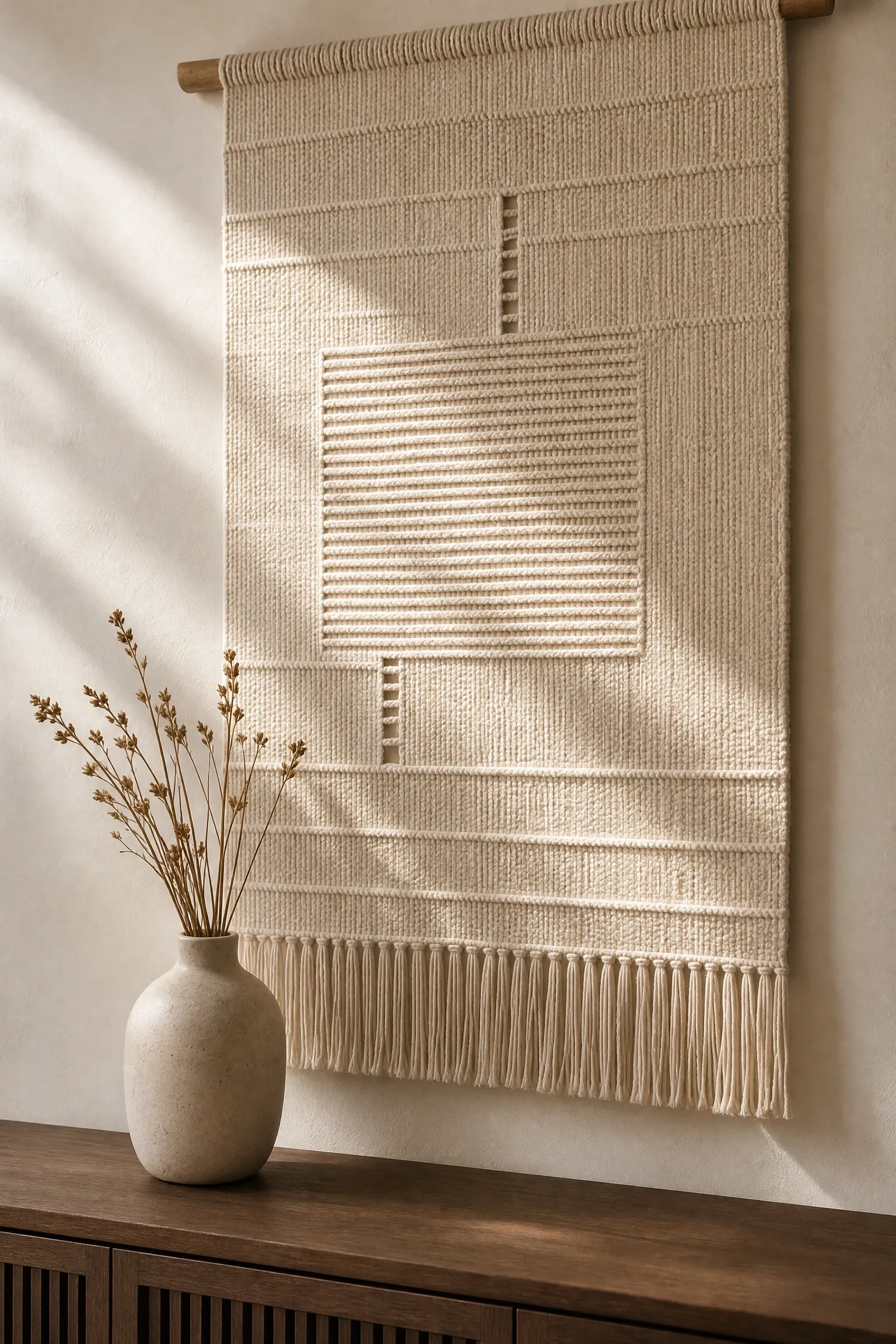
15. Hang Woven Wall Art or Macrame for Texture at Eye Level
Textile wall art has had a strong decade in interior design, and for summer it remains one of the best ways to add warmth and texture to a wall without the permanence of paint or wallpaper. The current approach favours more refined and restrained versions of macrame, moving away from the heavily knotted maximalist pieces toward simpler, more sculptural designs with cleaner lines and a more limited colour range. Woven wall hangings in undyed cotton or natural wool, or simple mixes in earthy tones, work particularly well in bedrooms and living rooms where you want a tactile focal point that does not rely on colour. From a practical standpoint, these pieces hang with a single nail or hook and can be changed seasonally without damage to walls. The scale matters more than most people realise: a small piece on a large wall looks tentative and unintentional, so if you are filling a significant expanse of wall, look for a piece that is at minimum one-third the width of the sofa or bed below it.
Designer Tip: Hang wall art so the centre of the piece sits at approximately eye level, which is around 57 to 60 inches from the floor. This is the standard used in galleries and it works in residential spaces too.
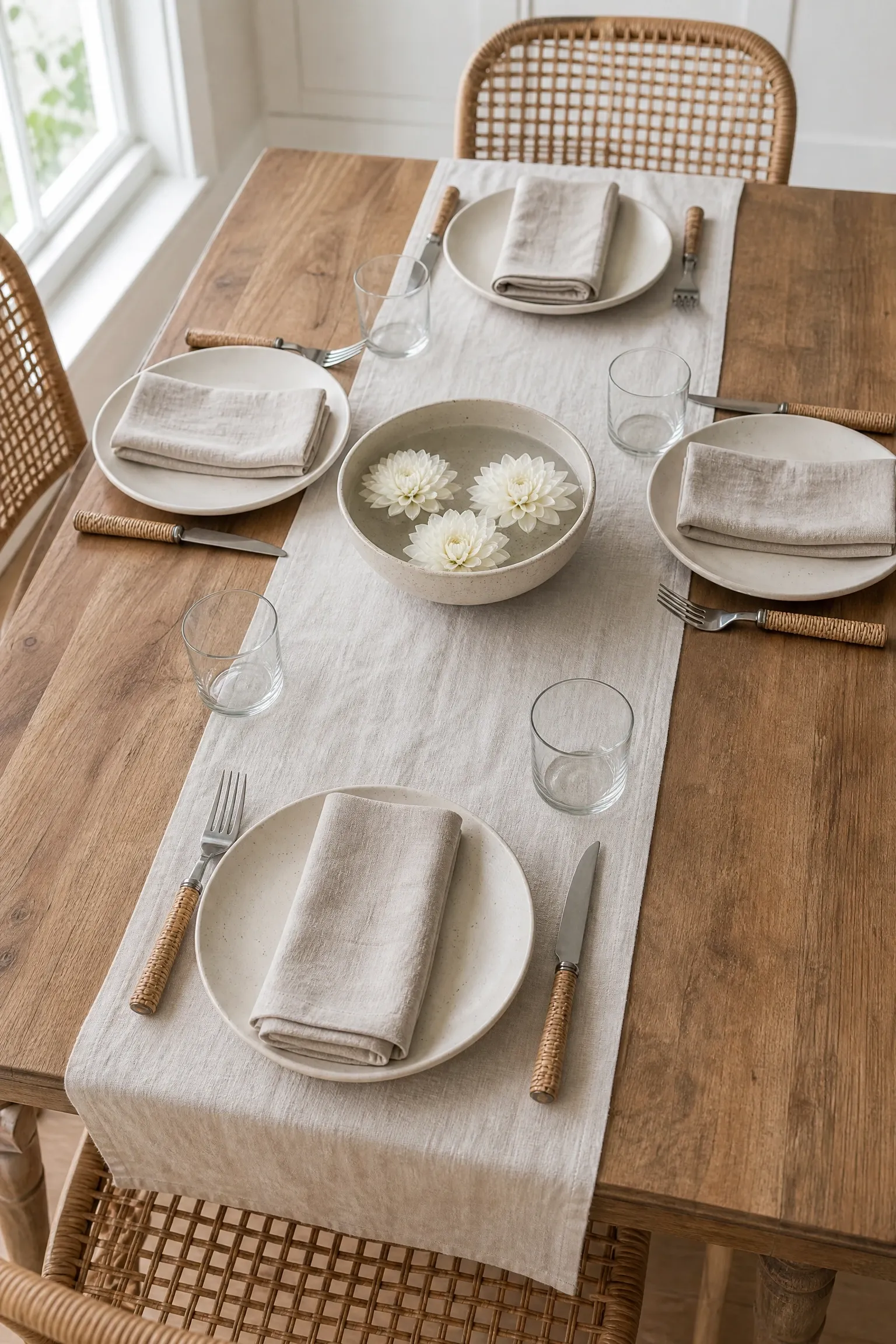
16. Create a Summer Tablescape for Everyday Dining
Dining tables in summer deserve more attention than they typically get outside of formal entertaining. An everyday summer tablescape does not need to be elaborate; in fact, the most appealing versions are deliberately simple and functional. Start with a natural linen table runner in oat or warm white rather than a full tablecloth, which gives the table a casual elegance that works for both daily meals and dinner parties. Layer on simple ceramic or stoneware dishes in a matte finish, since high-gloss tableware reads as more formal and less summer-appropriate, and add a set of rattan or wooden-handled cutlery for a tactile warmth that standard stainless steel does not provide. A low centrepiece, short enough to maintain sight lines across the table, in the form of a ceramic bowl with floating flowers or a cluster of pillar candles in varying heights keeps the table looking considered without being overdressed. The practical thing to know about maintaining a set tablescape is that the runner and centrepiece do most of the work; the dishes and cutlery can be cleared away and reset without losing the styled quality of the table.
Designer Tip: Choose a centrepiece that sits below 12 inches in height so it does not interrupt conversation across the table. Low arrangements are a hallmark of well-planned tablescapes.
Cooling Touches and Lighting: The Feel of Summer Evenings
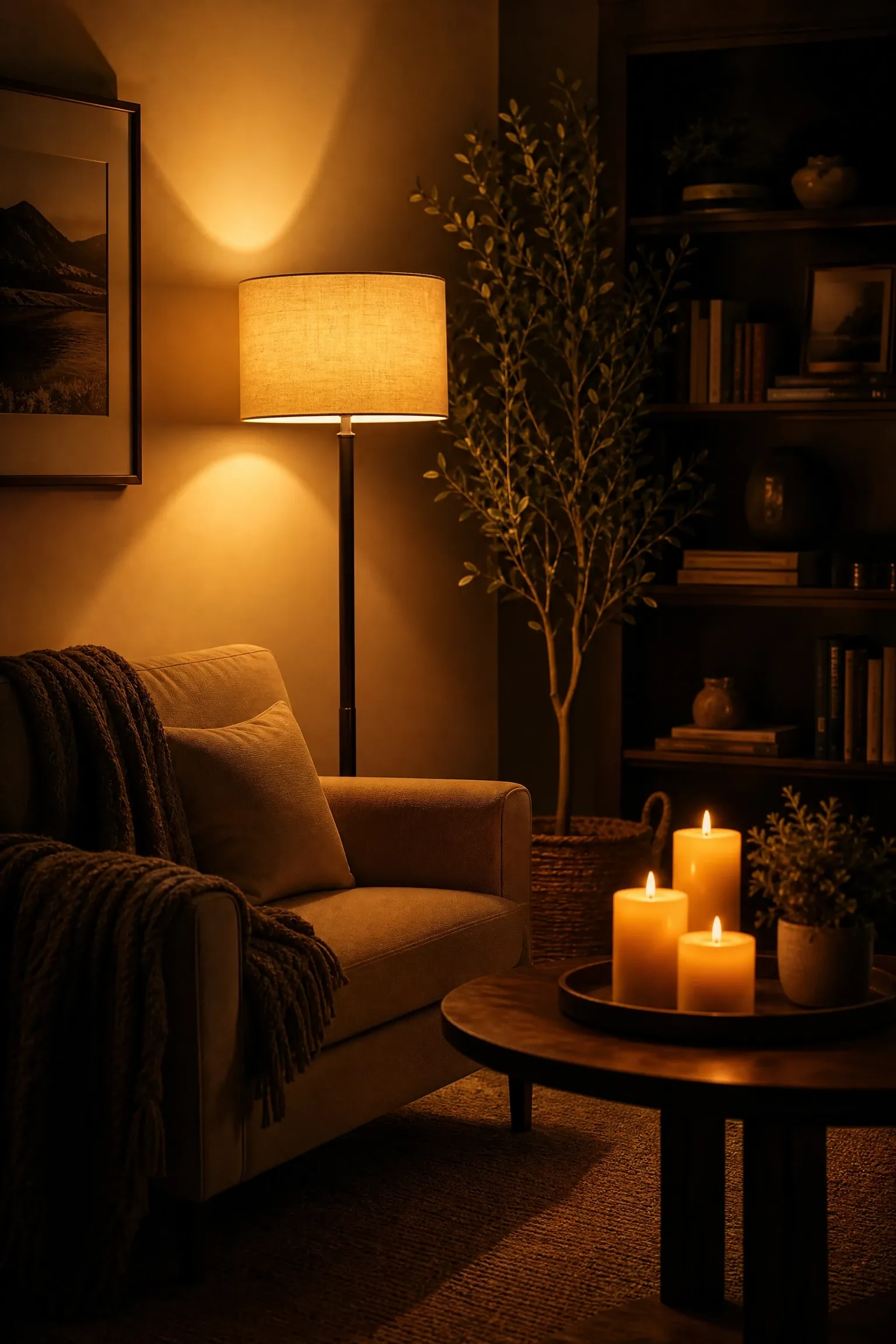
17. Switch to Warm-Toned Ambient Lighting in the Evening
Layered lighting is one of those design concepts that sounds complicated but in practice it is simply about using multiple light sources at different heights rather than relying on a single overhead fixture. In summer, this becomes particularly important in the evenings because the goal shifts from task-oriented brightness to creating a warm, relaxed atmosphere that feels like an extension of the golden hour outside. The combination that works best for a summer evening living room is a floor lamp with a warm amber shade, one or two table lamps on low side tables, and a cluster of pillar candles or LED candles on a coffee table or mantle. The colour temperature of your bulbs matters enormously here: bulbs in the 2700K to 3000K range produce a warm, incandescent quality that reads as cozy and golden, while anything above 4000K gives a cooler, more clinical light that kills the summer evening mood. If your overhead light is the only source currently in a room, adding a single floor lamp with a warm-toned bulb will make a more significant difference to the room’s atmosphere than almost any decorative change you could make.
Designer Tip: Put your main overhead light on a dimmer switch if you have not already. The ability to lower the intensity of overhead lighting is the single most cost-effective lighting upgrade a homeowner can make.
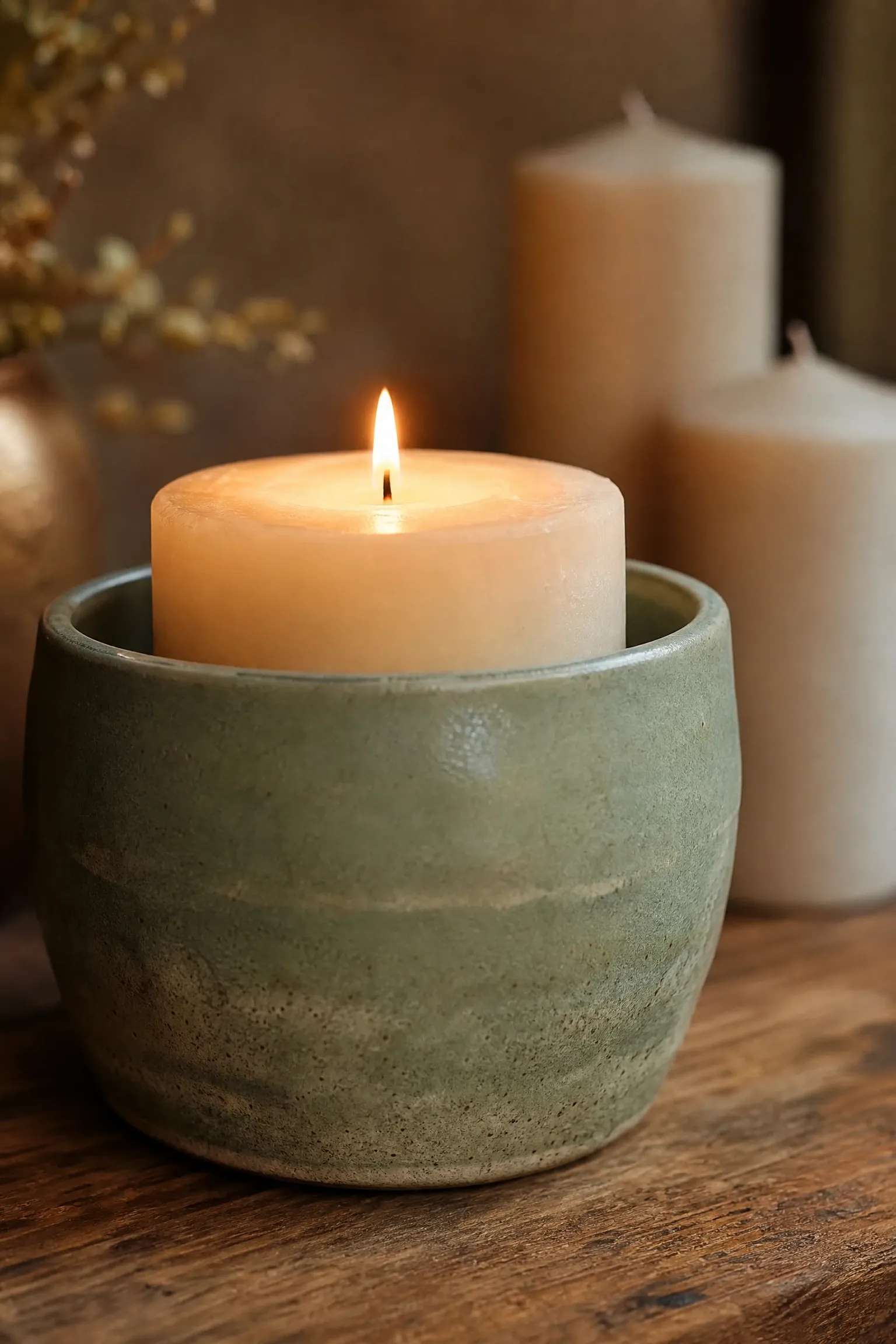
18. Use Candles and Natural Scent to Set a Summer Atmosphere
Scent is one of the most powerful and underused tools in interior design, and in summer it takes on an outsized role because the warmer temperatures cause scents to diffuse more readily through a space. The scent profiles that work best for summer interiors are fresh and green rather than warm and spicy: think fig leaf, neroli, white tea, lemon verbena, sea salt, and light florals like freesia or peony. A quality soy or beeswax candle in one of these scents, placed in a room you spend time in during the evening, changes the quality of the experience in that room in a way that is hard to articulate but immediately noticeable. From a design standpoint, candles also contribute to a room’s aesthetic: a cluster of varying-height pillar candles on a tray, or a single well-proportioned candle in a decorative ceramic vessel, reads as intentional and considered. The practical note is that synthetic fragrance candles can trigger headaches in sensitive people; if you or your household are fragrance-sensitive, look for candles scented with essential oils rather than synthetic fragrance.
Designer Tip: Never burn more than one scented candle in the same room at a time. Competing fragrances are unpleasant and cancel each other out rather than layering in a way that is appealing.
19. Add a Hammock Chair or Swing Seat to a Sunlit Corner
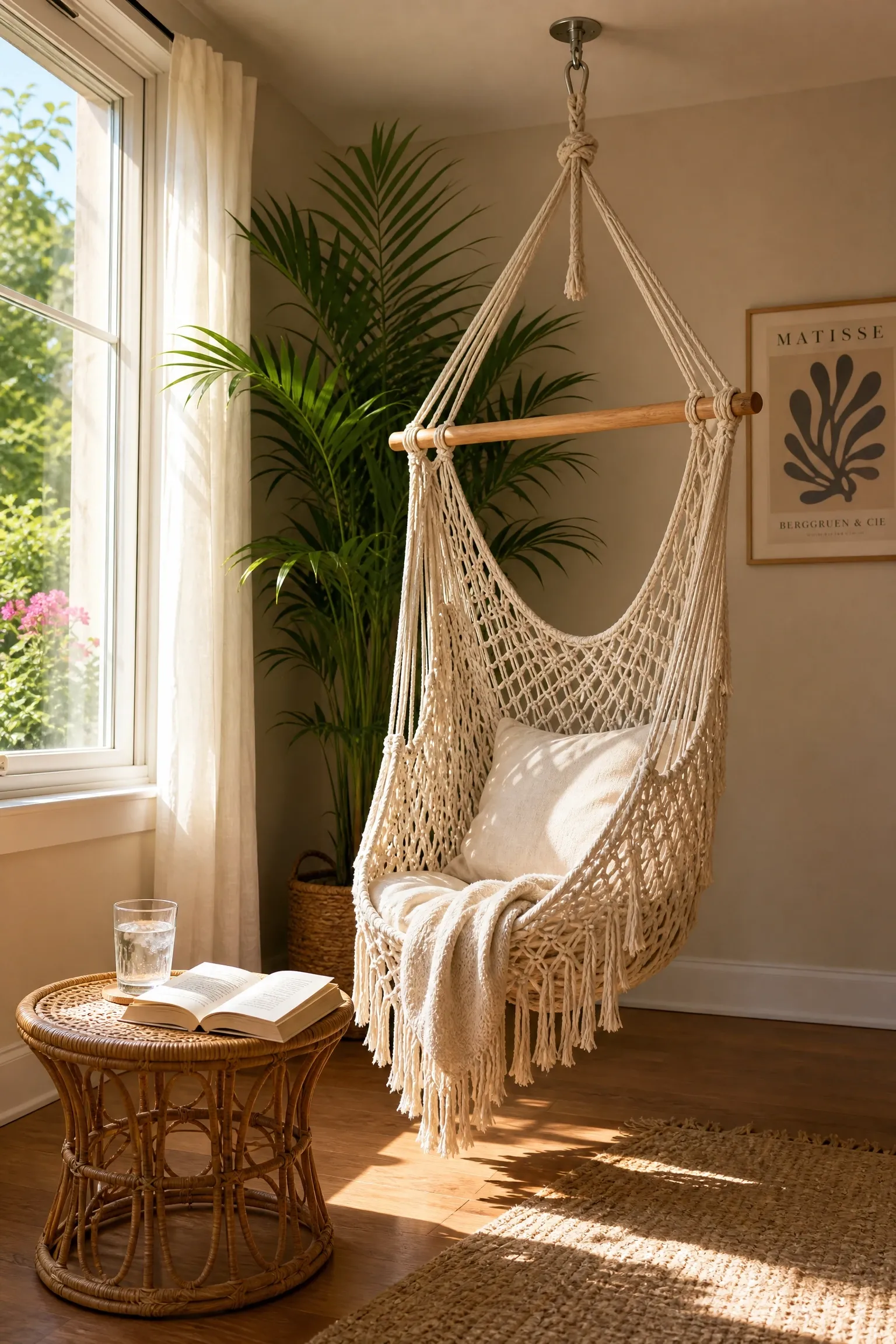
A hanging hammock chair or a swing seat mounted from a ceiling beam or a freestanding frame is one of those ideas that sounds indulgent but in practice delivers an enormous amount of enjoyment relative to its cost. From an interior design perspective, a hammock chair adds a sculptural, organic element to a room that no conventional seating can replicate; the organic curves of a woven cotton or macrame hammock chair create a visual softness that anchors a corner beautifully. Practically, these work best in rooms with high ceilings, since a standard ceiling height of eight feet can feel claustrophobic with a hanging chair, but in rooms with nine-foot-or-higher ceilings, the proportions are usually comfortable. A freestanding hammock chair stand is a good option if ceiling mounting is not possible; these are generally stable and move easily between rooms and outdoor spaces depending on where the sun is. Place the chair in the most sun-filled corner of your home with a small side table and a reading light nearby and it quickly becomes the most used seat in the house during summer.
Designer Tip: Ensure your ceiling mount is anchored into a joist, not just drywall. A hammock chair puts significant lateral load on its mounting point and drywall alone will not hold it safely.
20. Set Up an Outdoor-Inspired Reading Nook Indoors
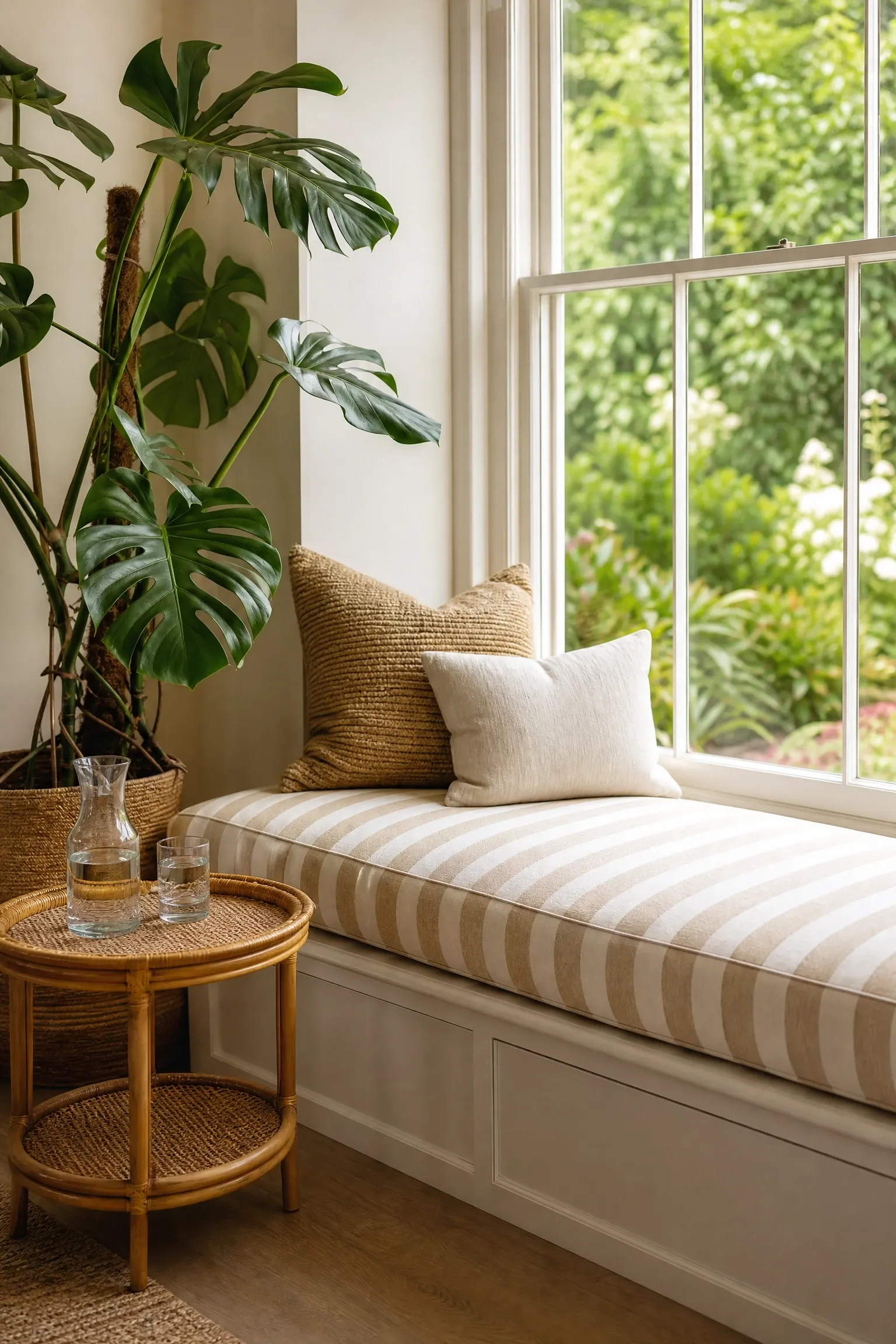
One of the most successful summer interior concepts I have seen executed well is the indoor space that blurs the boundary with the outside, not through wall removal but through material choices, furniture scale, and plant placement. A reading nook built against a window with a low bench or window seat cushion in outdoor-grade fabric (which is colour-fast, moisture-resistant, and generally more durable than regular upholstery), flanked by tall plants, with a rattan side table and natural light as the primary illumination, genuinely feels like an indoor-outdoor space without any structural changes. The outdoor-grade upholstery fabrics from brands like Sunbrella are now available in beautiful, refined patterns that read as interior-quality, so the days of outdoor fabric looking obviously synthetic are well behind us. This nook idea works particularly well in bay windows, alcoves, or any spot near a south-facing window where natural light is generous for most of the day. If the view outside is pleasant, resist the urge to add curtains and let the window itself become the backdrop.
Designer Tip: Add a small tray with a carafe of water and a glass to the reading nook setup. It turns the corner from a styled vignette into a functional, inviting spot people actually want to settle into.
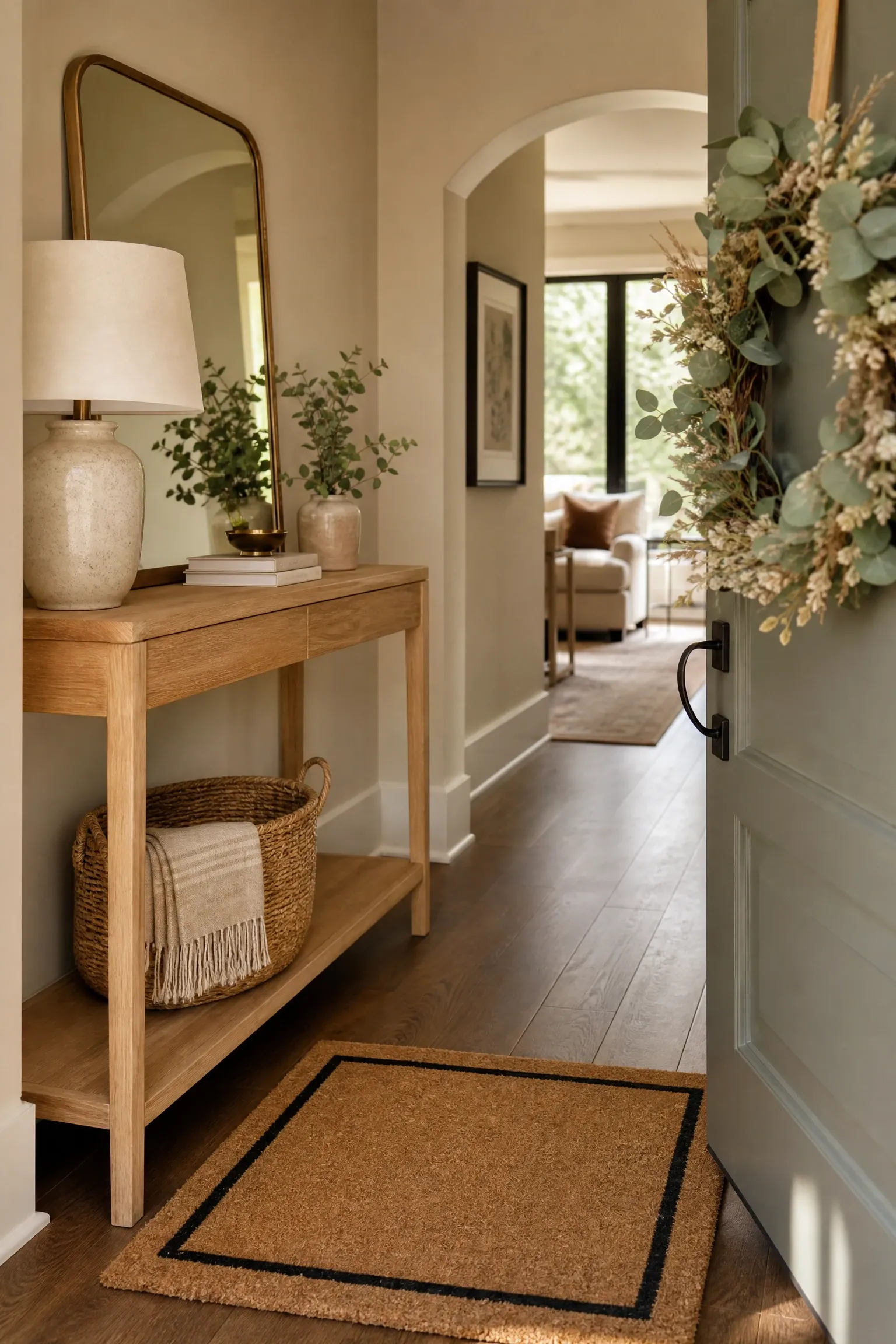
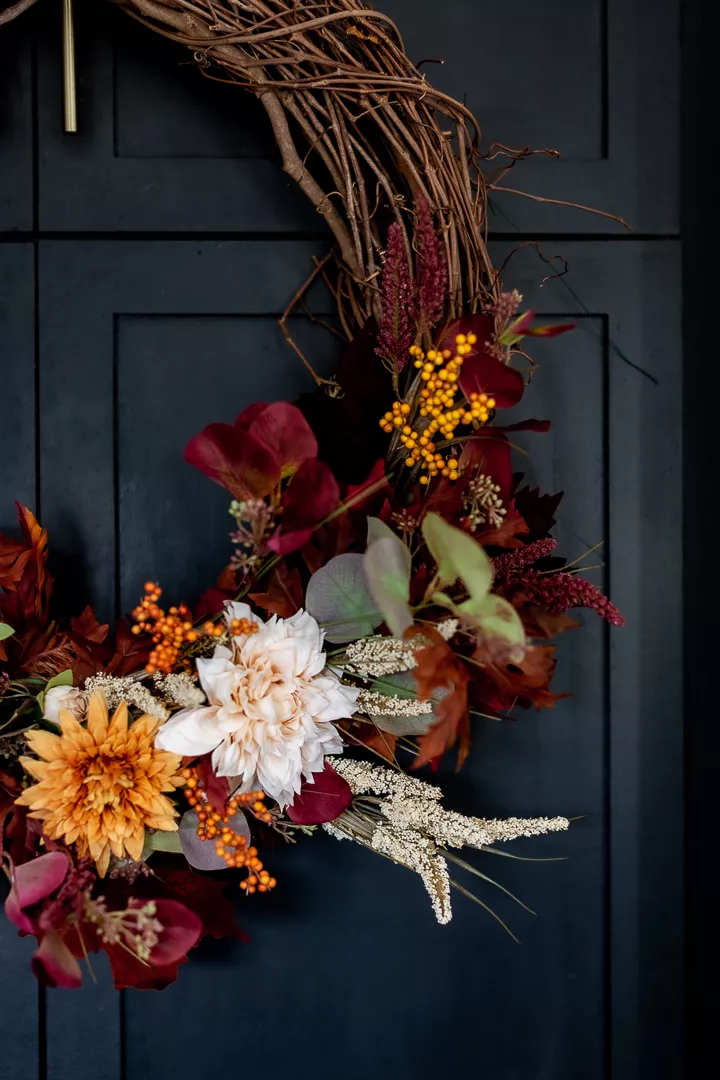
The entryway is the first thing you see when you come home and the first impression your home makes on guests, which makes it worth spending some time on even though it is often a transitional space rather than a room where people linger. For summer, the entryway update is about creating a sense of light and arrival: swap a heavy winter wreath for a fresh eucalyptus or dried botanical wreath on the front door, place a tall rattan umbrella stand or a ceramic umbrella pot near the entry, and update the mat to a natural coir doormat with a simple border. Inside, a console table styled with a ceramic lamp (for warm light in the evenings), a small mirror to reflect natural light, and a simple ceramic bowl for keys and small items creates a functional and welcoming station. If your entryway is very small, a single framed botanical print at eye level and a fresh plant on a wall-mounted shelf can shift the feel of the space without adding any floor furniture. The honest note is that entryways collect clutter faster than almost any other space, so building in a practical storage solution, whether that is a bench with shoe storage or a set of wall hooks, is more important than any decorative choice.
Designer Tip: A mirror in the entryway is not just decorative. Positioned to reflect a window or light source, it can double the apparent brightness of a dark entry hall, which makes an enormous difference to how welcoming the space feels.
Bringing It All Together
Decorating for summer does not require a complete overhaul or a significant budget. The ideas in this article are built around a consistent philosophy: lighter materials, more natural elements, better use of light, and a willingness to edit rather than add. In practice, the homes that feel best in summer are the ones that have removed as much as they have introduced; a thoughtfully styled room with room to breathe will always feel more seasonal and more intentional than one that is dense with accessories.
If you are approaching these ideas with a limited budget, start with the changes that have the biggest visual impact for the lowest cost: swap out throw pillow covers, replace heavy curtains with sheers, add a plant or two, and adjust your lighting to a warmer colour temperature. These four changes alone will shift the feel of a room considerably. If you have more room to invest, the rattan furniture piece, the natural fibre rug, and the slipcover are all mid-range purchases that will serve you well across multiple summers.
Above all, let the season itself be your guide. Summer is about openness, warmth, and the feeling of being connected to the world outside. The best summer home decor does not shout about the season; it simply makes you feel the way the season does, relaxed, light, and genuinely glad to be home.
Frequently Asked Questions
What are the easiest summer home decor changes to make on a tight budget?
The highest-impact, lowest-cost updates are swapping throw pillow covers for summer-appropriate textures and tones, replacing heavy curtains with sheer linen panels, adding a couple of low-maintenance plants, and switching your light bulbs to a warmer colour temperature around 2700K. These four changes collectively cost less than most people spend on a single decorative accessory and the visual difference they make is significant.
What colours work best for summer home decor in 2025?
The palette dominating summer interiors right now leans toward warm, earthy, and sun-baked tones rather than the cool pastels that were popular a few years ago. Terracotta, saffron yellow, warm sage green, dusty coral, and sea glass blue are all strong choices. These tones work particularly well as accent colours against a neutral base of warm white, oat, or linen, and they photograph beautifully in natural light.
How do I make a small room feel bigger and lighter in summer?
In a small room, the most effective approach is to reduce visual clutter rather than add more. Replace heavy window coverings with sheer panels to maximise natural light, swap dark rugs for a lighter natural fibre option, and add a mirror to reflect light. Keep furniture with visible legs rather than pieces that sit on the floor, since the visibility of the floor beneath furniture makes a room feel more open. Edit accessories down to a minimum and use a consistent two-colour palette to create visual calm.
Are natural fibre rugs practical for families with children or pets?
It depends on the fibre. Seagrass is the most practical of the natural options because it has a naturally tight weave that resists staining and is easy to spot-clean. Jute is more absorbent and does not respond well to moisture, so it is better suited to lower-traffic rooms. Sisal falls somewhere in between. For busy family homes, a flat-weave cotton rug in a natural tone is often a more practical summer choice than a true natural fibre rug, since cotton is machine washable and far more forgiving of spills.
When should I start decorating my home for summer?
Most interior designers recommend making the seasonal switch in late May, around Memorial Day in the US, or at the end of May in the UK and elsewhere. At this point, the days are consistently longer and warmer and the summer transition feels natural rather than premature. That said, there is no strict rule; if a warm spell arrives in April and you feel the urge to refresh your space, go for it. Decorating for the season is about how you want your home to feel, not about following a calendar.
What summer decor trends should I avoid?
A few approaches that tend to look dated quickly: heavy nautical theming with anchors and rope motifs, very literal tropical prints with large palm leaves across every surface, and overly colour-coordinated rooms where every single item matches precisely. The most enduring summer interiors tend to be layered, slightly eclectic, and grounded in natural materials rather than themed around a single concept. If your space looks like it belongs in a resort catalogue rather than a real home, it is likely too on-the-nose, and scaling back to a palette and material story rather than a full theme will serve you better.