The dining table is the one surface in your home that people stare at for the entire length of a meal. Whatever is on it becomes the backdrop for every conversation, every holiday dinner, every Tuesday night takeout. And yet most people either leave it completely bare or pile it with mail and keys. There is a middle ground, and it is not hard to find once you know what works.
I have put together 14 dining table decor ideas that range from everyday casual to a bit more polished. The best part is that most of these take five minutes to set up and can be swapped with the seasons.
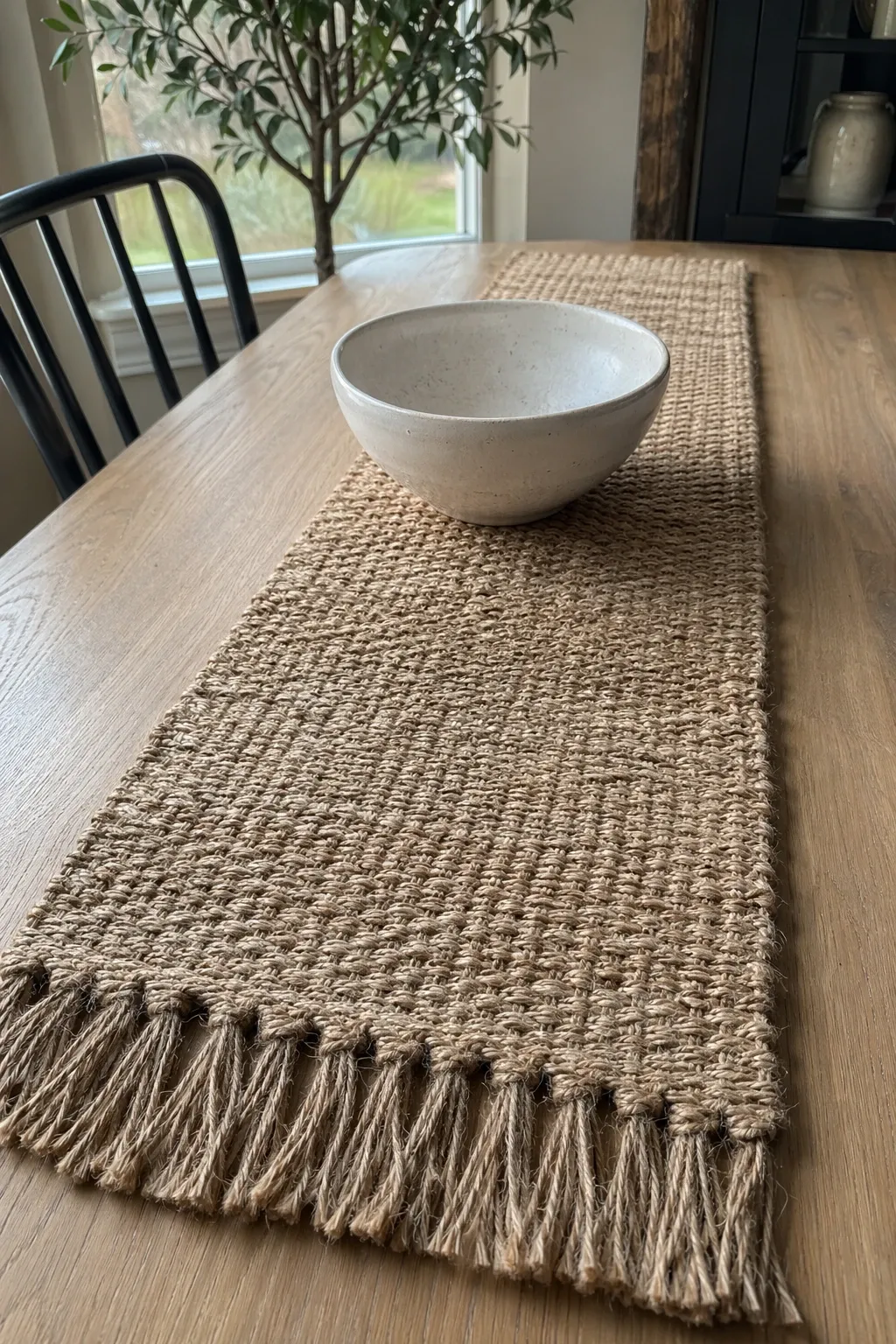
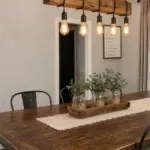
A textured woven runner down the center of the table gives you an instant foundation for whatever you put on top. Jute, cotton, or linen runners all work. The texture anchors everything visually and protects the table surface at the same time. Set a few candles or a simple vase on the runner and the table looks styled without any fuss.
Designer Tip: Let the runner hang about six to eight inches over each end of the table. A runner that stops right at the table edge looks like it shrank in the wash.
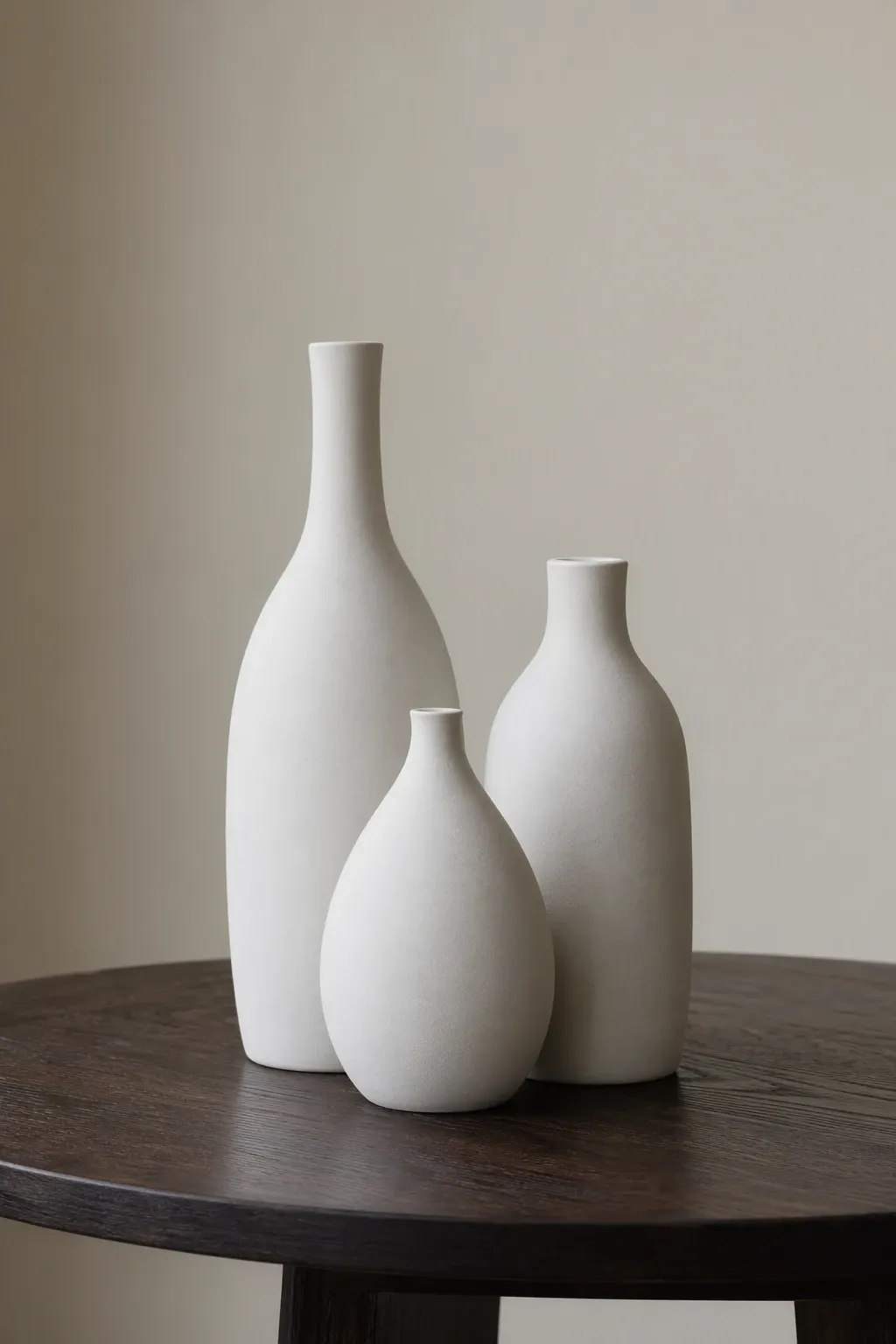
Three to five small ceramic vessels grouped in the center of the table creates a clean, modern look. They do not all need to match. In fact, slightly different shapes in the same color family looks better than a matching set. Leave some empty and put a single stem or dried branch in one or two. The negative space is part of the design.
Designer Tip: Vary the heights of your ceramics. One tall narrow vase, one medium round pot, and one low dish creates a skyline effect that draws the eye across the grouping.
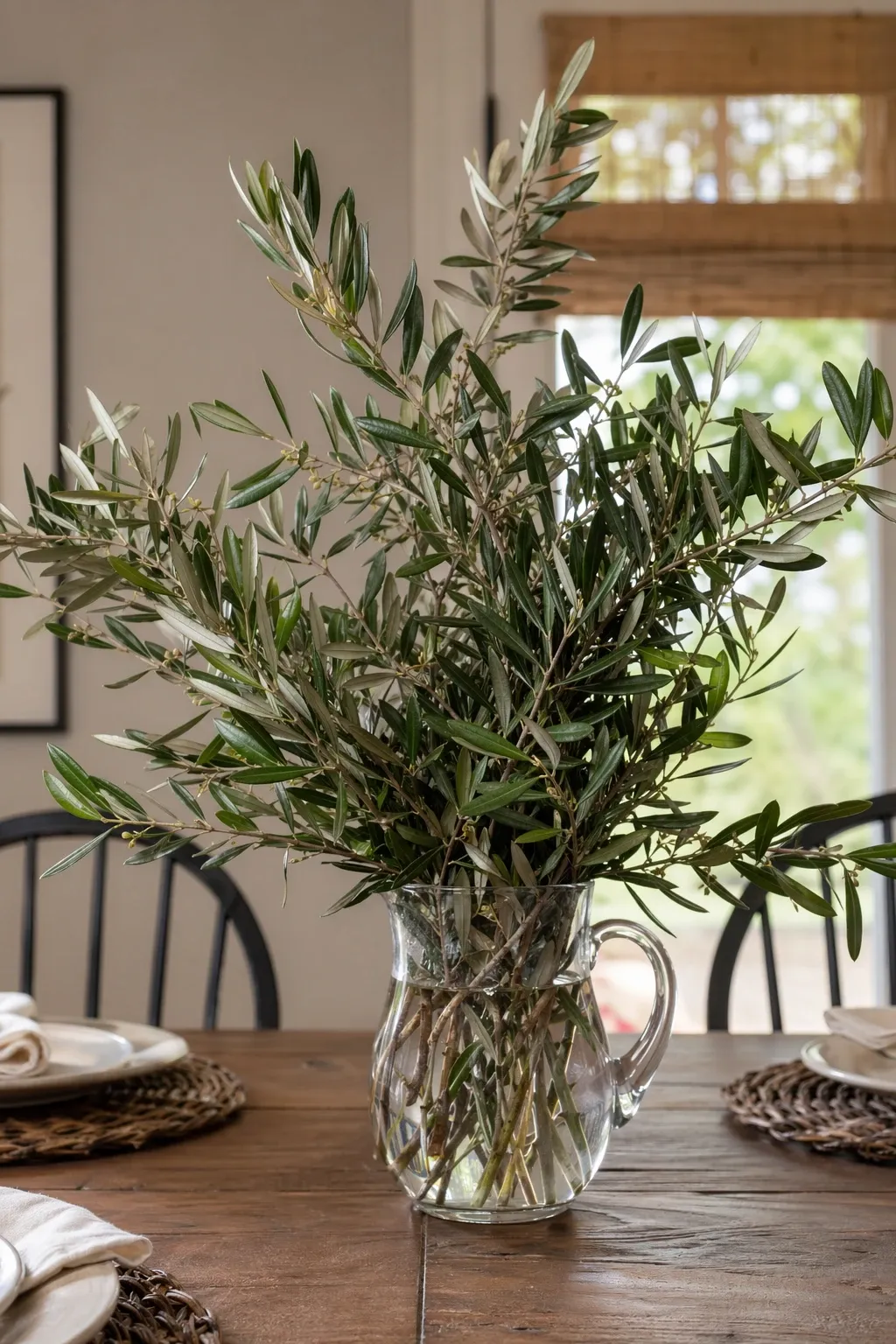
A low arrangement of fresh greenery, eucalyptus, rosemary, or even just a few branches from your yard, brings life to the table without blocking anyone’s view across it. Put the cuttings in a low bowl or trough with water and they will last about a week. It smells good too, which is a bonus that no other type of decor offers.
Designer Tip: Keep the centerpiece below eye level when seated, roughly 12 inches or shorter. Anything taller than that and your guests are leaning around it to talk to each other.
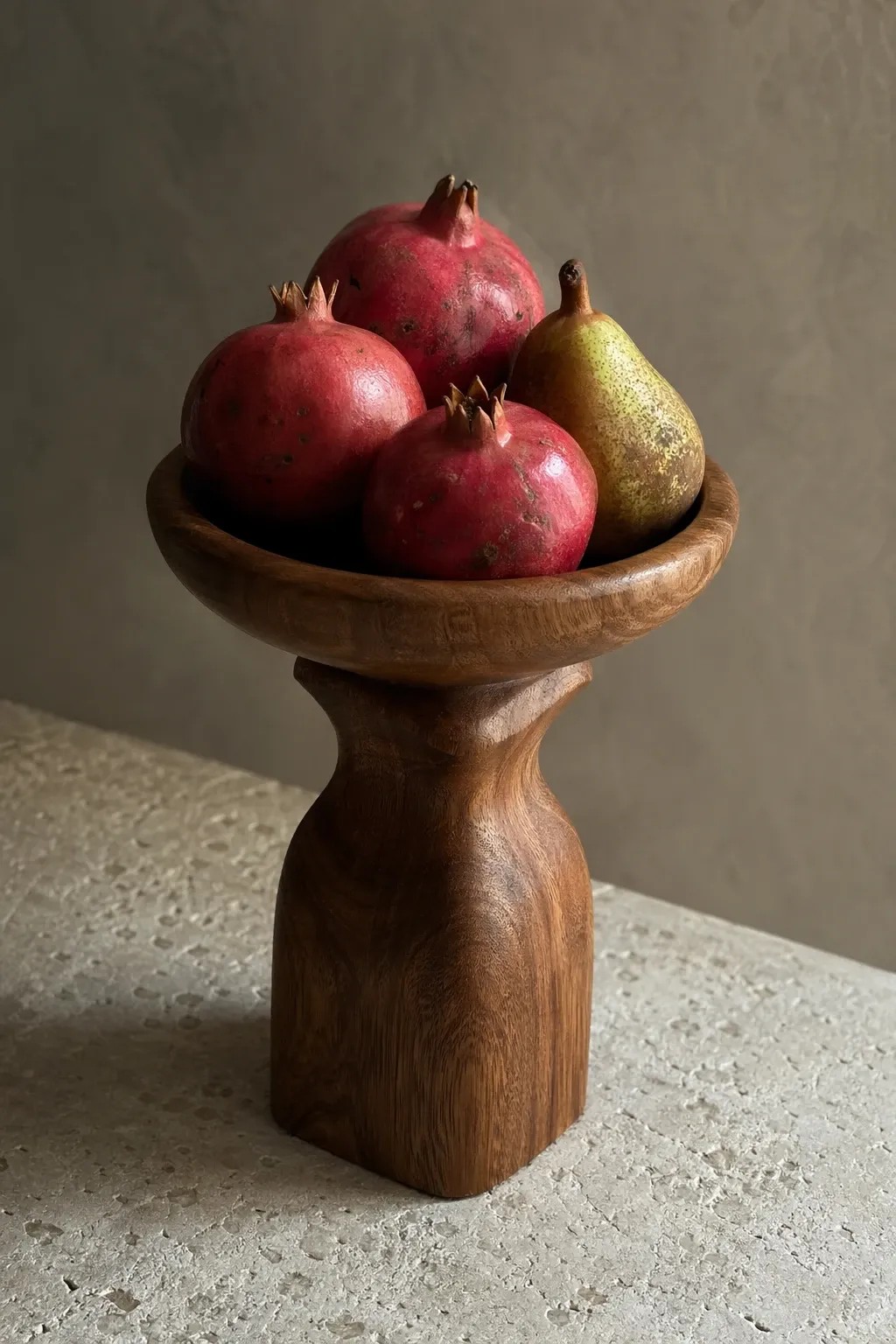
A bowl of fruit on the dining table is one of the oldest decorating tricks there is, and it works because fruit is naturally beautiful. Lemons in a wooden bowl, pomegranates on a pedestal dish, or a mix of seasonal fruit in a ceramic bowl all look like still life paintings. Plus you can actually eat it, so nothing goes to waste.
Designer Tip: Stick to one or two types of fruit rather than a mixed bowl. A bowl of all lemons or all green apples looks more deliberate than a random fruit salad arrangement.
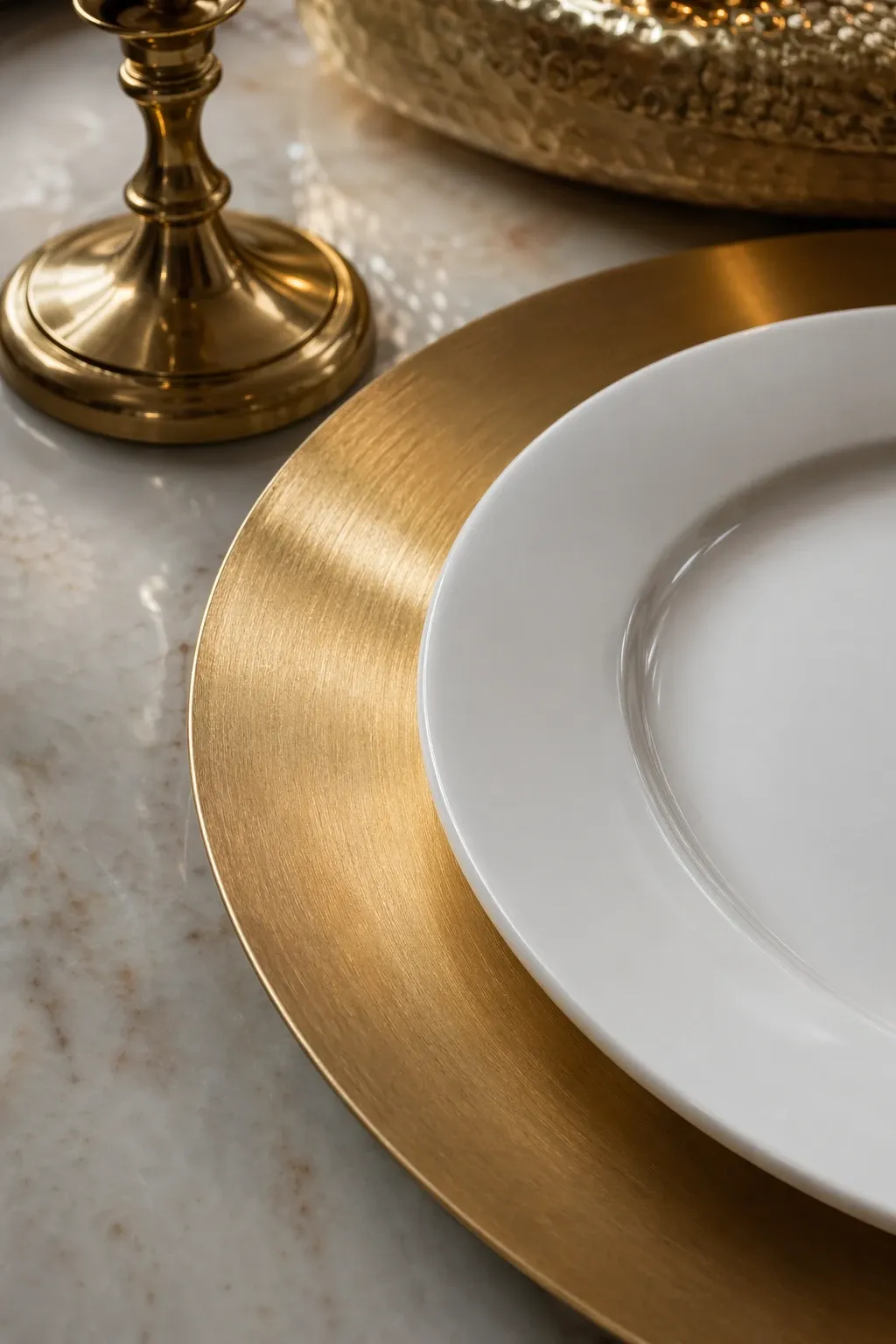
A few metallic pieces on the table, brass candle holders, a copper tray, or gold napkin rings, catch the light and add a little bit of warmth that plain ceramic or wood cannot. The trick is keeping it subtle. Two or three metallic pieces mixed with other materials looks rich. An entire table of gold and brass looks like you are trying too hard.
Designer Tip: Pick one metal finish and stick with it across the table. Mixing brass, copper, and silver on the same table creates visual confusion. One metal repeated in different objects ties everything together cleanly.
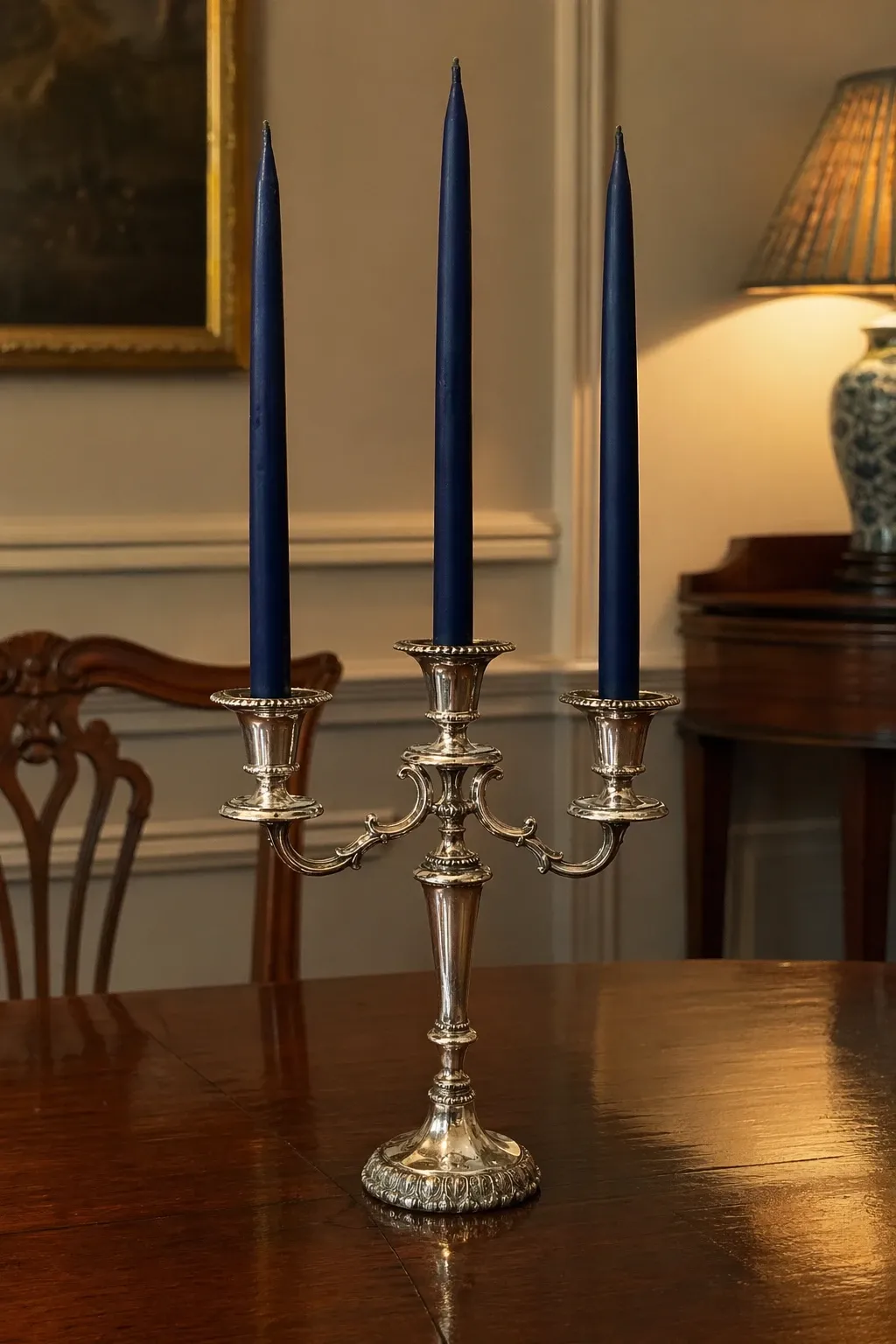
An old candelabra with tall taper candles is dramatic in the best way. It sets a mood that pillar candles or tea lights simply cannot match. You can find vintage candelabras at thrift stores and estate sales for very little money. The dripping wax and slightly crooked candles are part of the charm. Light them for dinner and the whole table feels like a scene from a period film.
Designer Tip: Use unscented taper candles for the dining table. Scented candles compete with the smell of food and can be overwhelming in a room where people are eating.
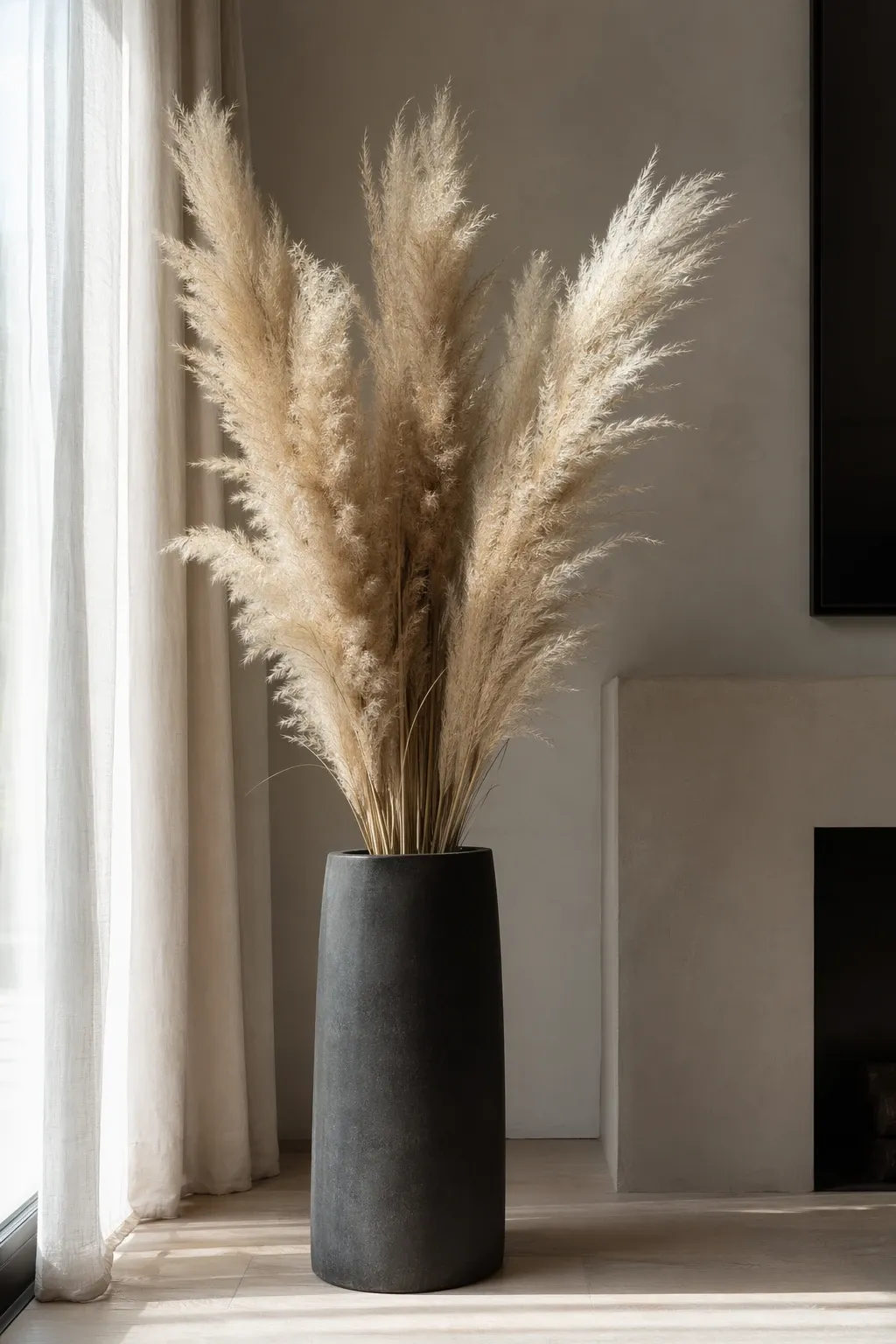
Dried pampas grass, dried flowers, or preserved branches in a vase give you a centerpiece that lasts for months without any maintenance. The soft, muted tones of dried materials work with almost any color scheme. They add height and movement to the table without the pressure of keeping fresh flowers alive. A tall vase of pampas on a round table is especially striking.
Designer Tip: Spray dried arrangements lightly with hairspray to keep them from shedding. Pampas grass in particular drops fine fibers that end up in your food if you do not seal it first.
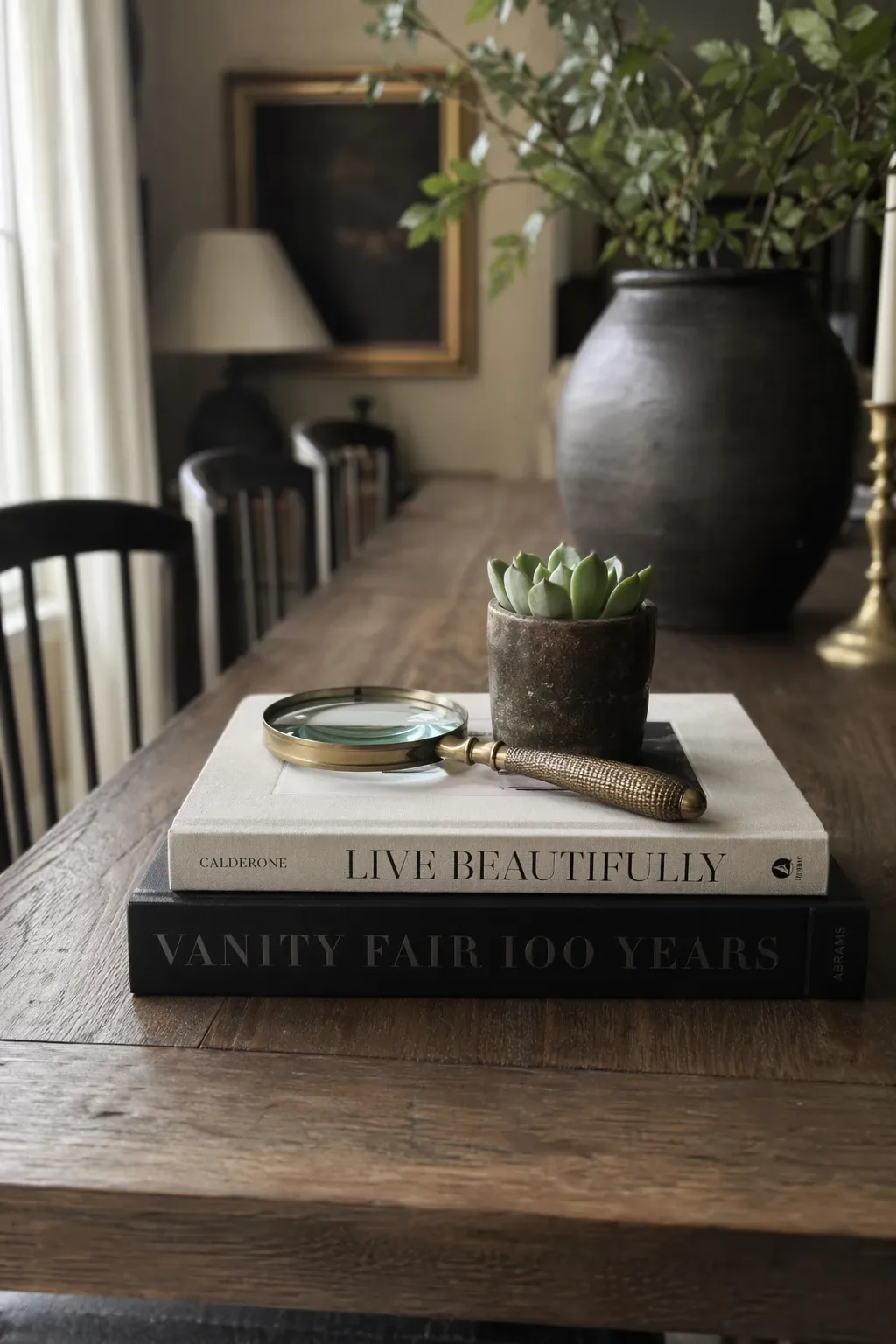
Instead of buying a matching centerpiece set, gather things you already have and group them together. A candlestick from a trip, a small bowl your kid made, a found rock, a vintage salt cellar. When these random pieces are arranged together on a tray or runner, they tell a story about your life. It is the opposite of catalog-perfect and that is exactly why it works.
Designer Tip: Use a tray or a cutting board as a base to corral the collected objects. Without a base, a random grouping of objects just looks like clutter. The tray says “this is intentional.”
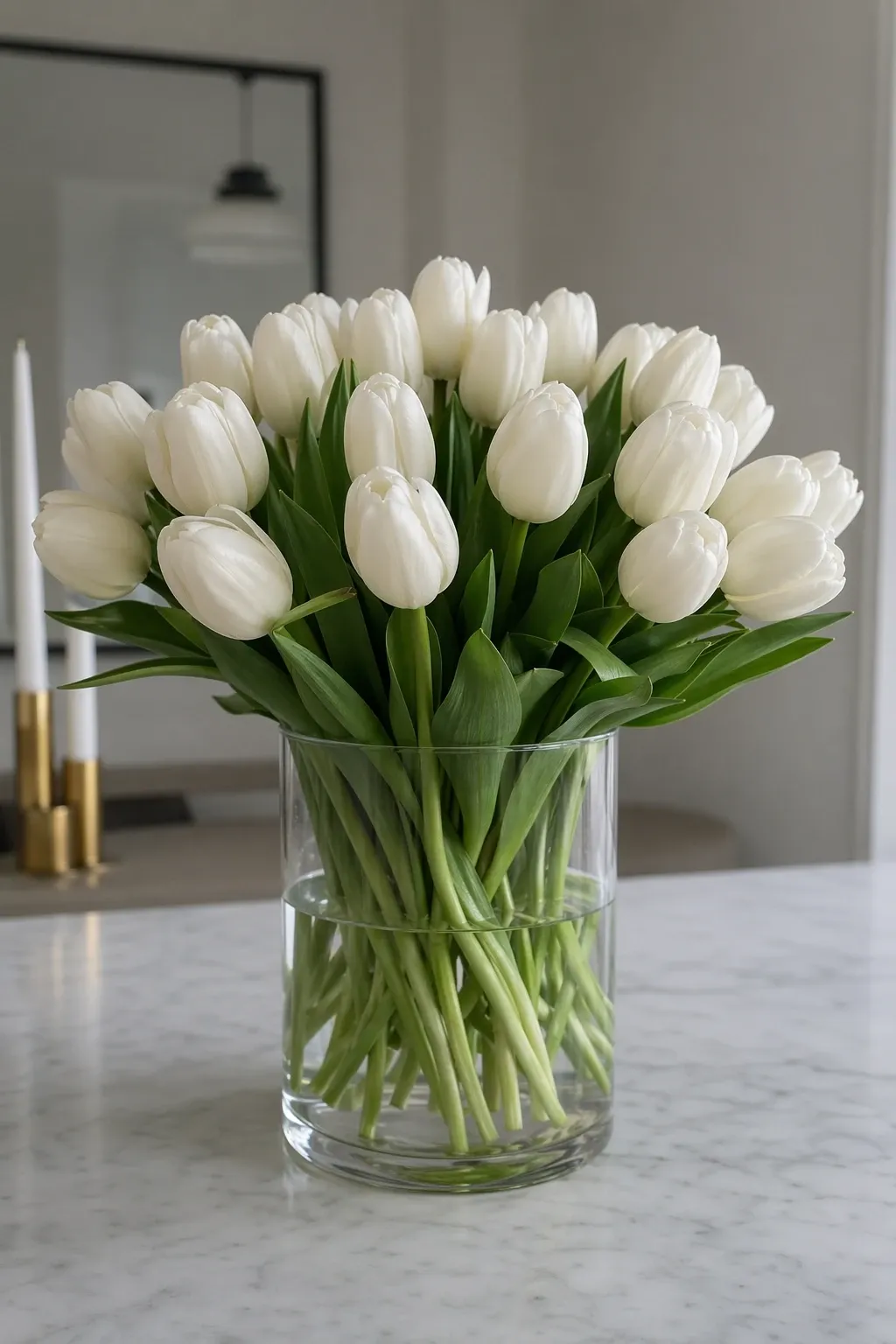
A bunch of flowers all in the same color, white roses, all-pink peonies, or just green foliage, looks more intentional and polished than a mixed bouquet from the grocery store. The single color creates a cohesive look that reads as designed rather than random. You do not need a fancy arrangement either. A dozen white tulips loosely dropped in a glass vase looks better than most expensive mixed bouquets.
Designer Tip: Match your flowers to the season. White and green in spring, sunflowers or dahlias in summer, rust and orange tones in fall, evergreen and red berries in winter. Seasonal flowers are also cheaper because they are in natural supply.
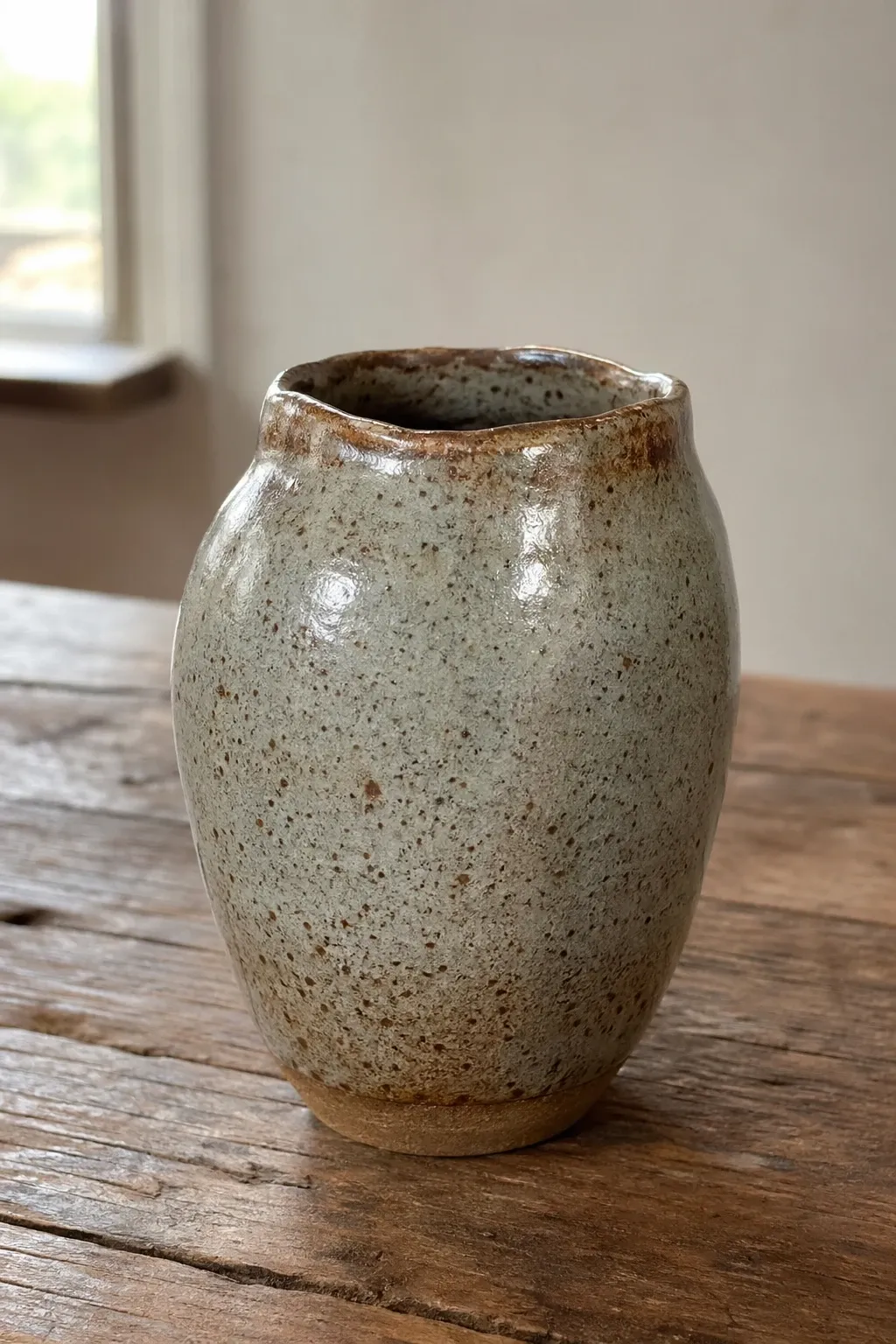
Handmade pottery on the dining table brings warmth and character that mass-produced pieces cannot match. The slight irregularities in hand-thrown ceramics, the uneven glaze, the thumbprint in the clay, are what make them interesting. Put a single branch in a handmade vase or just let the pottery sit empty. A beautiful handmade piece does not need anything in it to look good.
Designer Tip: Support local potters if you can. Farmers markets, craft fairs, and local studios often have pieces that are unique to your area. It gives your table decor a sense of place that imported goods cannot.
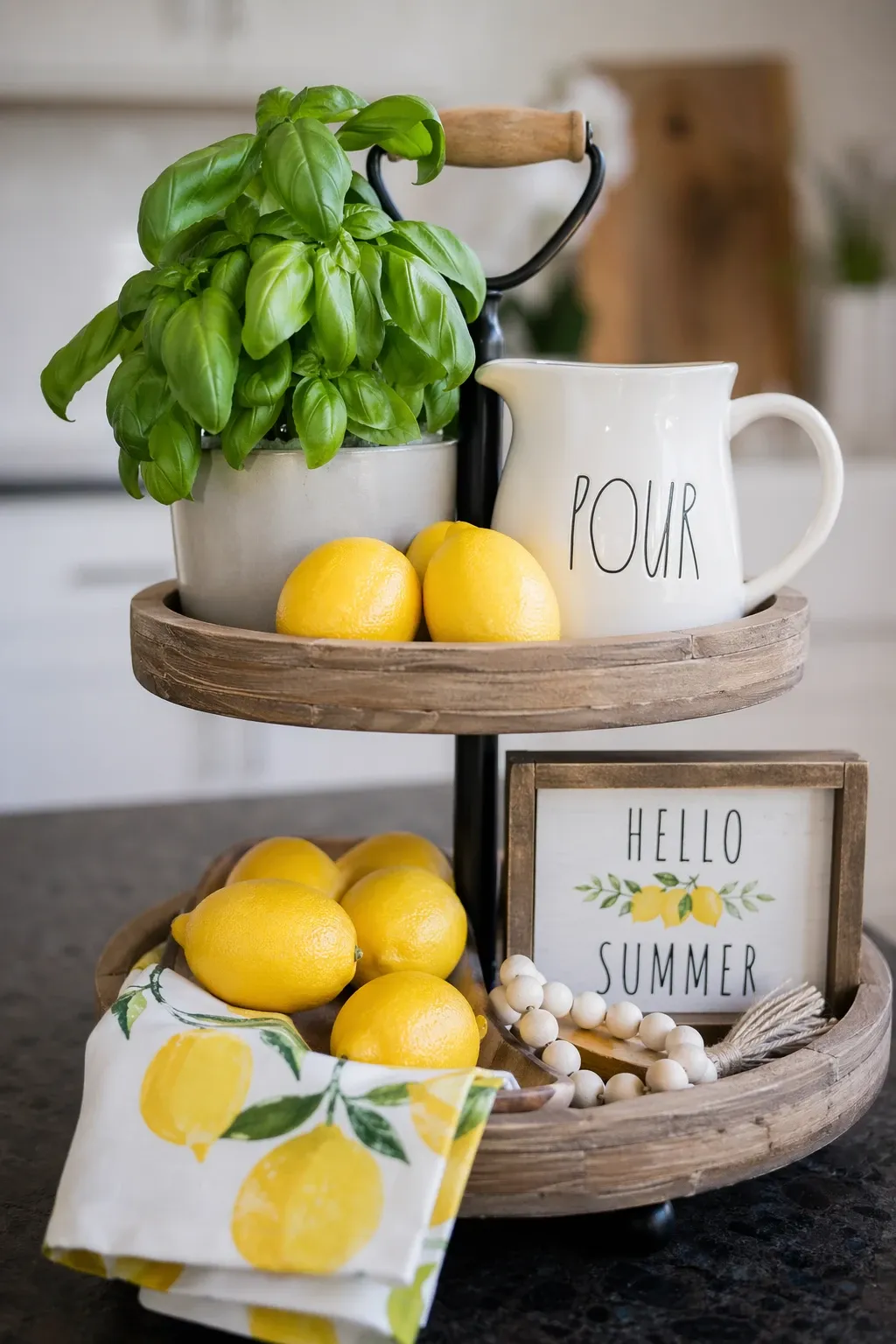
A two or three-tier tray gives you vertical display space without taking up the whole table. Fill each tier with seasonal items: mini pumpkins and dried leaves in fall, ornaments and pine in winter, eggs and bunnies in spring. The tray format keeps everything contained and easy to swap out. It is also a great landing spot for bread, condiments, or snacks when the table is actually being used for meals.
Designer Tip: Do not overfill the tiers. Leave about a third of each tier empty so the individual pieces can breathe. A packed tiered tray looks like a junk drawer going vertical.
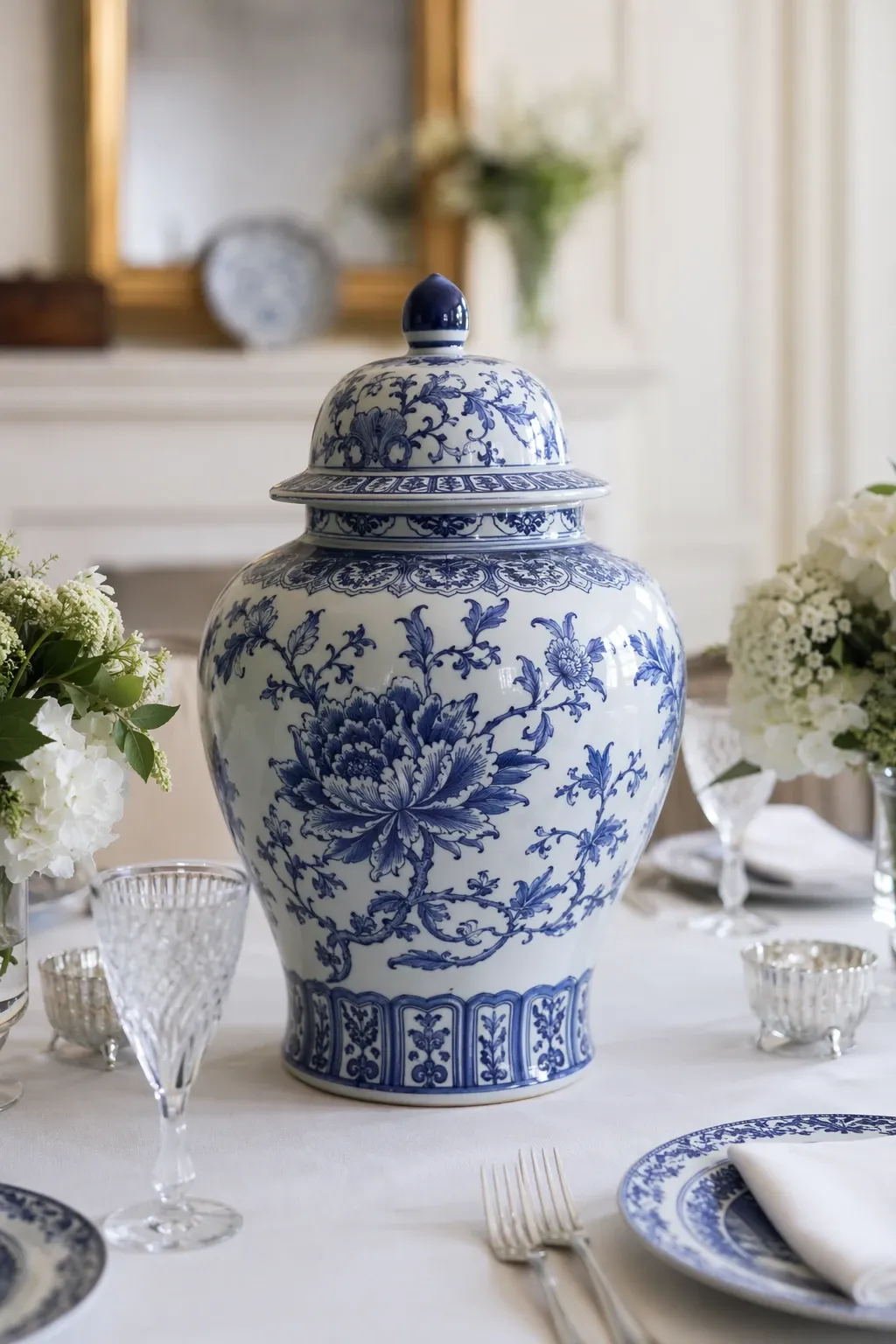
Blue and white porcelain on the dining table is timeless for a reason. A ginger jar, a small bowl, or a set of blue-and-white candlesticks adds a classic element that works in traditional and modern rooms alike. You do not need a full set of matching pieces. Even one blue-and-white vase surrounded by simpler neutral items makes a statement.
Designer Tip: Pair blue and white chinoiserie with a white linen runner to let the pattern be the star. A busy runner under a patterned vase creates visual competition that dulls both pieces.
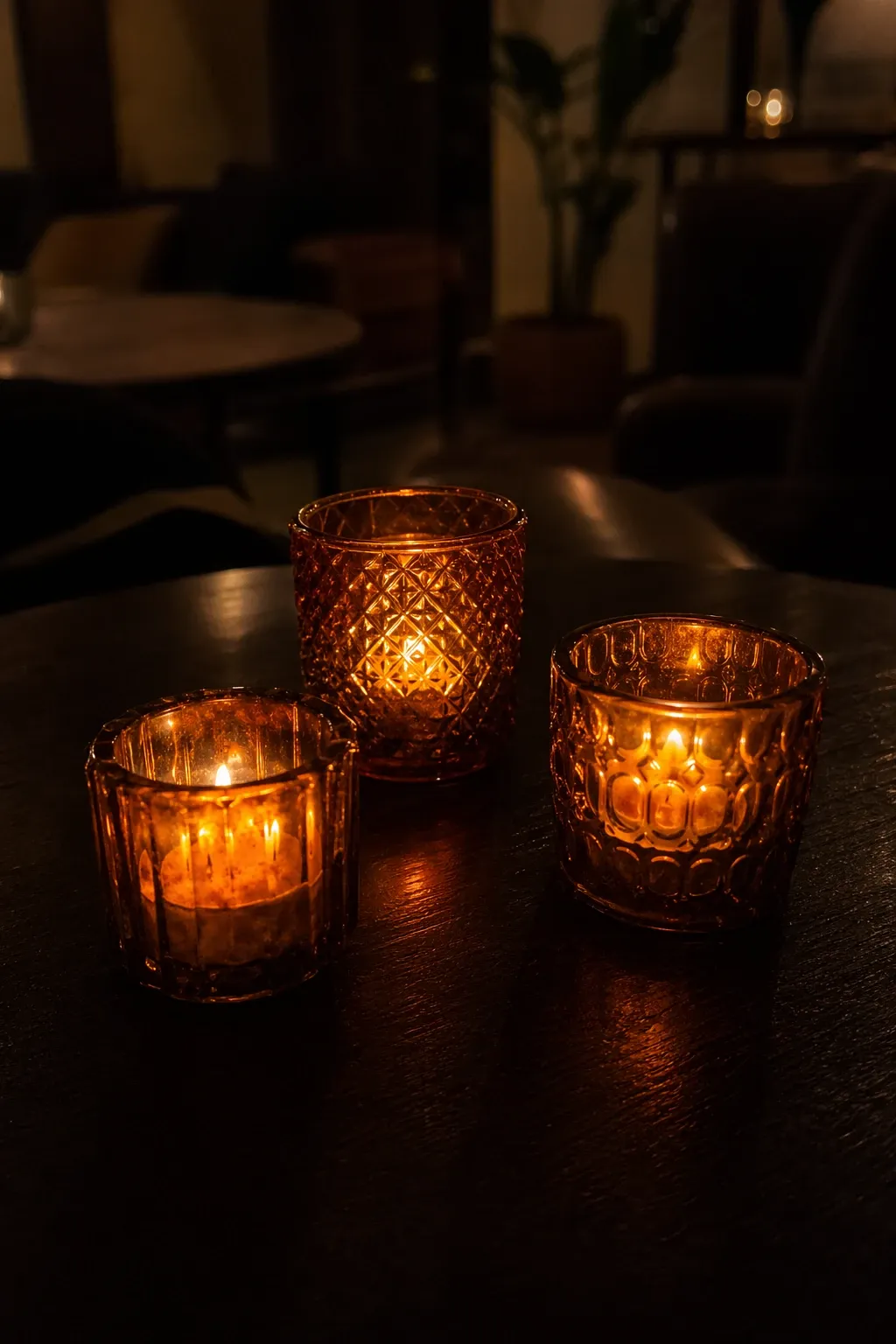
A row of glass votives down the center of the table is the simplest and one of the most effective dining table decorations. When lit, the glass catches and multiplies the candlelight. You can use clear glass for a clean look or colored glass for something warmer. Group five to seven votives in a line or scatter them loosely along a runner for a more casual feel.
Designer Tip: Use LED tea lights if you have kids or pets. The newer ones flicker convincingly and you do not have to worry about anyone knocking over a live flame during dinner.
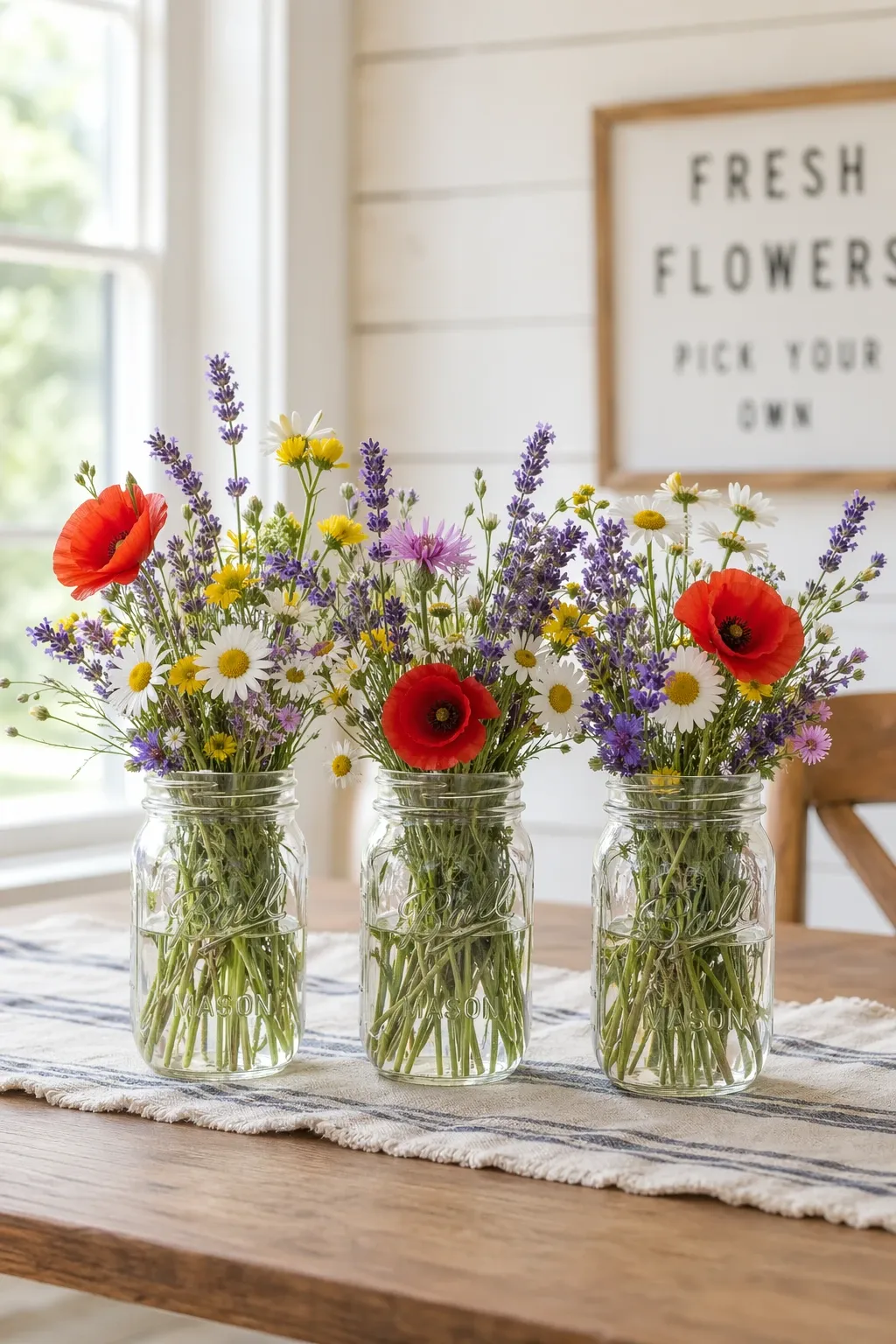
A few mason jars filled with wildflowers or garden cuttings is farmhouse table decor that never gets old. The casual, slightly imperfect look of wildflowers in a simple jar is charming in a way that a formal flower arrangement is not. Pick whatever is growing outside, daisies, lavender, black-eyed susans, even just grasses and weeds with interesting seed heads. It costs nothing and looks like you meant it.
Designer Tip: Wrap twine or a strip of burlap around the mason jar for extra texture. It hides the jar’s logo and adds a handmade quality that complements the casual flowers.
The dining table works best when the decor matches how you actually use the space. If you eat there every night, keep it simple and easy to move. If the table is mostly for entertaining, go a bit more dramatic. And whatever you choose, make sure people can still see each other over it. The best centerpiece in the world is not worth much if nobody can make eye contact.
Frequently Asked Questions
How do I choose a centerpiece size for my table?
A good rule is that the centerpiece should take up no more than one-third the length and one-third the width of the table. On a standard 72-inch dining table, that means a centerpiece about 24 inches long at most. This leaves plenty of room for place settings on either side.
Should dining table decor match the rest of the room?
It should not clash, but it does not need to match exactly. Picking up one color or material from the room and echoing it on the table creates enough connection. A dining room with brass light fixtures might have one brass element on the table. That thread is enough to tie the room together.
What dining table decor works for everyday use?
Low-maintenance options like a woven runner, a bowl of fruit, a single potted plant, or a cluster of ceramics work best for daily use because they do not need to be moved for meals and they do not require upkeep. Save the candelabras and fresh flowers for when you are entertaining or feel like putting in the extra effort.
How often should I change my dining table decor?
Changing it with the seasons, about four times a year, keeps things fresh without being a lot of work. A winter arrangement can run from November through February. Spring and summer each get their own look. Fall is its own obvious moment. Beyond seasonal swaps, change things when you stop noticing the table, which is a sign the current setup has gone stale.