the Ultimate Guide to Dining Room Lighting Over Table: 14 Inspiring Ideas for 2026
The dining room serves as the heart of many homes. It is where families gather for evening meals, friends celebrate milestones, and holiday traditions come to life. While the furniture and decor play significant roles in the room’s aesthetic, nothing influences the atmosphere more than the lighting. Choosing the right dining room lighting over table can transform a mundane space into a sanctuary of style and warmth. In the modern home, the dining room has evolved into a multi-functional space, serving as a home office during the day and a sophisticated hosting venue at night. This evolution necessitates a lighting plan that is as flexible as it is beautiful.
As we move through 2026, the trends in interior design are shifting toward a blend of organic textures, bold architectural statements, and advanced wellness technology. Lighting is no longer just a functional necessity; it is a primary design element that sets the tone for the entire home. This guide explores fourteen unique lighting ideas, ranging from classic elegance to cutting-edge modernism, ensuring you find the perfect match for your dining area. We will delve deep into the psychology of light, the technical aspects of installation, and the stylistic nuances that make each of these 14 ideas a perfect choice for the contemporary homeowner.
The Foundations of Dining Room Lighting
Before diving into specific styles, it is essential to understand the basic principles of lighting design. A beautiful fixture will only work if it is the right size and hung at the correct height. For most dining rooms, the bottom of the light fixture should sit approximately 30 to 36 inches above the surface of the table. This height ensures that the light provides ample illumination for dining without obstructing the view across the table. If your ceilings are higher than the standard eight feet, you may want to raise the fixture by about three inches for every additional foot of ceiling height to maintain the correct visual proportions.
In terms of scale, a common rule of thumb is to add the length and width of your room in feet. The sum, in inches, represents the ideal diameter for your chandelier. For example, a 12-foot by 14-foot room would benefit from a fixture with a 26-inch diameter. Additionally, the fixture should generally be about one-half to two-thirds the width of the dining table itself. A fixture that is too small will look lost in the space, while one that is too large can feel oppressive and overwhelm the room’s other design elements.
The color temperature of your bulbs is another critical foundation. Measured in Kelvins (K), color temperature determines whether the light feels “warm” or “cool.” For dining rooms, a temperature between 2700K and 3000K is ideal. This range provides a warm, inviting glow that is flattering to both people and food. Cooler lights, above 4000K, can feel clinical and are generally better suited for task-oriented spaces like kitchens or laundry rooms.
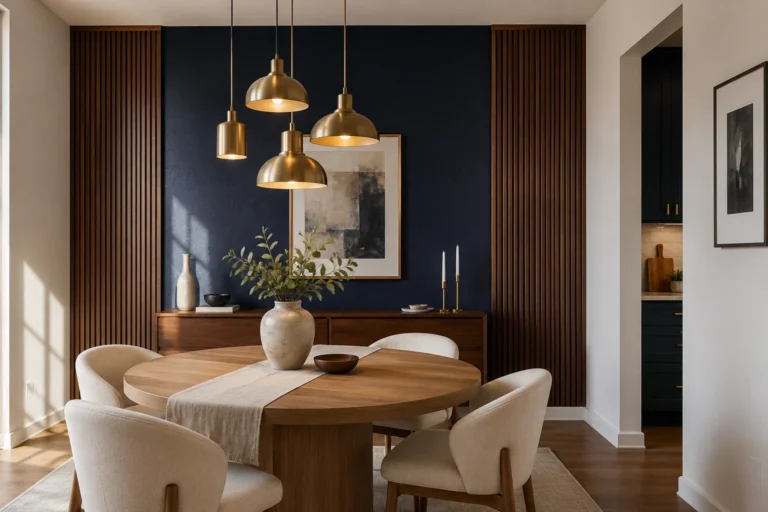
1. Modern Pendant Clusters
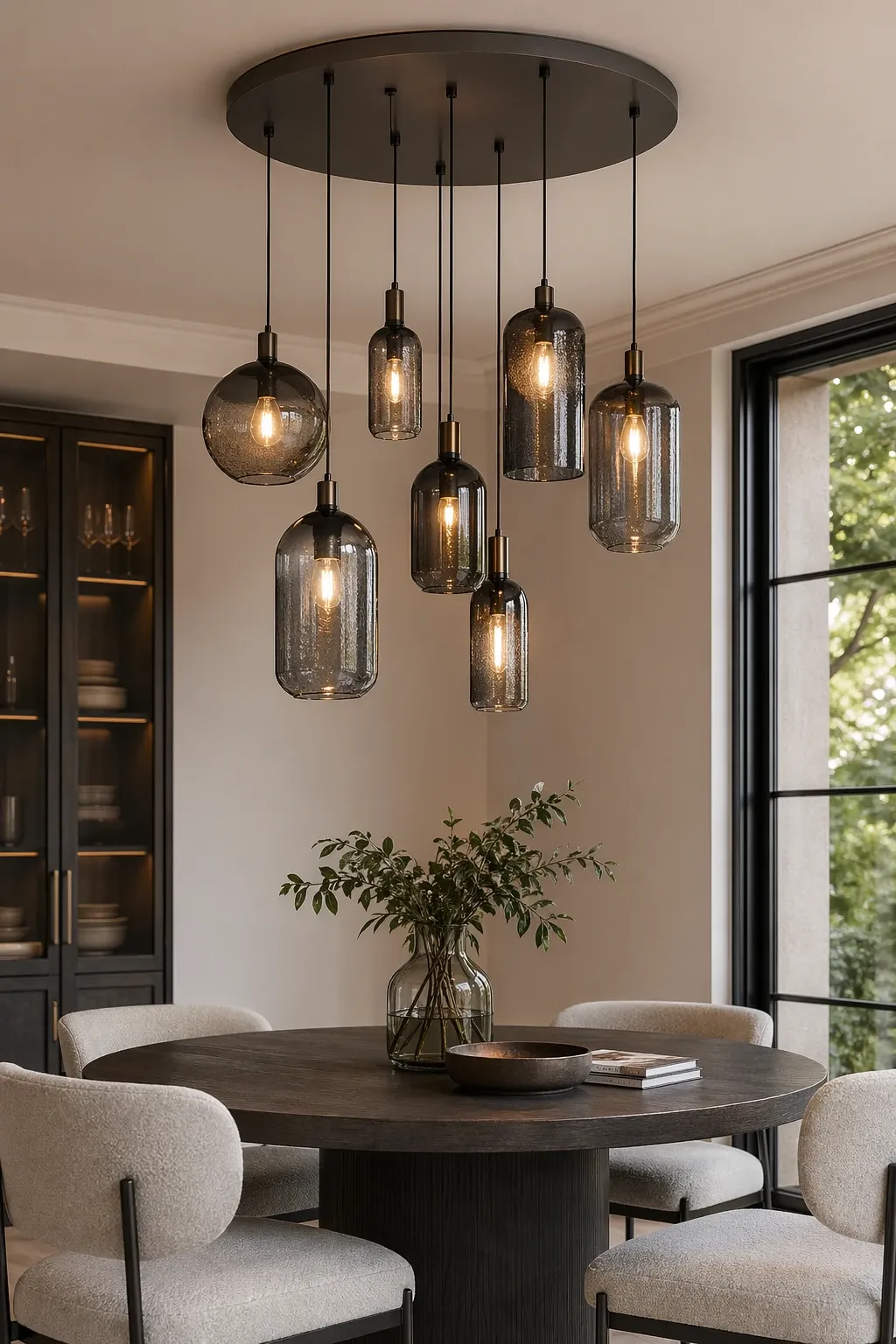
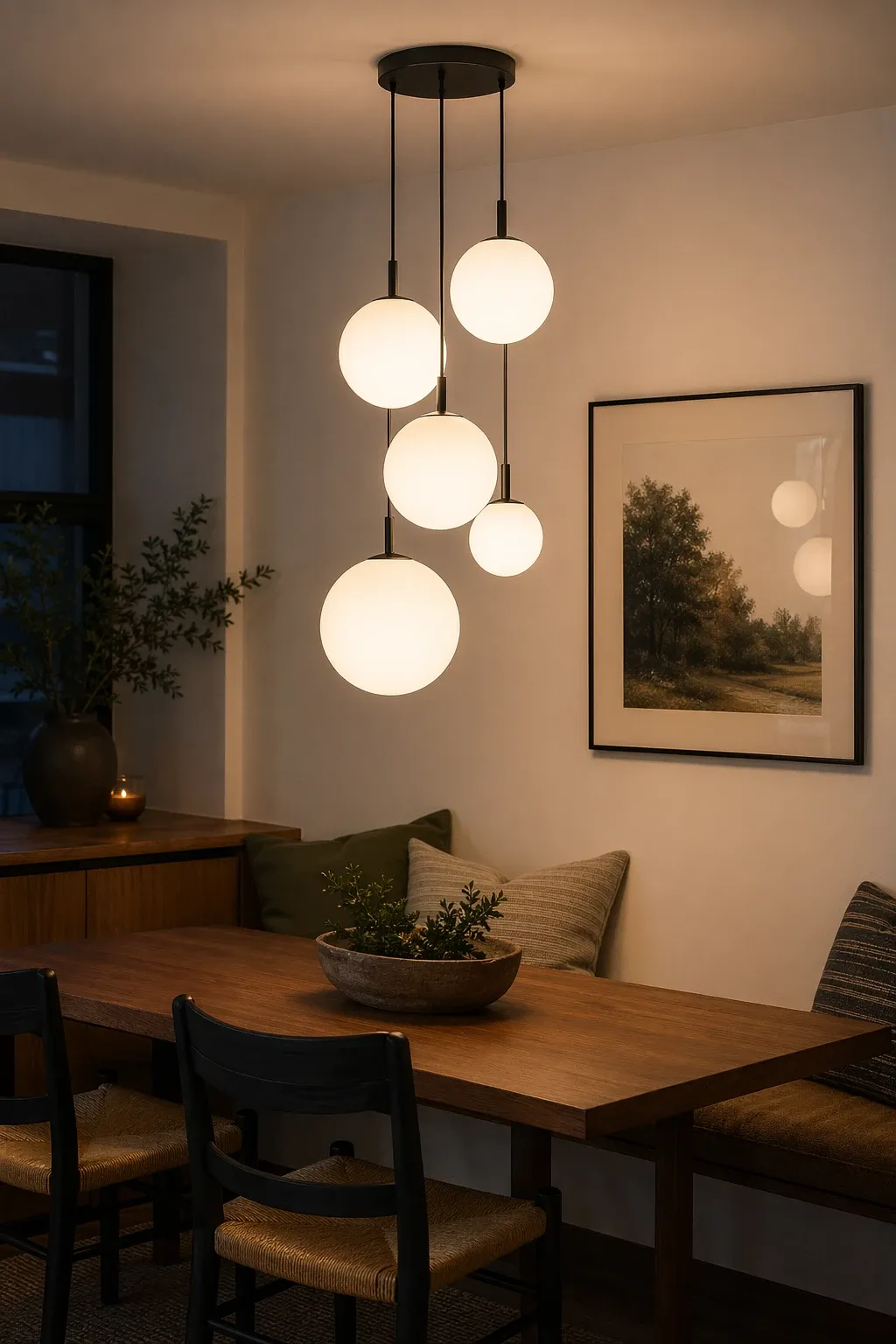
Modern pendant clusters are a versatile and visually striking choice for any contemporary dining room. Instead of a single large fixture, this style utilizes multiple smaller pendants grouped together. By varying the heights and textures of the glass, you can create a dynamic focal point that feels both artistic and intentional. This arrangement allows for a more customized distribution of light, as you can spread the pendants out to cover more area or cluster them tightly for a more concentrated glow.
This setup works particularly well over round or square tables, as the cluster mimics the table’s shape while adding vertical interest. For a 2026 update, consider using pendants with ribbed or smoked glass. These textures help to diffuse the light, reducing glare and creating a softer, more intimate environment for dinner conversations. The use of different shapes within the same cluster is also a growing trend, adding an eclectic yet sophisticated touch to the dining experience.
When installing a cluster, pay close attention to the wiring and the canopy. Many modern systems allow for a single connection point on the ceiling that then branches out into multiple cords. This keeps the ceiling looking clean and uncluttered. You can also play with the cord colors—using fabric-wrapped cords in a contrasting color can add an extra layer of design detail that ties the whole room together.
2. Statement Linear Pendants
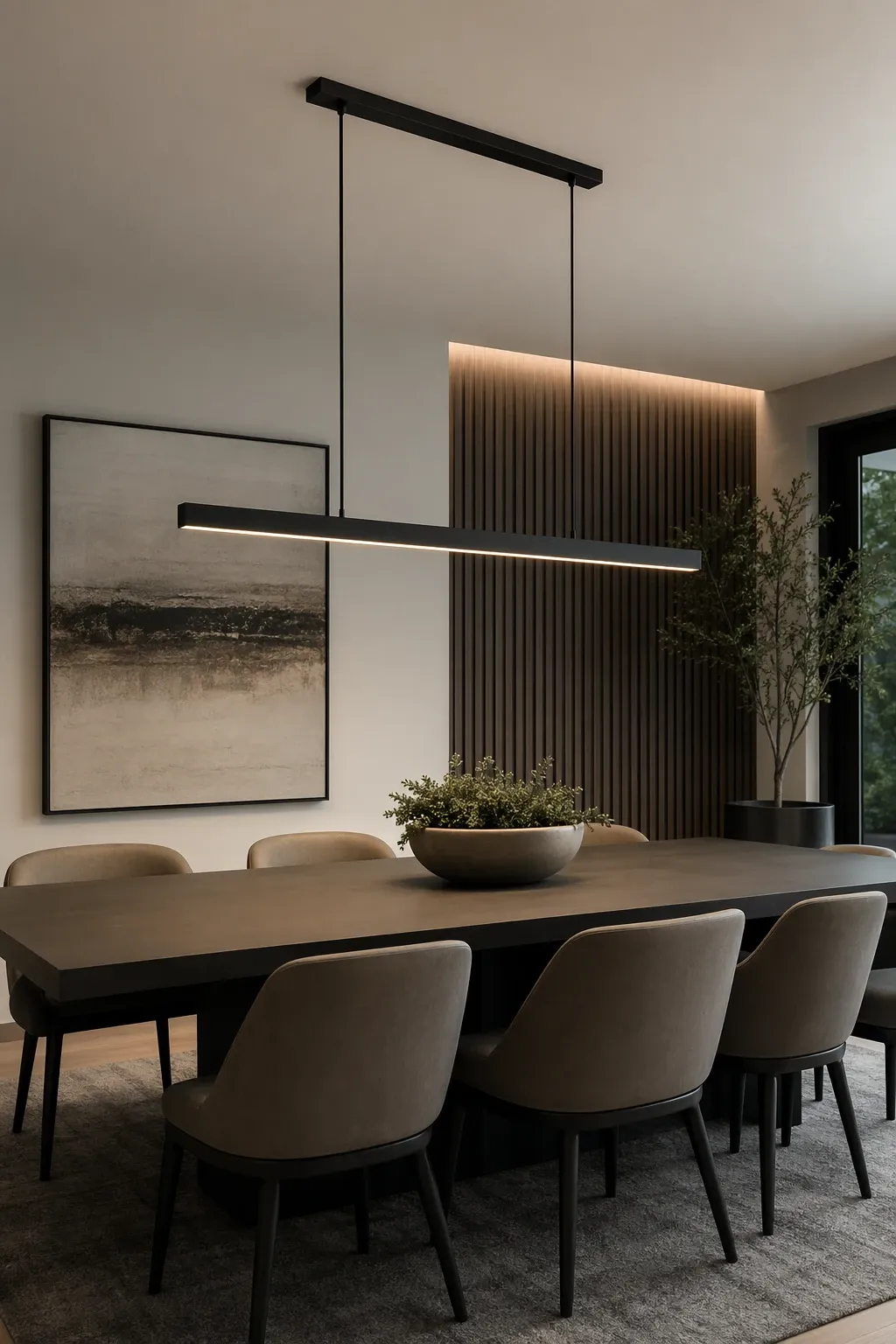
If you have a long rectangular or oval dining table, a linear pendant is often the most effective lighting solution. Unlike round chandeliers, linear fixtures stretch across the length of the table, providing even illumination from end to end. This ensures that everyone at the table has adequate light for their meal, whether they are sitting at the head of the table or along the sides. Linear pendants are also excellent for highlighting the length of a beautiful dining table, making it feel more prominent in the room.
In 2026, linear pendants are becoming more architectural and sculptural. Look for designs that incorporate sleek metal frames in matte black or brushed brass. These fixtures provide a clean, modern aesthetic that complements minimalist and industrial interiors alike. Some of the most popular designs currently feature integrated LED strips that are hidden within the frame, providing a seamless and glare-free light source.
When styling a linear pendant, ensure it is centered perfectly over the table to maintain visual balance. A common mistake is hanging a linear fixture that is too short for the table; ideally, the light should be at least half the length of the table surface. If you have an exceptionally long table, you might even consider hanging two smaller linear pendants in tandem for a truly grand and balanced look.
3. Organic Sculptural Fixtures
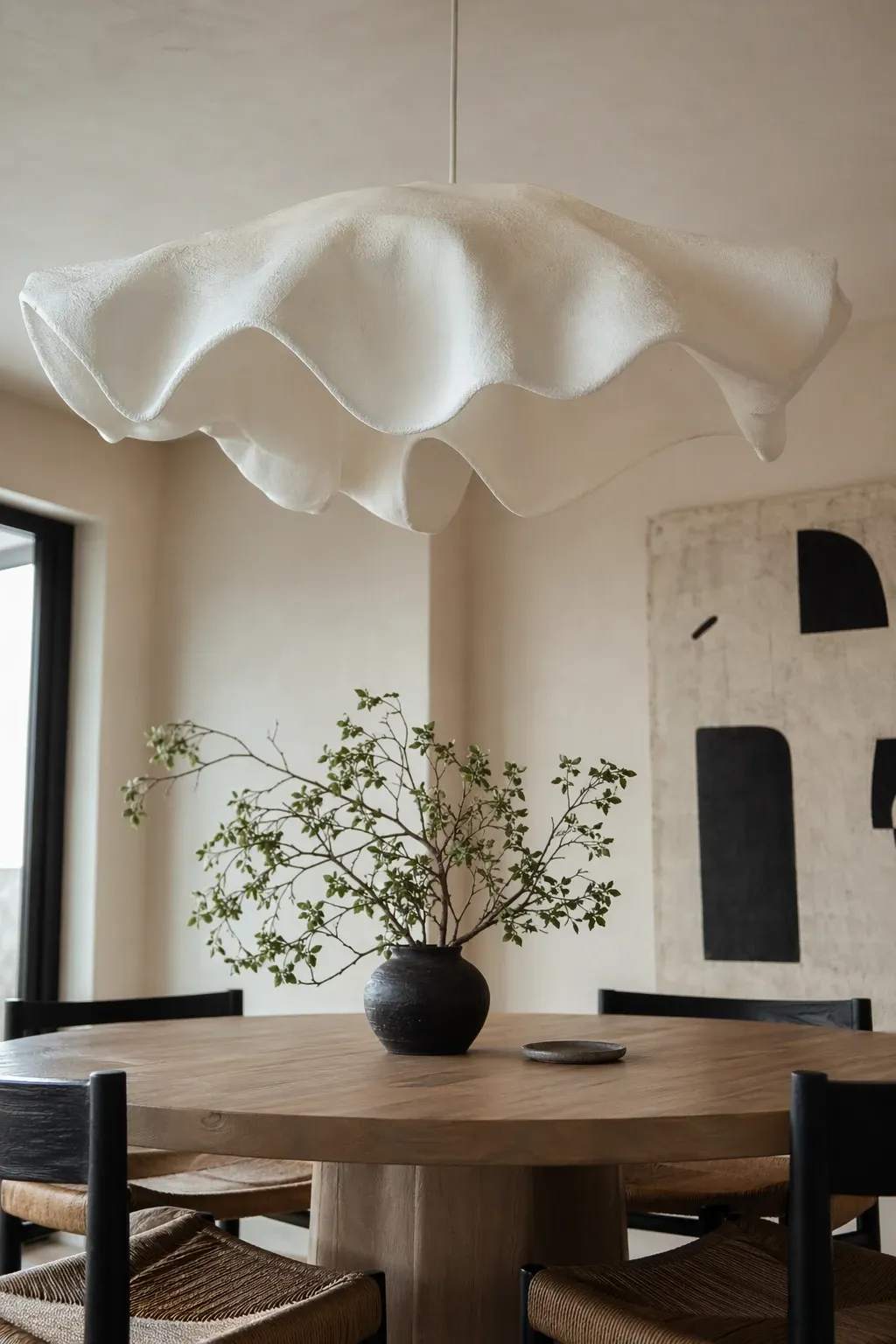
One of the most prominent trends for 2026 is the rise of organic, sculptural lighting. These fixtures often feature fluid, irregular shapes that mimic natural forms like leaves, clouds, or even folded fabric. Known sometimes as “napkin” styles, these lights act as functional art pieces, bringing a sense of creativity and personality to the dining room. They are a departure from the rigid symmetry of traditional chandeliers and represent a move toward more human-centric and expressive design.
Organic fixtures are perfect for breaking up the hard lines and sharp angles often found in dining room furniture. They add a sense of movement and softness to the space, making it feel more lived-in and comfortable. To make the most of this style, choose a fixture made from natural materials like plaster, ceramic, or hand-blown glass. These materials enhance the organic feel and provide a unique, handcrafted look that cannot be replicated by mass-produced items.
The lighting effect of these sculptural pieces is often as important as their physical form. Many organic fixtures are designed to cast interesting shadows on the ceiling and walls, adding another layer of visual depth to the room. This makes them particularly effective in rooms with simple, neutral color palettes where the play of light and shadow can take center stage.
4. Classic Crystal Chandeliers
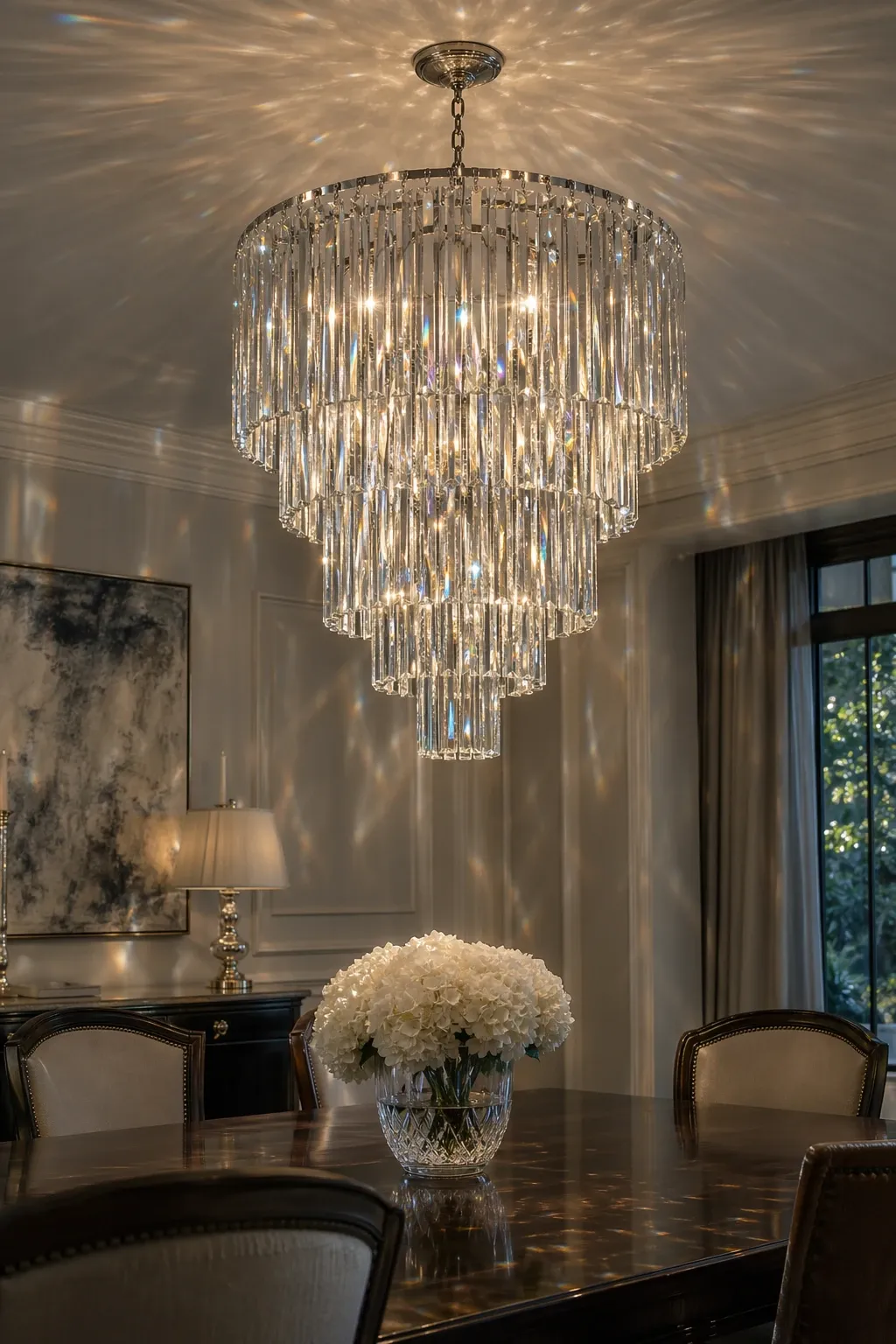
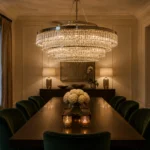
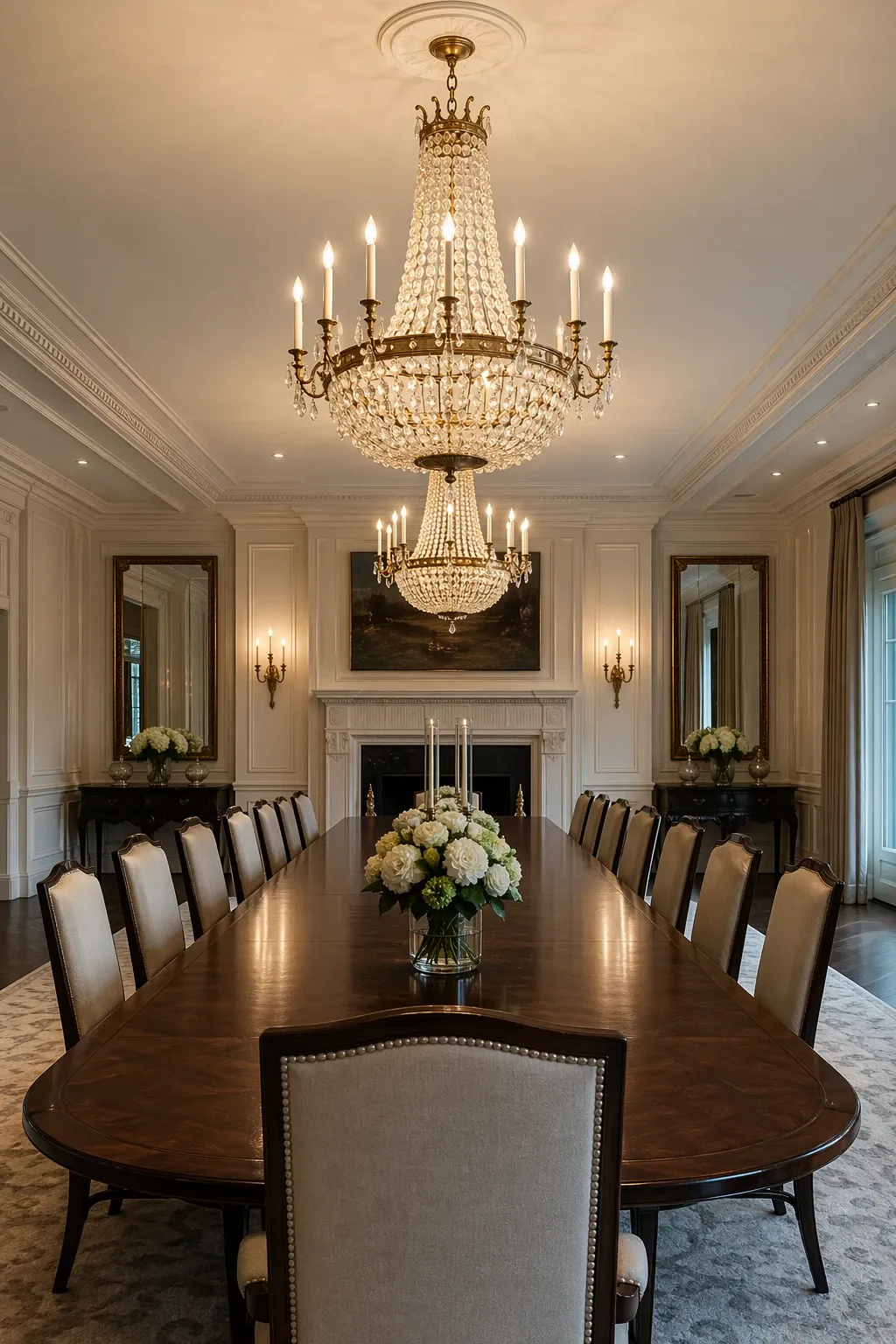
For those who desire a touch of timeless luxury, the classic crystal chandelier remains an unbeatable choice. While traditional in origin, modern interpretations of crystal lighting are more streamlined and less ornate, making them suitable for a wider range of decor styles. Today’s crystal chandeliers often feature cleaner silhouettes and fewer “frills,” allowing the quality of the crystals themselves to shine through.
The beauty of a crystal chandelier lies in its ability to refract light, creating a sparkling effect that adds a sense of grandeur to every meal. This refraction can fill the room with tiny rainbows and a brilliant glow that makes any dinner party feel like a high-end event. To keep this look from feeling dated, pair your crystal fixture with modern furniture. A sleek wooden table and upholstered chairs can provide a beautiful contrast to the intricate detail of the crystals, creating a “transitional” style that is very popular in 2026.
Maintenance is a key consideration for crystal chandeliers. To keep them looking their best, they require regular dusting and occasional deep cleaning. However, the effort is well worth it for the sheer impact they have on a room. For a more contemporary twist, look for chandeliers that use colored crystals—such as smoky quartz or amber—which can add a unique and sophisticated mood to the space.
5. Industrial Cage Pendants
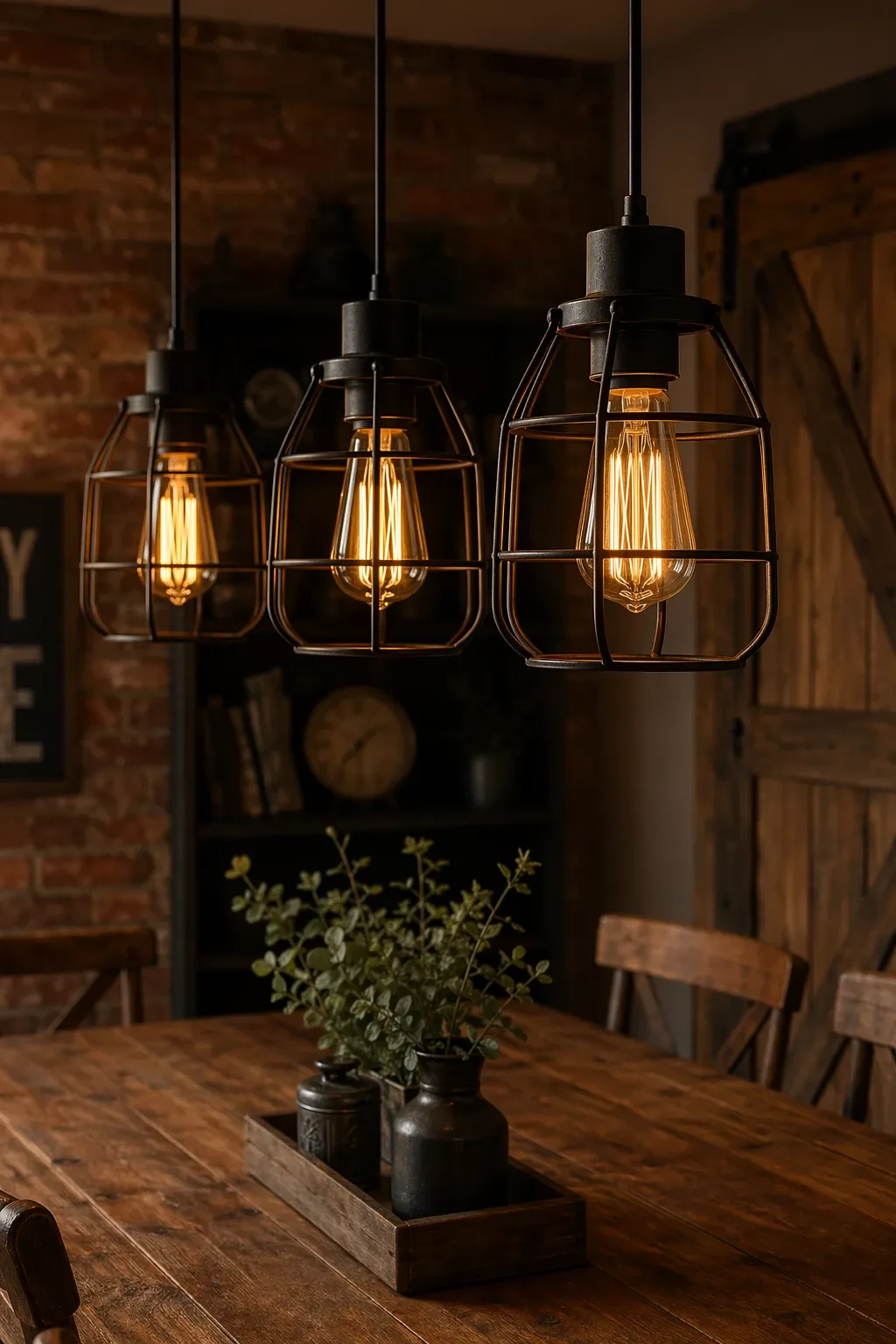
Industrial design continues to evolve, and cage-style pendants are a staple of this aesthetic. These fixtures typically feature an exposed bulb surrounded by a metal frame or “cage.” This look is perfect for homeowners who appreciate a mix of vintage charm and modern utility. The “cage” serves both a protective and a decorative purpose, giving the light a rugged, unfinished feel that works beautifully in many modern homes.
To achieve a sophisticated industrial look, opt for fixtures with high-quality finishes like antique bronze, weathered steel, or even copper. Using Edison-style bulbs with warm filaments can enhance the vintage vibe and provide a cozy, amber glow that is perfect for dining. This style is particularly effective in lofts or homes with exposed architectural elements like brick walls, wooden beams, or concrete floors.
One of the advantages of industrial cage pendants is their durability and ease of cleaning. Unlike delicate crystal or fabric shades, these metal fixtures are built to last and can be easily wiped down. They also tend to be more affordable than high-end chandeliers, making them a great option for those who want a stylish look on a more modest budget.
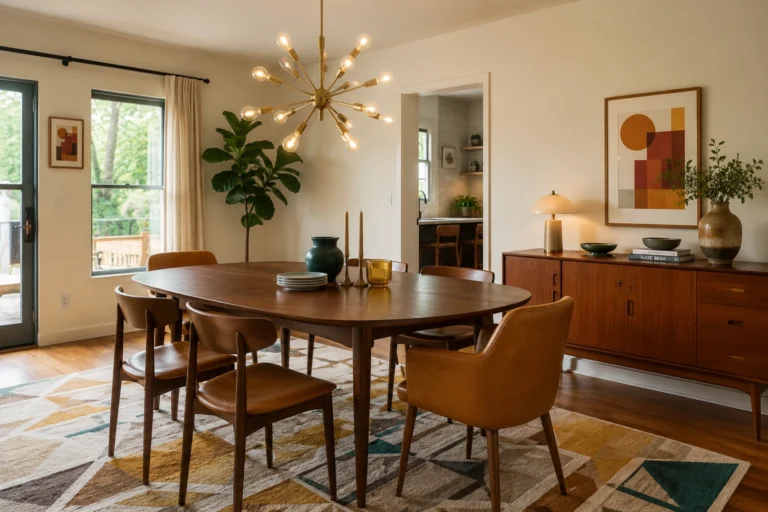
6. Mid-Century Modern “Sputnik” Styles
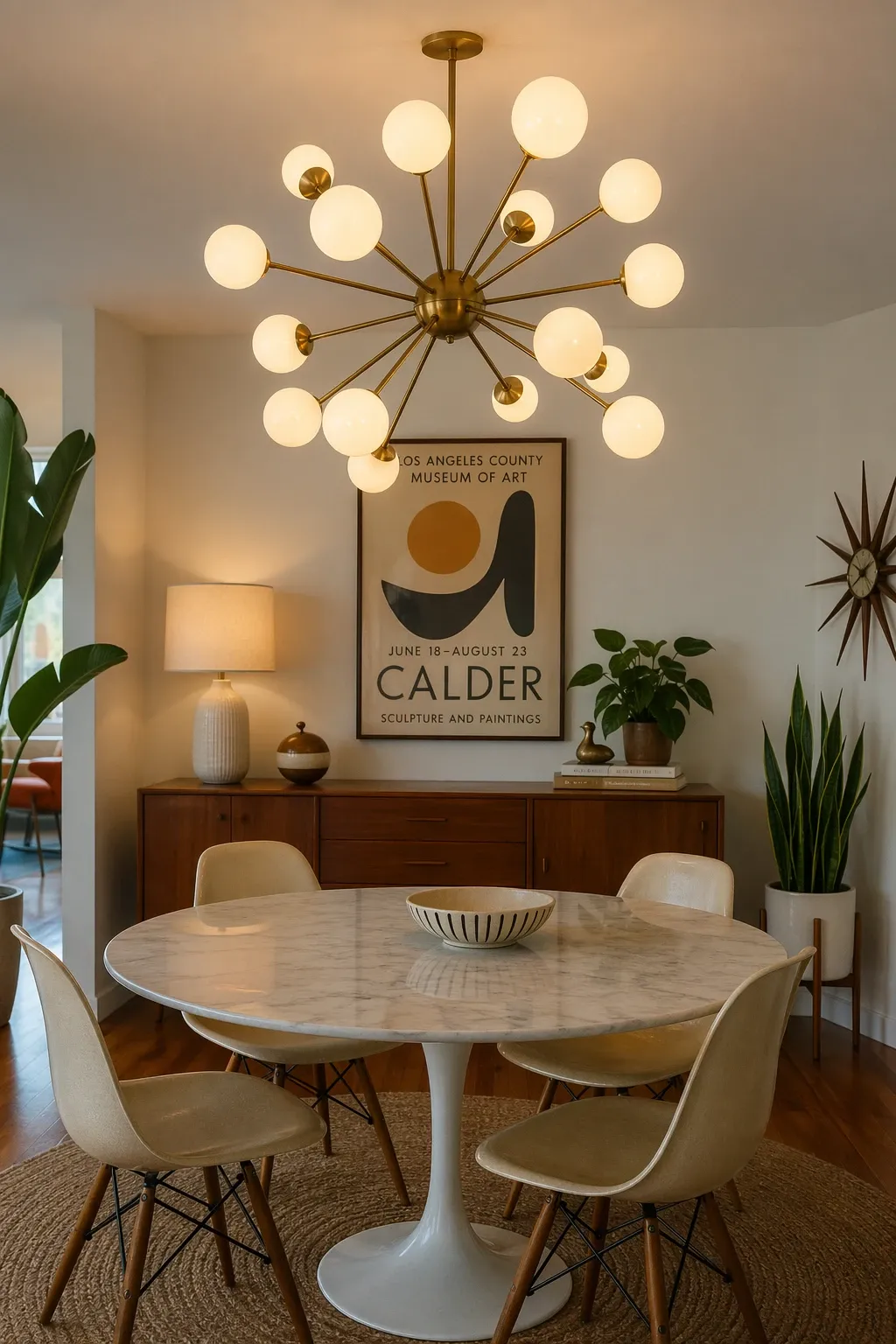
The Sputnik chandelier is an iconic piece of mid-century modern design that remains incredibly popular today. With its multiple arms extending from a central point, this fixture resembles a starburst or a satellite. It provides a playful yet sophisticated retro flair that can instantly energize a dining room. The Sputnik style is all about optimism and the excitement of the space age, and it brings that same energy into the modern home.
In 2026, we are seeing Sputnik styles with more refined materials, such as opal glass globes, polished nickel finishes, and even wood accents. This fixture works best as a central focal point in a room with relatively simple decor. Its bold shape provides enough visual interest that you don’t need many other decorative elements to make the space feel complete. It is a “one and done” design choice that makes a huge impact.
Because Sputnik chandeliers have many bulbs, they can provide a significant amount of light. This makes them a great choice for larger dining rooms that need plenty of illumination. However, because the bulbs are often exposed, it is highly recommended to use a dimmer switch with this style to avoid it feeling too bright or overwhelming during intimate dinners.
7. Woven Natural Textures
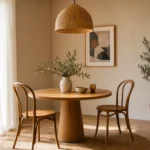
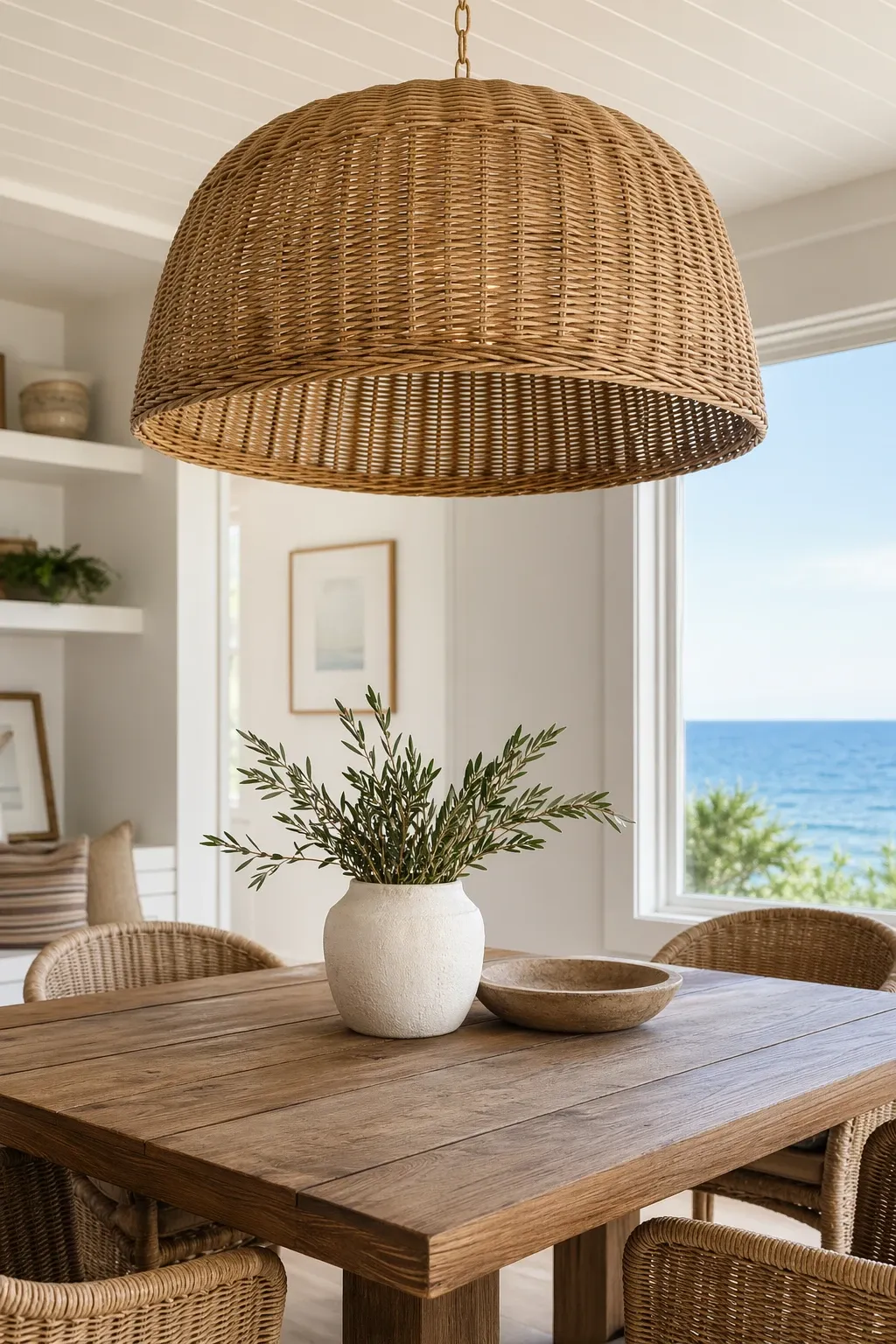
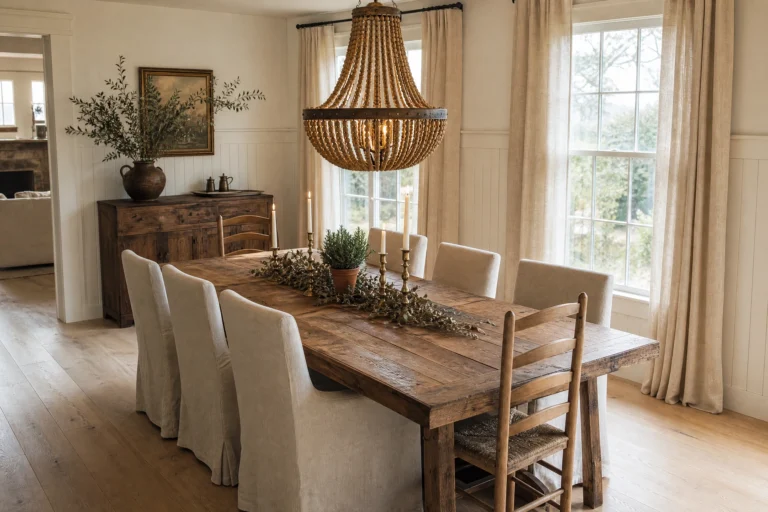
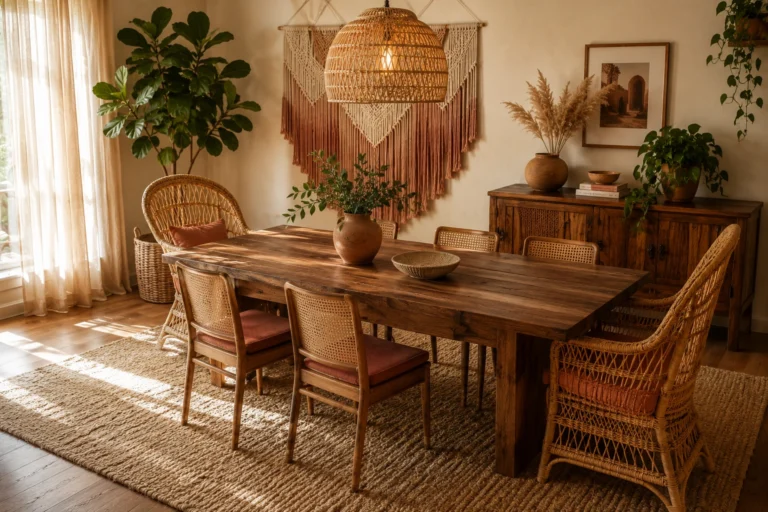
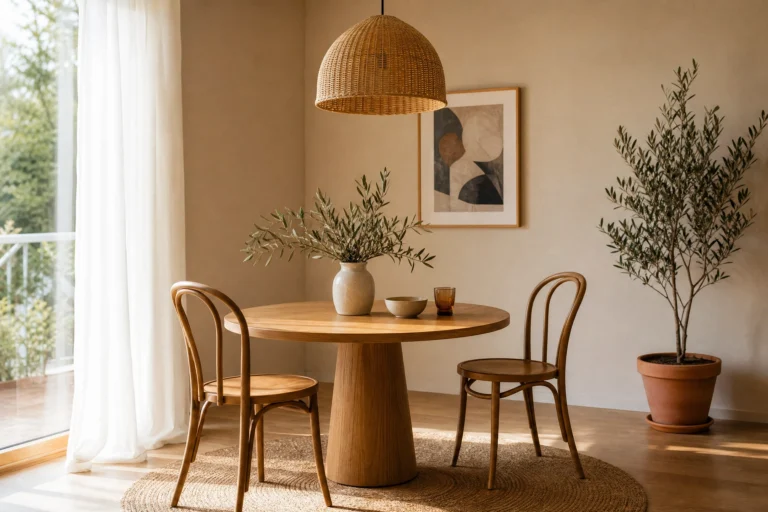
As interior design moves toward more sustainable and grounded aesthetics, woven lighting fixtures are gaining massive popularity. Made from materials like rattan, bamboo, seagrass, or even jute, these lights bring a touch of the outdoors inside. They are ideal for creating a relaxed, coastal, or bohemian atmosphere. The use of natural materials is a key part of the “biophilic design” trend, which aims to connect people more closely with nature within their homes.
Woven pendants provide a beautiful play of light and shadow, as the light filters through the natural fibers. This creates a warm, textured glow that makes the dining room feel incredibly cozy and inviting. These fixtures are typically lightweight and work well in rooms with plenty of natural light, indoor plants, and other natural textures like linen and wood.
One thing to keep in mind with woven fixtures is that they are often quite large. A large rattan dome can become the dominant feature of the room. To keep the look balanced, ensure the rest of your furniture is of a similar scale. These lights are also excellent for dampening sound in a room with many hard surfaces, as the natural fibers help to absorb echoes.
8. Minimalist Geometric Shapes
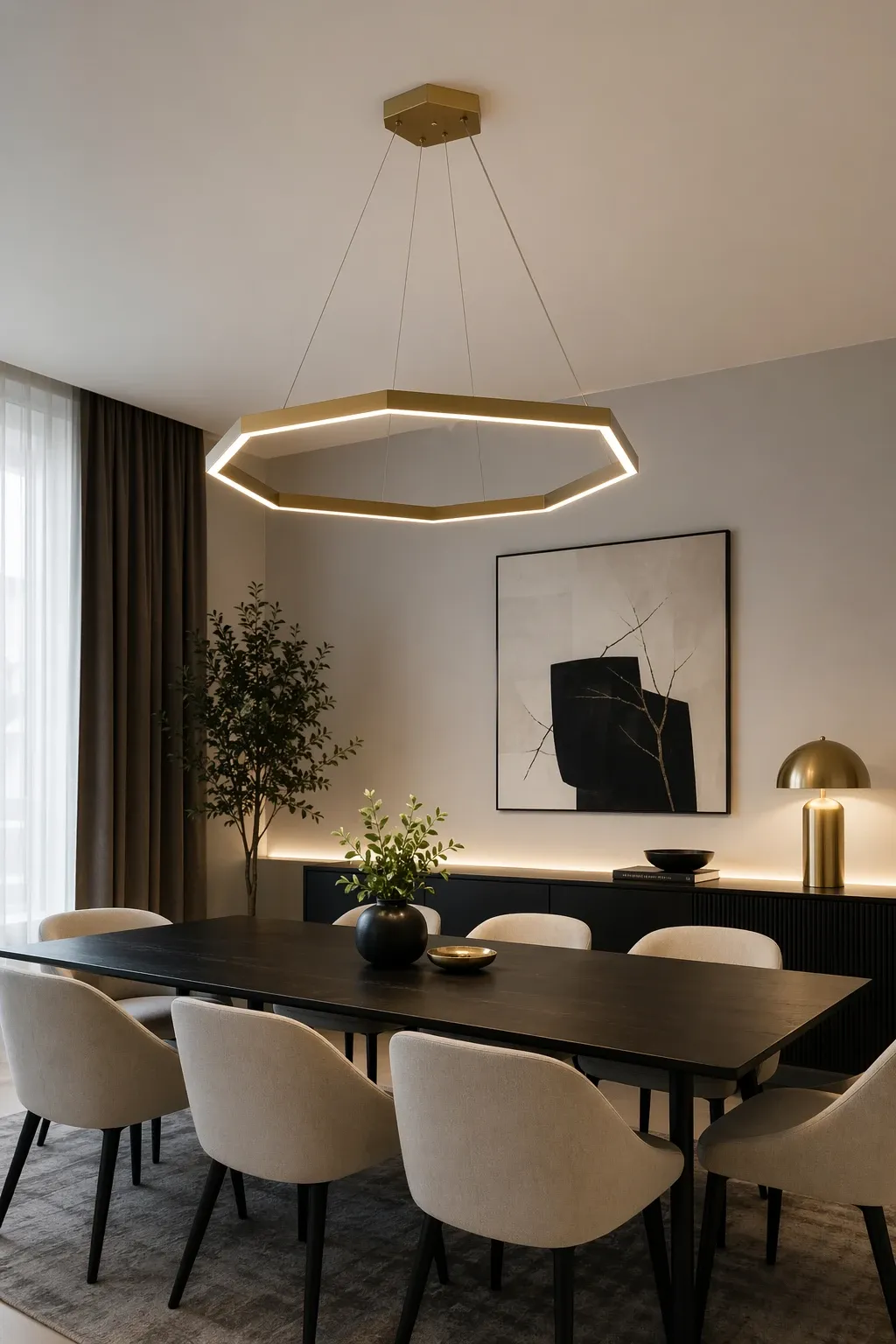
For the lover of clean lines and modern simplicity, geometric lighting is the way to go. These fixtures focus on basic shapes like hexagons, circles, and triangles. The beauty of this style lies in its precision and lack of unnecessary ornamentation. It is a very “honest” form of design where the structure of the light is the design itself.
Minimalist geometric lights are often made from thin metal frames, making them feel light and airy. They are perfect for smaller dining rooms where a bulky chandelier might feel overwhelming. By choosing a fixture in a bold finish like gold, black, or even a vibrant color, you can add a touch of personality without sacrificing the minimalist aesthetic.
Geometric fixtures also allow for interesting light patterns. Some designs use integrated LEDs along the edges of the shapes, creating a “halo” effect that is both modern and ethereal. This type of lighting is very effective for creating a calm and focused atmosphere, perfect for long dinners where the conversation is the main event.
9. Dual Matching Chandeliers
If you have an exceptionally long dining table or a very large dining room, a single light fixture might not be enough to provide even coverage. In these cases, using two matching chandeliers can create a stunning sense of symmetry and balance. This approach is often seen in formal dining rooms and large open-plan spaces where the dining area needs to be clearly defined.
When installing dual fixtures, space them evenly along the length of the table. Generally, each light should be centered over one half of the table. This setup not only provides better light coverage but also creates a more grand and luxurious feel. It makes the dining area feel more substantial and anchored within the larger room.
Using two fixtures also allows you to choose slightly smaller chandeliers than you would if you were using just one. This can prevent the lighting from feeling too “heavy” in the space. The key is to ensure the fixtures are identical in every way—from the finish to the height at which they are hung—to maintain a cohesive and professional look.
10. Art Deco Inspired Designs
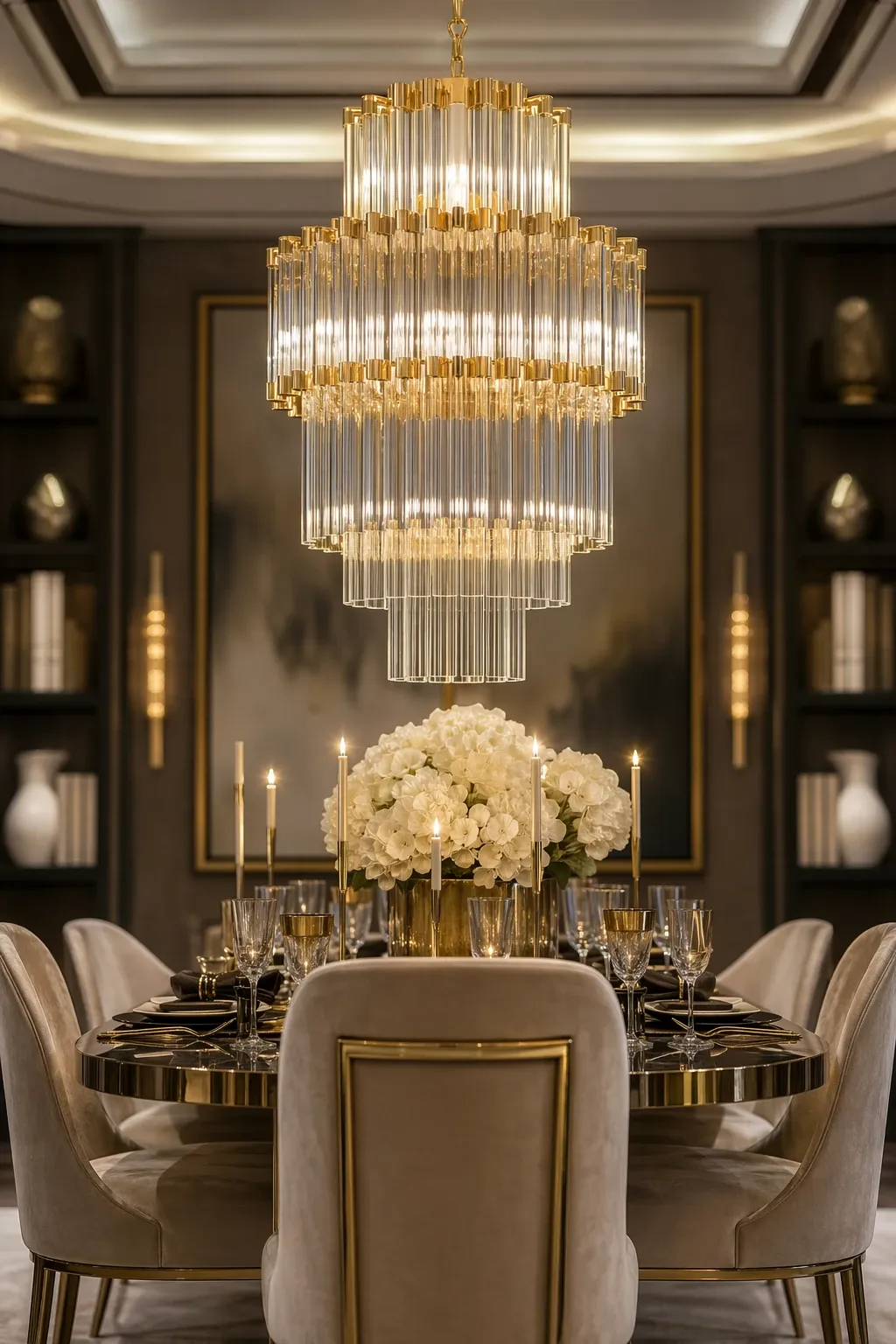
Art Deco lighting is characterized by bold geometric patterns, rich colors, and luxurious materials like brass, chrome, and frosted glass. This style brings a sense of vintage glamour and 1920s sophistication to the dining room. Look for fixtures that feature tiered glass, symmetrical designs, and sunburst motifs.
An Art Deco chandelier can serve as a powerful statement piece that instantly elevates the status of the room. It works best in spaces with a slightly more formal or dramatic decor. To pull this look together, consider incorporating other Deco elements, such as velvet upholstery, dark wood furniture, or mirrored surfaces, into your dining room design.
Art Deco lighting often provides a more focused and dramatic light than more modern styles. The use of frosted glass helps to eliminate glare while still providing a bright and glamorous glow. This makes it an excellent choice for those who love to host formal dinner parties and want their home to feel like a sophisticated social hub.
11. Soft Diffused “Globe” Lights
Globe lights are a classic design that never goes out of style because of their inherent simplicity and effectiveness. These fixtures feature one or more spherical shades, usually made of frosted or opal glass. The result is a soft, diffused light that eliminates harsh shadows and creates a very inviting and flattering environment for everyone at the table.
In 2026, globe lights are being used in more creative ways, such as asymmetrical clusters, long horizontal bars with multiple globes, or even globes of different sizes hung together. This style is incredibly versatile and works well in almost any interior, from traditional to ultra-modern. The simplicity of the globe shape ensures that the lighting enhances the room without competing with other design elements.
One of the biggest benefits of globe lights is that they provide 360-degree illumination. This helps to brighten the entire room, not just the table surface. They are also very easy to keep clean, as the smooth glass surfaces can be quickly wiped down. For a more modern look, consider globes with a metallic finish on one half, which can direct the light more specifically onto the table.
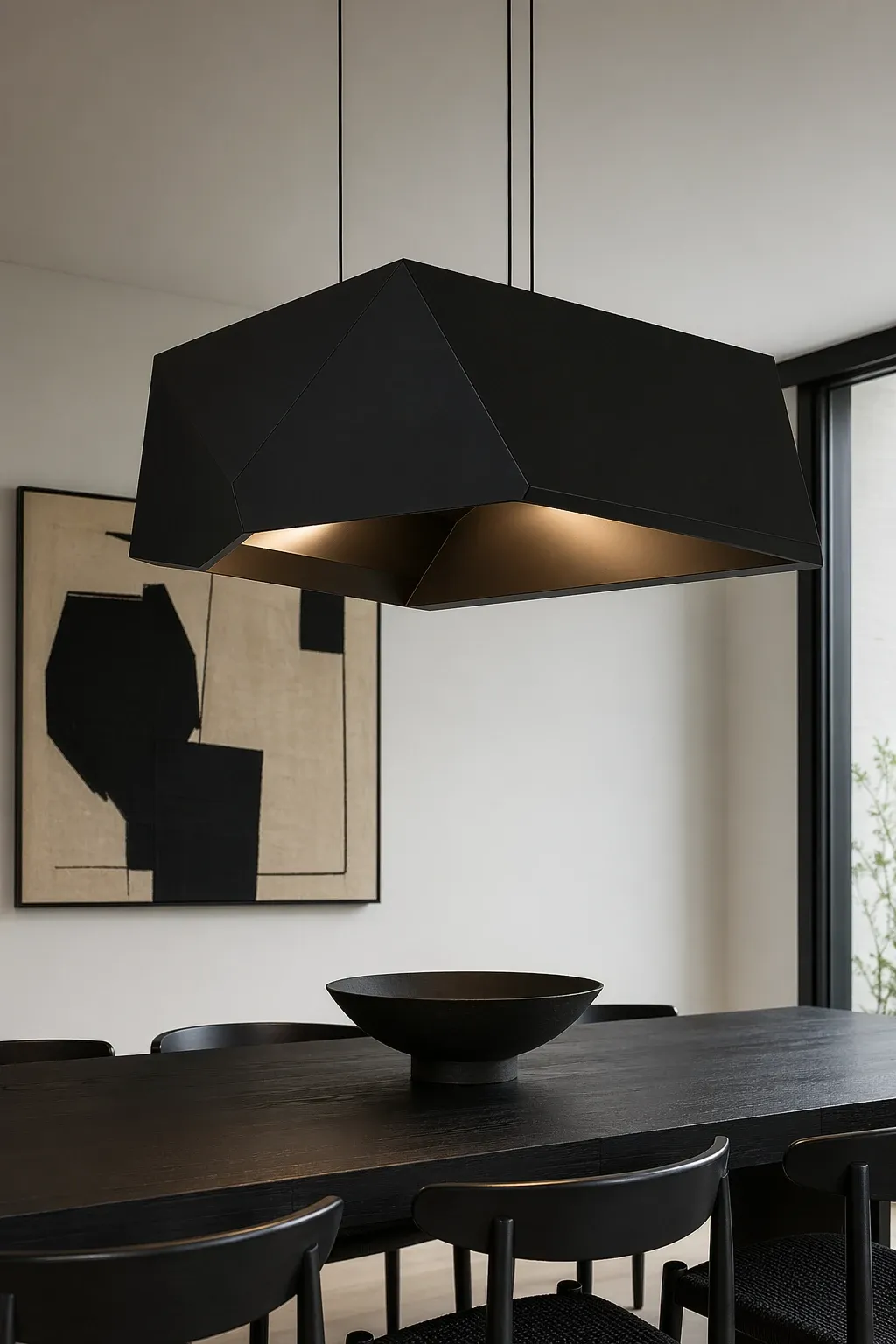
12. Bold Black Architectural Fixtures
Black lighting fixtures provide a high-contrast, modern look that is both bold and sophisticated. These architectural pieces often feature sharp lines, unique silhouettes, and a matte finish that stands out dramatically against lighter walls and ceilings. Black is a powerful “neutral” that adds a sense of definition and edge to a room.
A black fixture can act as an anchor for the dining room, drawing the eye and providing a clear focal point. This style is particularly effective in modern farmhouse, industrial, or contemporary minimalist homes. The contrast of black metal against a light-colored wooden table or white walls is a classic design move that always looks intentional and high-end.
To keep the room from feeling too dark or heavy, pair black lighting with plenty of natural light and lighter-toned furniture. You can also look for black fixtures that have a gold or brass interior; this not only adds a touch of warmth but also helps to reflect more light onto the table, making the fixture more functional as well as beautiful.
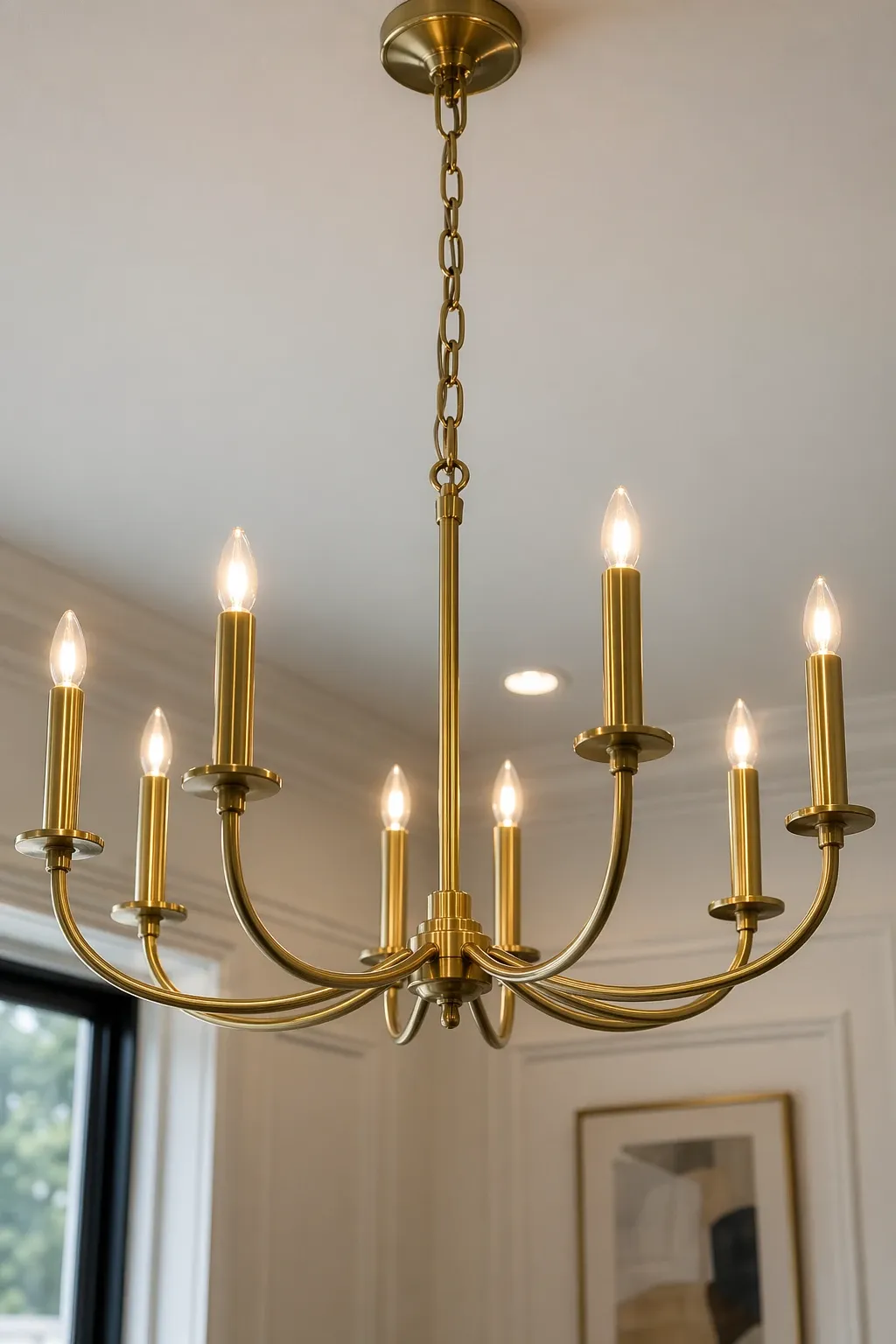
13. Modern Candle-Style Chandeliers
The traditional candle chandelier has been reimagined for the modern era, stripped of its heavy ornamentation and given a sleek, new life. These fixtures retain the classic shape of a multi-armed chandelier but replace the ornate scrolls and crystals with clean, simple lines. Instead of real candles, they use sleek LED bulbs—often in a “flame” shape—that provide a consistent and beautiful light.
This modern take on a classic provides a sense of history and elegance without feeling stuffy or dated. It is a great choice for those who want a formal dining room that still feels current and approachable. The open design of these chandeliers makes them feel light in the space, allowing you to see through the fixture to the rest of the room.
Look for finishes like polished brass, matte silver, or even a combination of metal and wood to add a touch of contemporary shine. Because these fixtures are often quite wide, they work beautifully over large round or square tables. They also pair exceptionally well with traditional furniture that has been updated with modern fabrics or colors.
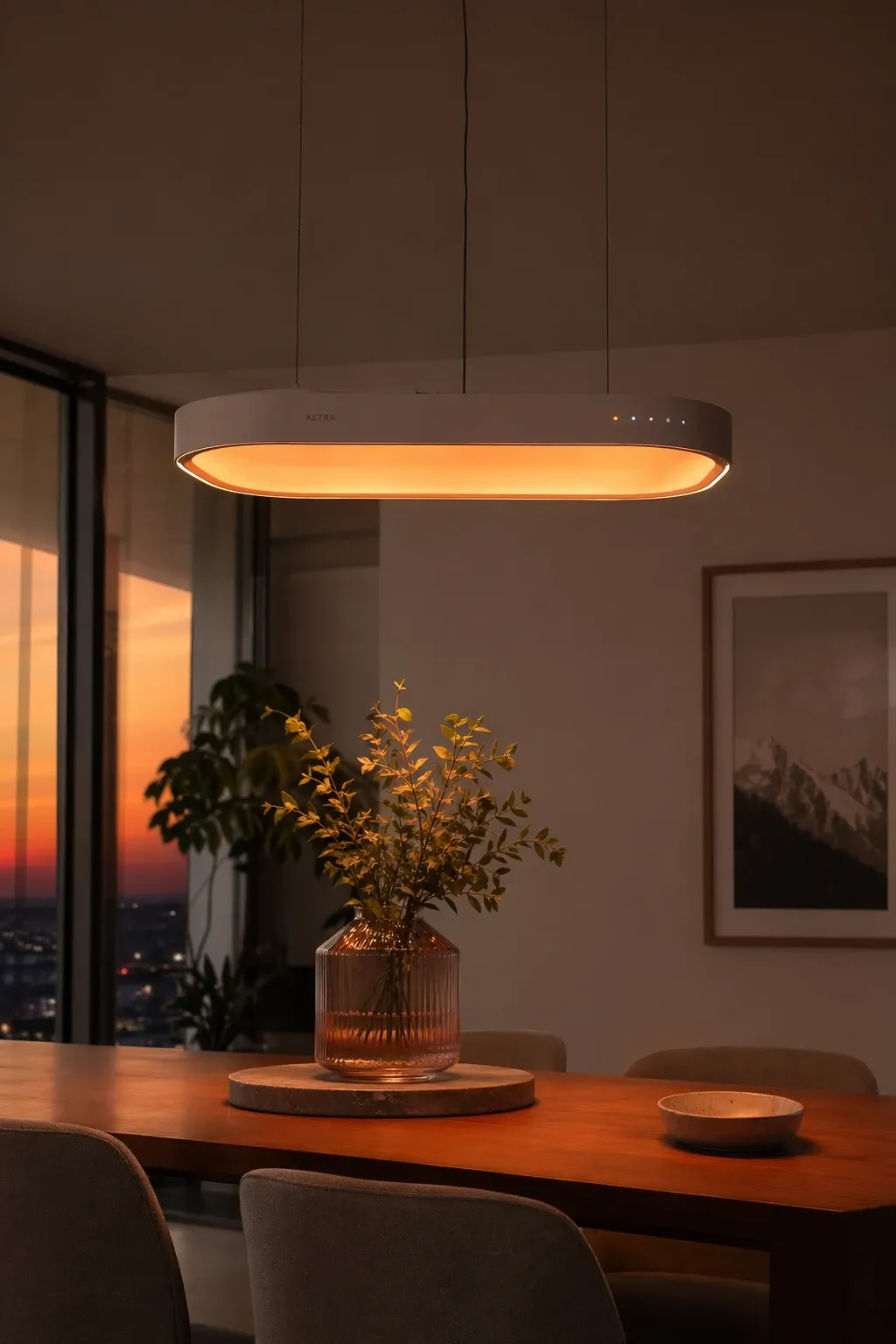
14. Tunable “Wellness” Tech Lighting
One of the most innovative and rapidly growing trends for 2026 is the integration of wellness technology into home lighting. Tunable LED fixtures allow you to adjust the color temperature and brightness of the light throughout the day to suit your needs and your mood. You can have bright, cool light for a productive breakfast or a daytime workspace, and then shift to a warm, amber glow for a relaxing and intimate dinner.
This technology is designed to support your natural circadian rhythm—the internal clock that tells your body when to be awake and when to rest. By mimicking the natural progression of sunlight, tunable lighting can improve your mood, focus, and overall well-being. Many of these fixtures can be controlled via a smartphone app, voice commands, or even automated schedules, making them as convenient as they are beneficial.
As we spend more time at home, investing in lighting that supports our health is becoming a top priority for many homeowners. Tunable lighting is also a great way to change the “feel” of your room without changing any of the decor. A quick adjustment on your phone can transform your dining room from a bright, energetic space into a calm and serene sanctuary.
Choosing the Right Fixture for Your Table Shape
The shape of your dining table should play a major role in your lighting choice, as the goal is to create a harmonious relationship between the furniture and the light. For a round or square table, a single central fixture—like a chandelier, a large pendant, or a pendant cluster—is usually the best option. This maintains the natural symmetry of the space and provides balanced light for everyone sitting around the table.
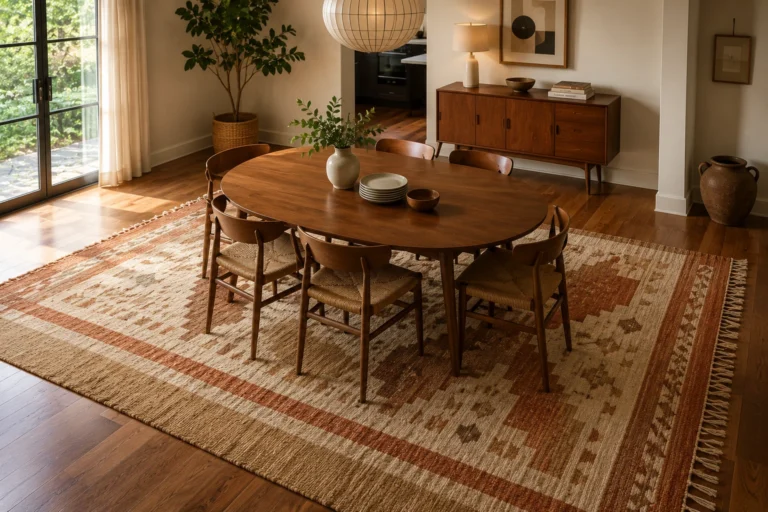
For rectangular or oval tables, you have more options to play with. A single long linear pendant is a popular and effective choice, as is a pair of matching chandeliers. Alternatively, you could use a series of three or four smaller pendants hung in a row. The key is to ensure the lighting covers at least half to two-thirds of the table’s length to avoid dark spots at the ends and to ensure the table feels properly anchored.
Consider also the “visual weight” of your table. A heavy, dark wood table can handle a more substantial and ornate light fixture. Conversely, a light glass or thin-legged modern table might look better with a more delicate and airy light. The goal is balance; you don’t want the light to overwhelm the table, nor do you want the table to make the light look insignificant.
Layering Light and Using Dimmers
To create the perfect dining atmosphere, it is important to think beyond just the central fixture. Professional designers use a technique called “layering” to create depth and interest in a room. Layering involves using different types of lighting—ambient, task, and accent—to create a rich and flexible lighting plan.
In addition to your overhead light (ambient), consider adding wall sconces (accent) to highlight artwork or architectural features. A floor lamp in a corner can provide a soft glow that makes the room feel larger, while small lamps on a sideboard or buffet (task) can provide extra light for serving food. By having multiple light sources, you can adjust the mood of the room for different occasions.
One of the most important and cost-effective additions to any dining room is a dimmer switch. Being able to control the brightness of your lights is the single best way to change the atmosphere of a room instantly. Dimmers allow you to transition from a bright, functional space for homework or crafts to a soft, romantic setting for a dinner party. They also help to reduce energy consumption and can significantly extend the life of your light bulbs.
The Psychology of Dining Room Lighting
The way we light a room has a profound impact on how we feel and how we interact with others. In a dining room, the goal is often to create a sense of intimacy and connection. Soft, warm light tends to make people feel more relaxed and open to conversation. It also makes food look more appetizing, which is why high-end restaurants spend so much time and money on their lighting plans.
Conversely, very bright or cool light can make people feel more alert but also more hurried. If you want your guests to linger over their meal and enjoy deep conversations, keeping the light levels lower and the color temperature warmer is the way to go. This is why the “wellness” tech lighting mentioned earlier is so valuable—it allows you to tailor the psychological impact of your room to the specific needs of the moment.
Lighting can also be used to define the boundaries of a space. In an open-plan home, a well-placed chandelier over the dining table acts as a visual “room divider,” signaling that this area is for eating and socializing. This helps to create a sense of order and purpose within a large, multi-functional room, making the dining area feel like a special destination within the home.
Technical Considerations for Installation
While style is important, the technical side of lighting cannot be ignored. Before purchasing a fixture, ensure your ceiling can support its weight. Some large crystal or metal chandeliers can be very heavy and may require a reinforced junction box. It is always best to consult with a professional electrician if you are unsure about the structural requirements of your chosen light.
Think also about the type of bulbs the fixture requires. Many modern lights use integrated LEDs, which are very energy-efficient but cannot be replaced if they fail. Other fixtures use standard screw-in bulbs, giving you more flexibility in terms of brightness and color temperature. If you choose a fixture with exposed bulbs, consider the aesthetic of the bulbs themselves—clear glass bulbs with interesting filaments can add a lot to the overall look.
Finally, consider the maintenance of the fixture. High-up lights or those with intricate details will be harder to clean. If you live in a dusty environment or have pets, you might want to choose a simpler design that is easy to wipe down. A beautiful light is only beautiful if it is clean and well-maintained, so be honest with yourself about how much time you are willing to spend on upkeep.
Conclusion: Lighting as the Heart of the Home
Choosing the right dining room lighting over table is a journey of balancing function, fashion, and technology. Whether you are drawn to the organic, sculptural shapes of 2026 trends, the bold statement of an architectural black fixture, or the timeless sparkle of a classic crystal chandelier, the right light will enhance your home and make every meal a more enjoyable experience.
By considering the size of your room, the shape of your table, and the psychological impact of light, you can create a dining space that is both beautiful and perfectly illuminated. Remember that lighting is the finishing touch that brings all your design elements together, creating a cohesive and inviting heart for your home. It is an investment in your home’s style and your family’s well-being that will pay off every time you sit down to eat.