The Ultimate Guide to Living Room Lighting: 17 Transformative Ideas
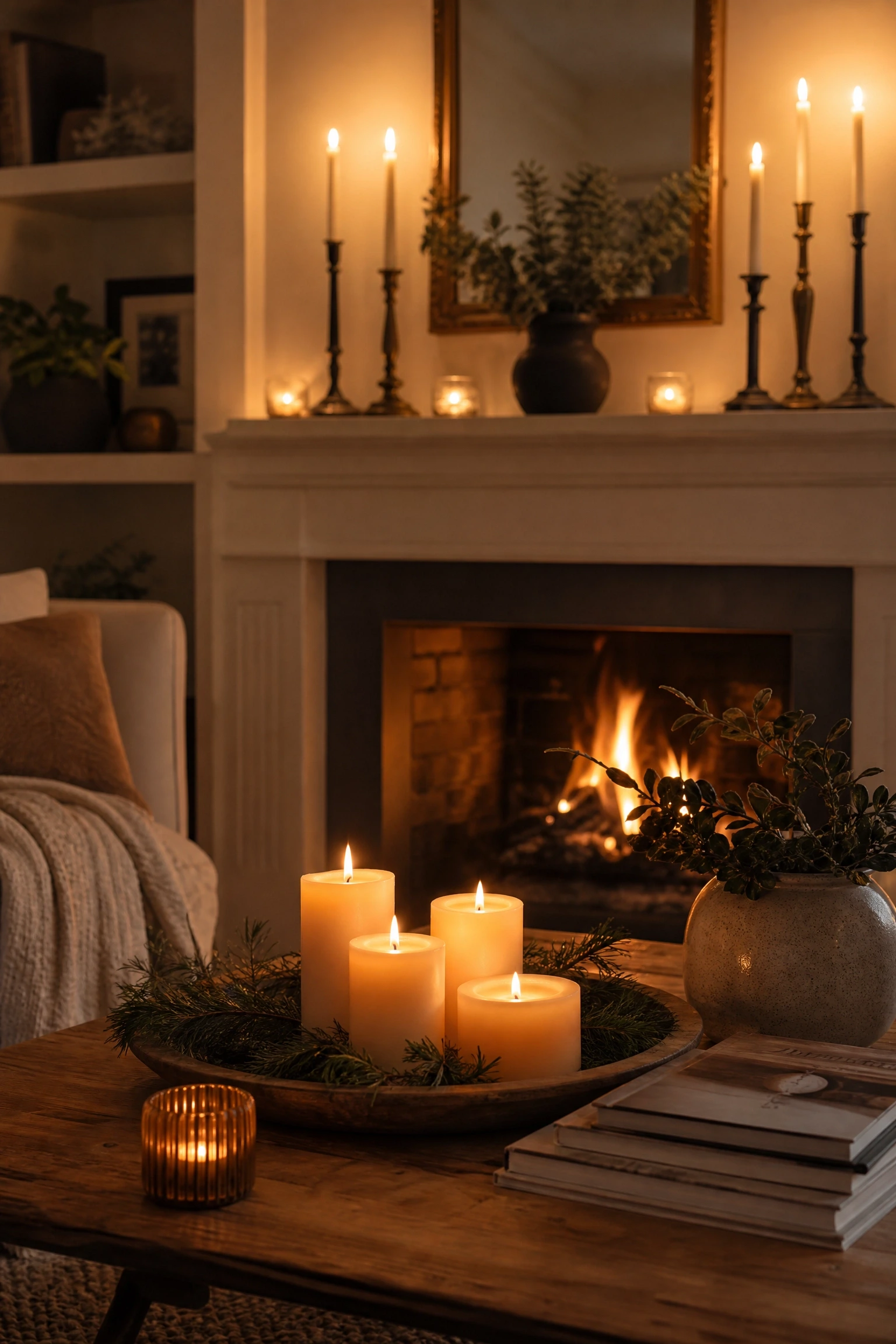
Lighting plays a crucial role in defining the atmosphere and functionality of any living space. It is more than just illumination; it is an essential element of interior design that can transform a room from ordinary to extraordinary. Thoughtful lighting enhances mood, highlights architectural features, and supports various activities, making a living room truly comfortable and inviting.
Effective lighting design considers how light interacts with colors, textures, and spatial arrangements. It can make a small room feel larger, a large room feel cozier, and bring warmth to any setting. Understanding the principles of good lighting is the first step toward creating a living room that not only looks beautiful but also serves all your practical needs.
The Core Layers of Illumination
Successful living room lighting relies on a layered approach, combining different types of light to achieve balance and depth. This strategy ensures that every corner of the room is adequately lit for its purpose, while also creating visual interest and a welcoming ambiance. The three primary layers of lighting are ambient, task, and accent.
Ambient Lighting: The Foundation
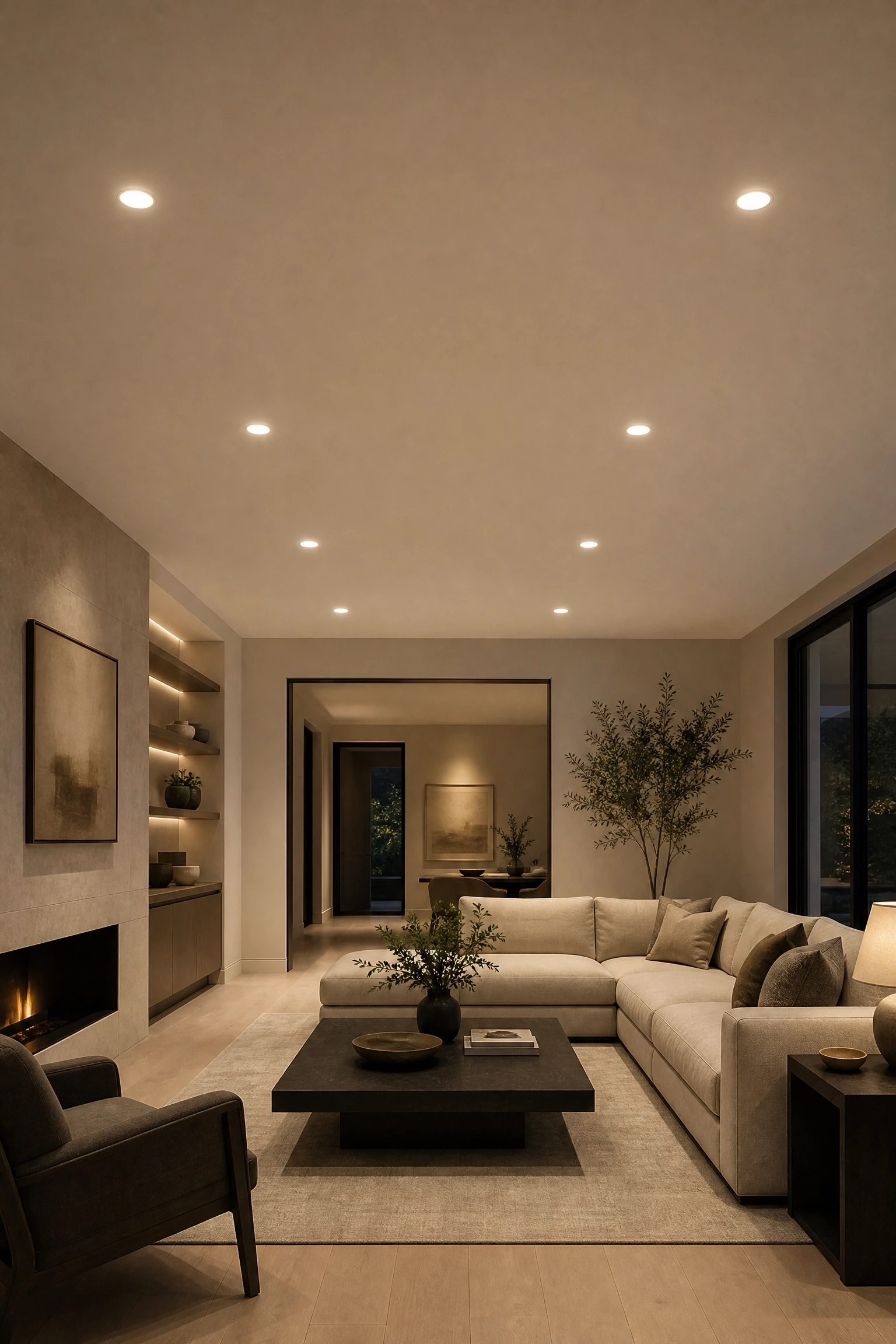
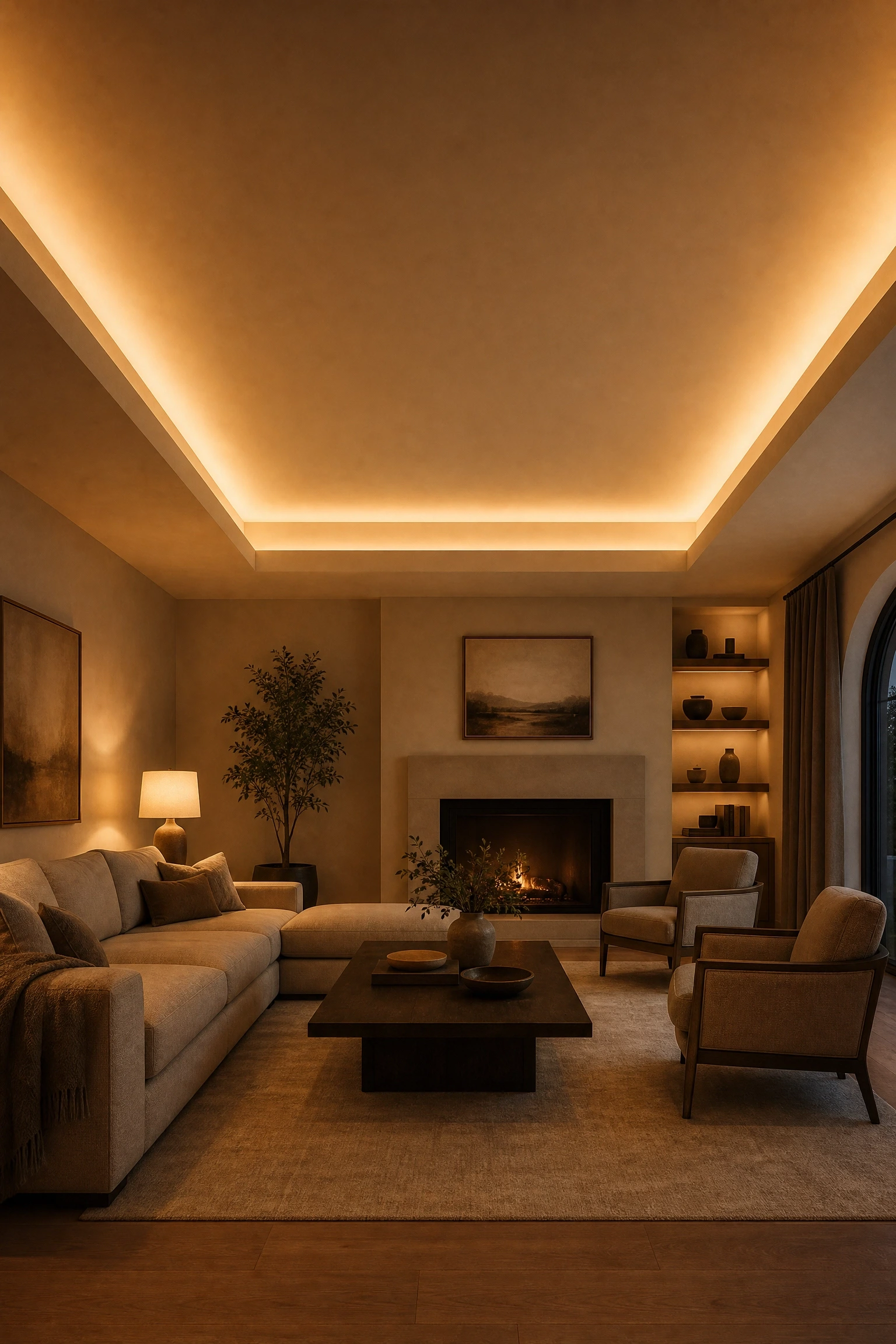
Ambient lighting provides the overall illumination for a room, serving as its primary light source. It is the general light that allows you to navigate the space safely and comfortably. This layer is crucial for setting the room’s overall brightness and mood. Common sources of ambient lighting include ceiling fixtures, such as chandeliers, flush mounts, and recessed lights, as well as natural light from windows.
The goal of ambient lighting is to create a uniform level of brightness throughout the living room, preventing dark spots and harsh contrasts. It should be soft and diffused, providing a comfortable glow without glare. Dimmers are particularly useful for ambient lighting, allowing you to adjust the intensity to suit different times of day or activities.
Task Lighting: Functional Focus
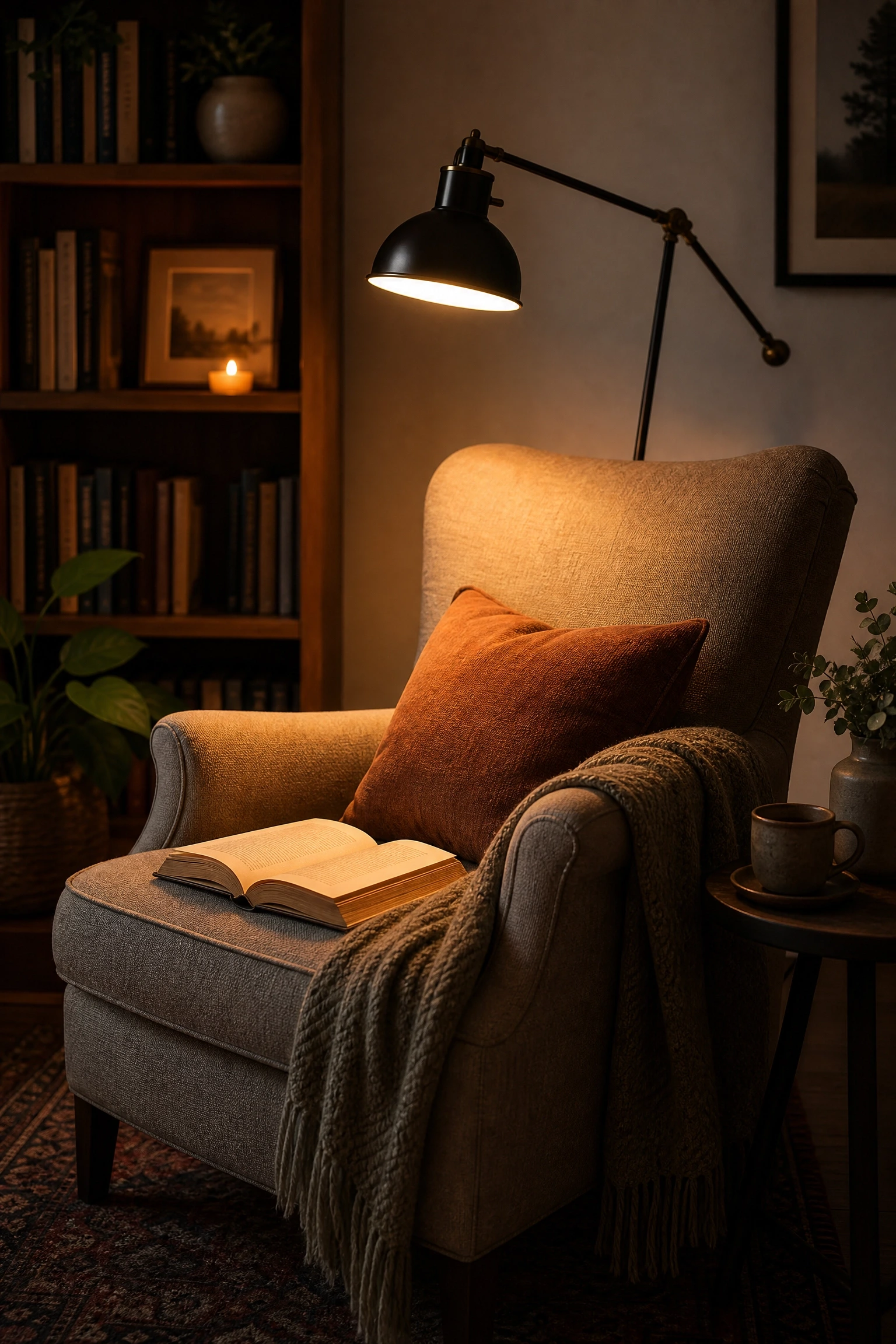
Task lighting is designed to illuminate specific areas where activities requiring focused light take place. This layer is essential for functionality, ensuring that you have adequate brightness for reading, working, or engaging in hobbies. Without proper task lighting, performing these activities can lead to eye strain and discomfort.
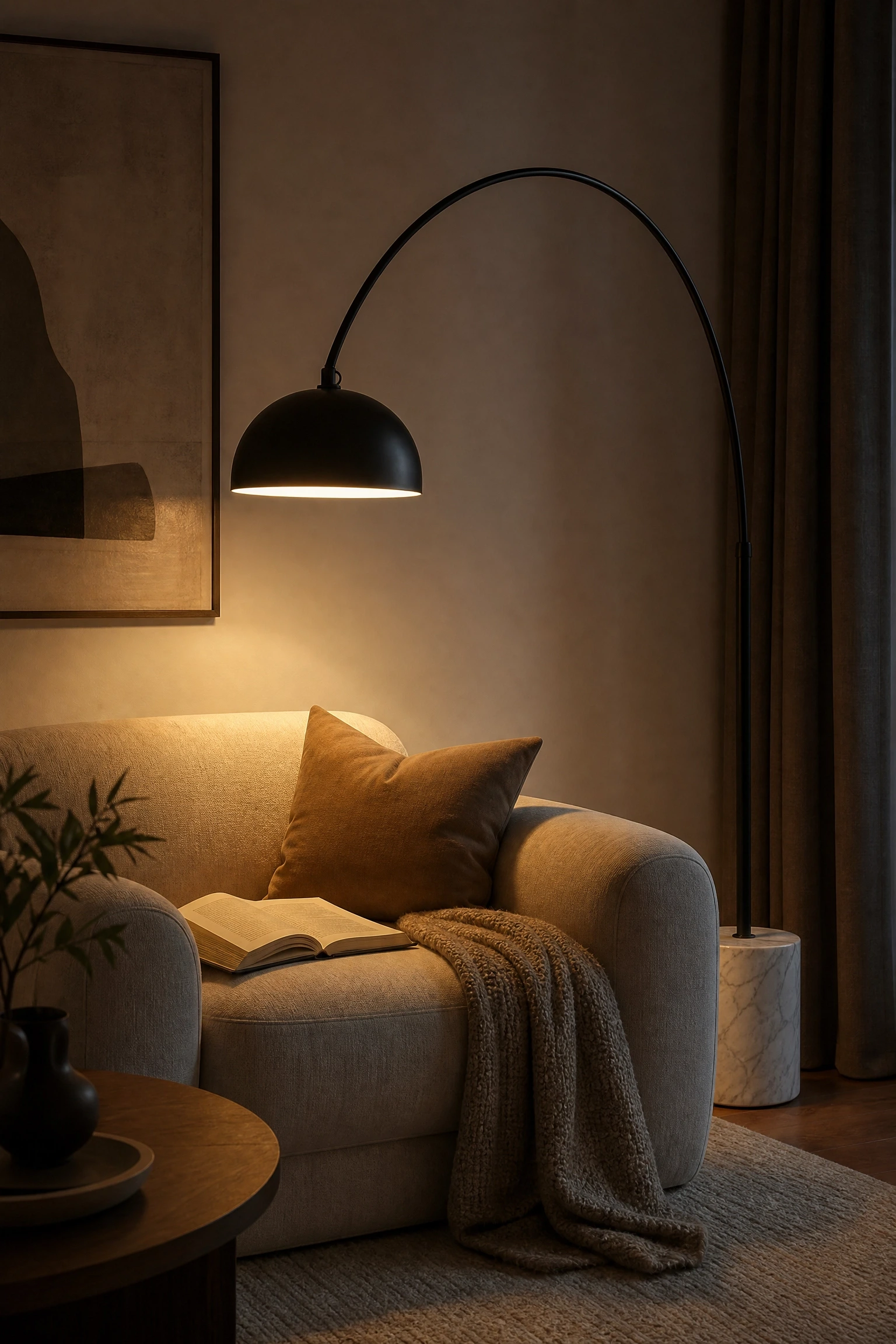
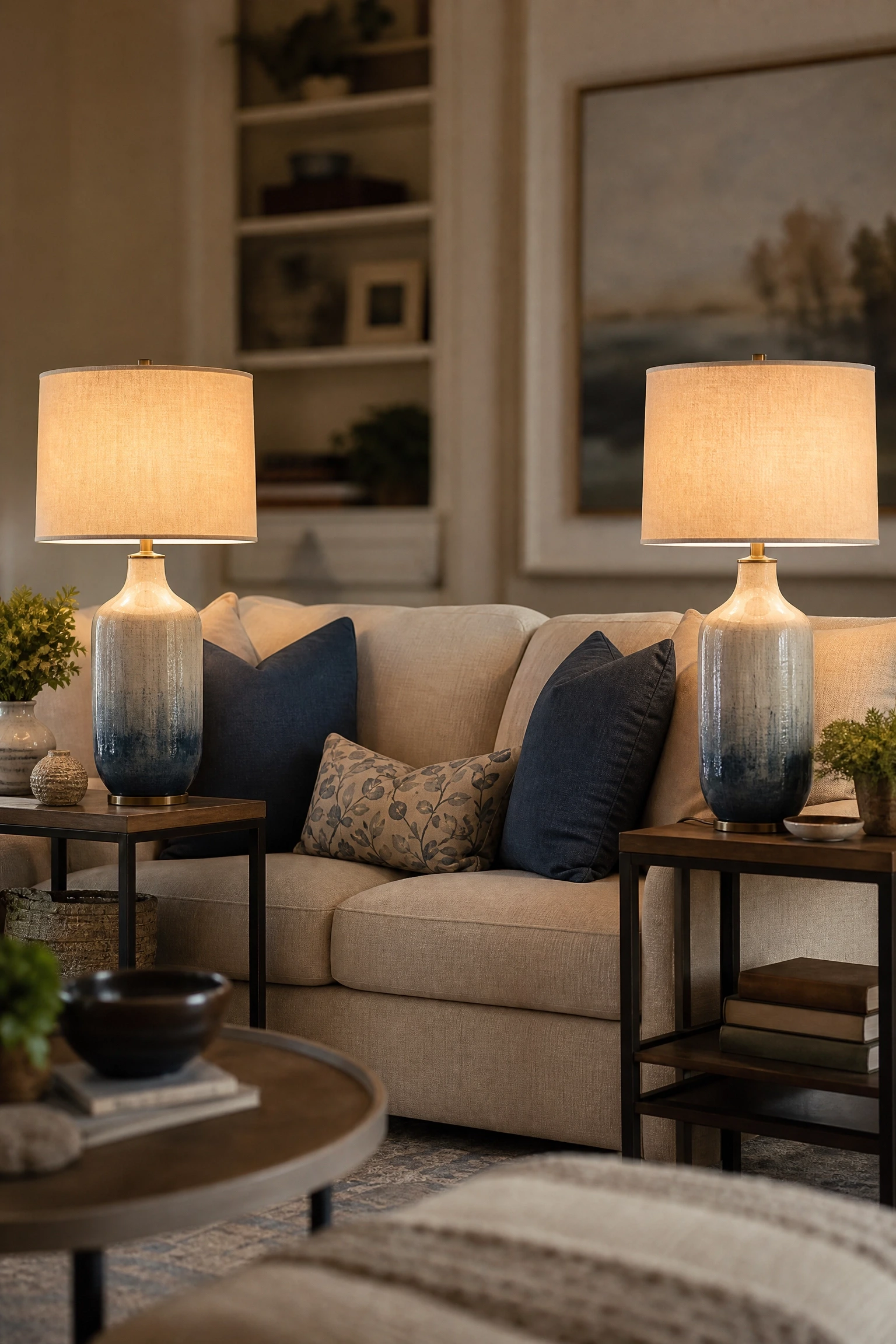
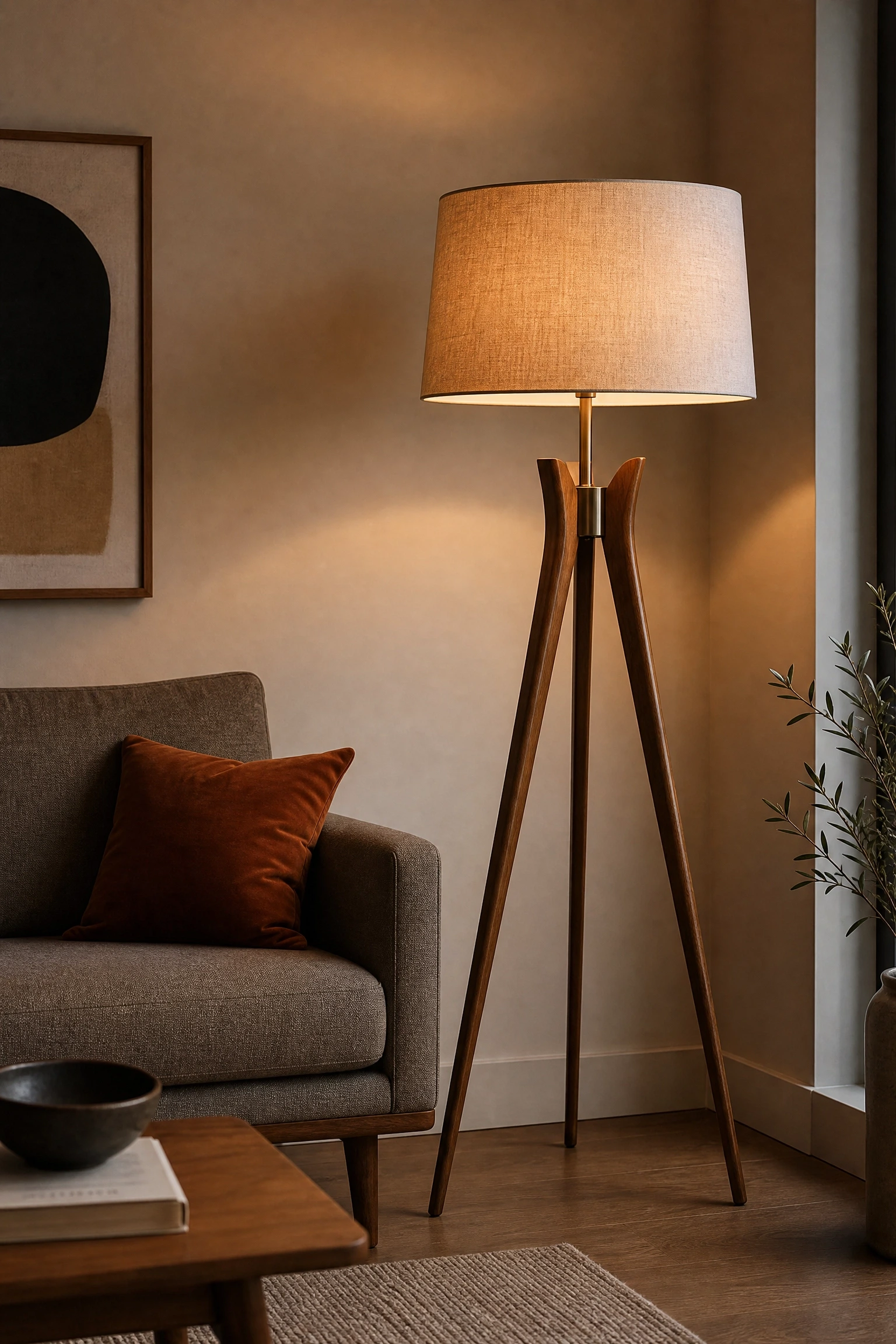
Examples of task lighting include table lamps next to a sofa, floor lamps positioned over an armchair, and sometimes even adjustable wall sconces. The key is to direct the light precisely where it is needed, minimizing shadows and providing clear visibility. The intensity and color temperature of task lighting should be appropriate for the activity it supports, often brighter and cooler than ambient light.
Accent Lighting: Highlighting and Drama
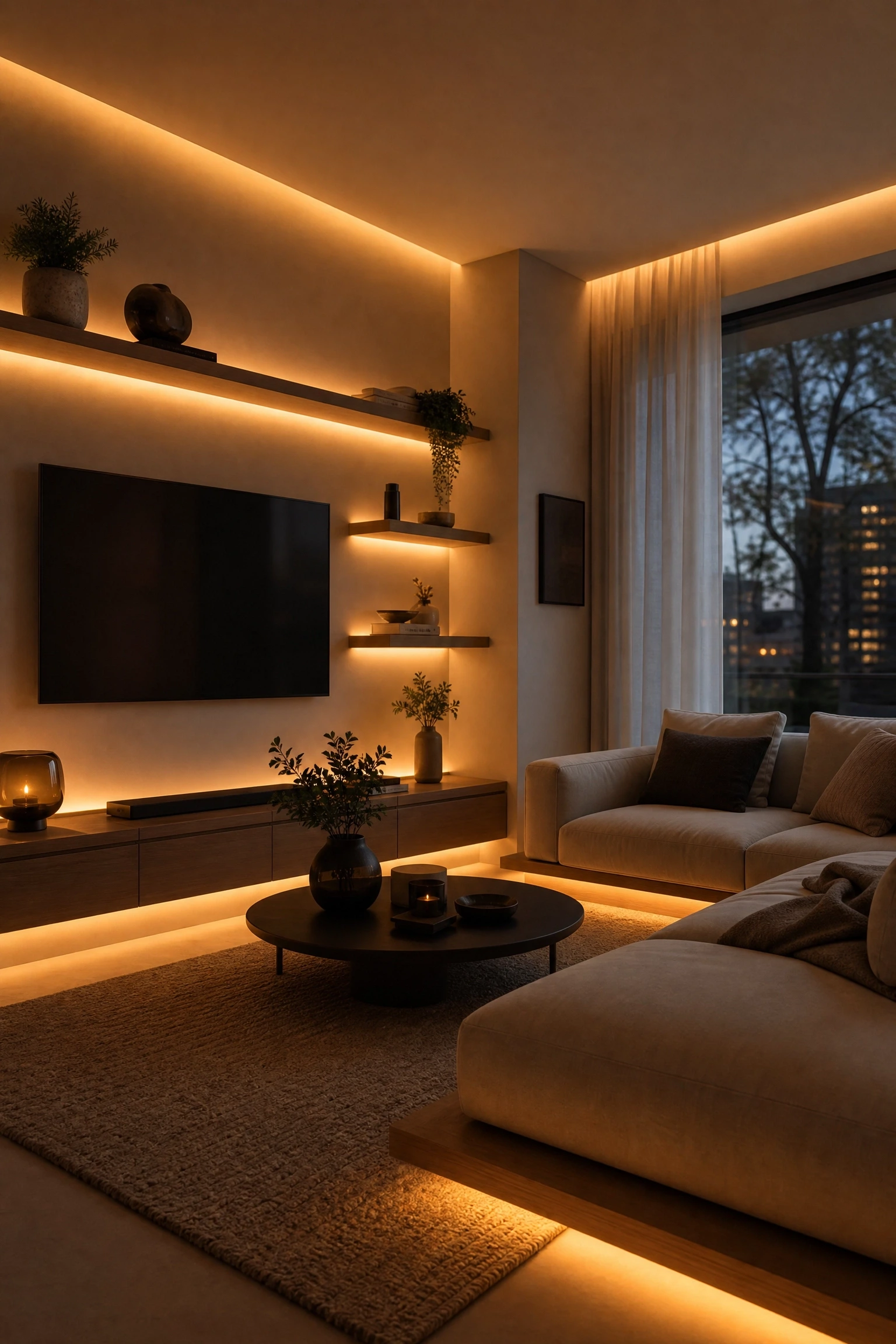
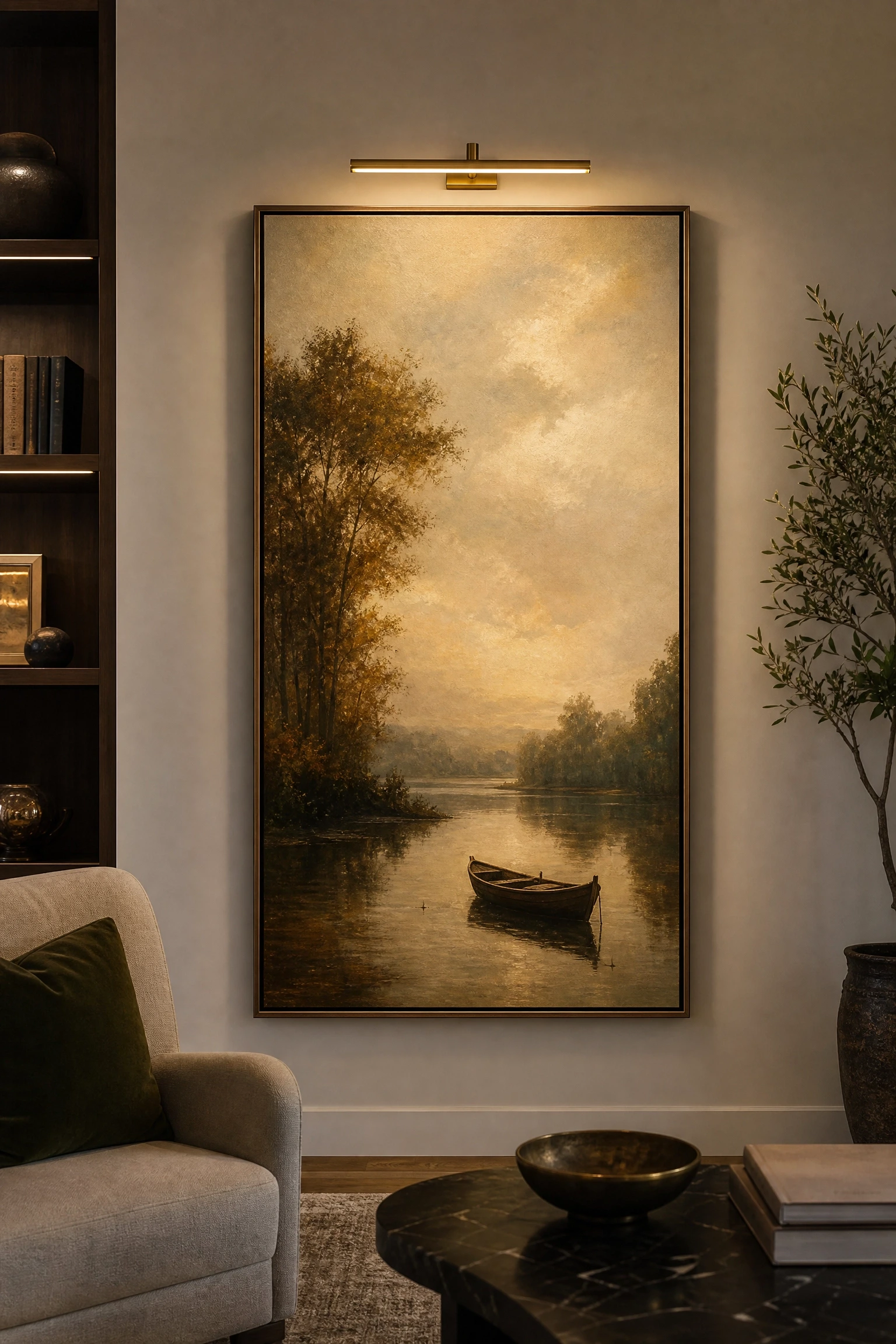
Accent lighting is used to draw attention to specific features, objects, or architectural details within the living room. It adds visual interest and depth, creating focal points and enhancing the room’s aesthetic appeal. This layer is about creating drama and highlighting the elements you want to showcase.
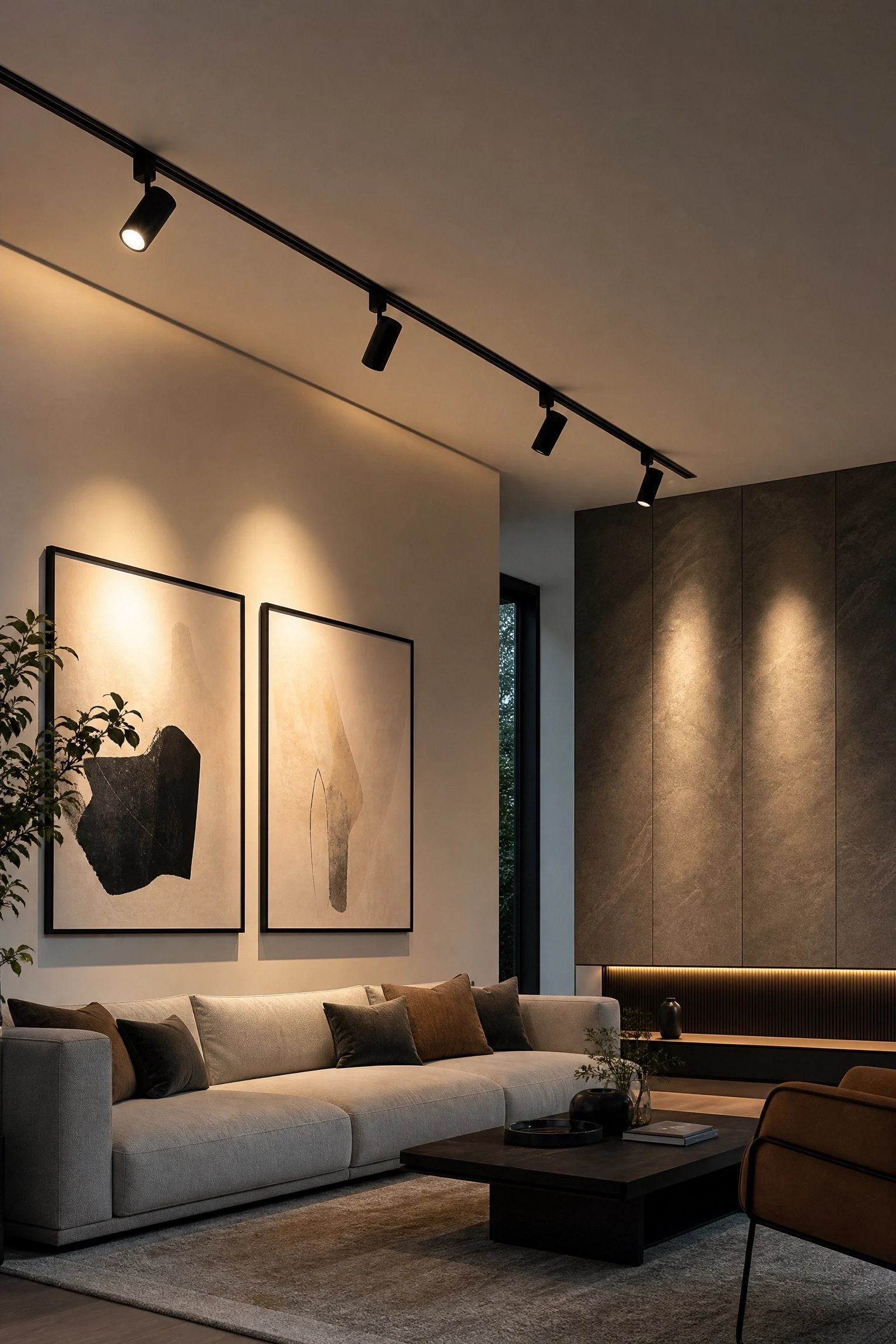
Common forms of accent lighting include picture lights, spotlights aimed at artwork, uplights behind plants, or recessed lights focused on textured walls. The intensity of accent lighting is typically three times brighter than the ambient light in the room to effectively draw the eye. It helps to create a sense of dimension and sophistication, making the living room feel more curated and dynamic.
By thoughtfully combining these three layers, you can create a living room lighting scheme that is both functional and aesthetically pleasing, adapting to various needs and moods throughout the day. Each layer contributes uniquely to the overall design, working together to form a cohesive and inviting environment.
1. Rustic Chandelier: Timeless Charm
A rustic chandelier brings a sense of history and warmth to any living room. Characterized by materials like distressed wood, wrought iron, and often featuring candle-style bulbs, these fixtures evoke a farmhouse or traditional aesthetic. They are perfect for adding a touch of old-world charm and a welcoming glow.
Placement: A rustic chandelier typically serves as the central ambient light source, positioned in the middle of the living room or above a main seating area. In open-concept spaces, it can define the living zone.
Bulb Choices: Opt for LED bulbs that mimic the warm, flickering glow of candles, usually in a color temperature of 2200K to 2700K. These provide a soft, inviting light that complements the rustic style.
Styling Tips: Pair with natural textures such as linen upholstery, wooden furniture, and stone accents. Earthy tones and muted colors will enhance the fixture’s natural appeal. Consider exposed wooden beams or a stone fireplace to complete the look.
Maintenance: Dust regularly with a soft cloth. For wrought iron, occasional waxing can prevent rust and maintain its finish. Ensure all connections are secure, especially if the fixture is heavy.

2. Modern Minimalist Circular Fixtures: Sleek Simplicity
Modern minimalist circular fixtures embody sleekness and simplicity, offering a contemporary aesthetic that blends seamlessly into modern interiors. These fixtures often feature integrated LED technology, providing a clean, uniform light without visible bulbs. Their geometric shape adds a subtle artistic touch.
Placement: Ideal for rooms with low ceilings or where a less obtrusive overhead light is desired. They can be flush-mounted or suspended as elegant pendants, providing excellent ambient light. Multiple circular fixtures can be arranged at varying heights for visual interest.
Bulb Choices: These fixtures typically come with integrated LED lights, offering energy efficiency and a long lifespan. Choose a warm white (2700K-3000K) for a cozy feel or a neutral white (3500K-4000K) for a brighter, more functional space.
Styling Tips: Complement with clean lines in furniture and decor. A monochromatic or limited color palette will enhance the minimalist vibe. These fixtures work well in open-plan living areas, contributing to an uncluttered and spacious feel.
Maintenance: Wipe with a damp cloth to remove dust and fingerprints. Since LEDs are integrated, there is no need for bulb replacement. Check electrical connections periodically for safety.

3. Geometric Designs: Architectural Interest
Geometric light fixtures are a bold statement, introducing architectural interest and a contemporary edge to the living room. Their angular forms and open structures create captivating shadow patterns on walls and ceilings, turning illumination into an art form. These fixtures are perfect for those who appreciate modern design and visual intrigue.
Placement: A geometric fixture can serve as a striking centerpiece in the main seating area or above a coffee table. Its open design makes it suitable for rooms where you want to maintain an airy feel while adding a strong design element.
Bulb Choices: Exposed filament bulbs or clear LED bulbs are often chosen to complement the open design, allowing the light source to be part of the aesthetic. A warm color temperature (2700K) enhances the cozy atmosphere.
Styling Tips: Pair with other geometric elements in the room, such as patterned rugs, abstract art, or angular furniture. These fixtures can act as a focal point in both industrial and modern minimalist settings. Consider contrasting them with softer textures to create balance.
Maintenance: Due to their open design, these fixtures may accumulate dust inside. Use a soft brush or a vacuum cleaner with a brush attachment for regular cleaning. Ensure bulbs are securely fastened.

4. Glamorous Globe Lighting: Luxe and Modern
Glamorous globe lighting combines the classic appeal of spherical forms with modern luxury, often featuring brass or gold finishes and frosted glass. These fixtures evoke a mid-century modern sensibility while adding a sophisticated and opulent touch. They are perfect for creating a chic and inviting atmosphere.
Placement: Globe chandeliers or pendants are excellent for central overhead lighting, particularly in living rooms with higher ceilings. Smaller globe sconces can provide accent lighting, enhancing artwork or creating a soft glow along walls.
Bulb Choices: Frosted LED bulbs are ideal for diffusing light evenly and preventing glare, contributing to a soft, ambient glow. A warm white color temperature (2700K-3000K) is recommended to enhance the luxurious feel.
Styling Tips: Pair with rich textures like velvet, polished metals, and marble. A color palette of deep jewel tones or sophisticated neutrals will complement the glamorous aesthetic. These fixtures work well in both contemporary and transitional interiors.
Maintenance: Wipe glass globes with a microfiber cloth to keep them sparkling. For brass or gold finishes, use a gentle cleaner specifically designed for metals to prevent tarnishing. Regular dusting will maintain their luster.

5. Artsy Statement Fixture: Lighting as Sculpture
An artsy statement fixture transcends mere illumination; it functions as a piece of sculptural art, becoming a captivating focal point in the living room. These unique lights often feature unconventional shapes, materials, and designs, reflecting personal style and adding a playful yet sophisticated twist to the decor.
Placement: Position this fixture where it can be admired from multiple angles, such as centrally in the living room, above a conversation area, or in a prominent corner. It should be given ample space to stand out without overcrowding the room.
Bulb Choices: The bulb choice depends heavily on the fixture’s design. Some may use integrated LEDs, while others might feature exposed decorative bulbs like Edison or clear globes. The goal is to complement the fixture’s artistic intent.
Styling Tips: Allow the statement fixture to be the star of the room. Keep surrounding decor relatively understated to avoid competition. It pairs well with eclectic interiors, gallery walls, or minimalist settings where it can provide a burst of personality.
Maintenance: Cleaning will vary based on the materials. Delicate components may require careful dusting with a soft brush or compressed air. Always consult the manufacturer’s instructions for specific care.

6. Retro-Inspired Lighting: A Nod to the Past
Retro-inspired lighting draws from the design aesthetics of past decades, particularly the mid-20th century, bringing a sense of nostalgia and character to the living room. These fixtures often feature distinctive shapes, vibrant colors, and unique materials that evoke a playful and cozy atmosphere.
Placement: Retro pendants can hang over a specific seating area or a side table, providing focused light and a strong design statement. Floor lamps with adjustable heads are excellent for task lighting in a reading nook.
Bulb Choices: Exposed filament bulbs, often with a warm amber glow (2200K-2700K), are popular for enhancing the vintage feel. Frosted or colored glass bulbs can also be used to match the fixture’s specific retro style.
Styling Tips: Combine with vintage furniture, bold patterns, and a color palette that reflects the era (e.g., oranges, browns, greens for the 70s; pastels for the 50s). These lights are perfect for creating a themed or eclectic interior.
Maintenance: Regular dusting with a soft cloth is usually sufficient. For colored glass or unique materials, use gentle, non-abrasive cleaners to preserve their finish. Check wiring for older fixtures.

7. Organic Nature-Inspired: Bringing the Outdoors In
Organic nature-inspired lighting fixtures mimic elements from the natural world, such as branches, leaves, or floral patterns. These lights introduce an earthy, whimsical, and serene vibe, creating a strong connection to the outdoors and fostering a calming atmosphere within the living room.
Placement: A nature-inspired chandelier can be a stunning centerpiece, especially in rooms with high ceilings or a garden view. Smaller pendants or sconces can be used to complement the theme, adding subtle natural touches throughout the space.
Bulb Choices: Small, delicate LED bulbs that resemble dewdrops or buds are common. A warm white color temperature (2700K) enhances the natural, soft glow. Integrated LEDs are often used for intricate designs.
Styling Tips: Pair with natural materials like wood, stone, and woven textiles. Incorporate indoor plants, botanical prints, and a color palette of greens, browns, and muted earth tones. This style works well in bohemian, Scandinavian, or contemporary organic interiors.
Maintenance: Dusting intricate branches or delicate glass elements requires care, often with a soft brush or feather duster. Avoid harsh chemicals that could damage natural finishes or delicate components.

8. Classic Crystal Chandelier: Enduring Elegance
A classic crystal chandelier is a symbol of enduring elegance and luxury. Its intricate design, featuring numerous crystal facets, creates a dazzling display of light refraction, casting sparkling patterns across the room. This fixture adds a formal and sophisticated touch, perfect for traditional or glamorous living rooms.
Placement: Best suited as a central ambient light source in formal living rooms, dining areas within an open plan, or spaces with high ceilings. Its grandeur demands attention and a prominent position.
Bulb Choices: Candelabra-style LED bulbs are ideal, providing a warm, inviting glow while being energy efficient. A color temperature of 2700K-3000K enhances the classic, opulent feel. Dimmable bulbs are highly recommended to control the sparkle.
Styling Tips: Complement with classic furniture, rich fabrics like silk or velvet, and polished wood. A neutral color palette allows the chandelier to truly shine, while metallic accents can enhance its luxurious appeal. Crown molding and ornate details complete the traditional look.
Maintenance: Regular dusting with a feather duster or compressed air is essential to maintain its sparkle. For deeper cleaning, individual crystals may need to be carefully wiped with a specialized crystal cleaner. Ensure the fixture is turned off and cooled before cleaning.

9. Bold Black Lighting: Striking Contrast
Bold black lighting fixtures offer a striking contrast in a living room, bringing a modern and often industrial edge. Whether matte or glossy, black fixtures create a strong visual statement, defining space and adding depth. They are particularly effective in contemporary and minimalist designs.
Placement: Black pendants can highlight specific zones, such as a reading corner or a small seating arrangement. Black track lighting can provide flexible task and accent illumination. A black chandelier can serve as a dramatic centerpiece.
Bulb Choices: Exposed Edison bulbs or clear LED bulbs often complement the industrial aesthetic of black fixtures. For a softer look, frosted bulbs can diffuse the light. Color temperature can range from warm (2700K) to neutral (3500K) depending on the desired mood.
Styling Tips: Pair with light-colored walls and furniture to maximize contrast. Incorporate other black accents throughout the room, such as picture frames, throw pillows, or furniture legs, to create a cohesive design. Works well with industrial, Scandinavian, and modern styles.
Maintenance: Wipe with a soft, damp cloth to remove dust and smudges. Avoid abrasive cleaners that could scratch the finish. For matte finishes, be careful not to rub too hard, as this can create shiny spots.

10. Industrial Wire Mesh Pendant: Edgy Transparency
An industrial wire mesh pendant light brings an edgy, raw, and transparent aesthetic to the living room. The open mesh design allows light to filter through, creating interesting patterns and a sense of lightness despite its robust material. It is a perfect choice for urban, loft-style, or modern industrial interiors.
Placement: These pendants work well over a coffee table, a small dining area within the living room, or in a corner to provide focused task or accent lighting. Multiple pendants can be grouped for a more dramatic effect.
Bulb Choices: Edison bulbs with visible filaments are the quintessential choice for industrial mesh pendants, enhancing their vintage appeal. Clear LED bulbs that mimic the look of Edison bulbs are also excellent for energy efficiency. A warm color temperature (2200K-2700K) is recommended.
Styling Tips: Combine with exposed brick, concrete elements, metal furniture, and reclaimed wood. Leather upholstery and dark, muted color palettes complement the rugged charm. This fixture can also provide a surprising contrast in a more refined setting.
Maintenance: Due to its open structure, dust can accumulate. Use a soft brush or a vacuum cleaner with a brush attachment to clean the mesh. Ensure the bulb is cool before handling.

11. Minimalist Wall Sconces: Space-Saving Elegance
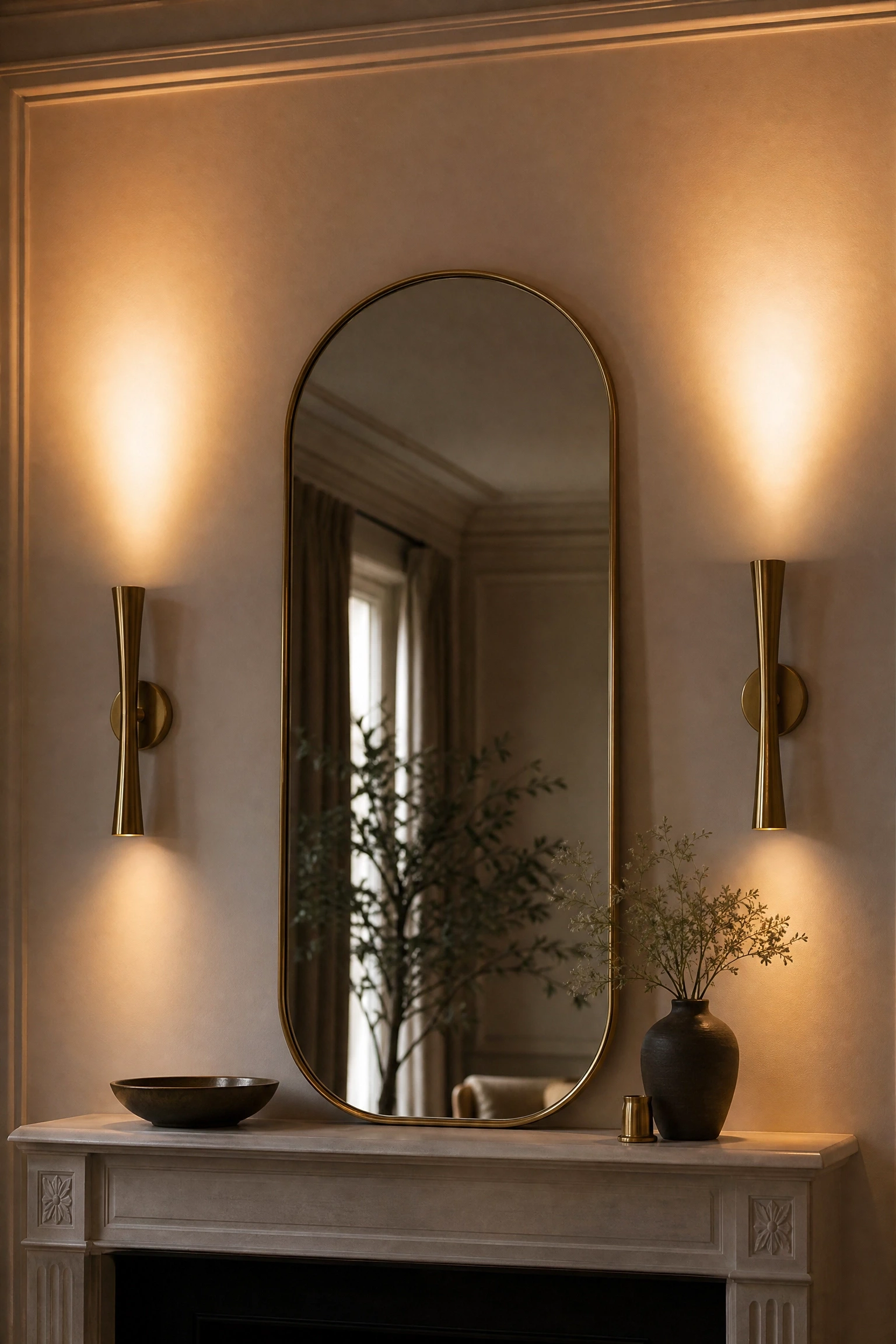
Minimalist wall sconces offer a discreet yet elegant lighting solution, perfect for living rooms where space is at a premium or where a subtle glow is desired. These fixtures are designed to blend seamlessly with the wall, providing ambient or accent lighting without taking up floor or ceiling space. They are excellent for highlighting artwork or creating a cozy reading nook.
Placement: Install sconces at eye level or slightly above, typically 60-66 inches from the floor. They can flank a fireplace, a piece of art, or a sofa. In hallways leading to the living room, they provide a guiding light. For reading, place them directly above or beside an armchair.
Bulb Choices: Integrated LEDs are common for sleek, minimalist designs, offering efficient and focused light. If replaceable bulbs are used, opt for dimmable LEDs with a warm white (2700K-3000K) color temperature for a soft, inviting glow.
Styling Tips: These sconces complement modern, contemporary, and minimalist interiors. Use them to create symmetry or to add a subtle architectural detail. They work best in rooms with clean lines and uncluttered walls, allowing their understated elegance to shine.
Maintenance: Wipe with a soft, dry or slightly damp cloth to remove dust. For fixtures with glass elements, use a glass cleaner. Ensure the power is off before cleaning.

12. Oversized Drum Chandeliers: Soft Grandeur
Oversized drum chandeliers provide a sense of soft grandeur, diffusing light through a large fabric or opaque shade to create a warm, inviting glow. These fixtures are perfect for softening the ambiance of a large room, offering a contemporary take on traditional chandeliers. They provide excellent ambient lighting without harsh glare.
Placement: Ideal for spacious living rooms with high ceilings, where they can serve as a central focal point. They work well over a main seating area or a large coffee table, providing balanced illumination across the room.
Bulb Choices: Use multiple LED bulbs, preferably dimmable, to allow for adjustable brightness. A warm white color temperature (2700K-3000K) is recommended to enhance the soft, cozy atmosphere created by the fabric shade.
Styling Tips: Pair with comfortable, upholstered furniture and a mix of textures to enhance the cozy feel. These chandeliers can bridge traditional and modern styles, making them versatile. They work particularly well in transitional or contemporary classic interiors.
Maintenance: Regular dusting of the fabric shade with a lint roller or a vacuum cleaner with a brush attachment is crucial. For deeper cleaning, some fabric shades can be spot cleaned according to manufacturer instructions. Ensure the fixture is off before cleaning.

13. Geometric Lantern: Modern Twist on Classic
A geometric lantern fixture offers a modern twist on a classic silhouette, combining the timeless appeal of a lantern with contemporary geometric lines. These fixtures often feature metal frames and clear glass panels, providing a clean yet sophisticated look that can complement various interior styles.
Placement: Excellent as a central overhead light in a living room, especially one with a slightly traditional or transitional aesthetic. They can also be used in pairs in larger rooms or in an open-concept space to define a specific zone.
Bulb Choices: Clear LED bulbs or decorative filament bulbs are often chosen to be visible through the glass panels. A warm white color temperature (2700K) enhances the inviting glow. Dimmable bulbs are a good option for mood control.
Styling Tips: Pair with furniture that has clean lines but also some traditional elements. These lanterns work well with both neutral and bolder color palettes. They can create a cohesive look when used in conjunction with other metal accents in the room.
Maintenance: Wipe the metal frame and glass panels with a soft, damp cloth. For fingerprints on glass, use a glass cleaner. Regular dusting will keep the fixture looking fresh and clean.

14. Mid-Century Modern Flair: Atomic Era Inspiration
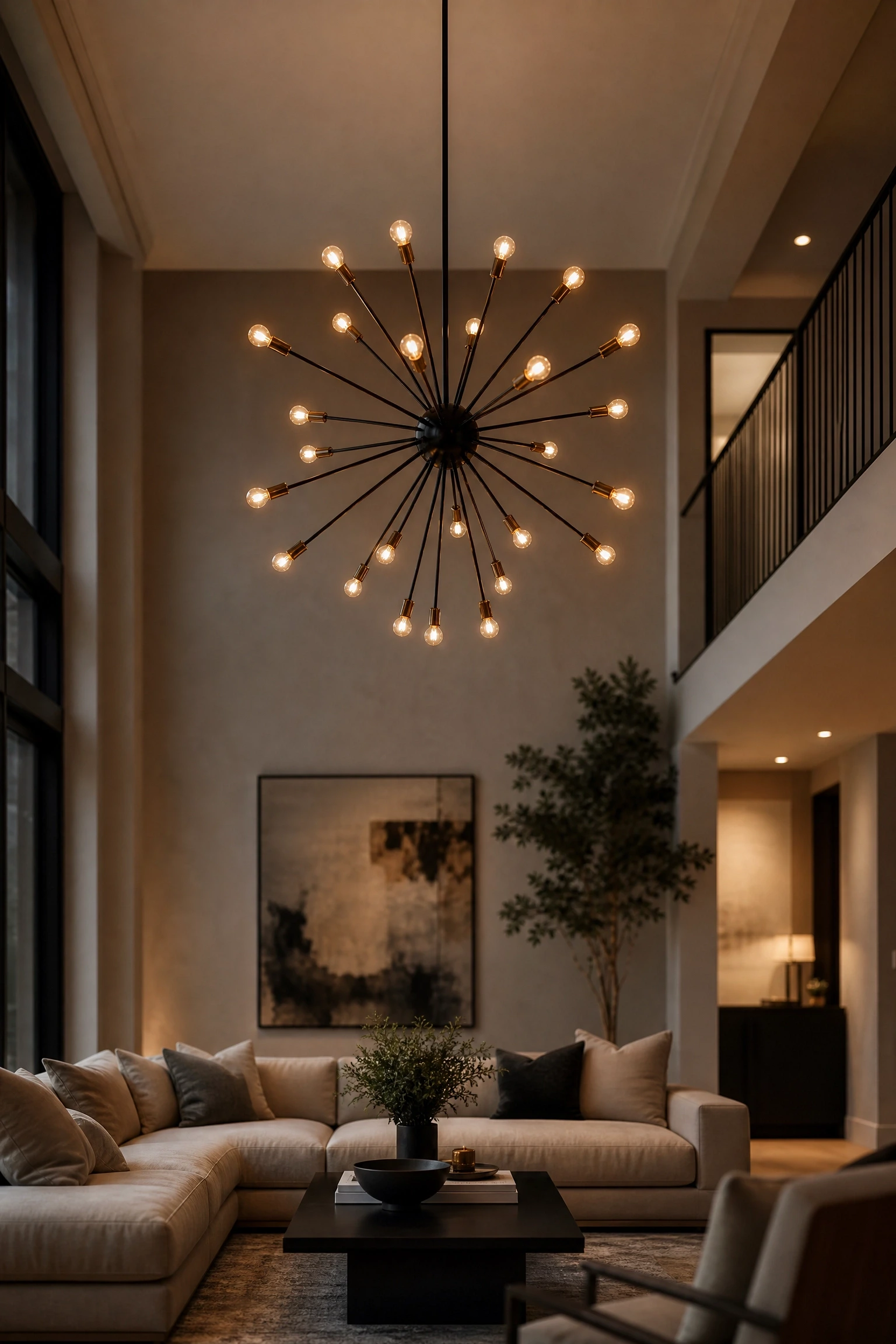
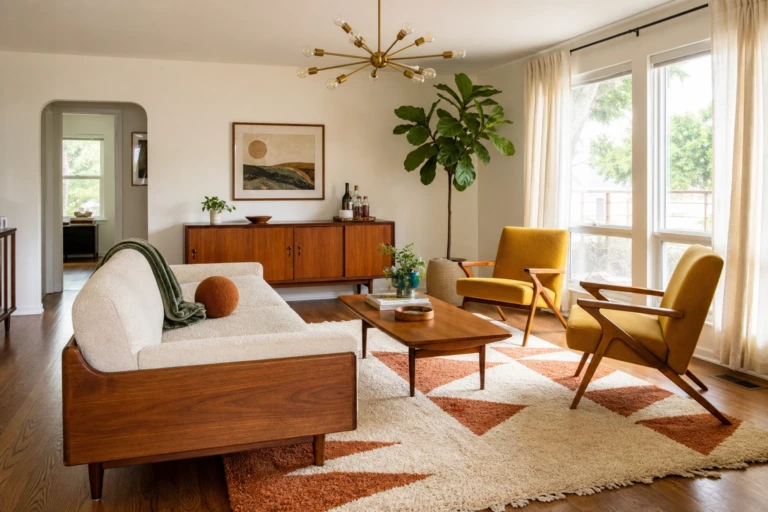
Mid-century modern lighting draws inspiration from the design movement of the mid-20th century, characterized by clean lines, organic shapes, and a futuristic yet functional aesthetic. Sputnik chandeliers, with their radiating arms and multiple bulbs, are iconic examples, bringing a playful and stylish flair to the living room.
Placement: A Sputnik chandelier is a striking centerpiece, best placed in the center of the living room or above a main seating area. Floor lamps with conical shades or adjustable arms are excellent for task lighting in reading nooks.
Bulb Choices: Small, round G-type bulbs or clear LED bulbs are commonly used to maintain the authentic mid-century look. A warm white color temperature (2700K) enhances the cozy and inviting atmosphere.
Styling Tips: Combine with furniture featuring tapered legs, rich wood tones, and upholstered pieces in period-appropriate colors like olive green, mustard yellow, or teal. Incorporate abstract art and geometric patterns to complete the retro-modern vibe.
Maintenance: Dust regularly with a soft cloth. For fixtures with many arms and bulbs, a feather duster or compressed air can be helpful. Ensure all bulbs are securely screwed in.

15. Glass Bubble Chandelier: Whimsical and Airy
A glass bubble chandelier creates a whimsical and airy effect, with multiple clear glass orbs appearing to float in space. This type of fixture adds a playful yet sophisticated touch, filling the room with light and creating a sense of lightness and openness. It is perfect for contemporary and eclectic interiors.
Placement: Ideal as a central ambient light source in living rooms with high ceilings, where its cascading design can be fully appreciated. It can also be a stunning focal point above a coffee table or in a double-height space.
Bulb Choices: Small, integrated LED bulbs within each glass orb are common, providing a soft, diffused glow. If replaceable bulbs are used, opt for clear, low-wattage LEDs to maintain the ethereal look. A warm white color temperature (2700K-3000K) enhances the inviting atmosphere.
Styling Tips: Pair with minimalist furniture and a light, airy color palette to emphasize its floating quality. It can also provide a beautiful contrast in a room with bolder colors or more traditional elements, adding a touch of modern whimsy. Works well with metallic accents.
Maintenance: Regular dusting of each glass orb is essential to maintain its sparkle. Use a microfiber cloth or a soft brush. For deeper cleaning, a gentle glass cleaner can be used, ensuring the fixture is turned off and cooled before cleaning.

16. Boho Rattan Pendant: Natural and Relaxed
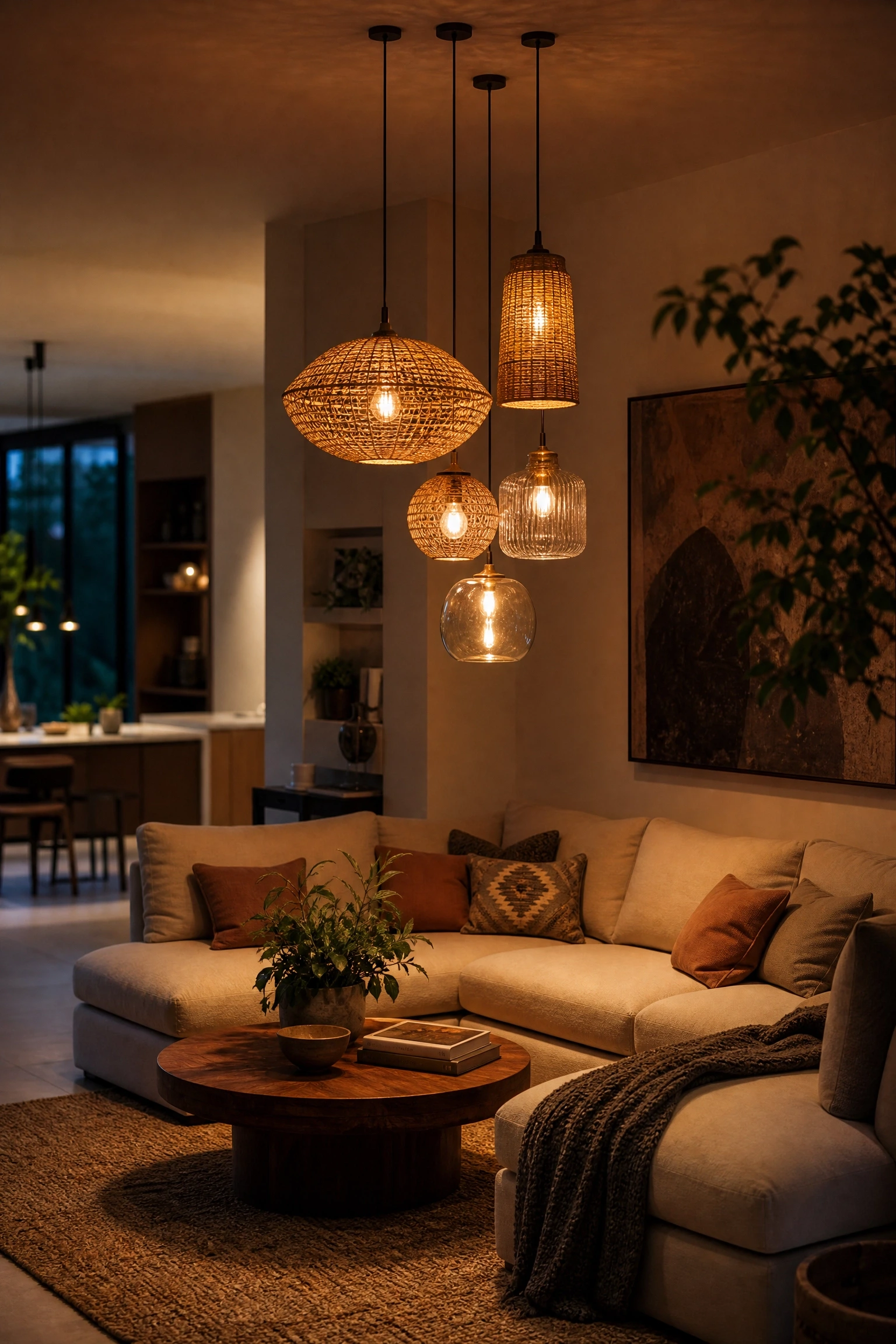
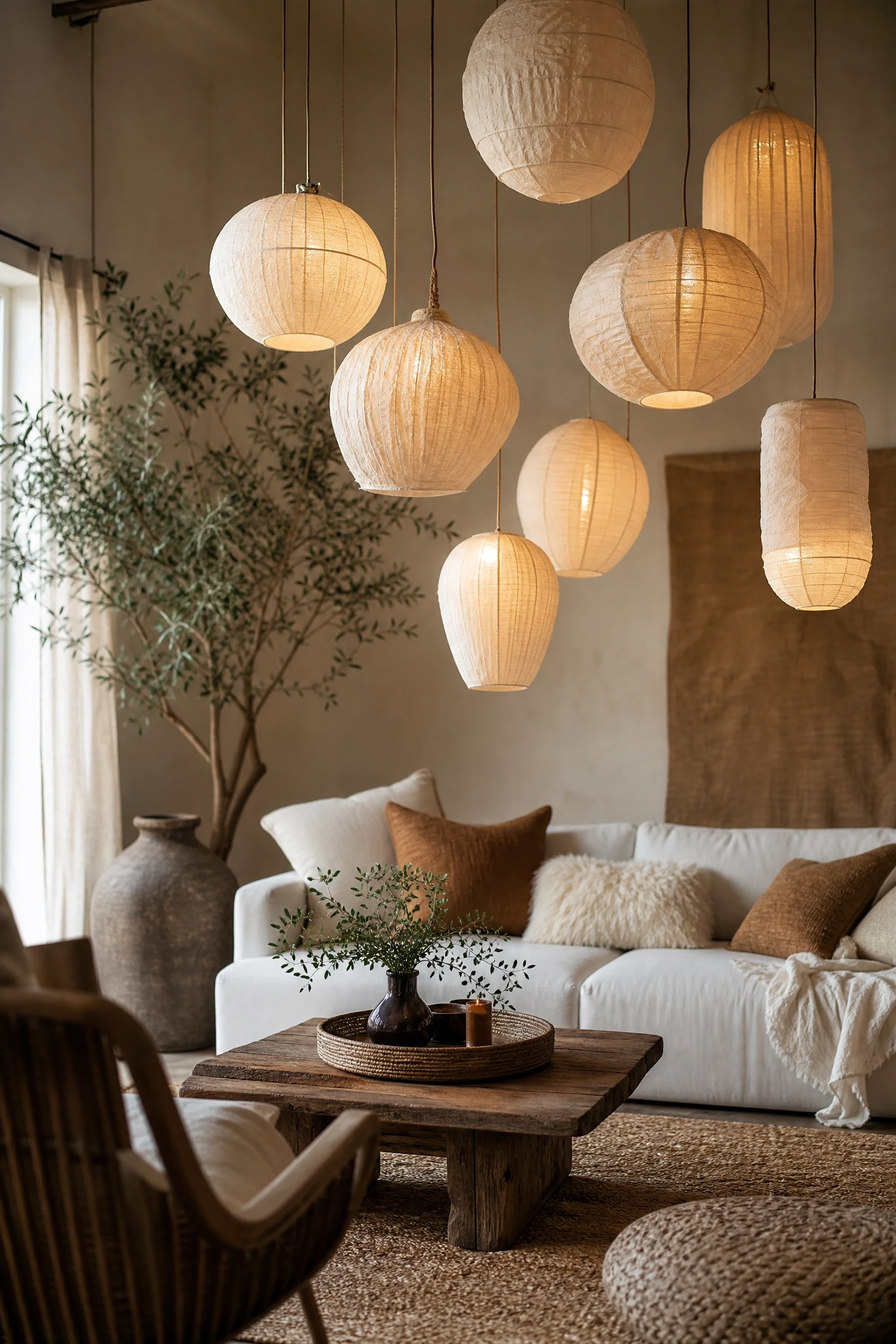
A boho rattan pendant light introduces natural textures and a relaxed, earthy vibe to the living room. Crafted from woven rattan or wicker, these fixtures create beautiful patterns of light and shadow, adding warmth and an organic touch. They are perfect for bohemian, coastal, or relaxed contemporary interiors.
Placement: Rattan pendants work well as a central ambient light source in smaller living rooms or above a specific seating area. Multiple pendants can be grouped at varying heights for a more dramatic and layered look.
Bulb Choices: A warm white LED bulb (2700K) is ideal for enhancing the cozy and natural feel. Clear or frosted bulbs can be used depending on whether you want to emphasize the light patterns or create a softer glow.
Styling Tips: Combine with other natural materials like jute rugs, linen upholstery, and an abundance of indoor plants. A color palette of earthy tones, whites, and muted greens will complement the bohemian aesthetic. Add macrame wall hangings and comfortable cushions for a complete look.
Maintenance: Dust regularly with a soft brush or a vacuum cleaner with a brush attachment to prevent dust buildup in the woven material. Avoid getting the rattan wet, as this can damage the material.

17. Sculptural Branch Lighting: Artistic Organic Forms
Sculptural branch lighting fixtures are true works of art, featuring intricate designs that mimic the organic forms of tree branches. Often crafted from polished metals like gold or brass and adorned with small, integrated LED lights, these fixtures bring high-end luxury and a sophisticated natural element to the living room.
Placement: This type of fixture is a grand statement piece, best suited for large living rooms with high ceilings or open-concept spaces where it can be admired from various vantage points. It serves as a powerful focal point.
Bulb Choices: Integrated LED lights are typically used, providing a subtle, sparkling illumination that highlights the fixture’s intricate design. A warm white color temperature (2700K-3000K) enhances the luxurious and inviting ambiance.
Styling Tips: Pair with elegant, contemporary furniture and a refined color palette. These fixtures complement minimalist luxury, modern organic, or transitional interiors. Metallic accents and natural stone elements can further enhance the sophisticated look.
Maintenance: Dusting intricate branches requires a soft brush or compressed air to reach all crevices. For polished metal finishes, use a soft, dry cloth to prevent smudges and maintain their luster. Avoid harsh chemicals.

Technical Considerations for Optimal Lighting
Beyond aesthetics, several technical aspects contribute to effective living room lighting. Understanding these elements ensures your lighting system is not only beautiful but also functional, energy-efficient, and adaptable to your lifestyle.
Dimmers: Control and Ambiance
Dimmers are perhaps one of the most impactful additions to any lighting scheme. They allow you to adjust the intensity of light, transforming the mood of a room with a simple touch. From bright illumination for cleaning or social gatherings to a soft, intimate glow for relaxation, dimmers provide unparalleled flexibility. They also contribute to energy savings by reducing power consumption when full brightness is not needed, and can extend the lifespan of your bulbs.
When installing dimmers, ensure they are compatible with your chosen light bulbs. Not all LED bulbs are dimmable, and using an incompatible dimmer can lead to flickering or premature bulb failure. Always check the bulb and dimmer specifications for compatibility.
Smart Home Integration: Modern Convenience
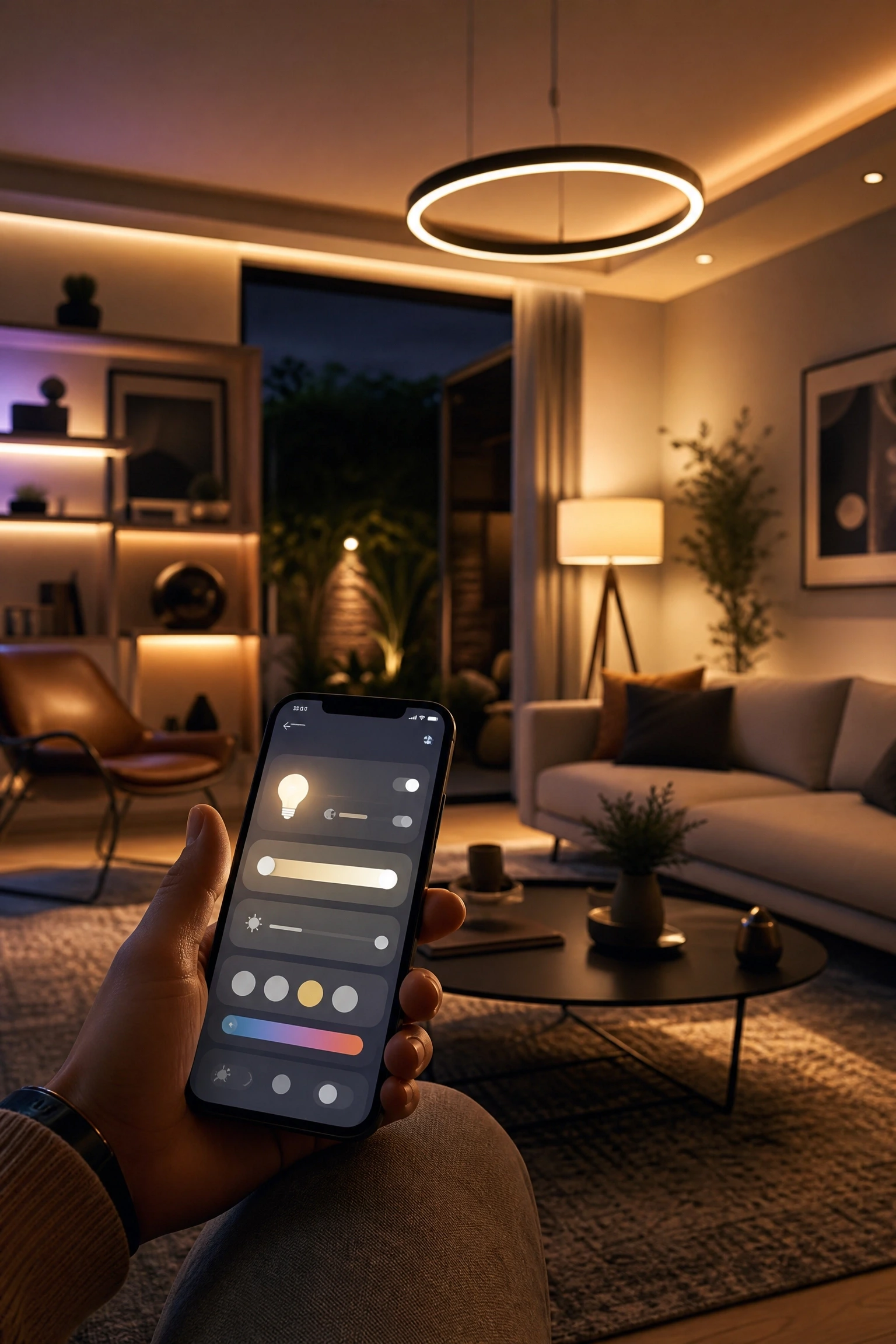
Integrating your living room lighting into a smart home system offers convenience and advanced control. Smart lighting allows you to control lights via voice commands, smartphone apps, or automated schedules. You can create custom lighting scenes for different activities, such as
“movie night” or “reading time,” adjusting brightness and color temperature with ease. Some smart lighting systems even offer color-changing capabilities, allowing for dynamic ambiance.
Smart lighting can also be linked with other smart home devices, such as motion sensors or smart blinds, to create an integrated and responsive environment. This level of control not only enhances comfort but also contributes to energy efficiency by ensuring lights are only on when needed.
Energy Efficiency: Sustainable Illumination
Choosing energy-efficient lighting is a key consideration for both environmental responsibility and cost savings. LED (Light Emitting Diode) technology has revolutionized lighting, offering significantly longer lifespans and lower energy consumption compared to traditional incandescent or fluorescent bulbs. While the initial cost of LED bulbs might be higher, their durability and efficiency lead to substantial savings over time.
When selecting LED bulbs, pay attention to their lumen output (brightness) and wattage equivalent. A higher lumen count indicates brighter light, while wattage equivalent helps compare their brightness to older bulb types. Additionally, look for ENERGY STAR certified products, which meet strict energy efficiency guidelines set by the Environmental Protection Agency.
Color Temperature: Setting the Mood
Color temperature, measured in Kelvin (K), describes the warmth or coolness of a light source. This often overlooked aspect significantly impacts the mood and perception of a room. Lower Kelvin values (2000K-3000K) produce a warm, yellowish light, similar to incandescent bulbs, creating a cozy and inviting atmosphere. Higher Kelvin values (3500K-5000K) emit a cooler, bluer light, akin to natural daylight, which is more invigorating and suitable for task-oriented areas.
For living rooms, a warm white color temperature (2700K-3000K) is generally preferred as it promotes relaxation and comfort. However, for areas where reading or detailed work might occur, a slightly cooler temperature (3500K) can be beneficial. Many smart bulbs now offer adjustable color temperature, allowing you to switch between warm and cool light as needed.
Lumens and Brightness: The Right Amount of Light
Understanding lumens is essential for choosing bulbs that provide the appropriate amount of brightness for your living room. Lumens measure the total amount of visible light from a lamp or light source. Unlike wattage, which measures energy consumption, lumens directly indicate brightness. The ideal lumen output depends on the room size, ceiling height, and the desired level of illumination.
As a general guideline, a living room typically requires about 10-20 lumens per square foot for ambient lighting. For example, a 200-square-foot living room would need 2000-4000 lumens. This can be achieved through a combination of fixtures. Task lighting will require higher lumen output in specific areas, while accent lighting will be brighter than the ambient light it highlights.
Layering for Flexibility: A Dynamic Approach
The true power of living room lighting lies in its flexibility, achieved through effective layering. By combining ambient, task, and accent lighting, you create a dynamic environment that can adapt to any situation. Imagine a bright, evenly lit room for a family gathering, transitioning to focused task lighting for reading, and finally to a soft, dramatic glow for an evening of relaxation.
This layered approach not only enhances functionality but also adds visual depth and interest. Each layer contributes to the overall aesthetic, allowing you to sculpt the light to highlight architectural features, artwork, or cherished possessions. The ability to adjust each layer independently provides ultimate control over the room’s atmosphere, making your living room truly versatile.
Conclusion: Illuminating Your Living Space with Style and Purpose
Transforming your living room with thoughtful lighting is an investment in both aesthetics and functionality. From the grand statement of a rustic chandelier to the sleek simplicity of minimalist circular fixtures, each lighting choice offers a unique opportunity to enhance your home’s character and comfort. The 17 ideas explored here provide a diverse palette of styles and functions, ensuring there is an ideal solution for every design preference and practical need.
The journey to a well-lit living room begins with understanding the fundamental principles of layered lighting: ambient, task, and accent. Ambient lighting sets the overall tone, providing general illumination. Task lighting focuses on specific activities, ensuring comfort and efficiency. Accent lighting adds drama and highlights cherished elements, bringing depth and personality to the space. By strategically combining these layers, you create a dynamic and adaptable environment that responds to various moods and activities throughout the day.
Beyond the aesthetic appeal, technical considerations such as dimmers, smart home integration, energy efficiency, color temperature, and lumen output are crucial for optimizing your lighting scheme. Dimmers offer unparalleled control over light intensity, allowing for seamless transitions between bright and subdued atmospheres. Smart home integration brings modern convenience, enabling personalized lighting scenes and remote control. Opting for energy-efficient LED bulbs reduces environmental impact and long-term costs, while understanding color temperature ensures the desired mood is consistently achieved. Finally, correctly calculating lumen requirements guarantees adequate brightness for every area and activity.
Ultimately, the goal is to create a living room that is not only visually stunning but also deeply comfortable and functional. Each fixture, from the bold black lighting to the whimsical glass bubble chandelier, contributes to a cohesive design narrative. The industrial wire mesh pendant adds an edgy transparency, while minimalist wall sconces provide space-saving elegance. Oversized drum chandeliers offer soft grandeur, and geometric lanterns provide a modern twist on classic forms. Mid-century modern flair, boho rattan pendants, and sculptural branch lighting each bring their unique charm, allowing for endless possibilities in personal expression.
By carefully selecting and positioning your lighting, you can sculpt light to highlight architectural features, showcase artwork, and create inviting vignettes. This deliberate approach elevates your living room from a mere collection of furniture to a curated experience, reflecting your personal style and enhancing daily life. Embrace the power of light to transform your living space into a haven of comfort, beauty, and purpose.
Remember, good lighting is not just about brightness; it is about creating an atmosphere, supporting activities, and enhancing the overall design of your home. With these ideas and considerations, you are well-equipped to illuminate your living room with both style and purpose, crafting a space that you will love to live in.