A house can have great furniture, a good paint color, and still feel a little flat. Almost every time I walk into a space like that, the missing piece turns out to be something living. Plants do something no throw pillow or wall print can do. They change with the light throughout the day, they take up real physical space in a way that softens hard edges, and they make a room feel occupied even when no one is home. The tricky part is that most people either buy one small plant and call it done, or they go overboard and end up with a jungle that fights with the rest of the decor instead of supporting it.
This list is not the usual roundup of ten easy houseplants and a pothos on a shelf. It walks through twenty five specific ways to actually use plants as part of a room’s design, room by room and problem by problem. Some ideas are about fixing an awkward space, some are about adding scale where a room feels empty, and a few are about being honest with yourself if you do not have a great light situation or the patience for a fussy plant. Not every idea will fit your home, and that is fine. Pick the three or four that solve a real problem in your space and start there instead of trying to do all of them at once.
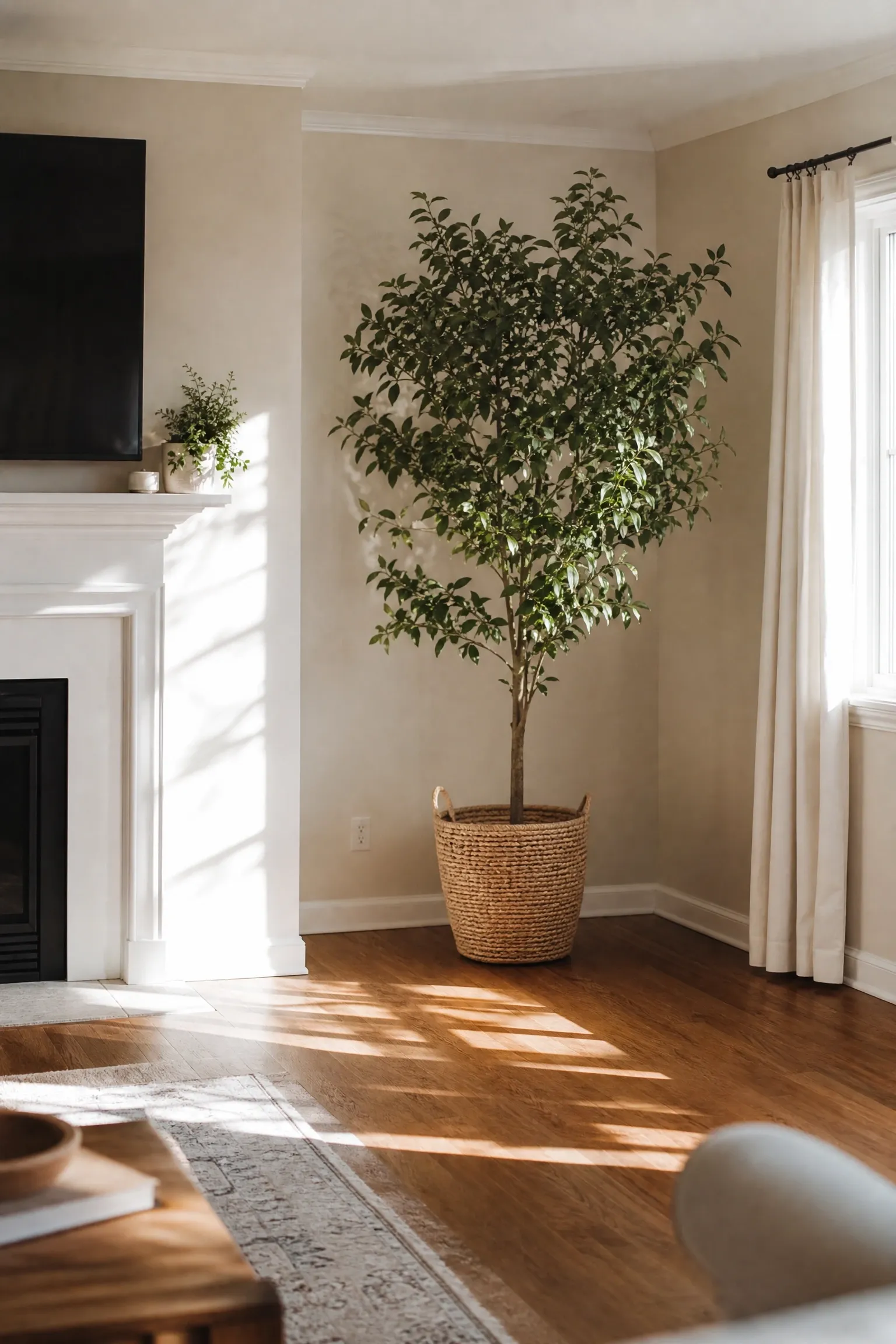
Almost every home has that one corner where nothing sits correctly, too small for a chair, too big to leave bare. A tall floor plant earns its keep here. A fiddle leaf fig or Norfolk pine fills six feet of vertical space for far less than furniture would cost, and the visual weight balances a room without blocking traffic. Set it in a woven basket or ceramic pot in terracotta or matte white, and rotate it a quarter turn every week or two so it grows evenly. The honest limitation is light. A fiddle leaf fig wants bright indirect light and will sulk in a dim corner, so if yours is genuinely dark, a snake plant or ZZ plant gives you the same presence without the fuss.
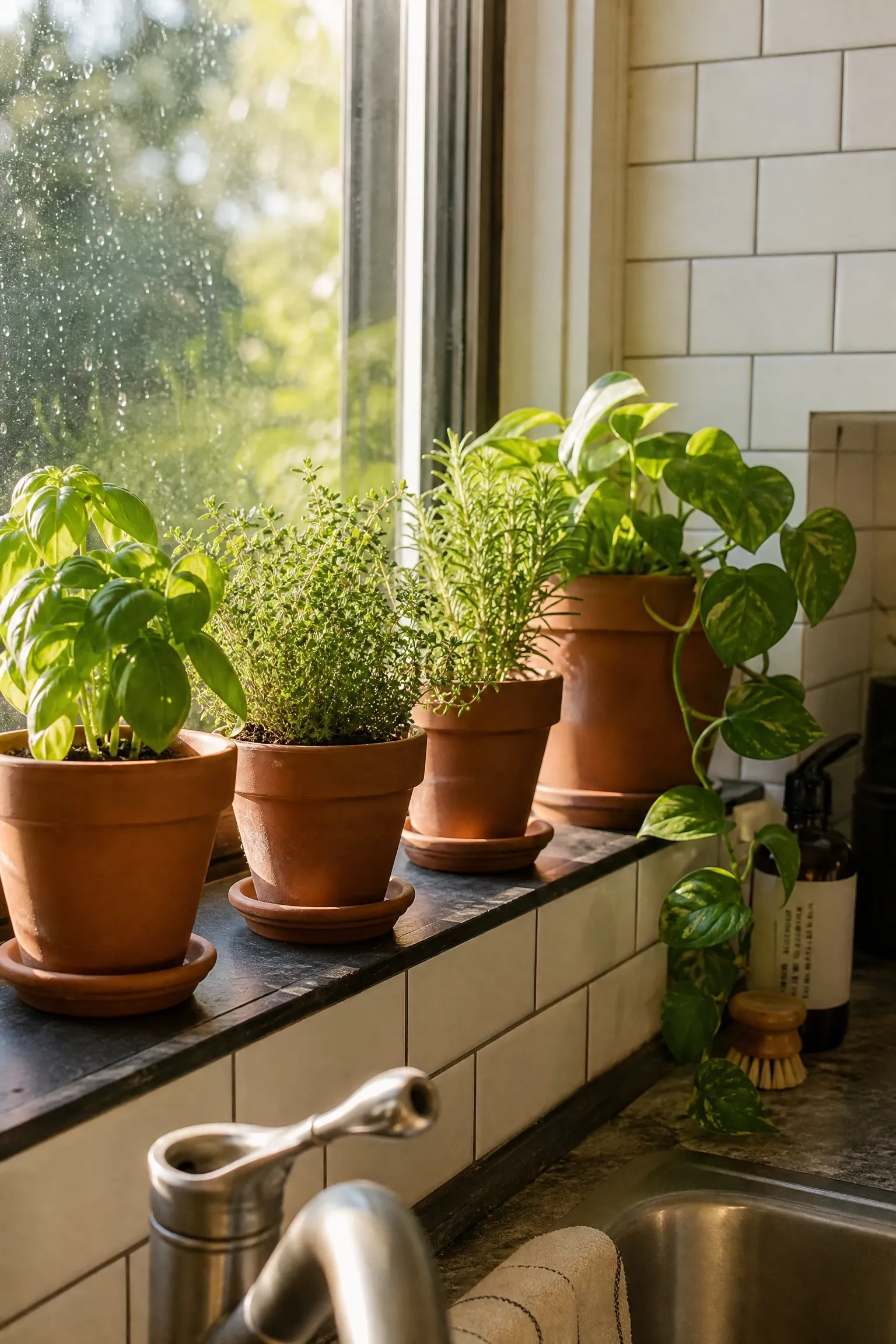
Kitchen windowsills tend to collect dish soap and stray mail instead of anything intentional. Clearing that ledge and lining it with small pots is an easy win, since the light is usually good and you already look at that spot constantly. Stick to plants that bounce back from inconsistent watering, like a small pothos, spider plant, or rosemary if you cook. Use matching terracotta pots for a clean look, or mix one glazed ceramic with one raw clay pot for texture without clutter. A small saucer under each pot protects the sill from water rings. If your window faces north and gets weak light, skip flowering plants and stick with foliage, since flowers will just look sad within weeks.
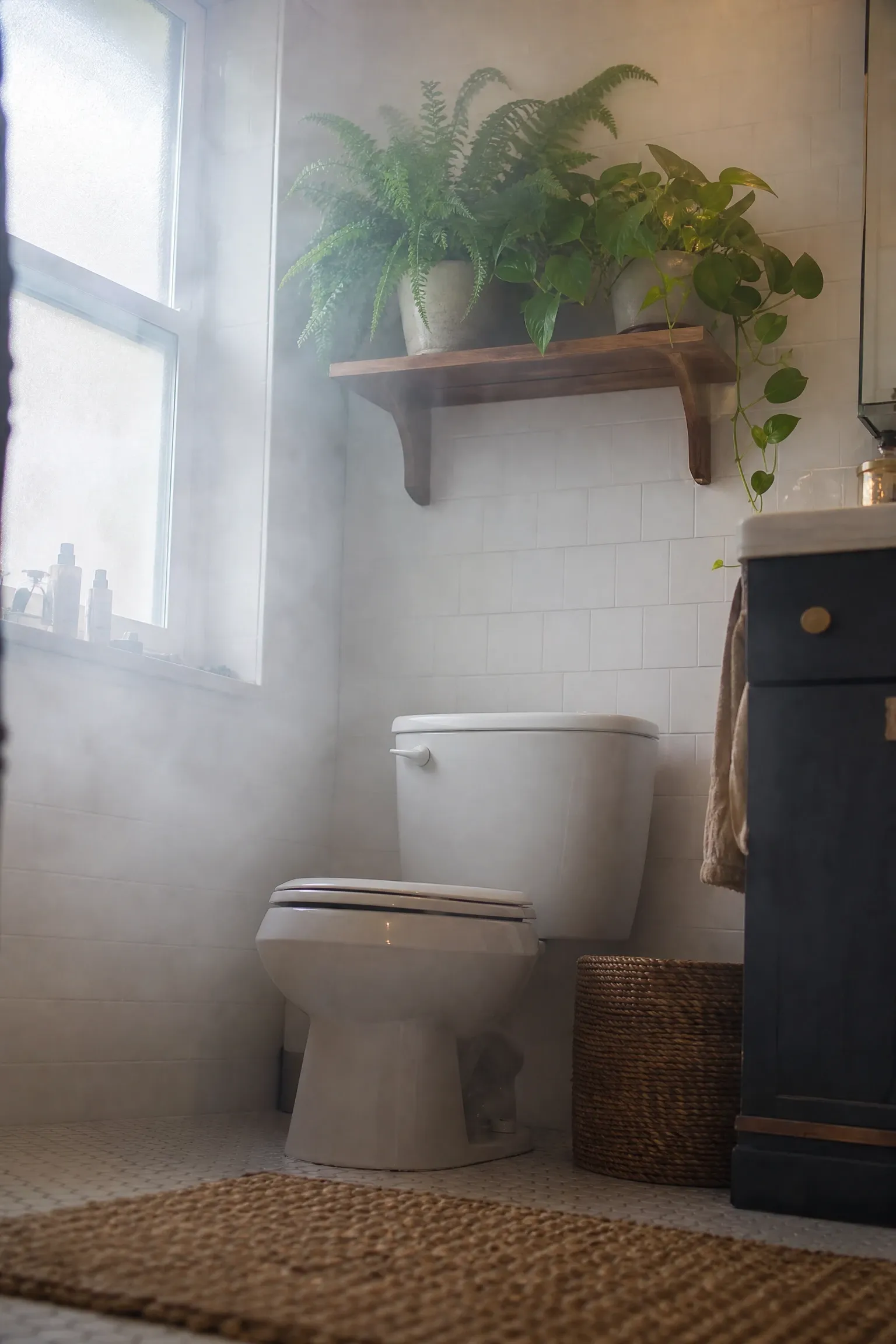
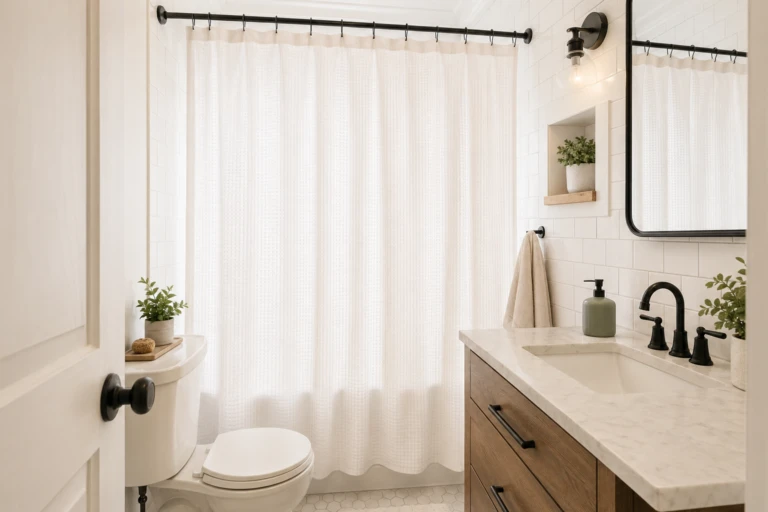
Bathrooms are one of the most underused rooms for plants, which is odd since shower humidity is exactly what many tropical plants want. A pothos or Boston fern on a small shelf above the toilet brings life into a room that is usually all hard surfaces. Use a slim plant stand if counter space is tight, or hang a small plant in a macrame holder near the window. Green against white tile reads as fresh rather than busy. One real caution: bathrooms with no window and poor ventilation are hard on plants, so in a small windowless space, an artificial fern will look better long term than a real one slowly declining.
Building a Plant Shelf That Does Not Look Like Clutter
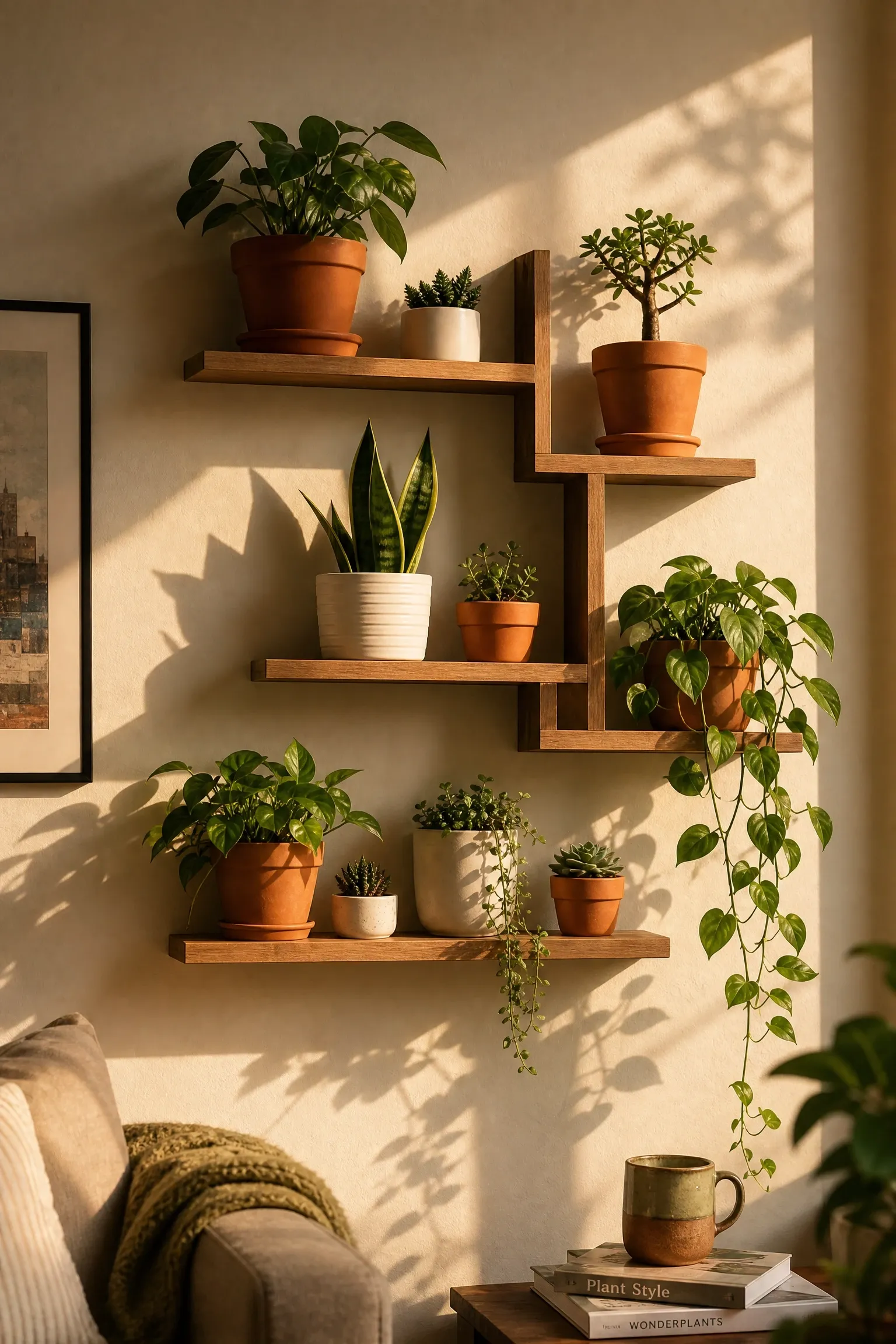
A dedicated plant shelf sounds great until it turns into mismatched pots that read as clutter. The trick is varying height without varying much else. Use a simple wood or black metal shelf, and group plants of different heights using small risers underneath the shorter pots so the eye moves in a wave rather than a flat line. Keep pots in two or three coordinating colors, terracotta, white, and charcoal work well together, so the grouping feels intentional. A trailing pothos at one end softens the shelf’s straight edge and adds movement. This is budget friendly since most of the cost is the shelf itself, and cuttings from a friend’s plant work just as well as buying new.
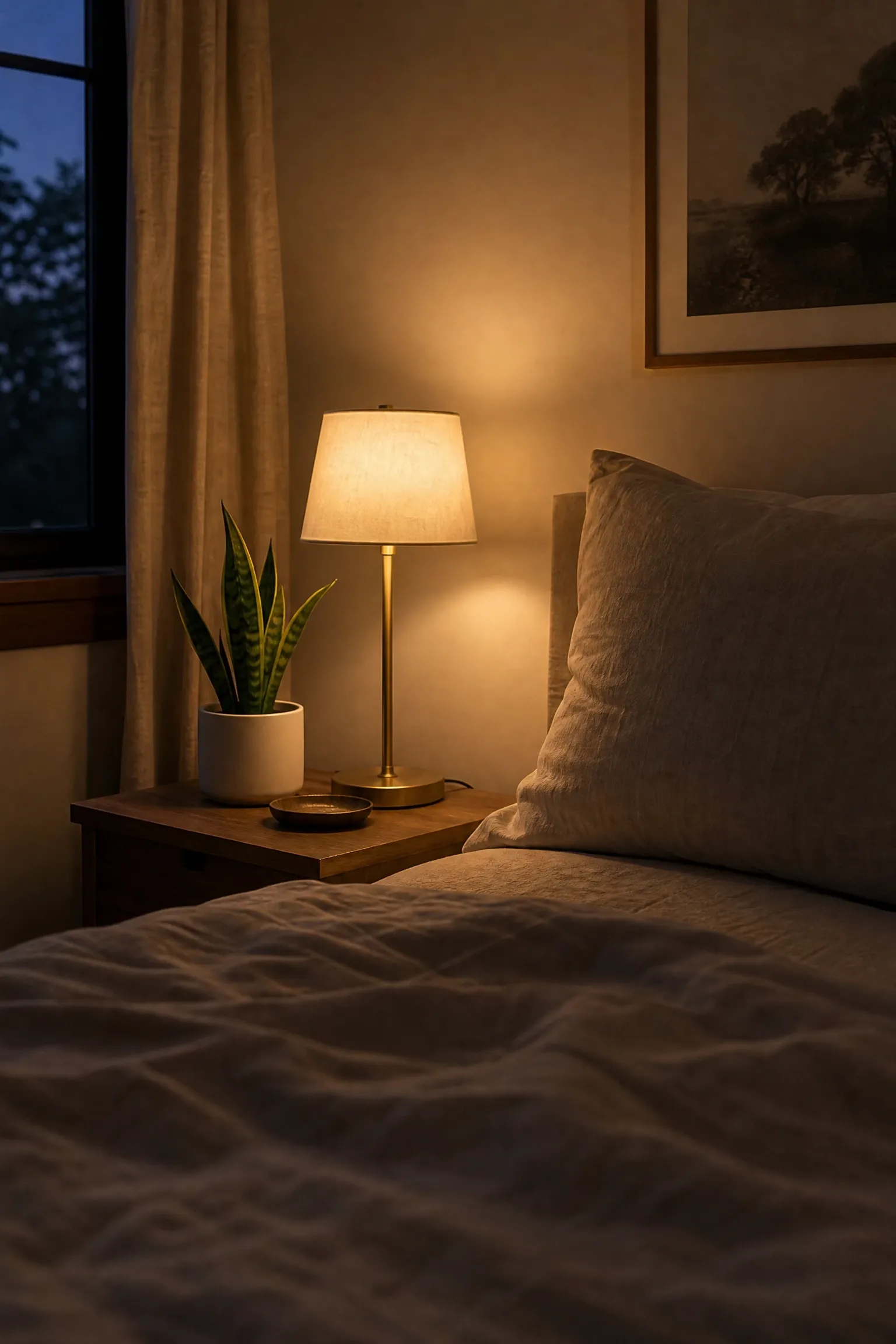
A nightstand with just a lamp and charger feels sterile, but most bedrooms lack great light near the bed, so plant choice matters more here than almost anywhere. A small snake plant or pothos in a compact pot handles low light and irregular watering, which matters since bedrooms are the room people forget to tend. Keep the pot simple, soft white or pale ceramic, so it will not compete with your lamp or bedding at night. The layered lighting from a warm bulb next to a green plant creates a calm corner that feels intentional. Worth being upfront about: strongly scented flowering plants can actually interfere with sleep in a small enclosed room, so stick with foliage here instead of anything blooming.
Low Ceilings Versus High Ceilings for Hanging Plants
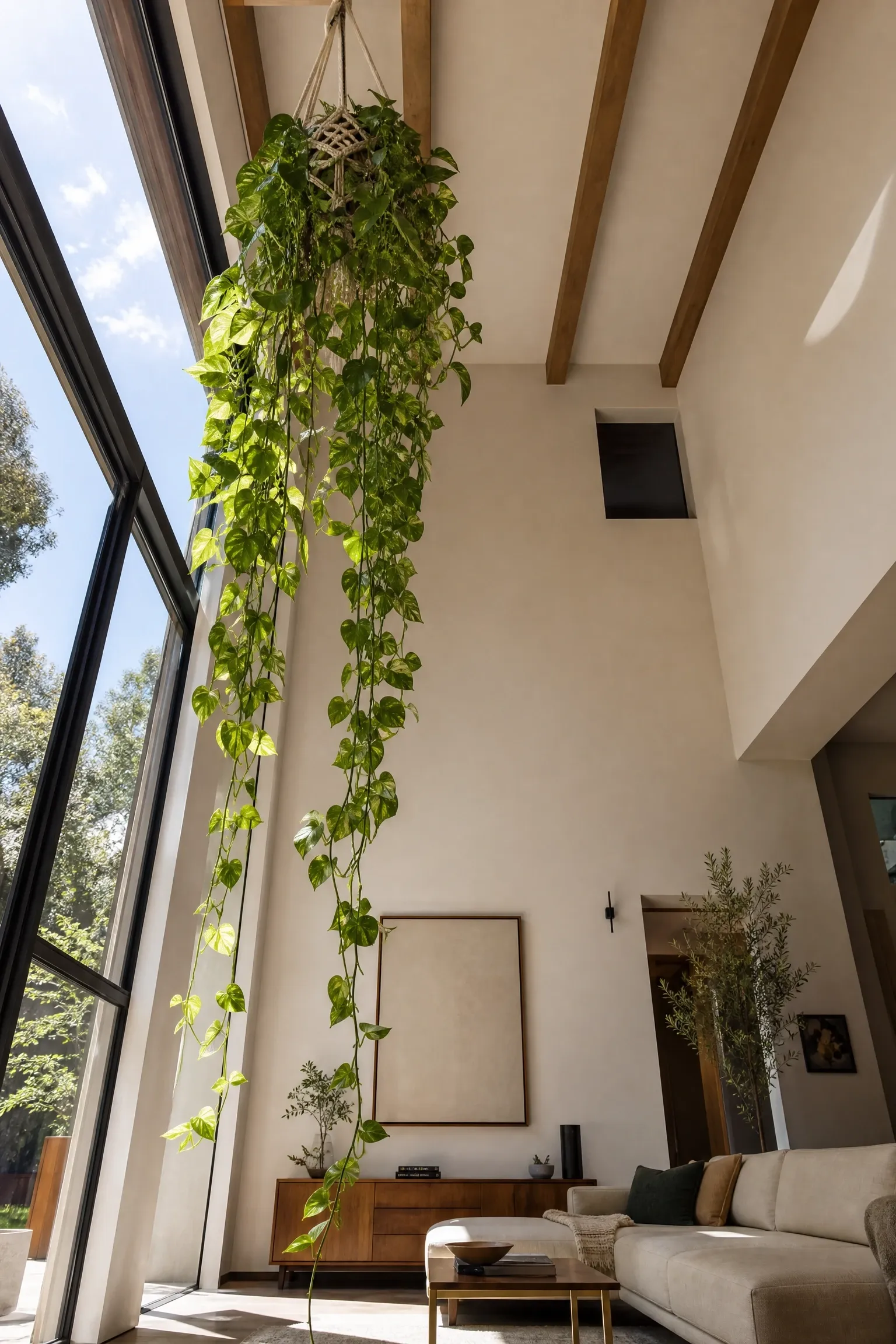
Hanging plants get recommended constantly, but the right approach depends on ceiling height. In a room with standard eight foot ceilings, a hanging plant needs to sit high enough that no one hits their head, which usually means a shorter trailer like string of hearts in a small hanger. In a room with vaulted ceilings, a long trailing pothos or philodendron in a chunky macrame hanger can cascade down as a real focal point. The low ceiling approach is safer for everyday living, while the high ceiling version makes a bigger statement but needs more trimming as vines get leggy. Either way, use an S hook rated for the pot’s full watered weight, since a cheap hook failing over a rug is a mess nobody wants.
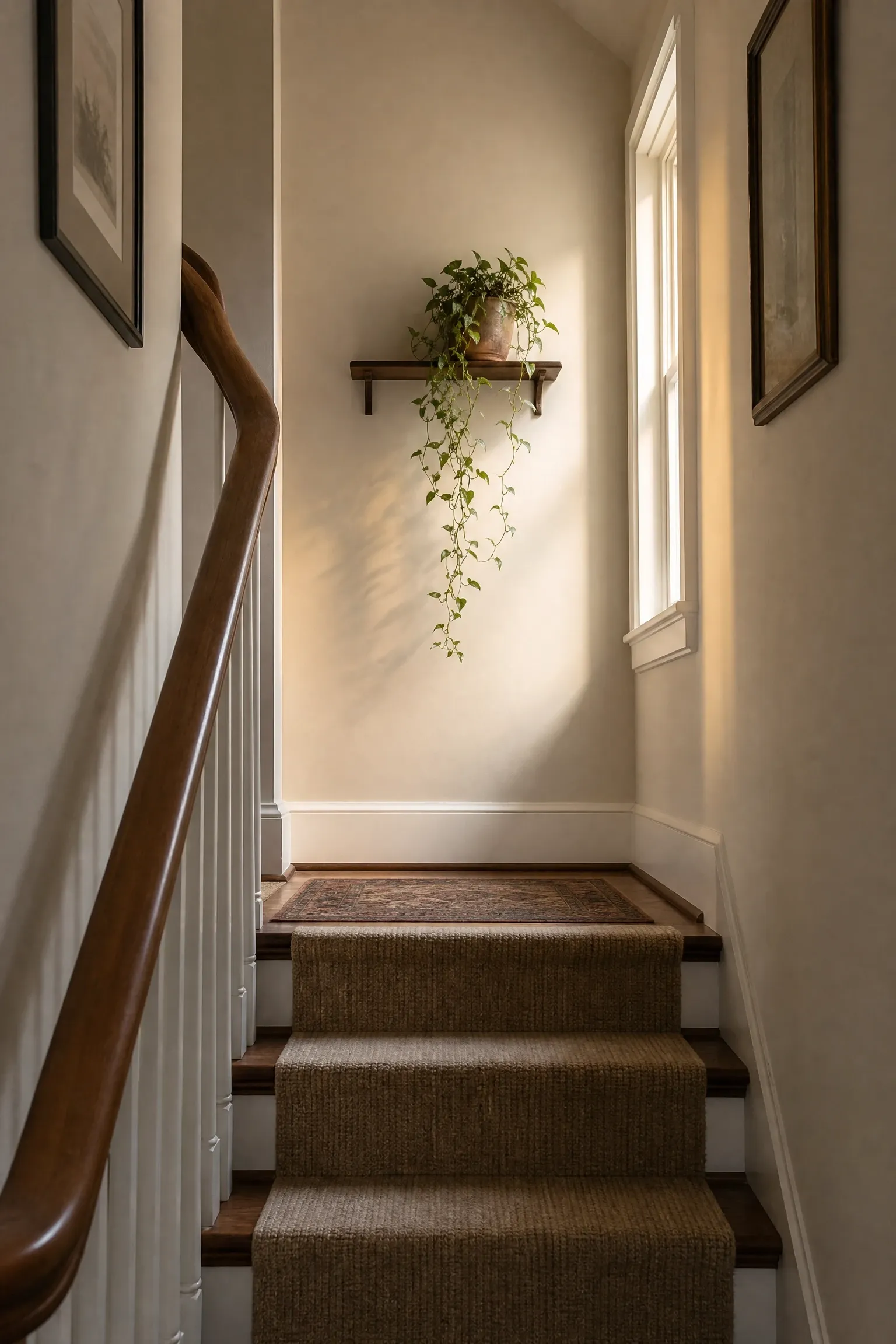
Staircase landings are dead space in most homes, too narrow for furniture and usually forgotten. A single plant on a slim console or wall shelf turns that in-between spot into something worth looking at instead of walking past. A trailing pothos looks good cascading over a landing shelf, catching light as people move up and down the stairs. Keep the pot narrow so it does not intrude on the walkway, and match the shelf to your stair rail, warm wood or black metal. This is a low commitment way to add greenery somewhere most people never think to decorate. One thing to watch: stair landings often get inconsistent light, so check at different times of day before choosing a plant that needs bright light.
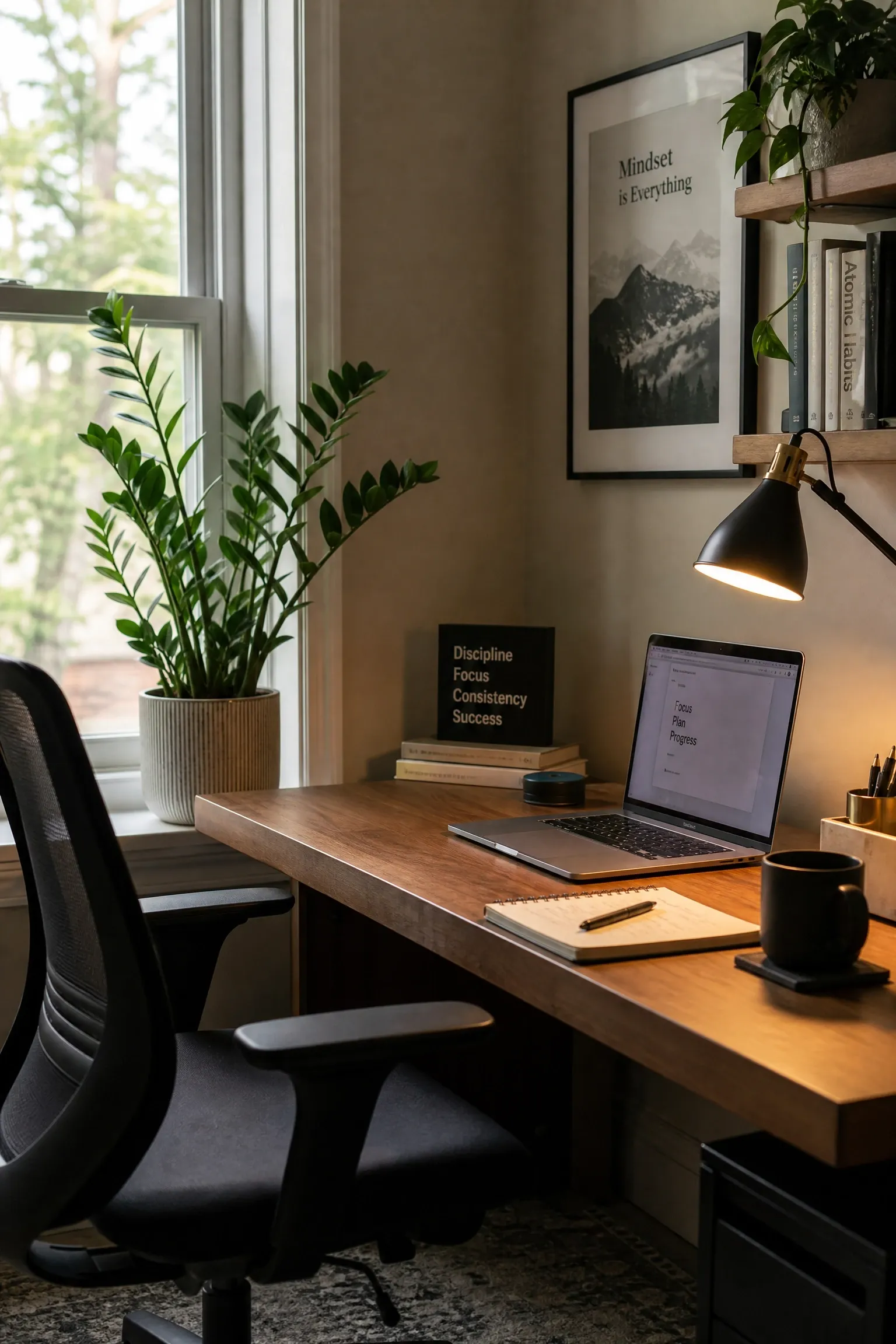
Home offices prioritize function over feeling, which leaves a lot of desks looking sterile by the end of a long week. Adding one mid-size plant within eyeglance of your desk, not directly on it where a laptop cord will knock it over, changes how the space feels. A ZZ plant is close to indestructible and tolerates the mixed lighting most home offices deal with, while a peace lily droops dramatically when thirsty, which actually makes it easier to keep alive since it tells you exactly what it needs. Position it near a window but out of your chair’s path. Workplace studies have repeatedly linked visible greenery to better focus and lower reported stress, reason enough to make room for one plant even in a small office.
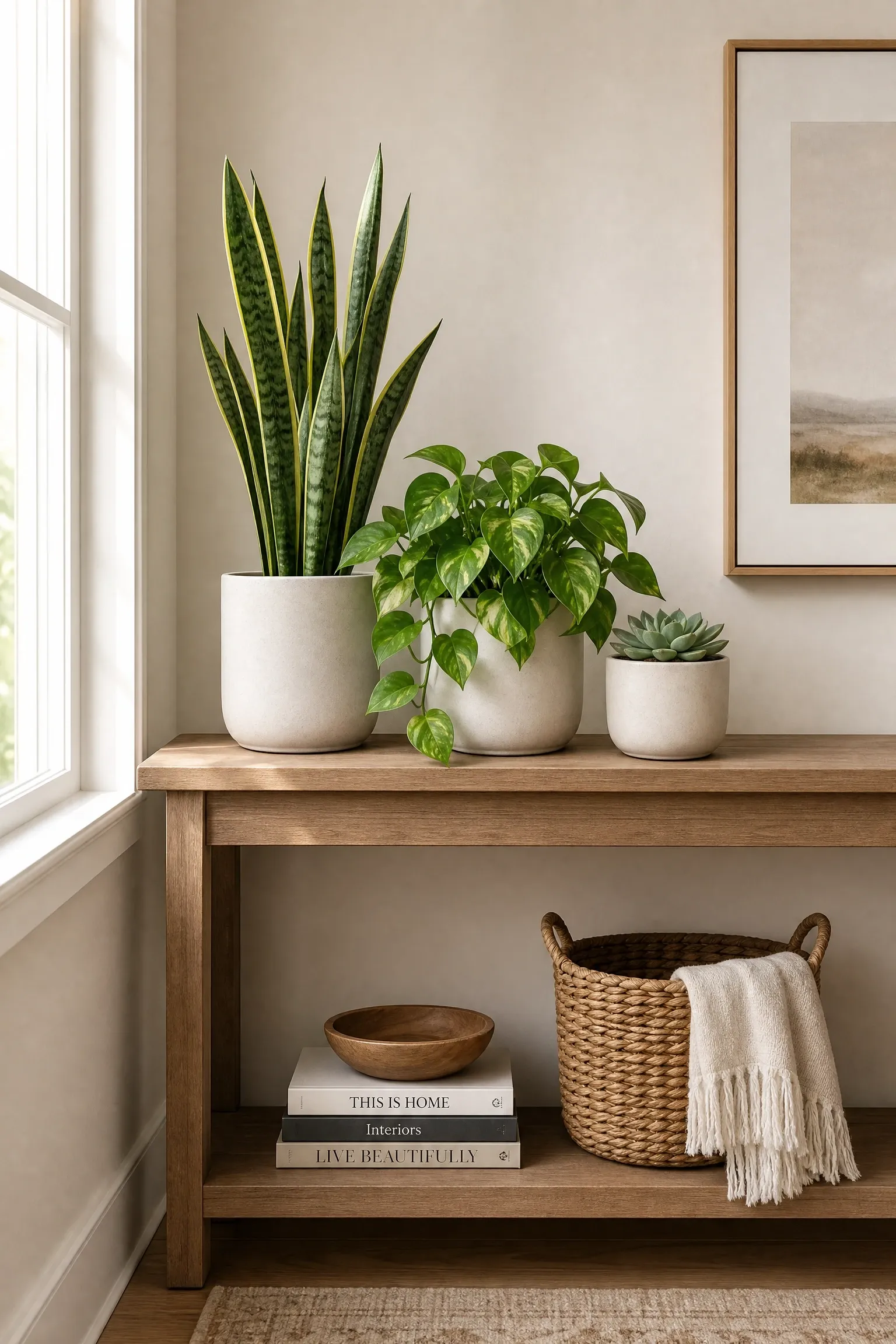
This basic design principle applies to plants just as much as candles or picture frames, but people forget it constantly. Groups of three or five read as intentional and balanced, while groups of two or four tend to look scattered. Try grouping a tall snake plant, a medium pothos, and a small succulent on a console table to create a natural visual triangle. Keep the pots in a consistent material even if colors vary, so the grouping feels like a set rather than random items. This costs nothing extra if you already own the plants, it is purely about arrangement. One caveat: do not crowd the group so tightly that airflow gets cut off, since poor circulation can invite pests in a warm, humid room.
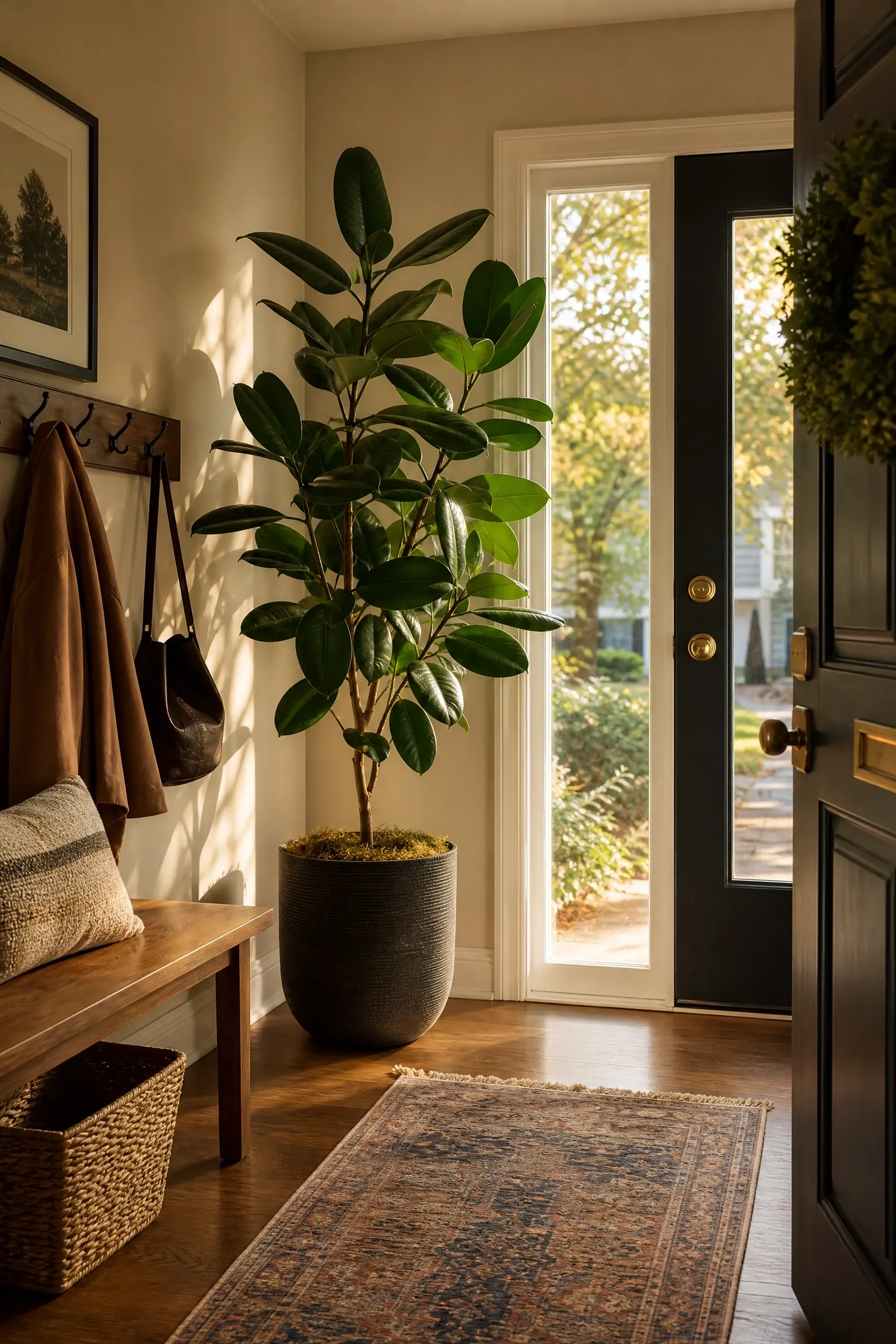
Whatever sits in your entryway sets the tone before anyone reaches the living room, and a bare console table reads as an afterthought. A rubber tree or dracaena in a sturdy floor pot next to the door gives guests something warm to see immediately. Pair it with a woven basket or textured pot that echoes your front door or entry rug color. Entryways are often low light since they lack big windows, so choose a plant labeled for low to medium light rather than something needing direct sun, or you will be replacing it every few months. A small wood plant stand keeps the pot from looking like it is just sitting on the floor. This is one of the highest impact, lowest cost updates you can make, since a plant here costs far less than new entry furniture.
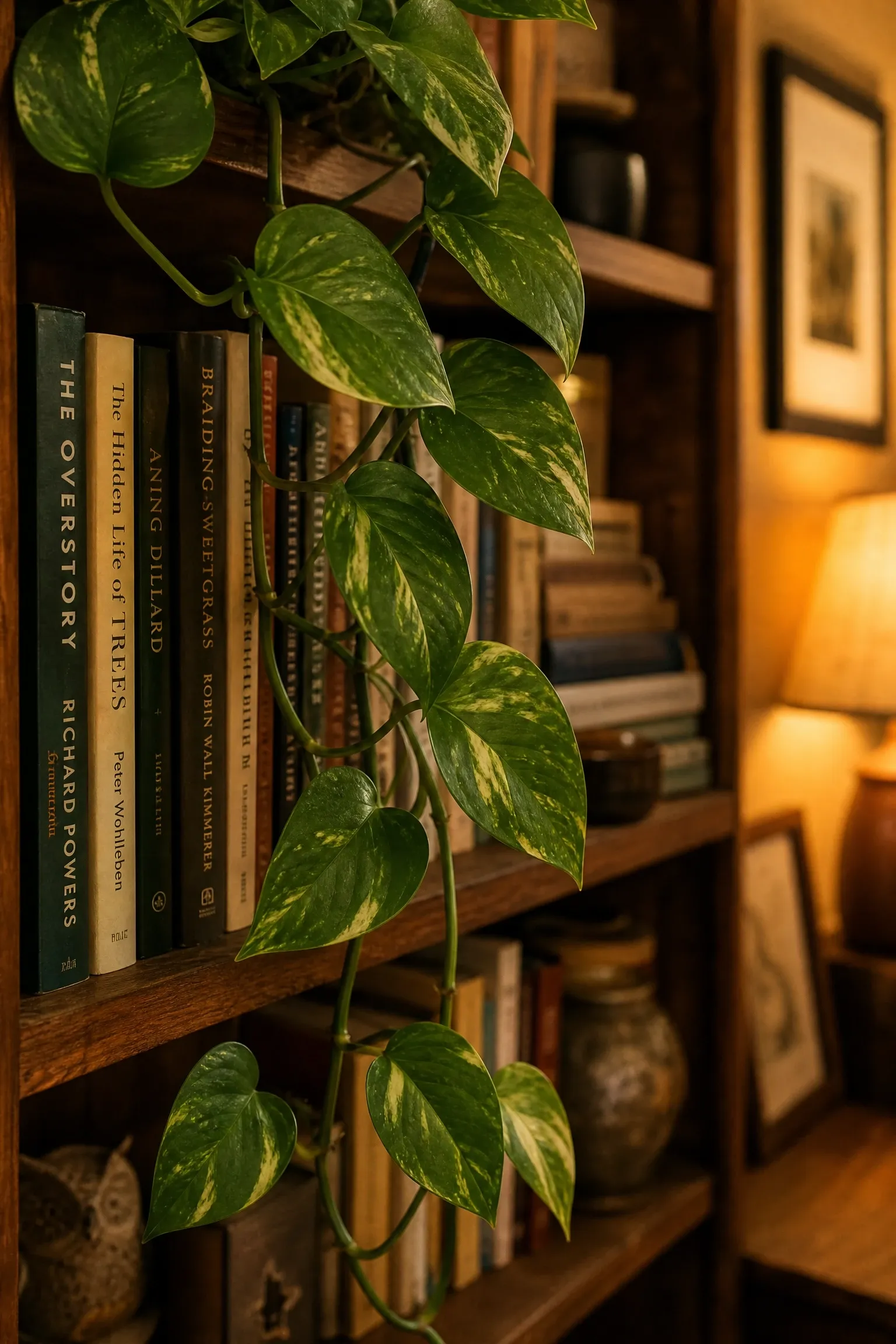
A bookshelf full of books and nothing else can look flat no matter how nicely it is arranged. Tucking a small trailing pothos or string of pearls into a gap on an upper shelf lets vines spill down and break up the rigid horizontal lines. This works especially well on shelves that already mix heights from stacked books and small objects, adding one more layer of texture without needing much space. Use a small pot, six inches is usually plenty, and let the vine grow for a few months before trimming so it has real presence. One practical tip: rotate the plant occasionally, since the side facing away from the light will grow thinner than the side facing the window, leading to a lopsided look if you never turn it.
A Statement Floor Plant for a Bare Living Room Corner
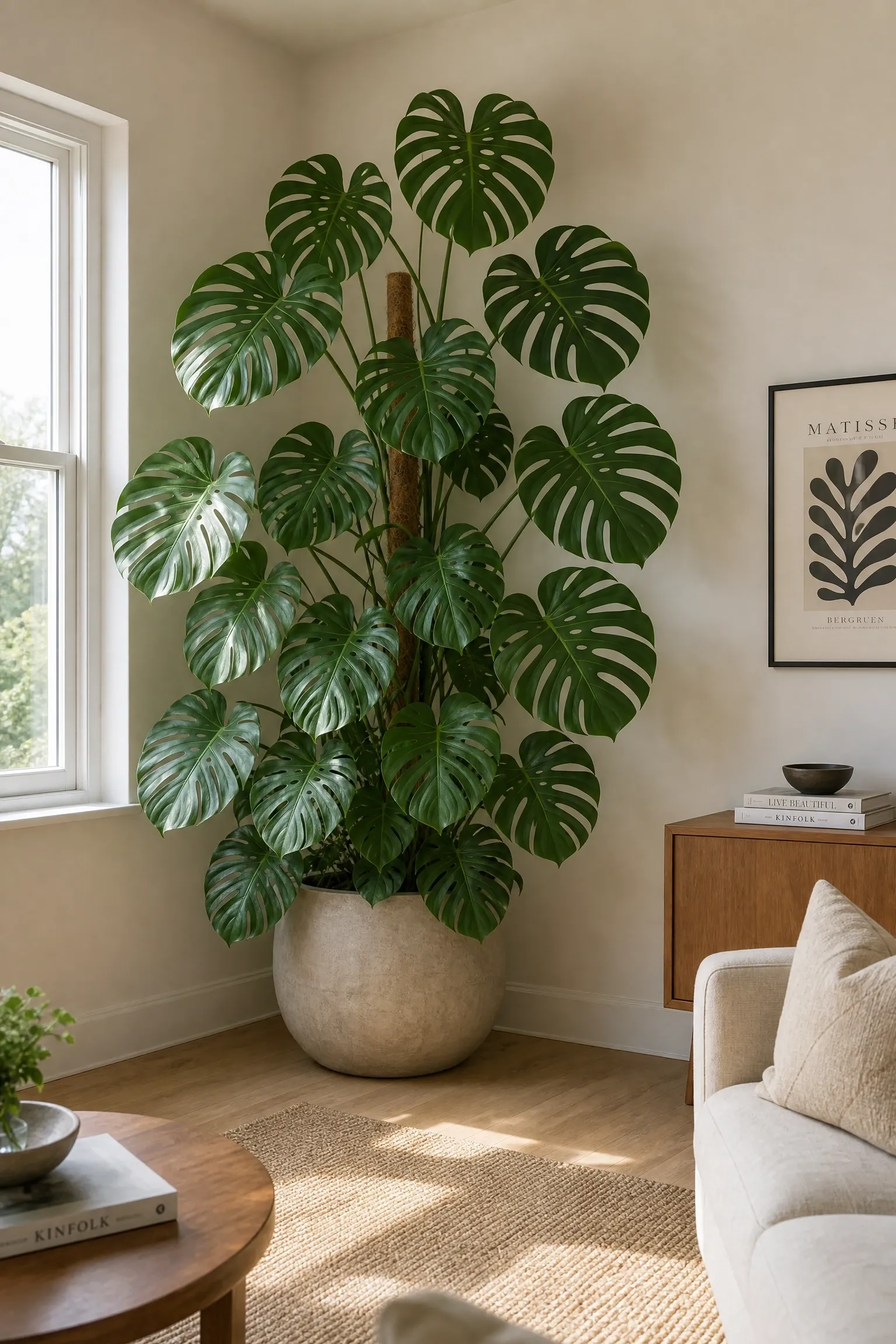
Living rooms with high ceilings or open floor space often have one spot that feels underdressed. A genuinely large statement plant, a bird of paradise or large monstera, makes the biggest visible difference in the house for the effort involved. The sculptural leaves act almost like art, giving the eye a focal point without adding furniture that eats into floor space. Choose a substantial pot, at least fourteen inches across, so the plant looks proportional rather than tipping over. This is an investment level purchase, a mature bird of paradise is not cheap, but it keeps growing for years, which makes the cost per year reasonable. Be honest about your light situation first, since these plants need real bright light and will not thrive in a dim room no matter how much you want them to.
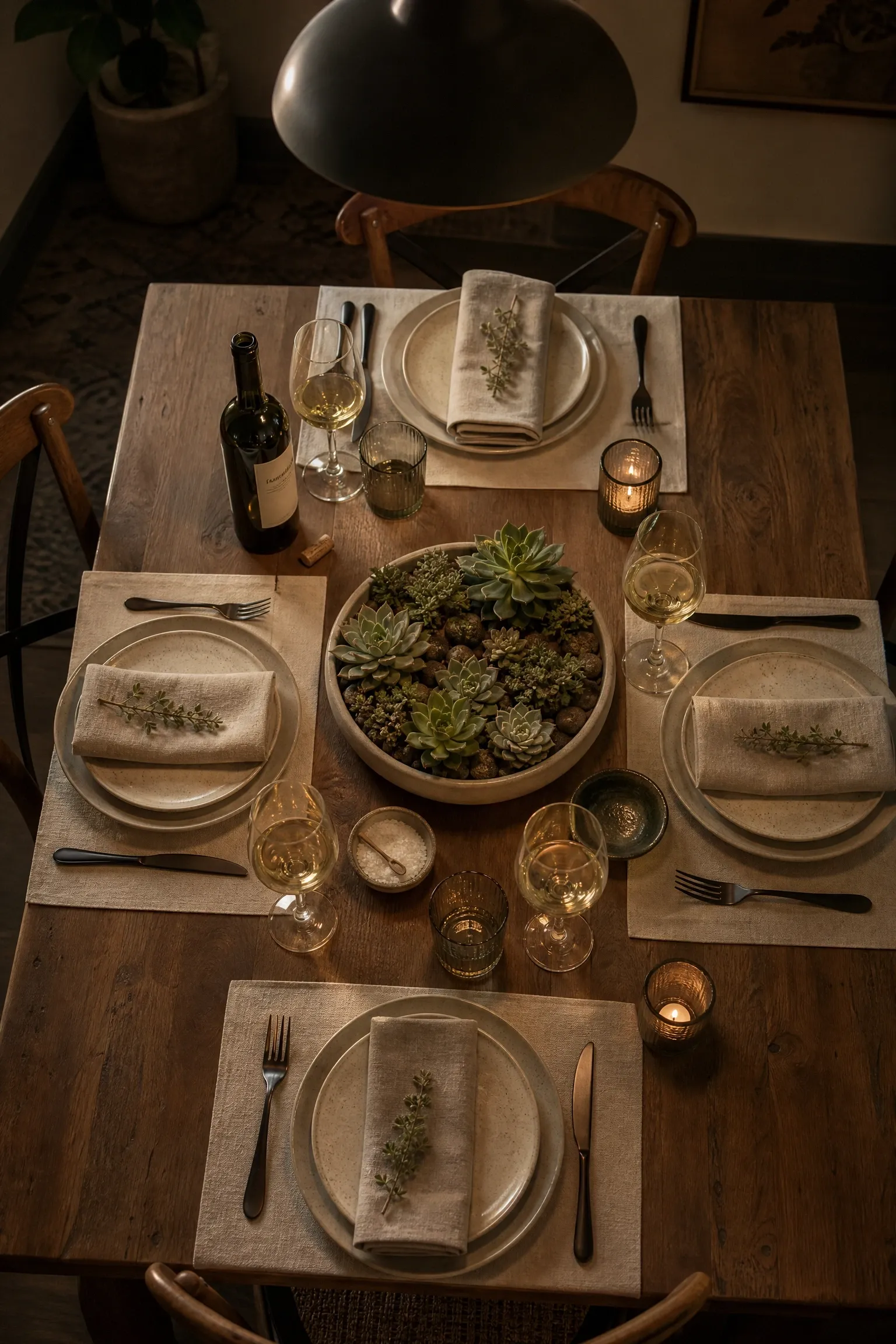
Fresh flowers are the default centerpiece, but they wilt within a week and need constant replacing, which adds up over a year. A small potted herb or a cluster of tiny succulents in a low, wide dish gives the same visual softness without the recurring expense. Keep it under six inches tall so it does not block sightlines across the table, the most common mistake people make here. A neutral stone or ceramic dish works with almost any table setting and season, so you are not restyling every few months. This is a budget friendly swap, though it does mean giving up the specific romantic look of fresh cut flowers for special occasions, so plenty of people keep both in rotation.
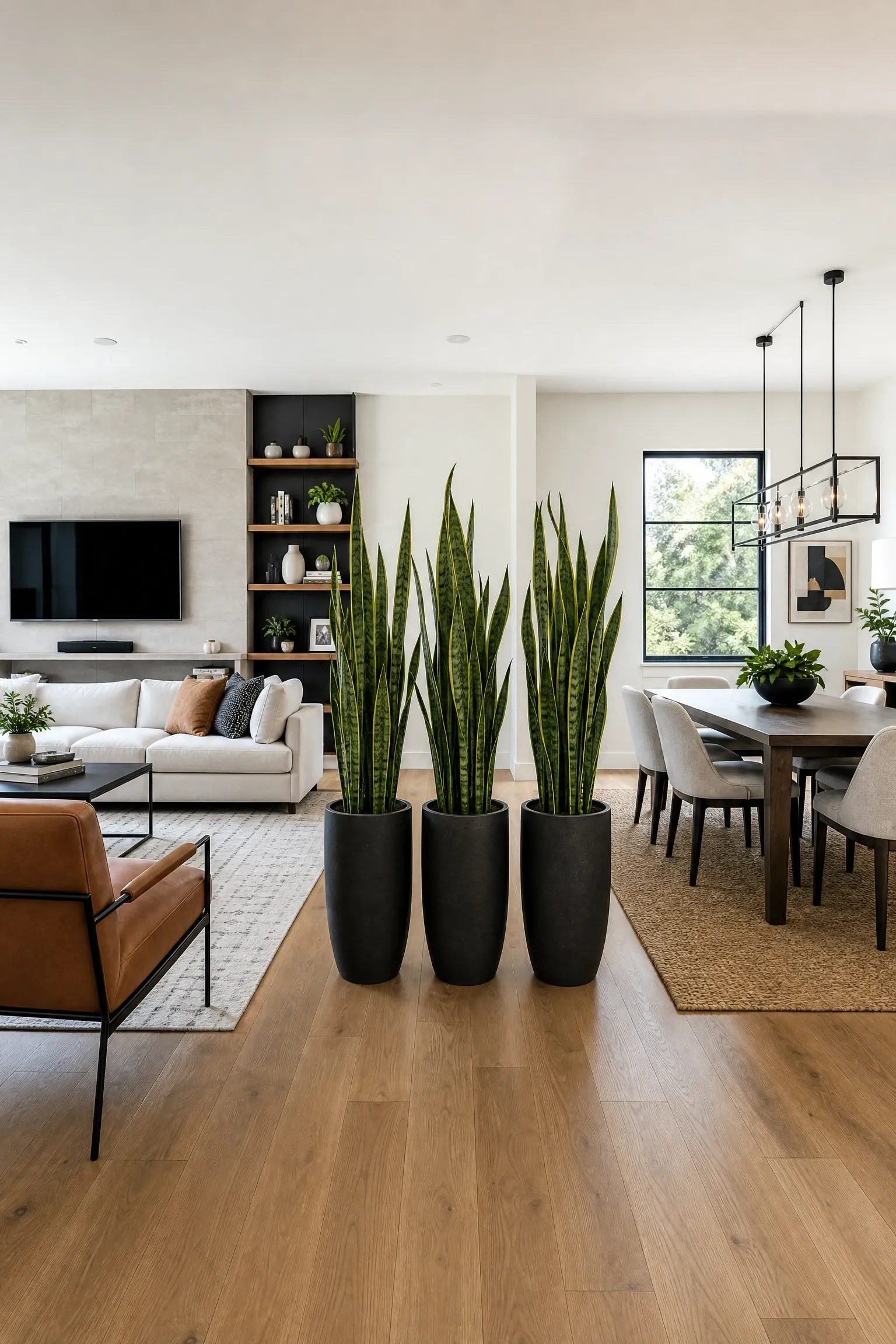
Open floor plans look great in photos but can feel shapeless to live in, with no sense of where one zone ends and another begins. A row of two or three tall plants, snake plants or dracaenas in matching floor pots, can visually separate a living area from a dining area without the cost of an actual wall. The plants create a soft vertical break that the eye reads as a boundary while still letting light and sightlines pass through. Space them evenly, roughly two to three feet apart, so the grouping reads as intentional rather than scattered. This works best in larger rooms with high ceilings, since in a smaller apartment three floor plants in a row can eat up more square footage than expected, so measure your walkway space first.
The Sunny Window You Are Not Using
Almost every home has one window with incredible light that somehow still sits empty except for curtains. This is the spot to go bigger and more varied, since strong direct sun opens up options that would struggle elsewhere, succulents, cacti, and flowering plants like geraniums. Build a small grouping on the sill or a low stand, mixing textures, a spiky aloe next to a rounded jade plant next to something trailing. Use a tray underneath to catch water and protect the sill, especially if it is wood. This is one of the few spots where you genuinely cannot overdo plant variety, since the light does most of the work, though rotate anything getting harsh afternoon sun to avoid leaf scorch on more delicate varieties.
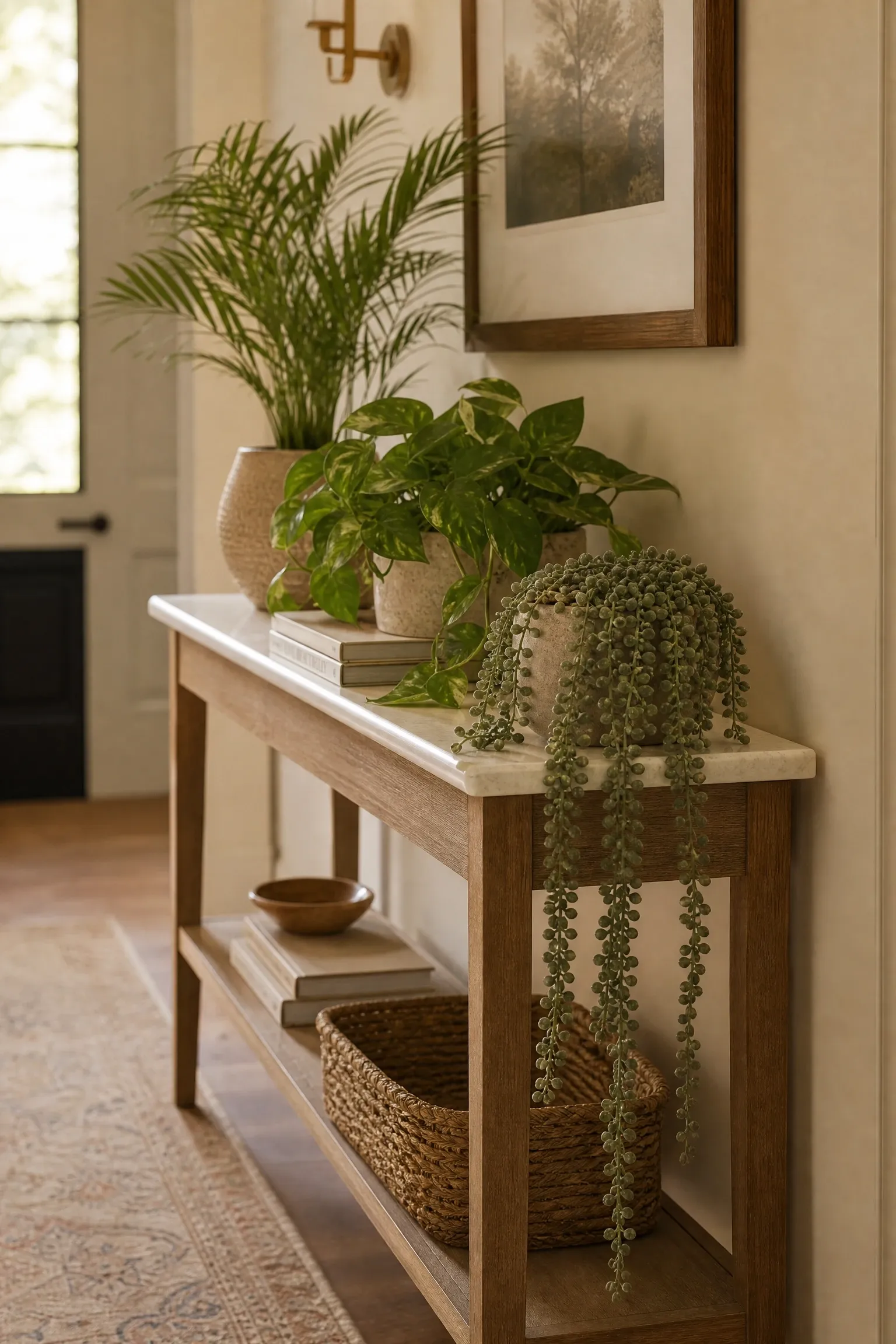
A console table in a hallway or behind a sofa is an easy place to practice real plant styling rather than placing one pot and walking away. Build layers, a taller palm or dracaena toward the back, a medium pothos in the middle, and a low trailing succulent toward the front edge. This creates depth the way a designer would style a bookshelf, using visual weight and negative space instead of a flat line of equal height objects. Stick to a cohesive color story, three shades of the same warm neutral work better than mismatched containers. A tray underneath anchors the grouping and protects the surface. The main limitation is depth, a narrow console under twelve inches deep should stick with two plants instead of three.
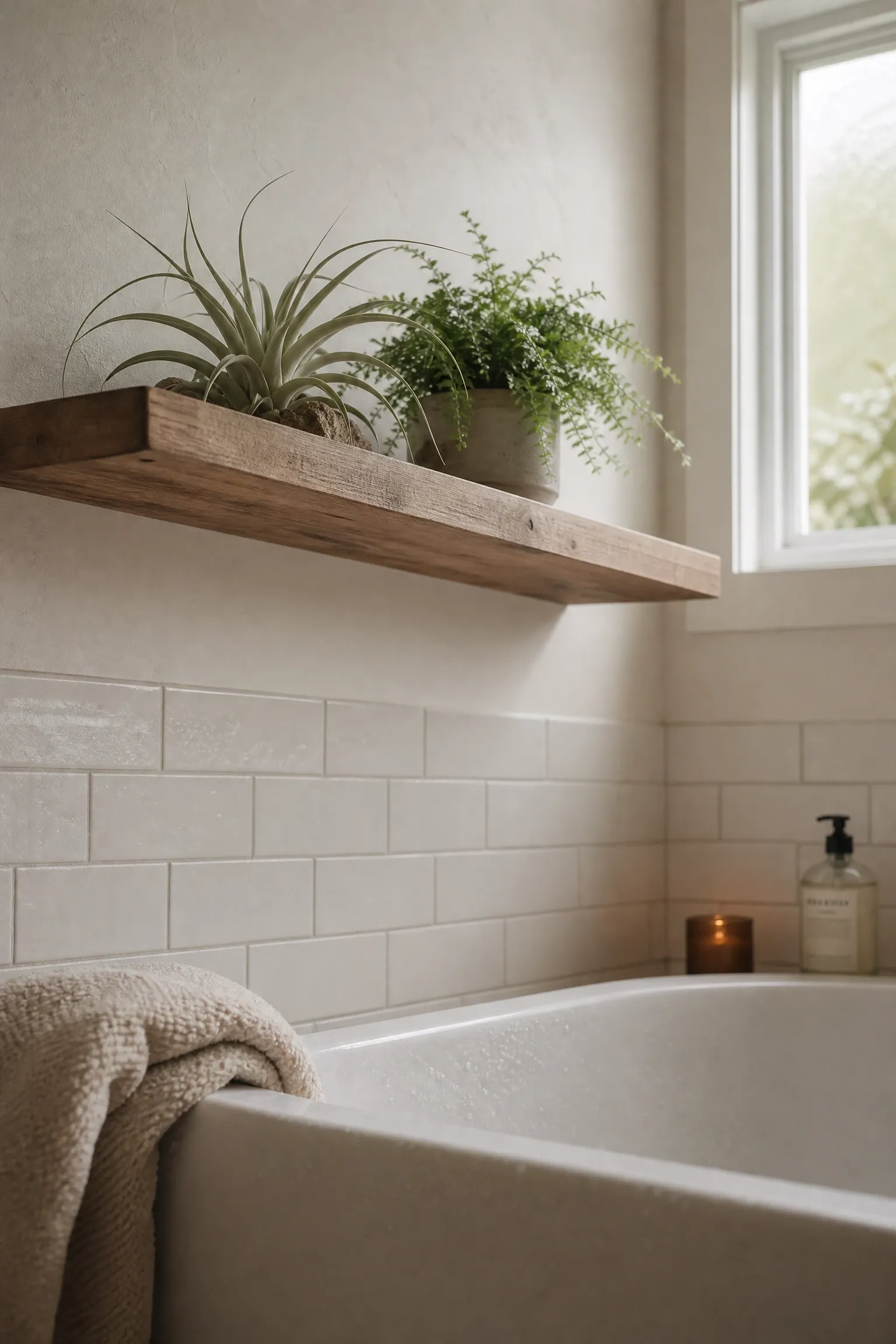
The wall space above a bathtub often sits completely bare, but it is a great spot for plants given the humidity a bathroom generates. A floating shelf mounted above tub height, well clear of splash range, can hold a pothos, a fern, or an air plant that thrives on ambient moisture rather than soil watering. Choose a shelf material that handles humidity without warping, sealed wood or powder coated metal both work. Air plants are especially smart here since they need no pot and no soil, just occasional misting, keeping the shelf light and uncluttered. The honest catch is a bathroom with no window at all will eventually be too dark even for humidity lovers, so this works best where there is at least some daylight.
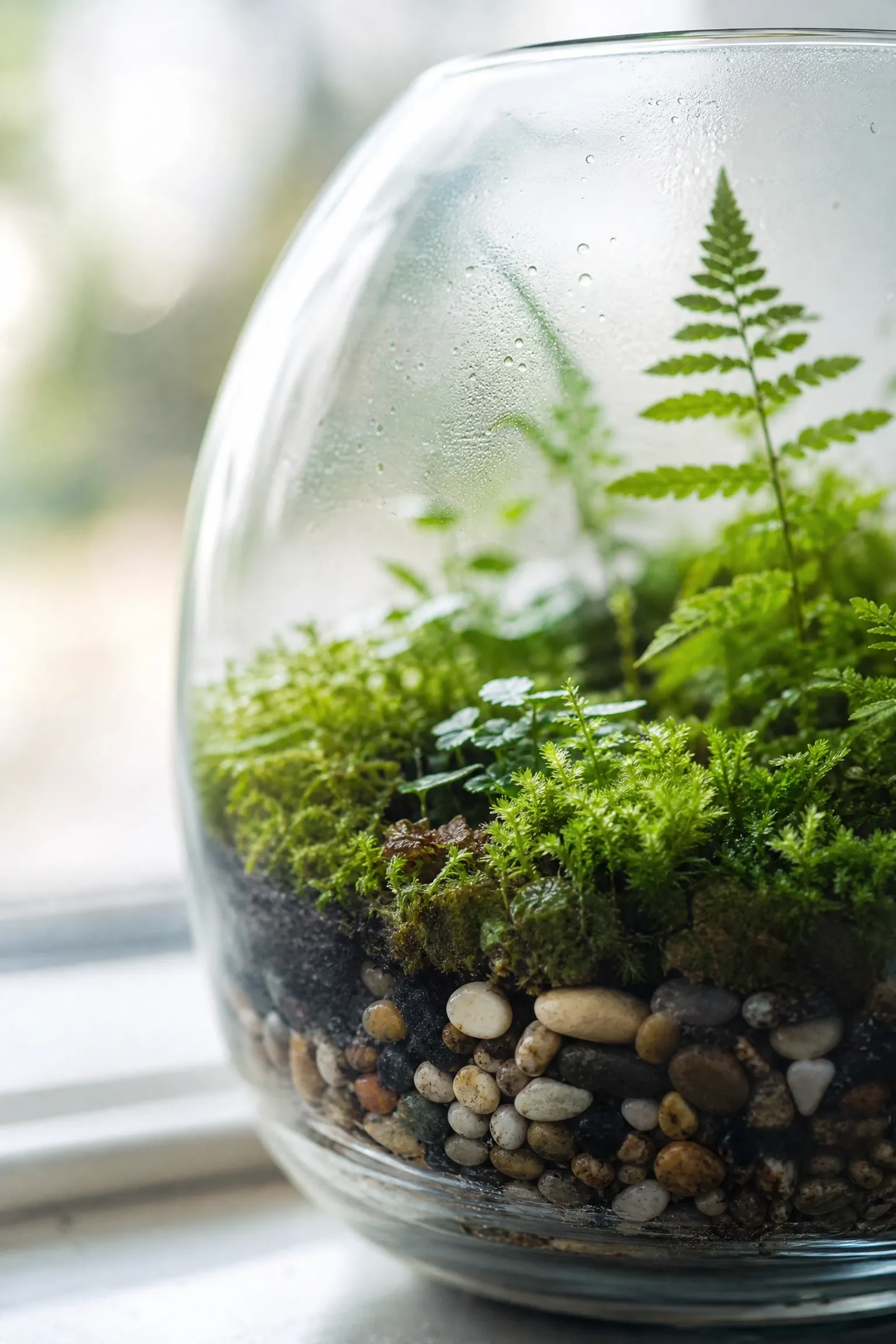
Some people have failed with houseplants enough times to write themselves off entirely, and a closed terrarium is genuinely the answer. A glass container with a lid creates its own humidity cycle, water evaporates, condenses on the glass, and drips back down, so a well built terrarium can go months between waterings. Use small, slow growing plants suited to enclosed environments, moss, small ferns, or fittonia, layered over pebbles and activated charcoal for drainage. Place it somewhere with bright indirect light but never direct sun, since a closed glass container acts like a greenhouse and can cook the plants inside. This is a lower cost entry point into keeping living plants, and it is one of the few plant projects that gets easier over time instead of harder.
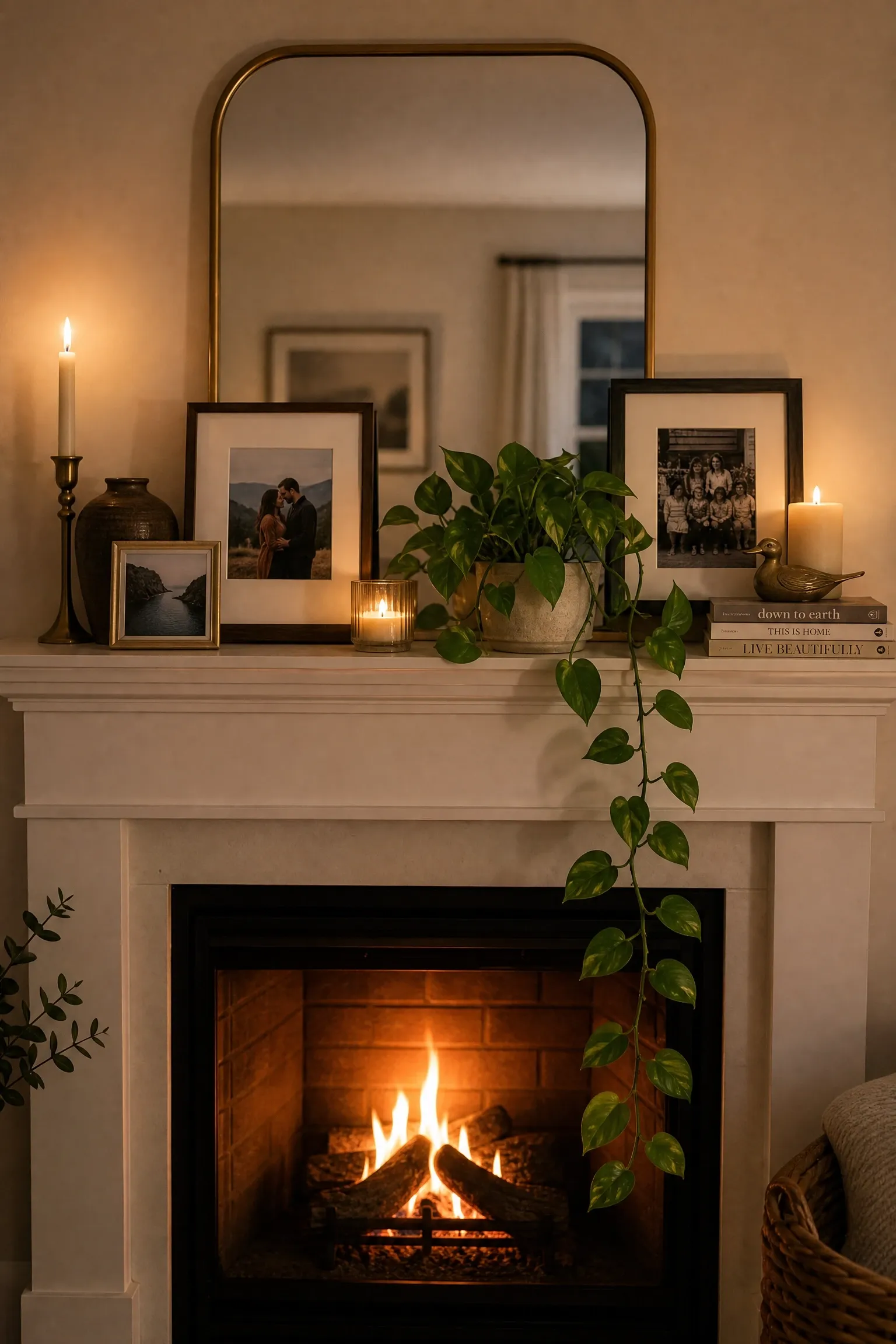
A fireplace mantel styled with only frames and candles can feel stiff, especially with a lot of straight architectural lines nearby. One or two small trailing plants tucked among the frames softens those edges in a way another frame simply cannot. A small pothos or philodendron in a compact pot lets a few vines drape over the mantel edge, creating movement against the stillness around it. Keep the scale modest since this is a supporting element, a six to eight inch pot is usually right. Mantels sit above eye level with limited direct light unless there is a nearby window, so a low light tolerant plant is the safer choice here rather than anything needing consistent bright sun.
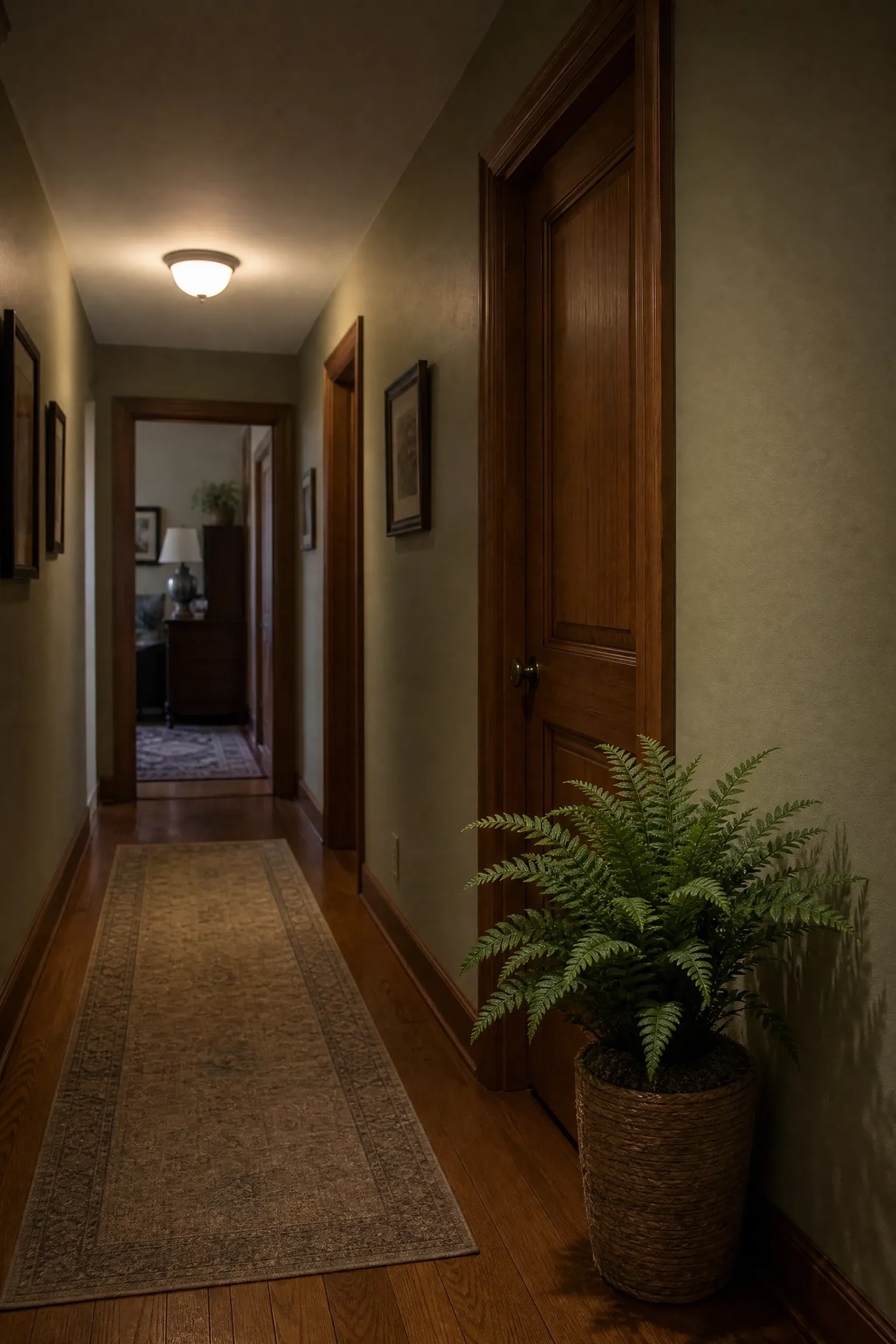
There is a real stigma around fake plants, mostly earned by the shiny plastic ferns that used to fill office lobbies. Good quality faux plants have improved a lot, and in spots with genuinely poor light, a windowless hallway or deep interior corner, they are honestly the more trustworthy choice over a real plant that will slowly decline. Look for matte, slightly uneven leaf texture and natural color variation rather than uniform glossy green, since that unevenness reads as real from a normal viewing distance. Pot it in real soil or moss to hide the base, since a plastic stem sticking out of bare foam is the detail that gives it away. There is nothing wrong with this choice, it is simply the more honest decision for a spot where a real plant would just die.
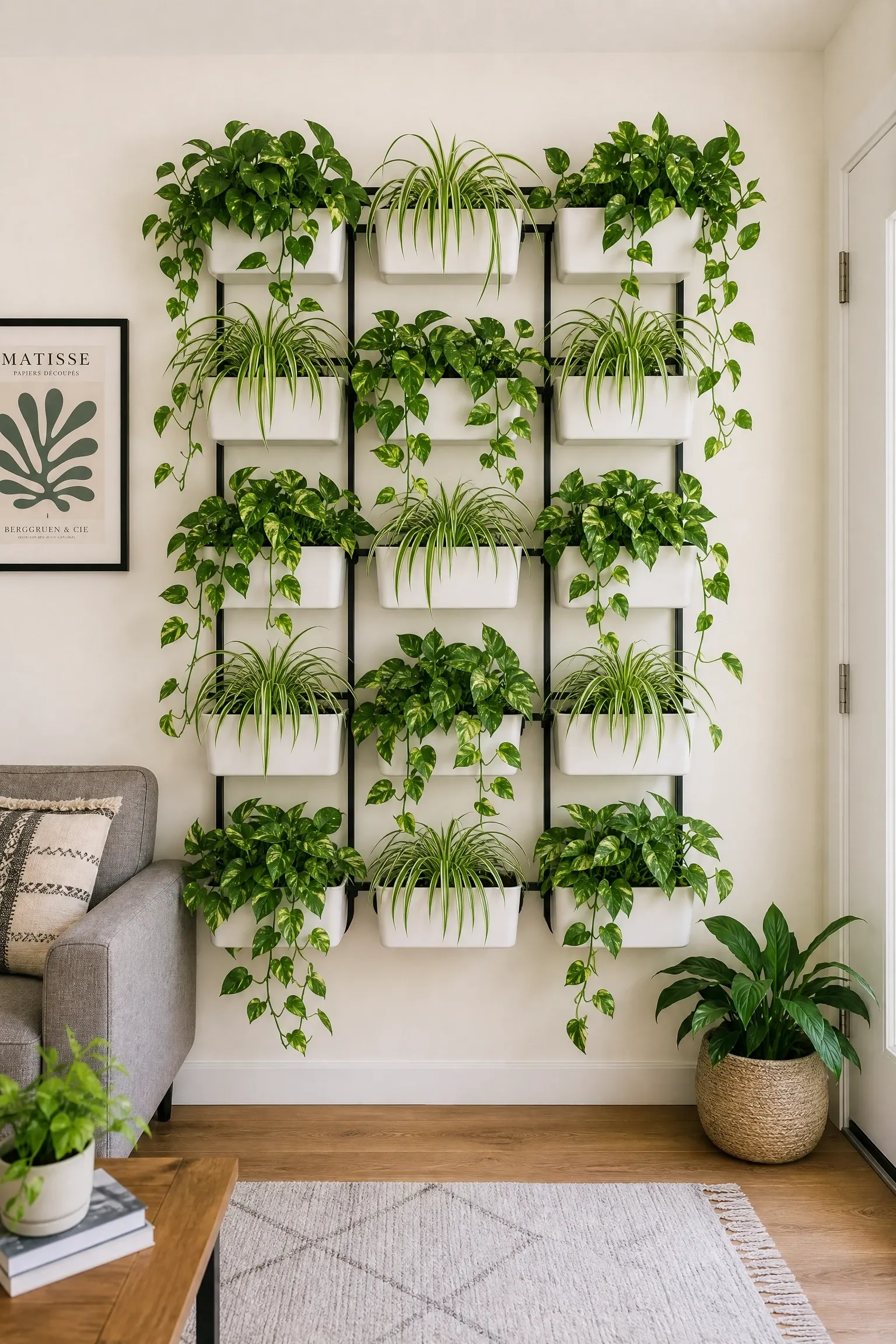
Small apartments rarely have floor space to spare for a collection of pots, which is exactly why a vertical garden wall makes sense in a tight space. Wall mounted planters or a modular felt pocket system let you grow a real cluster of plants using only wall space, freeing the floor for furniture and walking room. Mix small pothos, spider plants, and trailing varieties across the pockets, keeping the footprint under about two feet wide so it reads as a feature rather than taking over the wall. This works well in a kitchen or small living room where every square foot matters. The tradeoff worth knowing upfront is watering logistics, a vertical wall needs more attention than a few pots on a table, so it suits someone willing to check on it weekly rather than set it and forget it.
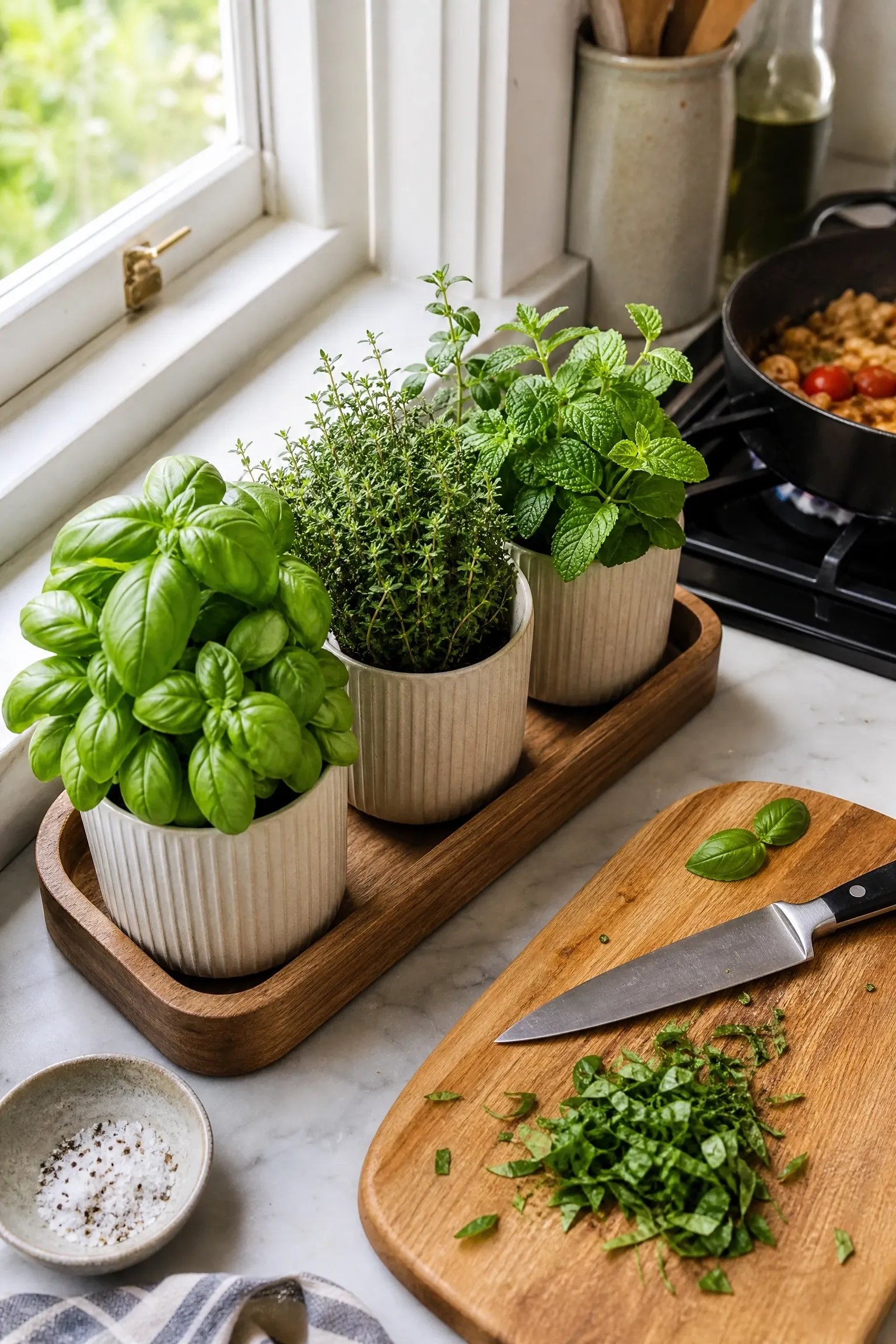
A small herb garden on an open stretch of counter does double duty as decor and something genuinely useful, which is rare for a decorating idea. Basil, thyme, and mint in matching pots near a window with decent light bring in fresh green color while giving you something to snip while cooking. Group three or four pots on a wood tray so they read as one unit rather than loose clutter, and so the whole thing moves easily when you need counter space. Terracotta pots work well here since the porous material helps prevent overwatering, the most common way people kill kitchen herbs. Mint grows aggressively and can crowd its neighbors, so keep it in its own separate container rather than mixing it into the group.
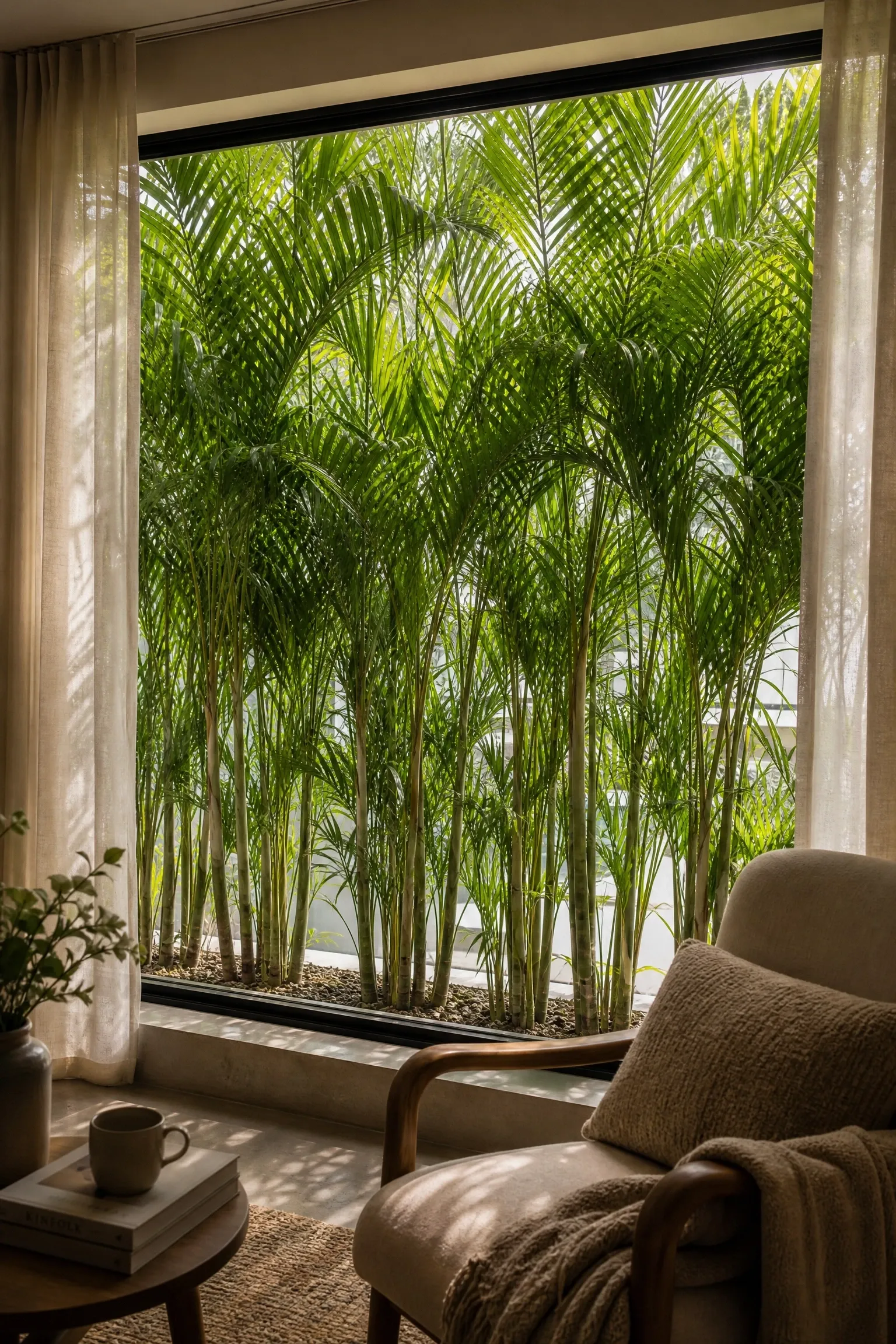
Ground floor apartments and homes close to the sidewalk often deal with a privacy problem that curtains alone cannot solve during the day. A row of tall, bushy plants, areca palms or large snake plants, positioned along a window creates a soft natural screen that blocks direct sightlines while still letting filtered light in, unlike blackout curtains which block everything. This works especially well in a living room or bedroom where you want privacy without losing daytime light. Choose plants with dense, full foliage rather than sparse varieties, since coverage is the whole point. This is a functional upgrade disguised as decor, though it works best for lower floor windows facing a street, and does little for privacy concerns involving upper floor sightlines from nearby buildings.
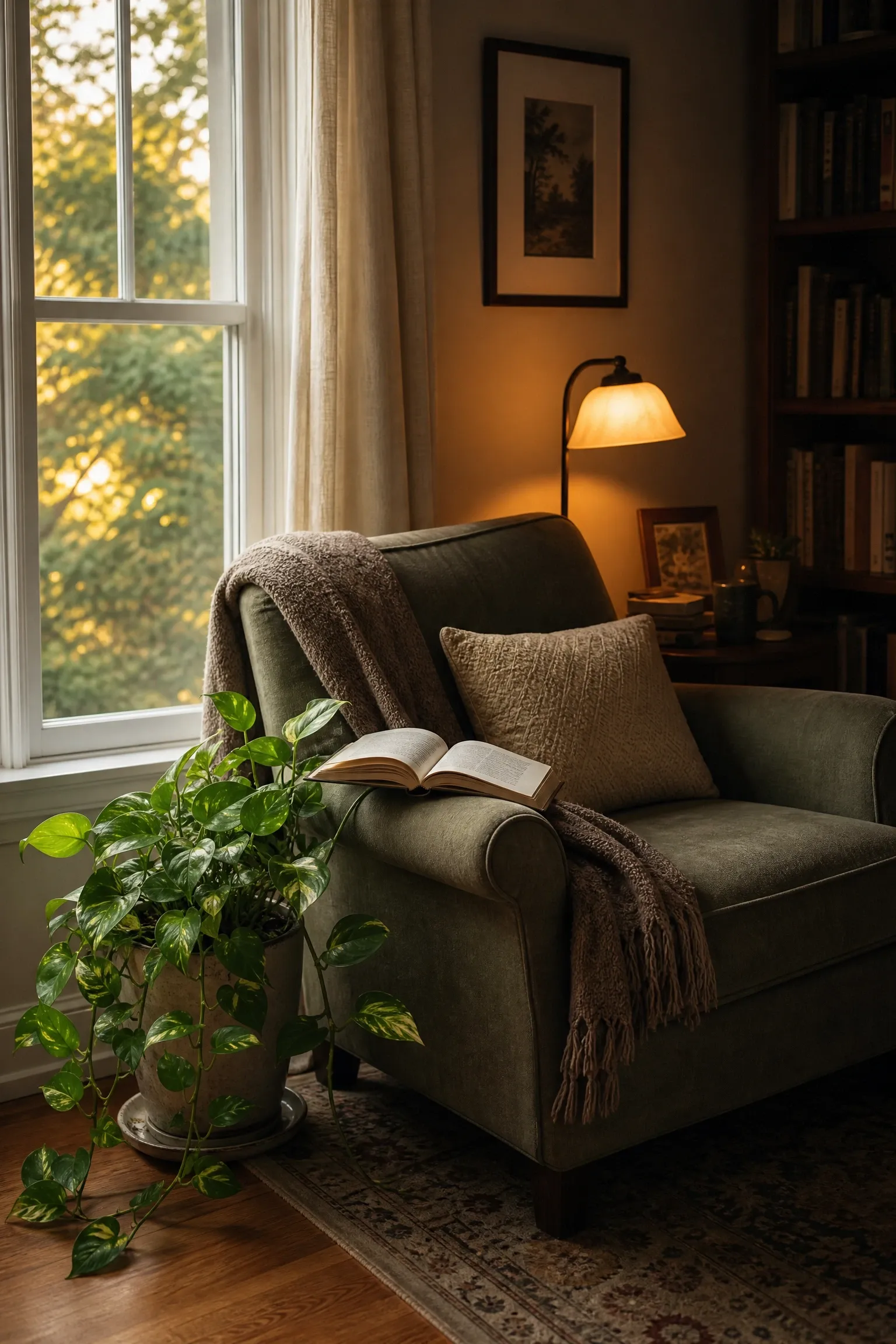
A reading chair by a window with good light is already one of the best spots in a home, and one plant nearby makes it feel like an intentional retreat rather than just a chair someone put there. A medium pothos or small palm on the floor beside the chair, roughly level with the armrest, fills the empty space without crowding your legs or a side table. Choose a plant that will not mind occasional bumps, a sturdy pothos handles this far better than something delicate like a fern with brittle fronds. Add a small reading lamp nearby so warm task lighting and greenery create that layered, cozy feeling good reading corners have. This is a low cost way to make one spot feel special, a good starting project if you are new to styling with plants.
Seasonal Branch Arrangements Instead of Buying New Plants
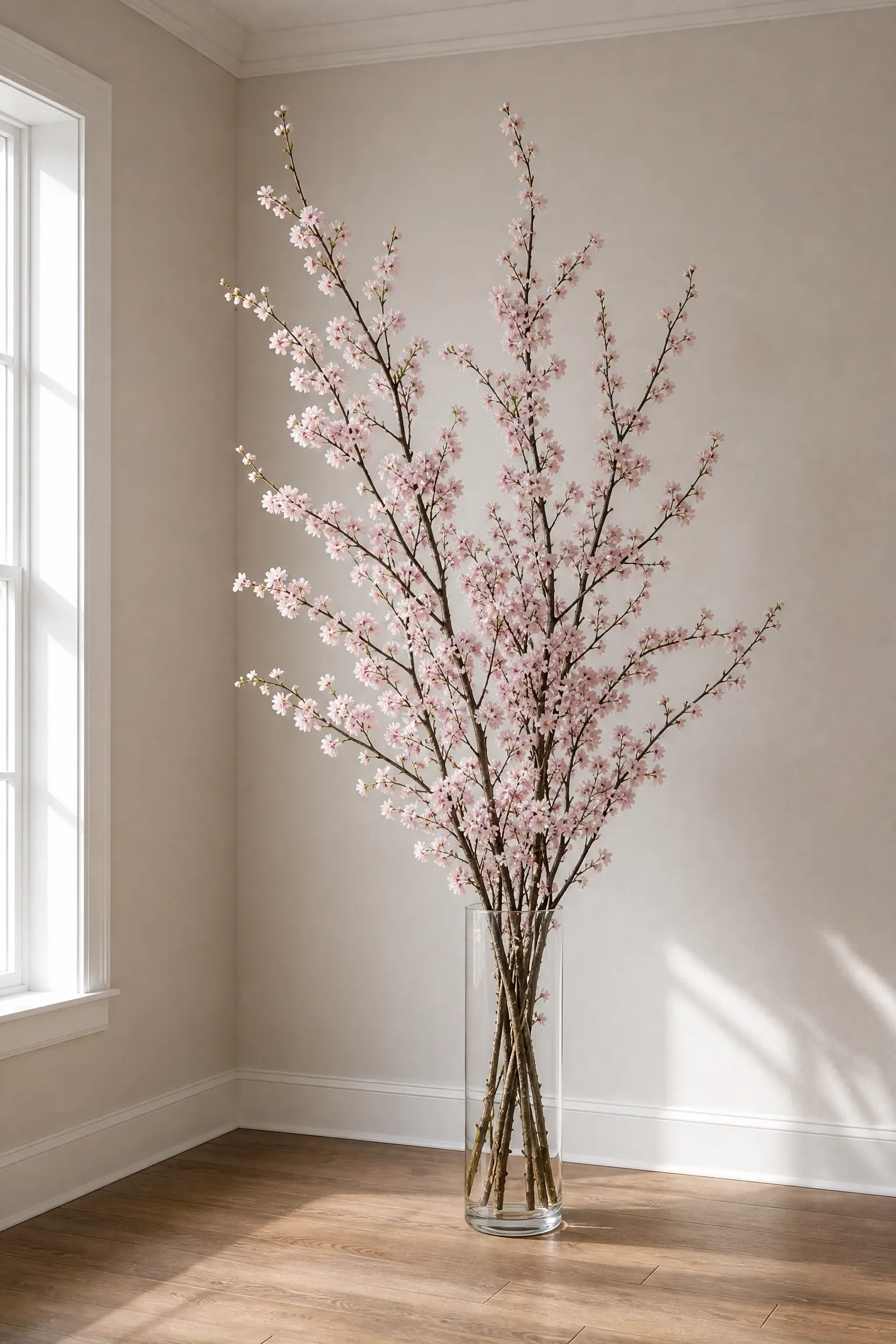
Not every green touch needs to be a potted plant that requires ongoing care. Cut branches, magnolia in late winter, cherry blossom in spring, eucalyptus nearly any time of year, arranged in a tall floor vase bring real seasonal change without the commitment of a new plant purchase. This is one of the most budget friendly ideas on this list, since branches can often be cut from your own yard or picked up cheaply at a farmers market. Use a substantial glass or ceramic vase in a neutral tone, positioned in an empty corner where the branches have enough height to register as a design element. The tradeoff is that cut branches are temporary, usually lasting a week or two before dropping leaves, so this works best as a rotating seasonal refresh rather than a permanent fixture.
Decorating with plants works best when you stop thinking of it as one big project and start treating it as a series of small, specific decisions, one for each room, one for each problem spot. Some of these ideas cost almost nothing, a cutting from a friend’s plant or a branch from your own yard, while others are a real investment worth planning for, like a large statement floor plant in a living room. What ties all twenty five together is the same basic idea, plants work best when they are solving an actual problem in a space rather than being added just because greenery is popular right now right now. An empty corner, a bare shelf, a window with light going to waste, those are the spots worth starting with. Pay attention to the light your home actually gets, be honest about how much upkeep you are willing to do, and do not be afraid to mix a faux plant into a dark spot where nothing real would survive anyway. Start with two or three ideas from this list that solve a problem you actually have, live with them for a few weeks, and then decide where to add more. A home filled with plants that are actually thriving looks better than one with twice as many that are struggling.
Frequently Asked Questions
How many plants is too many for one room?
There is no fixed number, it depends more on scale and light than a count. A general guide is to make sure each plant still has room to be seen on its own rather than blending into a wall of green. If you can no longer tell where one plant ends and another begins from across the room, that is usually the sign to stop adding and start editing.
What are the easiest plants to start with if I have killed plants before?
Snake plants, ZZ plants, and pothos are the three most forgiving options and handle inconsistent watering and average light better than almost anything else sold at a garden center. Start with one of these before moving on to anything that needs more specific care, like a fiddle leaf fig or a fern.
Do I need direct sunlight for most houseplants to survive?
No, most popular houseplants actually prefer bright indirect light rather than direct sun, which can scorch leaves on many varieties. Direct sun is really only necessary for succulents, cacti, and a handful of flowering plants, so most rooms with a window that gets decent daylight can support a wide range of houseplants.
Are fake plants ever the better choice over real ones?
Yes, honestly. In a windowless hallway, a dim bathroom, or any spot where even low-light plants struggle, a good quality faux plant will look better over time than a real one slowly declining. It is a practical choice rather than a compromise in those specific situations.
How do I stop my pots from ruining furniture or floors with water damage?
Use a saucer or tray under every pot, even ones marketed as self-watering, and check it after each watering rather than assuming it drained properly. For wood furniture or hardwood floors, adding a small cork or felt pad underneath the saucer gives an extra layer of protection against moisture over time.
Is it better to buy a few large plants or many small ones for a new home?
It depends on your budget and your rooms. A few larger statement plants create bigger visual impact per item and are often more cost effective long term since they keep growing, while a larger number of small plants gives you more flexibility to style shelves, windowsills, and tables throughout the home. Most people end up doing a mix of both once they see which rooms actually need the most help.