Most people see alien core and immediately think LED strips, glow-in-the-dark stickers, and a bedroom that looks like a gaming setup from 2014. That is the version of this aesthetic worth avoiding. The real thing is quieter, stranger, and genuinely beautiful when done right, and these ideas show you exactly how to get there.
1. Start With a Deep, Non-White Wall Color Instead of Going Black
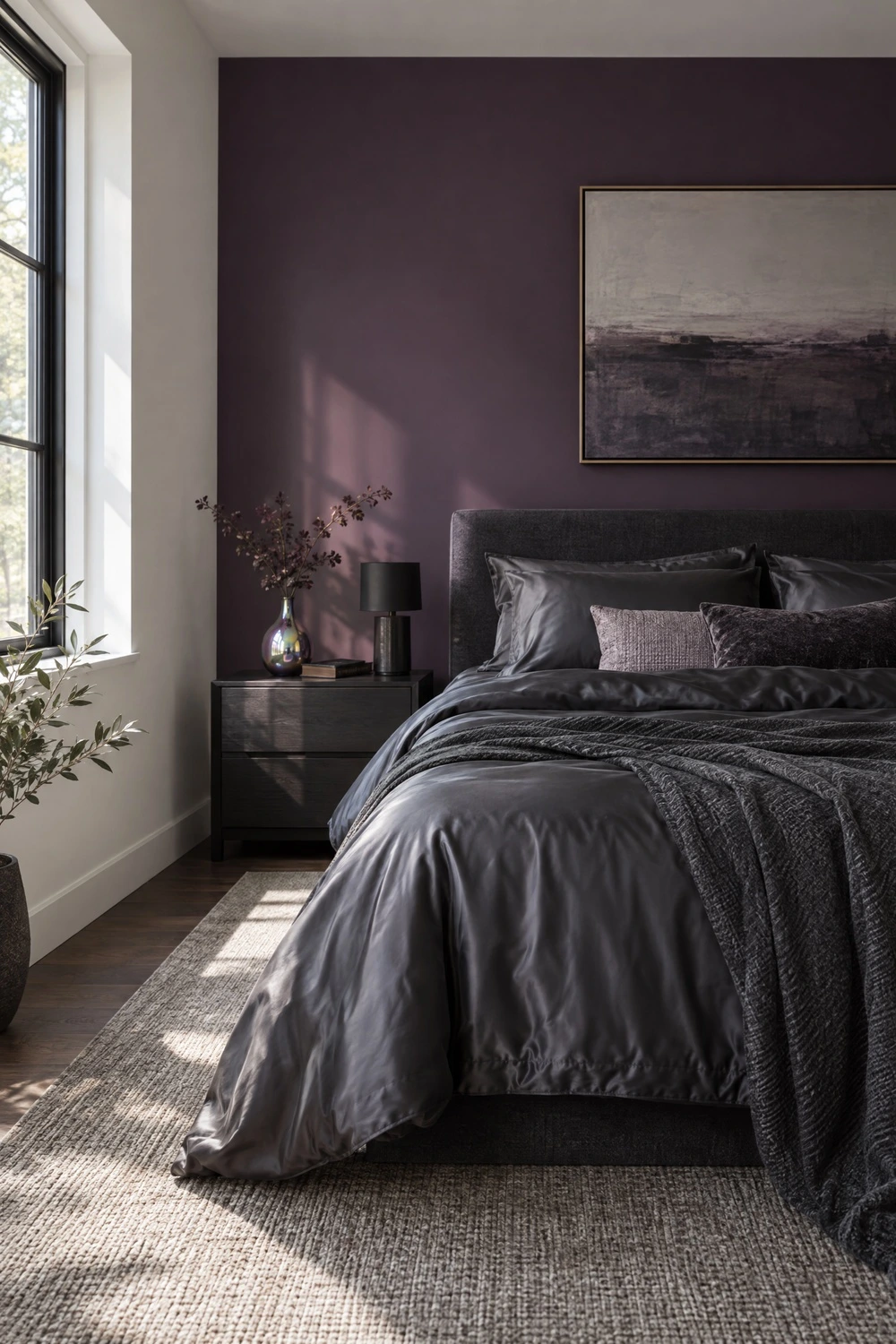
The instinct is to paint everything black and call it space, but in practice a black room just feels heavy and absorbs all the interesting light effects this aesthetic depends on. A deep ink blue like Benjamin Moore Hale Navy, a dusty violet, or a dark teal gives you the moody cosmic depth you are after while still bouncing color off iridescent and metallic surfaces in the room.
Pro Move: Paint a single feature wall first rather than committing all four. One deep-colored wall behind a bed or sofa gives you the atmosphere without making the room feel like a cave during the day.
2. Use Indirect LED Lighting Instead of Visible LED Strips
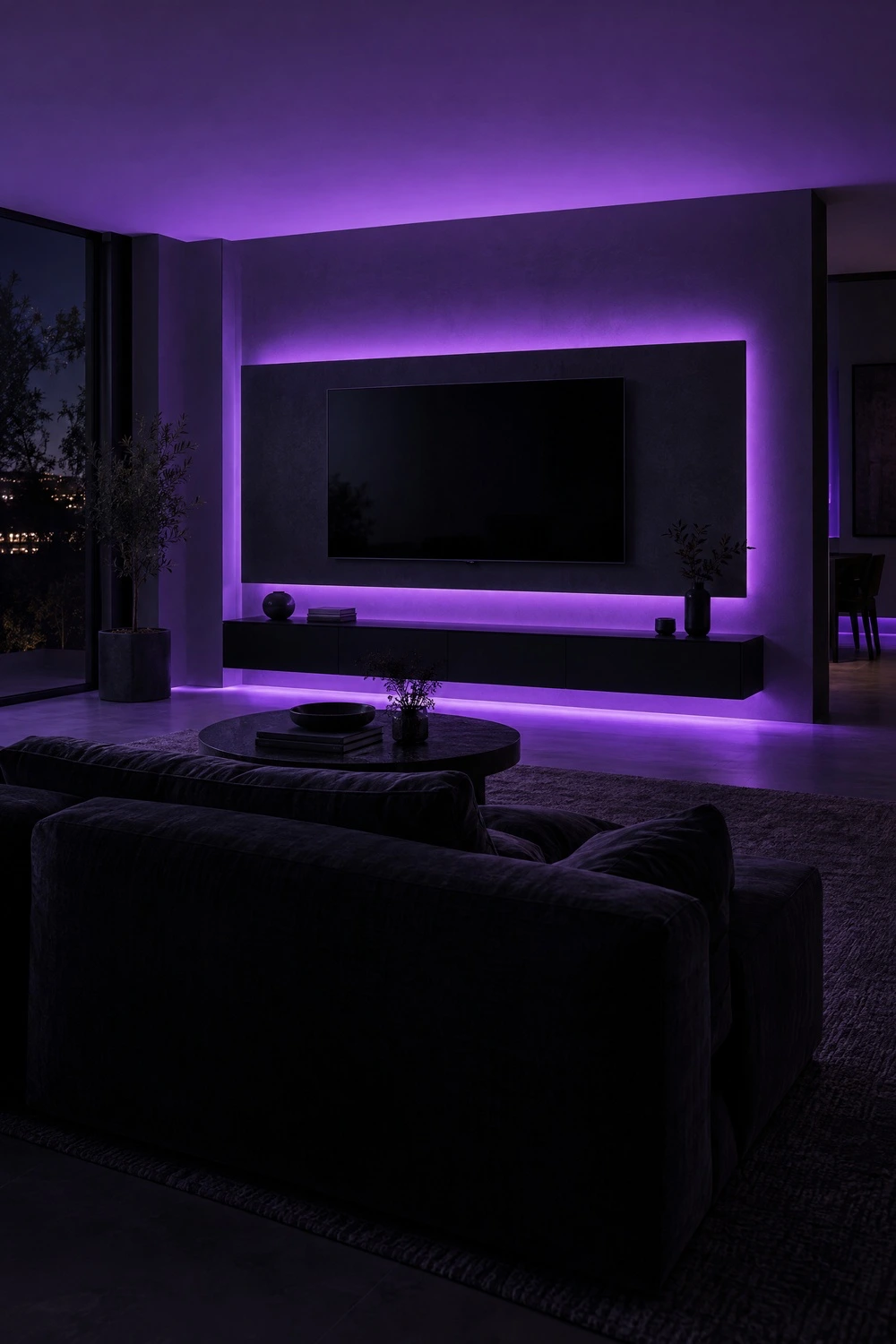
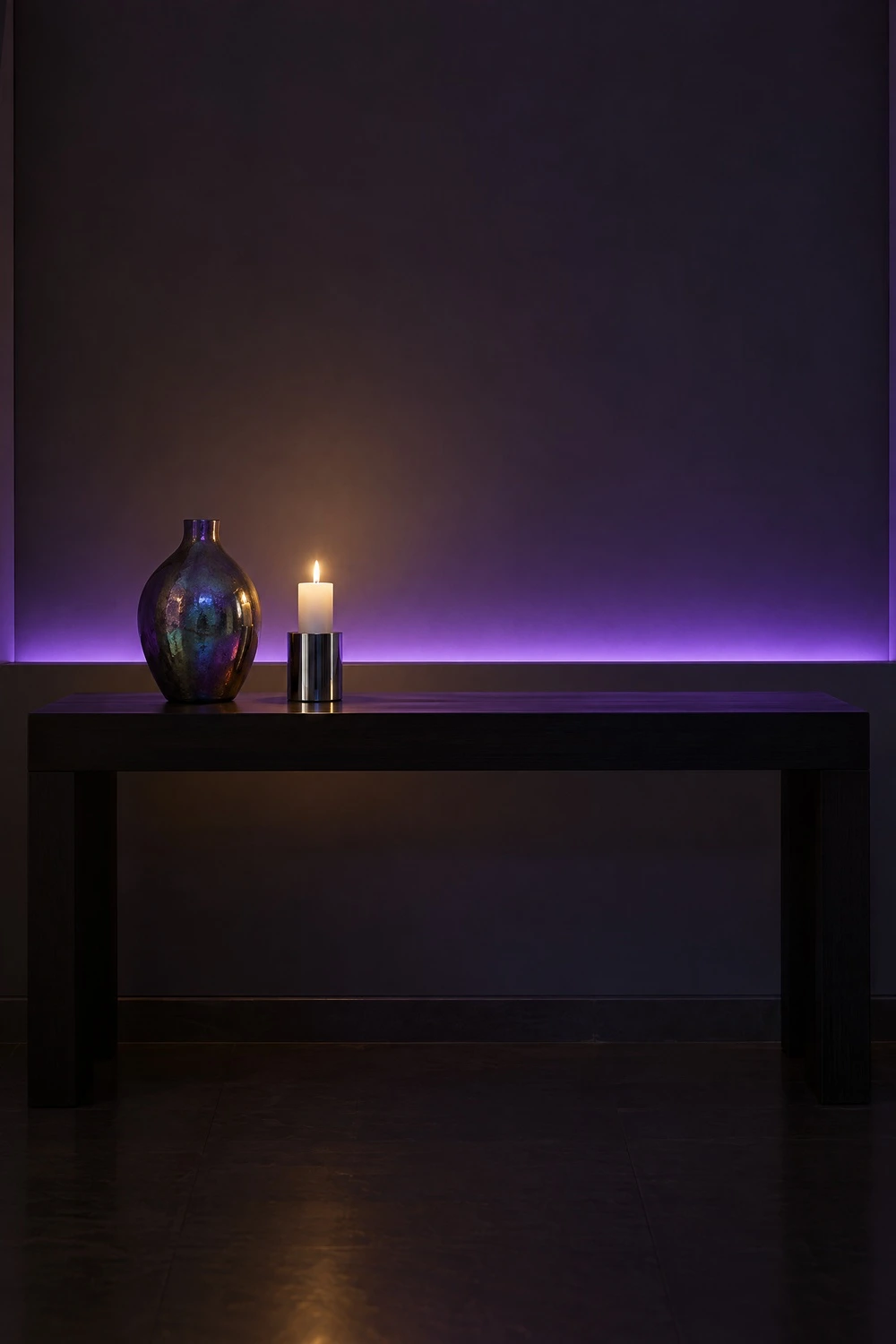
Visible LED strip lights stuck to the back of furniture or along skirting boards look like a tech setup, not a designed room. Hidden LED strips recessed behind a floating shelf, tucked behind a TV panel, or mounted inside a ceiling cove create light that seems to come from the architecture itself, which is the quality that makes a room feel genuinely otherworldly rather than decorated.
Reality Check: Colour temperature matters enormously here. Cool white at 6500K reads clinical and harsh. Stick to deep violet, soft cyan, or a warm amber glow for an effect that feels atmospheric rather than retail.
3. Choose One Iridescent Statement Piece and Build Around It
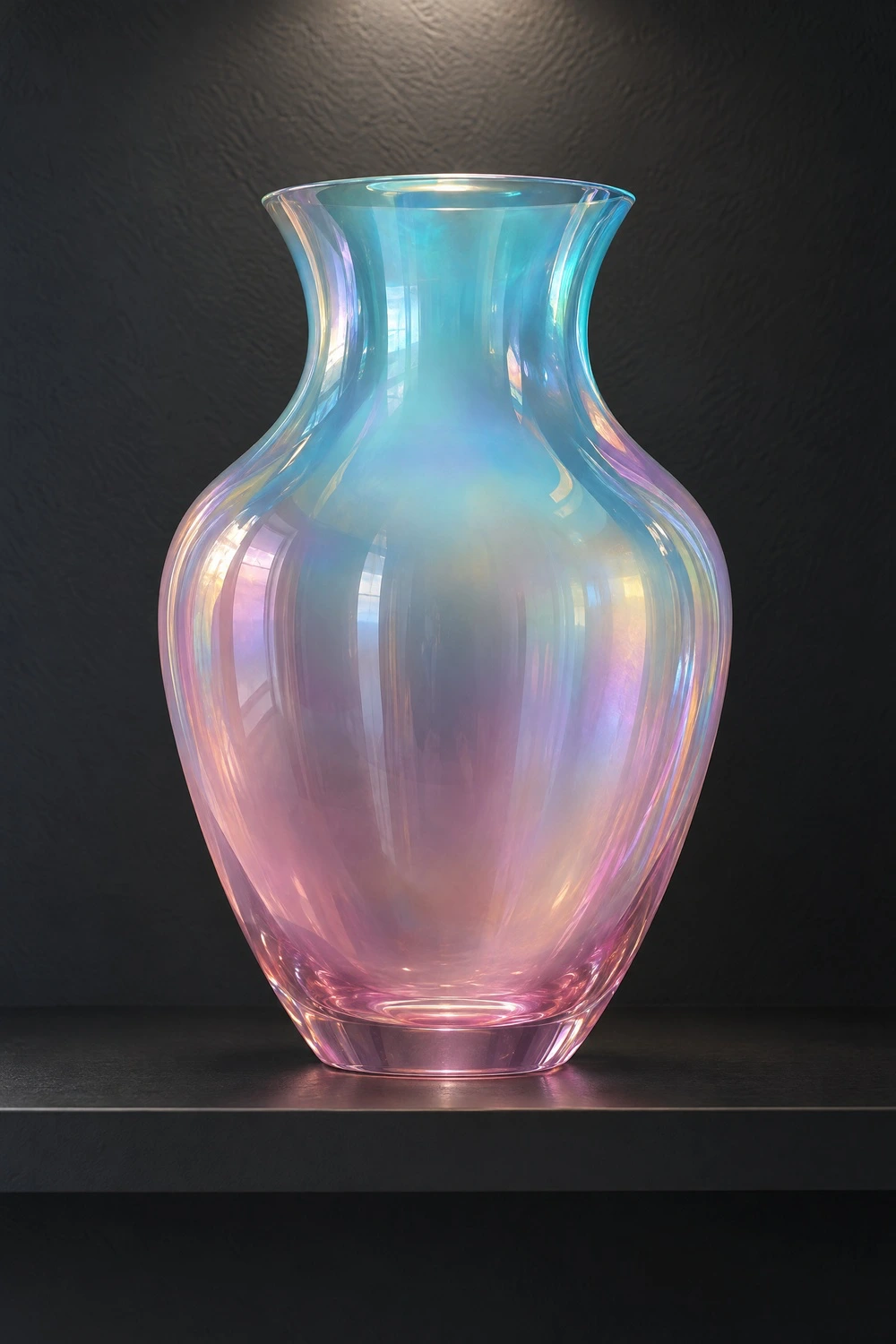
The biggest alien core decorating mistake is buying every iridescent and holographic item available and layering them all in one room. One strong iridescent piece, a large vase, an acrylic side table that shifts from pink to gold in different light, or a single holographic cushion cover, will do more for the look than a dozen smaller shimmery objects competing for attention.
Designer Advice: Clear or smoke-toned iridescent acrylic pieces work better in real rooms than rainbow-print holographic items. The subtlety of a material that changes colour as you move past it reads as sophisticated rather than novelty.
4. Bring in a Galaxy or Nebula Projector as the Room’s Primary Mood Lighting
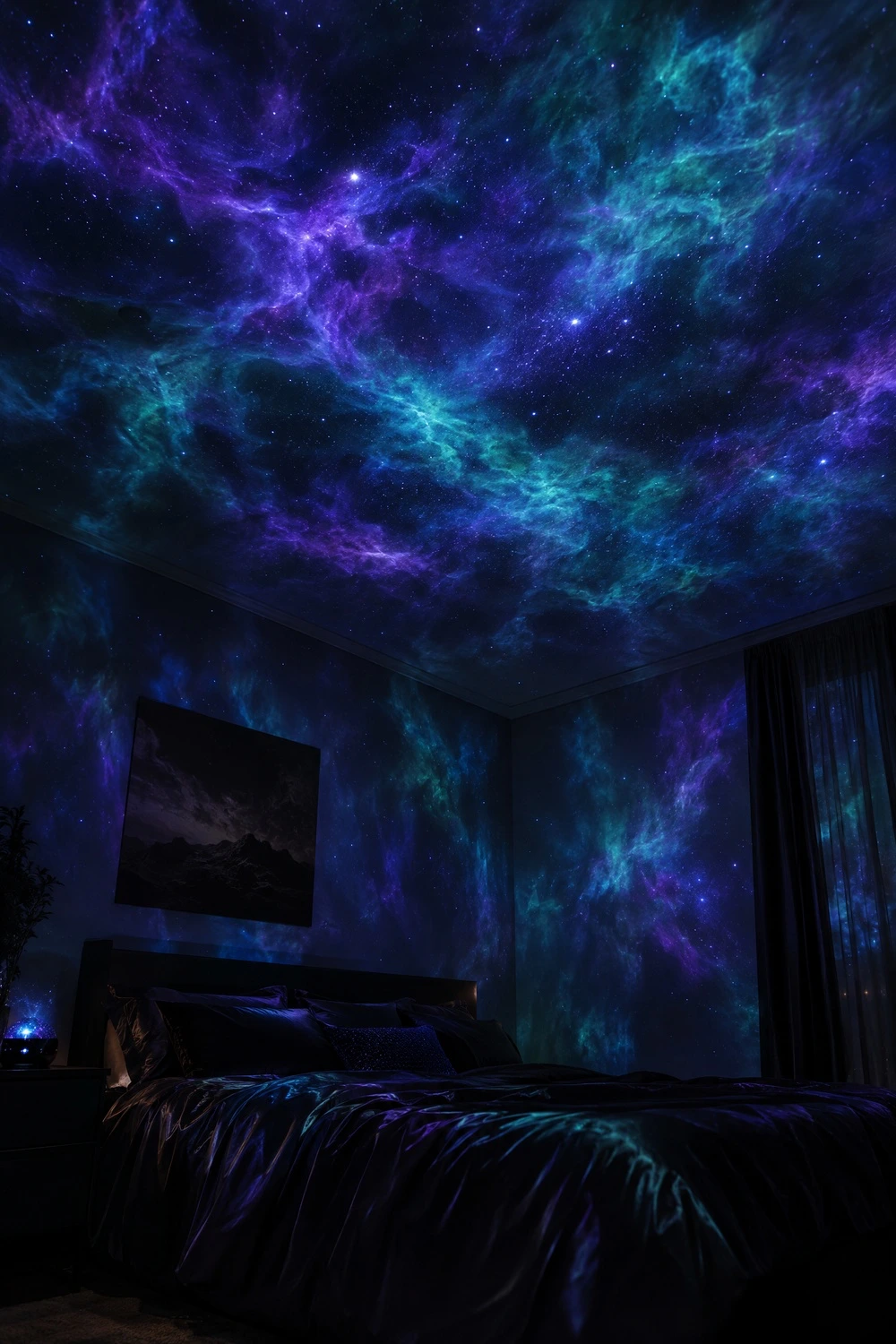
A ceiling projector that throws slow-moving nebula clouds across the walls and ceiling costs between $30 and $80 and does more to establish the alien core atmosphere than almost any furniture purchase. In practice, it works best as an evening light source rather than a desk lamp supplement. Turn it on, dim everything else, and the room reads completely differently.
Quick Tip: Look for projectors with a rotation speed setting. A very slow rotation, almost imperceptible, feels like being inside something alive. Fast rotation feels like a toy.
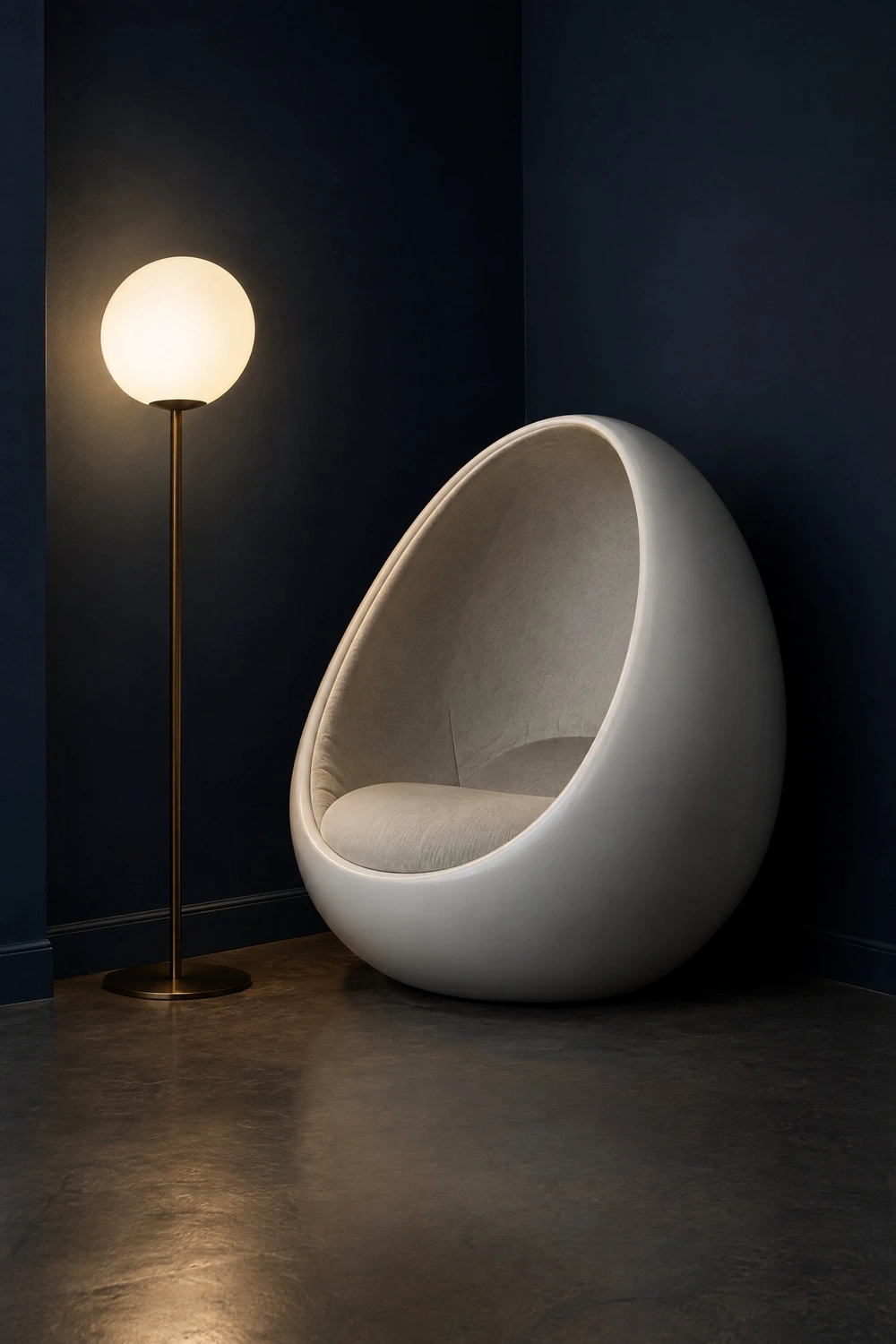
5. Use Biomorphic or Organic Furniture Shapes Instead of Angular Pieces
Straight lines and sharp corners read as human-made. Curved, asymmetrical, pod-like furniture shapes, a round egg chair, a blob-shaped pouf, a sofa with no visible legs and a continuous curved silhouette, feel like they could have been grown rather than manufactured, which is exactly the quality that gives alien core its visual signature without needing any actual space imagery.
Heads Up: Fully committing to biomorphic furniture across an entire room gets expensive quickly. One curved statement chair in a corner, paired with more standard pieces elsewhere, is enough to shift the visual language of the whole space.
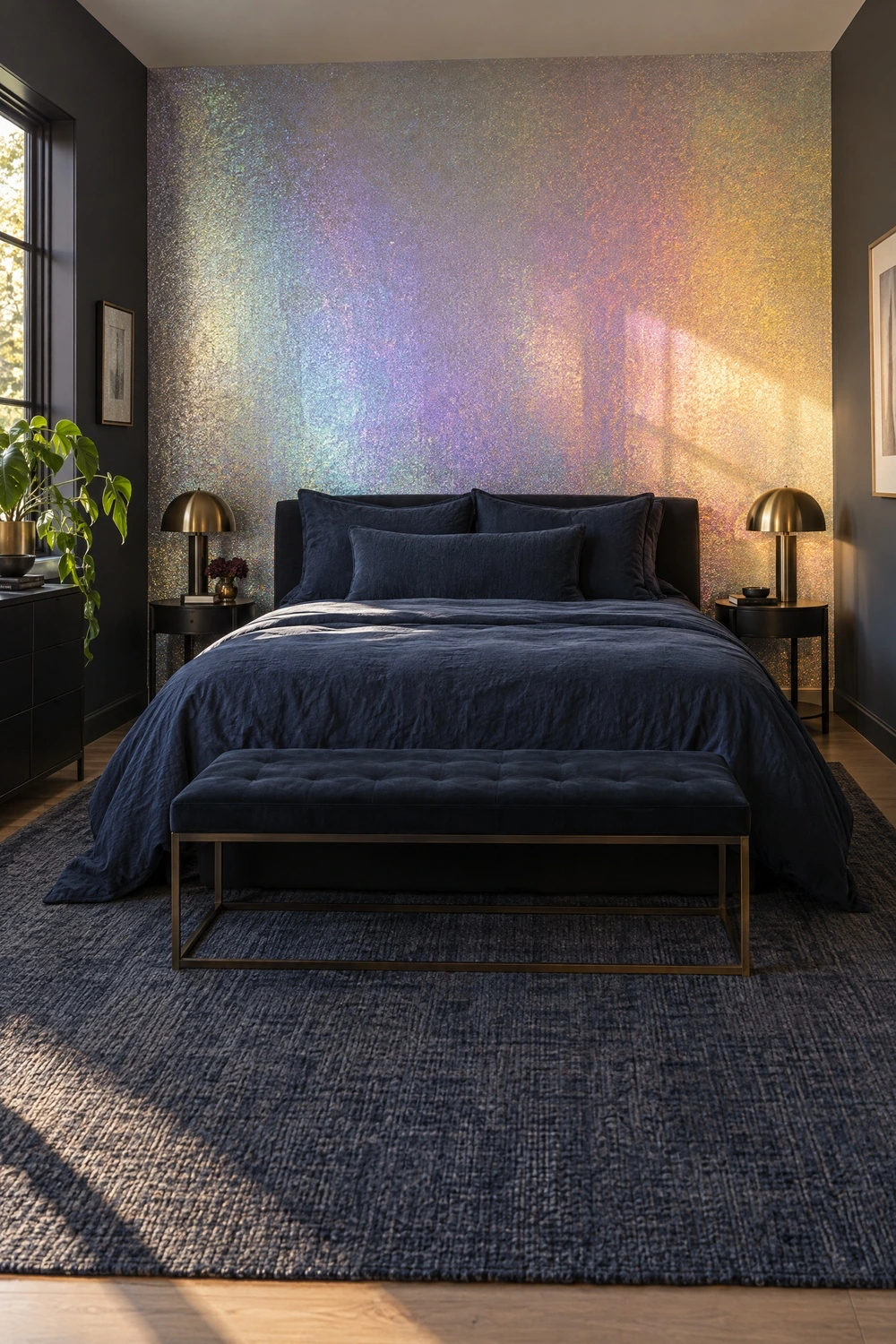
6. Hang Holographic or Iridescent Wallpaper on a Single Accent Panel
Holographic or opalescent peel-and-stick wallpaper on one wall behind a bed or desk gives you the light-shifting, colour-changing surface that defines the alien core look without the permanence or cost of a full room application. As light in the room changes throughout the day, the panel shifts from silver to lavender to gold, which functions as a living piece of decor.
Pro Move: Pair the iridescent panel with matte surfaces everywhere else in the room. Gloss on gloss cancels out and reads cluttered. The contrast between a shimmering wall and flat, dark surroundings is what makes each element land.
7. Add Chrome or Polished Silver Furniture Accents
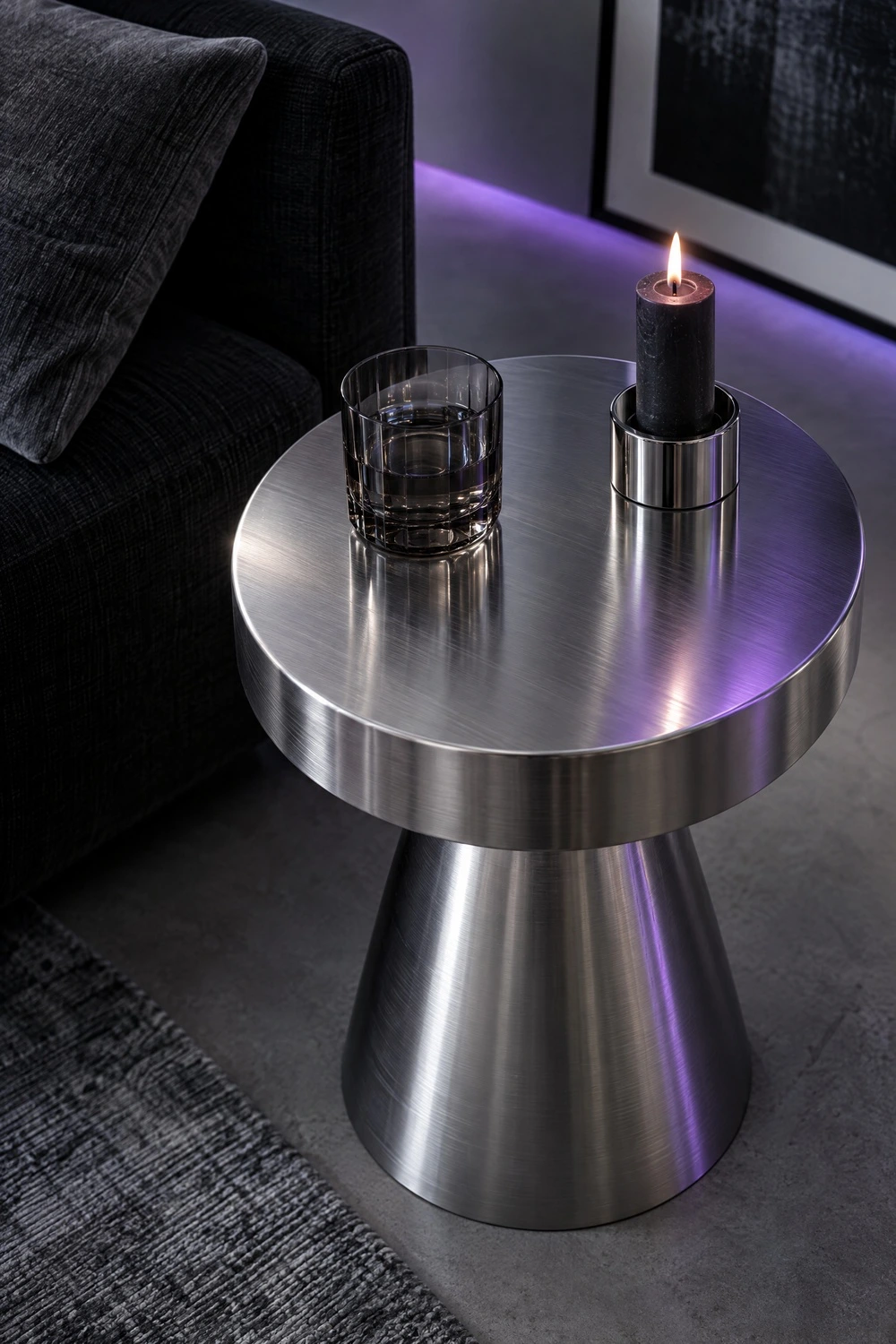
Chrome is having a full design renaissance right now, and it belongs in alien core spaces because a polished silver surface mirrors the LED and ambient light in the room in real time, essentially multiplying your lighting effects without adding more fixtures. A chrome side table, a mirrored tray, or a brushed silver lamp base all serve this function while remaining entirely practical.
Designer Advice: Brushed silver reads more refined than high-polish chrome in a home setting. High-polish chrome is beautiful but shows every fingerprint and dust particle, which works against the pristine, otherworldly atmosphere this aesthetic requires.
8. Introduce Transparent or Lucite Furniture for Visual Weightlessness
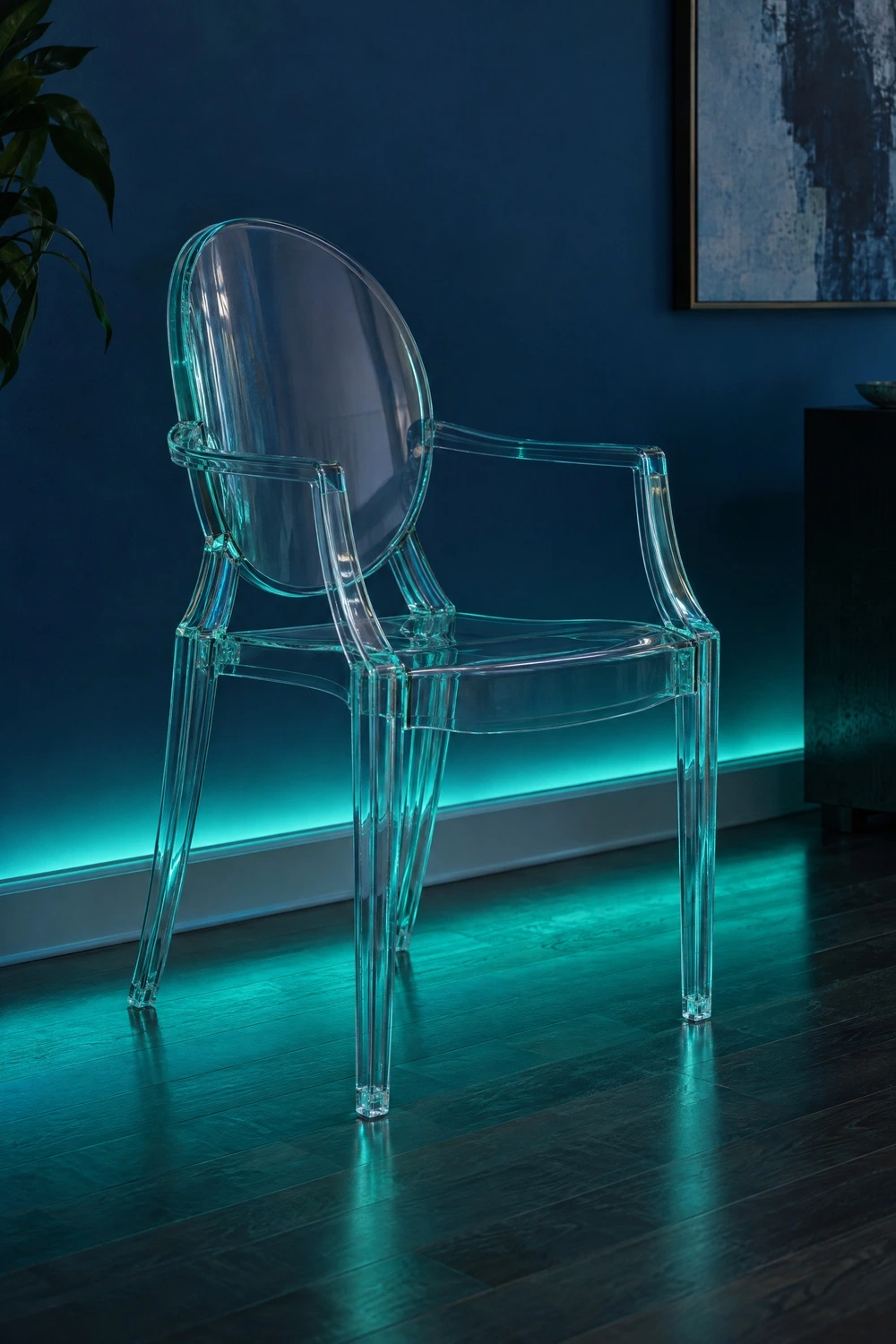
Clear acrylic or Lucite furniture pieces, a ghost chair, a transparent side table, a clear acrylic console, contribute to the alien core look by appearing to float rather than occupy physical space. In a room with atmospheric lighting, clear furniture picks up the colour of the ambient light and becomes part of the light show rather than just sitting in it.
Quick Tip: Position a clear acrylic piece directly in front of or beside your LED or projector light source so it catches and scatters the coloured light. The effect is noticeably stronger than placing it anywhere else in the room.
9. Use a Monochromatic Colour Scheme With One Unexpected Accent
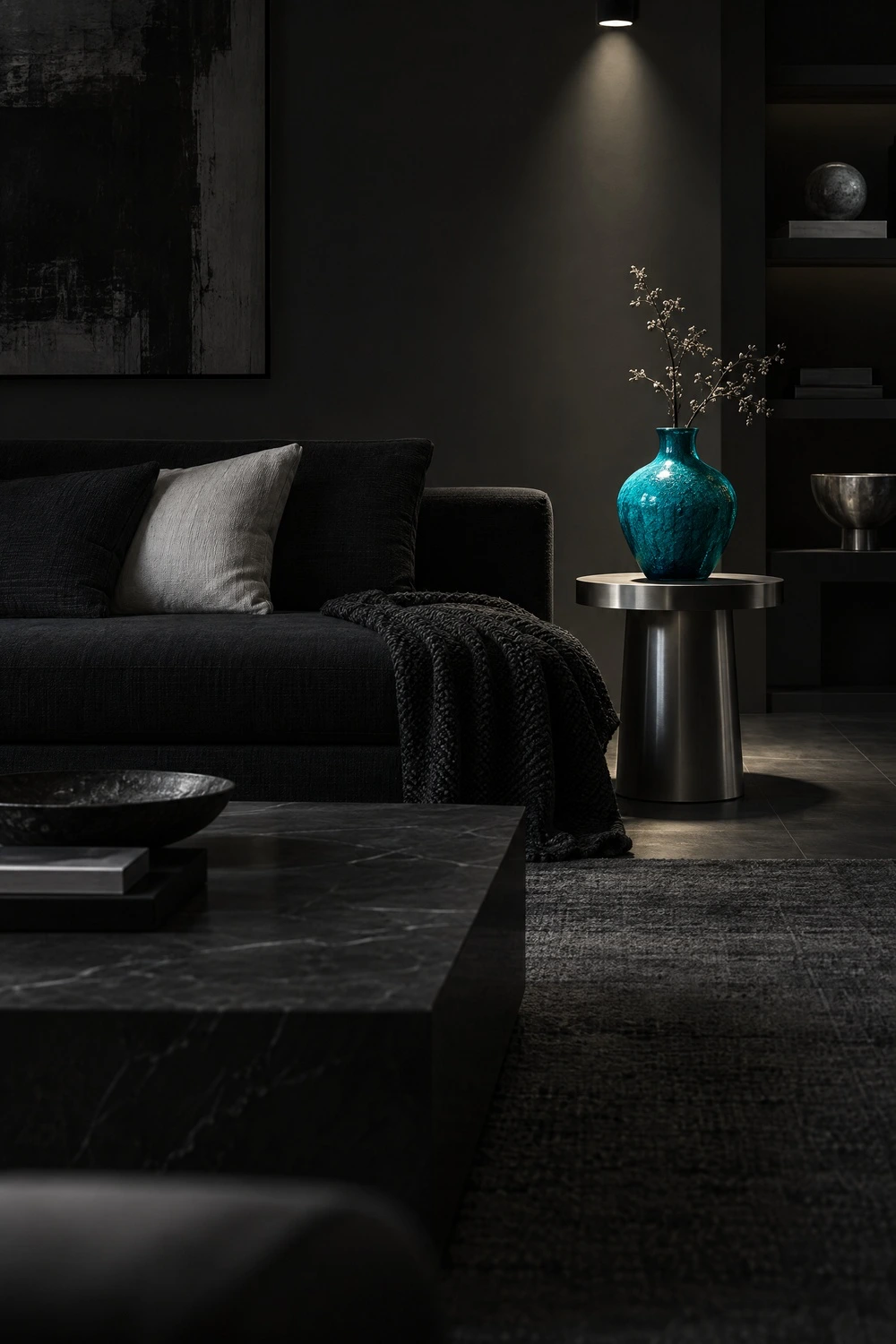
Alien core rooms that look genuinely designed, rather than assembled from a shopping list, almost always use a tight colour palette. A base of deep charcoal or midnight navy with silver and matte white, punctuated by a single unexpected accent like electric teal or bioluminescent green on one object, reads as intentional. The restraint is what makes the accent colour feel like it belongs to another world.
Reality Check: Neon pink, neon green, neon purple, and RGB rainbow all at once is the version of this look that reads as a teenager’s first bedroom redesign rather than a considered space. Pick one neon accent and commit to it.
10. Install Iridescent Floating Shelves for Display
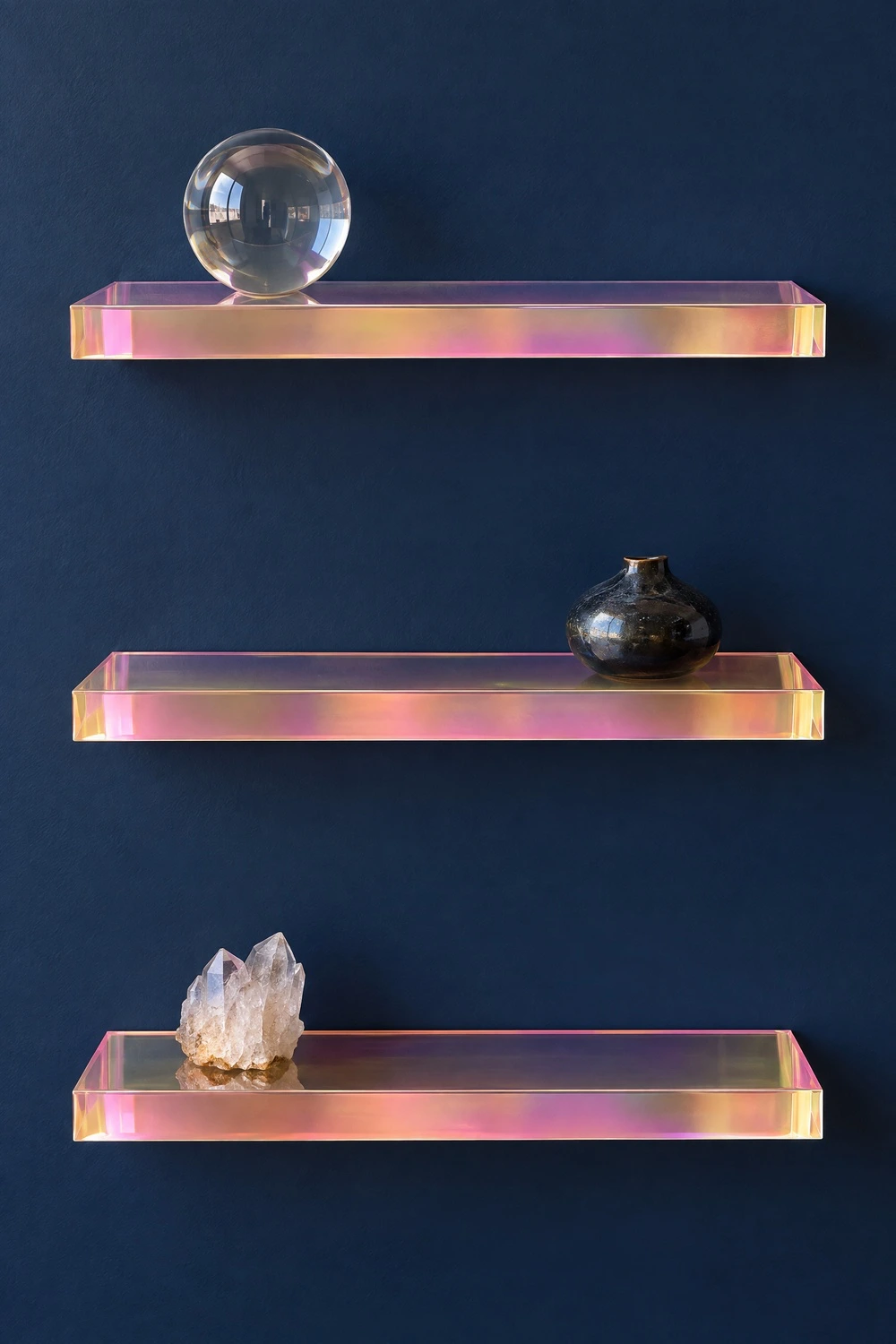
Standard wood or black metal floating shelves are fine but invisible in this aesthetic. High-gloss acrylic floating shelves that shift from soft pink to cyan to gold as the light changes around them function as decor in their own right, even before you put anything on them. Style them with clear glass objects, small crystals, or dark ceramic pieces that let the shelf’s colour shift remain visible.
Pro Move: Fewer objects on the shelf rather than more. The iridescent surface is the feature. Crowding it with items defeats the purpose entirely.
11. Add a Large Backlit Mirror to Multiply Lighting Effects
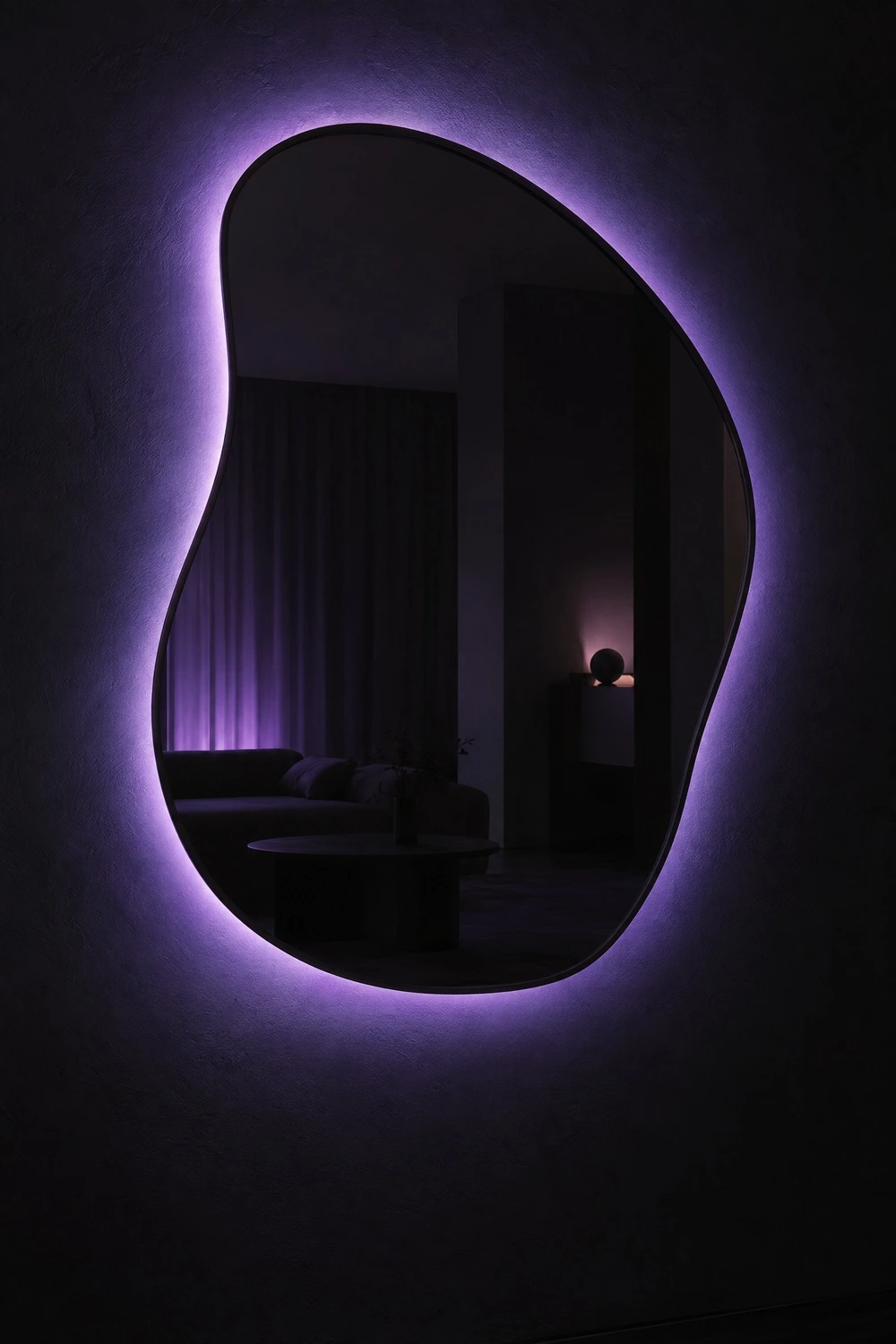
A large mirror with LED backlighting, particularly an oval or asymmetrical shape rather than a standard rectangle, serves three purposes at once in an alien core room. It bounces ambient light from projectors and LED strips back into the space, amplifying atmospheric effects. It adds a sculptural shape to the wall. And the halo of light behind it gives the room a cinematic quality that overhead lighting cannot replicate.
Heads Up: The oval backlit mirror is one of the most overused pieces in current social media decor. If you want this look to feel original, go for an asymmetrical or irregular silhouette rather than a perfect oval.
12. Incorporate Glossy, High-Sheen Textiles on Bedding or Cushions
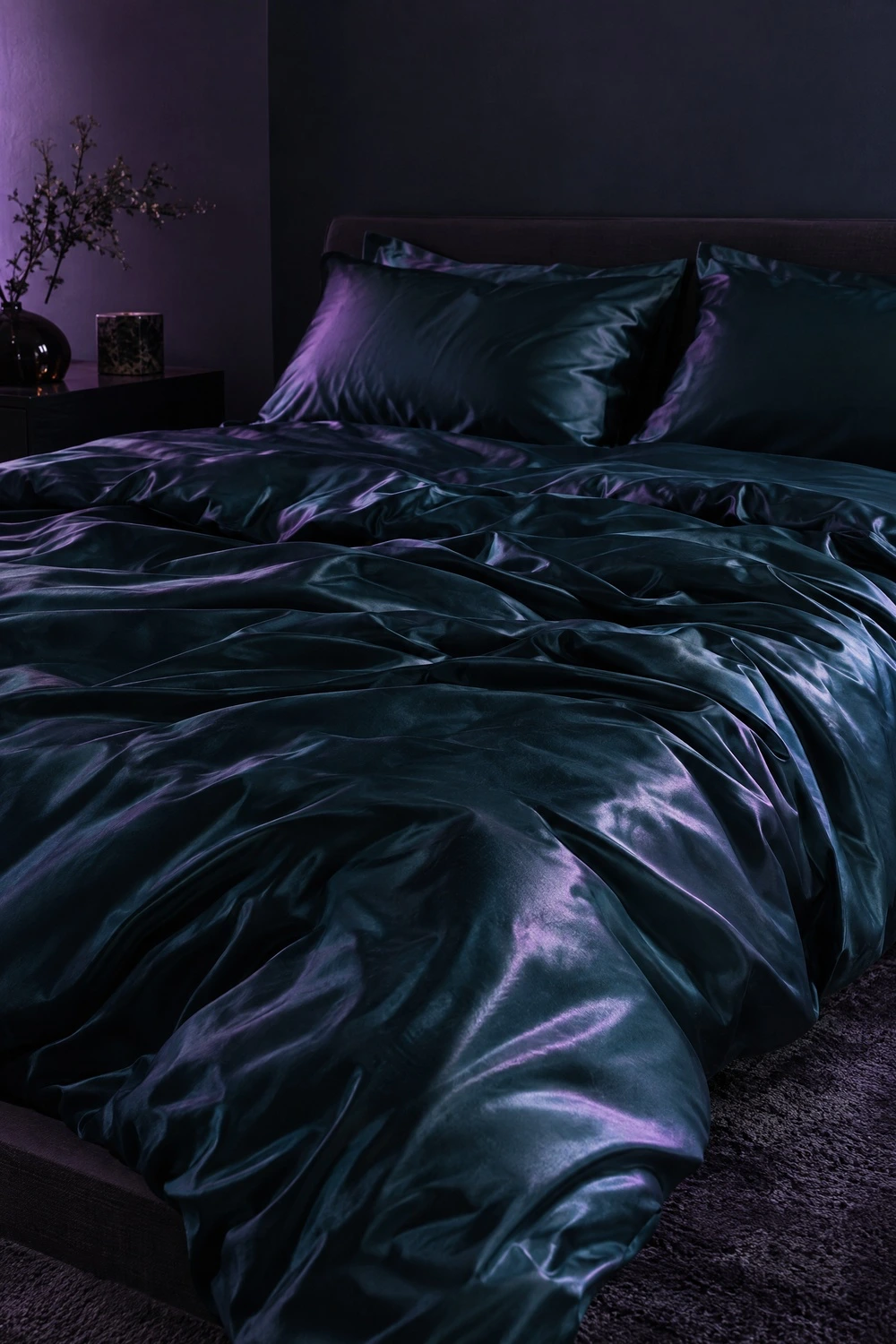
Matte textiles absorb the light effects you have worked hard to create. Satin, faux silk, or velvet in deep space tones like indigo, forest black, or midnight teal reflect ambient light subtly across the surface and shift in appearance as you move around the room. A glossy duvet cover or a few velvet cushions in deep saturated colours contribute to the alien core palette without requiring any additional purchases.
Designer Advice: Avoid actual holographic or metallic-print bedding, which almost always photographs better than it lives. The shine looks exciting online and feels cold and crinkly in person. Deep satin in a jewel tone is far more liveable and reads just as atmospheric.
13. Place a Sculptural Alien Plant as a Living Focal Point
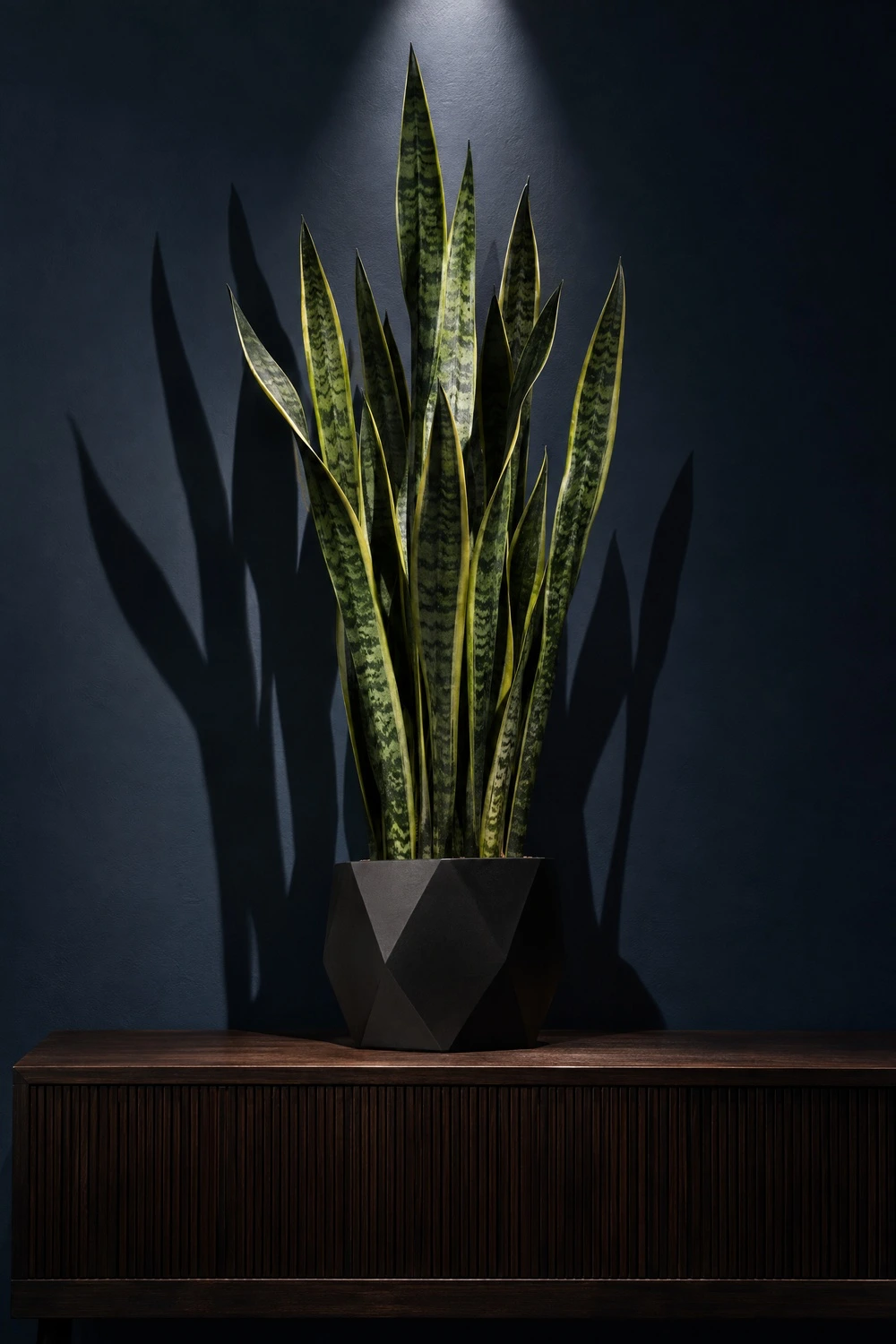
Not every plant fits this aesthetic, but some are genuinely alien in appearance and earn a place in the scheme on that basis. A large snake plant with its rigid vertical blades, a blue chalk sticks succulent with its dusty silver-green colouring, or a black ZZ plant variety all sit naturally in an alien core room and add organic texture without introducing the warmth and earthiness that would undercut the mood.
Quick Tip: Put the plant in a matte black or dark metallic pot rather than terracotta or ceramic. The vessel is as important as the plant in this aesthetic.
14. Try a Glow-in-the-Dark or UV-Reactive Wall Mural
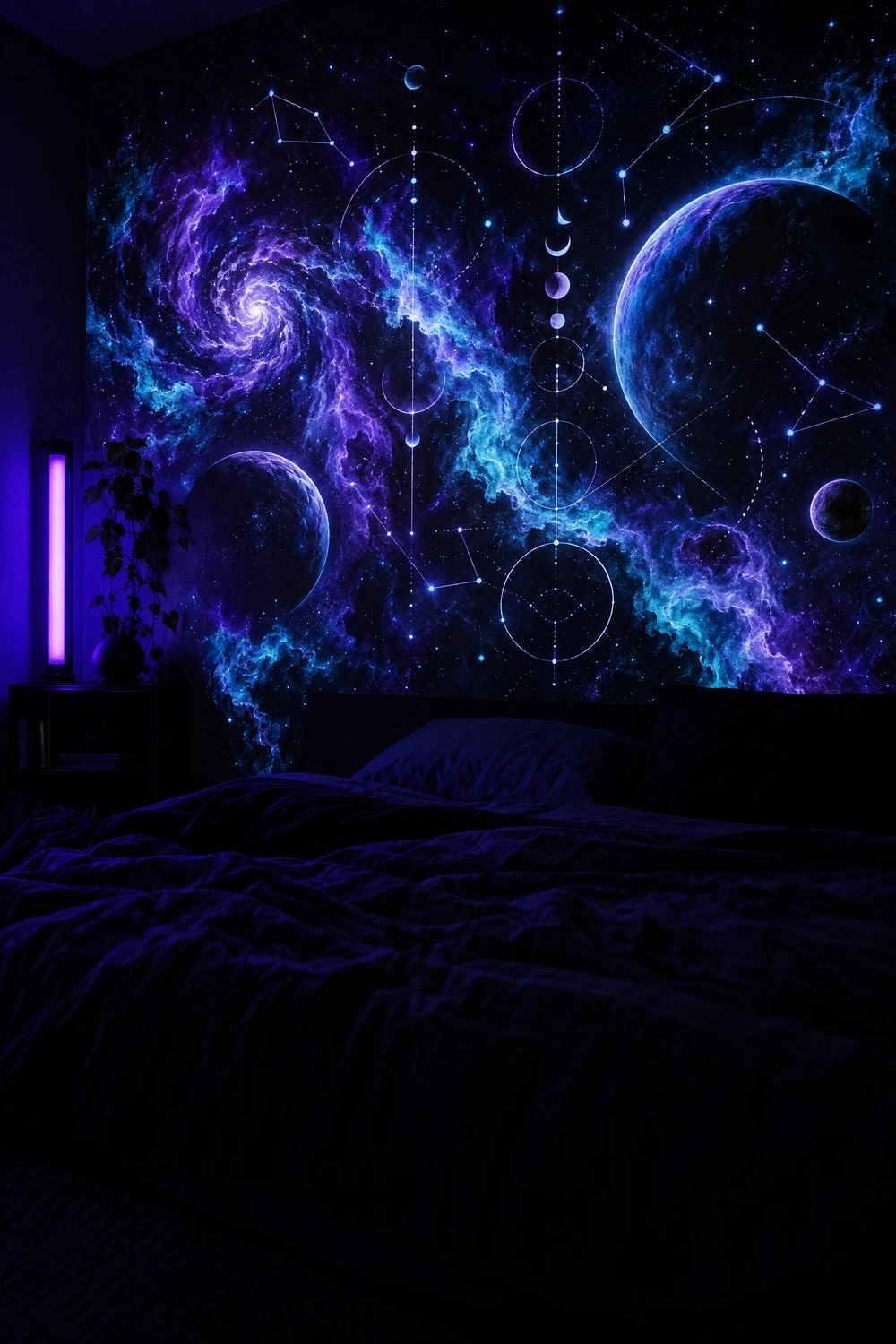
A professionally printed UV-reactive mural or a hand-painted glow-in-the-dark design on one wall gives you a room that behaves completely differently under UV light than it does in daylight, which is one of the most compelling qualities of alien core spaces done well. Under a UV black light bulb in a standard lamp, the mural activates and the room reads as a fully immersive environment.
Reality Check: Glow-in-the-dark ceiling star sticker kits are the entry-level version of this idea and will always look like it. If you want the effect to feel designed, commission a local mural artist to create something specific rather than applying a pre-cut kit.
15. Use Smoke, Smoked Glass, or Dark Mirrored Surfaces on Small Objects
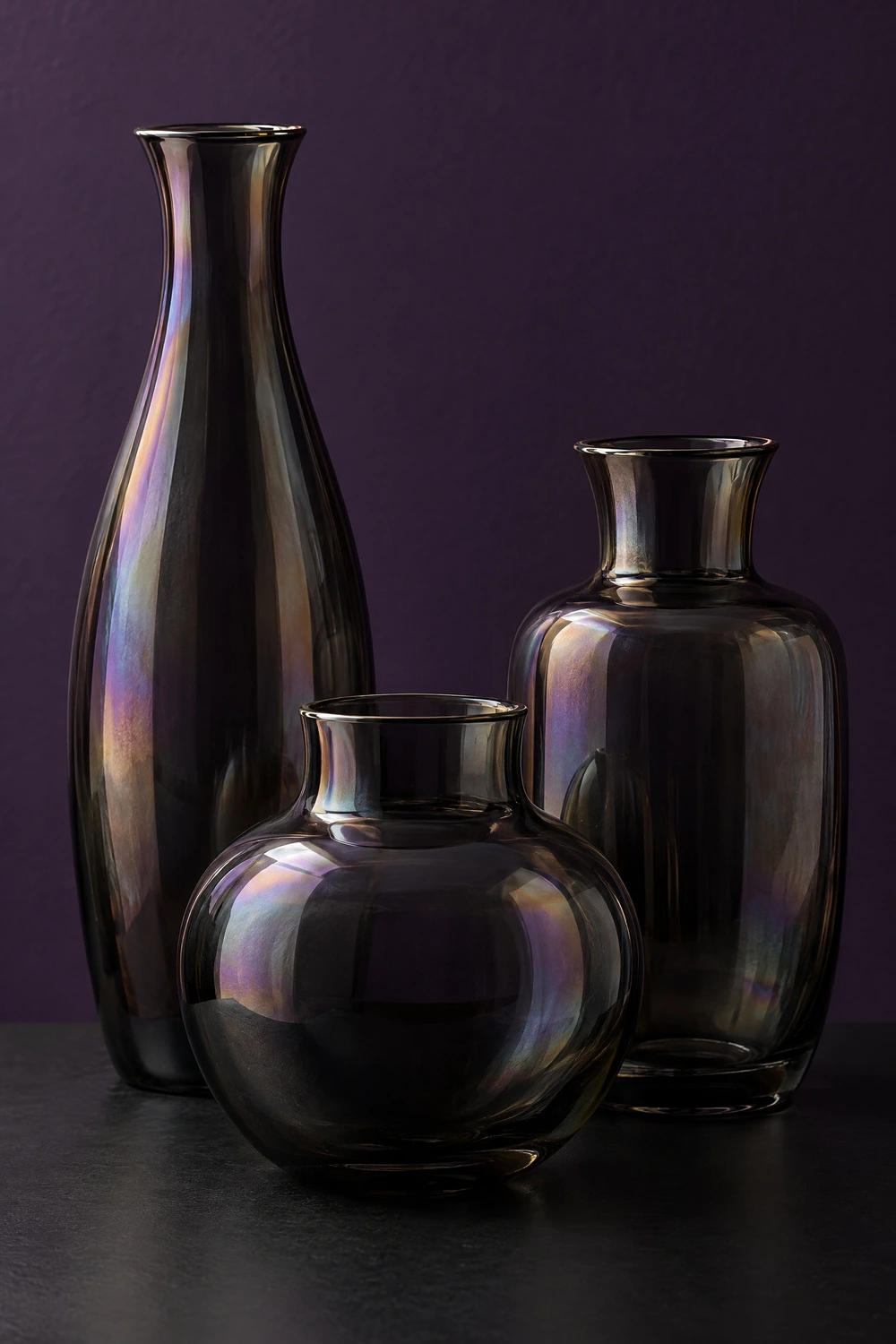
Smoked glass vases, dark mirrored trays, and smoke-tinted acrylic decor objects carry the alien core visual language in small doses without making the room feel themed. They reflect light differently from standard clear glass, producing a cooler, more mysterious quality that suits the aesthetic. A cluster of smoked glass objects on a shelf or side table reads as a considered styling decision rather than a novelty purchase.
Designer Advice: Smoke-tinted acrylic and smoked glass objects are widely available from H&M Home, Zara Home, and smaller independent studios. You do not need to shop in specialist sci-fi or gaming categories to find the right pieces.
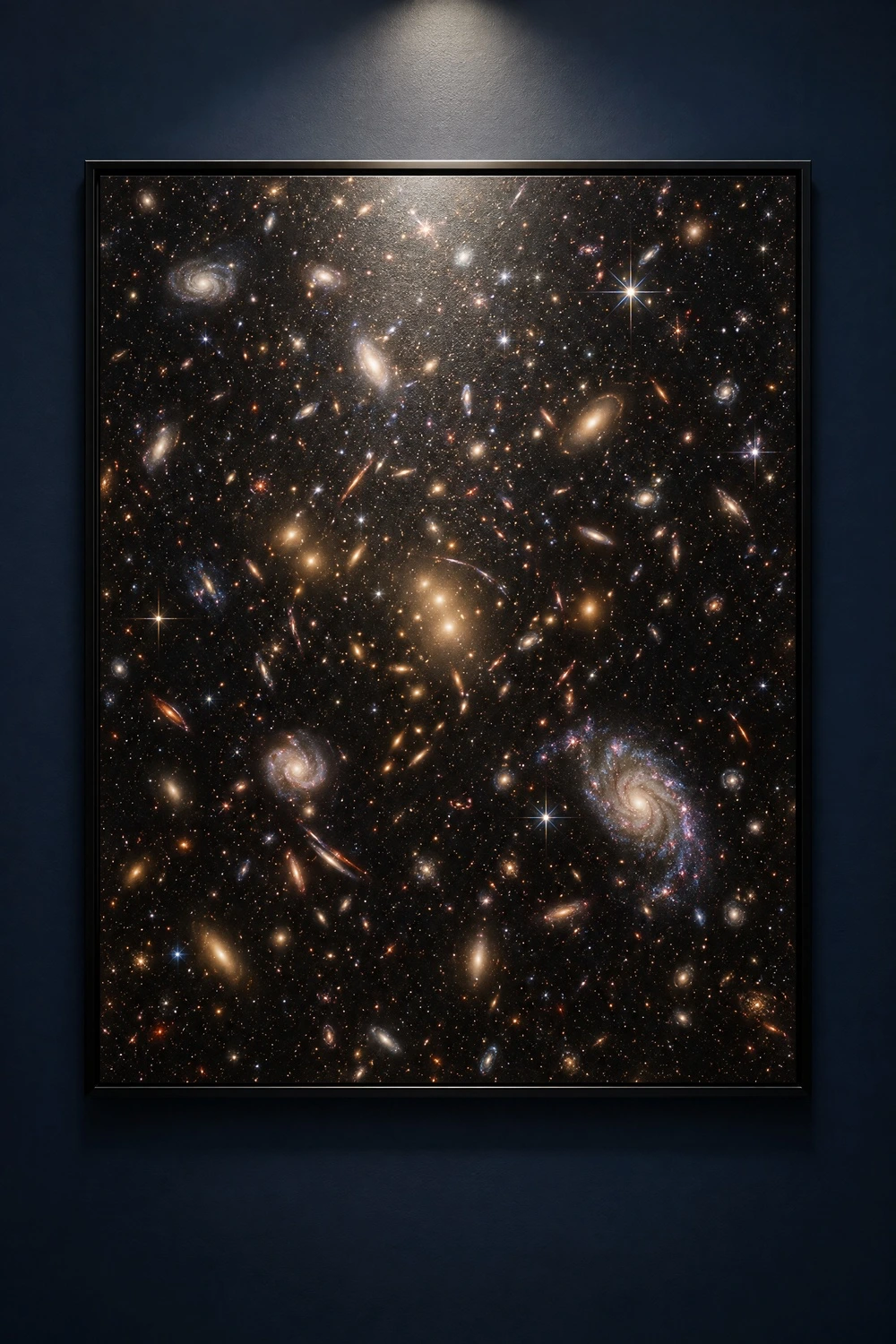
Wall art in this aesthetic works best when it features genuine astronomical imagery, deep field galaxy photographs printed on metallic paper, nebula close-ups in purple and teal, or abstract cosmic forms, rather than cartoon alien imagery or glowing green UFOs. NASA releases thousands of high-resolution space images under open licence, and printing one large-format on metallic paper is one of the most affordable ways to add serious visual weight to an alien core room.
Pro Move: Search NASA’s Image and Video Library online for deep field galaxy images and download at full resolution. Local print shops can produce metallic paper prints at large format for around $20 to $40, which will look more striking than most framed art sold as alien core decor.
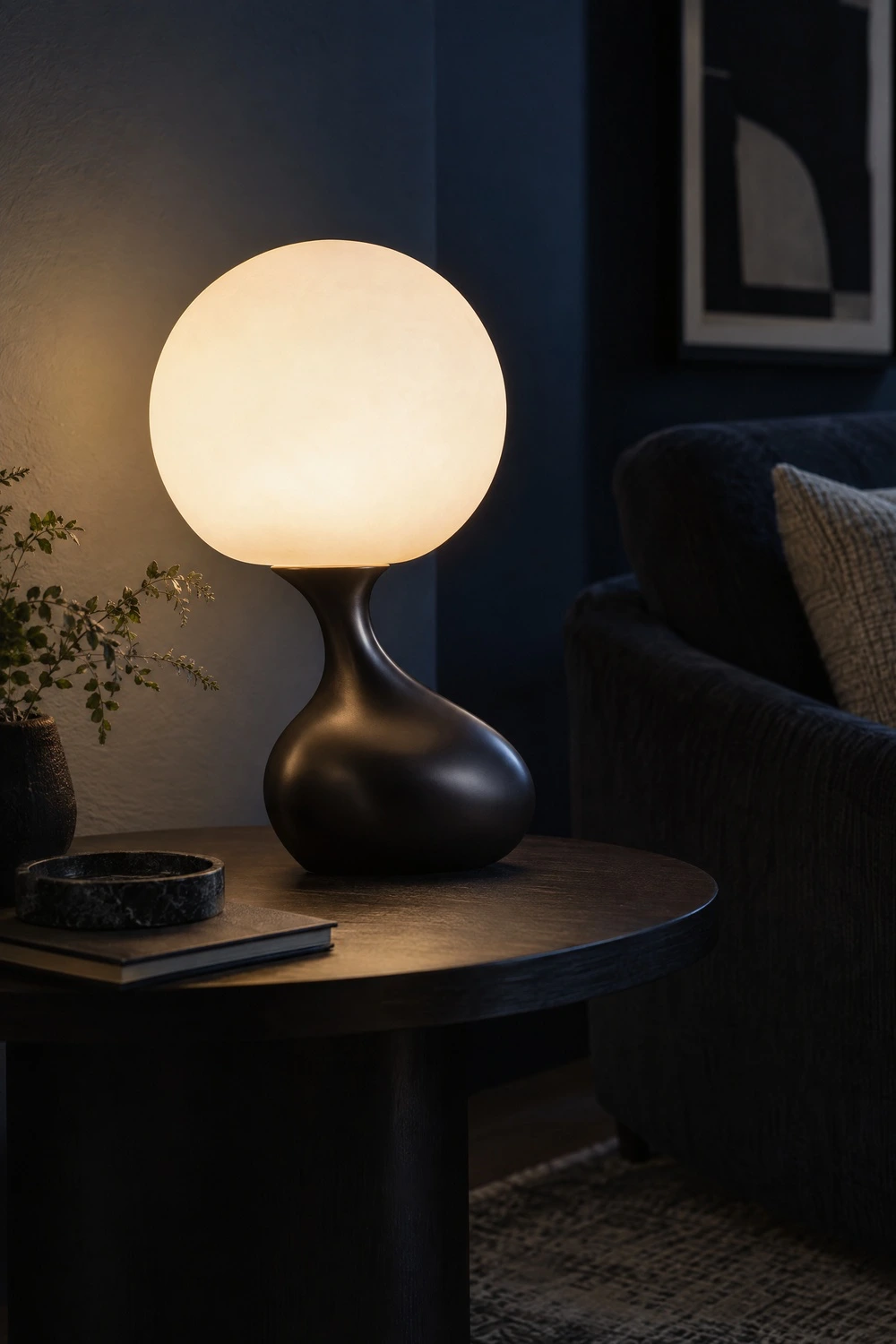
17. Add a Sculptural Table Lamp With an Unusual Silhouette
Standard lamp shapes, a round base with a fabric drum shade, are too familiar to belong in an alien core room. Look for lamps with liquid or molten-looking bases, orb shapes, mushroom silhouettes, or architectural forms in matte black, chrome, or frosted glass. The lamp is a sculptural object as much as a light source in this aesthetic, and its shape when switched off matters as much as its glow when switched on.
Heads Up: A lava lamp is not a joke inclusion here. The original lava lamp was designed in 1963 as a genuinely avant-garde object, and a large-format version in a dark base with a jewel-toned liquid reads as intentionally retro-futurist rather than kitsch.
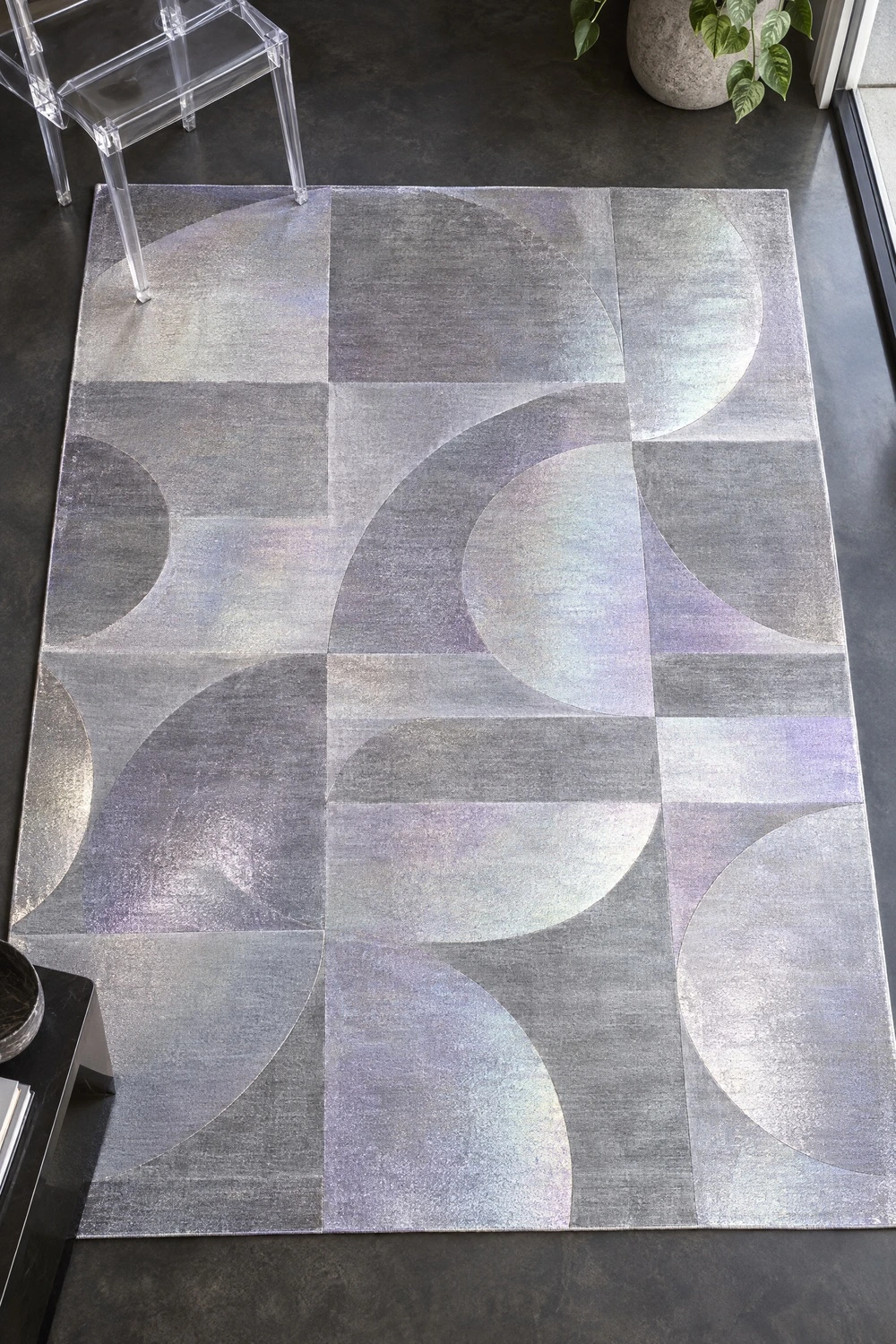
18. Layer a Metallic or Abstract Geometric Rug on the Floor
Floor coverings are one of the most overlooked elements in alien core spaces. A rug with an abstract geometric or fractal pattern in silver, charcoal, and deep blue on a dark ground grounds the room visually while contributing to the otherworldly palette. It gives the eye something to settle on at floor level, which balances the atmospheric lighting happening higher up in the space.
Quick Tip: An iridescent or opalescent rug, which shifts between silver, lavender, and grey depending on the light angle, is one of the most searched elements in the alien core aesthetic right now. Jaipur Rugs and several Etsy studios produce them at a range of price points.
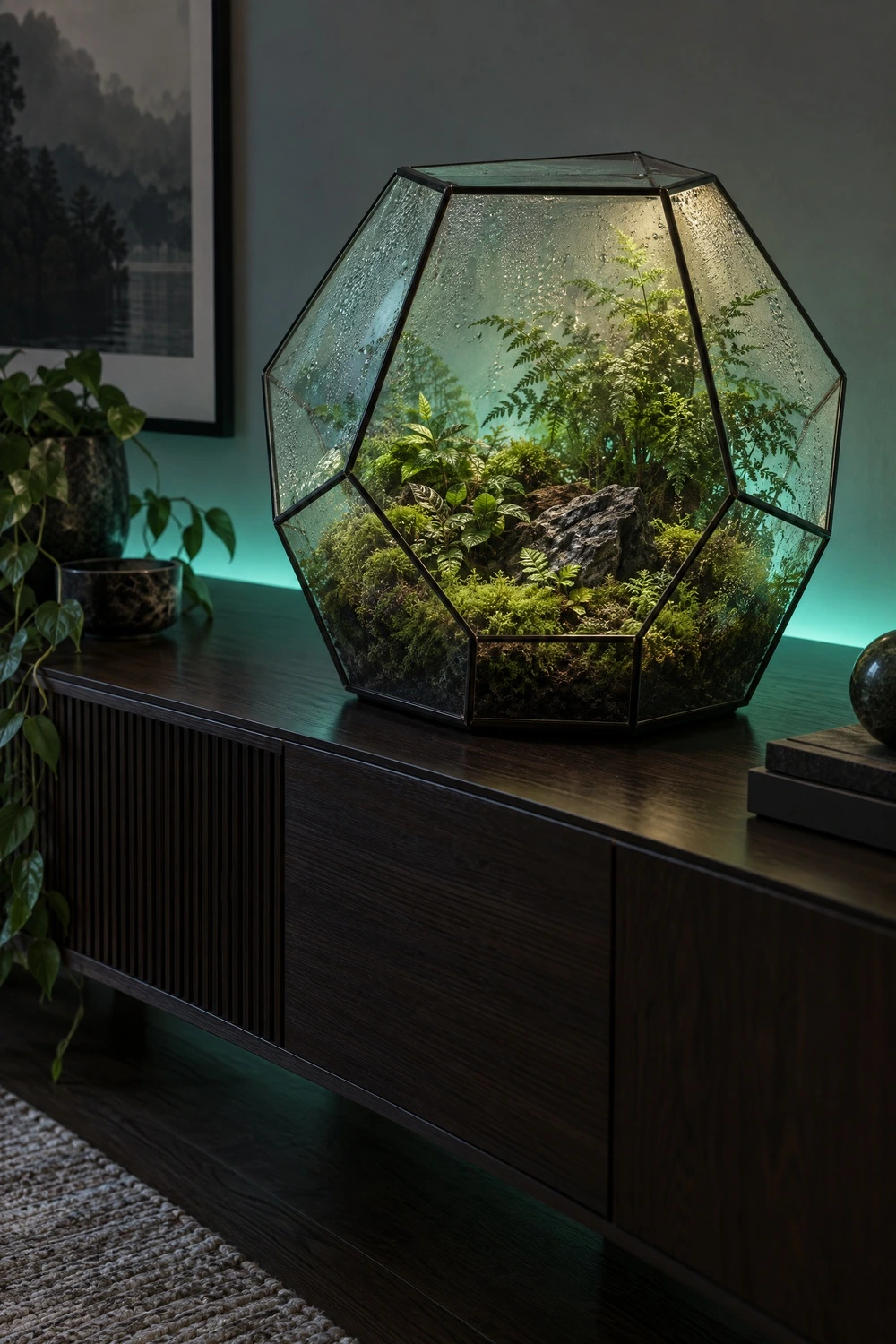
19. Introduce a Terrarium or Closed Glass Ecosystem
A large sealed glass terrarium, particularly a geometric glass container with angular faces, holds an entire miniature ecosystem inside it, moss, small ferns, condensation on the glass and functions as one of the most quietly strange objects you can put in a room. The self-contained nature of it, a living world behind glass, reads as unmistakably alien in a way that individual plants on shelves do not.
Designer Advice: Go large. A terrarium the size of a basketball or larger becomes a genuine focal point. Anything smaller sits in the decorative object category rather than the statement piece category, which is where it needs to be to earn its place in this aesthetic.
20. Use Curtains as a Spatial Divider With Dramatic Effect
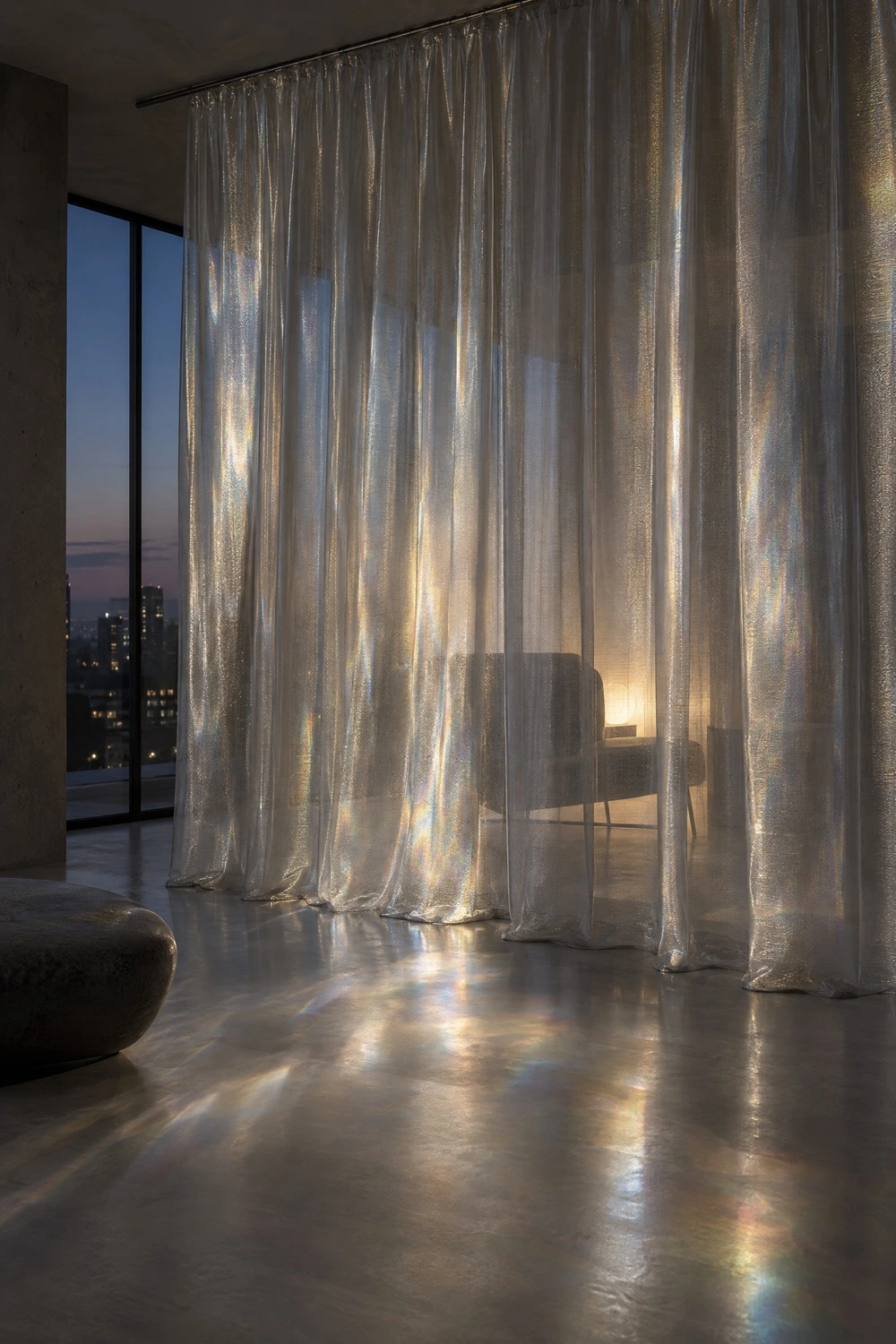
Sheer metallic or iridescent curtains used as room dividers rather than window treatments add movement and light-catching texture to a space without any permanent installation. A ceiling-height curtain in silver or dusty lilac organza hung on a tension rod between two areas of a studio or bedroom creates a portal-like quality when the light hits it from behind.
Reality Check: Polyester foil curtains sold specifically as photo booth backdrops are cheap and look it. Look for sheer metallic organza or iridescent voile sold through fabric retailers rather than party supply companies for a quality that reads as decor rather than costume.
21. Display Crystal or Geode Specimens as Sculptural Objects
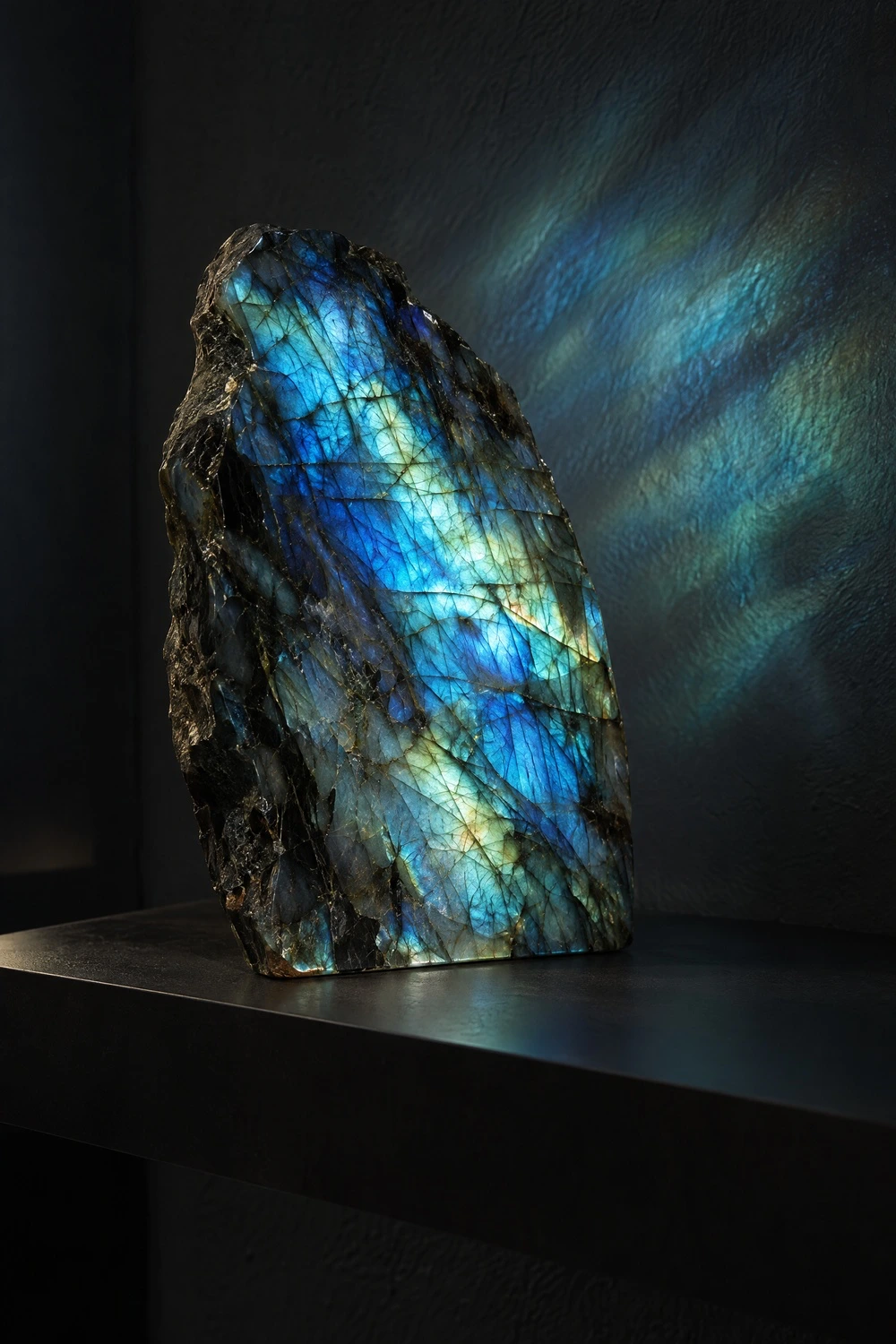
Raw amethyst clusters, selenite towers, labradorite slabs with their blue-green flash, and quartz points bring a geological alien quality to a shelf or surface that no manufactured object quite replicates. The natural iridescence and crystal structure of minerals like labradorite read as genuinely otherworldly, and under UV light, many crystal specimens fluoresce in ways that complement the alien core lighting setup.
Quick Tip: A single large labradorite slab standing upright on a surface will outperform a collection of six small tumbled stones every time. Scale and singularity are what make natural mineral specimens read as art rather than hobby shop inventory.
22. Paint the Ceiling a Different Colour From the Walls
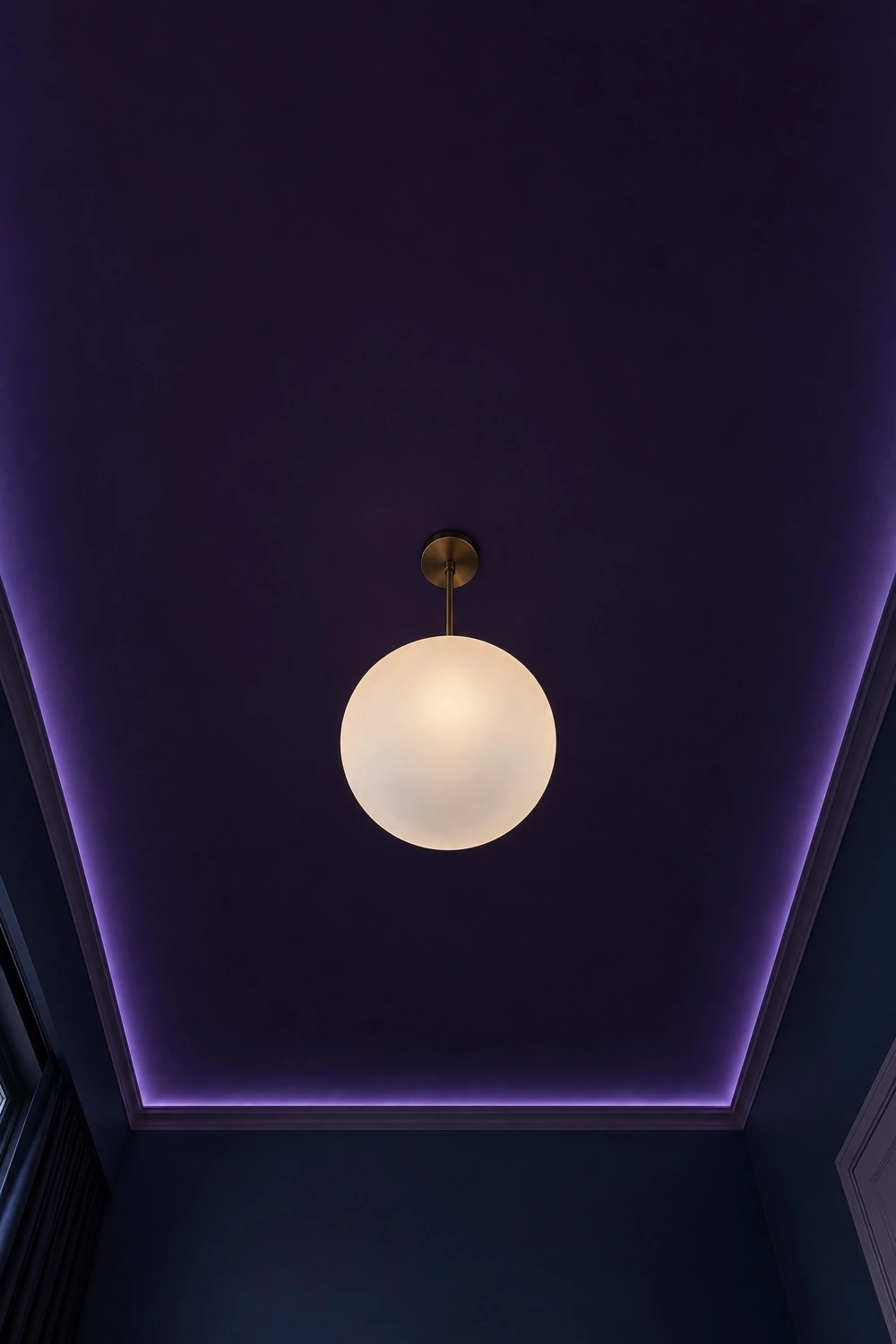
In a standard room the ceiling is white and invisible. In an alien core room the ceiling is an active surface. Painting it a shade deeper than the walls, or an entirely different tone such as midnight purple over a deep blue-grey wall, creates a sense of enclosure and atmosphere that makes the room feel like a contained world rather than a box with a lid. This is one of the lowest-cost, highest-impact changes available in this aesthetic.
Pro Move: If painting the ceiling feels too permanent, a large-scale opalescent or deep-toned ceiling decal achieves a similar effect and removes cleanly. Several specialist decal studios produce ceiling-format designs in cosmic and abstract patterns.
23. Keep Surfaces Sparse to Let Lighting Do the Work
The alien core aesthetic fails most consistently when people fill every surface with objects in an attempt to achieve the look. In practice, the atmospheric lighting, iridescent materials, and unusual shapes only read as designed when they have negative space around them. A mostly clear surface with one or two carefully chosen objects and strong ambient light behind or around them looks more otherworldly than a crowded shelf of alien-themed products.
Reality Check: If your alien core room looks busy in a photo with the lights on, it will look chaotic with the lights on and interesting only in the dark. The goal is a room that works in all lighting conditions, not just when the projector is running.
24. Finish With a Signature Scent That Matches the Atmosphere
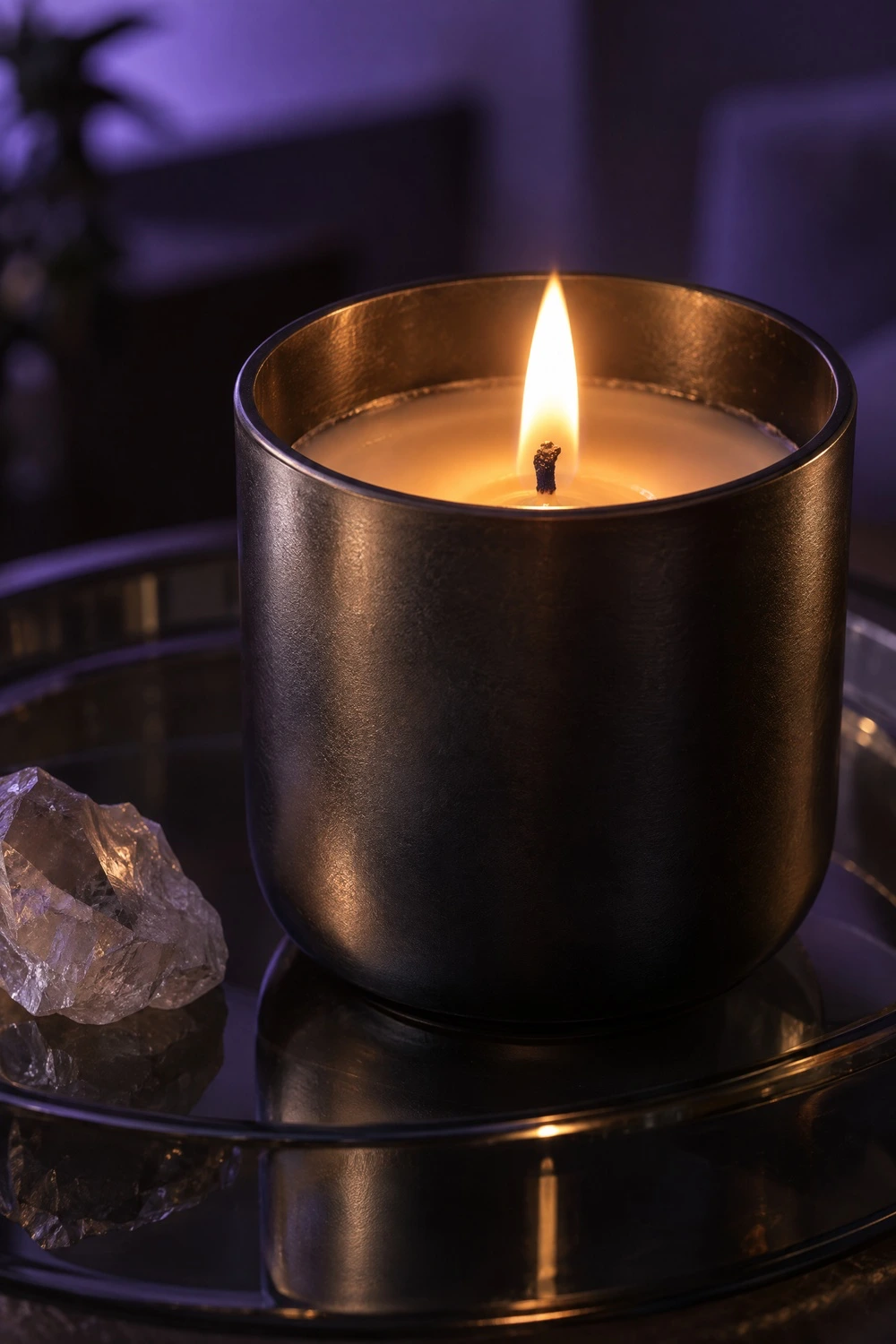
Scent is the most underused tool in themed interior design, and alien core has a natural scent palette that extends the atmosphere beyond the visual. Ozone-like fragrances that mimic the smell of air before lightning, aquatic or mineral-forward candles, or incense with cold, metallic, or ozonic notes deepen the otherworldly sensory experience in a way that no object can. Brands like Boy Smells, DS and Durga, and Byredo produce scents in this register at various price points.
Designer Advice: A candle with a dark or metallic vessel that sits on a surface when unlit contributes to the visual language of the room as well as the atmospheric one. The object and the scent are both doing design work.