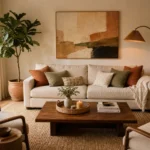
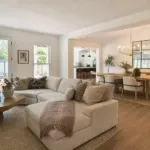
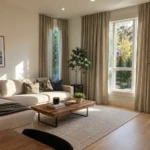
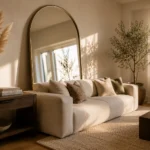
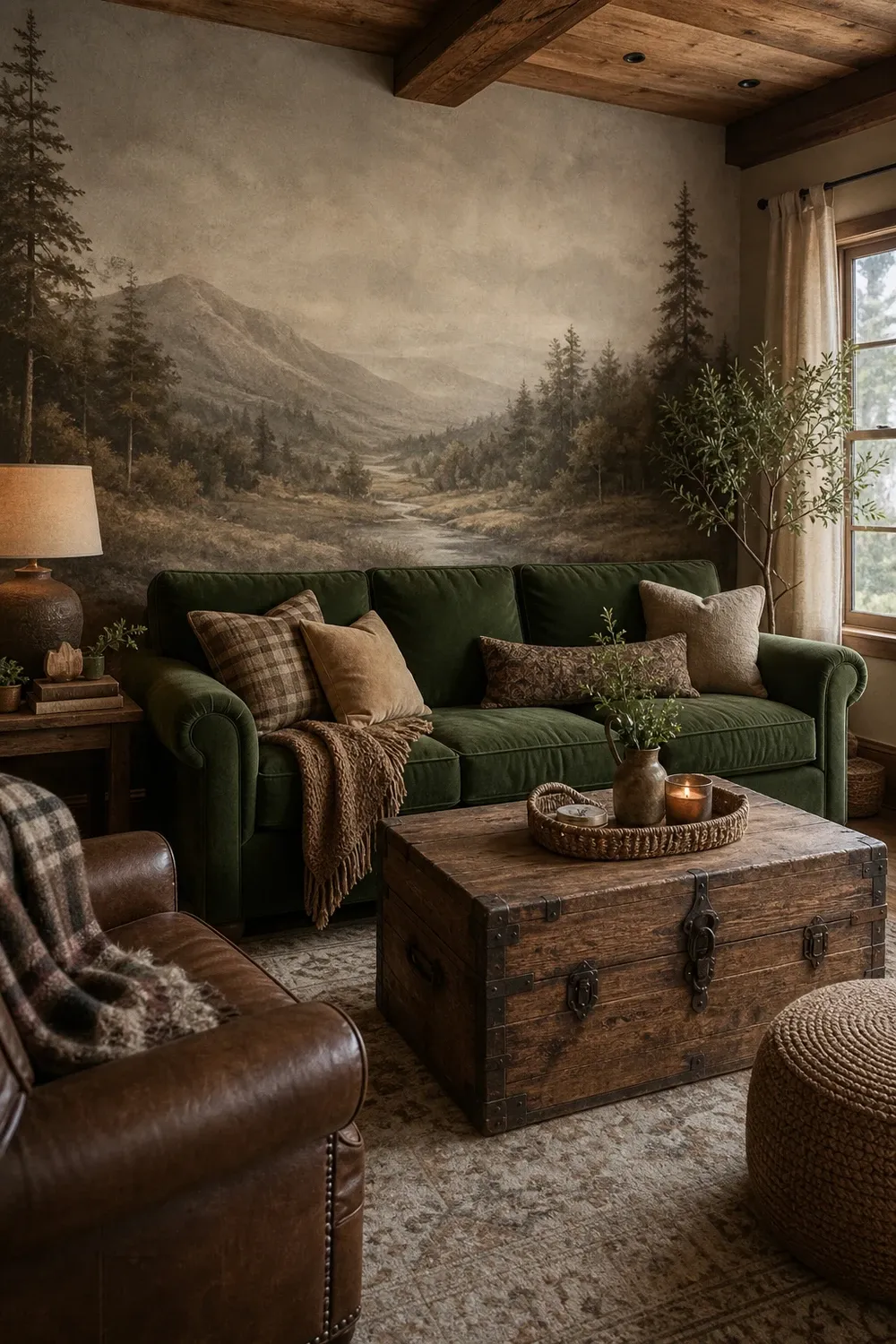
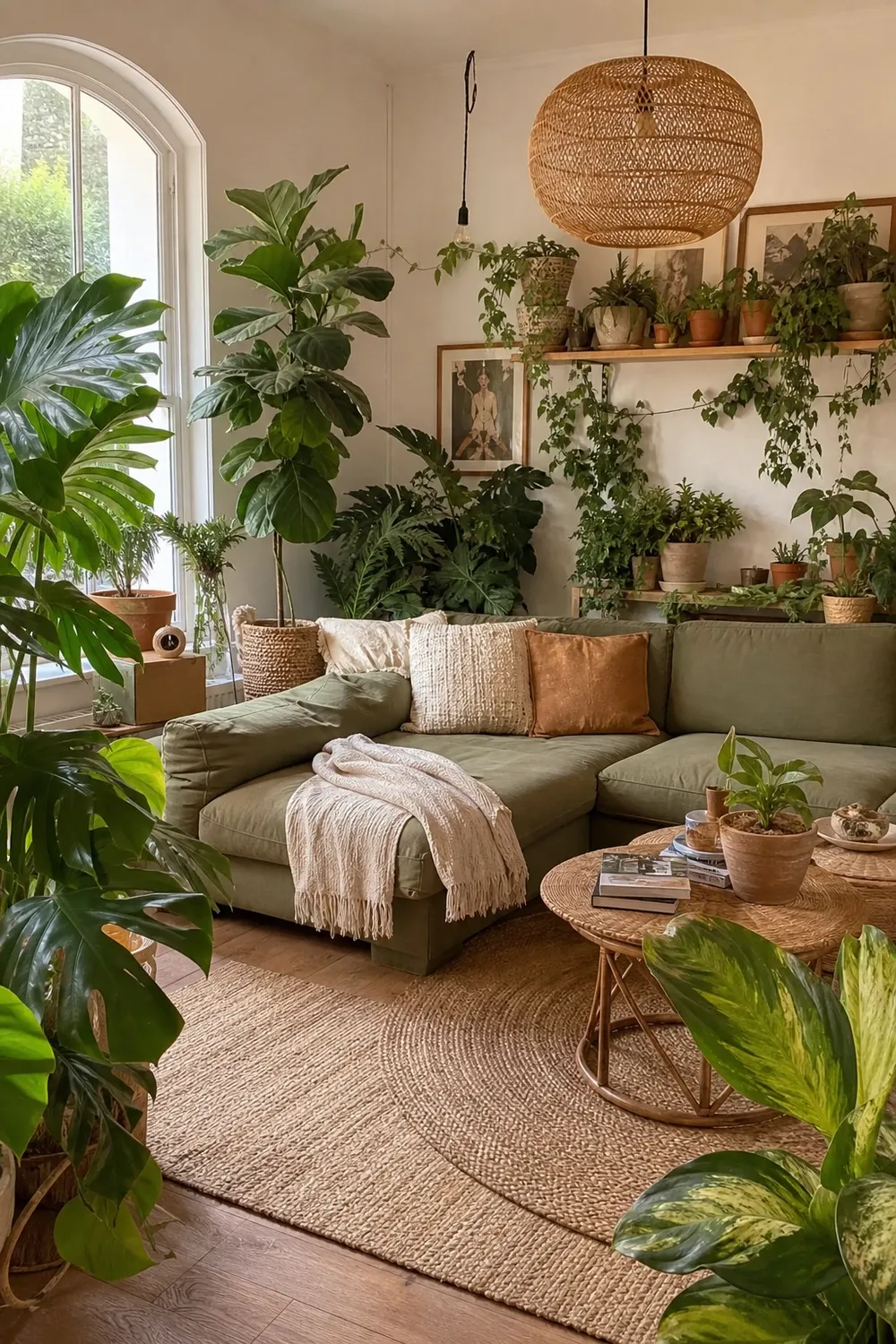
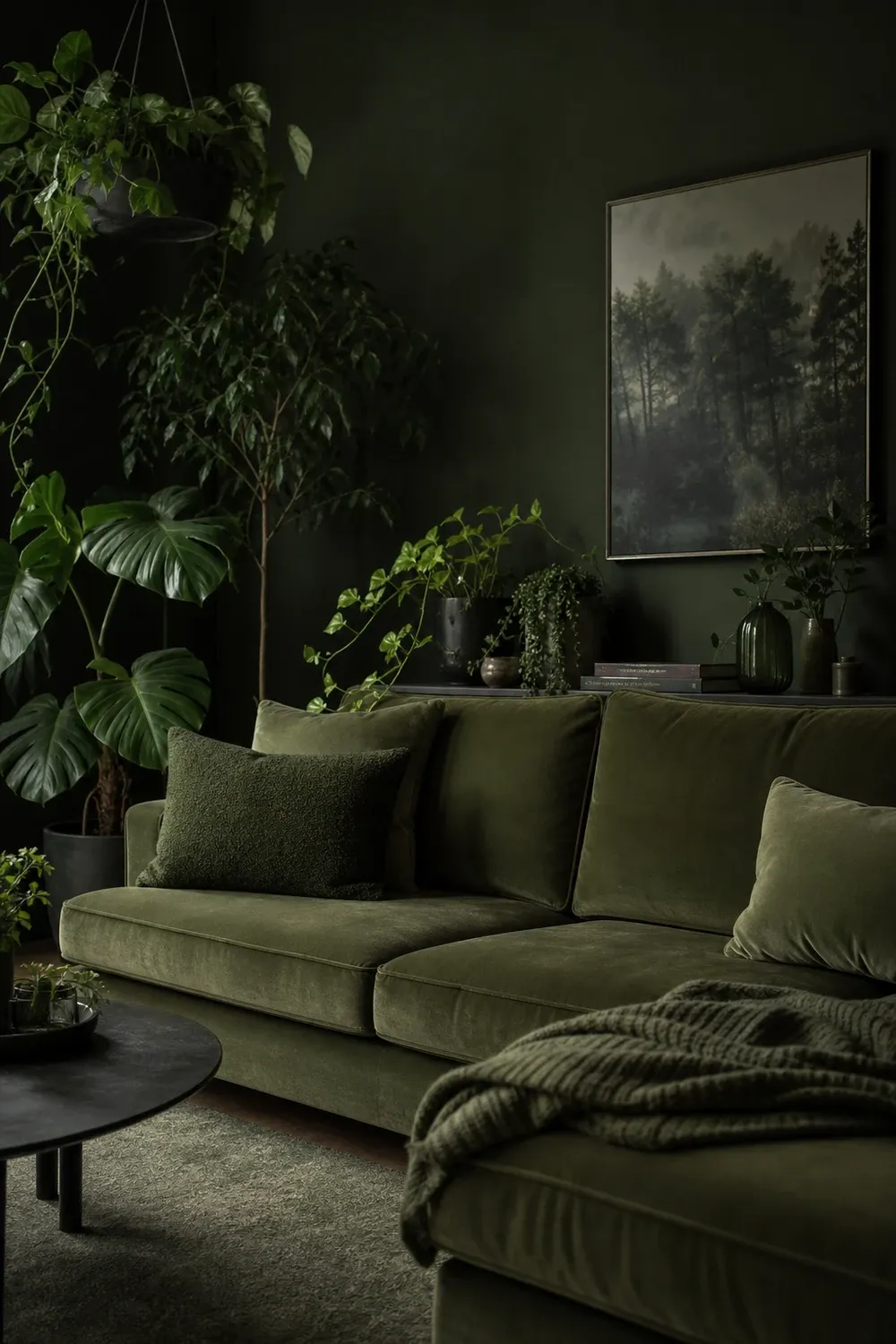
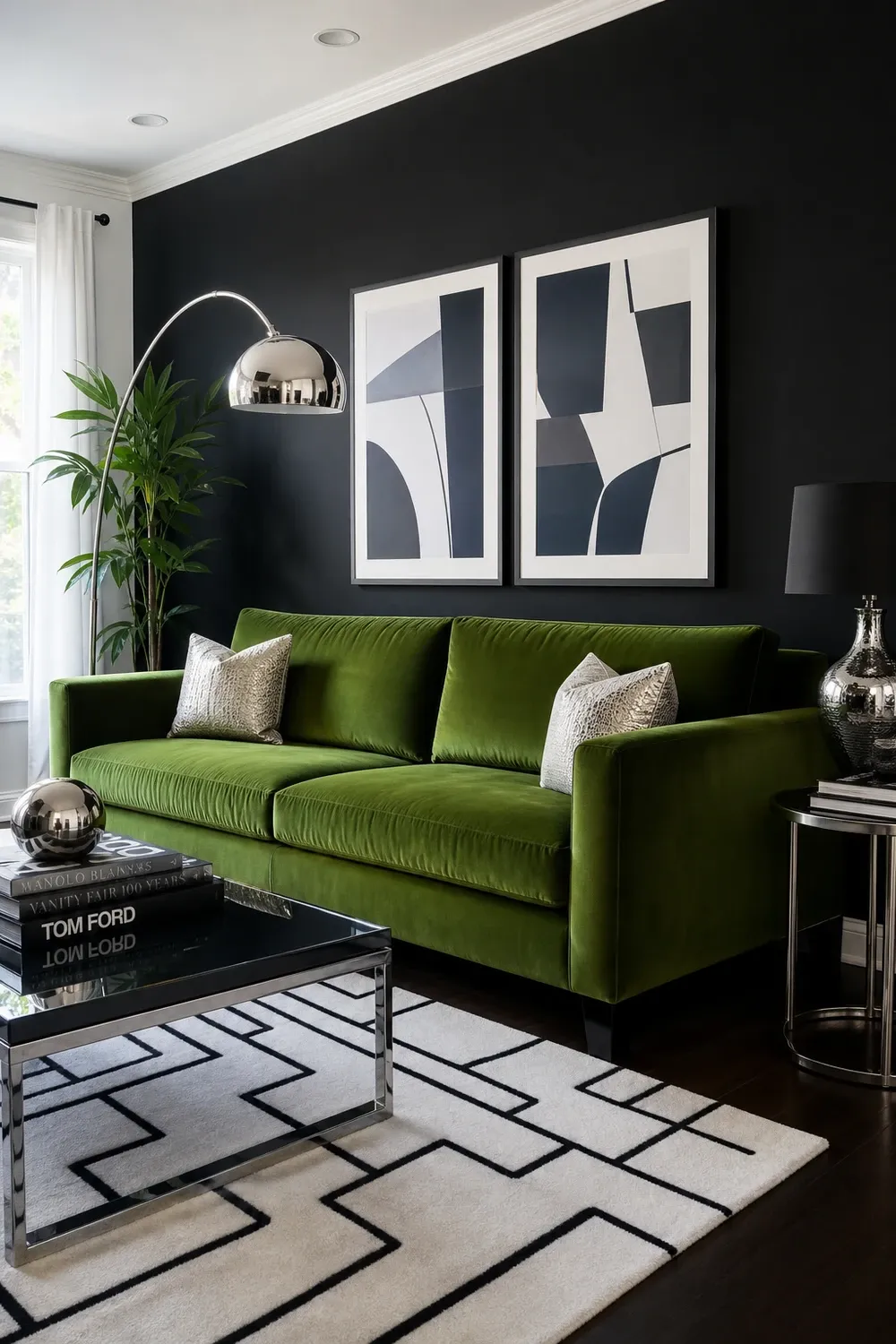
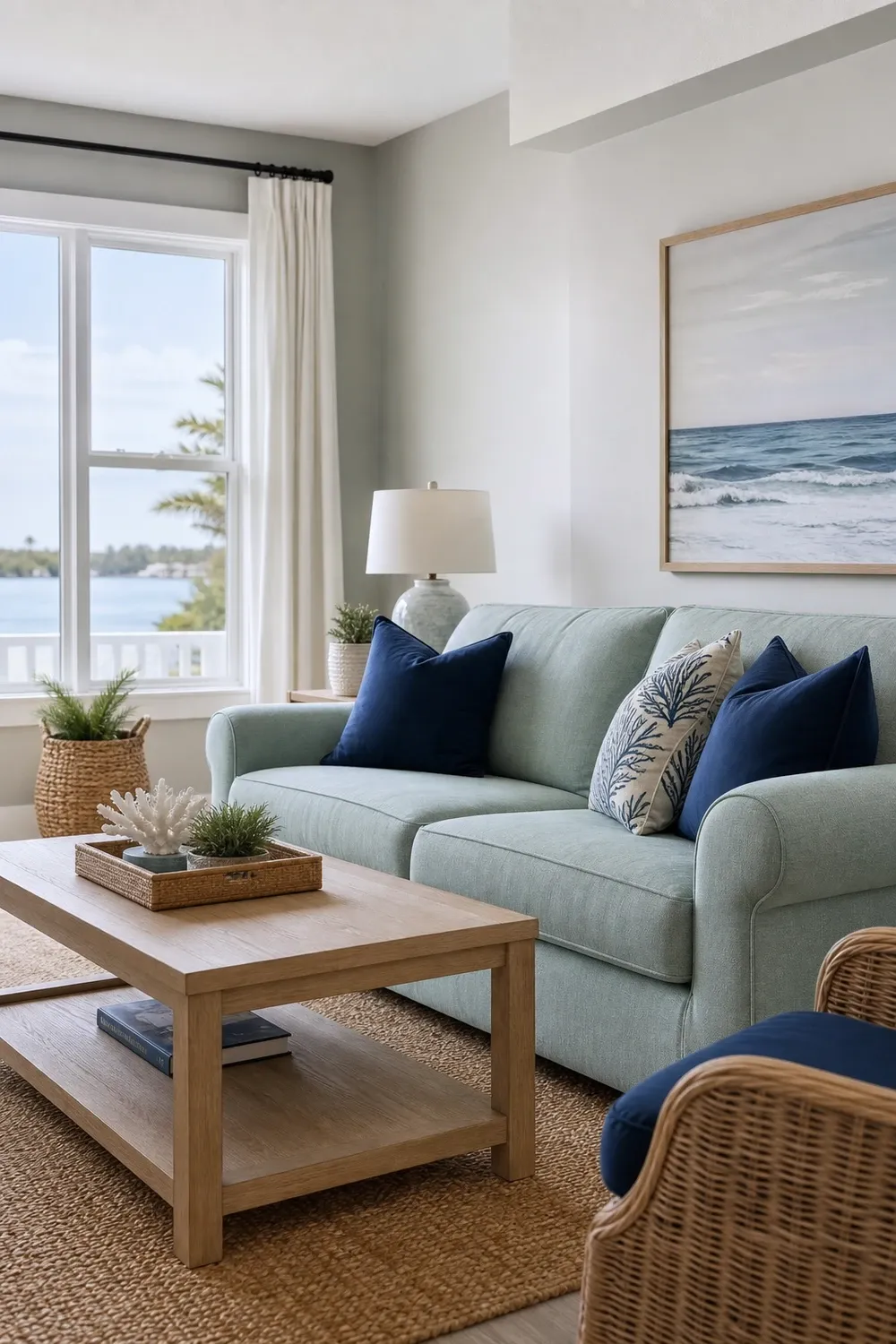
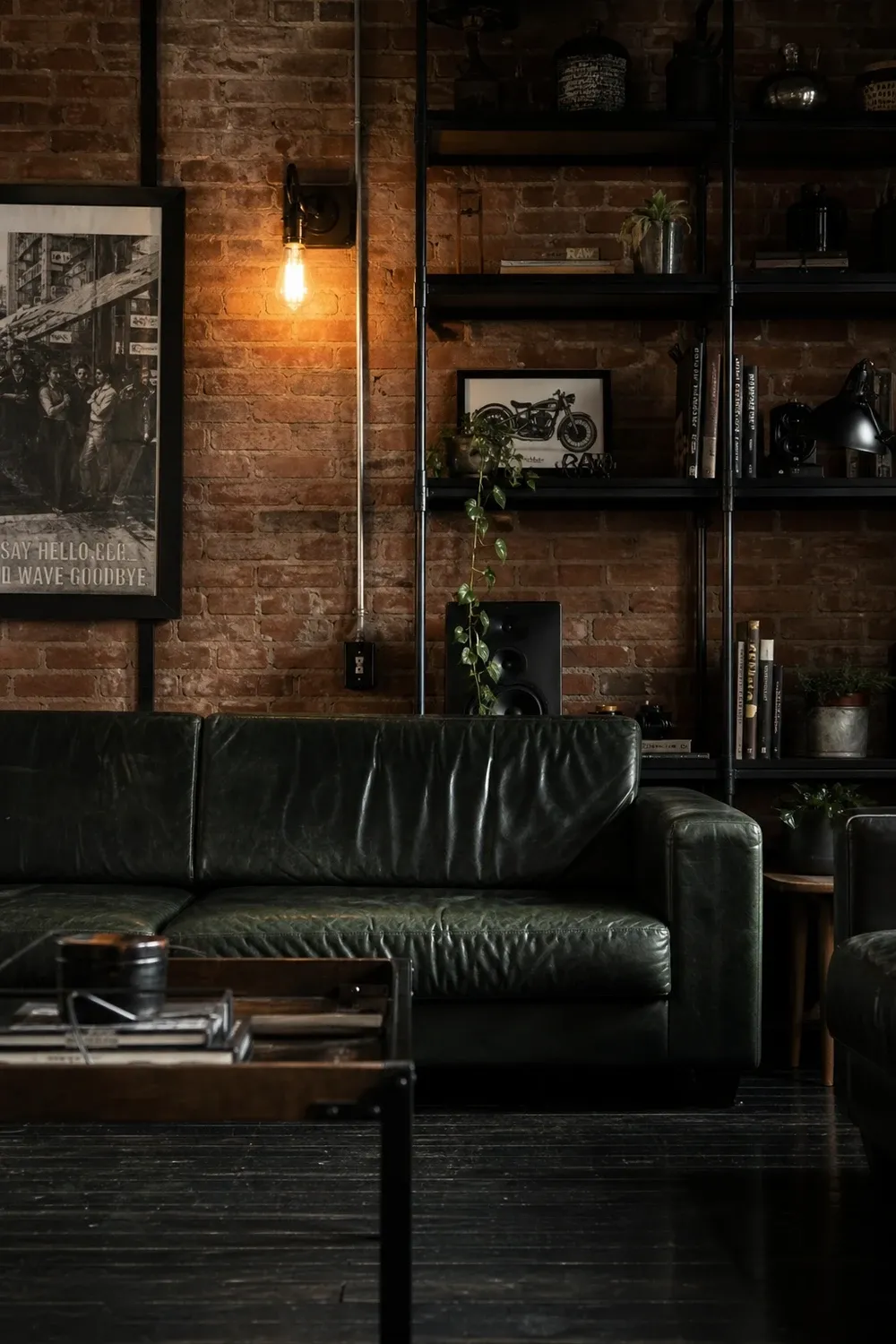
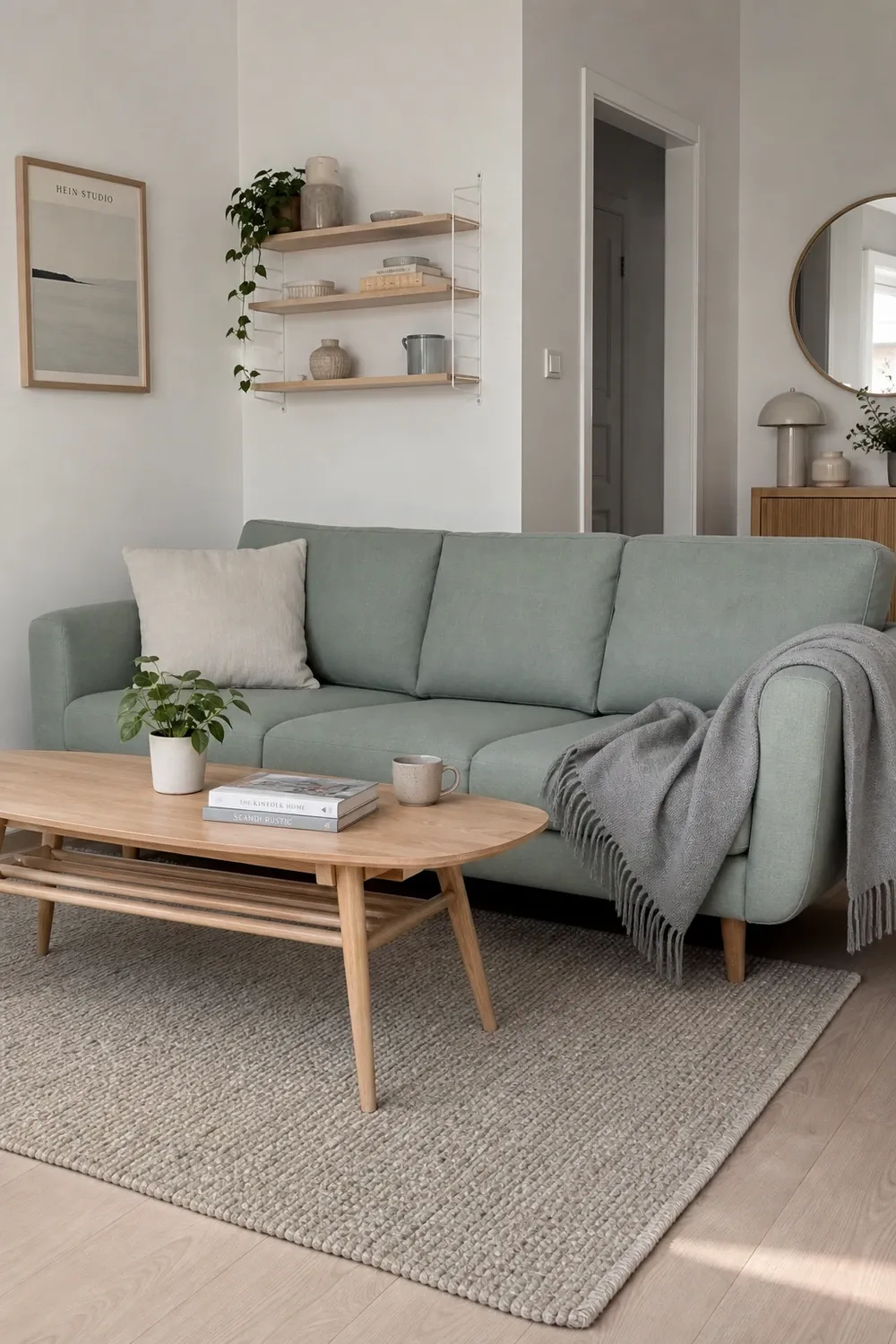
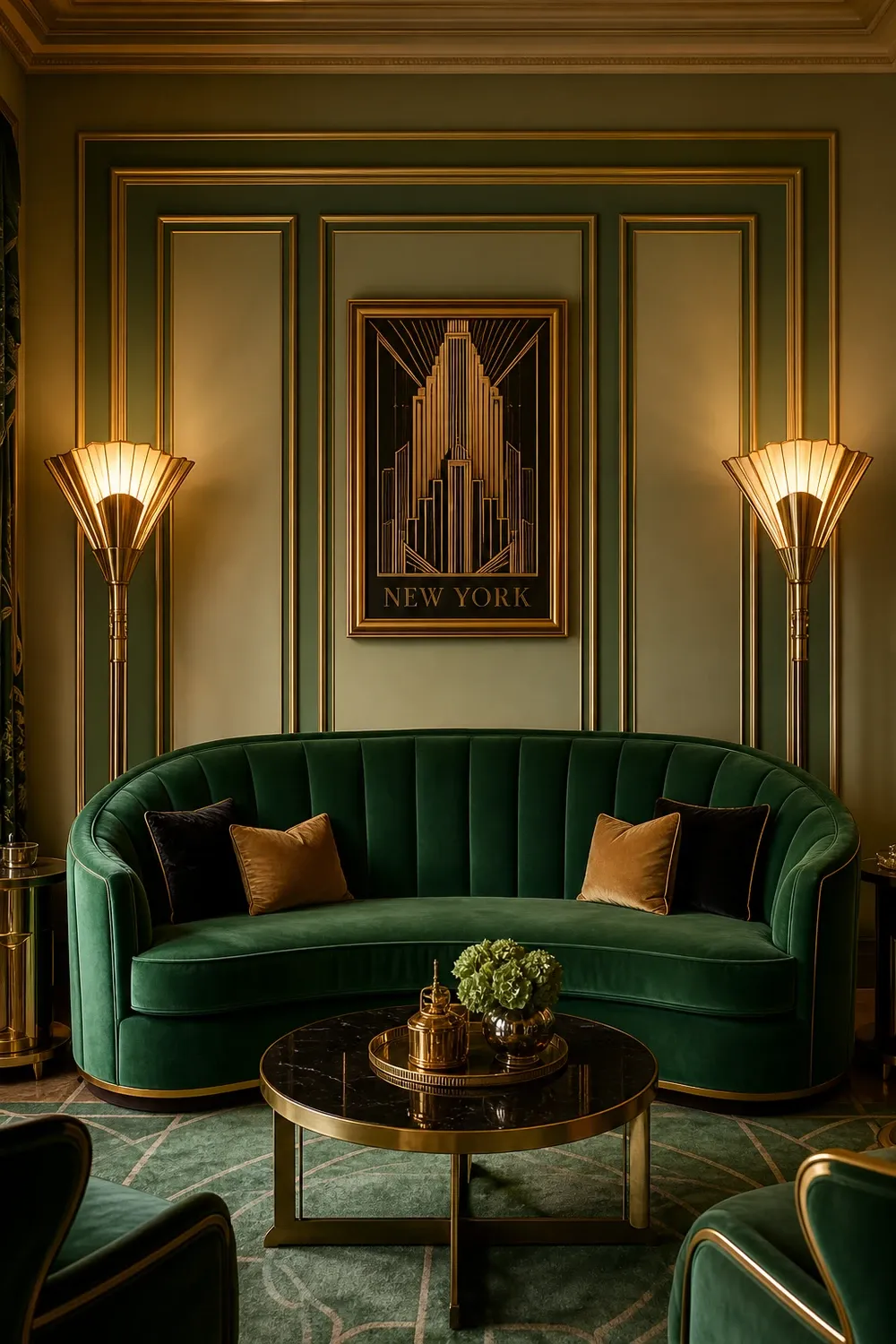
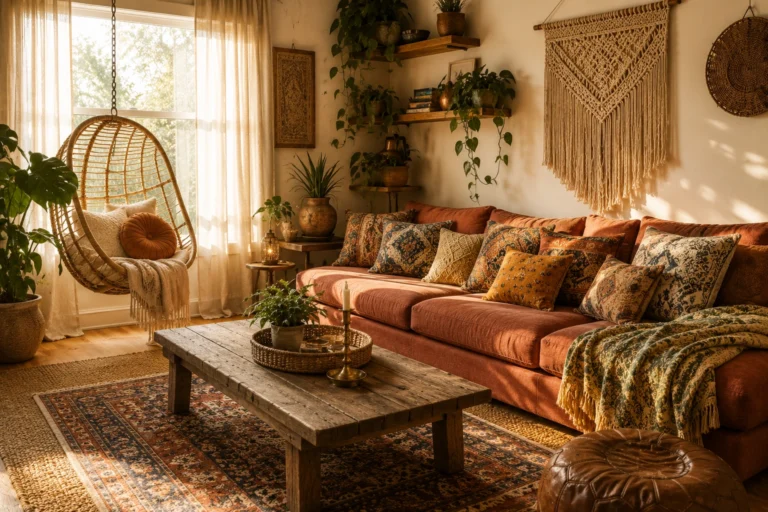
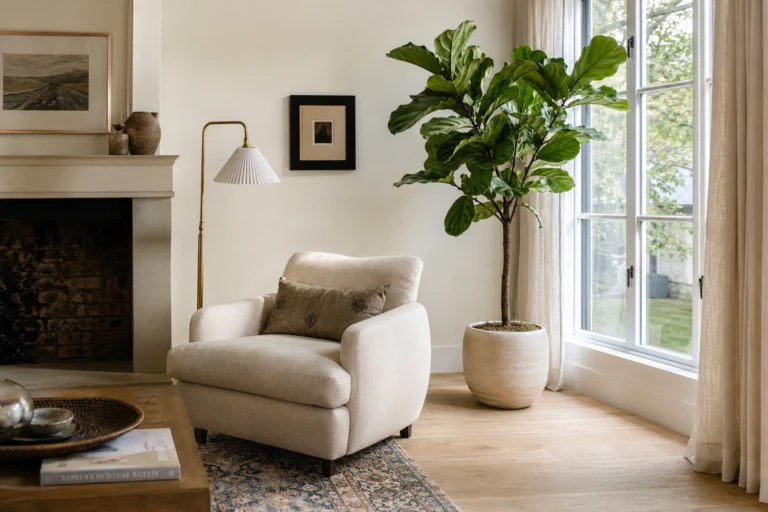
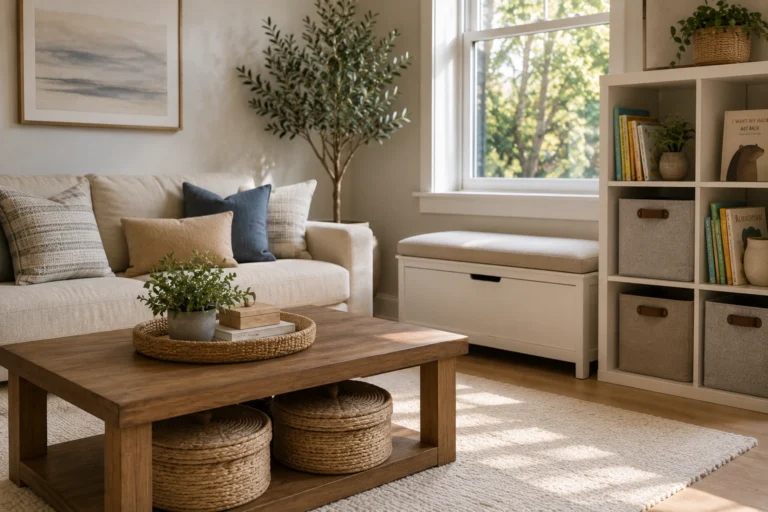
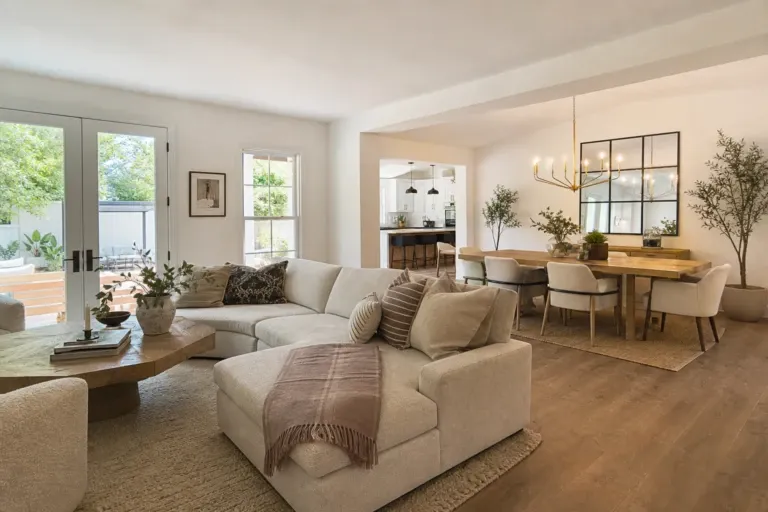
A green couch is one of those pieces that can either make or break a living room. I bought a green velvet sofa on impulse two years ago and spent the next month figuring out how to make everything else in the room work with it. Turns out, green is easier to build a room around than most people think. Here are the living room setups that work with a green couch.
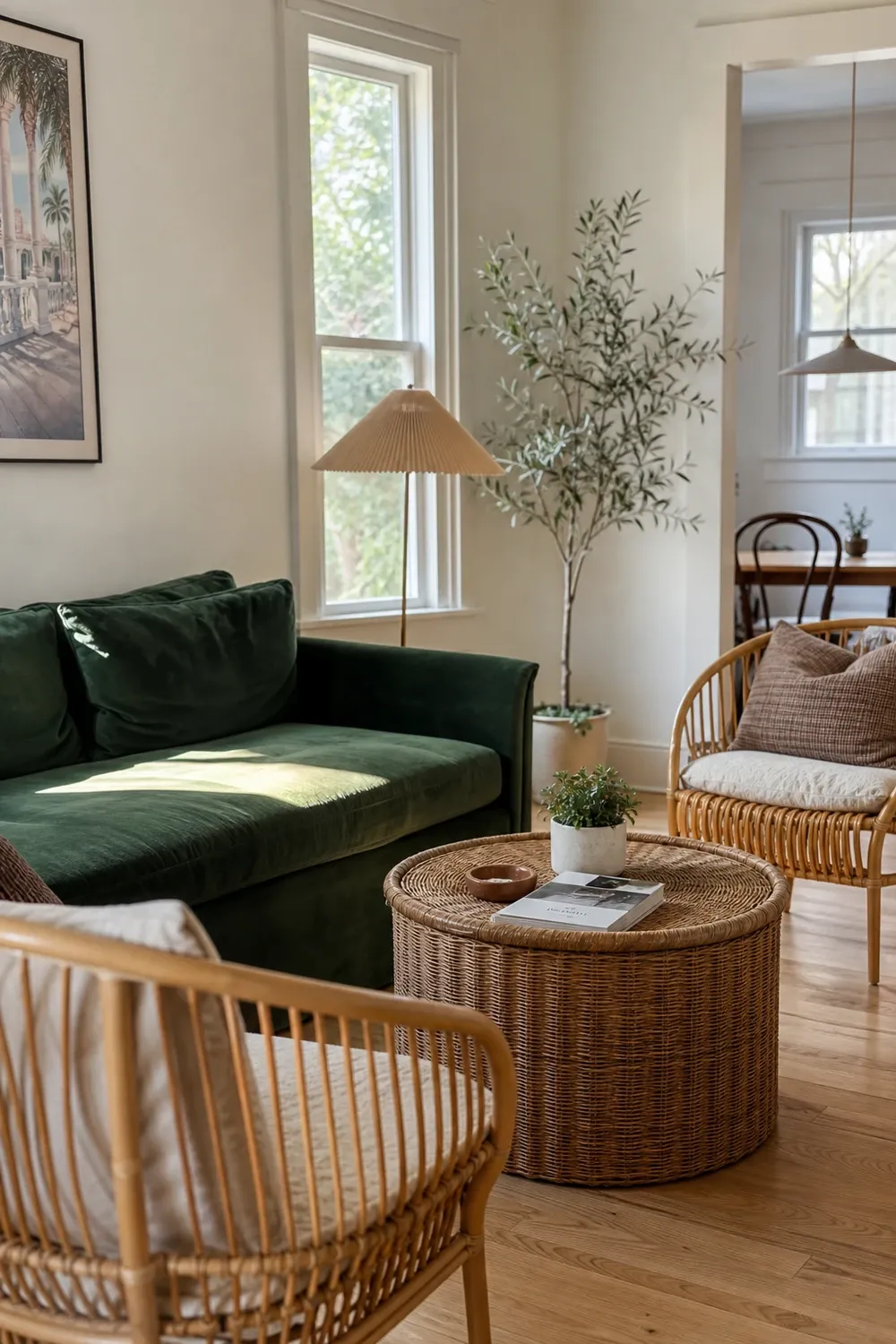
Surrounding a green couch with natural materials like rattan side tables, jute rugs, and linen curtains makes the green feel organic and grounded. The earthy textures connect the couch to nature, which is where green looks most at home. Light wood floors and cream walls keep the room bright while the woven accents add warmth. This combination feels relaxed and works especially well with sage or olive green couches.
Designer Tip: Keep the woven textures in the same warm tone family. Mixing cool gray rattan with warm honey jute creates a disconnect. Stick to either warm naturals or cool naturals throughout for a cohesive look.
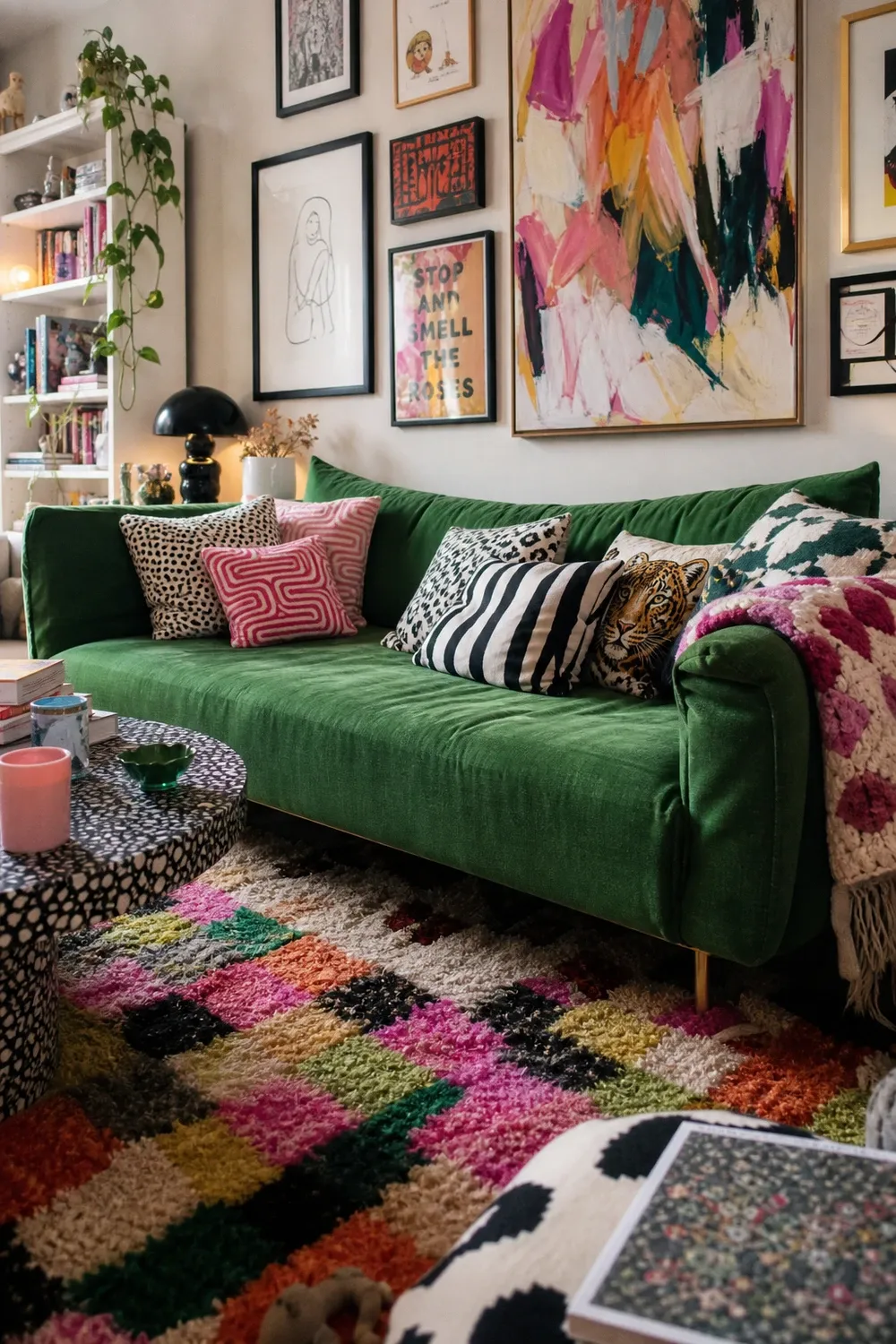
A green couch in a room full of bold colors, mixed patterns, and collected art creates an eclectic space that feels personal and alive. Pair the green with mustard yellow pillows, a pink throw, and a patterned rug that ties several colors together. The green couch anchors the room while the other colors orbit around it. This approach works best when the green is a deeper shade that can hold its own against competing colors.
Designer Tip: Choose one unifying element that connects the different colors. A rug or large artwork that contains green plus two or three of the accent colors ties the whole room together. Without a unifying piece, the colors can feel random rather than collected.
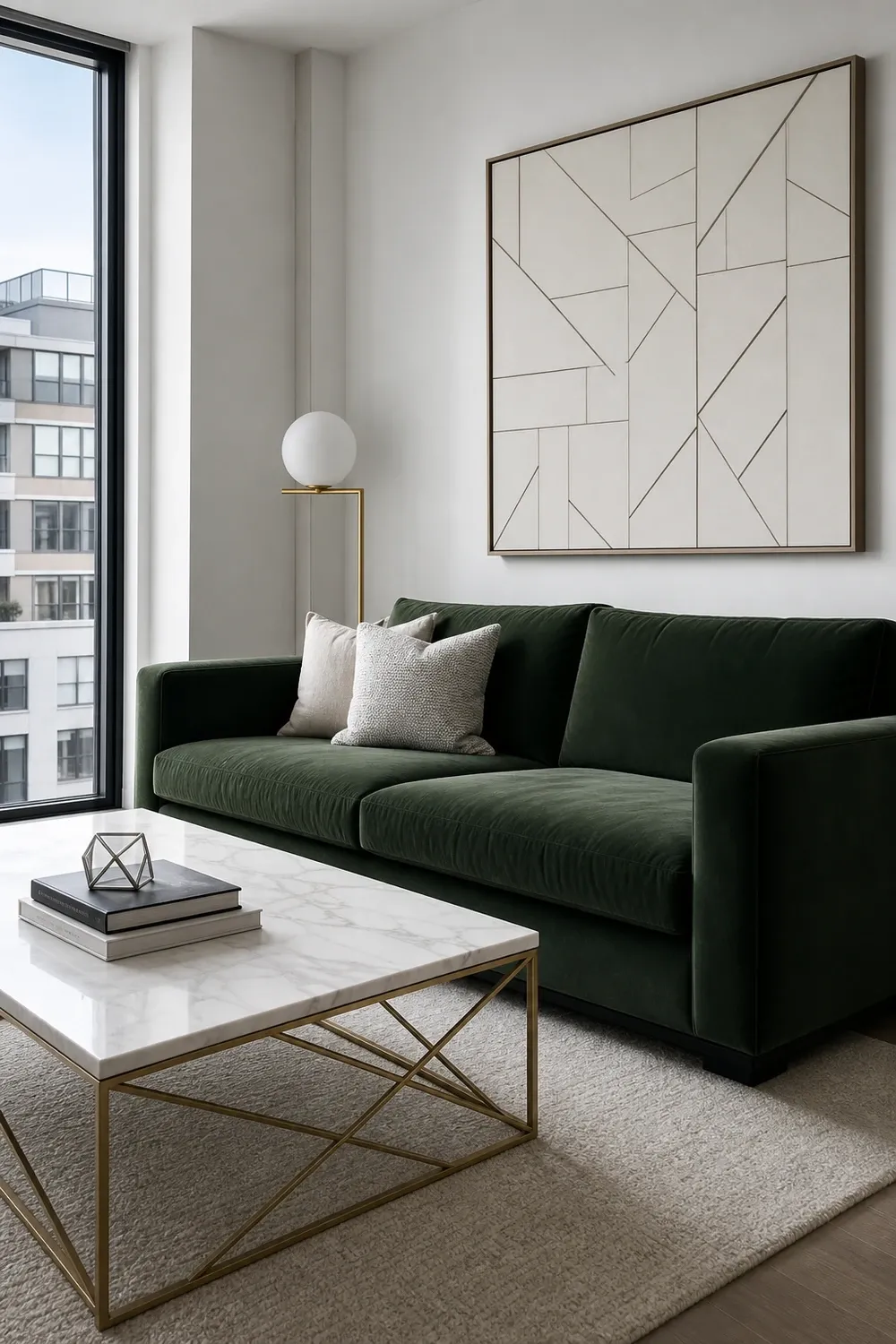
A green couch against white walls with minimal furniture and clean lines makes the sofa the clear focal point. In a minimalist room, the green reads as the one deliberate pop of color and everything else recedes. A simple coffee table, one floor lamp, and a few carefully chosen accessories are all you need. The empty space around the couch gives it room to breathe and makes the green feel intentional rather than overwhelming.
Designer Tip: In a minimalist room, the quality of each piece matters more because there is nothing else to look at. A cheap-looking green couch with visible stitching issues or sagging cushions is the center of attention for the wrong reasons. Invest in a well-made piece when the room has fewer distractions.
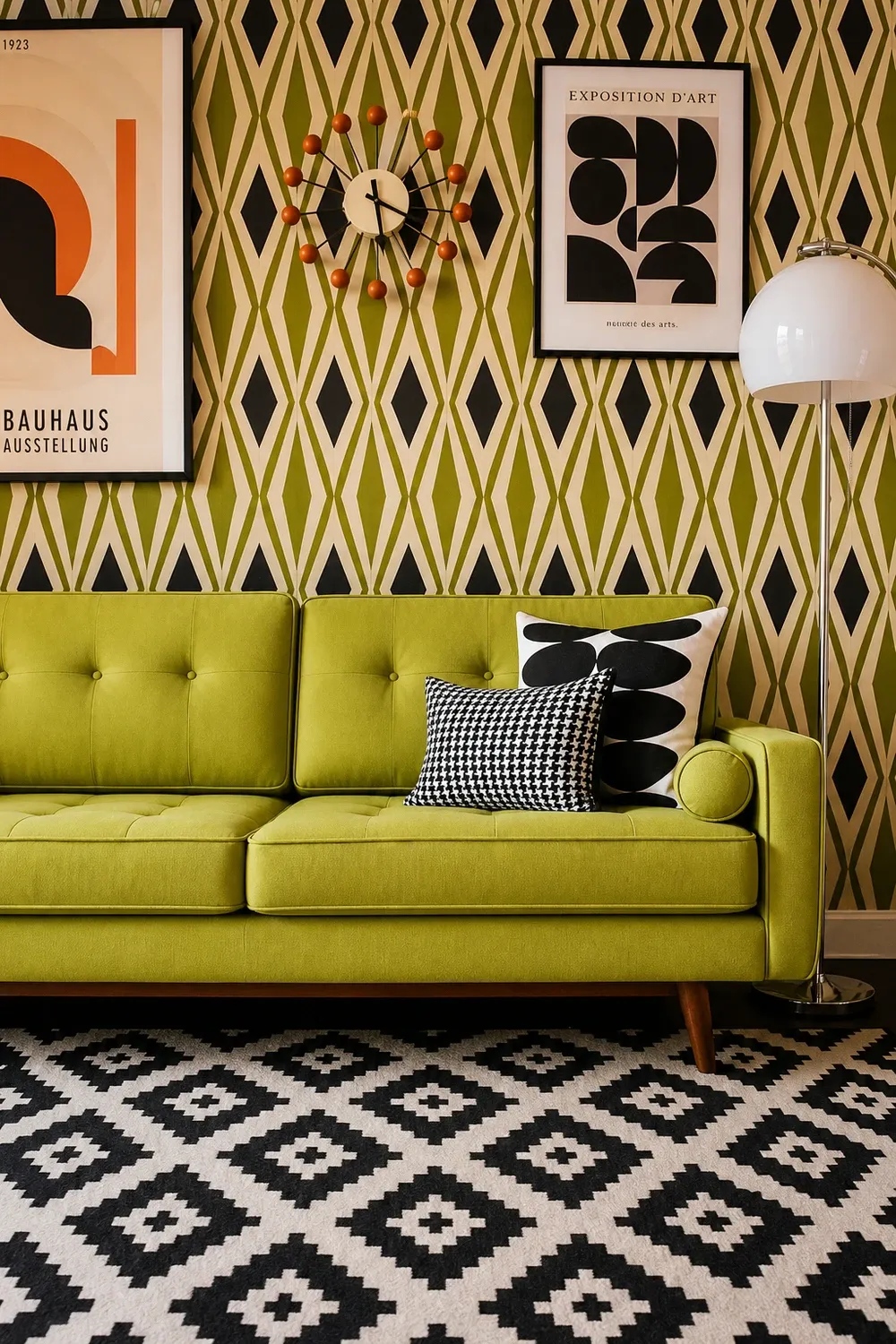
Green was a staple color in mid-century homes and a green couch in a room with walnut furniture, tapered legs, and brass accents brings that era back to life. An avocado or olive green couch with a low profile and clean lines fits the mid-century look perfectly. Add a sunburst mirror, a geometric rug, and a couple of vintage ceramic lamps to complete the scene. This style has been popular for years and shows no signs of fading.
Designer Tip: Use wood furniture in the same finish throughout the room. Mid-century style relies on consistency in wood tones. Walnut with walnut looks intentional. Walnut mixed with oak, pine, and cherry looks like a furniture store clearance sale.
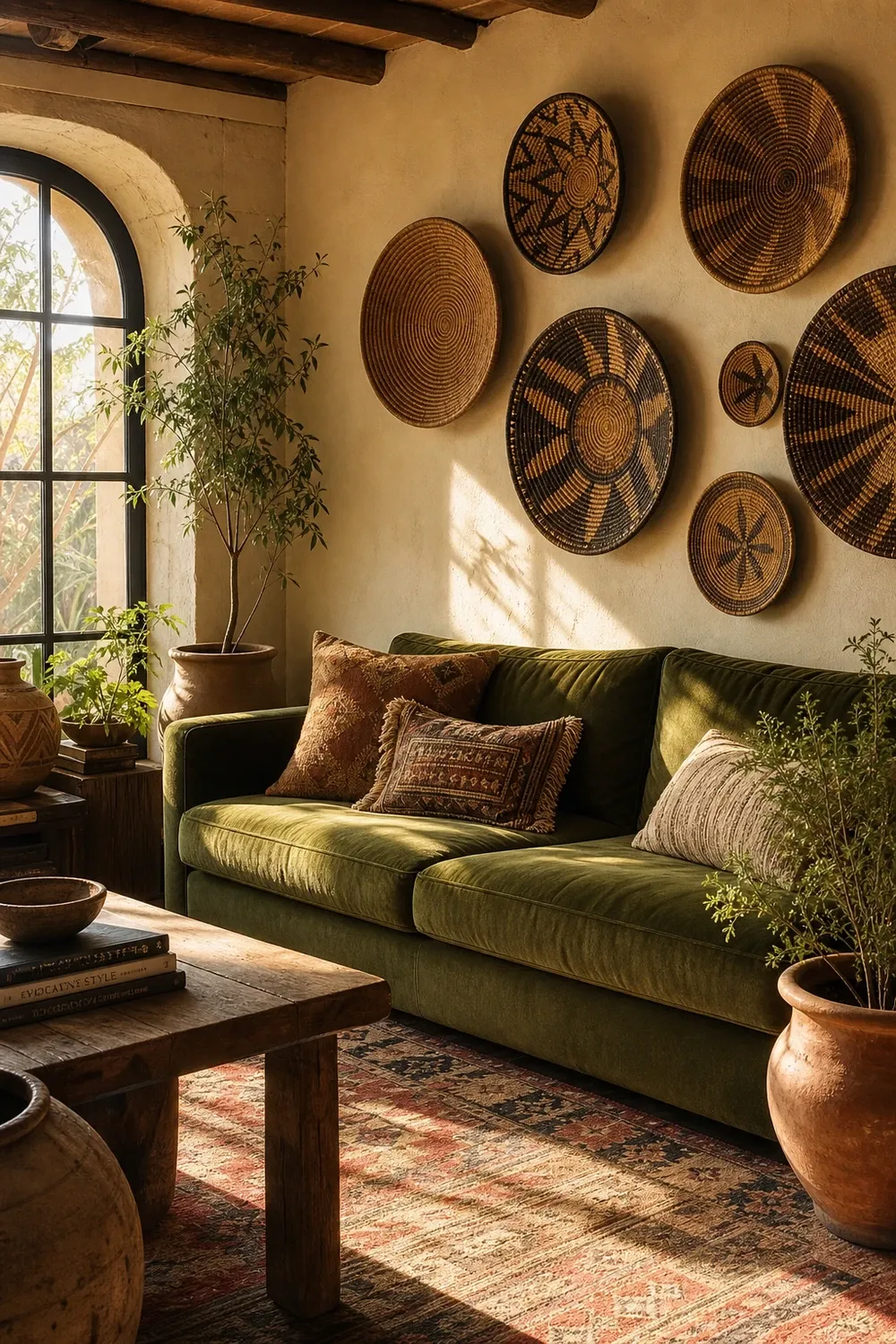
A green couch paired with globally sourced textiles, handmade pottery, and travel-inspired art creates a room that feels well-traveled and interesting. Moroccan poufs, Turkish pillows, African mudcloth throws, or Indian block-print curtains all work with green because the color appears in traditional textiles from around the world. The room tells a story and the green couch is the common thread tying it together.
Designer Tip: Display items from a maximum of two or three cultural traditions in one room. Mixing pieces from too many regions creates visual chaos rather than a collected, traveled look. Depth in one or two styles reads better than surface-level sampling of ten.
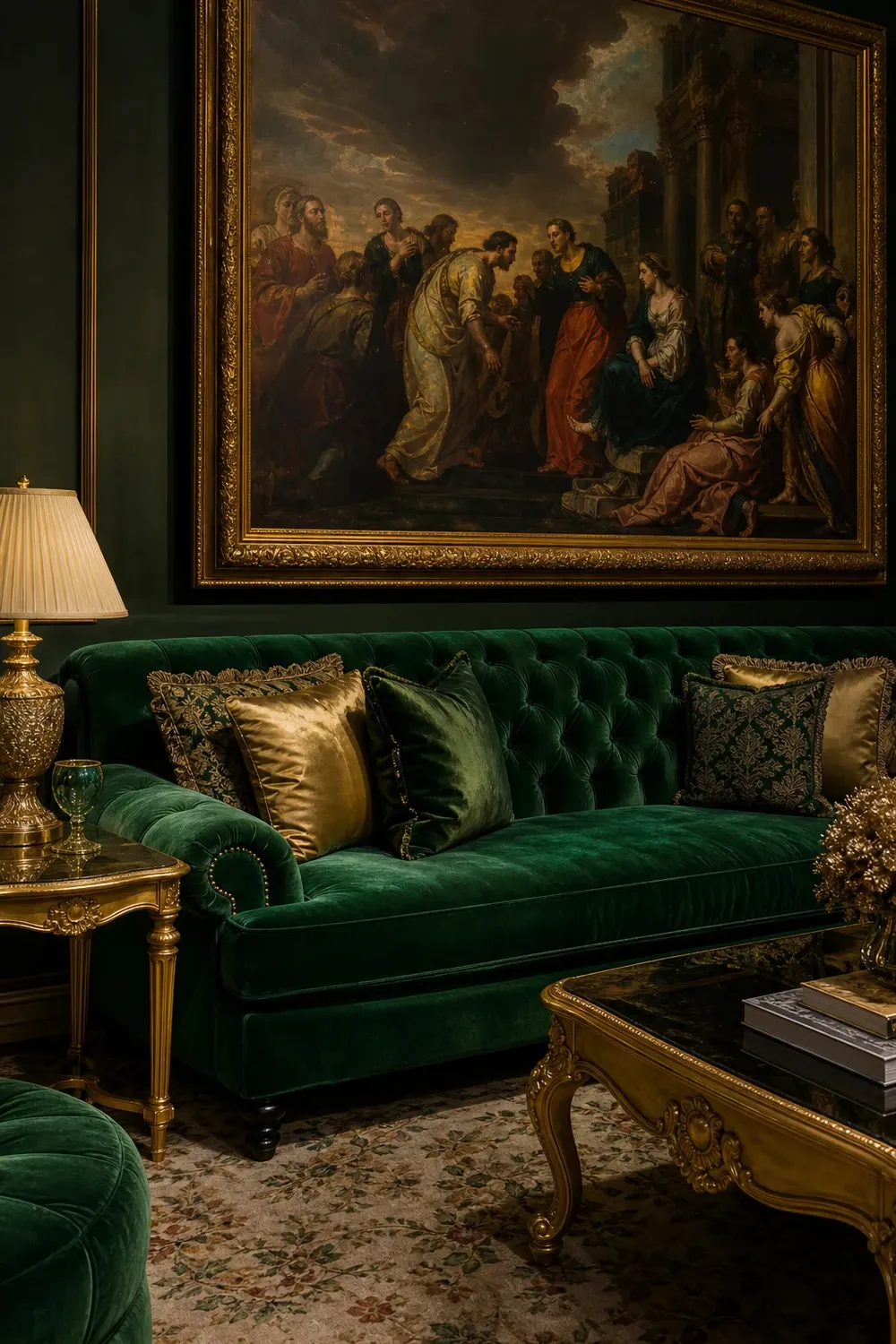
Emerald green and gold is one of the most reliable color combinations in interior design. A deep green velvet couch with gold side tables, gold-framed mirrors, and brass light fixtures looks rich and polished. The gold warms up the green and adds a touch of glamour that prevents the room from feeling too earthy. This pairing works in formal living rooms, home libraries, and any space where you want a collected, polished atmosphere.
Designer Tip: Mix the gold finishes slightly. Polished brass, satin gold, and antiqued bronze in the same room look more natural than everything being the exact same shiny gold. Slight variation in the gold tones makes the room feel collected over time rather than bought as a set.
A sage or muted green couch in a farmhouse living room feels fresh and comfortable. Pair it with white shiplap walls, distressed wood furniture, and linen pillows for a room that is warm without being heavy. The green breaks up the white-and-wood palette that most farmhouse rooms rely on and adds a color that feels natural and grounded. Cotton and linen textures in neutral tones complement the casual, lived-in farmhouse style.
Designer Tip: Use a muted or dusty green rather than a bright or jewel-toned green for farmhouse style. Bright emerald feels too formal for farmhouse interiors. Sage, moss, or olive green blends naturally with the relaxed, earthy farmhouse aesthetic.
A green couch surrounded by indoor plants creates a room that feels like an indoor garden. The couch blends with the plants rather than standing out against them, which gives the room a lush, unified green palette. Vary the plant sizes and types for visual interest. A tall fiddle leaf fig beside the couch, trailing pothos on a shelf above it, and a small succulent on the coffee table create layers of green at different heights.
Designer Tip: Use planters in neutral colors like white, terracotta, or light wood so they do not compete with the green palette. Brightly colored planters fight with the green couch and plants for attention. Neutral pots let the greenery do the talking.
Using multiple shades of green throughout the room creates a sophisticated, monochromatic space. A dark green couch against a lighter sage wall, with olive curtains and mint throw pillows, gives the room depth through tonal variation. The different greens prevent the room from feeling flat while maintaining a single-color palette. This approach takes confidence but the result is a room that feels collected and intentional.
Designer Tip: Include at least one neutral element to break up the green. A cream rug, white shelving, or a natural wood coffee table gives the eye a resting point. Without a break, even a beautiful monochromatic room can feel monotonous.
A green couch with black furniture, black frames, and black hardware creates a high-contrast room that feels modern and bold. The black sharpens the green and makes it pop. This pairing works in any style from industrial to contemporary. A black coffee table, black bookshelf, and black picture frames create a graphic framework that the green couch sits inside like a jewel in a setting.
Designer Tip: Add warm materials like wood and leather to prevent a green-and-black room from feeling too stark. A leather armchair, a wood side table, or a wool rug introduces warmth that softens the hard contrast between green and black.
Green and pink are complementary colors and they bring out the best in each other. A green couch with blush pink pillows, a pink throw blanket, or pink-toned artwork creates a pairing that feels fresh and unexpected. The pink softens the green and adds a feminine touch without making the room feel overly sweet. Dusty rose and sage green is the most balanced combination. Hot pink with emerald is bolder.
Designer Tip: Use pink as an accent, not a co-star. Pink accents on a green couch look intentional. Equal amounts of green and pink compete for dominance and the room loses its focal point. Keep the ratio at roughly 70 percent green and 30 percent pink or less.
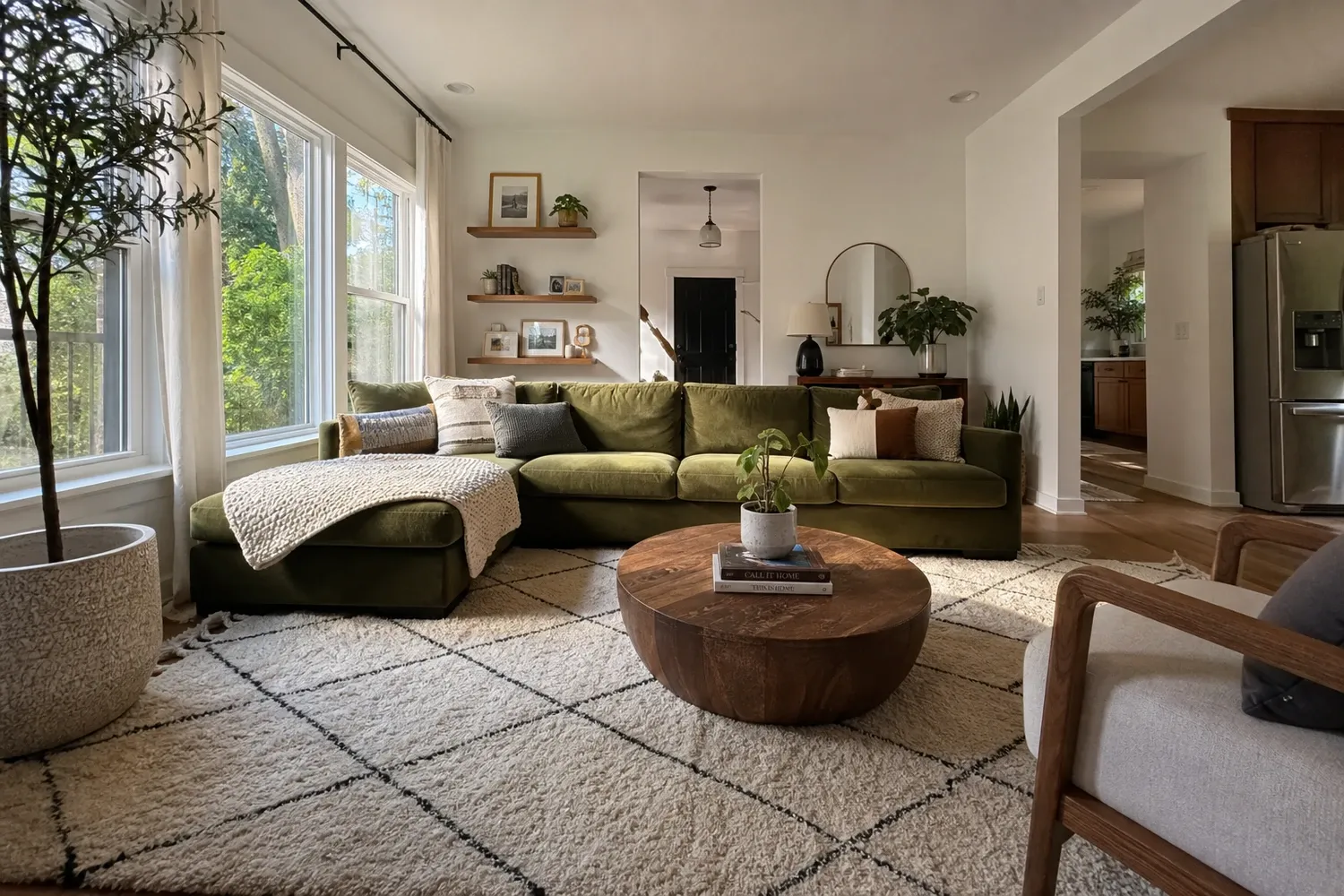
The simplest approach is also one of the most effective. A green couch in a room with white walls lets the couch be the star. The white background makes any shade of green look vivid and clean. You do not need much else: a neutral rug, simple wood furniture, and a couple of throw pillows complete the room. This is the safest starting point if you are nervous about building a room around a green couch.
Designer Tip: Use a warm white on the walls rather than a cool or pure white. Warm white has a slight cream or ivory undertone that makes the room feel inviting. Cool white with green can feel sterile and clinical, like a hospital waiting area.
Green and navy blue together create a rich, traditional color scheme that feels grown-up and sophisticated. A green couch with navy throw pillows, a navy patterned rug, or a navy accent wall gives the room depth without being too dark. Both colors are saturated enough to hold their own without one overpowering the other. Add tan leather or camel-colored accessories to warm up the cool-toned pairing.
Designer Tip: Keep the green and navy in similar saturation levels. A bright lime green with a muted navy or a deep forest green with a bright royal blue creates an imbalance. The colors work best when they have roughly the same depth and intensity.
A green couch as the only color in an otherwise neutral room creates maximum impact with minimal risk. Beige walls, a gray rug, white curtains, and wood furniture in warm tones set a calm backdrop that makes the green couch the clear focal point. This approach works for people who want to add color to their home but are not comfortable with a full-color palette. One bold piece is all it takes to bring a neutral room to life.
Designer Tip: Repeat the green in one small accent to make the couch feel connected to the room. A green plant, a green book on the shelf, or a green vase on the mantel echoes the couch color and prevents it from looking like a random addition. One or two small green accents are enough.
A green couch works in more rooms than most people realize. The key is deciding depending on how prominent you want the green to be. In neutral rooms, it is the star. In colorful rooms, it is a player. Both approaches work as long as the supporting pieces are chosen with intention. Start with the green couch in the room, live with it for a week, and then add pieces one at a time until the room feels balanced.
Frequently Asked Questions
What wall color goes best with a green couch?
White and warm neutrals are the safest choices and let the green be the focal point. Blush pink, soft gray, and warm beige also work well. For a bolder look, navy or charcoal walls create a moody backdrop that makes the green pop even more.
What color pillows go on a green couch?
Mustard yellow, blush pink, cream, gold, and navy are the most popular pillow colors for green couches. Pattern-mixing works well too. A solid green couch can handle patterned pillows that include green plus other accent colors. Stick to two or three pillow colors maximum so the couch does not look cluttered.
Is a green couch trendy or timeless?
Green couches have been popular for decades across many design eras, from mid-century to contemporary. Emerald velvet is having a strong moment right now, but sage, olive, and forest green are classic choices that have never gone out of style. A well-made green couch in a neutral green shade will look current for many years.
What rug color works with a green couch?
Neutral rugs in cream, beige, or light gray work with any green couch. For more color, a rug with a pattern that includes green plus warm tones like gold, rust, or pink ties the couch to the floor. Avoid a green rug under a green couch unless the tones are very different, as too much matching green flattens the room.