Corners are where most living rooms waste the most space. People push furniture against the flat walls and leave the corners empty or drop a sad floor lamp there and call it done. But a corner is actually a useful spot because it is defined on two sides by walls, which gives whatever you put there a built-in sense of enclosure and purpose. Here are 14 ways to put those corners to work.
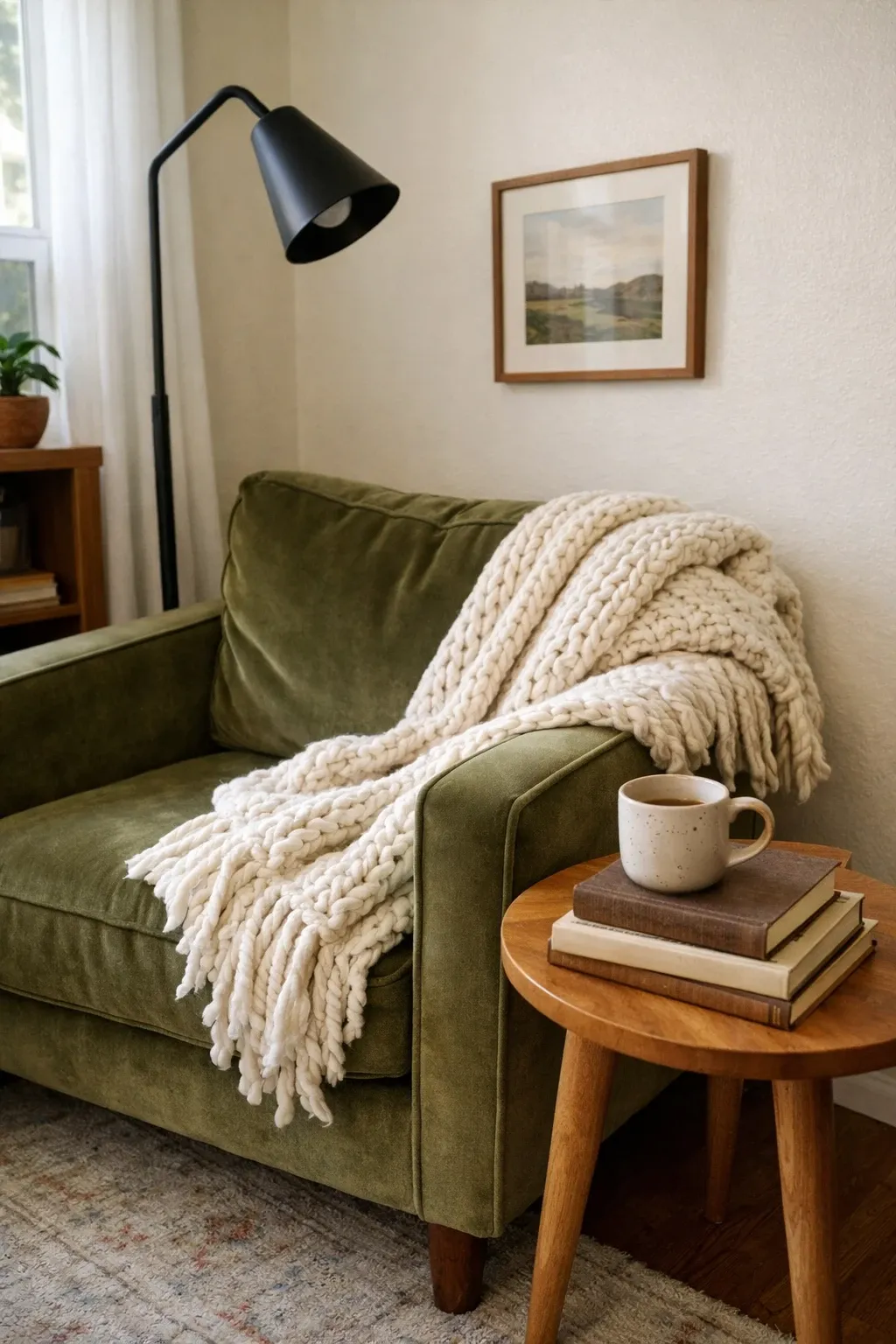
A comfortable chair, a small side table, and a reading lamp are all you need to turn a corner into a reading nook. The two walls behind the chair create a sense of being tucked away from the rest of the room, which is exactly what you want when you are trying to focus on a book. An armchair with a high back works better than an open chair because it adds to that enclosed feeling. Throw a blanket over the arm and stack a few books on the side table and the corner has a clear purpose.
Designer Tip: Point the reading lamp over your shoulder so the light falls directly on the page or screen. Overhead room lighting creates glare and is not bright enough for comfortable reading. A dedicated task lamp makes the corner feel like its own zone.
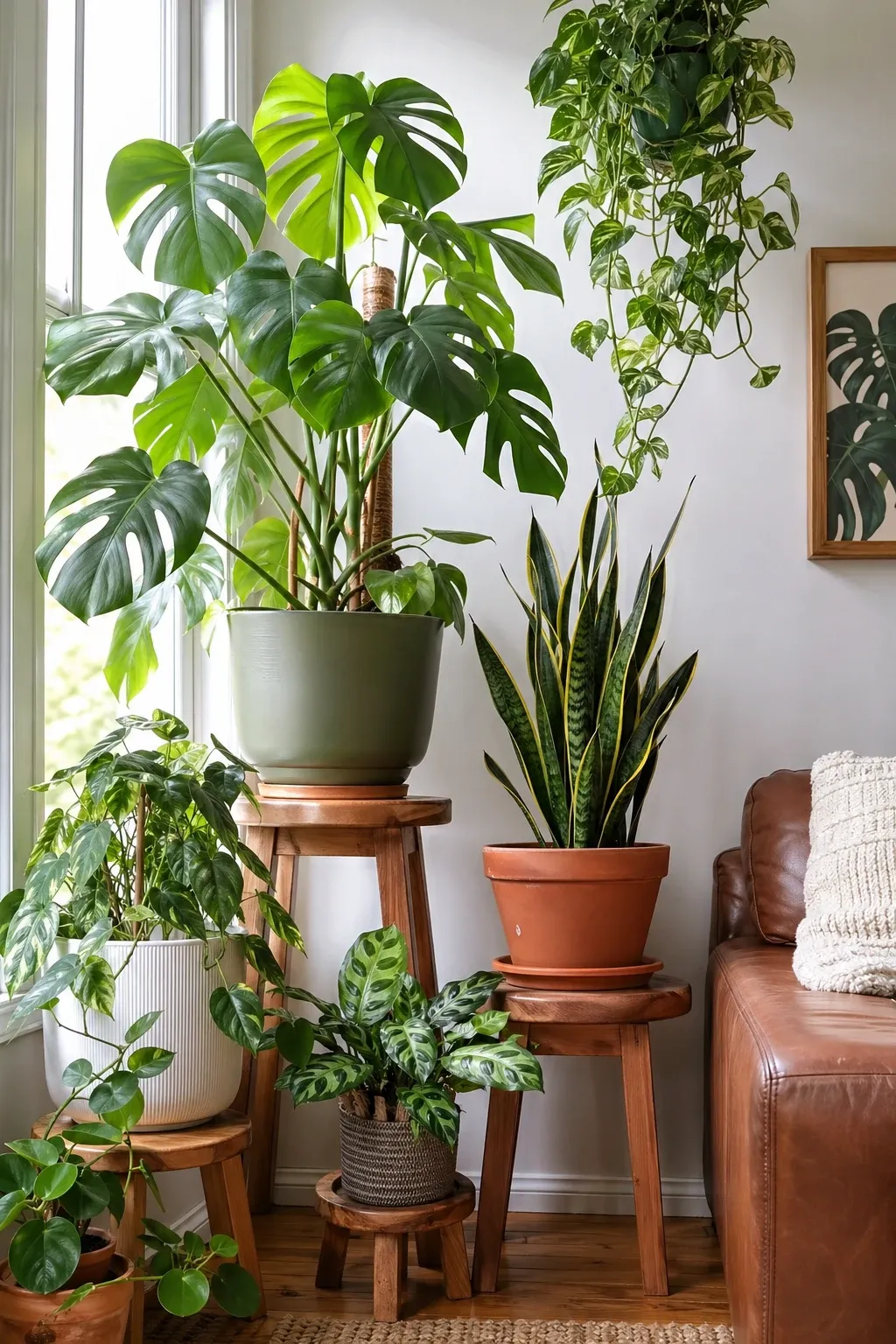
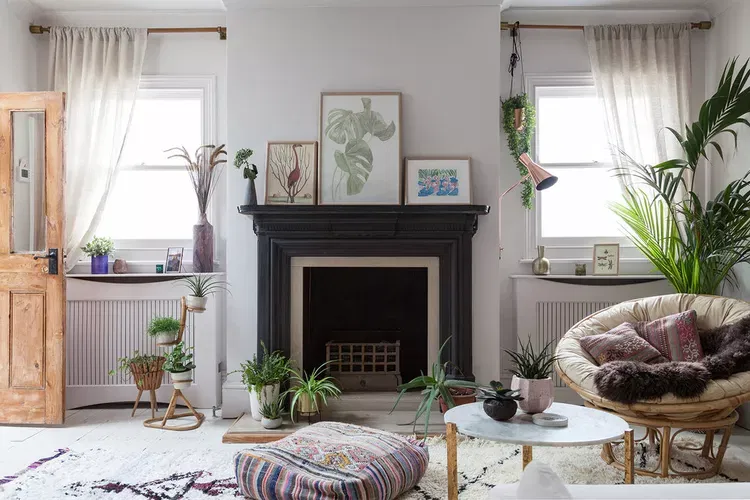
Grouping several plants of different heights in a corner turns dead space into something that feels alive. Start with a tall plant like a fiddle leaf fig or snake plant in the back, add a medium plant on a stand in the middle, and put a small trailing plant like a pothos on a low stool or the floor. The layered heights create depth and the greenery softens the hard angle where the walls meet. It works in any style of room from modern to bohemian.
Designer Tip: Check the light levels in the corner before choosing plants. Corners tend to be the darkest spots in a room, so pick low-light plants like pothos, ZZ plants, or snake plants unless the corner gets direct sunlight from a nearby window.
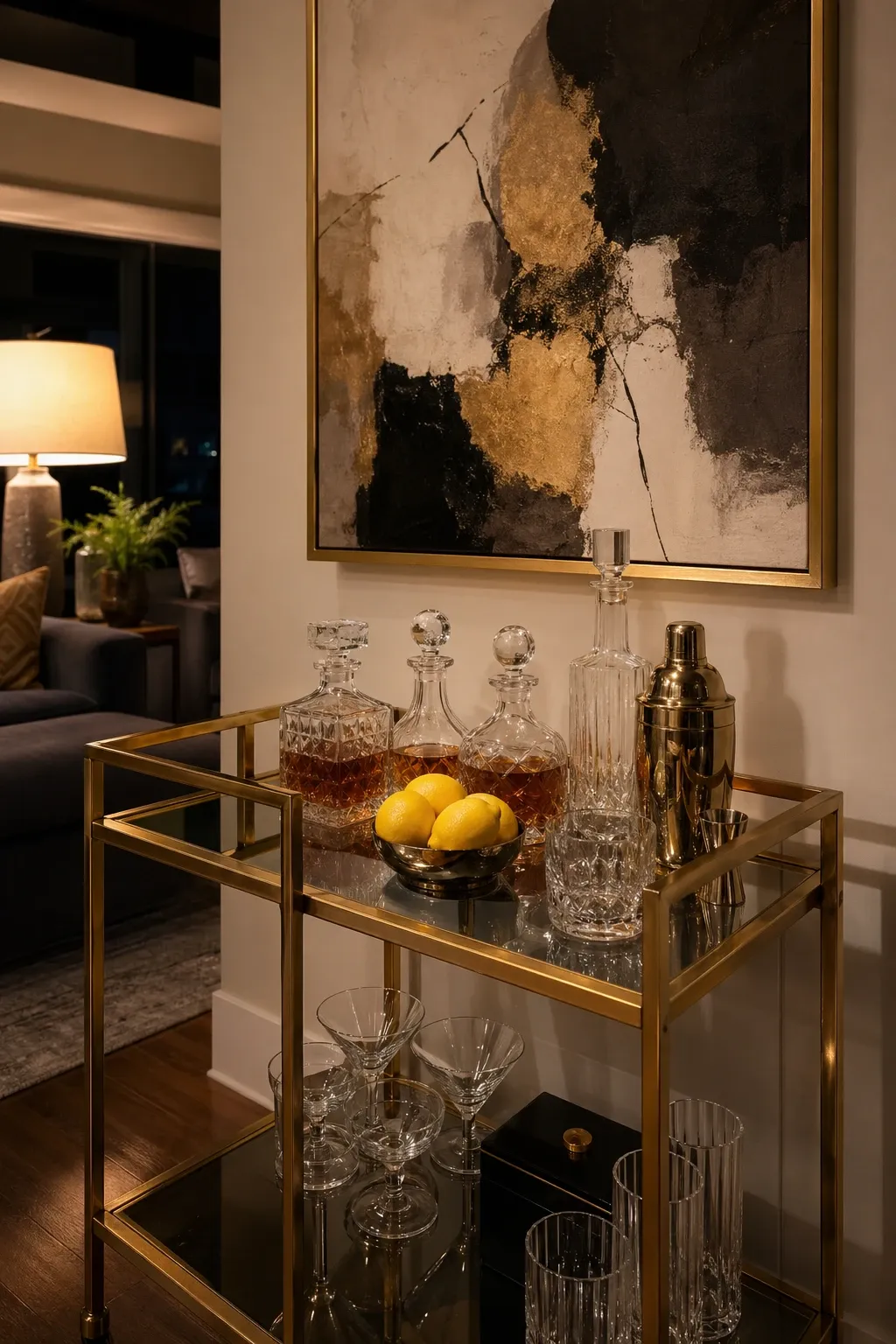
A bar cart or a small cabinet in the corner stocked with a few bottles, glasses, and a cocktail shaker gives you a home bar without dedicating a whole wall to it. The corner keeps the bar contained and separate from the main seating area, which makes it feel like its own little station. A round bar cart fits corners particularly well because it does not have hard edges that jut into the walking path.
Designer Tip: Keep the bar cart to three to five bottles, a set of matching glasses, and one or two tools. An overcrowded bar cart looks like a liquor store. A collected one looks like you know what you are doing.
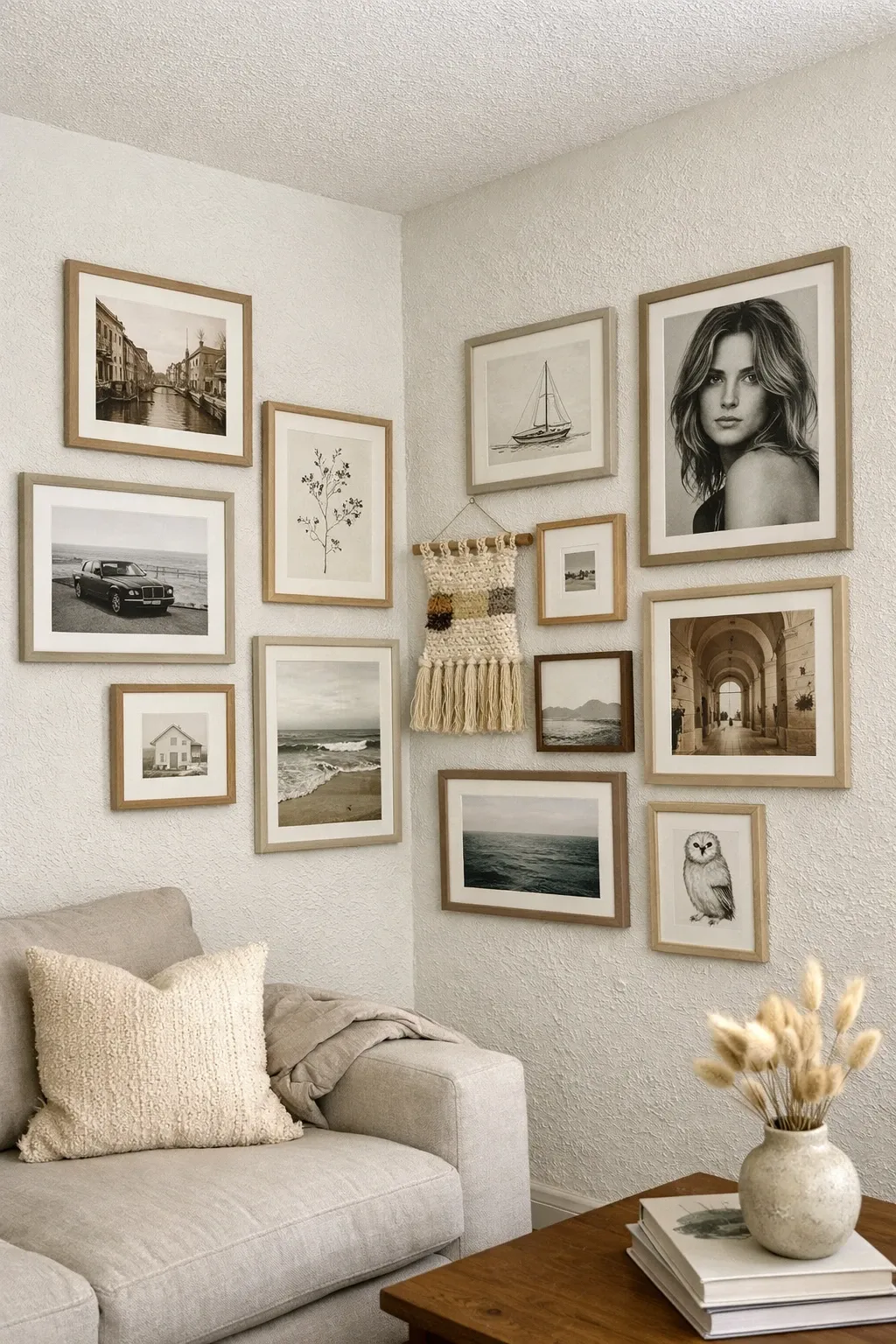
Leaning a few framed prints or canvases against the corner walls creates a casual gallery effect that looks intentional without needing to hammer any nails. Start with a larger piece in the back and layer smaller ones in front. You can also wrap the display across both walls of the corner, hanging a few pieces on each side, which draws the eye into the corner rather than past it. A small spotlight or picture light above the arrangement makes it feel like a real gallery.
Designer Tip: If you lean artwork on the floor, prop it at a slight angle against the wall rather than perfectly upright. A slight lean looks casual and deliberate. Perfectly vertical looks like you just have not hung it up yet.
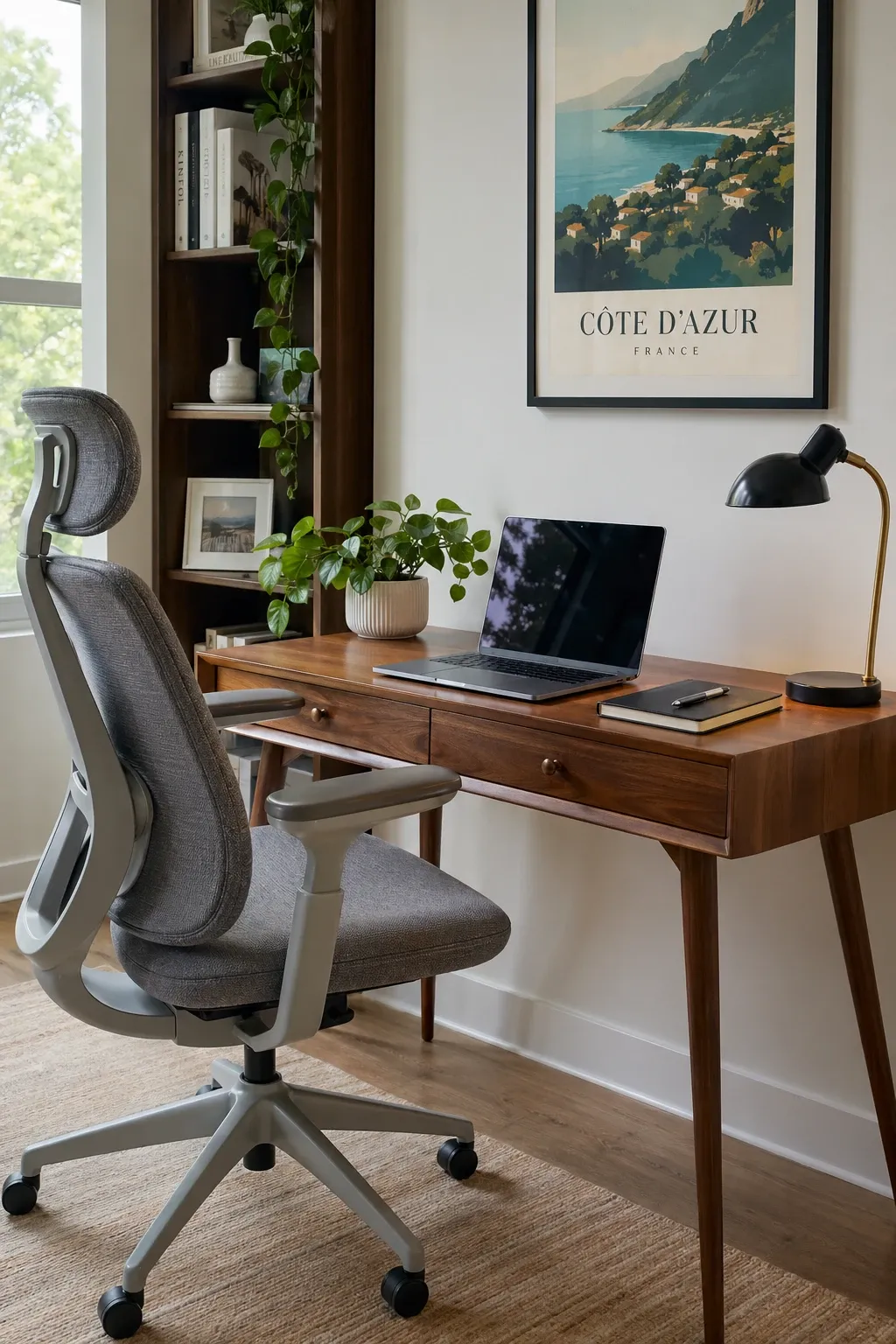
A small desk tucked into a corner with a wall-mounted shelf above it gives you a functional workspace without taking over the living room. Corner desks or L-shaped desks are made for this exact spot and use both walls efficiently. When you are done working, close the laptop and the corner goes back to being just another part of the room. Adding a small plant or a framed photo to the desk keeps it from looking like a sterile office cubicle.
Designer Tip: Face the desk toward the corner rather than out into the room if you want to minimize distractions while working. Face it outward if you want the corner to feel more open and connected to the rest of the living room. Both work, it just depends on your priority.
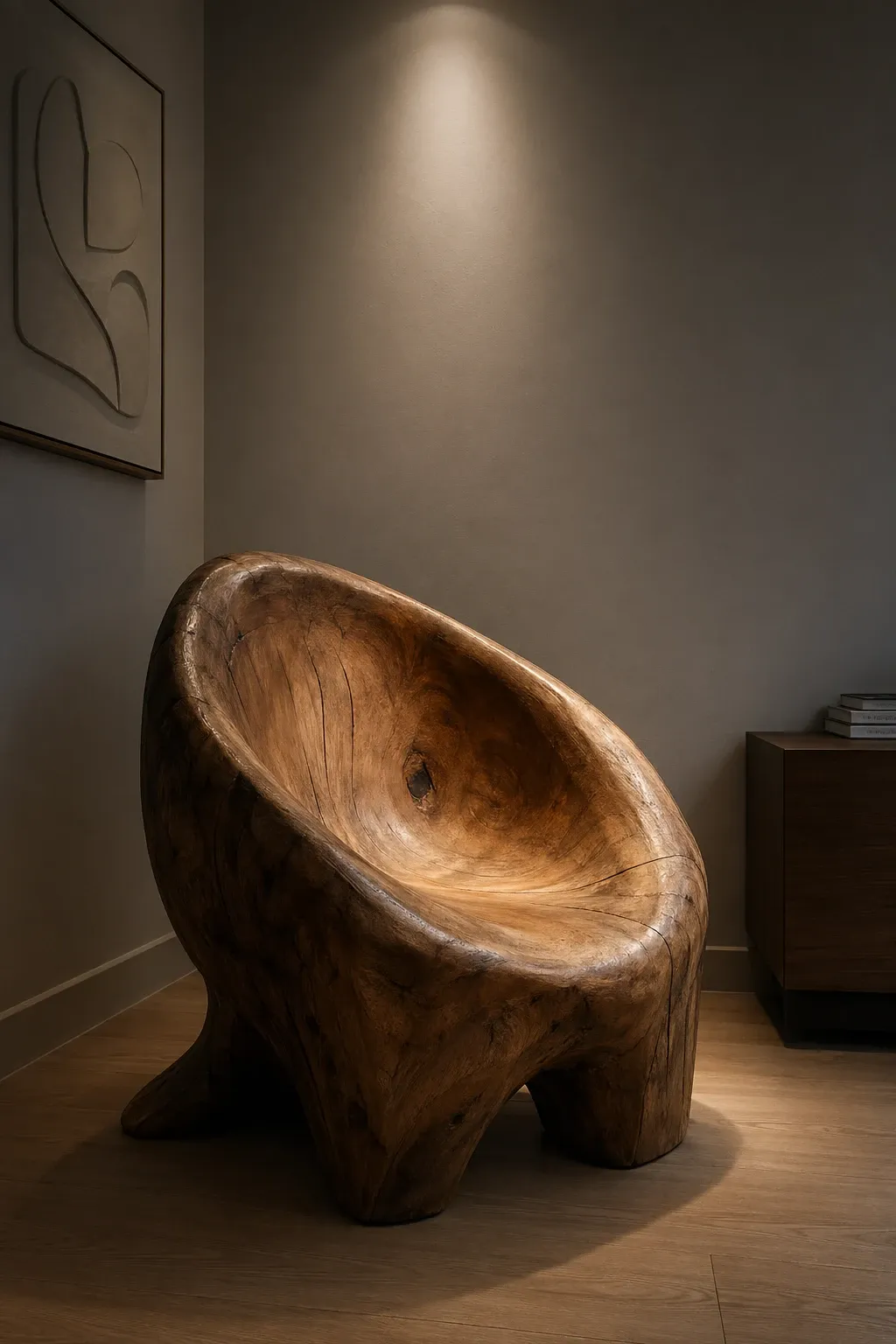
A tall sculpture, a large vase, or an interesting found object placed in a corner acts as a focal point and conversation starter. The corner frames the object on two sides, which gives it a stage. Something tall and narrow works best because it fills the vertical space without blocking the walking path. A piece of driftwood, a large ceramic vase, or a metal sculpture can turn an empty corner into the most interesting spot in the room.
Designer Tip: Scale matters here. A small sculpture in a big corner looks lost. Aim for something that fills at least two-thirds of the corner is height. If the piece itself is not tall enough, put it on a pedestal or a stack of books to bring it up to the right visual height.
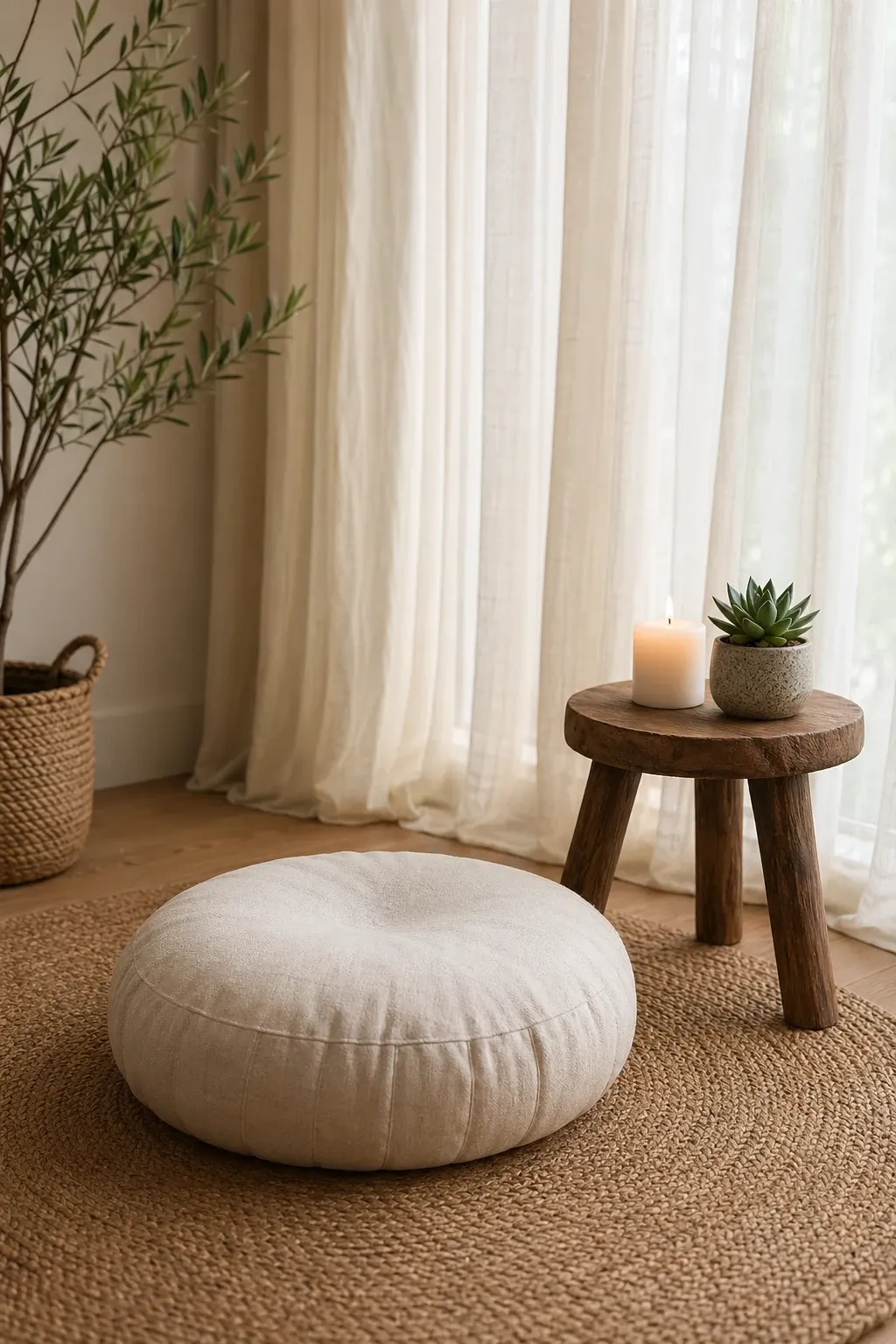
A meditation cushion, a small tray with a candle, and maybe a plant or two turn a corner into a dedicated spot for quiet time. The corner is naturally set apart from the rest of the room, which helps mentally when you are trying to disconnect. Keeping the corner clean and minimal is the point here. A few cushions on a small rug, a low table, and nothing else. The emptiness is a feature, not a problem.
Designer Tip: Put this corner as far from the TV and main seating area as possible. Even with the TV off, sitting right next to it while trying to meditate puts electronics in your peripheral vision. Distance from the room is busy center helps you actually use the space.
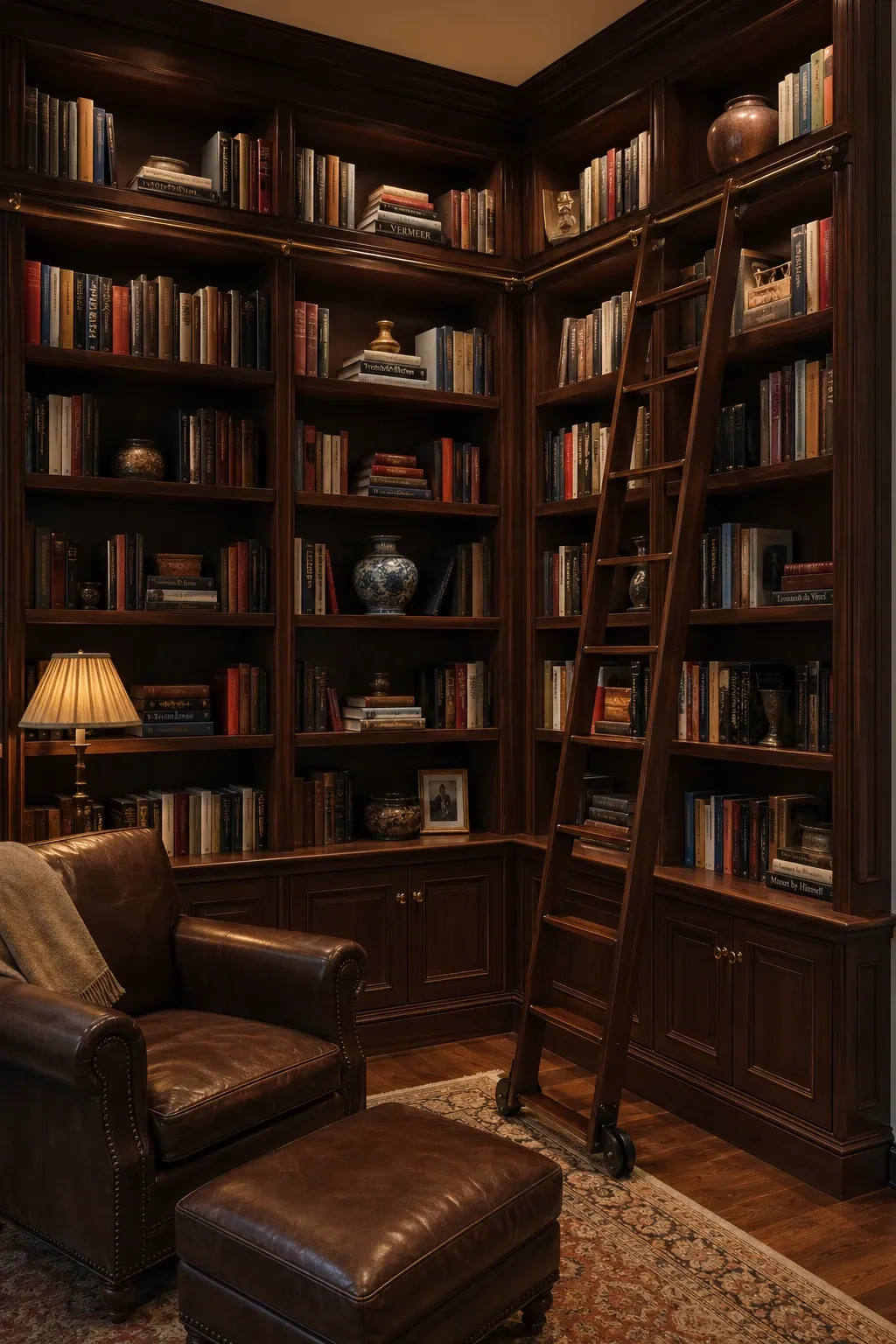
A tall narrow bookshelf built into or placed tightly in a corner stores books, displays objects, and fills vertical space all at once. Floor-to-ceiling shelving makes the corner look intentional and substantial. You do not need a custom build for this either. A tall, slim bookcase from any furniture store pushed into the corner works nearly as well. Mix books with decorative objects on the shelves to keep it from looking like a library stockroom.
Designer Tip: Anchor tall, narrow bookcases to the wall with anti-tip brackets. A bookshelf that is both tall and slim has a high center of gravity and can tip forward if someone leans on it or a pet jumps on the lower shelf. The brackets take two minutes to install and prevent a dangerous accident.
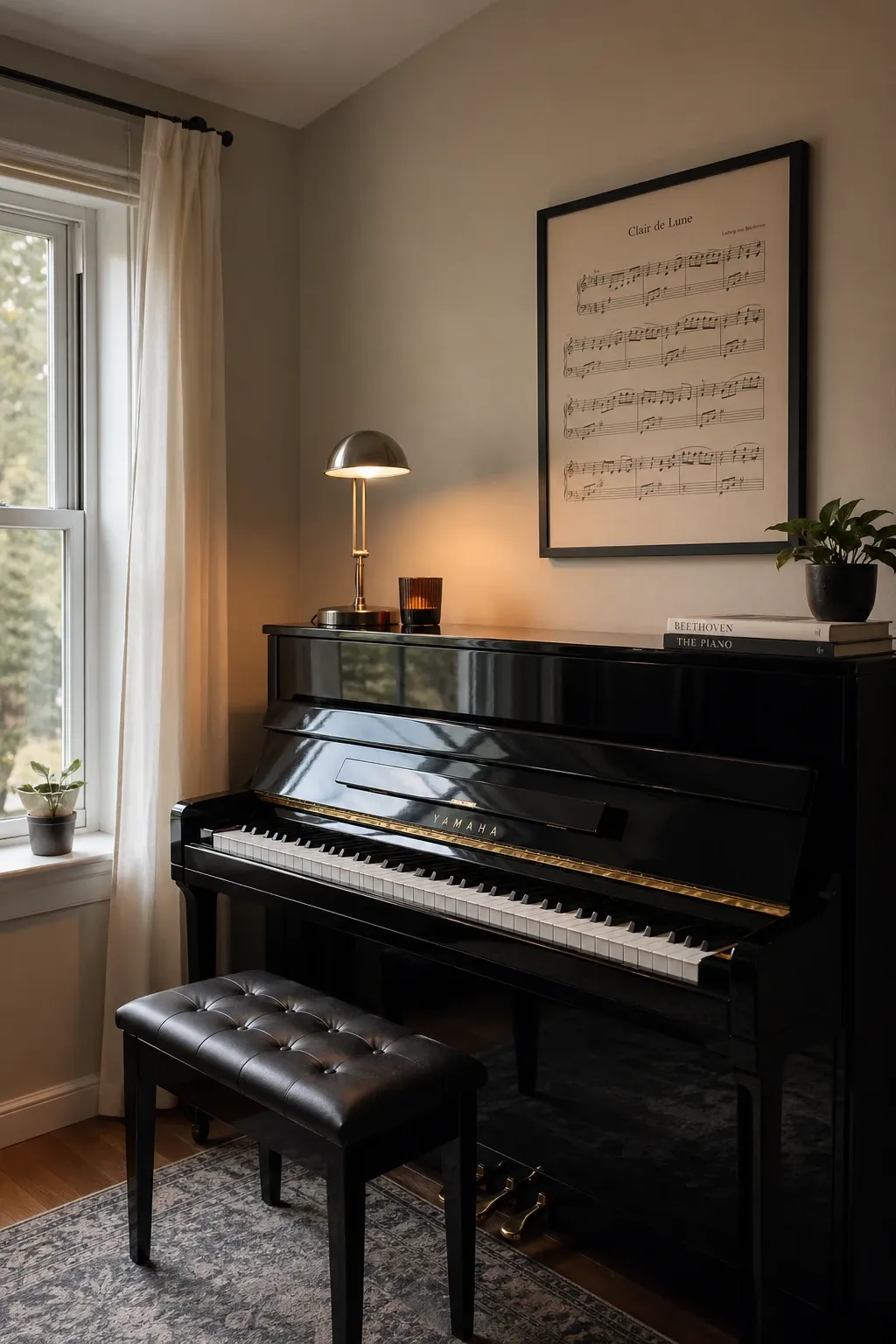
If you play an instrument or collect records, a corner is a natural home for a music setup. A guitar on a wall mount or floor stand, a record player on a small console, and a crate of vinyl underneath creates a corner that has personality and purpose. The corner keeps the music gear contained so it does not sprawl across the room, and having everything in one spot makes it more likely you will actually pick up the instrument and play.
Designer Tip: Wall-mount the guitar or ukulele rather than leaving it on a floor stand. A mounted instrument acts as wall art and frees up floor space in the corner for the record player or a small amp. Plus it looks great, especially on a brick or dark-colored wall.
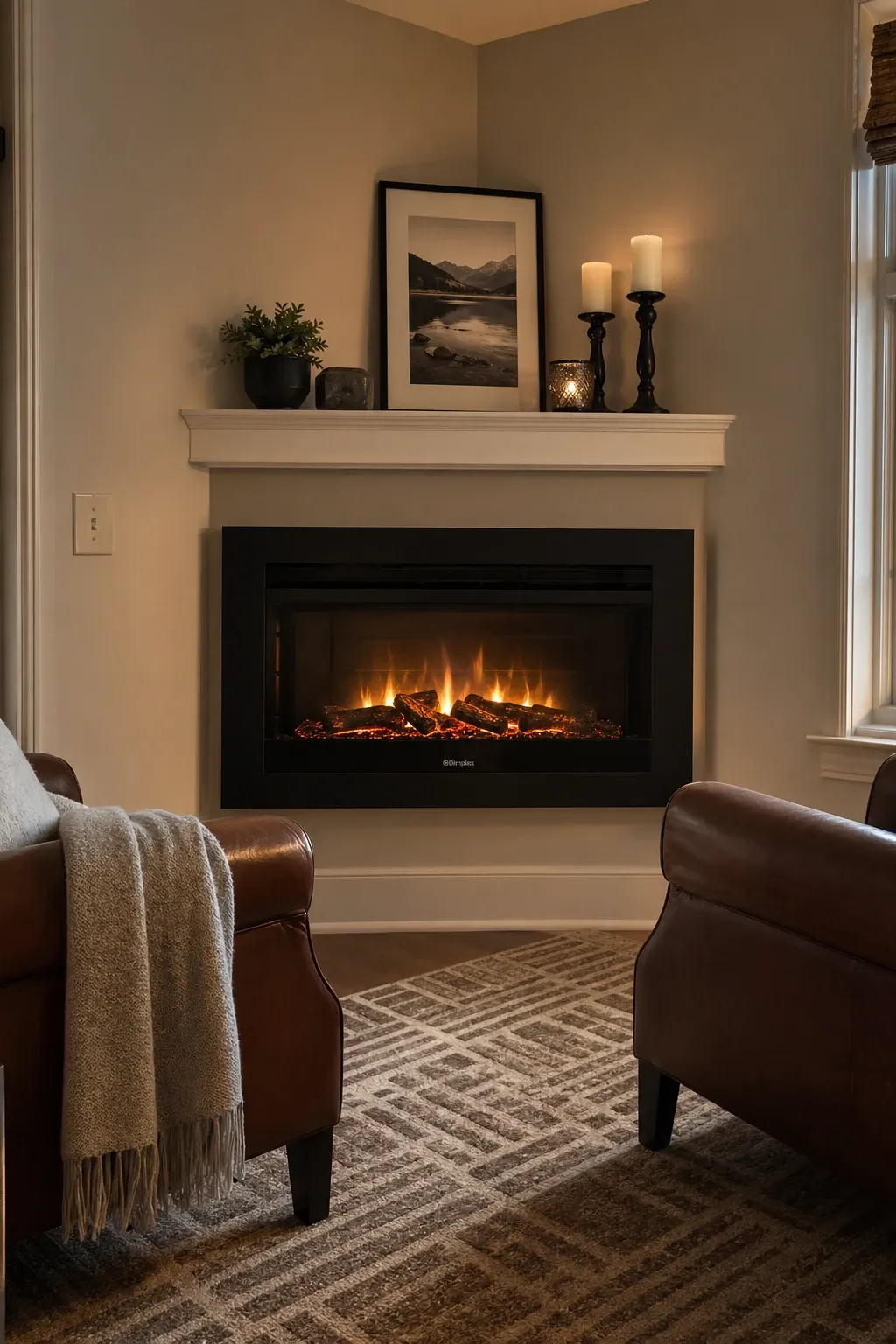
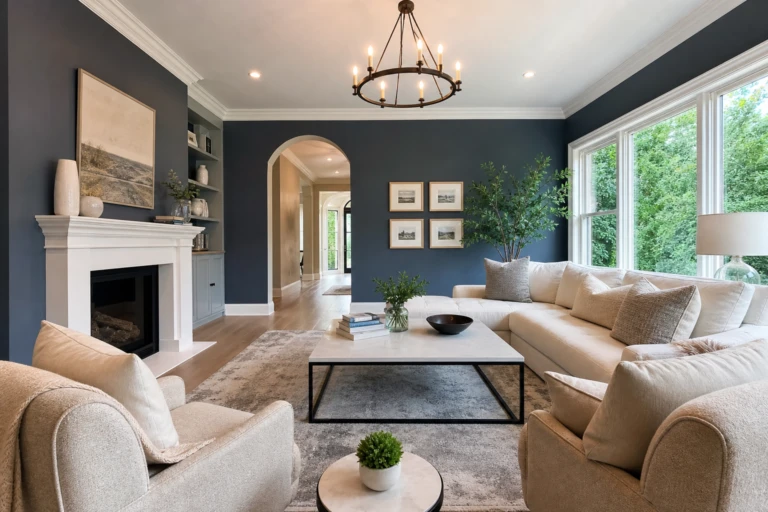
If your fireplace is in or near a corner, building the seating around it rather than centering it on the main sofa makes that corner the warmest and most inviting spot in the room. Two chairs angled toward the fire with a small table between them creates a classic conversation area. Even if you have an electric or gas fireplace, the glow and warmth make the corner feel special. It is the spot people naturally drift to on cold evenings.
Designer Tip: Angle the chairs about 45 degrees so they face each other and the fire at the same time. This creates a sense of enclosure without blocking the view of the fireplace from the rest of the room. Straight-on seating facing only the fire feels like a waiting room.
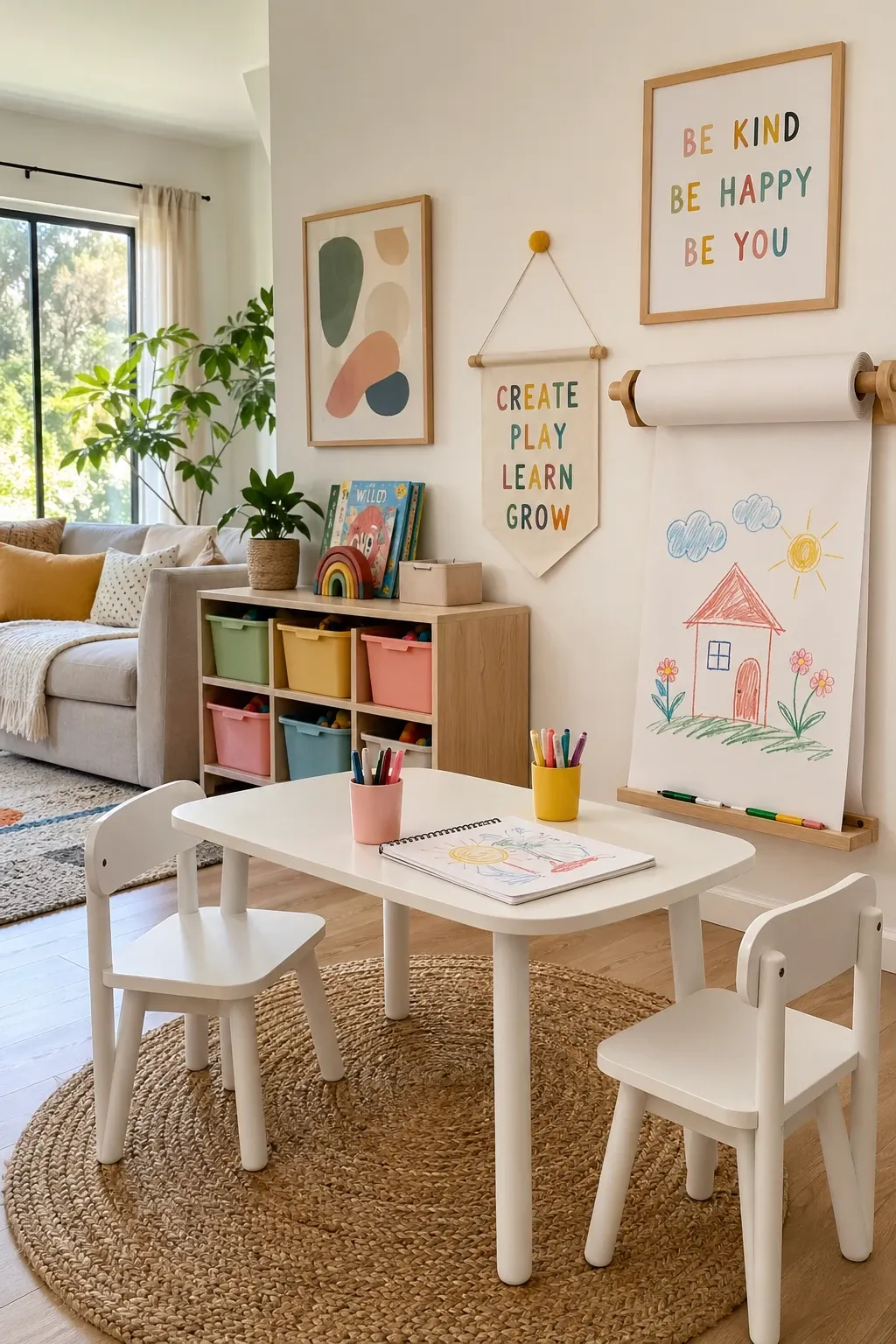
A small table, a few bins of art supplies, and a corkboard or chalkboard on the wall gives kids their own creative zone in the corner of the living room. They can draw, build, or color while you are nearby, and the corner keeps the mess contained rather than spreading across the entire room. Low shelves with labeled bins make cleanup faster and teach kids where everything goes.
Designer Tip: Use a washable rug or play mat under the table to protect the floor from paint, markers, and glue. The mat defines the play zone visually and catches spills. Roll it up and shake it out when cleanup time comes.
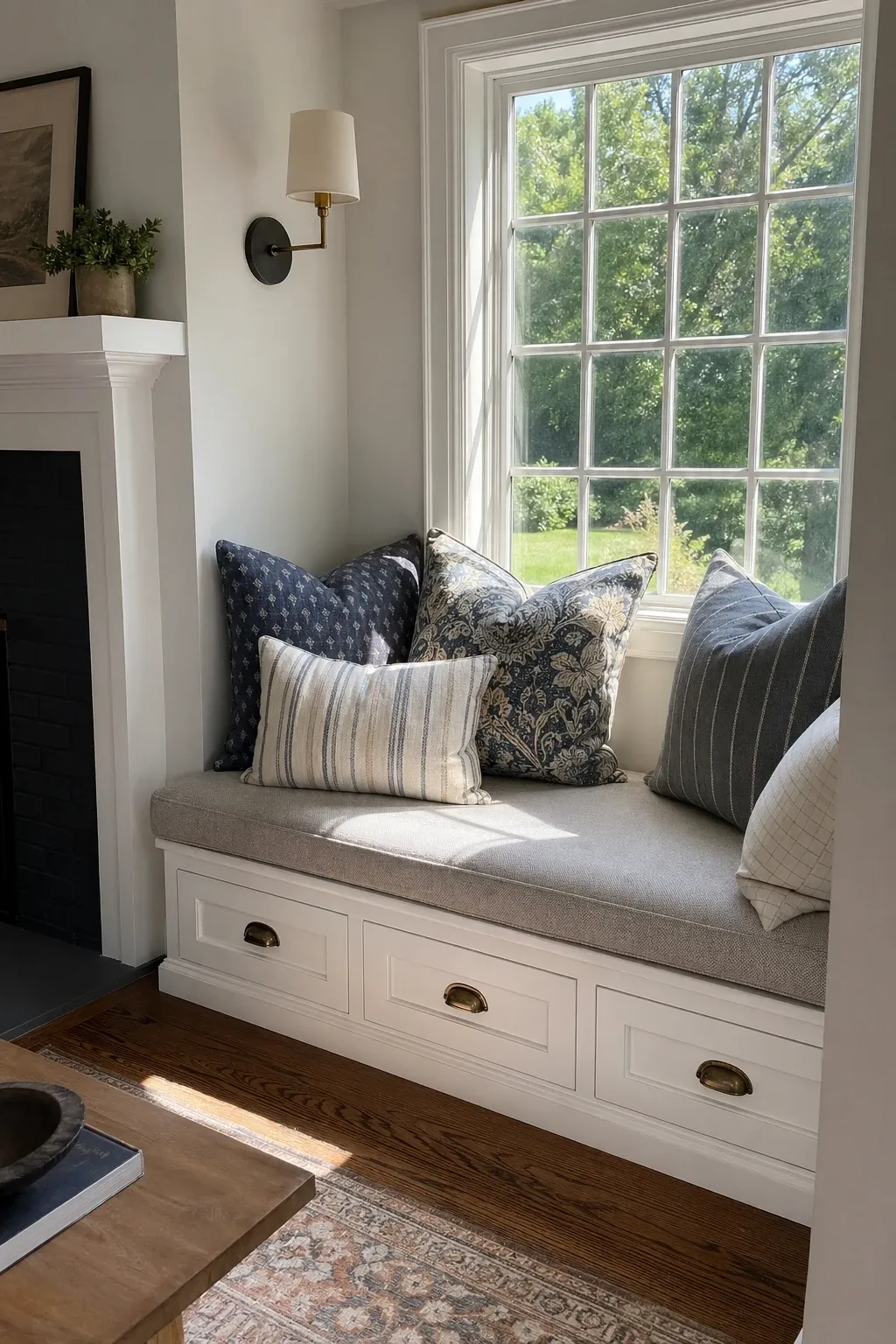
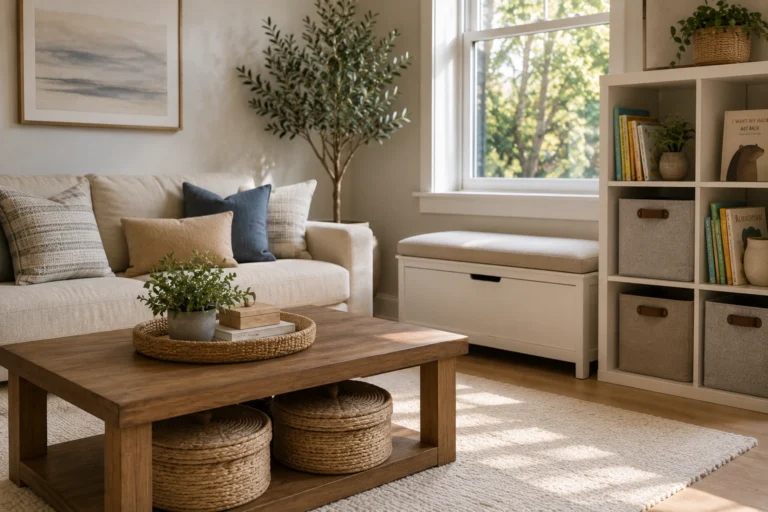
If a window is near the corner, building a bench or placing a low seat beneath it creates a cozy perch with a view. A window seat invites people to sit, look outside, and slow down, which is something most living rooms lack. Storage drawers or cubbies built into the bench underneath give you a hidden spot for blankets, board games, or seasonal items. It is one of the few corner ideas that adds both seating and storage.
Designer Tip: Add a thick cushion on top and two or three throw pillows against the wall. Without the cushion, nobody will sit on it because a bare wood or MDF surface is not comfortable. The cushion is what turns a bench into a seat people actually use.
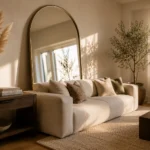
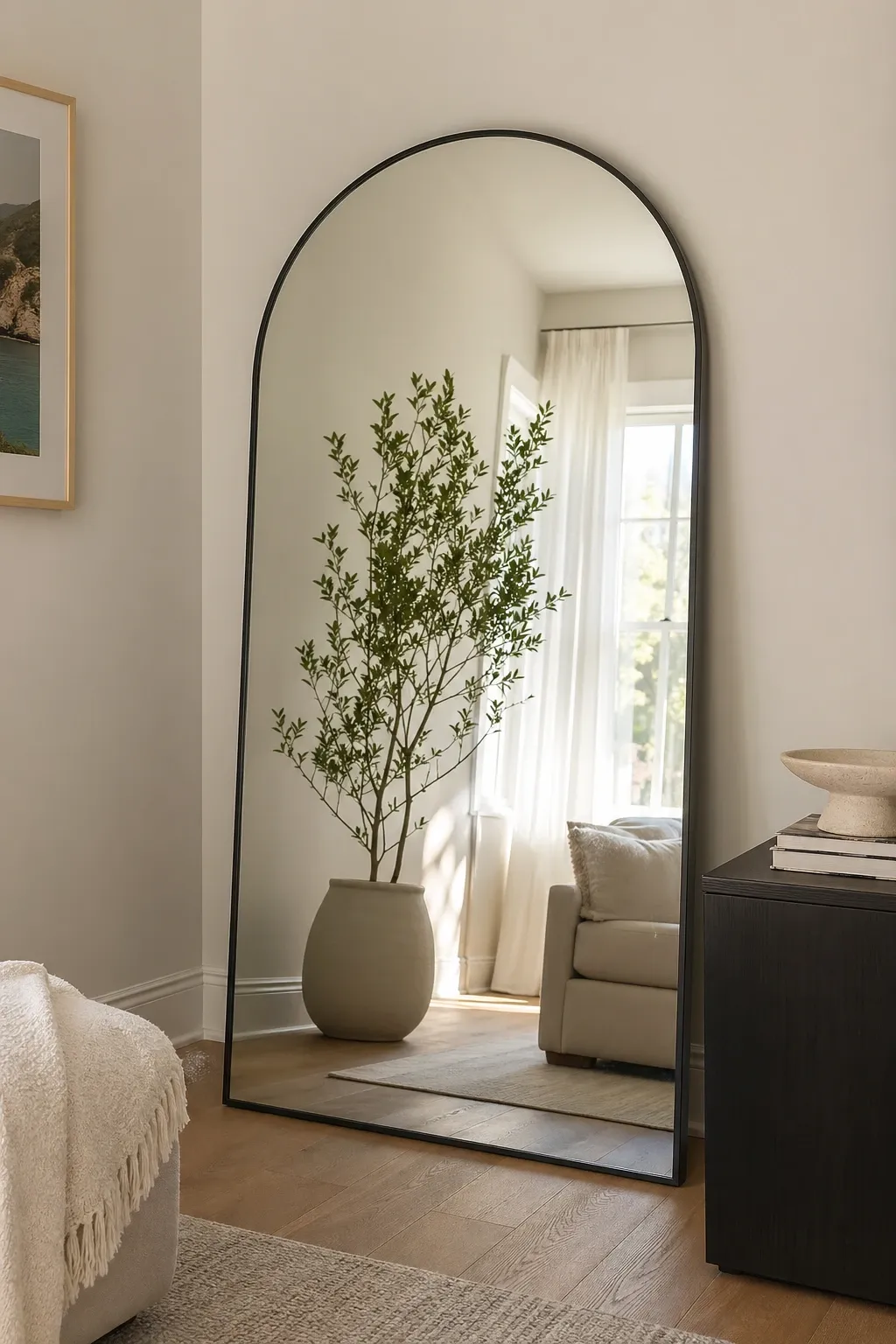
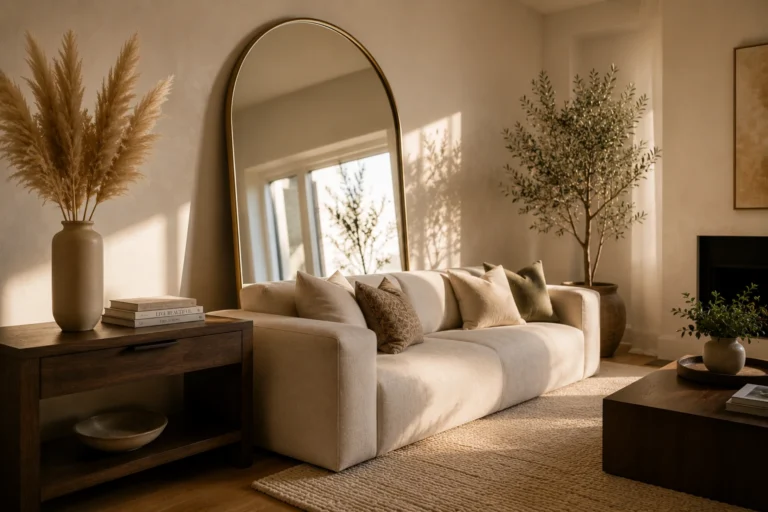
A large floor mirror leaning in a corner bounces light around the room and makes the space feel bigger than it is. The mirror reflects the room back at an angle, which adds visual depth that you cannot get any other way. A full-length mirror with a thin frame in gold, black, or natural wood works as both a functional piece and a design statement. It is especially effective in rooms with limited natural light.
Designer Tip: Position the mirror so it reflects a window or the best-looking part of the room. A mirror reflecting a blank wall or the back of a sofa wastes its potential. Angling it to catch natural light and a view of the room makes the biggest visual impact.
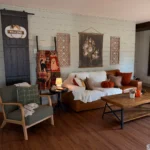
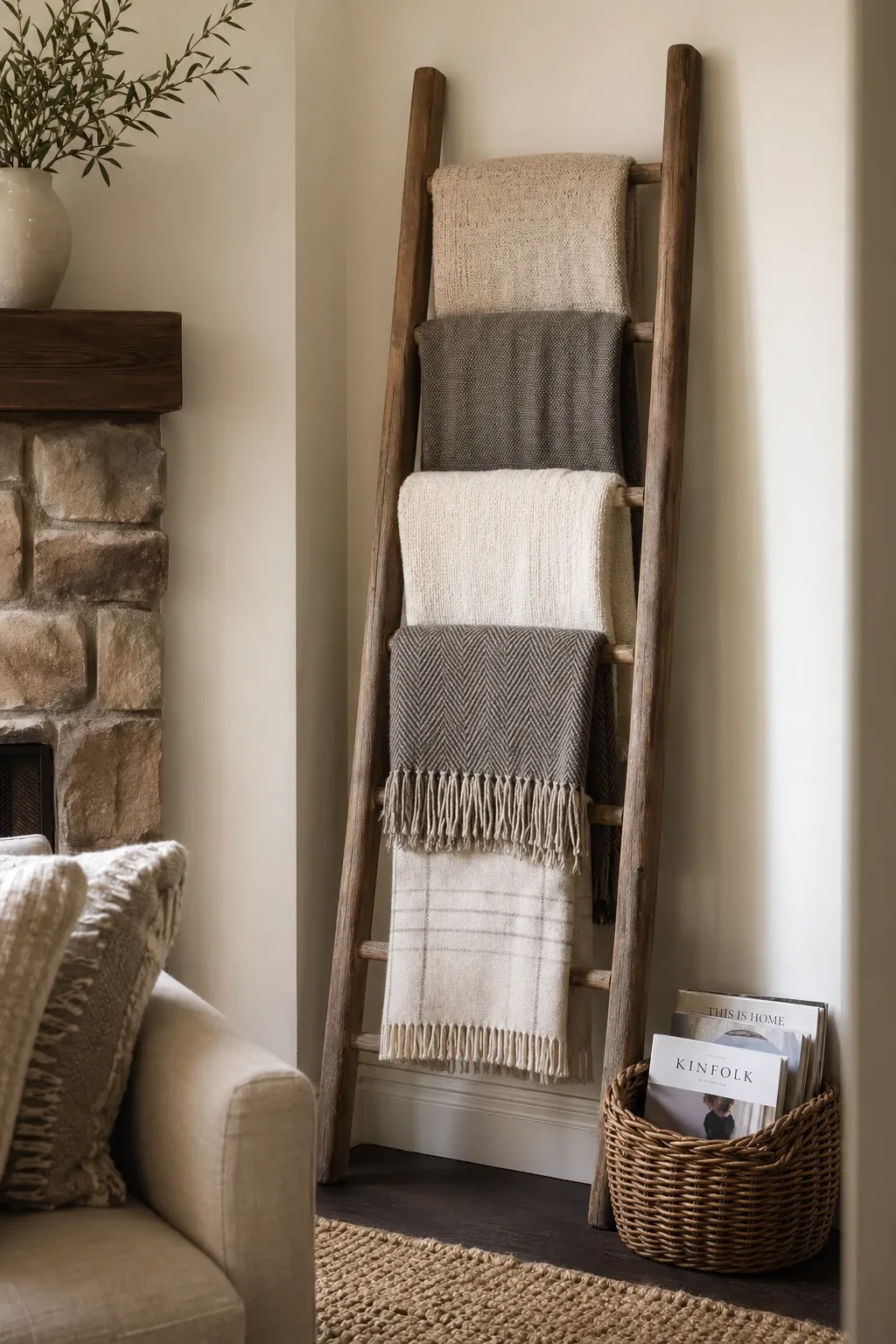
A wooden or metal ladder leaned in the corner and draped with blankets, scarves, or string lights gives the corner texture and warmth. The ladder takes almost no floor space because it leans flat against the wall, and the rungs provide multiple levels for hanging things. It is one of the easiest and cheapest corner solutions because you can use a vintage ladder from a flea market or a new decorative one from any home store.
Designer Tip: Limit the ladder to three or four items. One throw blanket, one woven scarf, and maybe a small strand of fairy lights is plenty. Overloading every rung makes it look like a drying rack instead of a display piece.
Every living room has at least two corners that are not doing anything useful. Pick the one that bugs you the most, choose an idea from this list that fits how you live, and set it up. You will be surprised how much more finished the room feels when the corners are working instead of just sitting there empty.
Frequently Asked Questions
What is the best way to fill an awkward living room corner?
Start with what you need. If you need storage, go with a bookshelf or window seat with built-in drawers. If you need function, set up a reading nook or home office. If you just need the corner to look good, a tall plant, a floor mirror, or a decorative ladder does the job with minimal effort.
How do I make a dark corner in my living room look better?
Add a light source like a floor lamp or wall-mounted sconce and a mirror to bounce the light around. Low-light plants like snake plants or ZZ plants also work well in dark corners and add life without needing much sunlight. Avoid putting dark furniture in a dark corner because it will disappear visually.
Can I mix multiple corner ideas in one living room?
Yes, as long as each corner has a distinct purpose. A reading nook in one corner and a plant grouping in another works well because they serve different functions and do not compete visually. Avoid putting two similar setups in opposite corners because it can look repetitive.
What should I avoid putting in a living room corner?
Avoid large, boxy furniture that blocks the corner entirely and makes it hard to clean behind. Also avoid putting nothing in the corner and hoping nobody notices. Empty corners in a furnished room draw attention to themselves. Even a simple plant or a basket with blankets is better than nothing.